
Saint-Lary-Soulan

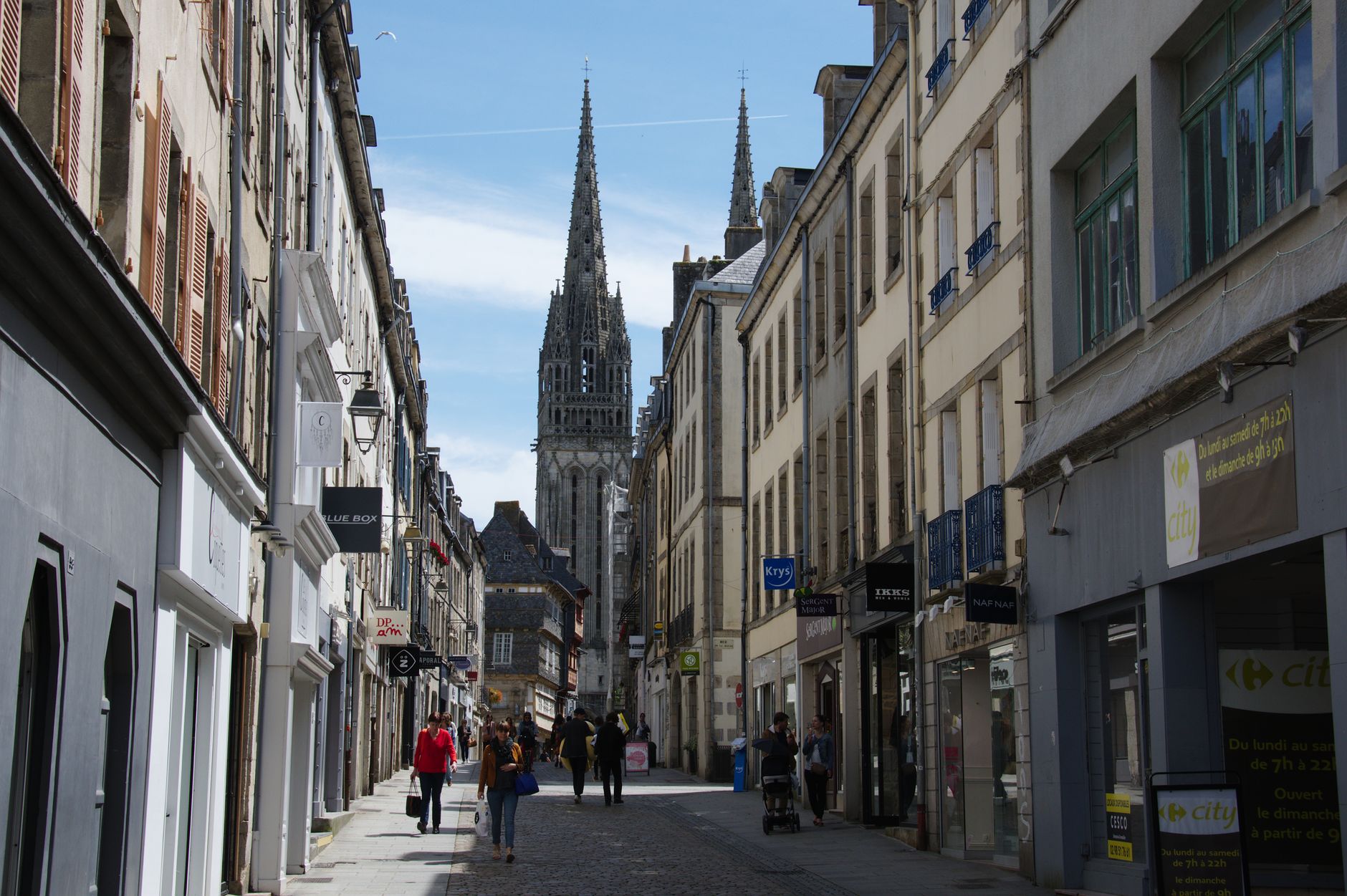
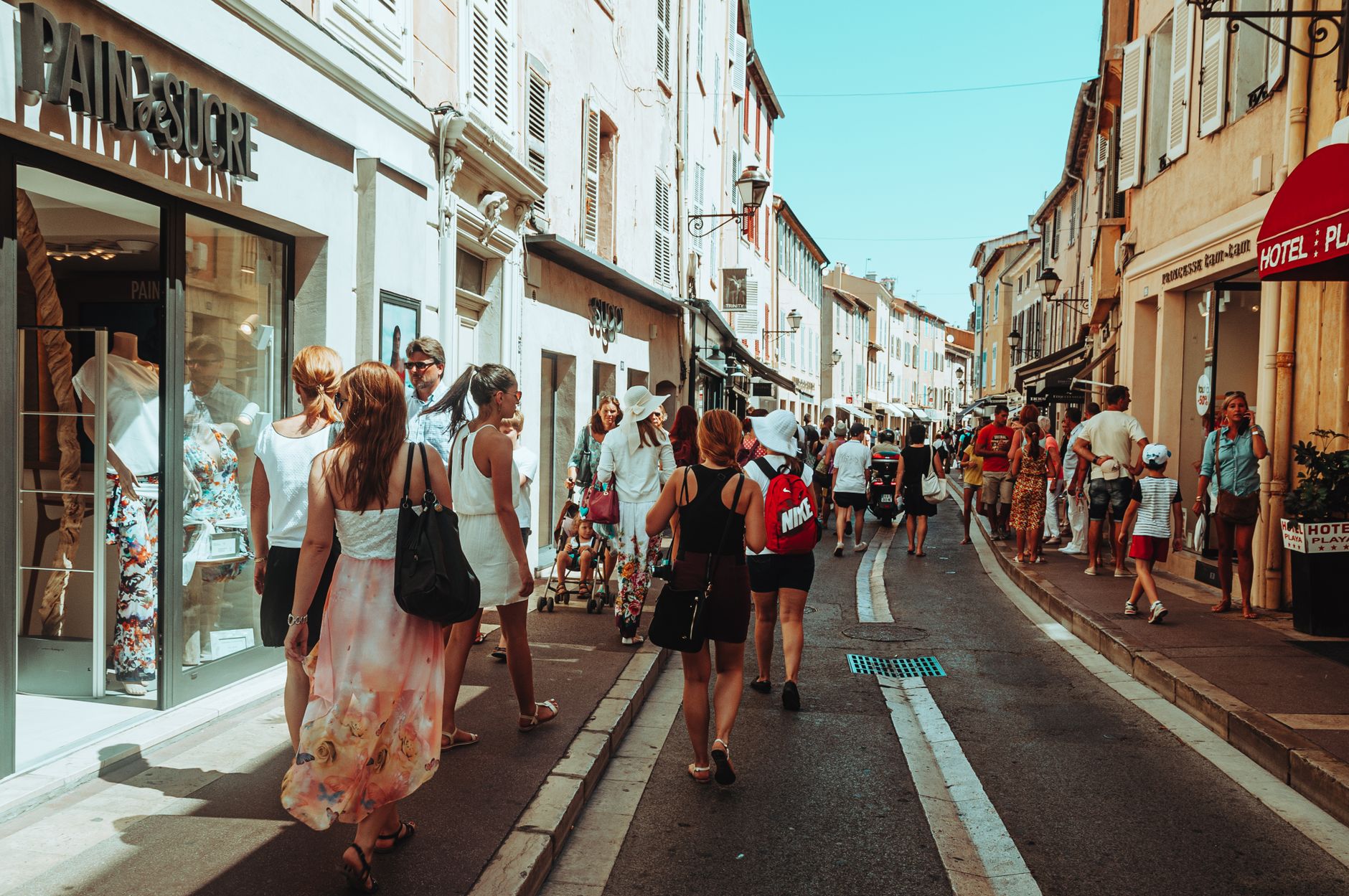
The main street through Saint-Lary-Soulan is named after a mayor who died in a car accident in 1997, and that detail says something about the place — a ski resort built on one person's conviction, still carrying his name past every cheese shop and crêperie. The village sits at the foot of the Aure Valley, stone houses with wooden balconies and slate roofs stepping up toward slopes that reach 2,515 metres.
This is a working Pyrenean resort rather than a polished alpine set piece. The Saturday market in the Ardoune car park sells local honey, cured meats and the kind of cheese that needs no explanation. A pastry shop on the main street makes gâteau à la broche — a fir-tree-shaped cake cooked on a wood fire — using a method that has not changed in generations.
💛 What travellers fall for
People who come back tend to mention two things: the Mirabelle piste (3.6 km, 700 m of drop, and you end up at a mountain restaurant that has been in the same Soulan family since 1975), and the thermal baths in the village park on the day after hard skiing. Book the baths ahead in January.
Experiences you don't want to miss


Deals in Saint-Lary-Soulan
Book directly at the provider

How Saint-Lary-Soulan came to be
The village you walk through today is itself a merger: Saint-Lary and the neighbouring hamlet of Soulan joined administratively in 1963, and the combined name stuck. The ski resort grew from the ambition of one man — Vincent Mir, who served as mayor and pushed persistently for the mountain above the village to be recognised as a serious winter destination. By 1969, Saint-Lary-Soulan had been designated a major French Climatic and Winter Sports Resort, a status that brought investment and infrastructure.
In 1988, the thermal baths opened in the village centre, drawing on sulphur and sodium springs that had been known since Antiquity. Mir died in a car accident in 1997; the main street bears his name. During earthworks in the 2000s, workers uncovered two large bells of unknown origin — possibly concealed to prevent them being melted down during wartime — now displayed near the Tourist Office.
Who and what shaped it
People who shaped it
Landmark buildings
See Saint-Lary-Soulan in motion
Plan your visit
On the map
When to go
Winters are cold and snowy above the village, with January nights dropping to around -4°C; the ski season is the point. Summer days reach around 22°C in August, though the Pyrenees bring rain unpredictably — pack a layer even in July.
Right now
Background & history adapted from Wikipedia (CC BY-SA) · specs from Wikidata (CC0) · weather from Open-Meteo · map data © OpenStreetMap contributors · photos from Wikimedia Commons / Unsplash with per-image credit. No third-party reviews or social posts reproduced.