
Cauterets
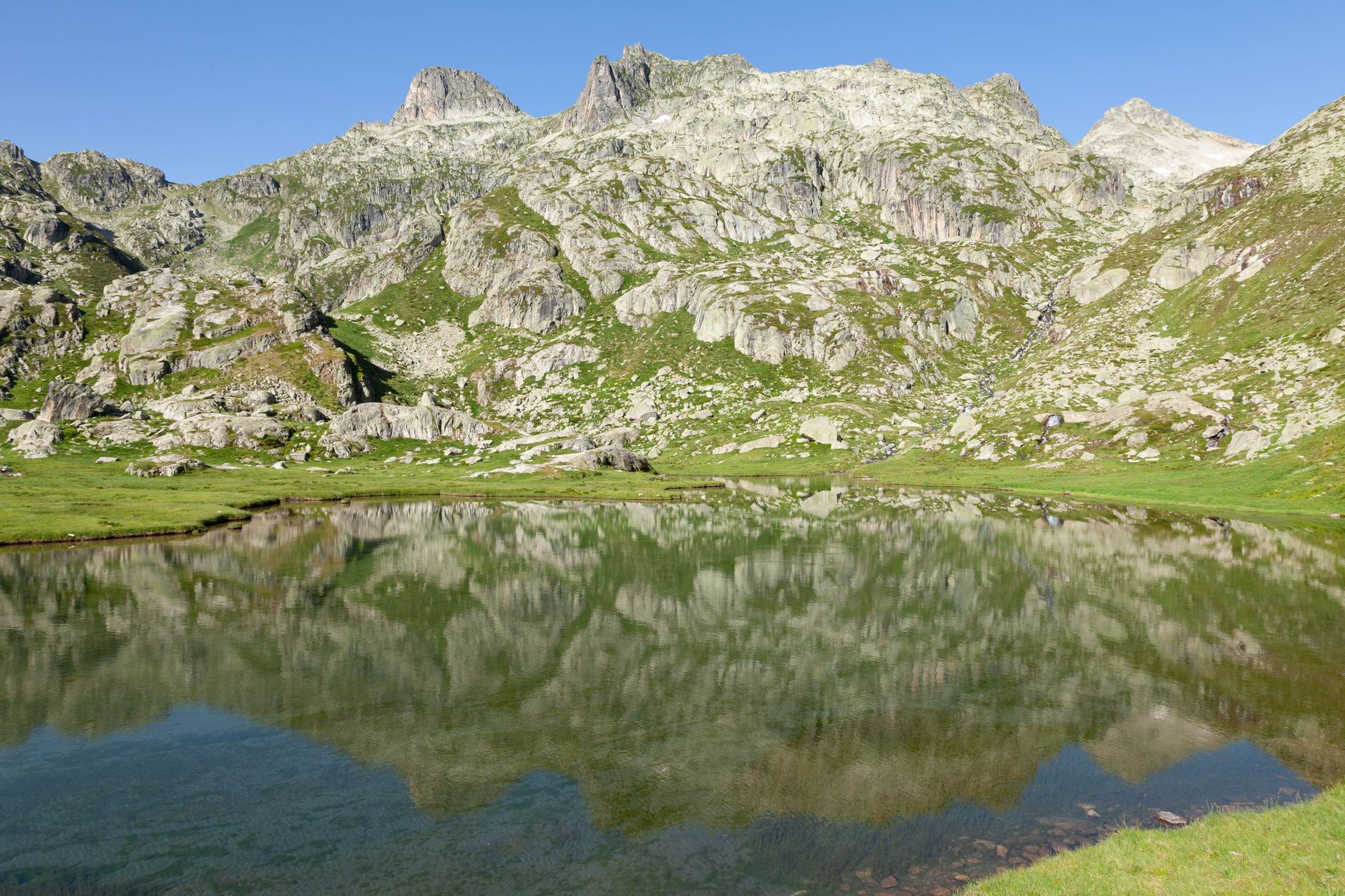
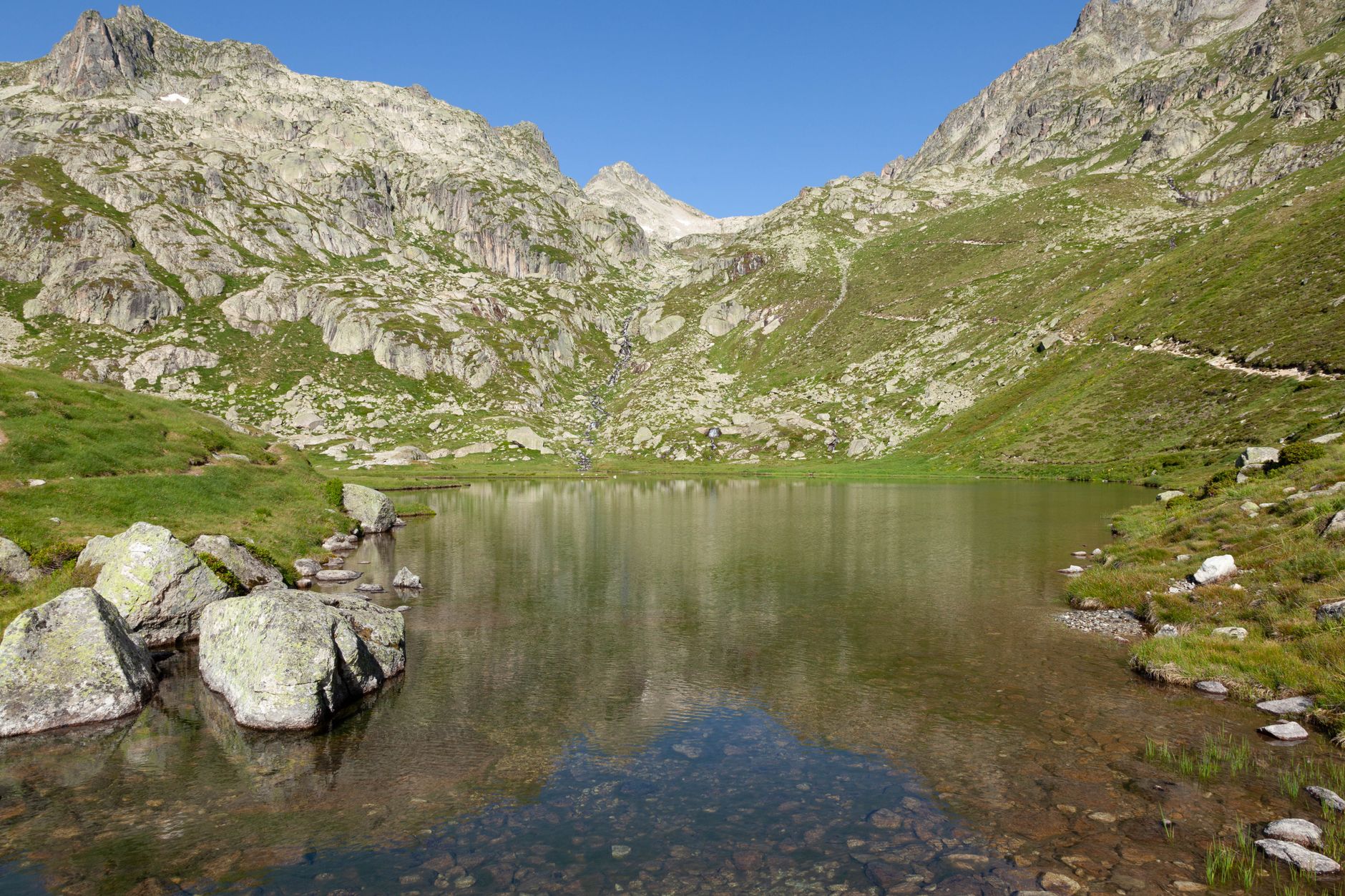
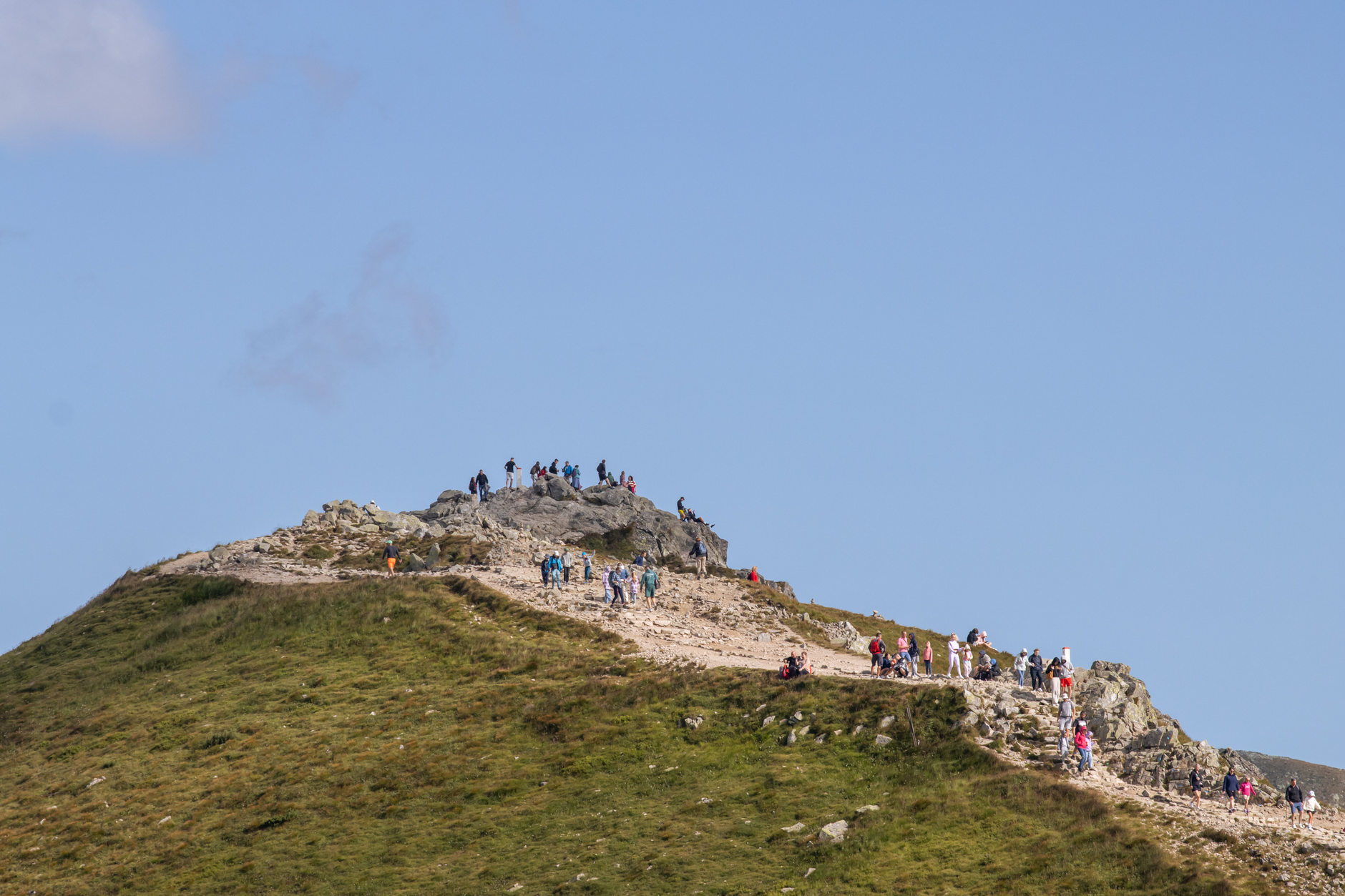
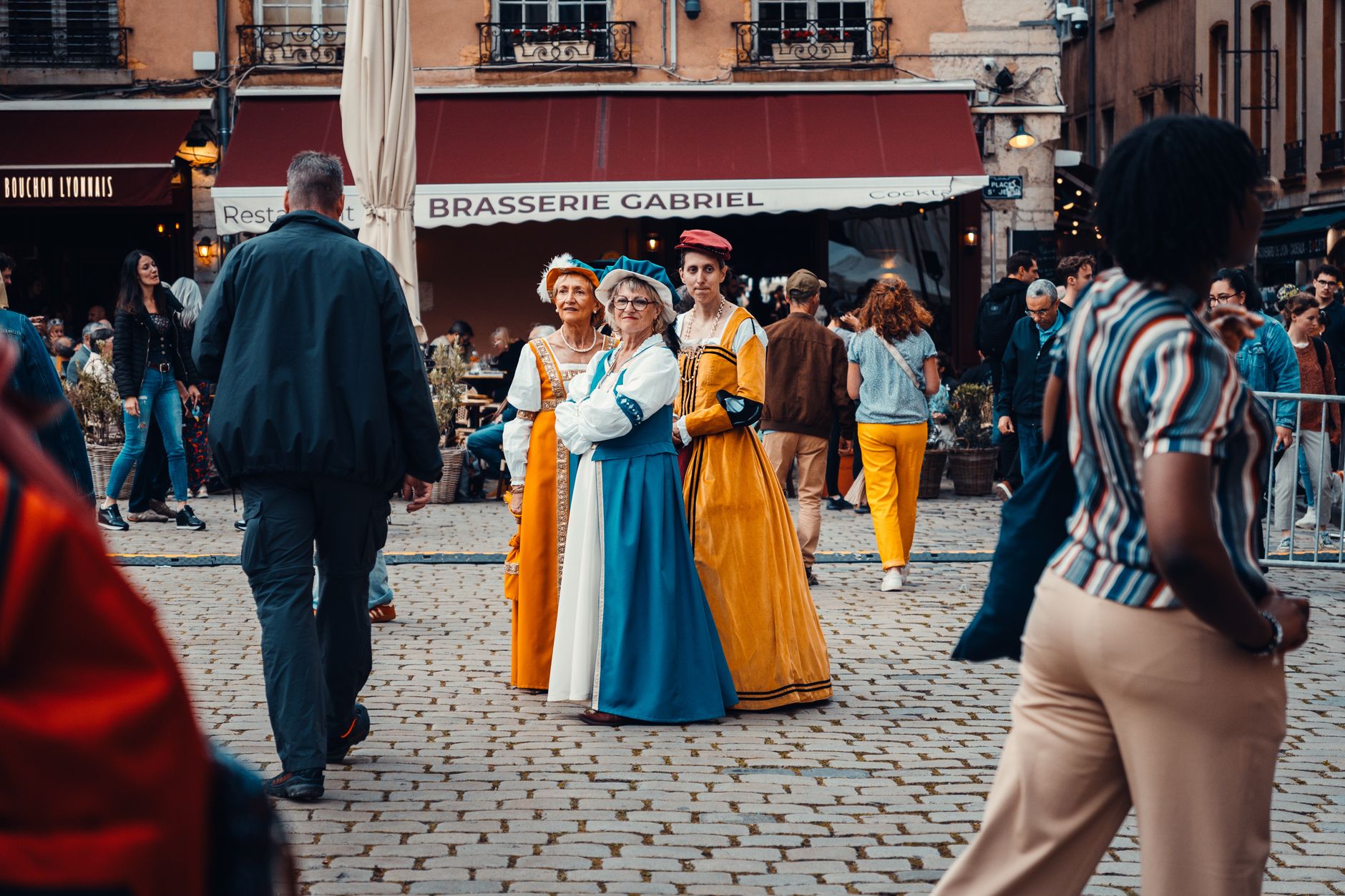
The name gives it away before you arrive: Cauterets comes from the old Gascon for 'place of hot baths', and the town has been organised around that fact since the Romans left a pool here. The valley sits high in the French Pyrenees, the main street — Boulevard Latapie-Flurin — lined with grand late-19th-century facades that speak to an era when European royalty and literary figures came to take the waters and breathe the mountain air.
Today Cauterets runs on two parallel tracks: thermal spa town and ski resort. The Cirque du Lys station, built in the 1960s, added winter to a calendar that had always been warmer-months-only, and the town now shifts character with the seasons without losing the particular calm that comes from being at the end of a single road into the mountains.
💛 What travellers fall for
People who come back tend to time their visits around the thermal schedules — the Bains du Rocher runs into late spring, the main Thermes from March through October. They walk Rue Richelieu in the evening when the light catches the old hotel facades, and they learn quickly that the coach from Lourdes is more reliable than trying to park in high season.
Experiences you don't want to miss




Deals in Cauterets
Book directly at the provider


How Cauterets came to be
The Romans were the first to formalise what the geology offered, leaving behind evidence of a bathing pool fed by the hot springs. The town's reputation sharpened in the 14th century when Gaston Phoebus, Count of Foix, came to treat his deafness here. Two centuries later, Marguerite de Navarre made repeated visits, and her presence turned Cauterets into a place people of consequence wanted to be seen.
The 19th century brought the grande époque: architect Lucien Cottet designed the Grand Hôtel d'Angleterre (1875–1878) and the Grand Hôtel Continental (1881, with 250 rooms and electric lighting), both now listed Historic Monuments. Victor Hugo, George Sand, Chateaubriand, Sarah Bernhardt, Napoléon III, Edward VII and Alfonso XIII all passed through. The railway station arrived in 1898, and in 1907 the ski club was founded — a hint of what the 1960s ski station at Cirque du Lys would eventually become. A catastrophic flood on 18 June 2013 destroyed several buildings, a reminder that the mountains that draw people here set their own terms.
Who and what shaped it
People who shaped it
Landmark buildings
See Cauterets in motion
Plan your visit
On the map
When to go
Cauterets has an oceanic mountain climate — wet throughout the year, with annual rainfall nudging 1,240 mm, so a waterproof layer is useful in any season. July and August bring the warmest days (average highs around 22°C), while January and February hover just below freezing at night, with reliable snow cover for skiing.
Right now
Background & history adapted from Wikipedia (CC BY-SA) · specs from Wikidata (CC0) · weather from Open-Meteo · map data © OpenStreetMap contributors · photos from Wikimedia Commons / Unsplash with per-image credit. No third-party reviews or social posts reproduced.