
Lyon
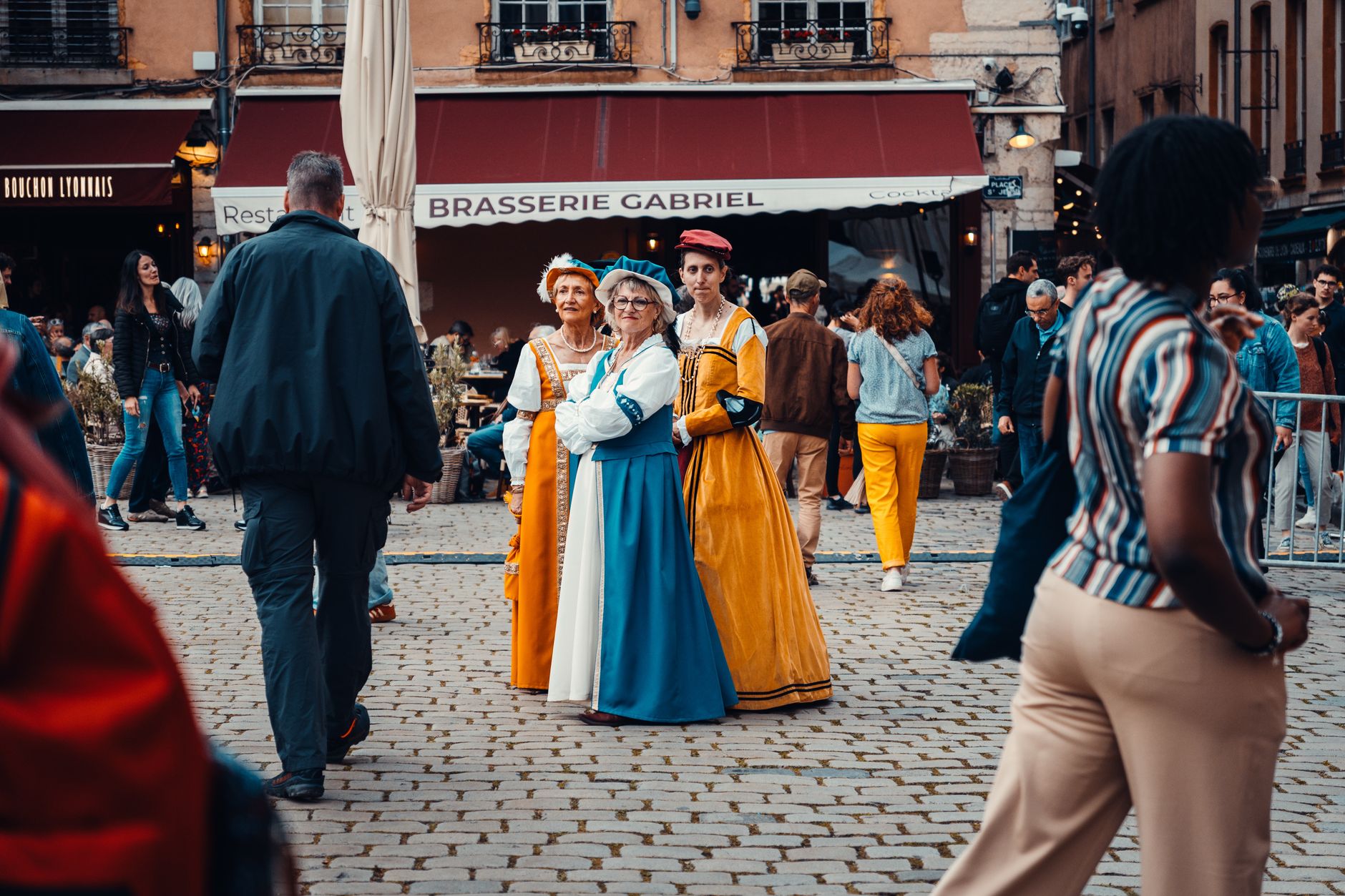
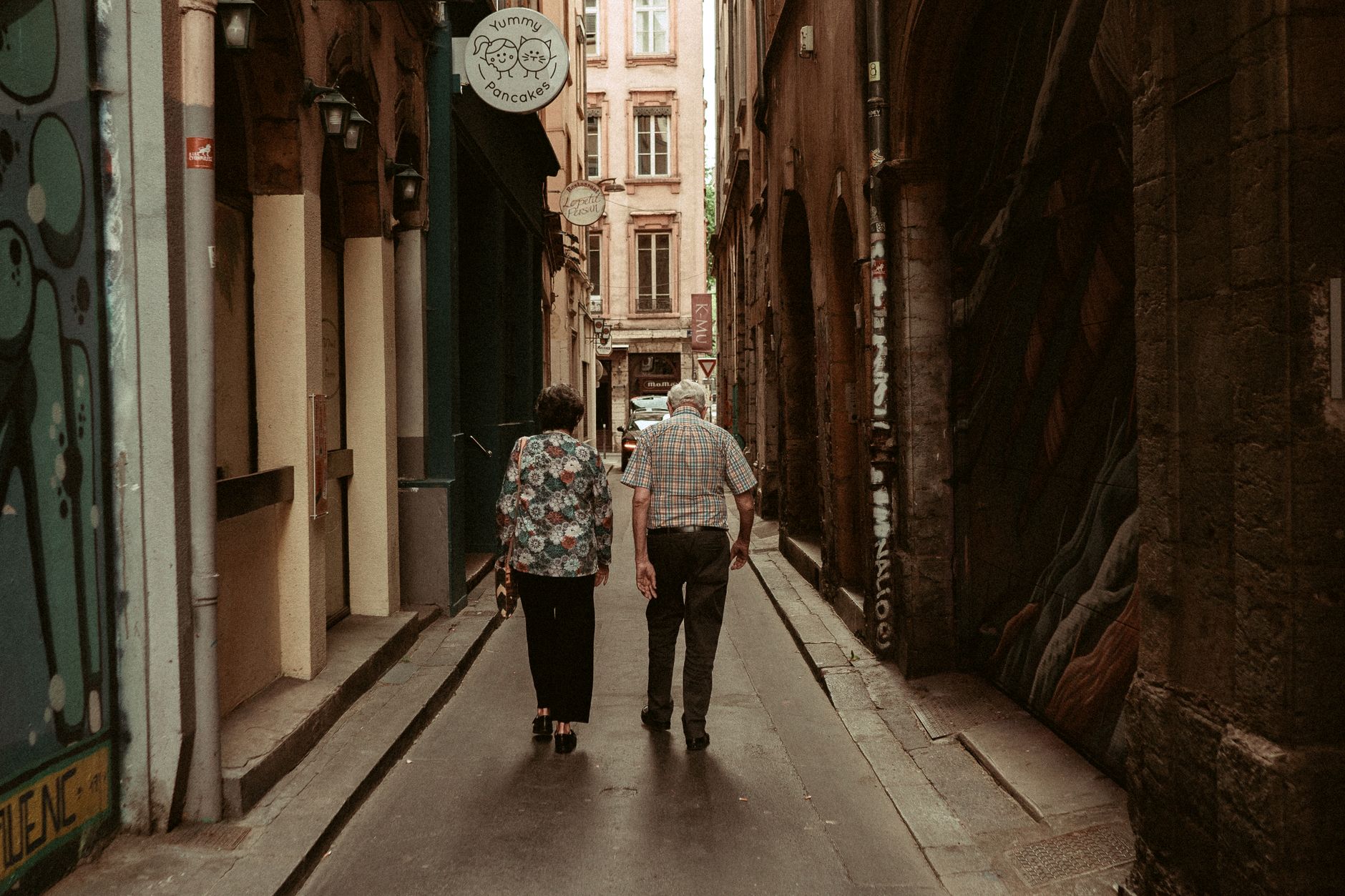
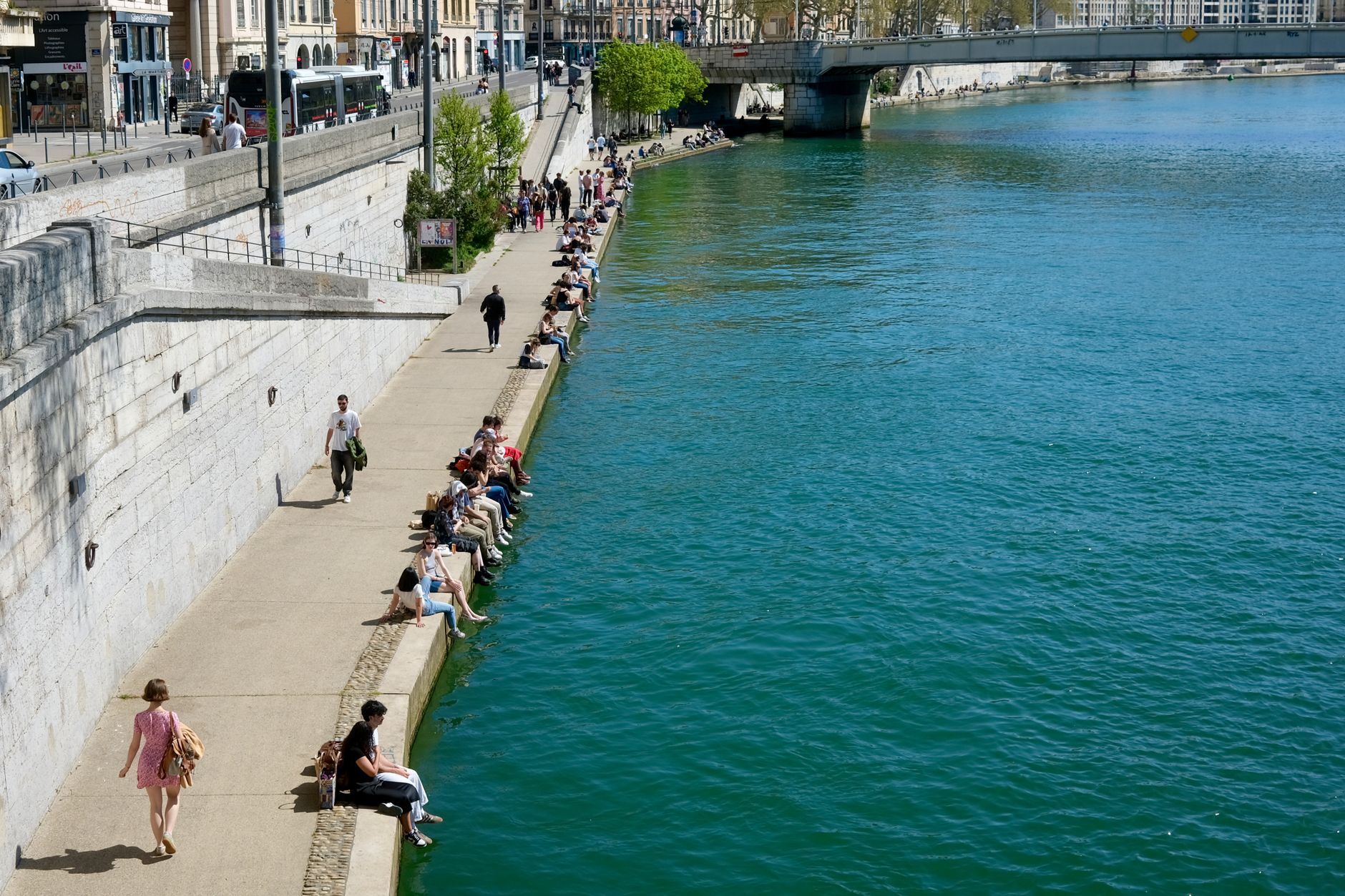
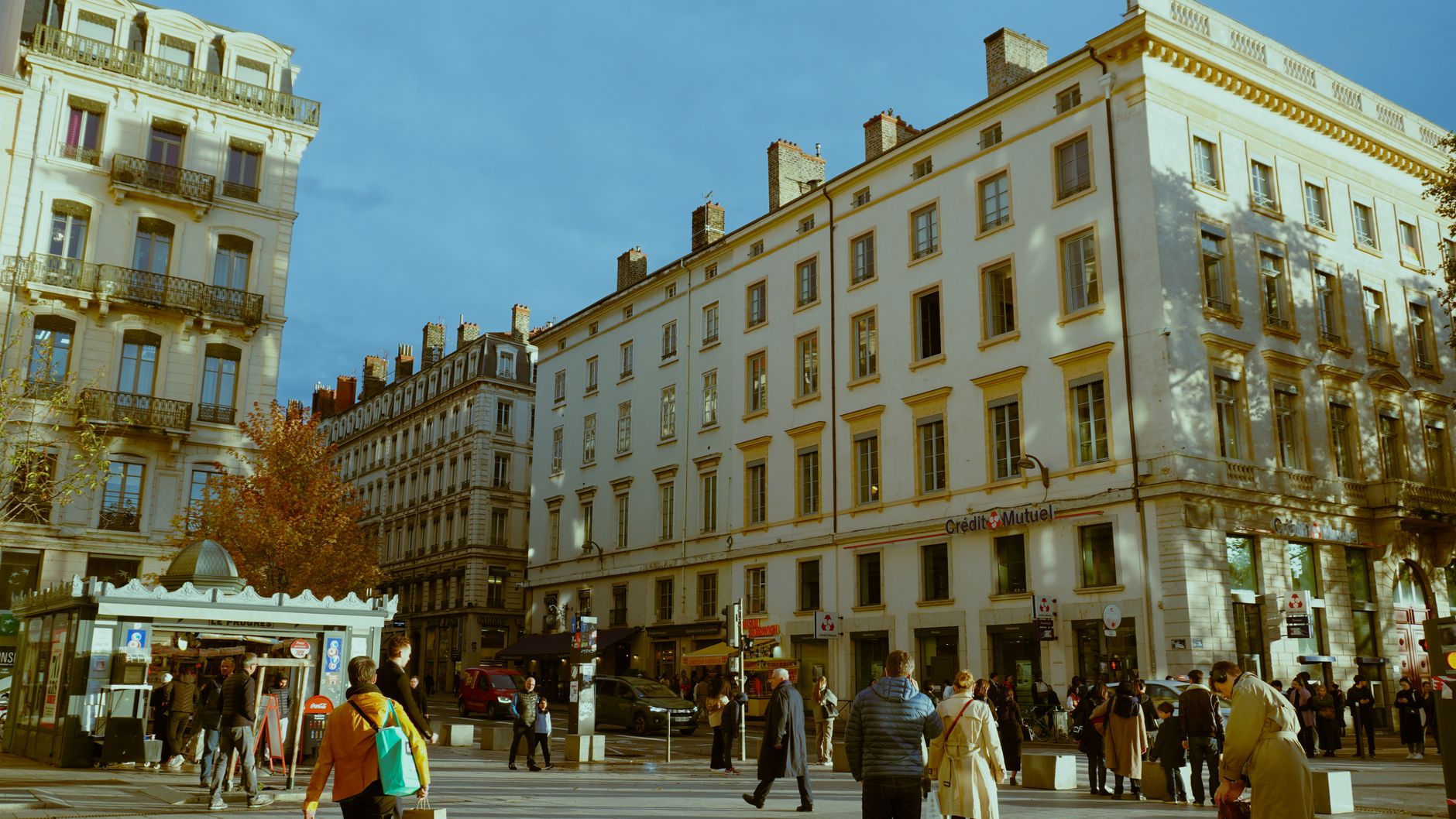
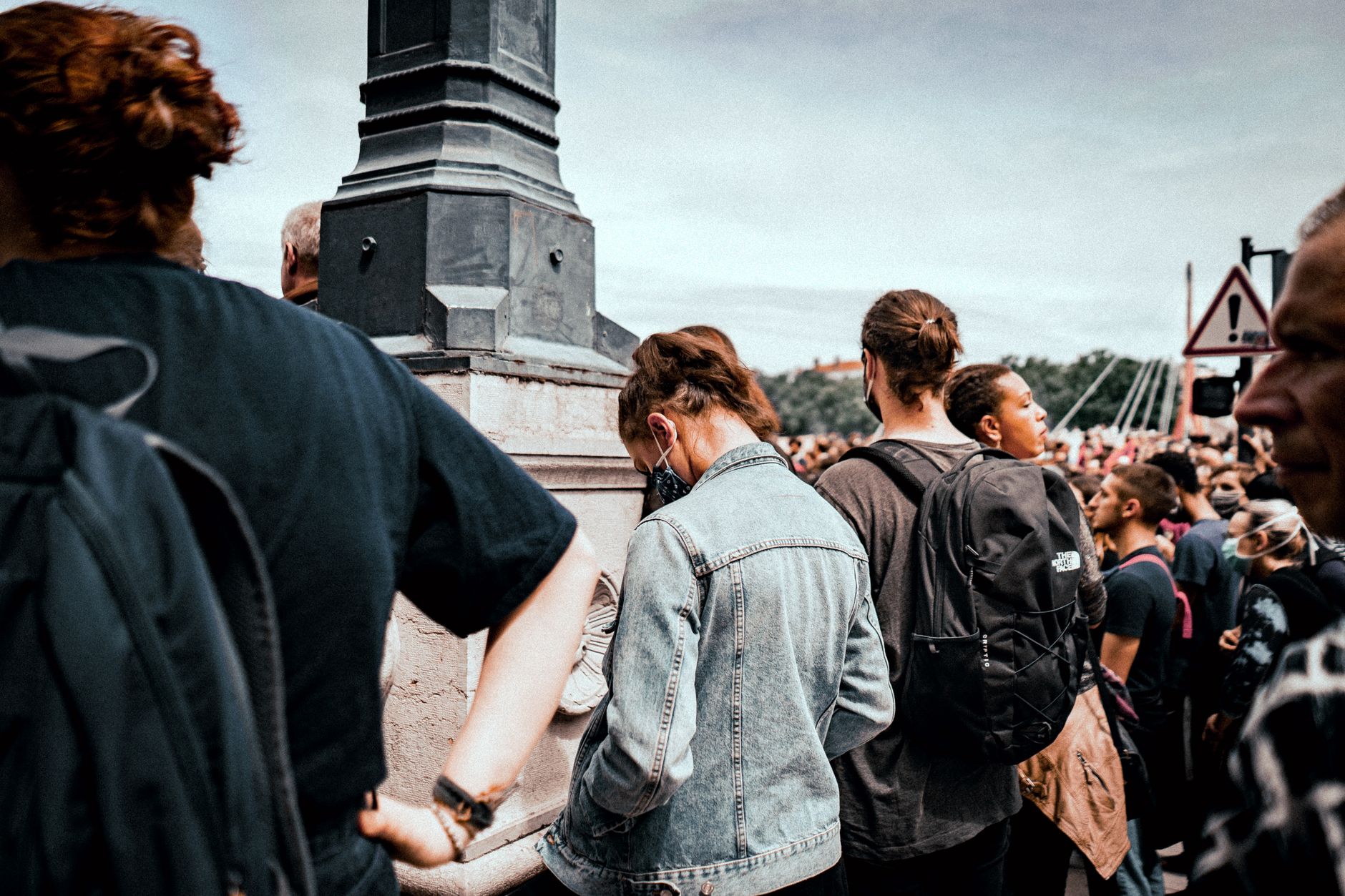
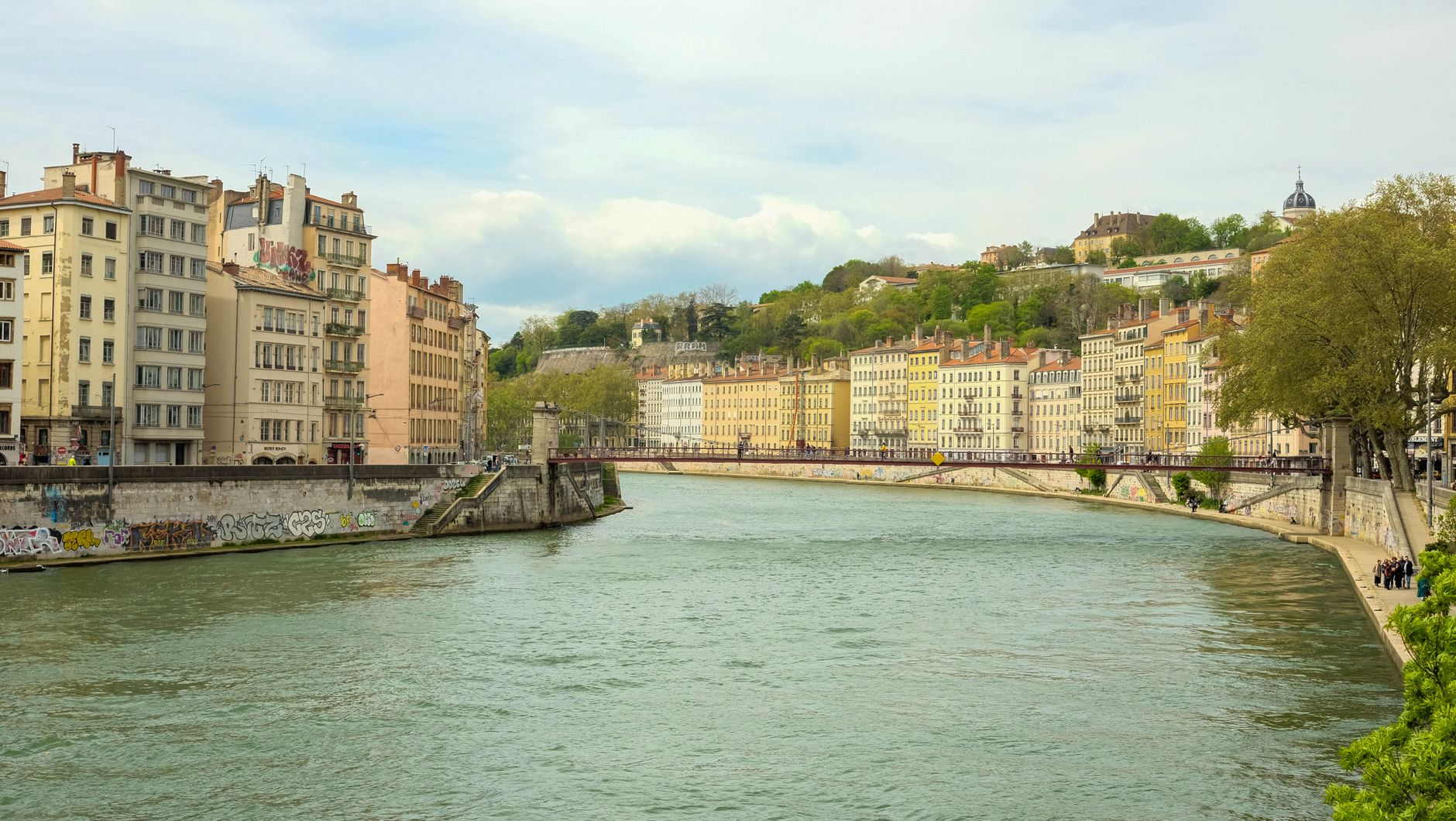
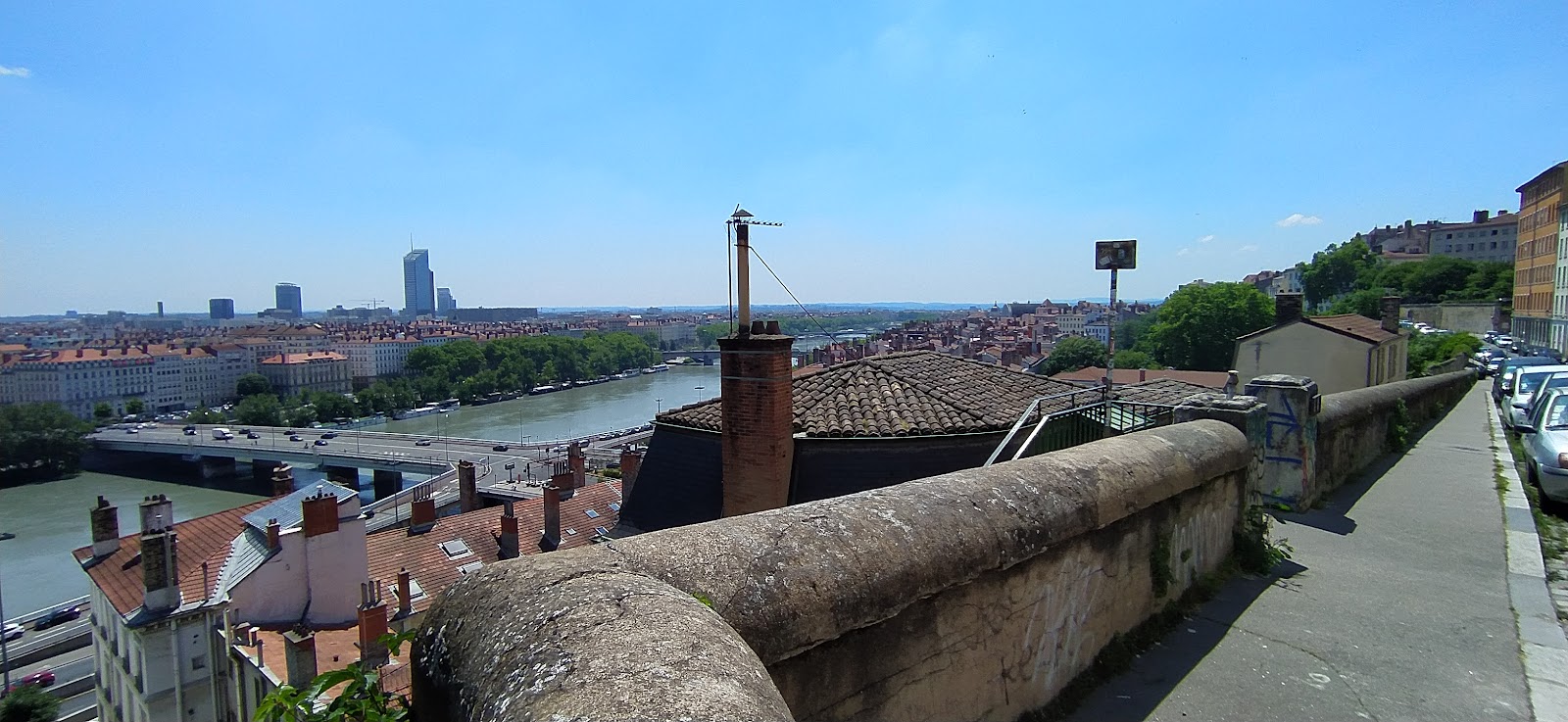
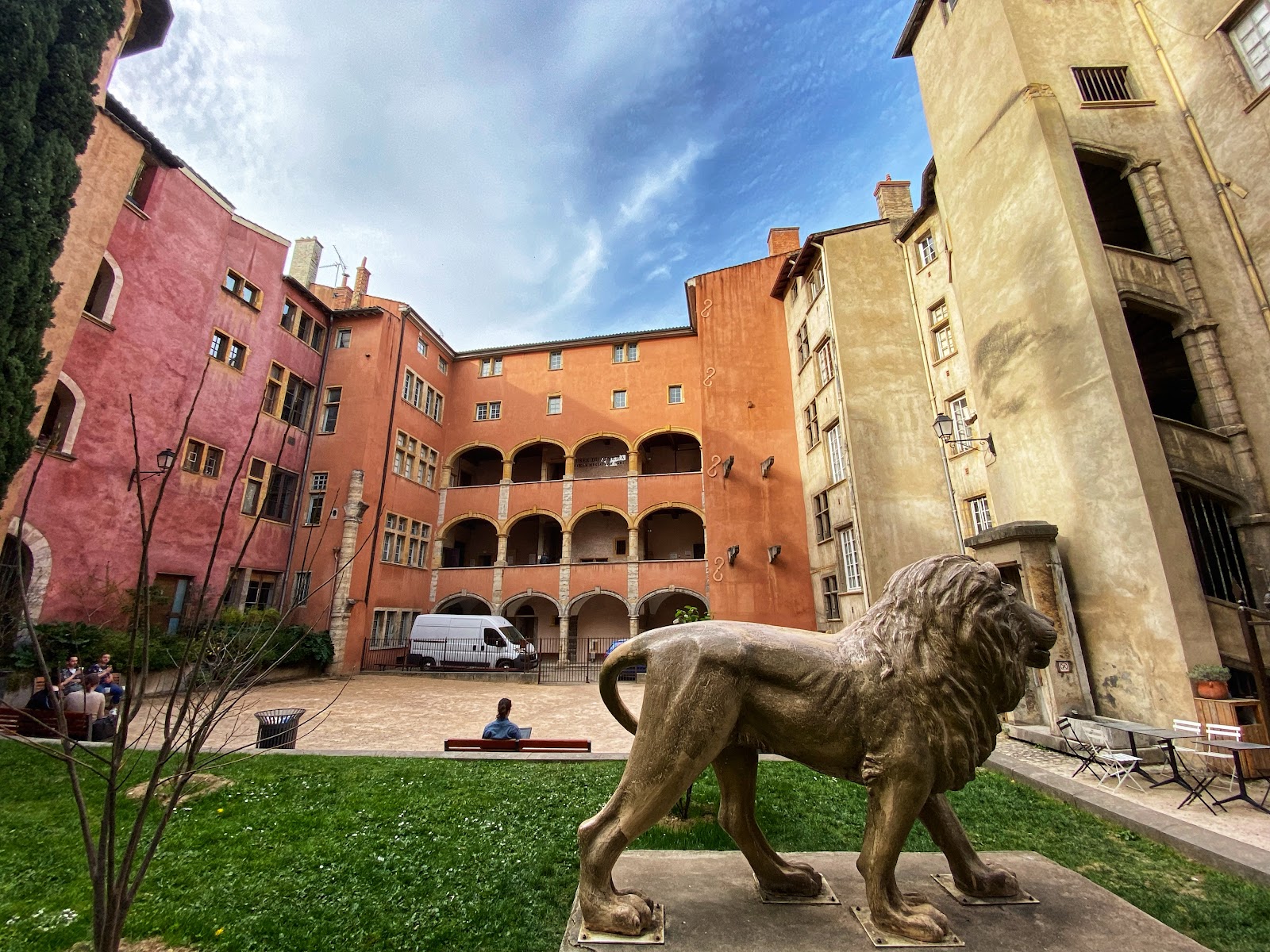
Lyon sits at the confluence of two rivers, the Rhône and the Saône, and has been a place where things get made and traded since a Roman general named Lucius Munatius Plancus planted a military colony here in 43 BCE. The silk looms are mostly quiet now, but the city still operates on that same logic — production, craft, exchange. The covered corridors called traboules, whose name traces back to the Latin for 'to pass through', run behind Renaissance facades and through courtyards, connecting streets in ways that still catch first-time visitors off guard.
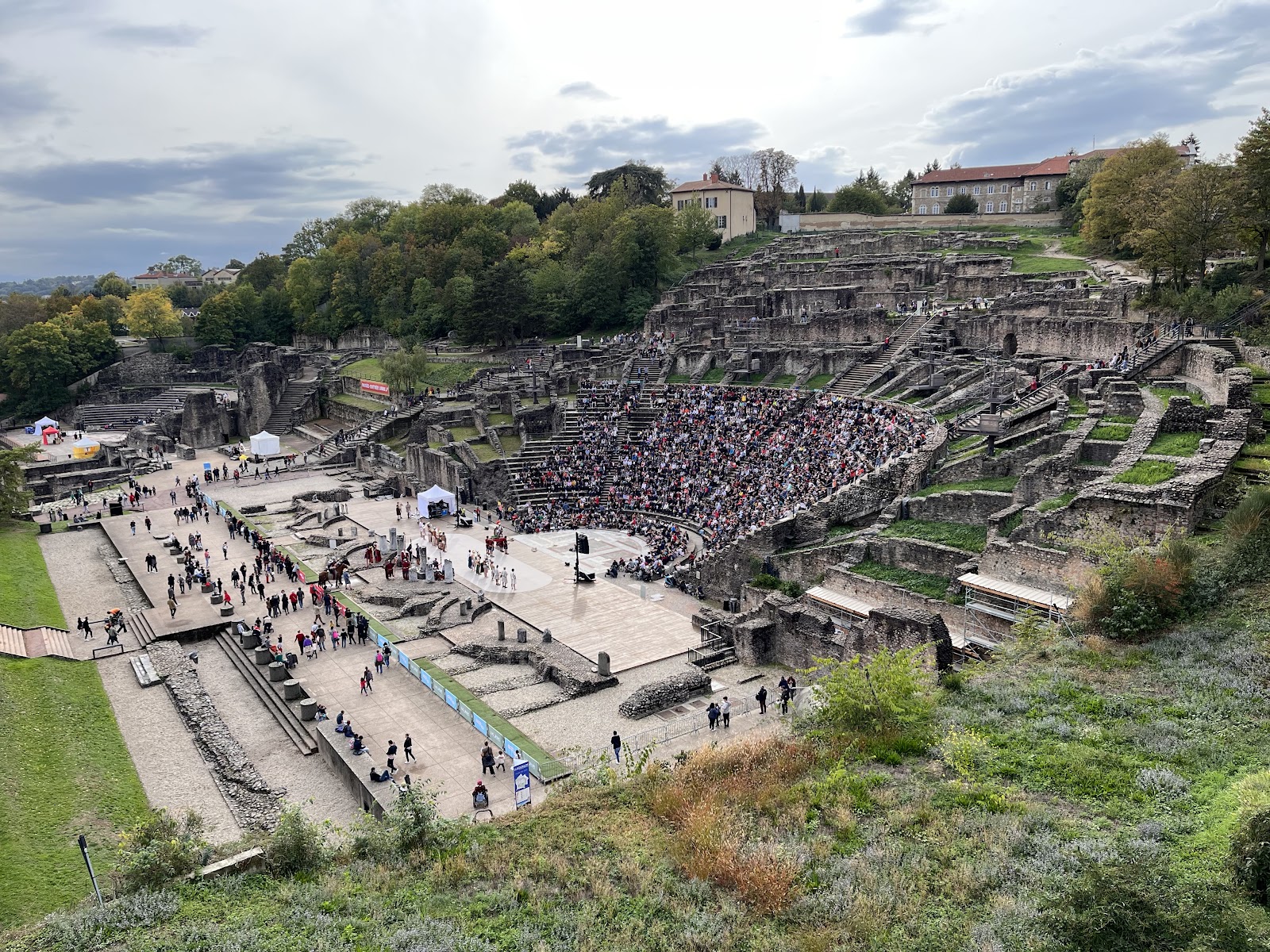
Lyon rewards the kind of attention you give a city you plan to return to. The Roman theatre on Fourvière Hill, built around 15 BCE for ten thousand spectators, still hosts performances. The food markets are serious. The architecture moves from Romanesque to Baroque to Jean Nouvel's glass-vaulted opera house without any of it feeling like a museum.
💛 What travellers fall for
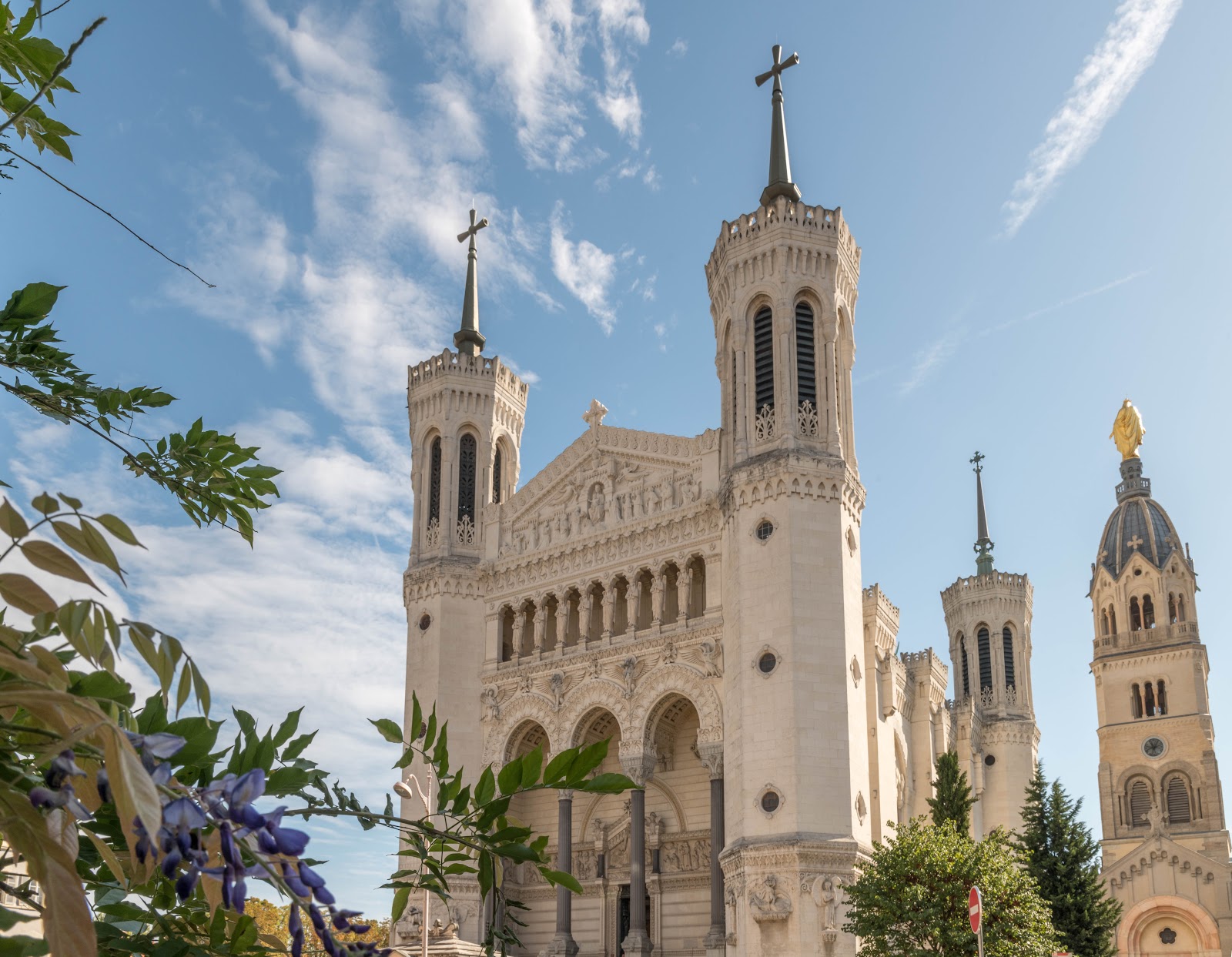
People who keep coming back tend to ride the funicular up to Fourvière early, before the tour groups arrive, then spend the rest of the morning in the traboules of Vieux Lyon rather than just photographing the facades from outside. The single TCL transit ticket covers an hour across all modes — metro, tram, funicular — which adds up fast if you plan around it.
Experiences you don't want to miss




Deals in Lyon
Book directly at the provider


How Lyon came to be
For three centuries after its founding, Lugdunum was the most important city in northwestern Europe — capital of the Three Gauls, seat of Roman emperors. Claudius and Caracalla were both born here. In 177 CE the city's early Christian community was persecuted under Marcus Aurelius; its first bishop, St Pothinus, was martyred in the Croix-Rousse amphitheatre. The city passed into the Holy Roman Empire in 1032 and was annexed to France in 1312.
The commercial fairs established in 1464 brought Italian merchant bankers and, nine years later, the printing press. By the 17th century Lyon was the silk-manufacturing capital of Europe. The Canut weavers who worked those looms staged organised revolts in 1831 and 1834 — among the earliest working-class uprisings in recorded history. During the Second World War, Jean Moulin unified the French Resistance from Lyon before his arrest in 1943. The historic centre was inscribed on the UNESCO World Heritage List in 1998.
Who and what shaped it
People who shaped it
Landmark buildings
See Lyon in motion
Plan your visit
On the map
When to go
Summers are warm and can be genuinely hot, particularly in July and August when the stone streets of Vieux Lyon hold the heat well into the evening. Spring and September offer mild temperatures and longer light; winters are cold and sometimes grey, though the city's indoor life — markets, museums, bouchons — carries the season without much difficulty.
Right now
↡ Attractions
Background & history adapted from Wikipedia (CC BY-SA) · specs from Wikidata (CC0) · weather from Open-Meteo · map data © OpenStreetMap contributors · photos from Wikimedia Commons / Unsplash with per-image credit. No third-party reviews or social posts reproduced.