
Vieux-Lyon
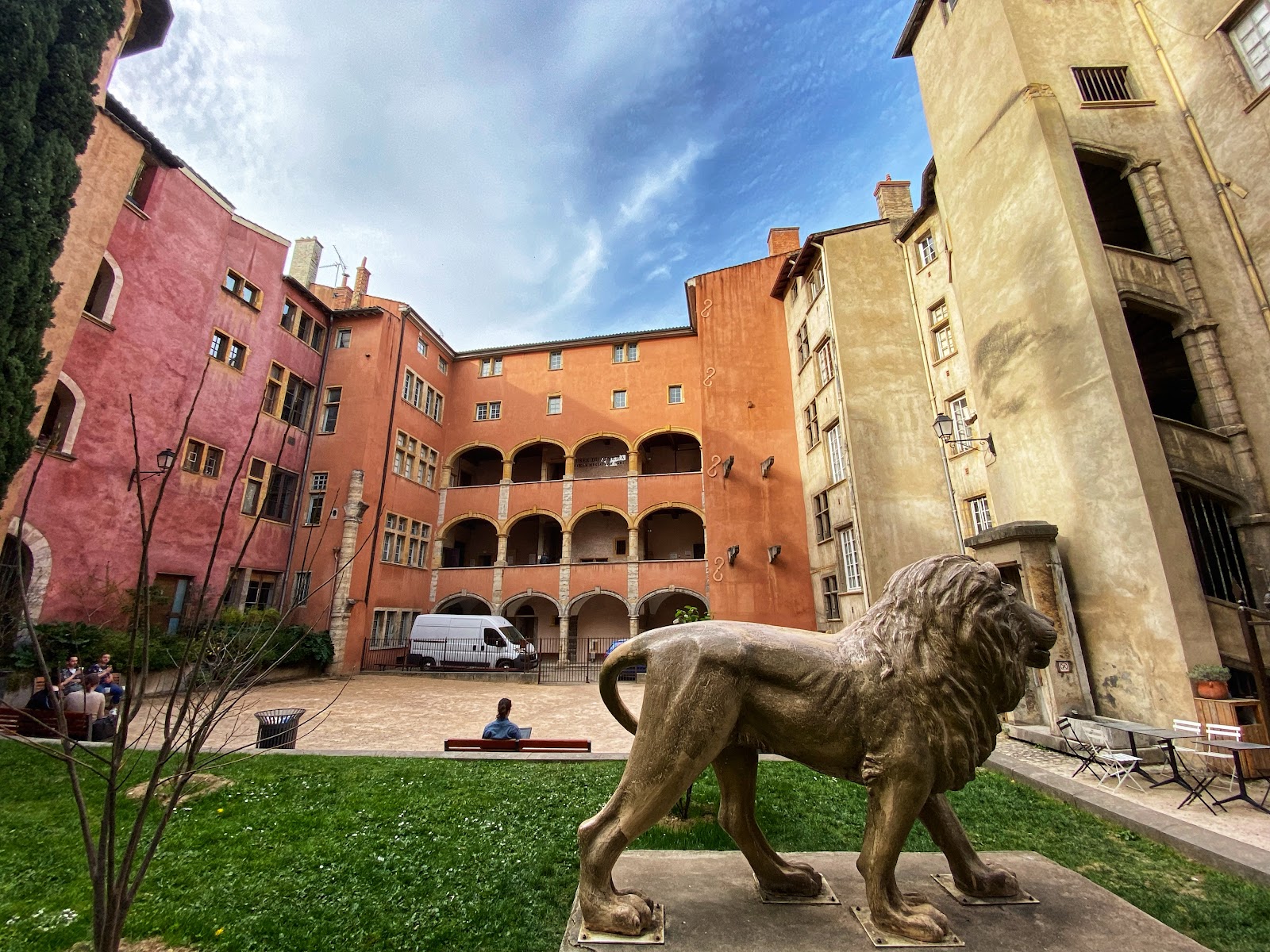
Walk through the right doorway in Vieux-Lyon and you find yourself in a traboule — a corridor that cuts clean through a Renaissance building, across a courtyard, and out onto a different street entirely. The word comes from the Latin trans-ambulare, to pass through, and that's the logic of the whole district: things connect in ways that don't show on the map.
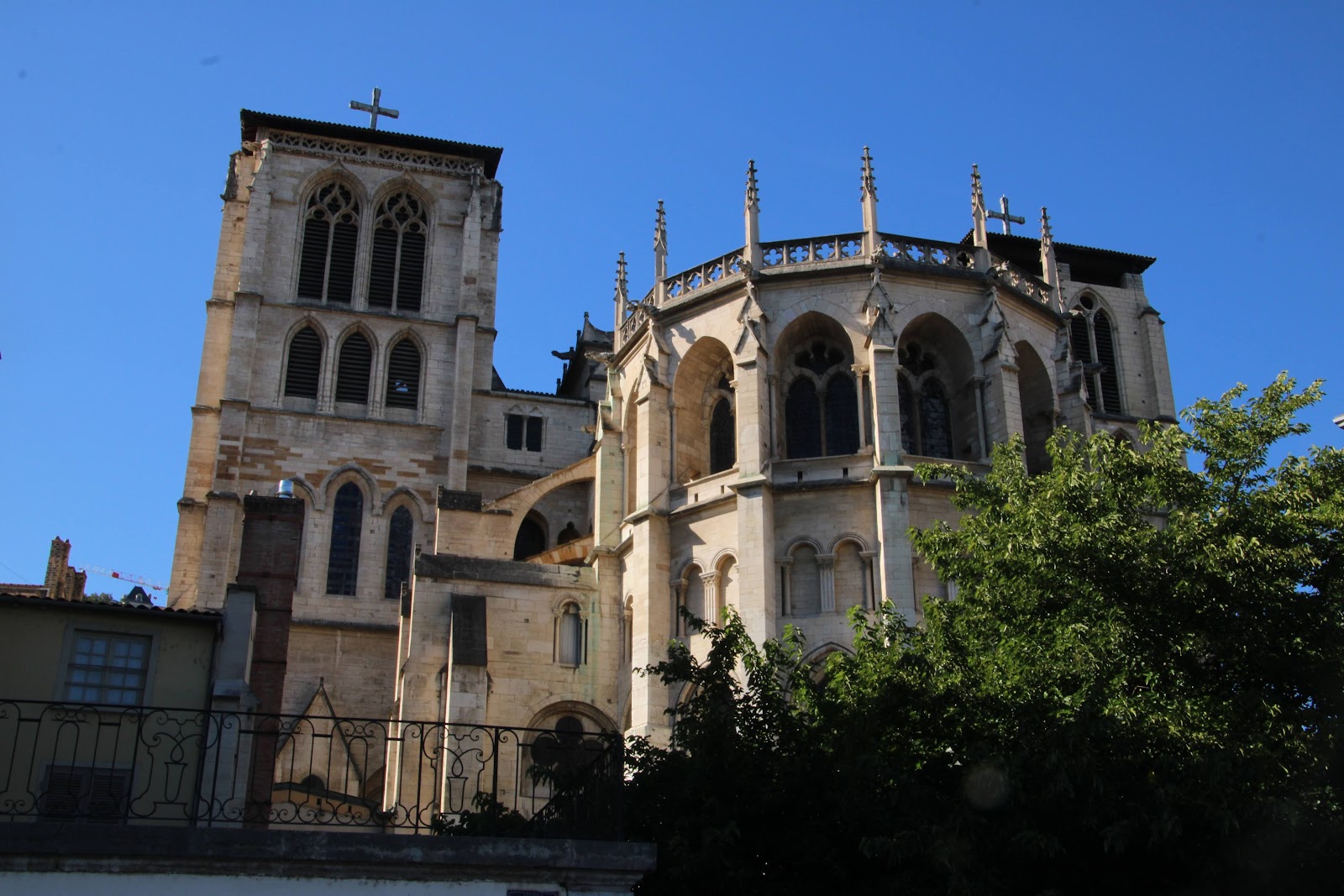
The three quarters — Saint-Georges to the south, Saint-Jean at the centre, Saint-Paul to the north — hold the largest Renaissance urban ensemble in France. Cobbled lanes run between the Saône and the foot of Fourvière hill, past hôtels particuliers built by Florentine banker-merchants, past churches that have been rebuilt and rebuilt again, and past the cathedral whose 14th-century astronomical clock still marks the hour.
💛 What travellers fall for
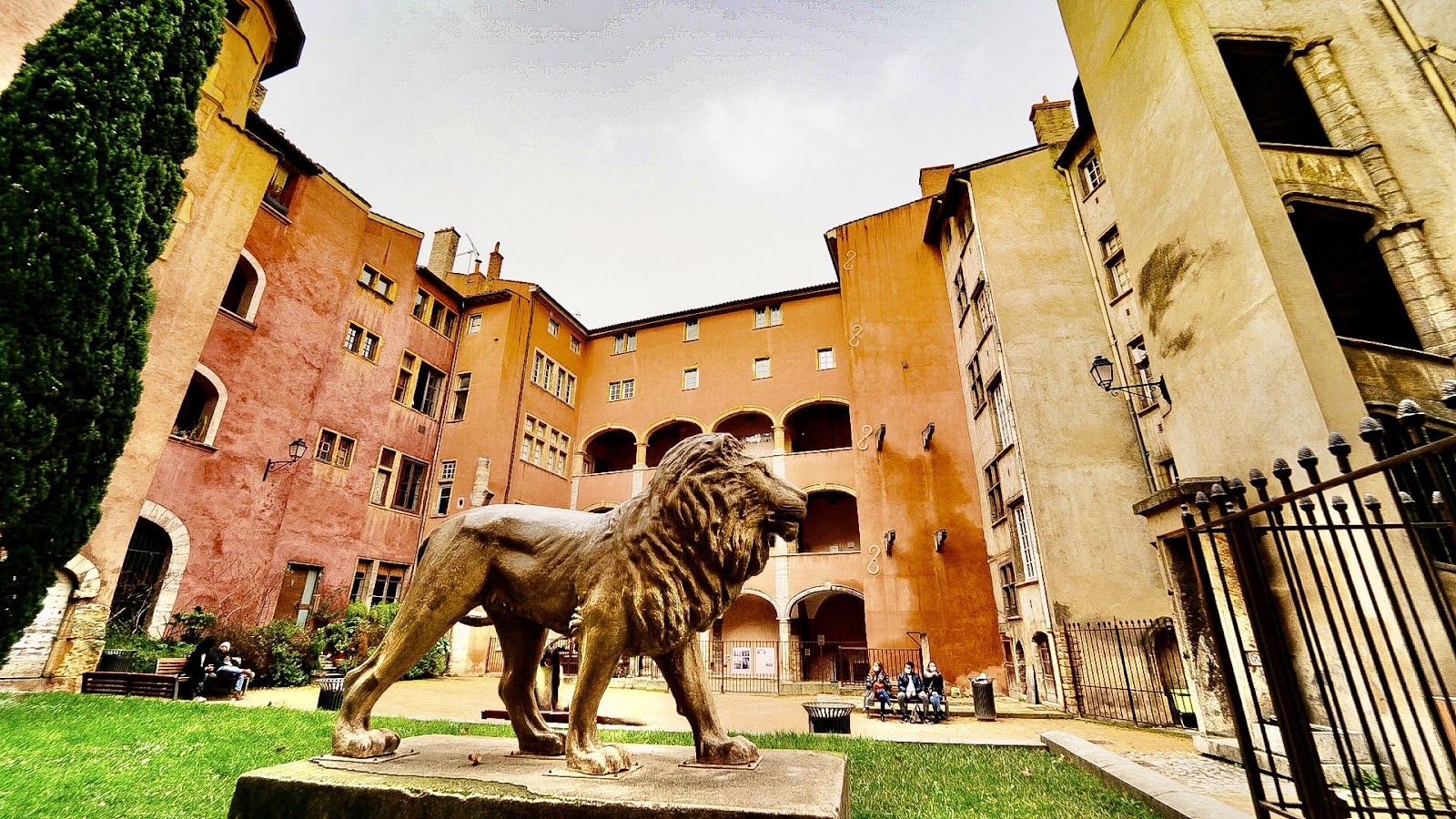
People who come back tend to push further into the traboules rather than staying on the main drag of rue Saint-Jean. The Hôtel de Gadagne rewards a proper visit — the puppet museum on the upper floors is quieter than the history rooms below. Arrive on a weekday morning before the tour groups settle in.
The story behind Vieux-Lyon
Lyon's lower Fourvière hillside took shape as a neighbourhood during the Middle Ages, long after the Romans had established their capital on the heights above. Its golden period arrived with the Renaissance, when four annual trade fairs drew merchants from across Europe and Italian banking families — most famously the Gadagnes, from Florence — built the courtyard mansions that still define the streetscape. The Hôtel de Gadagne dates from the early 16th century; the gallery at 8 rue Juiverie was designed in 1536 by architect Philippe Delorme for Antoine Billoud, treasurer to François I.
By the 20th century the district had fallen into neglect, and in 1960 mayor Louis Pradel proposed demolishing it for a highway. Instead, in 1964 it became the first site in France protected under the Malraux law. In 1998 UNESCO added it to the World Heritage List.
Good to know
Metro Line D drops you at Vieux Lyon – Cathédrale Saint-Jean. Streets, churches, and most traboules are free; museums run €7–€9. The funicular to Fourvière costs €2.50 each way. Cobblestones and gradients make this a tiring route for anyone with mobility challenges.
Autumn — September into October — brings the most comfortable temperatures and draws the largest crowds. Spring is greener and quieter, though May is the rainiest month. Summer afternoons can tip into heavy storms, so mornings are the safer bet then.
Where is Vieux-Lyon?
Location
- In Lyon
- 45.7602, 4.8274
- Open in Google Maps
More tickets & tours for Vieux-Lyon
Book directly at the provider
More of Lyon
Discover where to stay, what to do and the best deals for your trip.
Explore Lyon →More attractions in Lyon
All of Lyon →
Background adapted from Wikipedia (CC BY-SA) · map data © OpenStreetMap contributors · ratings & place photos via Google · other photos with per-image credit. Ticket links may earn us a commission at no extra cost to you.