
Parc de la Tête d'Or
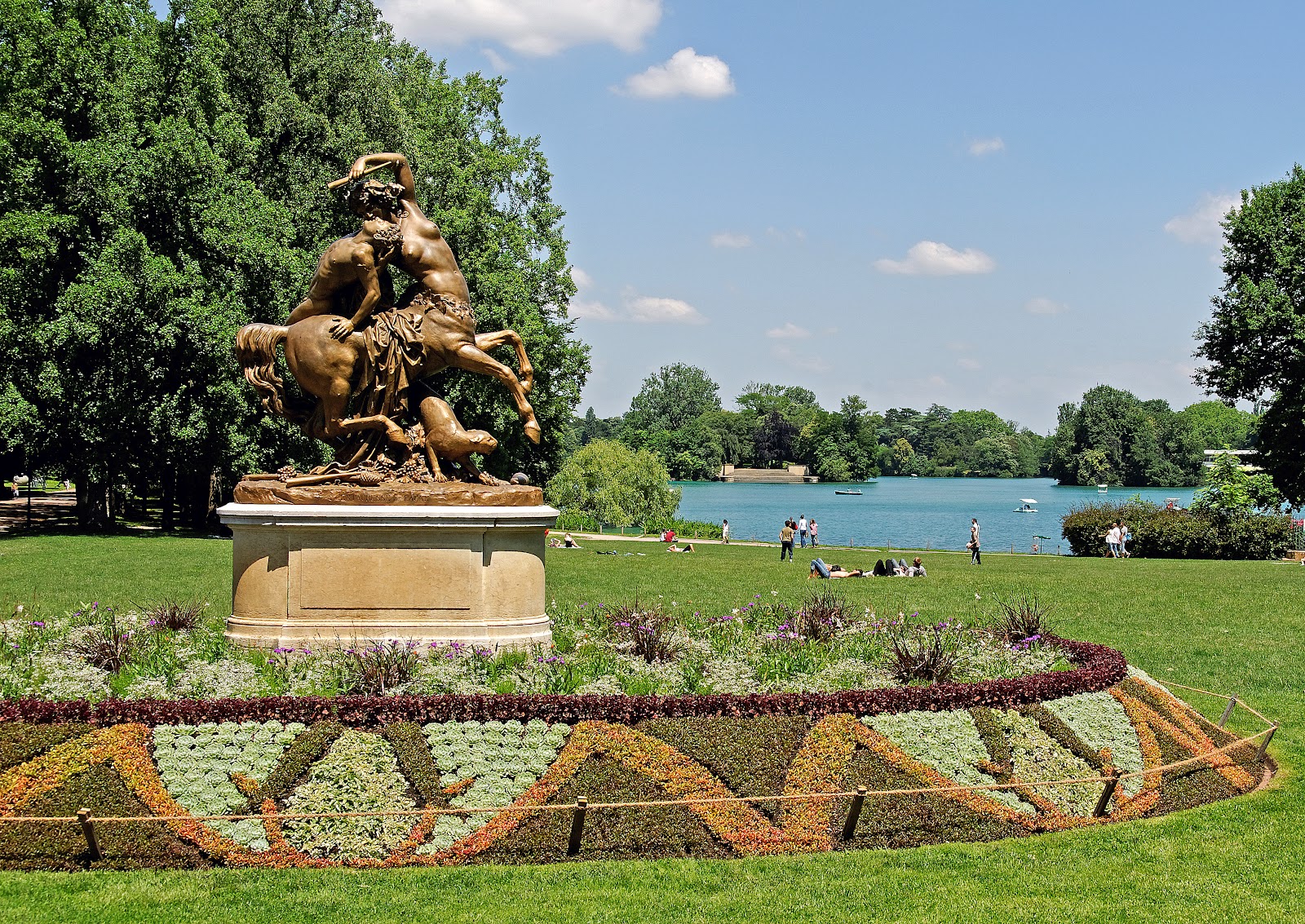
At 117 hectares, Parc de la Tête d'Or is one of the largest urban parks in France, and on a weekday morning you can still find corners of it that feel genuinely quiet — a path along the lake's edge, a greenhouse fogged with humidity, a bench facing the Île du Souvenir where Tony Garnier's war memorial sits half-hidden by trees.
The park holds a free zoo, a botanical garden that traces its roots to 1796, a velodrome with 43-degree banked turns, and a 17-hectare lake carved from a former branch of the Rhône. It is Lyon's common ground in the most literal sense — somewhere between a city park, a nature reserve, and a slow Sunday.
💛 What travellers fall for
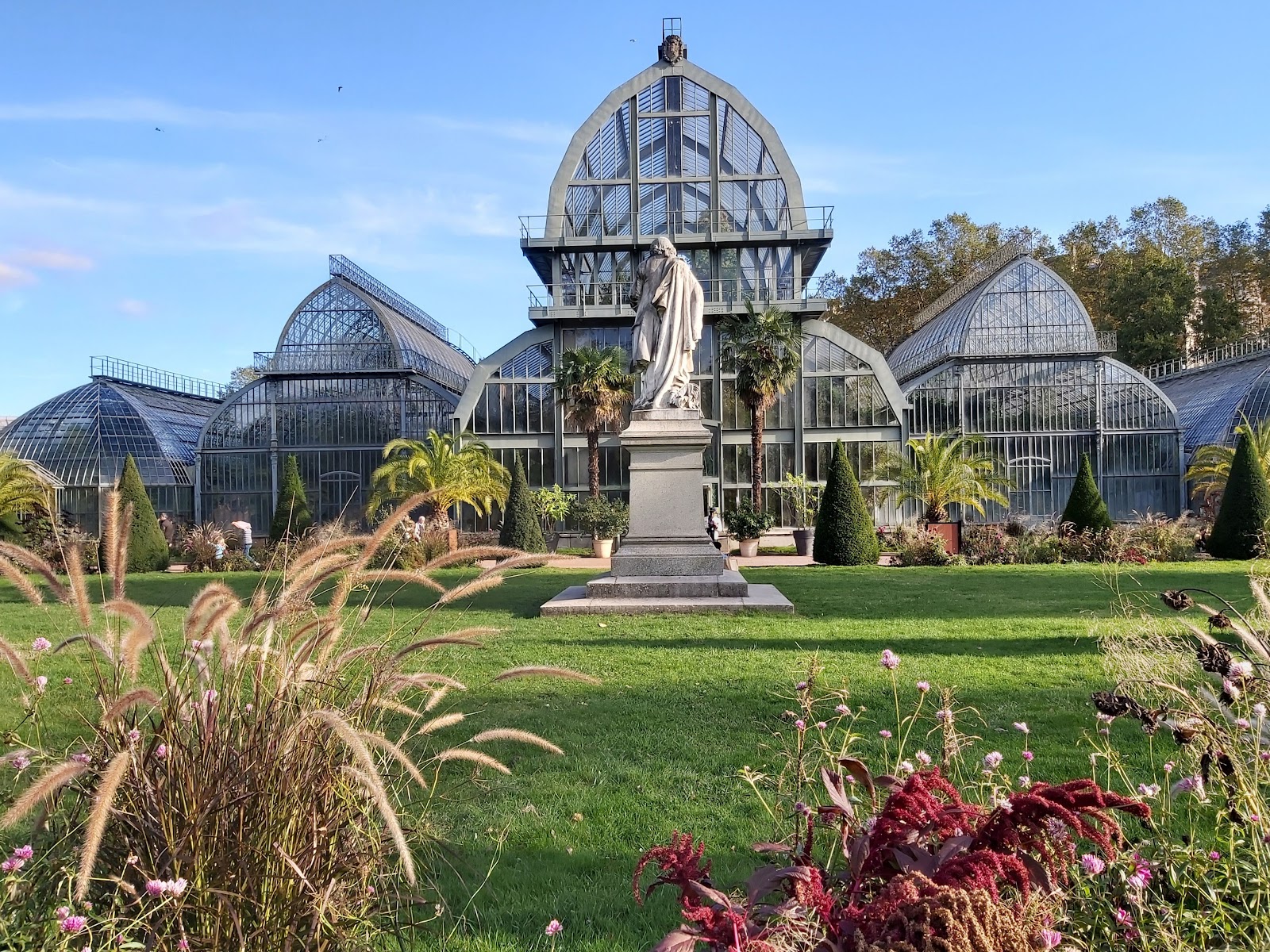
Return visitors tend to make straight for the large greenhouses built by Gustave Bonnet in 1865 — particularly on grey mornings, when the warmth inside is its own reward. The Île des Tamaris, reachable only by rowboat, is worth the small effort. The park closes on windy days, which catches people out; check before you go.
The story behind Parc de la Tête d'Or
The land has carried the name Tête d'Or since at least 1530, when it belonged to the Lambert family. Three centuries later, Senator-Mayor Claude-Marius Vaïsse pushed to turn it into a public park — his stated aim was to give nature to those who had none. The city bought the land from the Hospices Civils de Lyon in 1856, and Swiss landscape designers Eugène and Denis Bühler broke ground the same year, shaping the park around English landscape principles. It opened in 1857.
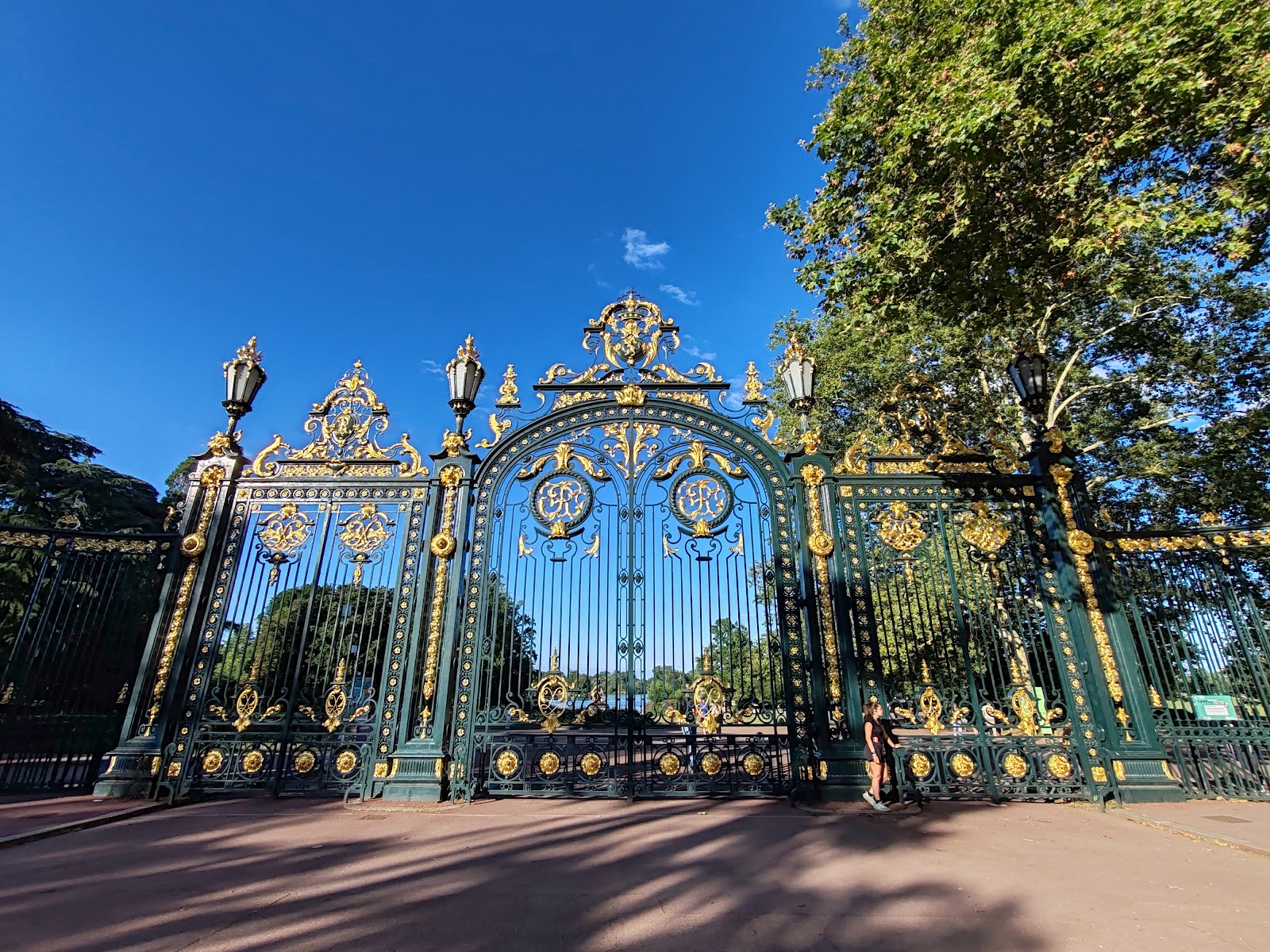
The decades that followed layered in new structures: Bonnet's greenhouses in 1865, the zoo the same year, a velodrome built for the 1894 Exposition Universelle, and the ornate Porte des Enfants du Rhône — 32 metres wide, weighing eleven tons — designed by Charles Meysson after a competition launched in 1898. The Palais de Flore, rising 40 metres, followed in 1930.
Good to know
Free entry, open daily from 6:30 am (until 10:30 pm in summer, 8:30 pm otherwise). Reach it via metro to Masséna or Charpennes, tram T1/T4, or bus C1 from Part-Dieu. The main entrance is on Place du Général Leclerc. Give yourself at least two hours; the zoo and botanical garden alone fill one.
Spring and early summer bring the rose gardens into full colour and the longest opening hours. Autumn softens the lakeside with reflected light and thinner crowds. The park closes on windy days regardless of season, so it's worth a quick check before heading out in changeable weather.
Where is Parc de la Tête d'Or?
More tickets & tours for Parc de la Tête d'Or
Book directly at the provider
What travellers say about Parc de la Tête d'Or
A beautiful and relaxing place to spend time in Parc de la Tête d’Or. The park is clean, spacious, and perfect for walking, picnics, or simply enjoying nature. The atmosphere is peaceful, and there’s plenty to see and do for both adults and children. Definitely one of the nicest spots to visit in Lyon.
One of the best parks I’ve been to. They have free gardens, including one in a greenhouse with a lot of variety, and a free zoo. It’s huge and there is a lot to do, including a lake, restaurants, mini golf, and quieter areas if you just want to walk between trees in peace.
Beautiful little park, they said it’s like the Central Park of France. Idk it’s definitely cute and they have their own zoo and botanical gardens there. Also you will see people walking their cats like it’s just another day at the park. And they have deer you can see pretty close especially with your iPhone!
Stunning park, wide paths to walk, run or bicycle. Lakes, green houses, zoo, lots of green 💚 Definitely highly recommend 🇨🇦
Fantastic Park and is absolutely massive. We didn’t realise the scale and size of it until we took the little train tour around it which was over 20 minutes and stopped twice. There is a large outdoor zoo space boat pedal bikes, botanical Gardens and loads of stop offs for ice cream. You could genuinely spend all day there and would have a great time. Very fun and close to the bus stops for local bus back to the train station.
More of Lyon
Discover where to stay, what to do and the best deals for your trip.
Explore Lyon →More attractions in Lyon
All of Lyon →
Background adapted from Wikipedia (CC BY-SA) · map data © OpenStreetMap contributors · ratings & place photos via Google · other photos with per-image credit. Ticket links may earn us a commission at no extra cost to you.