
Institut Lumière
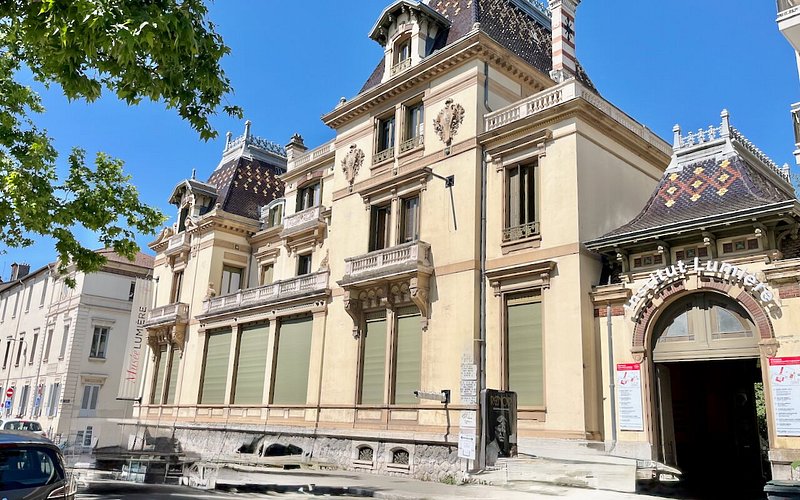
On a quiet street in Lyon's 8th arrondissement, a turreted art nouveau villa sits behind a 7,000-square-metre garden, looking more like a prosperous family's country retreat than the birthplace of cinema. That's exactly what it was. The Lumière family lived here, and it was in the hangar at the garden's edge that Auguste and Louis shot the first films ever projected to a paying audience in 1895.
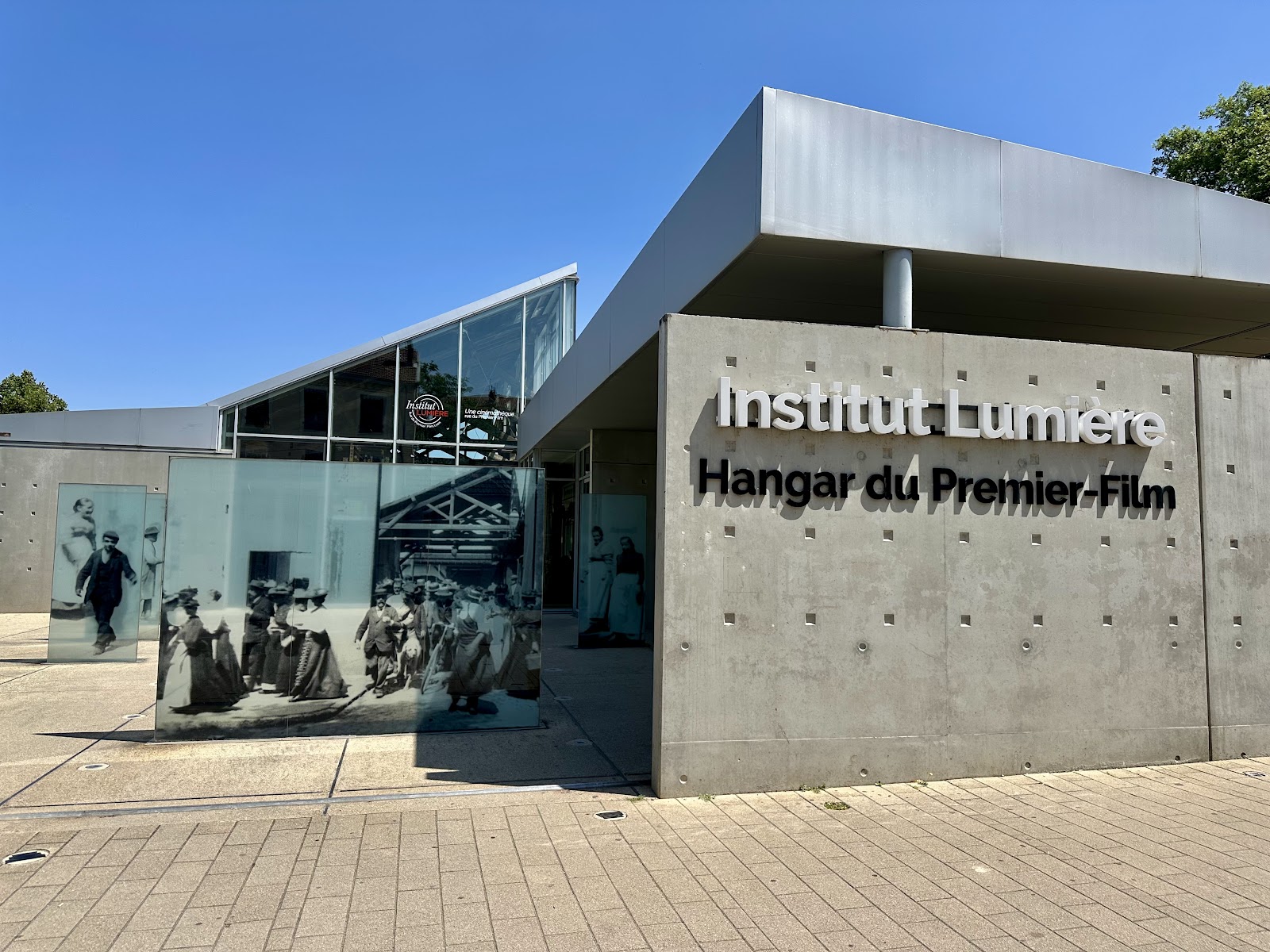
Today the Institut Lumière runs both a museum inside the Villa and a 269-seat cinema in that original hangar — classified as a historic monument since 1994. The collection includes 1,425 restored Lumière films, now on UNESCO's Memory of the World register, alongside early cameras, autochrome colour photographs, and one quietly startling object: a prosthetic "pincer hand" Louis invented for WWI amputees.
💛 What travellers fall for
People who come back tend to time a visit around a screening in the Hangar du Premier-Film — sitting in the room where it all started, watching something projected, carries a weight that the museum alone doesn't quite deliver. The Raymond Chirat Library, tucked into Antoine Lumière's former painting studio, is worth a look if you have any interest in film history.
The story behind Institut Lumière
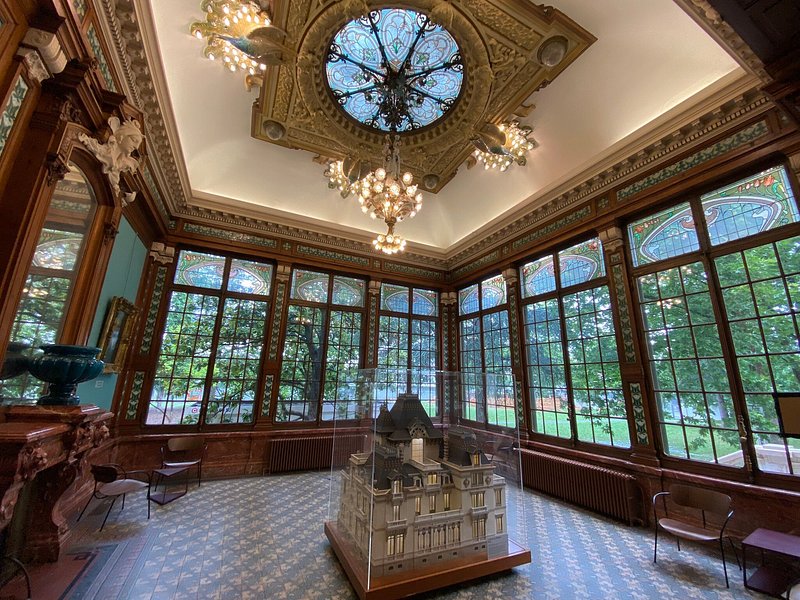
Antoine Lumière built his photographic plate factory on what is now the rue du Premier-Film from 1882. The villa followed between 1899 and 1901, designed in art nouveau and art deco style, and the family moved in. It was here, in the garden hangar, that Auguste and Louis developed and demonstrated the cinématographe — their camera, printer and projector in one device — and shot the earliest footage.
The Institut Lumière was founded in 1982 by film historian Bernard Chardère and Maurice Trarieux-Lumière, Louis's grandson, to preserve that legacy. Architect Pierre Colboc oversaw the hangar's restoration, completed in 1997. Bertrand Tavernier served as president until his death in 2021; Thierry Frémaux, also General Delegate of the Cannes Film Festival, directs the institution today.
Good to know
Take the metro to Montplaisir-Lumière — it's the obvious stop and about ten minutes from Part-Dieu. The museum runs Tuesday to Sunday, 10:00–18:30. Budget two hours for the villa and exhibits; add screening time separately. The Festival Lumière each October draws large crowds, so book ahead if that's your window.
Where is Institut Lumière?
More tickets & tours for Institut Lumière
Book directly at the provider
What travellers say about Institut Lumière
This museum shows thé genius of of two brothers and their braverhood. Very interesting, I highly recommend it! Useful the audioguide. Not only a filmmaker bit so much more. Also the buildig is very cool
That place is simple but has everything for movies! After turning on the light, everyone clapped for a while together. i was moved by that warm admiration for the art! bravo!
Great museum to discover and dig into the creation of the cinema. The staff and the guide were very welcoming and informative. A must visit if you are in Lyon.
Interesting but avoid weekends as it is to crowded and you won’t enjoy it to much. Another annoying thing is that you have to pay for the audio!!
The museum wasn't open but the bookstore was. This was all about "ground zero" for me. The first Lumiere movie...the exact spot. Wow.
More of Lyon
Discover where to stay, what to do and the best deals for your trip.
Explore Lyon →More attractions in Lyon
All of Lyon →
Background adapted from Wikipedia (CC BY-SA) · map data © OpenStreetMap contributors · ratings & place photos via Google · other photos with per-image credit. Ticket links may earn us a commission at no extra cost to you.