
Musée des Beaux-Arts de Lyon
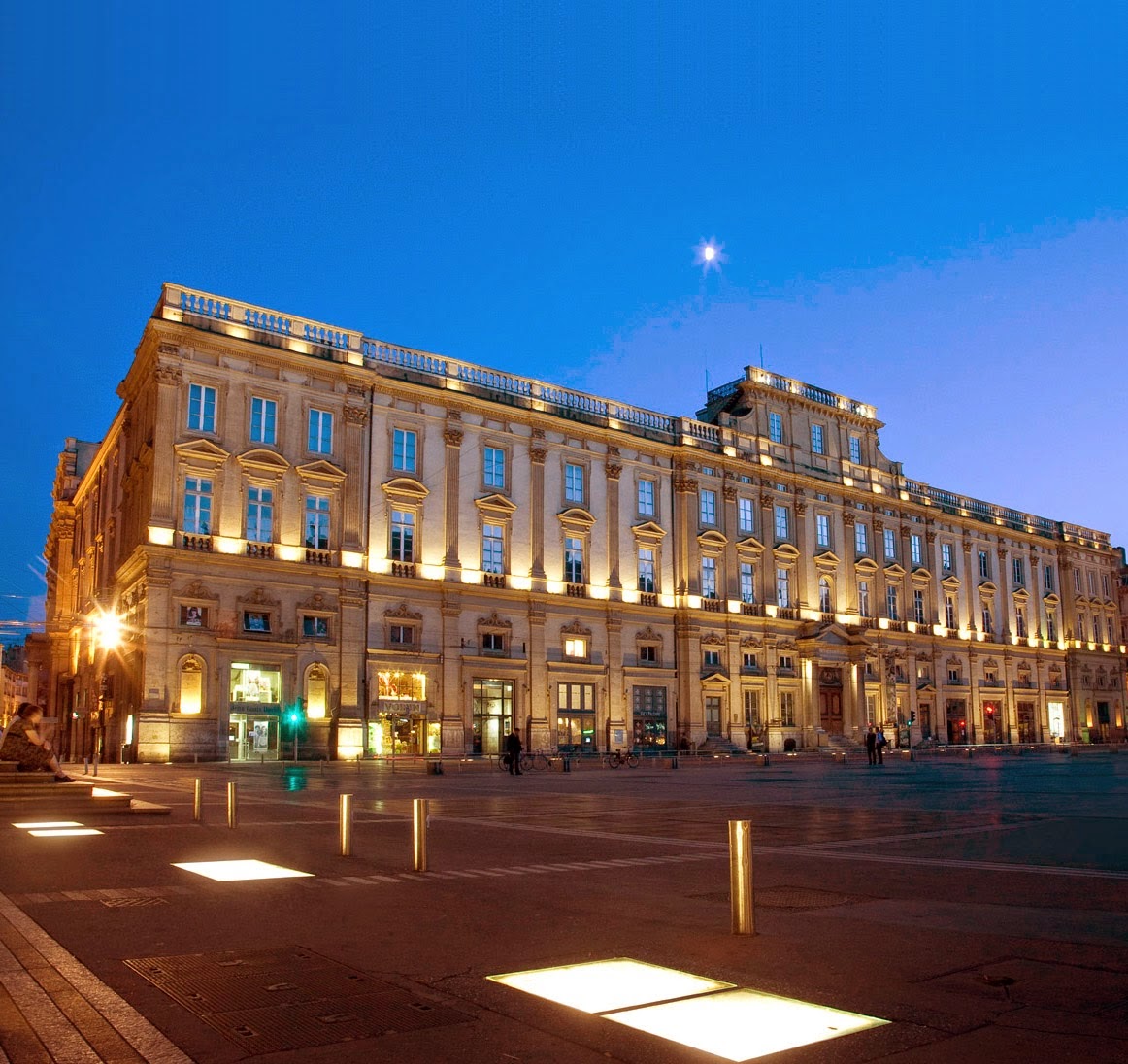
The Musée des Beaux-Arts de Lyon occupies the Palais Saint-Pierre, a 17th-century former Benedictine abbey on Place des Terreaux. Walk through the entrance and the city drops away: seventy rooms spread across 14,500 square metres, from ancient Egyptian artefacts to Gauguin's *Nave Nave Mahana*, arranged in a building that was housing nuns not so long ago.
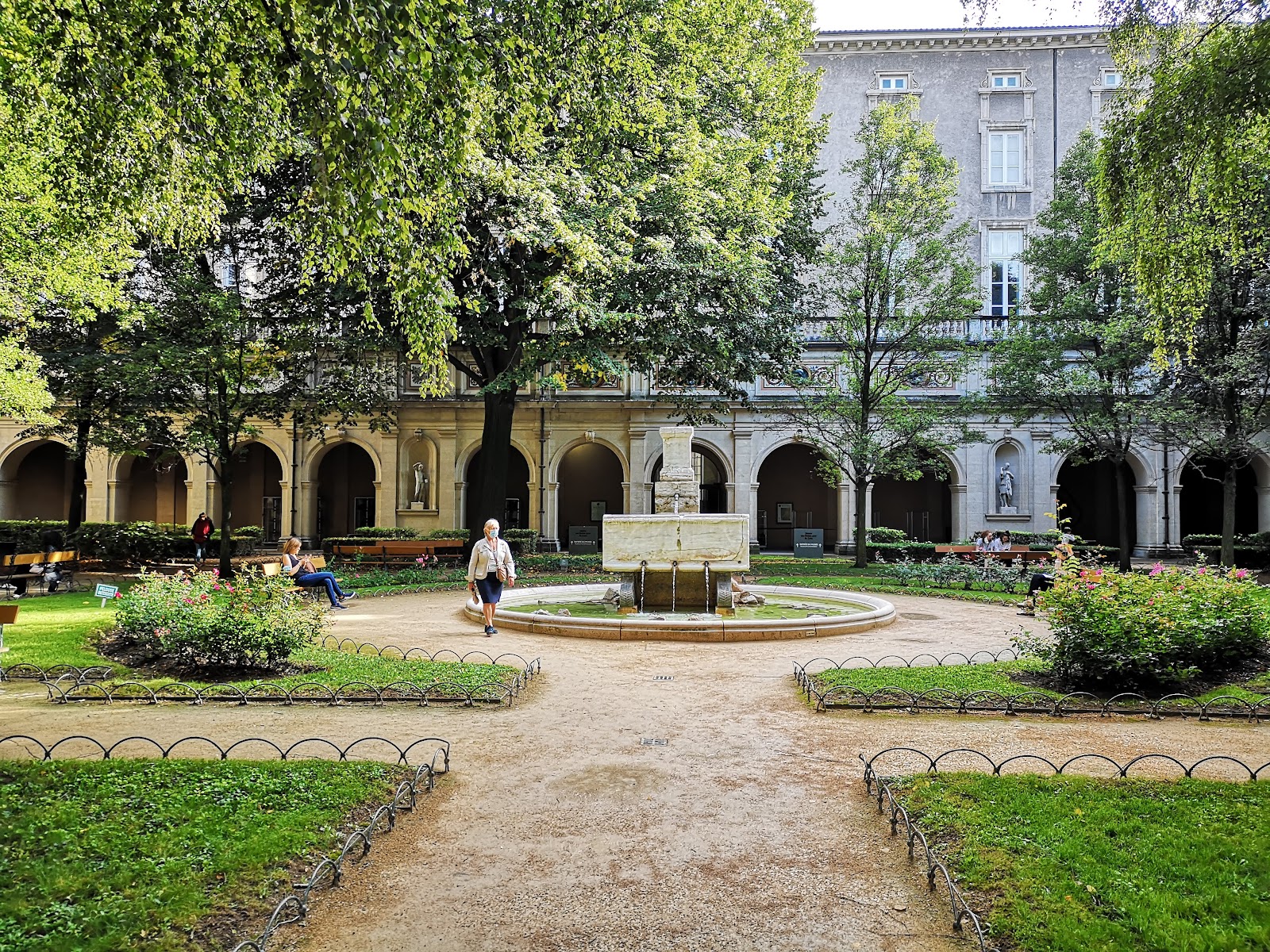
The cloister garden at the centre still has the proportions of a place designed for quiet. Fragments of Greek friezes from the Parthenon and the Nereid monument from Xanthos sit among the plantings — the kind of detail you stumble on rather than seek out.
💛 What travellers fall for
Regulars tend to double back to the monumental staircase painted by Puvis de Chavannes in 1881 — not because it's famous, but because the light in there shifts through the afternoon. The restaurant is worth knowing about: you can eat facing Raoul Dufy's large-format painting, or take a table on the patio with the garden below.
The story behind Musée des Beaux-Arts de Lyon
A decree signed by Jean-Antoine Chaptal on 1 September 1801 established museums in fifteen French cities, with Lyon heading the list. The first public room opened on 23 November 1803, stocked with 110 paintings transferred from the Louvre. The building itself — the Palais Saint-Pierre, former Abbey of Saint-Pierre-les-Nonnains — had been founded in the 10th century; its present fabric dates from the 17th.
Architect René Dardel restructured the museum from 1834, and Abraham Hirsch oversaw a major expansion from 1878, including the monumental staircase inaugurated in 1884. A century later, a five-phase renovation between 1990 and 1998 — led by architects P.C. Dubois and J.M. Wilmotte — produced the museum as it stands today, reopened in March 1998.
Good to know
Metro lines A and C stop at Hôtel de Ville – Louis Pradel, a two-minute walk. Open Wednesday to Monday, 10am–6pm (10:30am on Fridays); closed Tuesdays. Permanent collections cost €8; book online if you're under 18 or hold a Lyon City Card. The cloister garden is free to enter without a ticket.
Where is Musée des Beaux-Arts de Lyon?
More tickets & tours for Musée des Beaux-Arts de Lyon
Book directly at the provider
What travellers say about Musée des Beaux-Arts de Lyon
Beautiful arts museum with variety of art from classic masterpieces to ancient Egypt and Greece to impressionists. I wish I had more time to spend but even at fast pace I got a lot of positive vibe from the visit. There were no lines to enter, friendly cashiers and convenient locker place. Very nice courtyard…
Amazing place to see art! Quite impressed by the number of collections, their quality and diversity! I am so happy to have passes but I highly recommend it! It is quite nice to see it and also you can expect to spend around 1 hour there. Some paintings are huge, others are small, some orher collectikns are also quite unique! All in all, friendly staff and nice atmosphere! Definitely, a must for someone visiting Lyon! You will not regret it!
Very large art museum with an excellent collection of painting, sculpture, artifacts and more from various periods and by many masters including: Monet, Matisse, Degas. Plan on spending at least two hours to wander around and admire the pieces. They also have a good size gift shop and an excellent cafe with great pastries!
For a rainy day activity this was ideal. The building is amazing for being an ex convent. The sculpture section was extensive. We enjoyed a couple hours in here. The crowds were very manageable for a Saturday. Check out the pastries at the café - they are like artwork!
Great and varied museum. Helpful guide to select items of special significance. However regarding client comfort some issues The quality of sandwiches at the first floor restaurant is so poor especially for the capital of French cuisine. How embarrassing! The men’s lavatory on the second floor,particularly as that on the first was out of service,left a lot to be desired. Small points but important
More of Lyon
Discover where to stay, what to do and the best deals for your trip.
Explore Lyon →More attractions in Lyon
All of Lyon →
Background adapted from Wikipedia (CC BY-SA) · map data © OpenStreetMap contributors · ratings & place photos via Google · other photos with per-image credit. Ticket links may earn us a commission at no extra cost to you.