
Liguria
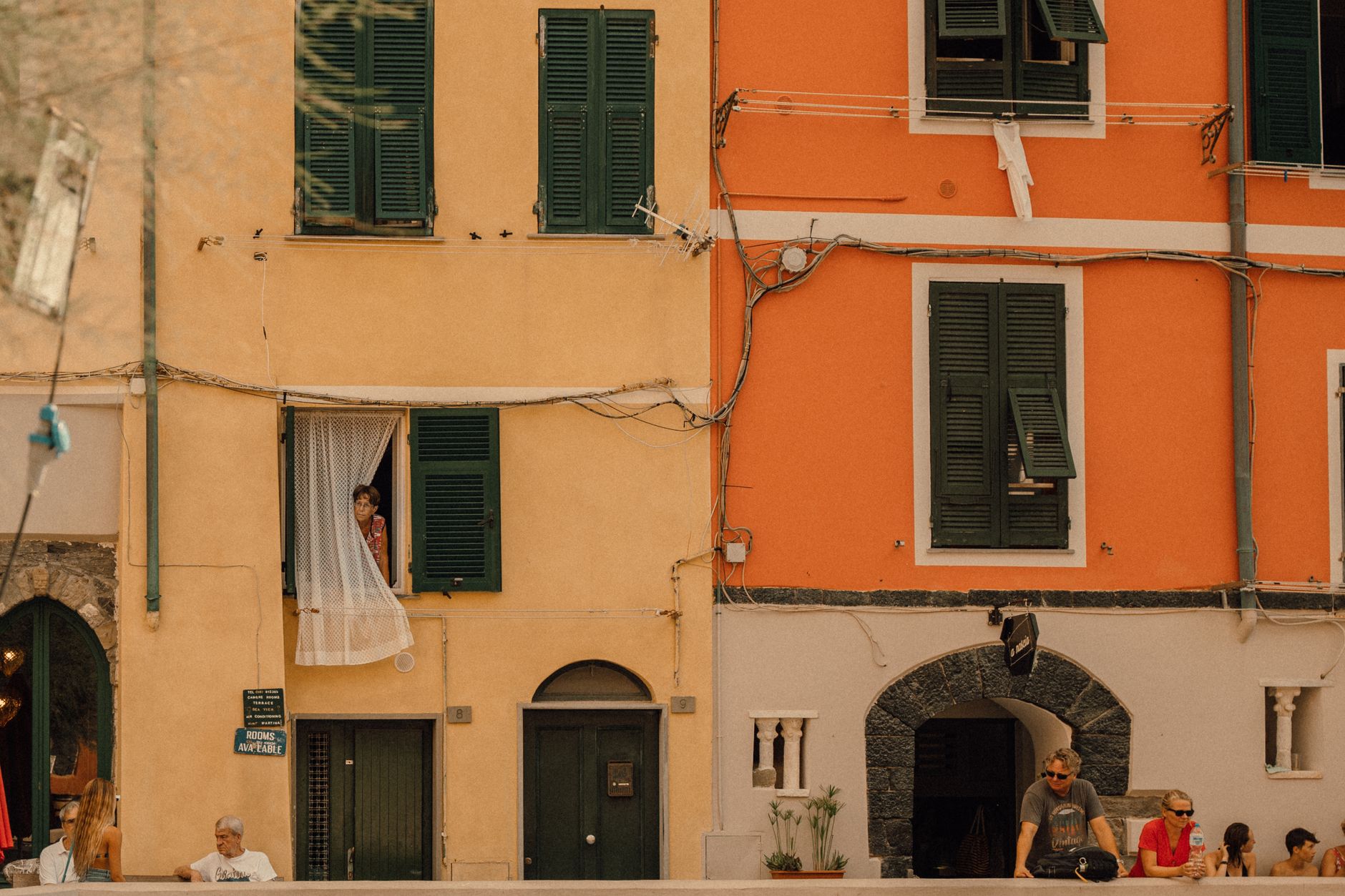
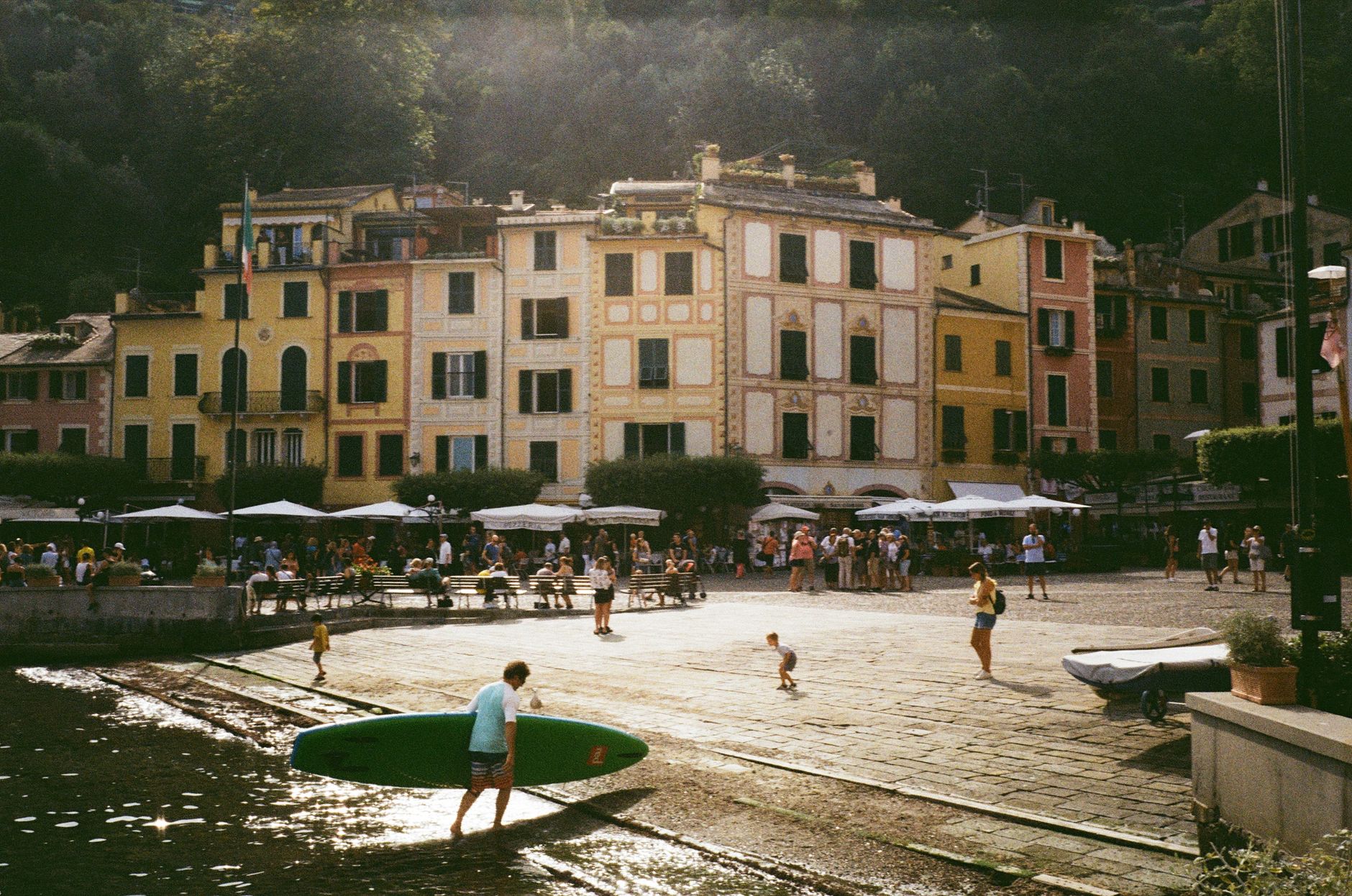
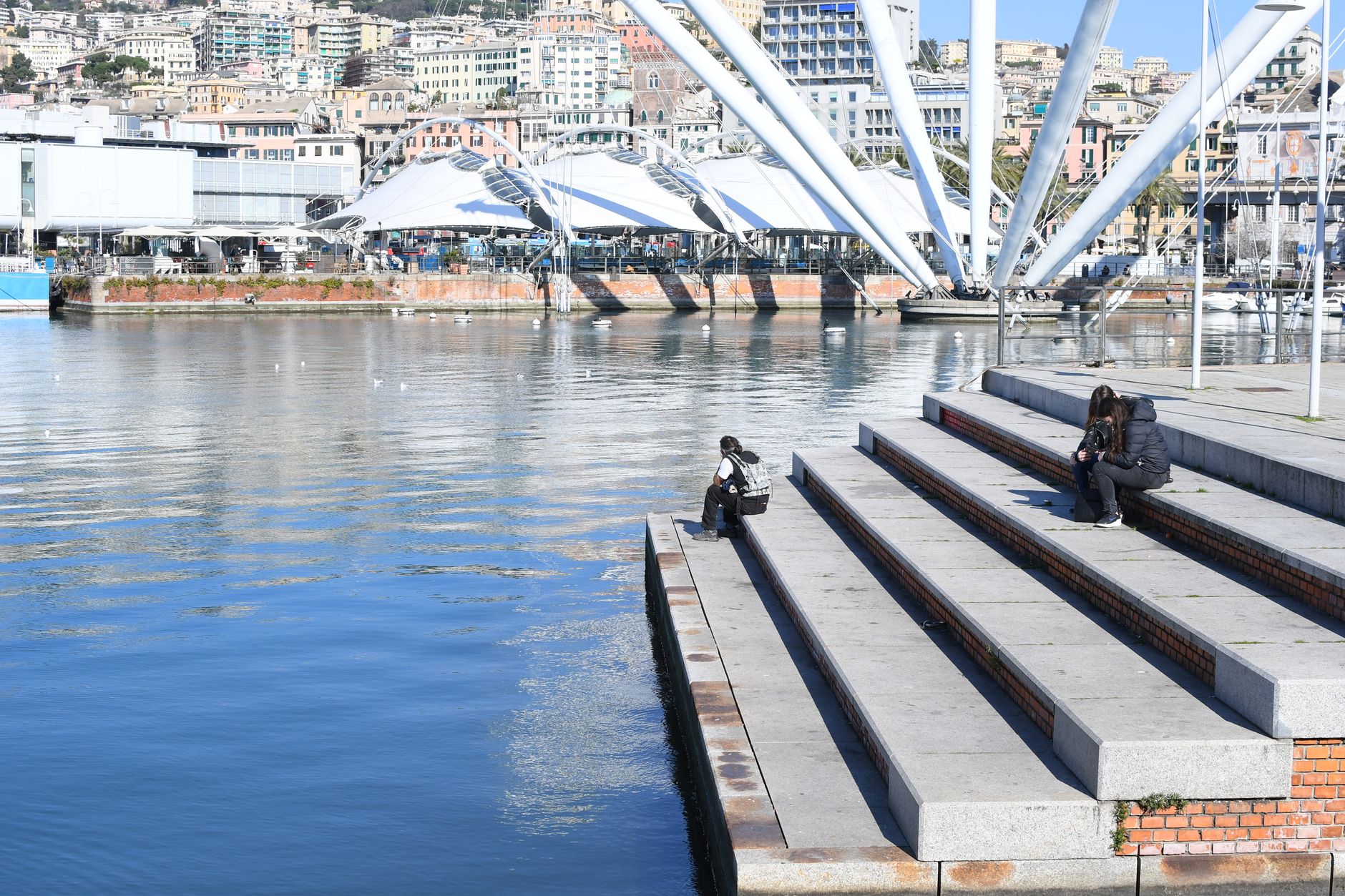
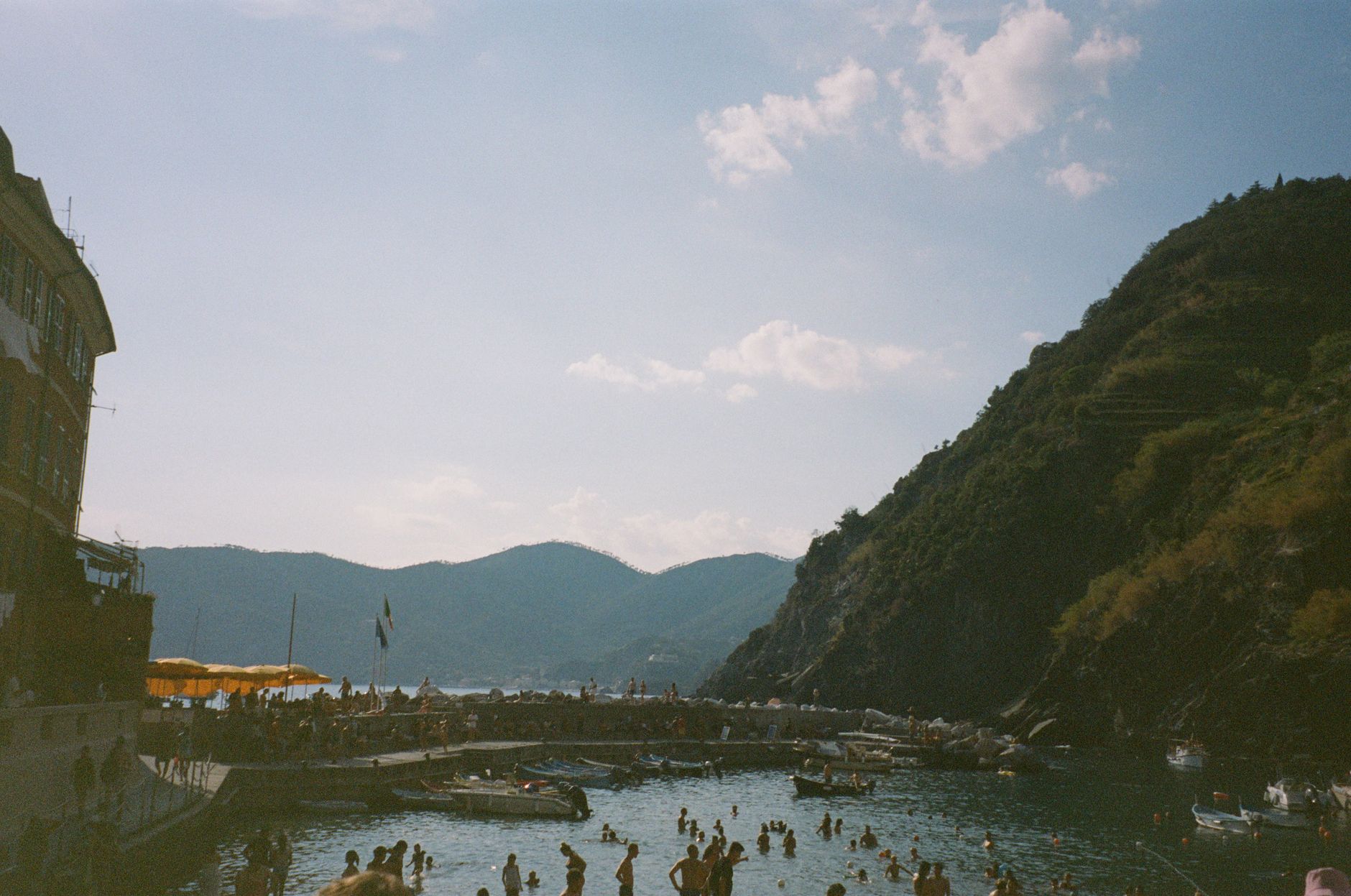
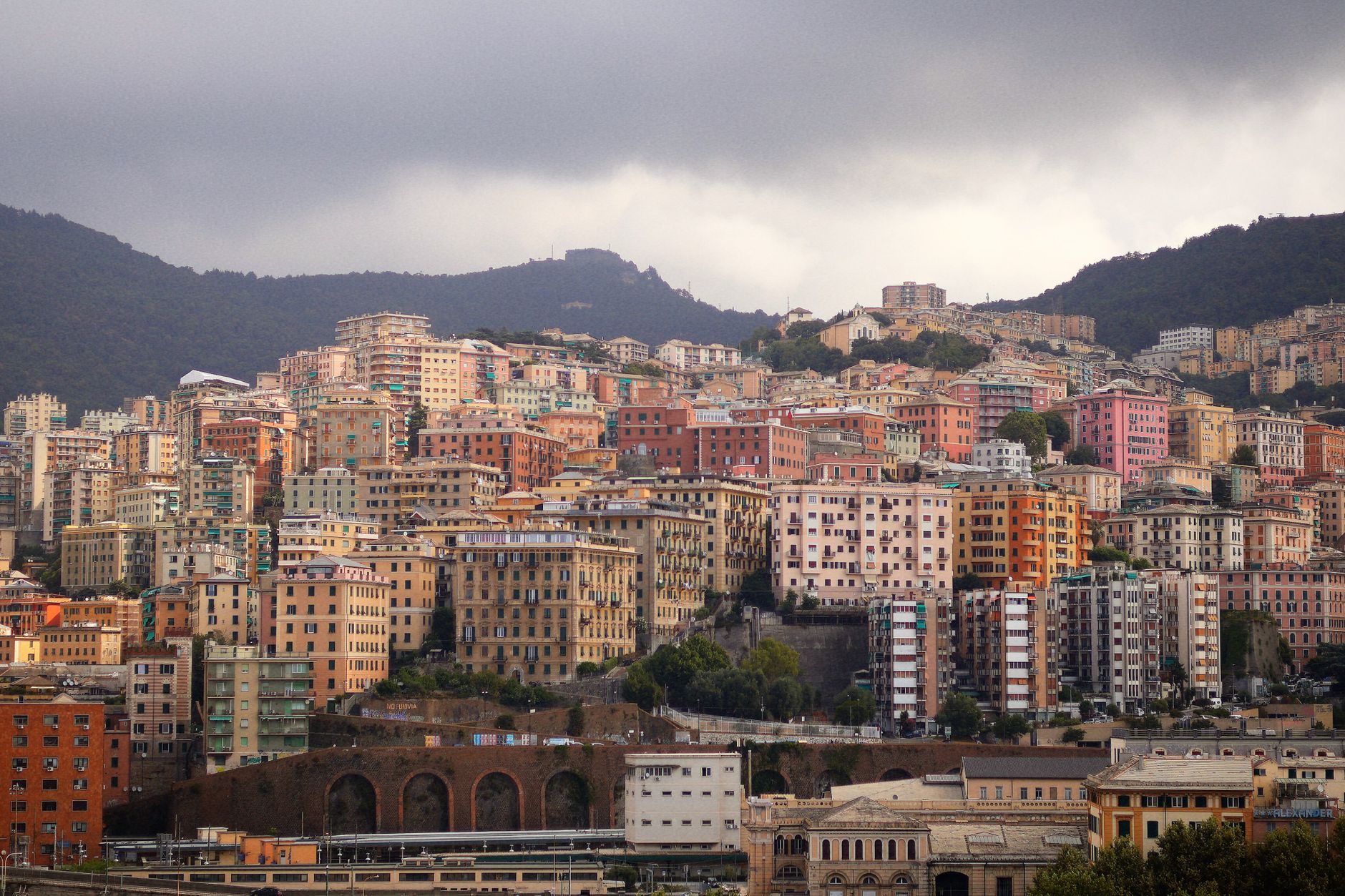
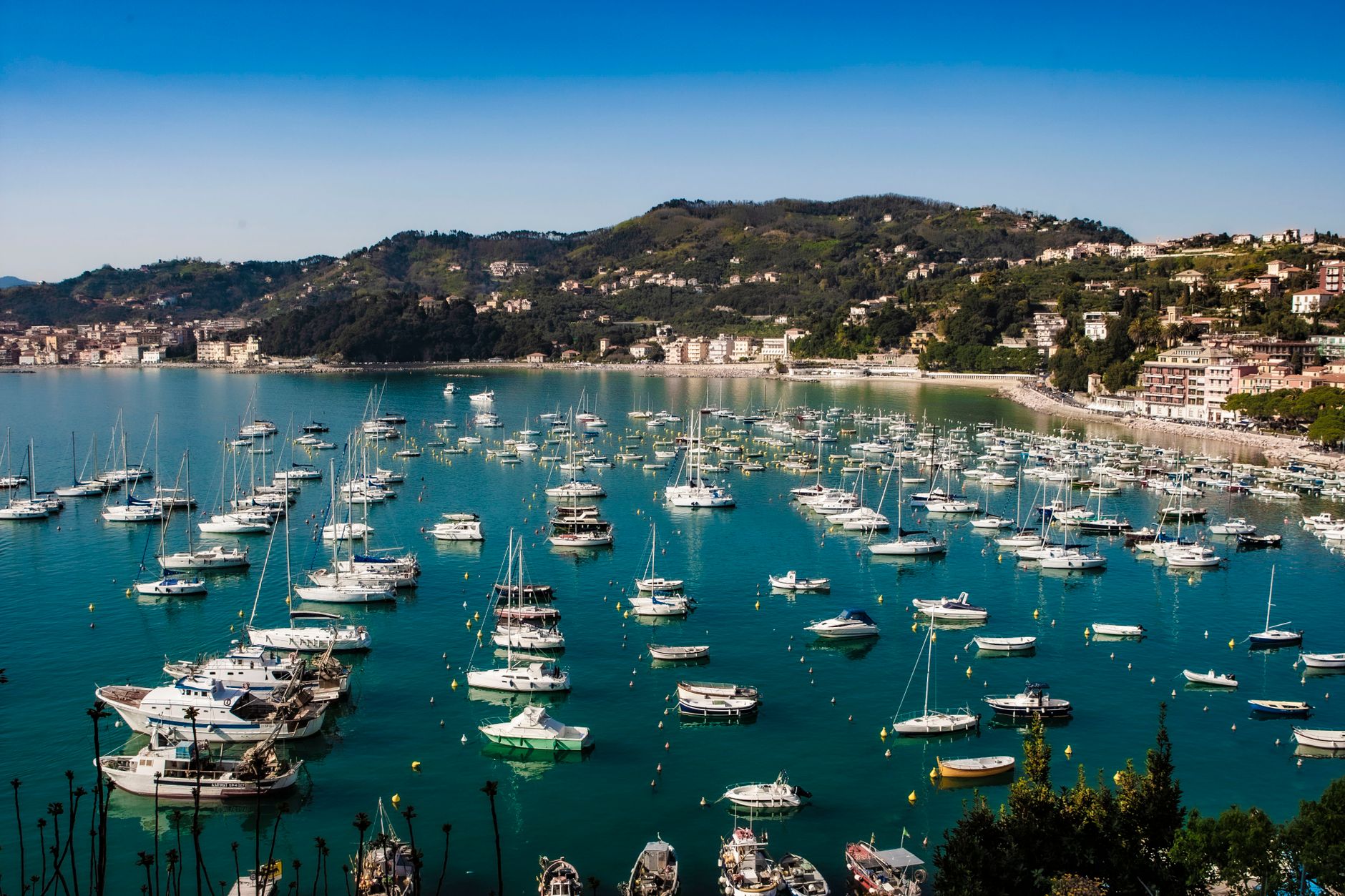
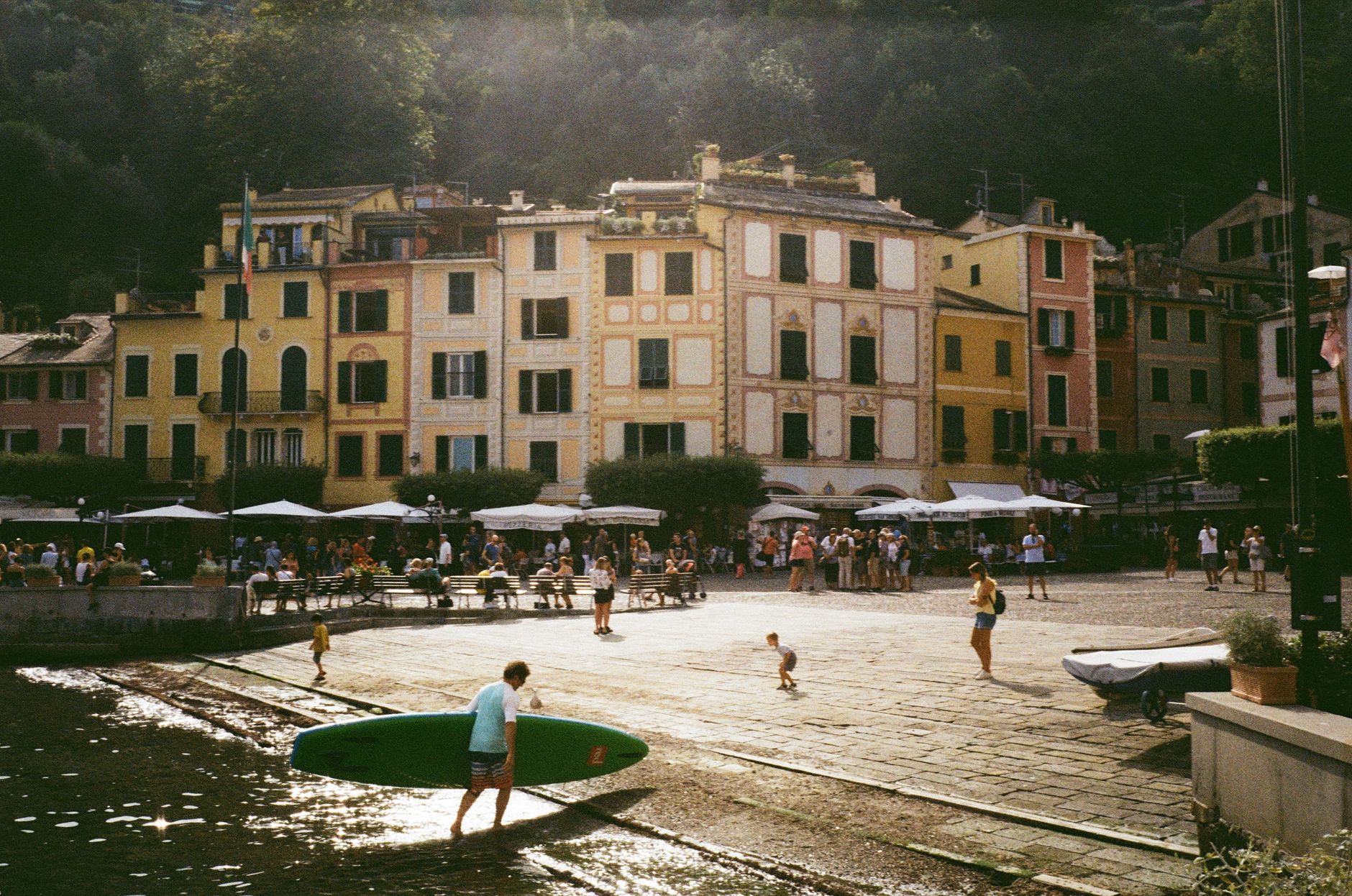
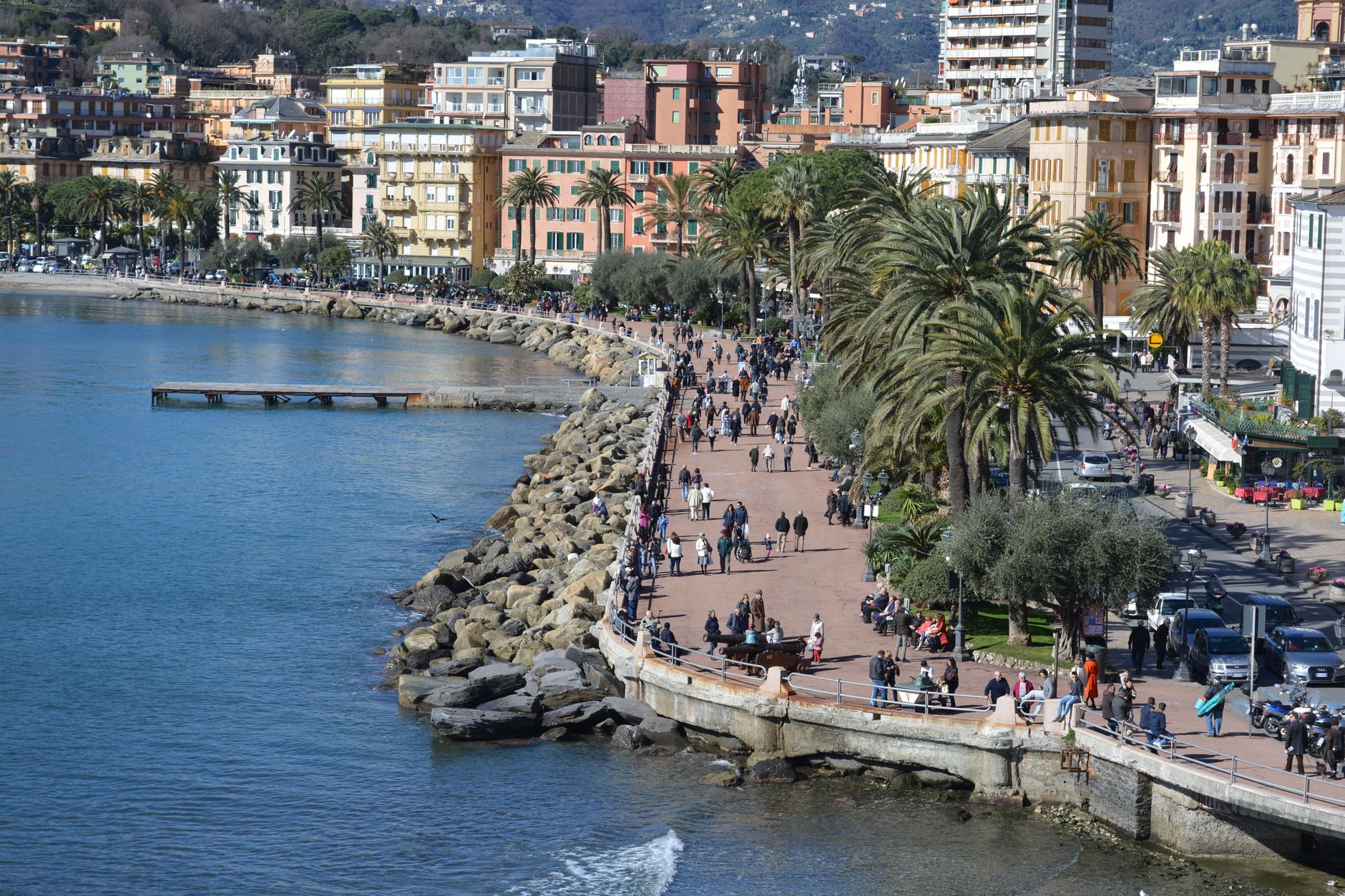
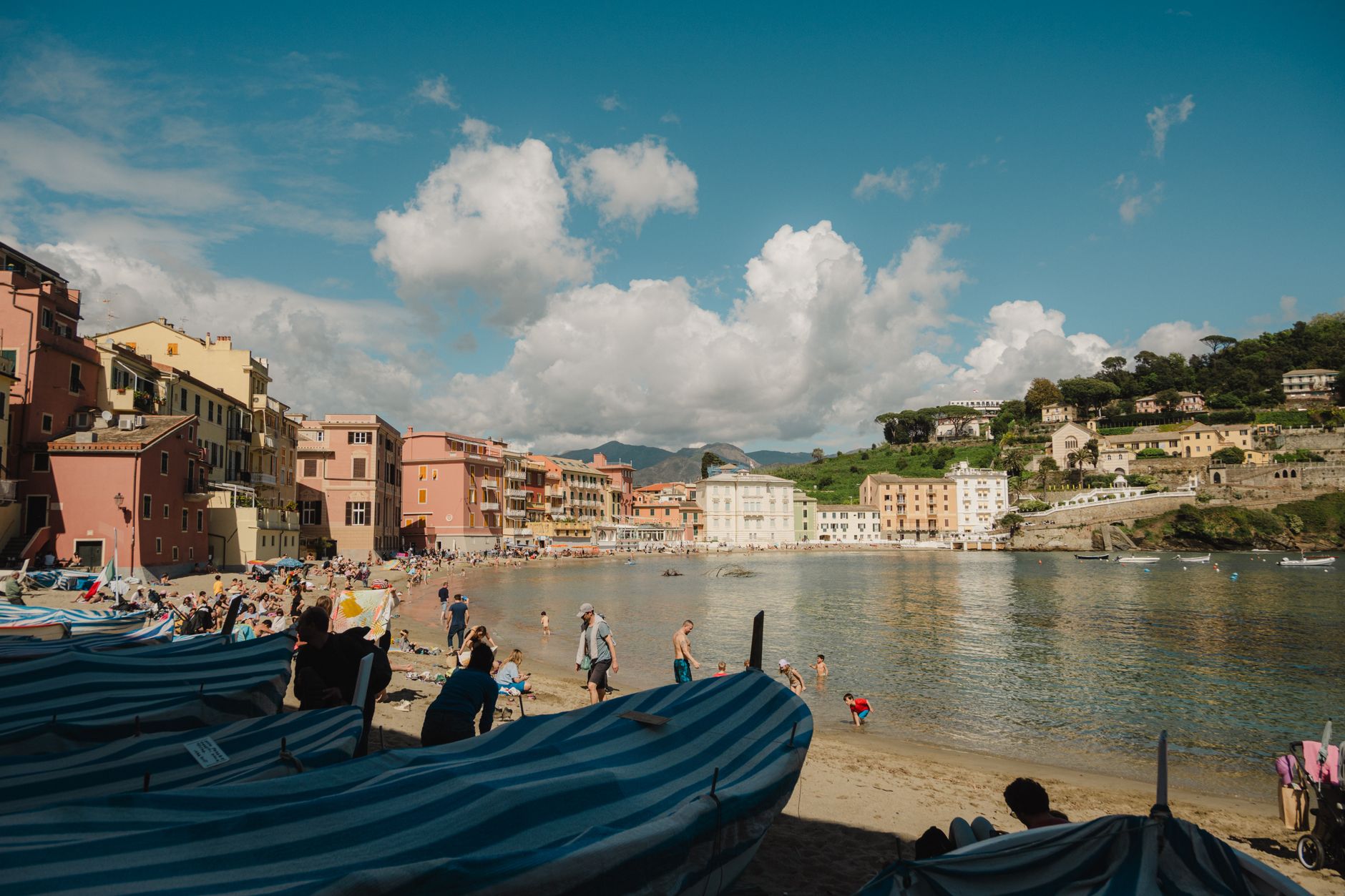
Liguria is Italy at its most compressed: a narrow arc of land where the Alps and Apennines drop almost directly into the Ligurian Sea, leaving just enough room for fishing villages, terraced olive groves, and one of Europe's great medieval port cities. The region runs roughly 350 kilometres from the French border to Tuscany, and almost everything of interest sits within a few kilometres of the coast.
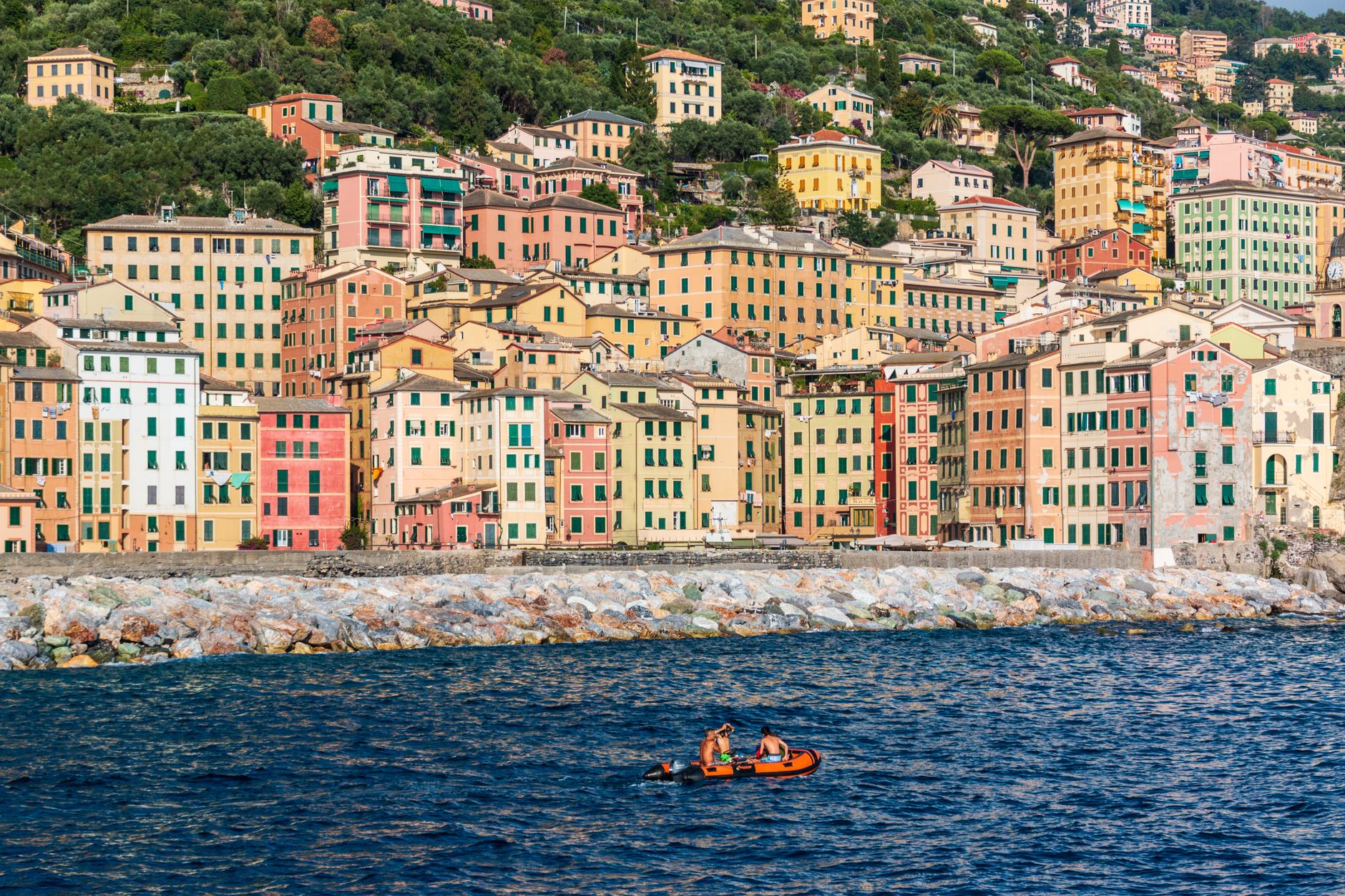
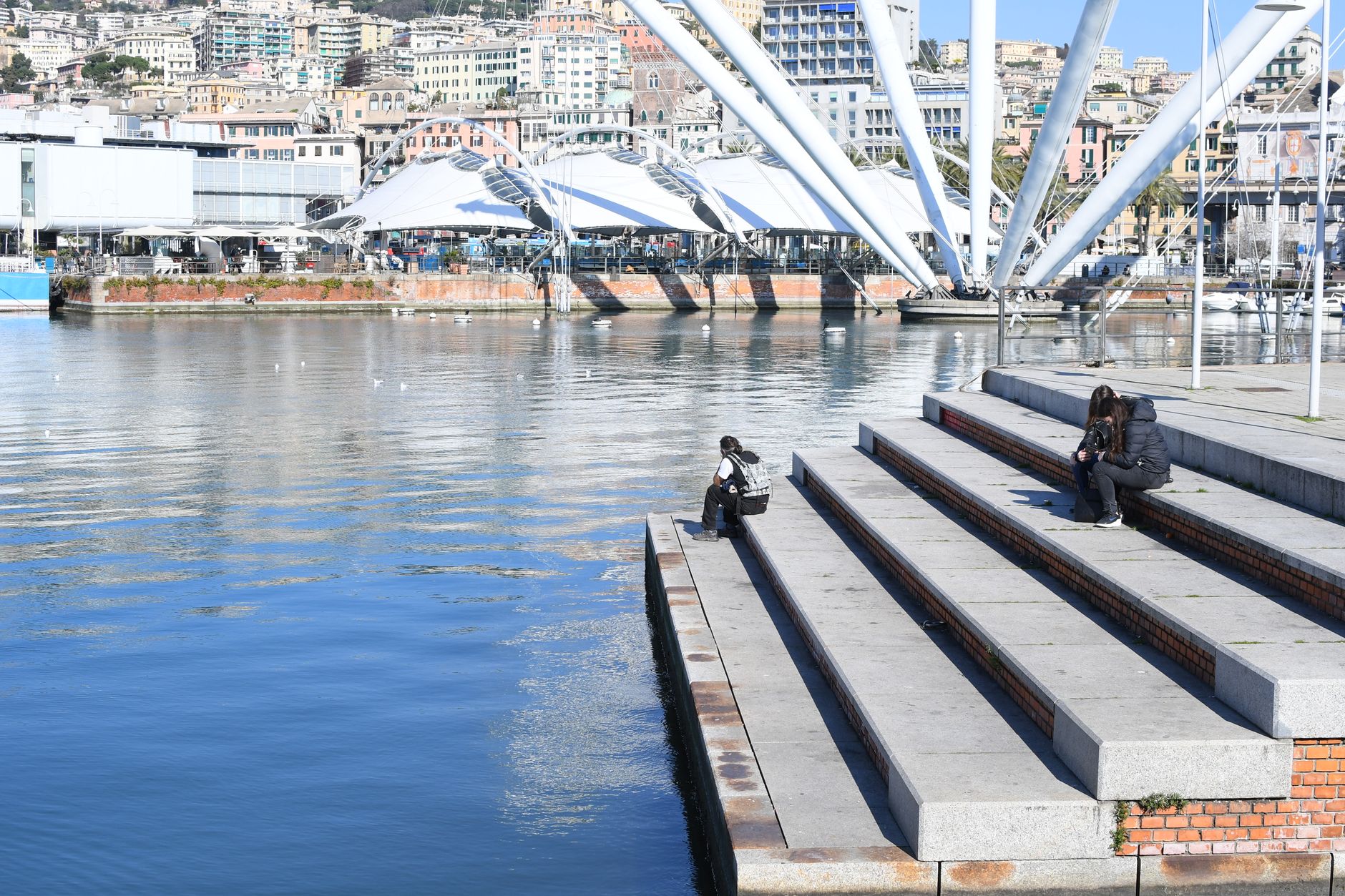
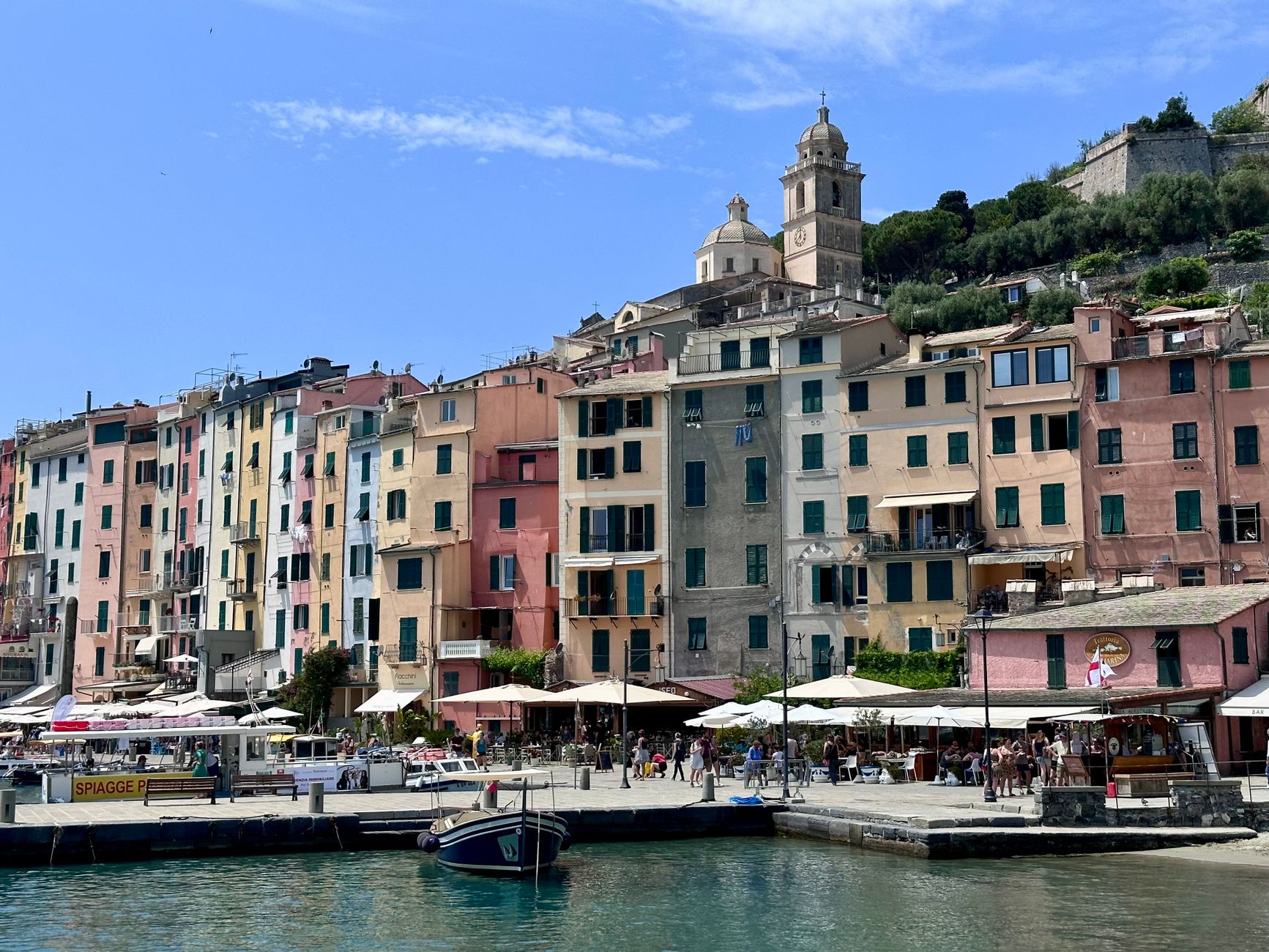
Genoa anchors the middle — its layered caruggi (the old-city alleyways) and UNESCO-listed Renaissance palaces carrying the weight of a republic that once rivalled Venice. To the east, five cliff-edge villages make up Cinque Terre. To the west, botanical gardens and belle-époque resorts face the Riviera di Ponente.
Popular cities in Liguria
💛 What travellers fall for
People who return to Liguria tend to stop fighting the crowds at Cinque Terre and instead take the morning ferry from La Spezia to San Fruttuoso Abbey — the 10th-century church reachable only by boat or trail, with water clear enough to count the stones on the bottom. Genoa's Via Garibaldi rewards a second visit once you've been inside the Palazzo Rosso.
Experiences you don't want to miss




How Liguria came to be
The Ligures who gave the region its name occupied a territory far larger than today's administrative boundaries, but the coast has been inhabited far longer — traces of nomadic hunters survive from roughly 300,000 years ago. Rome absorbed the area in the 1st century BCE, and Augustus designated it Regio IX Liguria, stretching inland to the Po.
Genoa's rise came later and faster. By the 11th century the city-state was already a maritime force; by 1400 it controlled the entire region and had become one of Europe's dominant commercial powers. That independence lasted until 1796, when Napoleon seized the republic. The Congress of Vienna handed Liguria to the Kingdom of Piedmont-Sardinia in 1815, and the region played a significant role in the Risorgimento that produced a unified Italy in 1860.
Who and what shaped it
People who shaped it
Landmark buildings
See Liguria in motion
Plan your visit
On the map
When to go
The region has a temperate Mediterranean climate — mild winters and warm, dry summers, moderated by sea air. Spring (April–May) and early autumn (September–October) offer the most comfortable conditions for walking the coastal trails; midsummer is hot and the popular paths can feel more like queues than walks.
Right now
↡ Cities
No places match these filters.
Background & history adapted from Wikipedia (CC BY-SA) · specs from Wikidata (CC0) · weather from Open-Meteo · map data © OpenStreetMap contributors · photos from Wikimedia Commons / Unsplash with per-image credit. No third-party reviews or social posts reproduced.