
Portofino
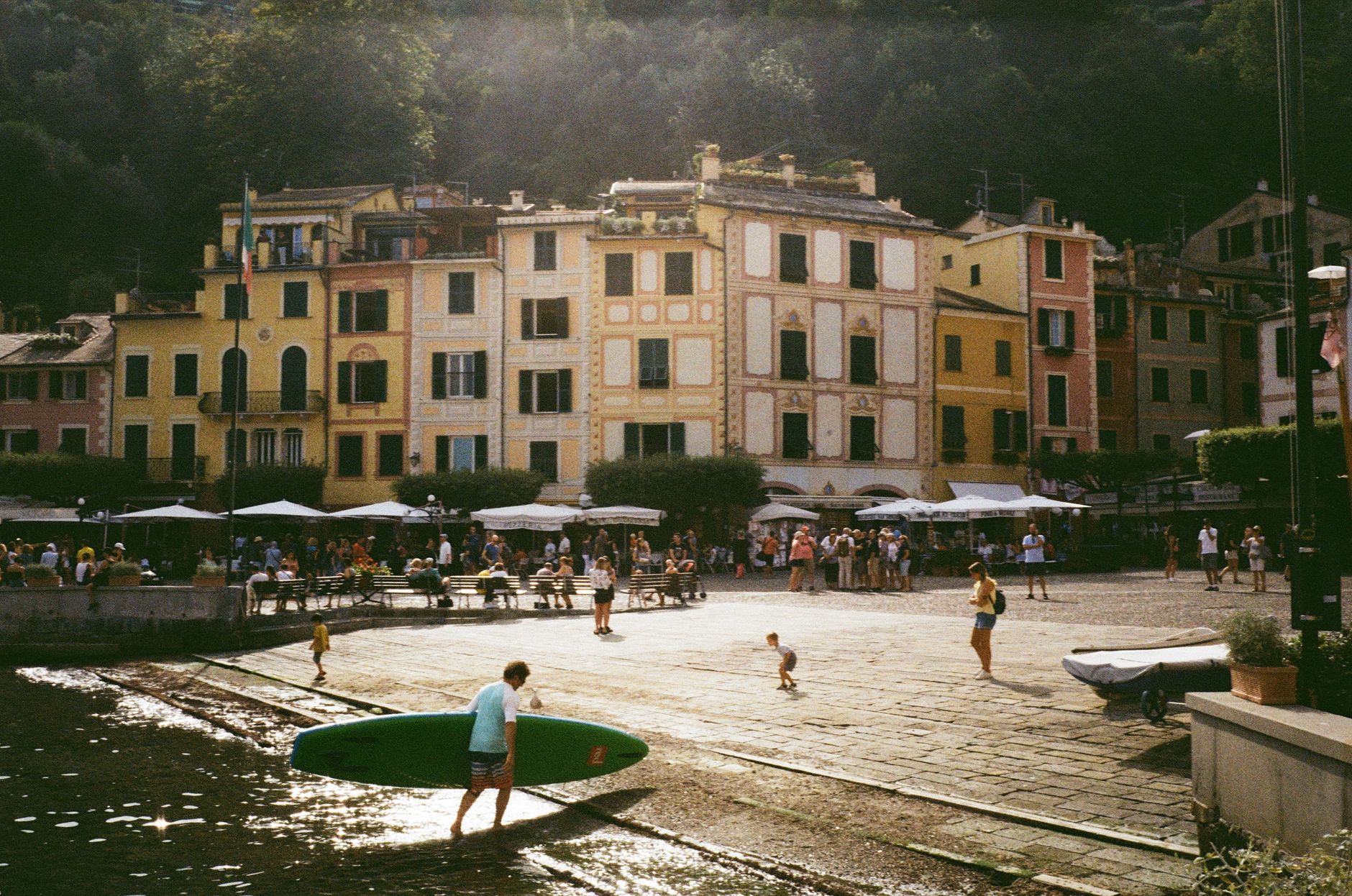
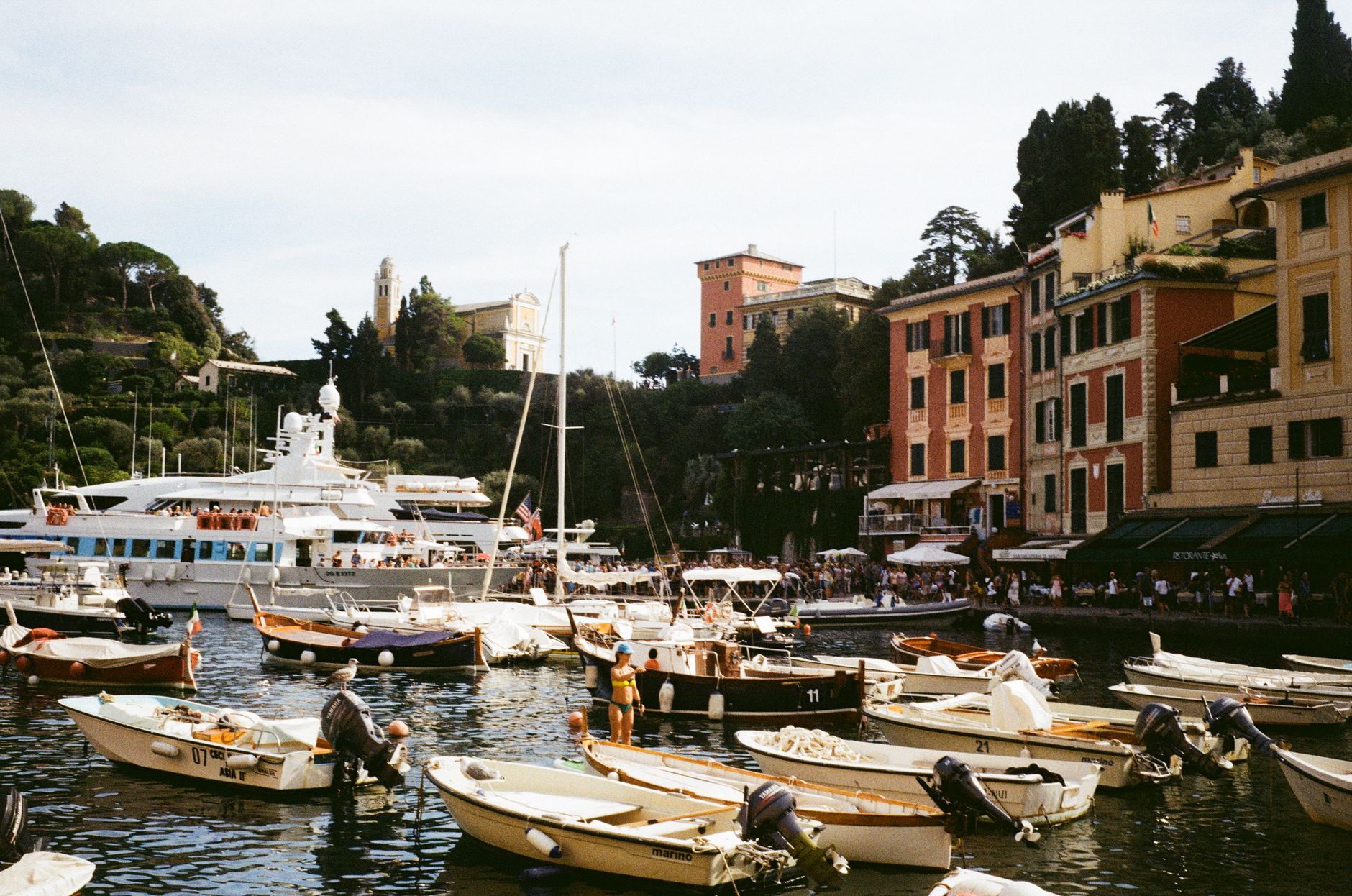
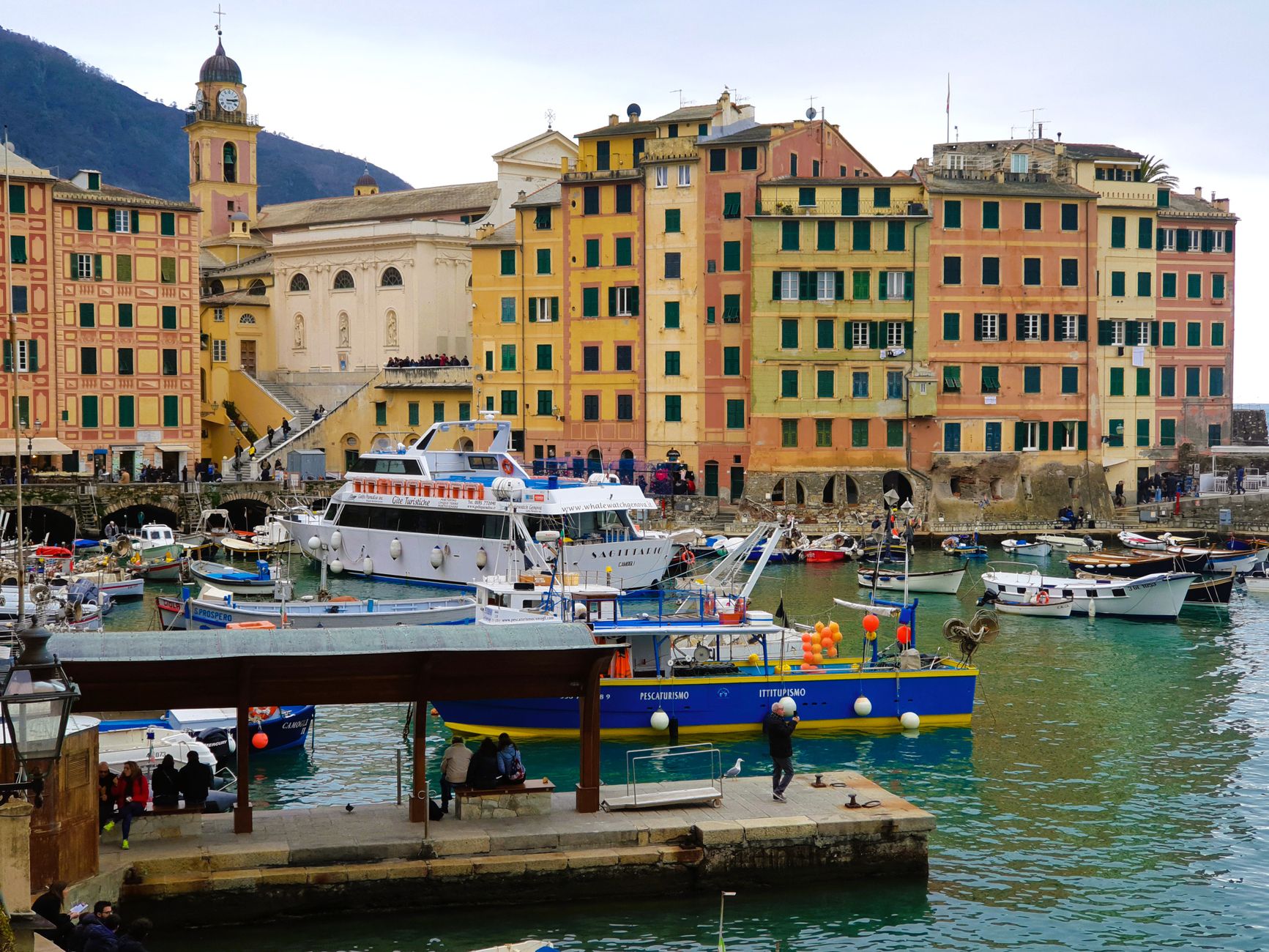
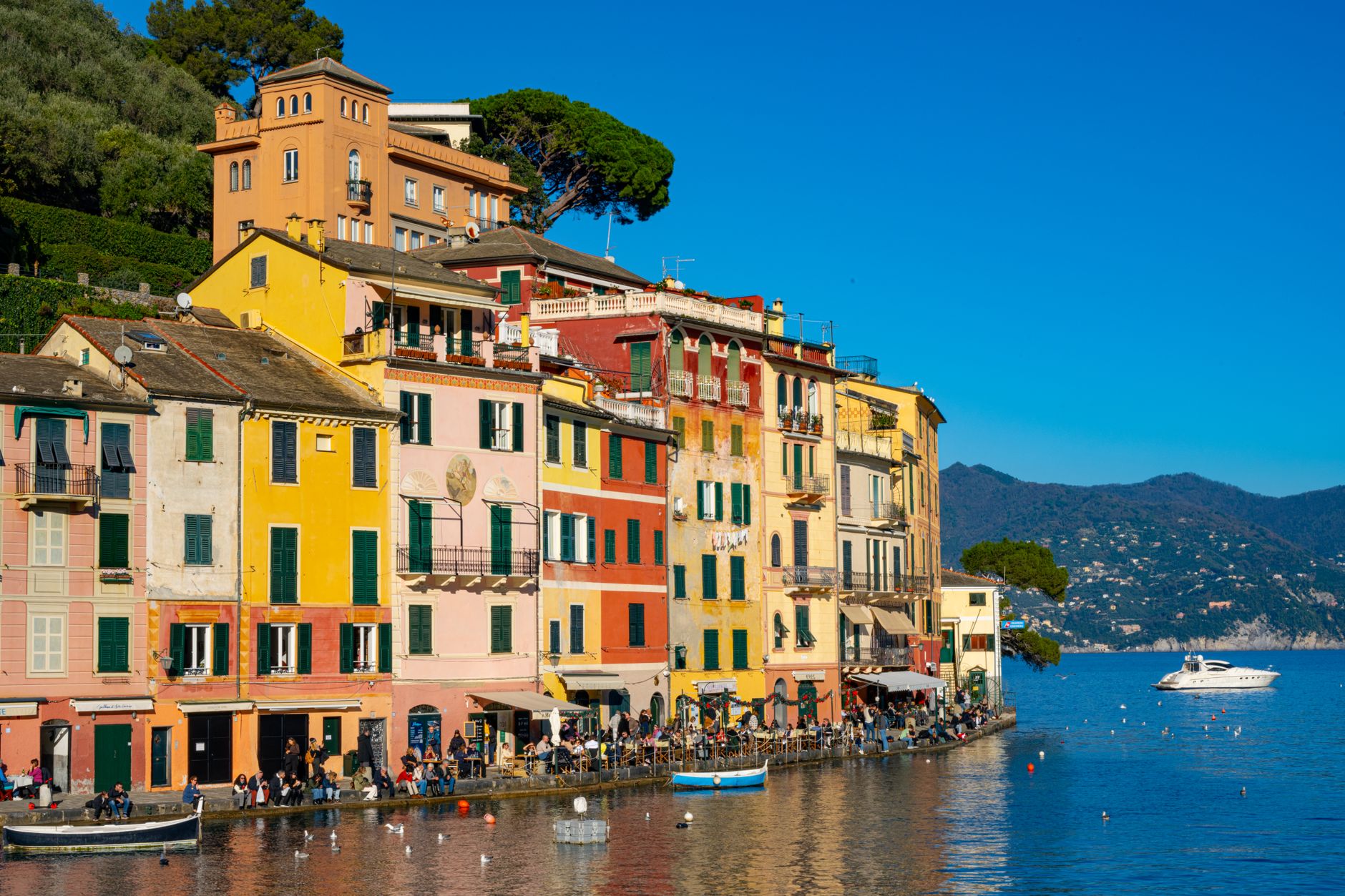
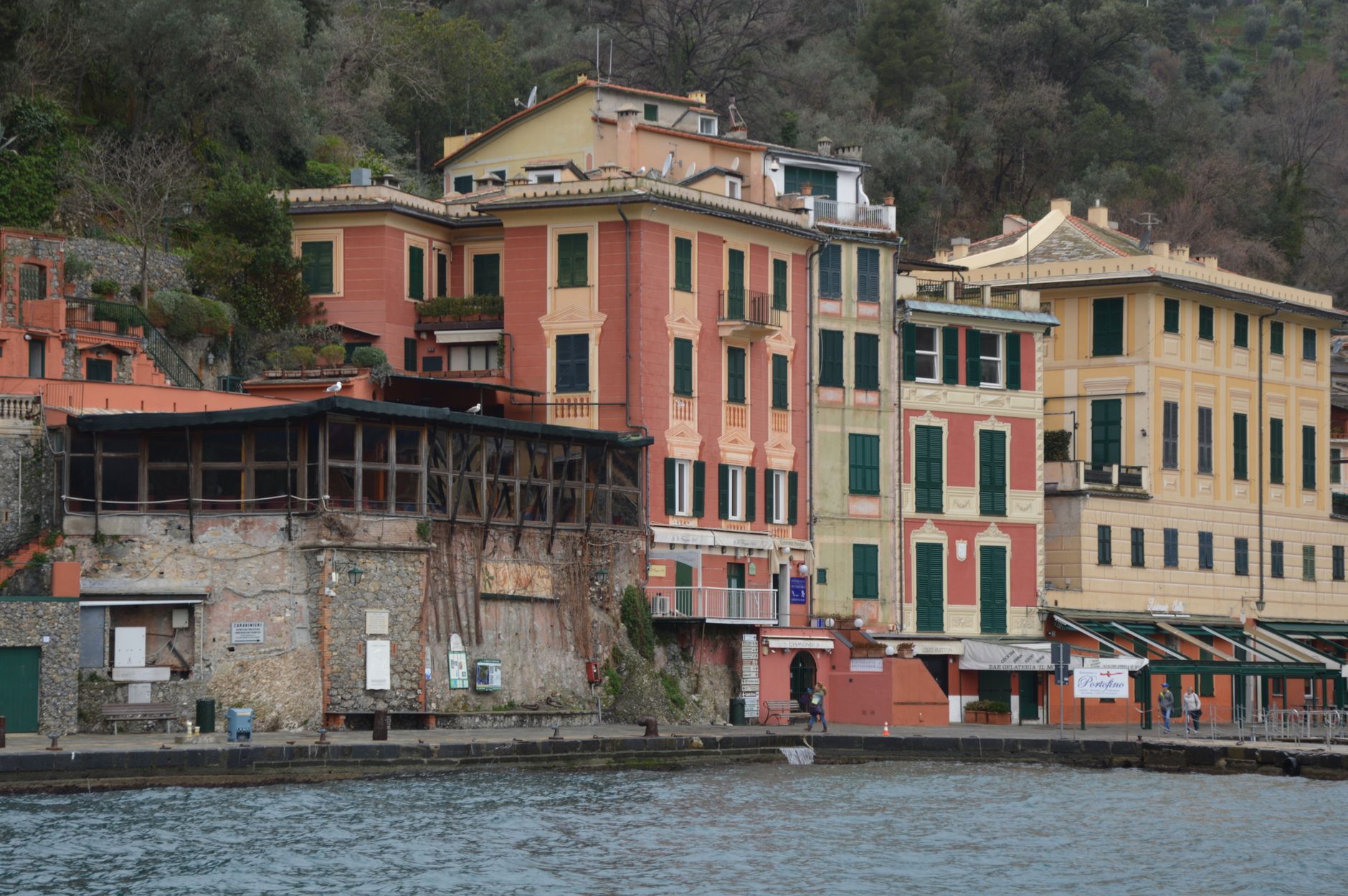
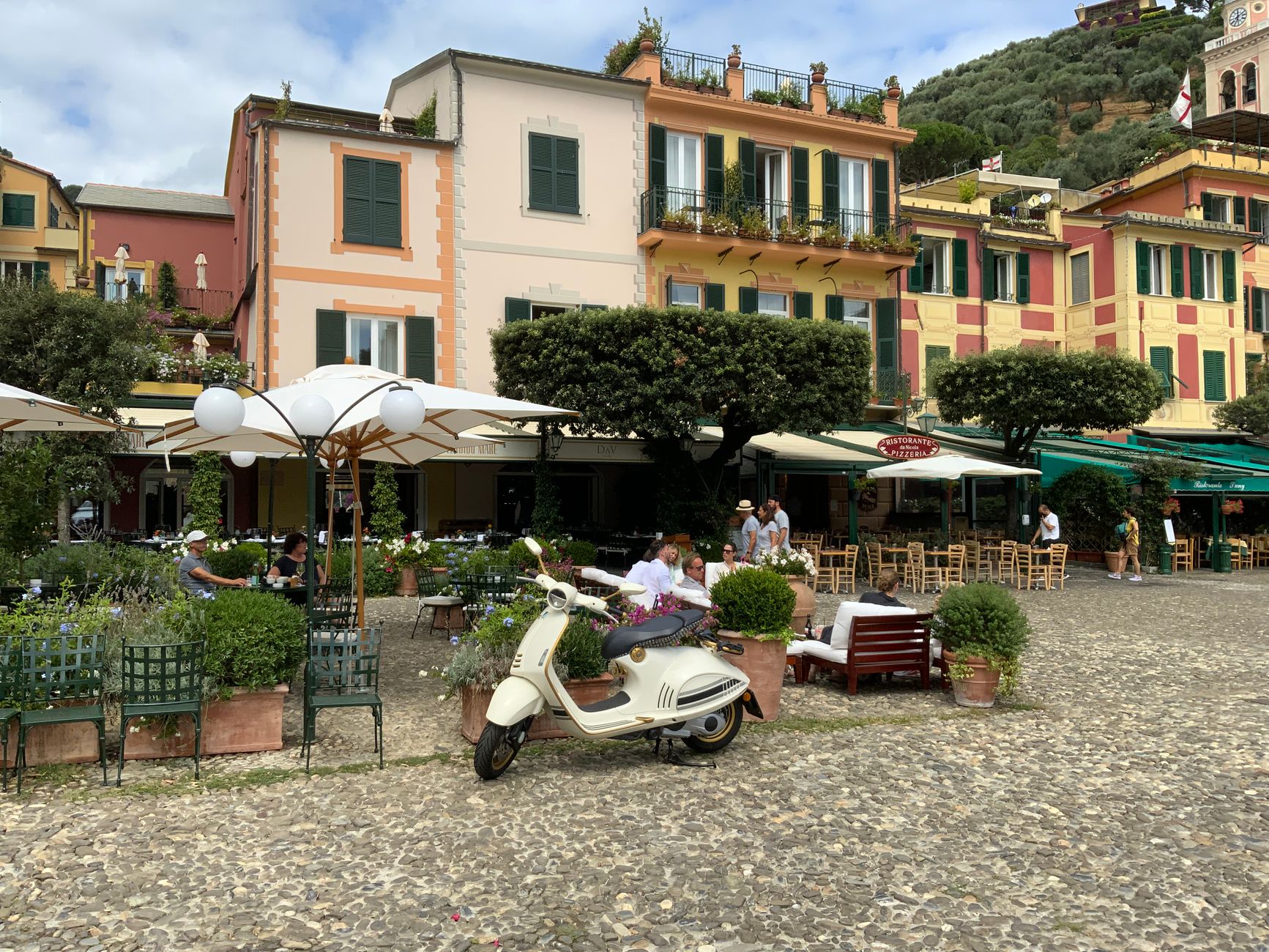
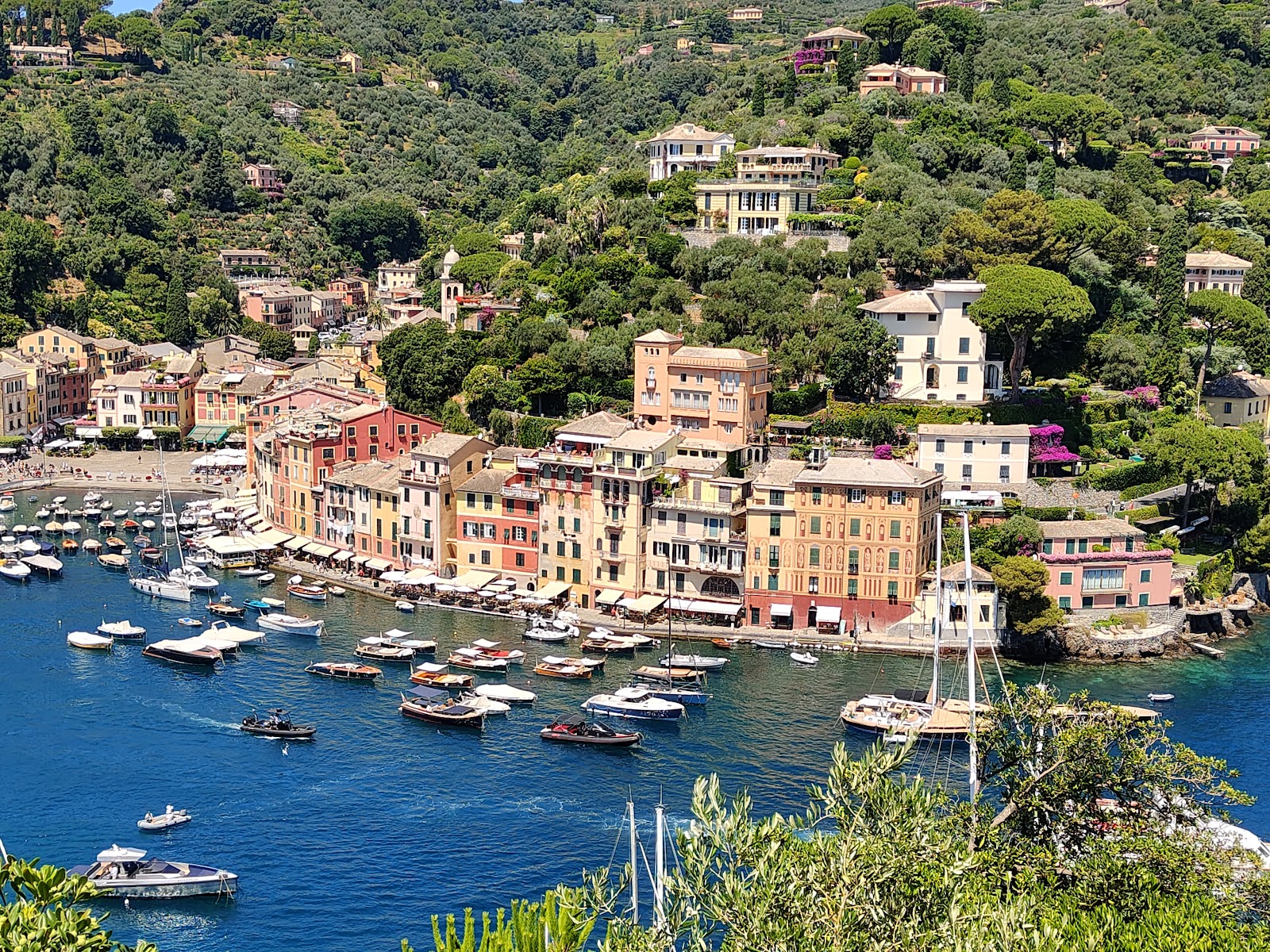
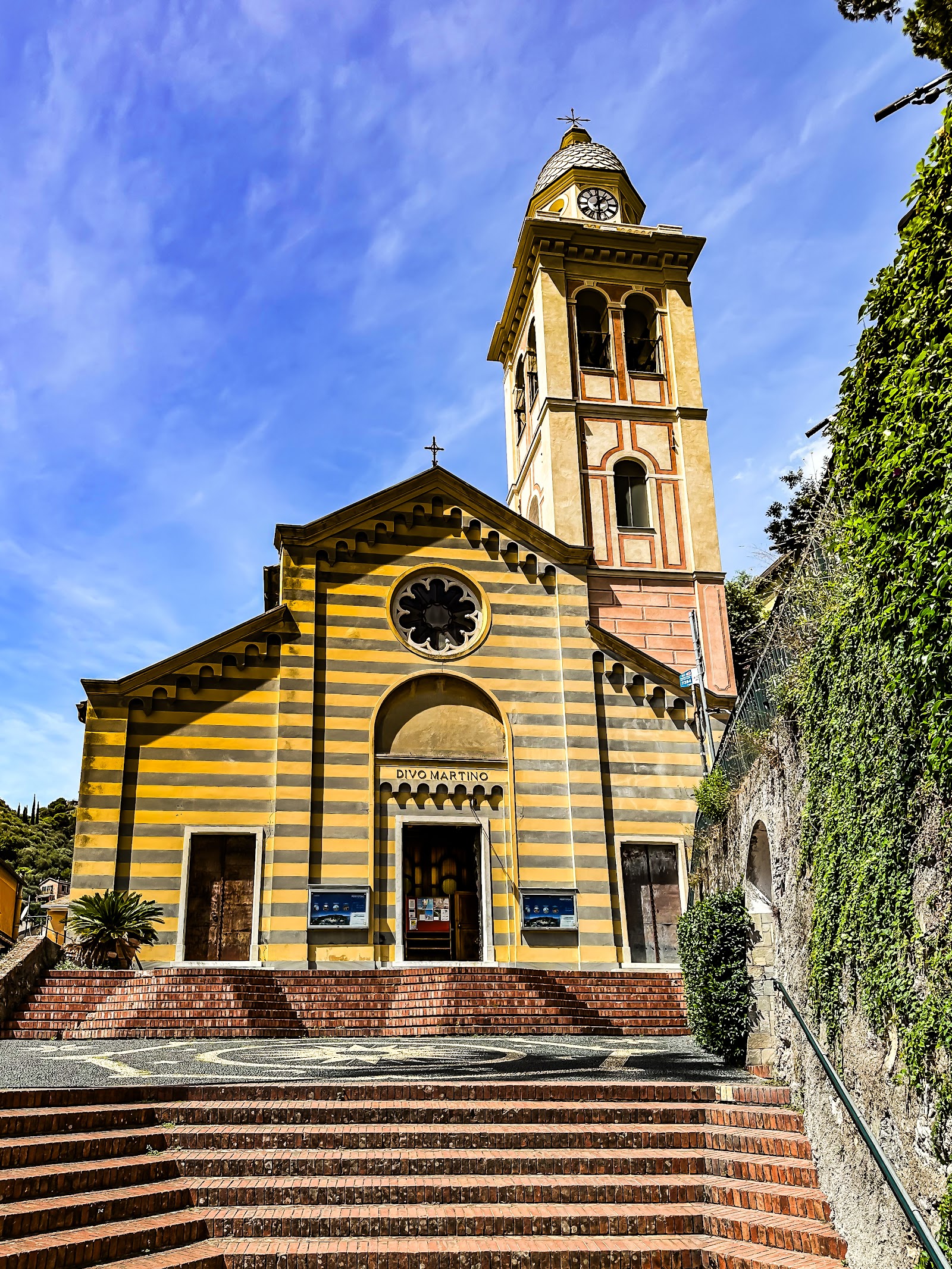
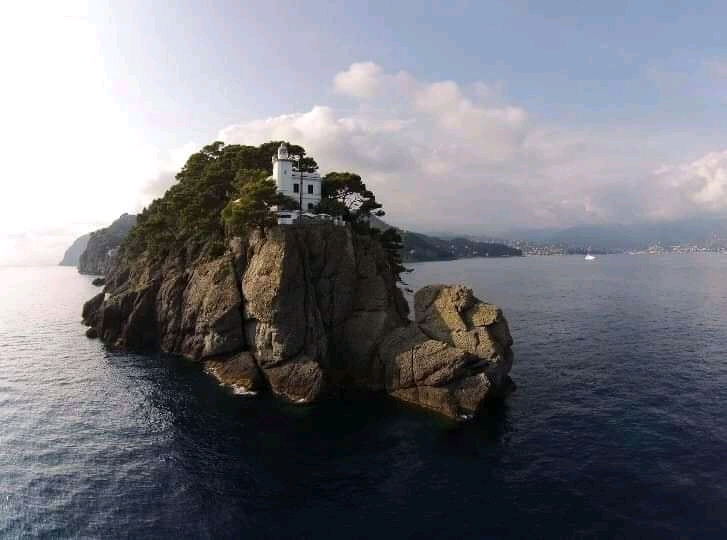
Stand at the edge of the Piazzetta and you'll notice the ochre and terracotta facades reflecting in the harbour water so precisely that the boats appear to float between two villages. Portofino is very small — a single crescent of waterfront, a church on the hill, a lighthouse at the tip of the promontory — and that smallness is the whole point.
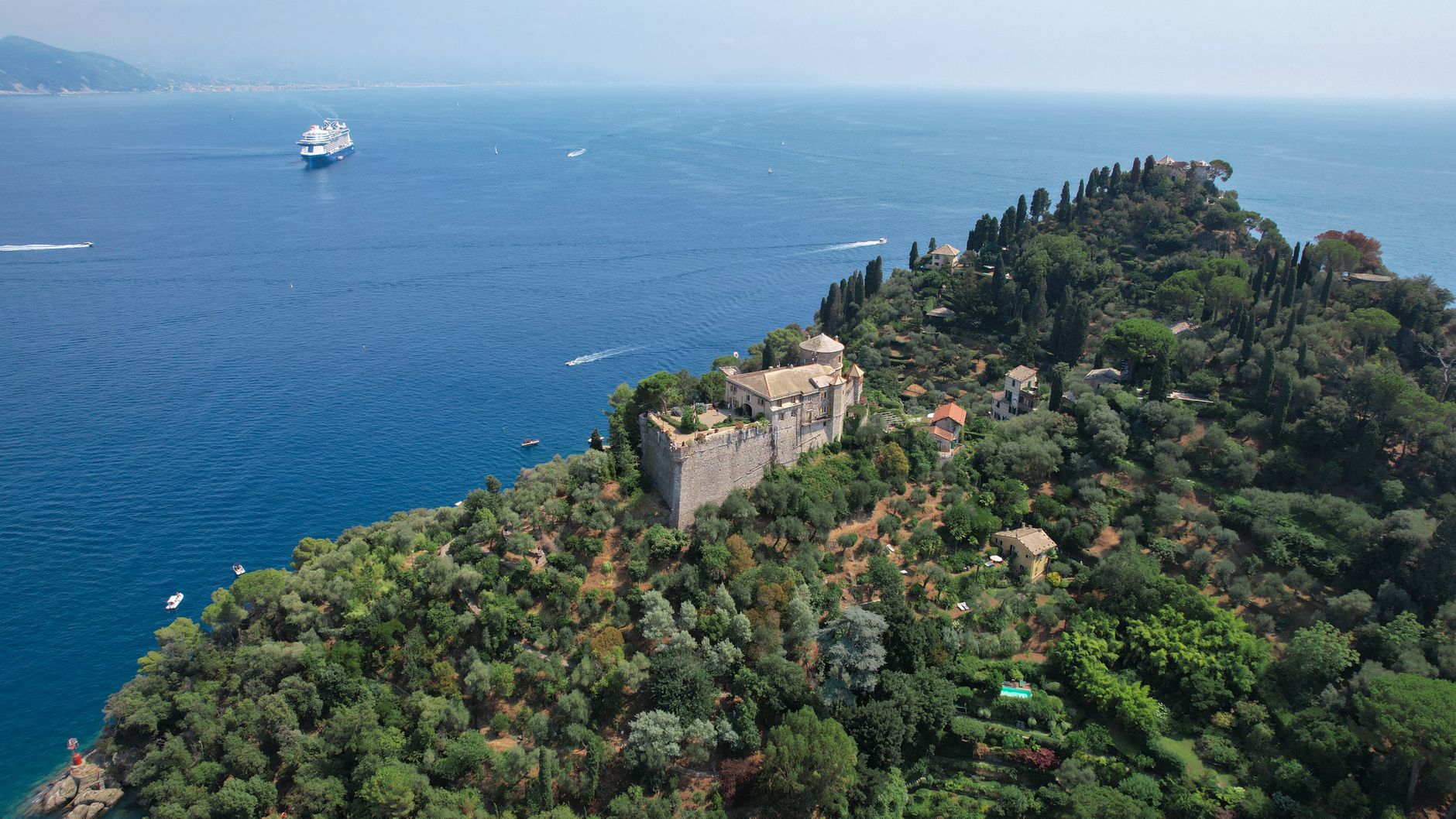
What brought the crowds here first was a novel. Elizabeth von Arnim stayed at Castello Brown, and her 1922 bestseller *The Enchanted April* sent a certain kind of traveller scrambling for the horse-and-cart road from Santa Margherita. A century later the logic of the place hasn't changed much: arrive by ferry if you can, walk to the lighthouse, eat something with anchovies.
💛 What travellers fall for
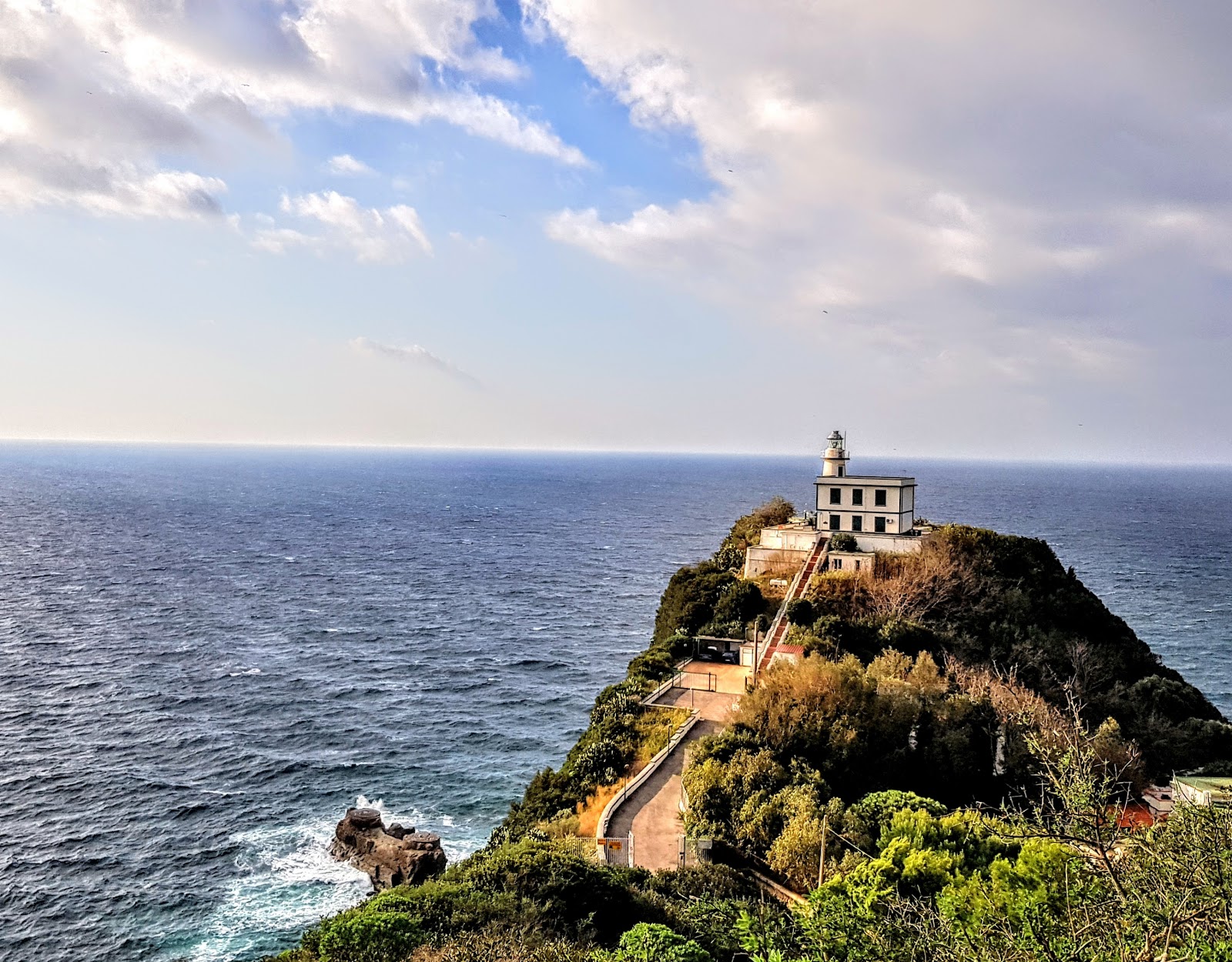
People who come back tend to agree on a few things: take the bus from Santa Margherita rather than a taxi, get to the Piazzetta before ten in the morning, and walk the path past Castello Brown to the Faro di Portofino at least once in each direction — the light is different every time, and the second time you'll notice things the first pass didn't allow for.
Experiences you don't want to miss




Deals in Portofino
Book directly at the provider


How Portofino came to be
Pliny the Elder called it Portus Delphini, the Port of the Dolphin, and the name alone suggests how long sailors have been reading this particular indent in the Ligurian coast as shelter. A diploma from 986 assigned the village to the Abbey of San Fruttuoso, and by 1171 it fell under Rapallo's jurisdiction. After 1229 it became part of the Republic of Genoa — with one odd interlude in 1409 when Charles VI of France, briefly Doge of Genoa, sold it to Florence, only for the Florentines to hand it back when Charles was deposed.
The transformation from fishing village to destination began in the late nineteenth century with British aristocratic tourists arriving overland from Santa Margherita. By 1950 tourism had quietly overtaken fishing as the town's main business, the waterfront lined end to end with restaurants and cafés — much as it remains today.
Who and what shaped it
People who shaped it
Landmark buildings
See Portofino in motion
Plan your visit
On the map
When to go
Summers are warm and dry, often hot enough by July and August to make the midday walk to the lighthouse uncomfortable; spring and early autumn offer the same clear light with far fewer people on the path. Winters are mild by northern European standards but many waterfront businesses close from November through March.
Right now
↡ Attractions


Background & history adapted from Wikipedia (CC BY-SA) · specs from Wikidata (CC0) · weather from Open-Meteo · map data © OpenStreetMap contributors · photos from Wikimedia Commons / Unsplash with per-image credit. No third-party reviews or social posts reproduced.