
Camogli
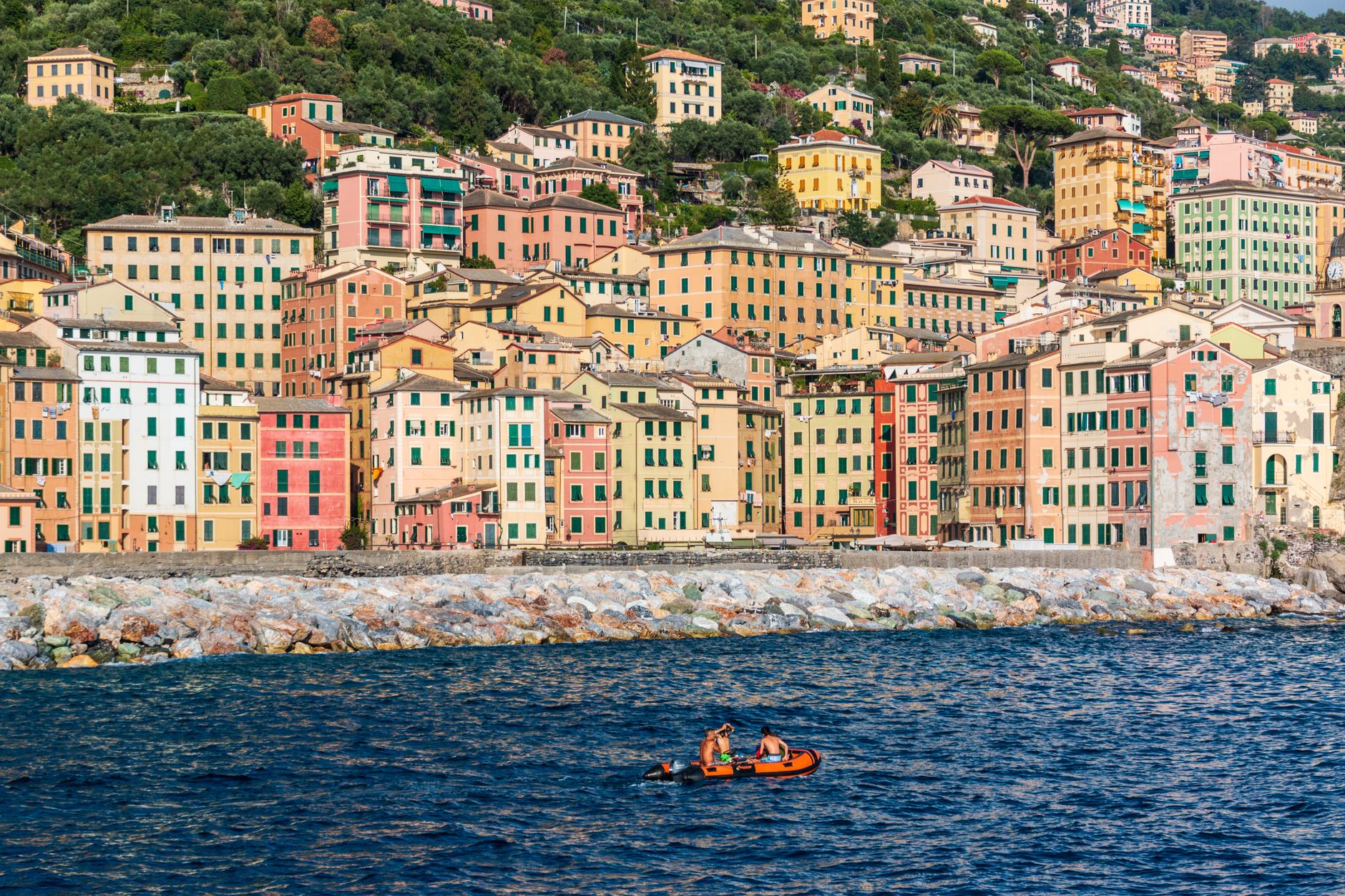
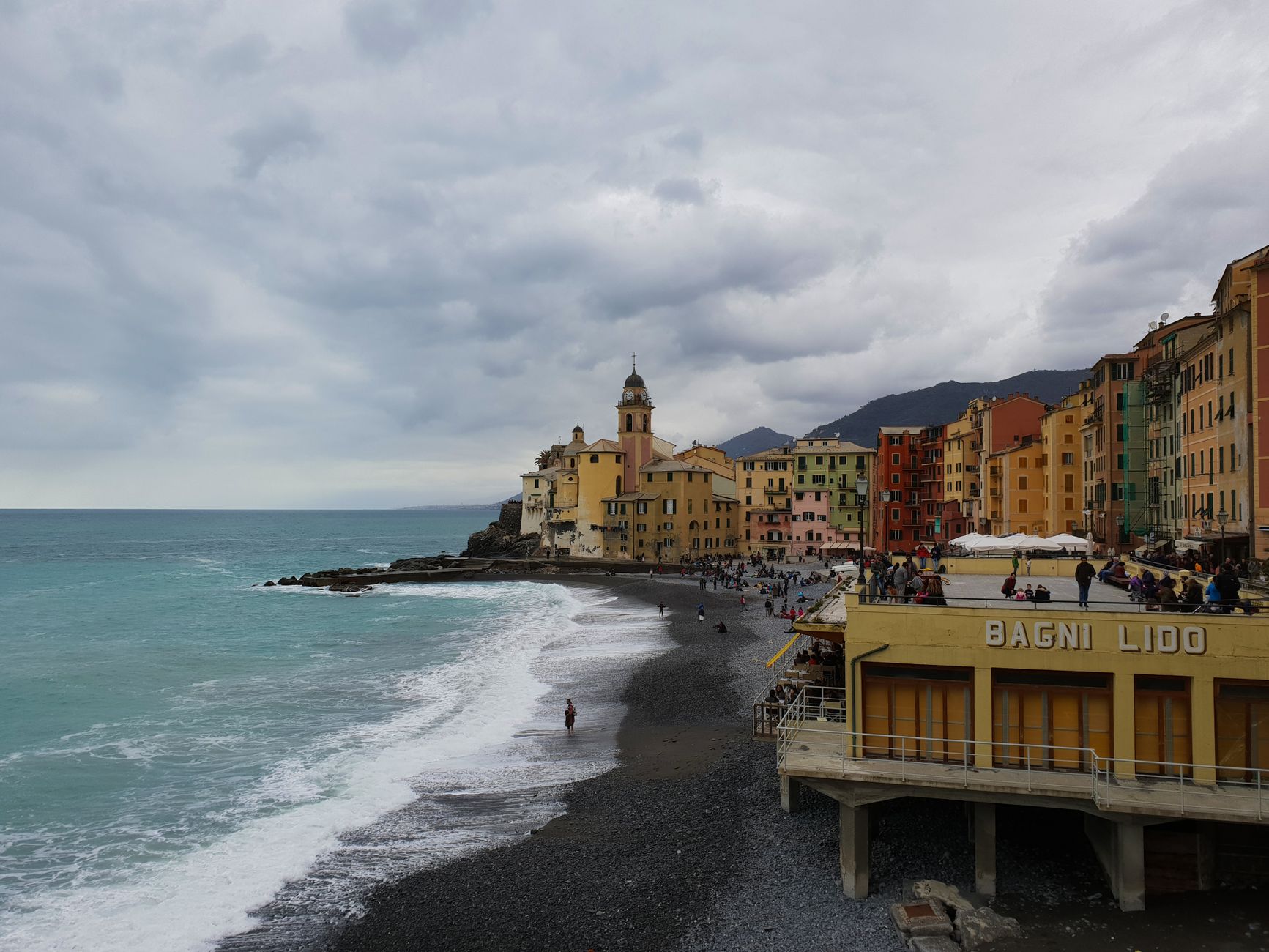
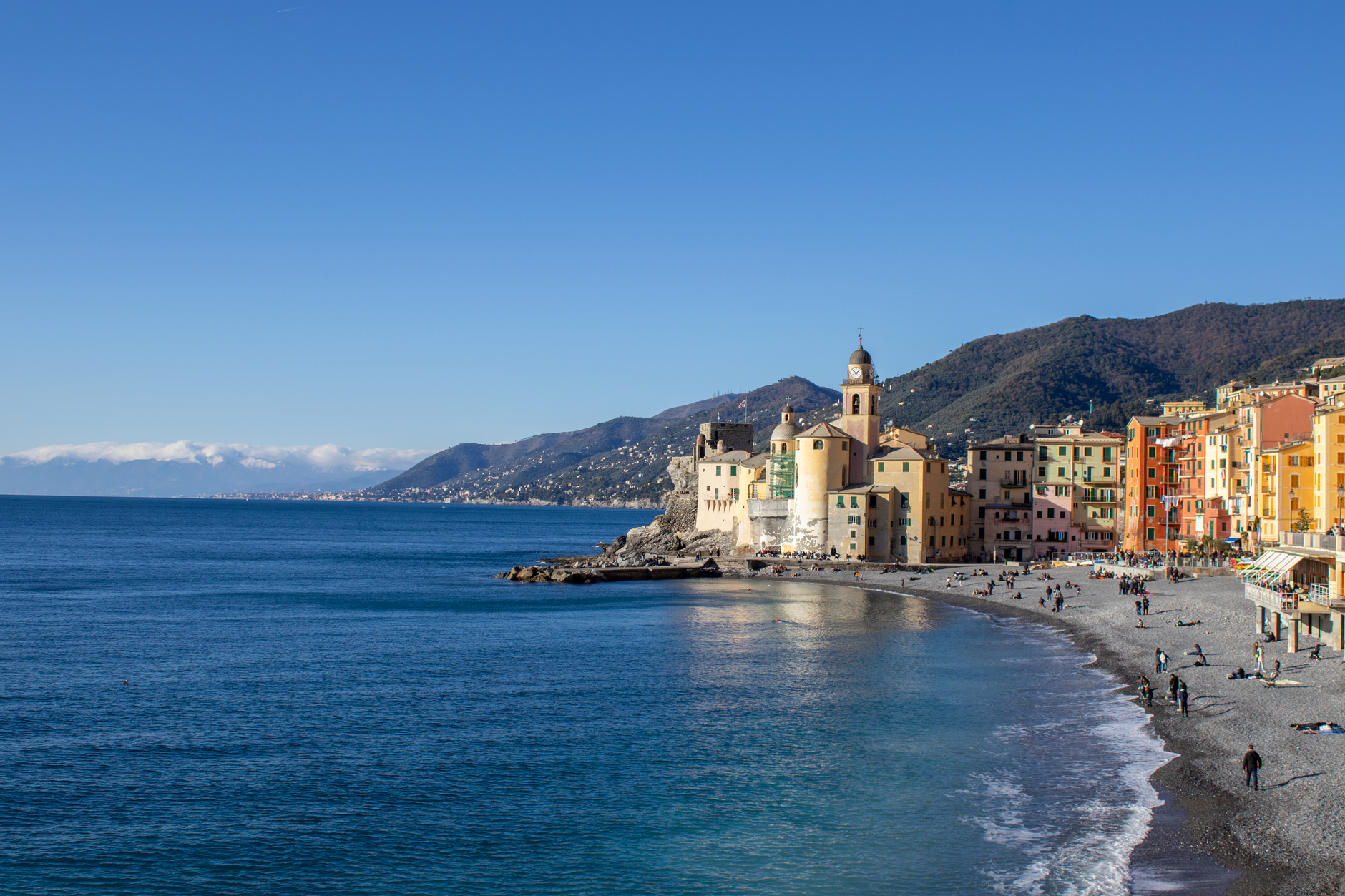
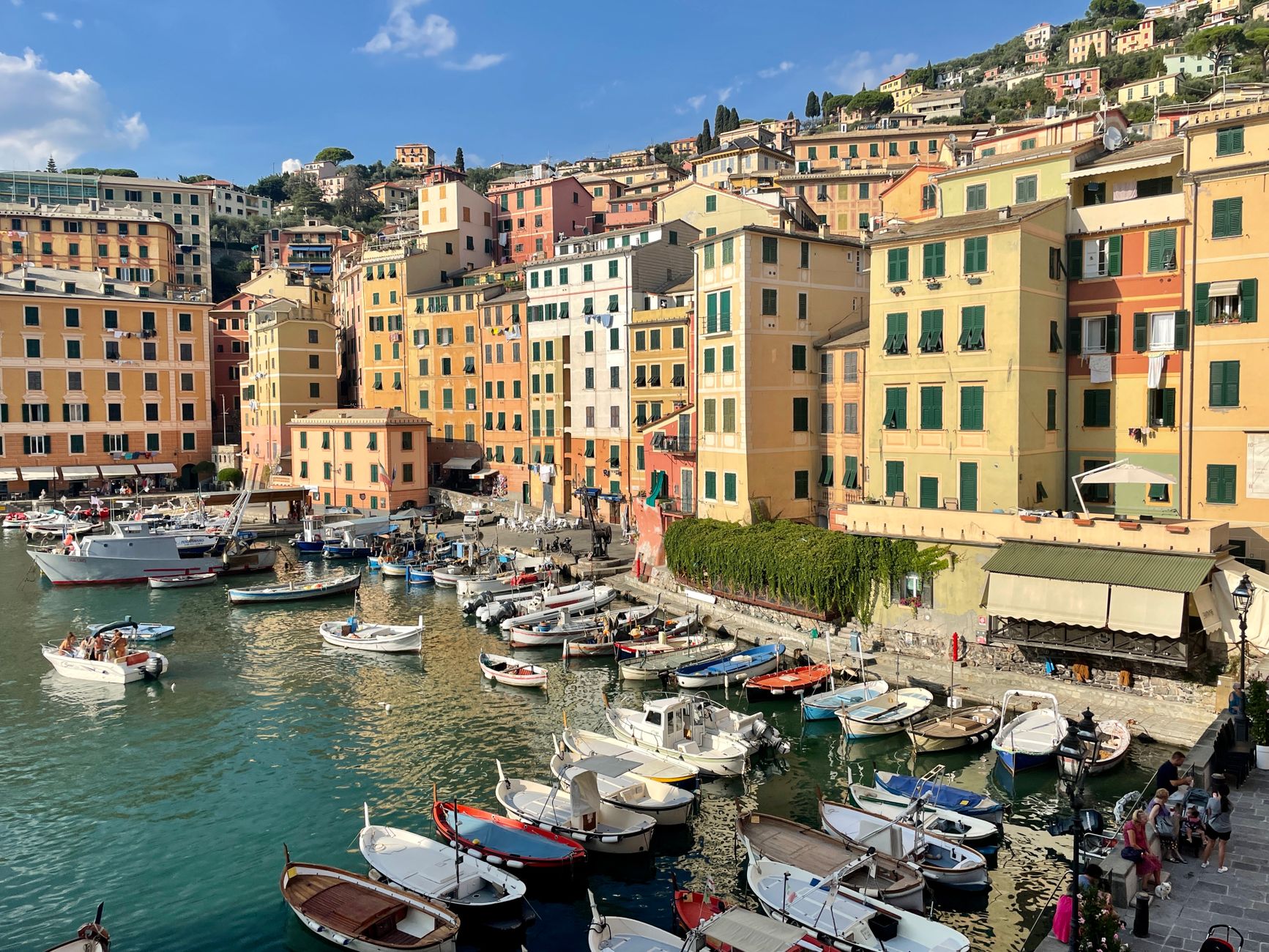
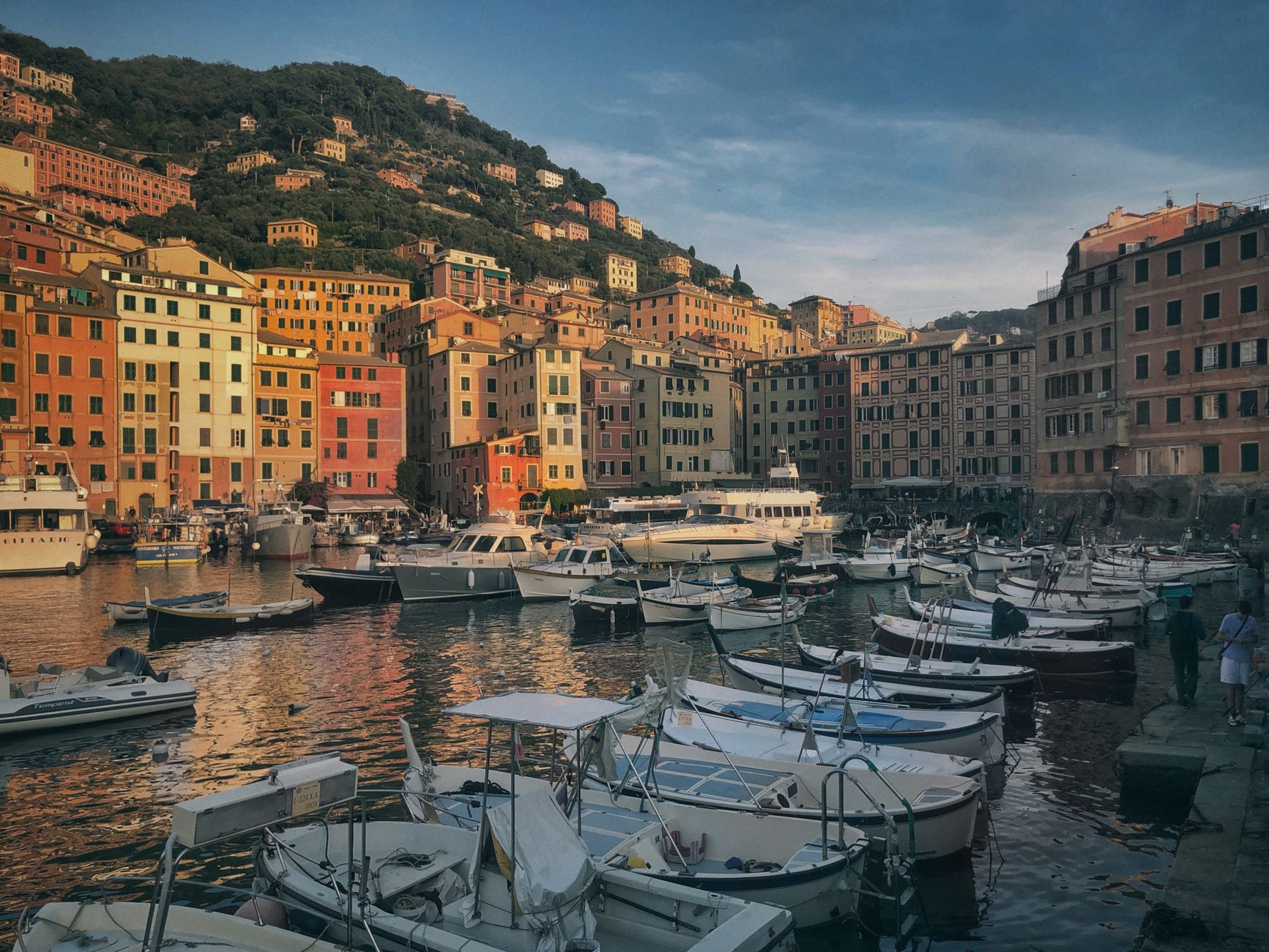
Stand on Camogli's pebble beach and look back at the waterfront: the houses stack six and seven storeys high, painted in lemon and peach and a particular shade of terracotta that deepens in afternoon light. Some of the windows are fake — painted on in trompe l'oeil, shutters and balconies rendered so carefully they fool you for a moment. The story goes that residents once closed real windows to dodge a tax levied by the count, then painted them back in.
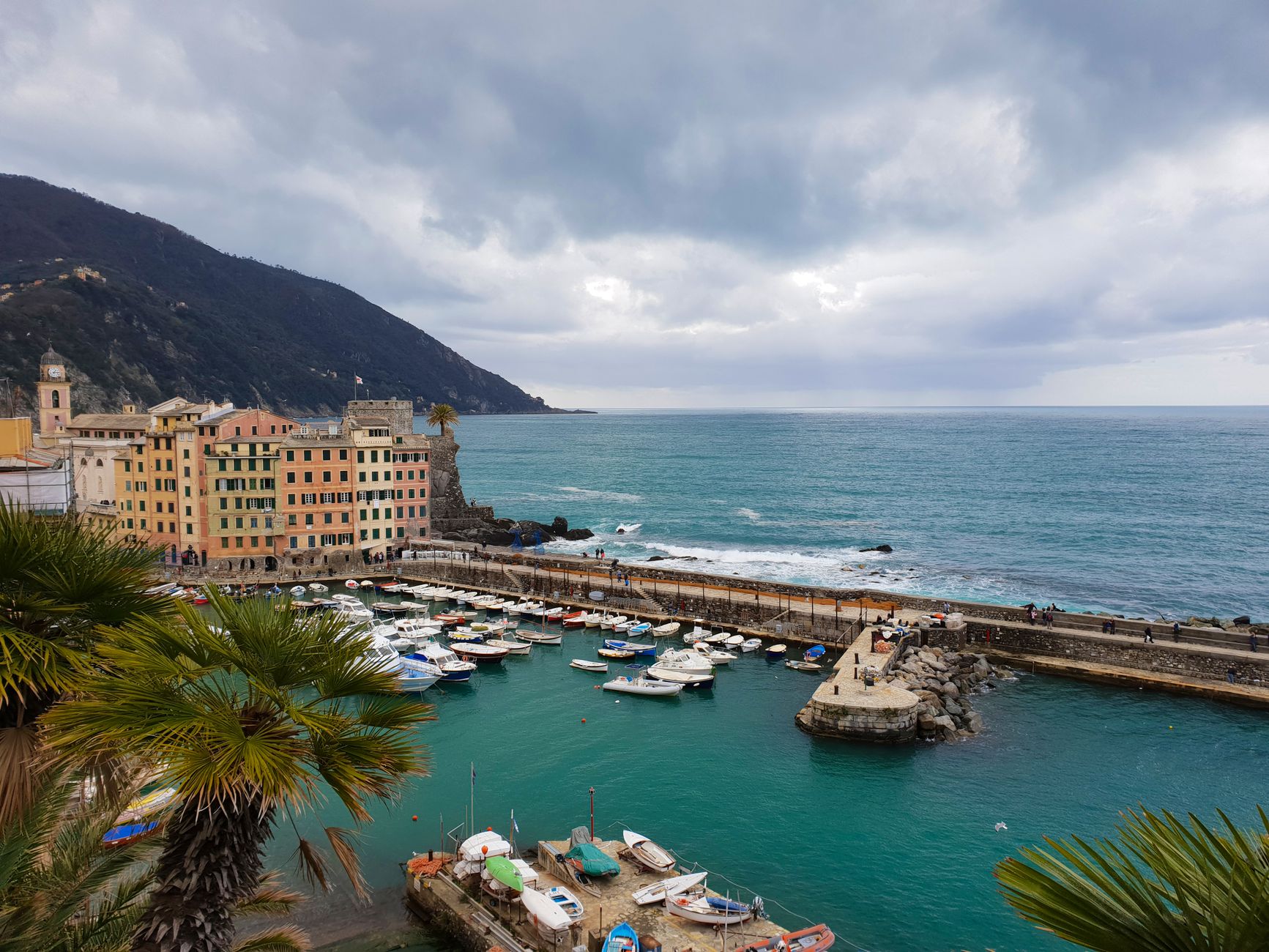
The town itself is barely 600 metres end to end, walkable in twenty minutes if you don't stop, which you will. A 12th-century castle sits at the water's edge. A maritime museum near the train station is free and worth the hour. San Fruttuoso Abbey, reachable only by boat or on foot, waits thirty minutes down the coast.
💛 What travellers fall for
People who come back tend to take the morning ferry to San Fruttuoso before the day-trippers arrive, and they know to check the Dragonara Castle schedule in advance — it opens only for occasional exhibitions. The Sagra del Pesce in May, with its absurd 28-ton frying pan and three tonnes of free fish, draws regulars who plan the whole trip around it.
Experiences you don't want to miss


Deals in Camogli
Book directly at the provider


How Camogli came to be
Camogli's roots go back further than its painted facades suggest — excavations in the 1960s and 70s uncovered evidence of settlement dating to the 16th–13th centuries BC. By around the year 1000 it appeared in texts as Vila Camuli, a coastal community under the bishops of Milan. Through the late Middle Ages it built a fleet serious enough to earn the name 'city of a thousand white sails,' and in 1798 it sheltered a large contingent of Napoleon's fleet, ships that would later be defeated by Admiral Nelson on the Nile.
The 19th century was its real apex. By 1853 Camogli counted more than 500 boats and, over the course of that century, produced upwards of 3,700 ship captains and 500 naval engineers from a population that was never large. The shift from maritime power to seaside destination came gradually in the 20th century, accelerated by the construction of the Via Aurelia coastal road.
Who and what shaped it
People who shaped it
Landmark buildings
See Camogli in motion
Plan your visit
On the map
When to go
Summers run warm and dry — July averages around 28°C in the day and sees only four rainy days — making it the obvious high season, though the waterfront fills accordingly. Spring and early autumn offer milder temperatures and thinner crowds; February is the coldest month, with daytime highs around 11°C, but the light on the painted facades is something else entirely.
Right now
Background & history adapted from Wikipedia (CC BY-SA) · specs from Wikidata (CC0) · weather from Open-Meteo · map data © OpenStreetMap contributors · photos from Wikimedia Commons / Unsplash with per-image credit. No third-party reviews or social posts reproduced.