
La Spezia
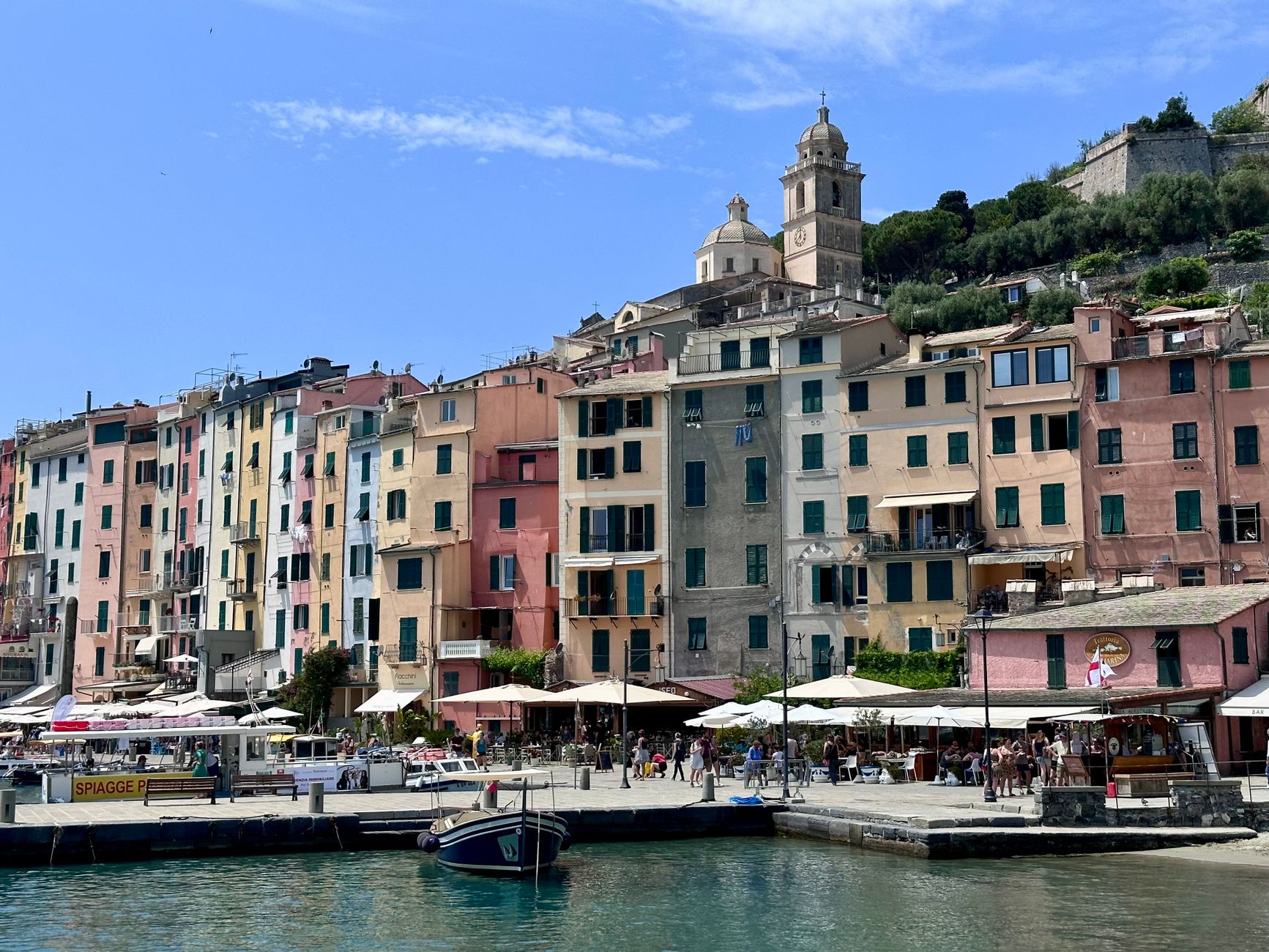
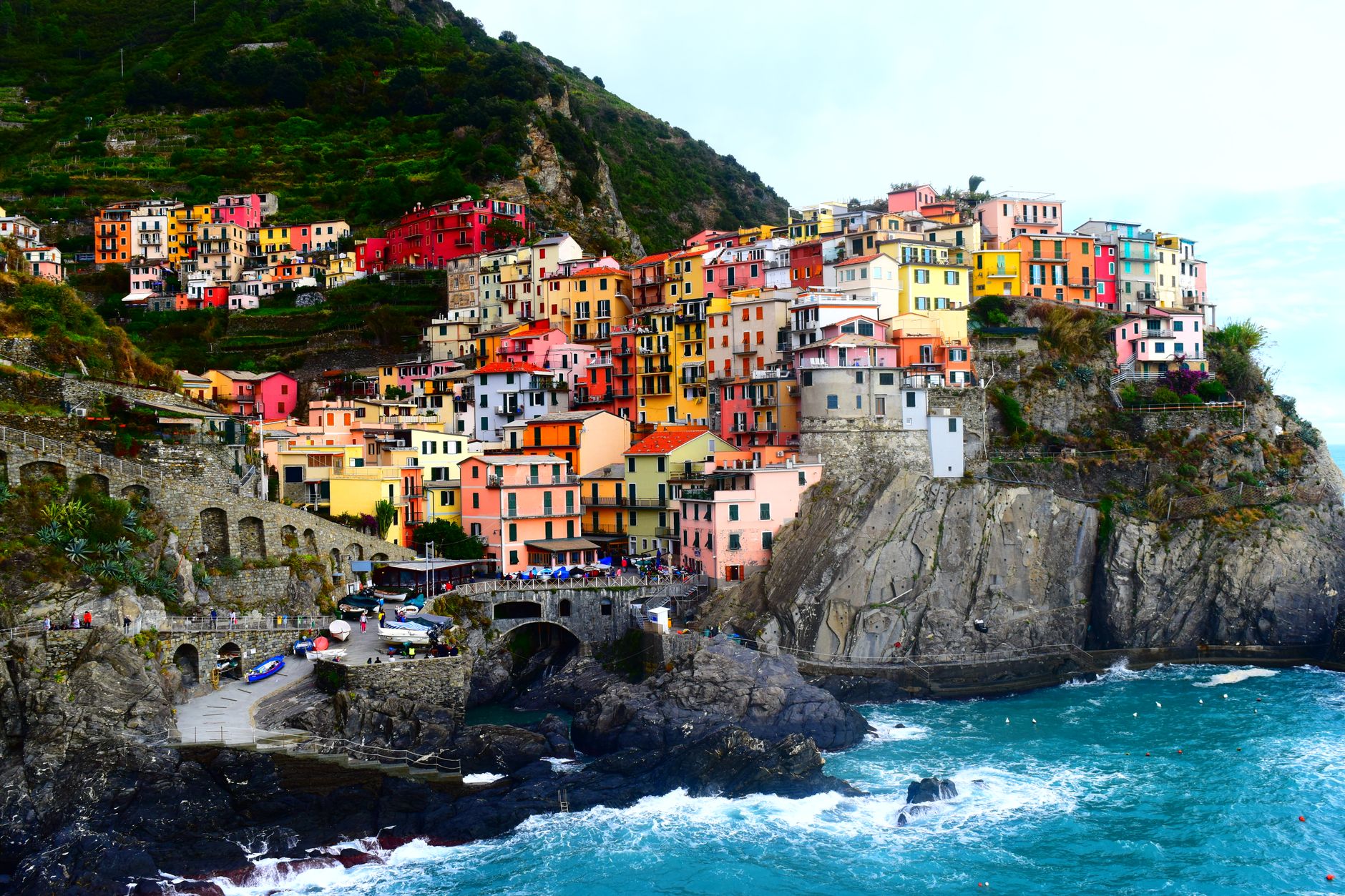
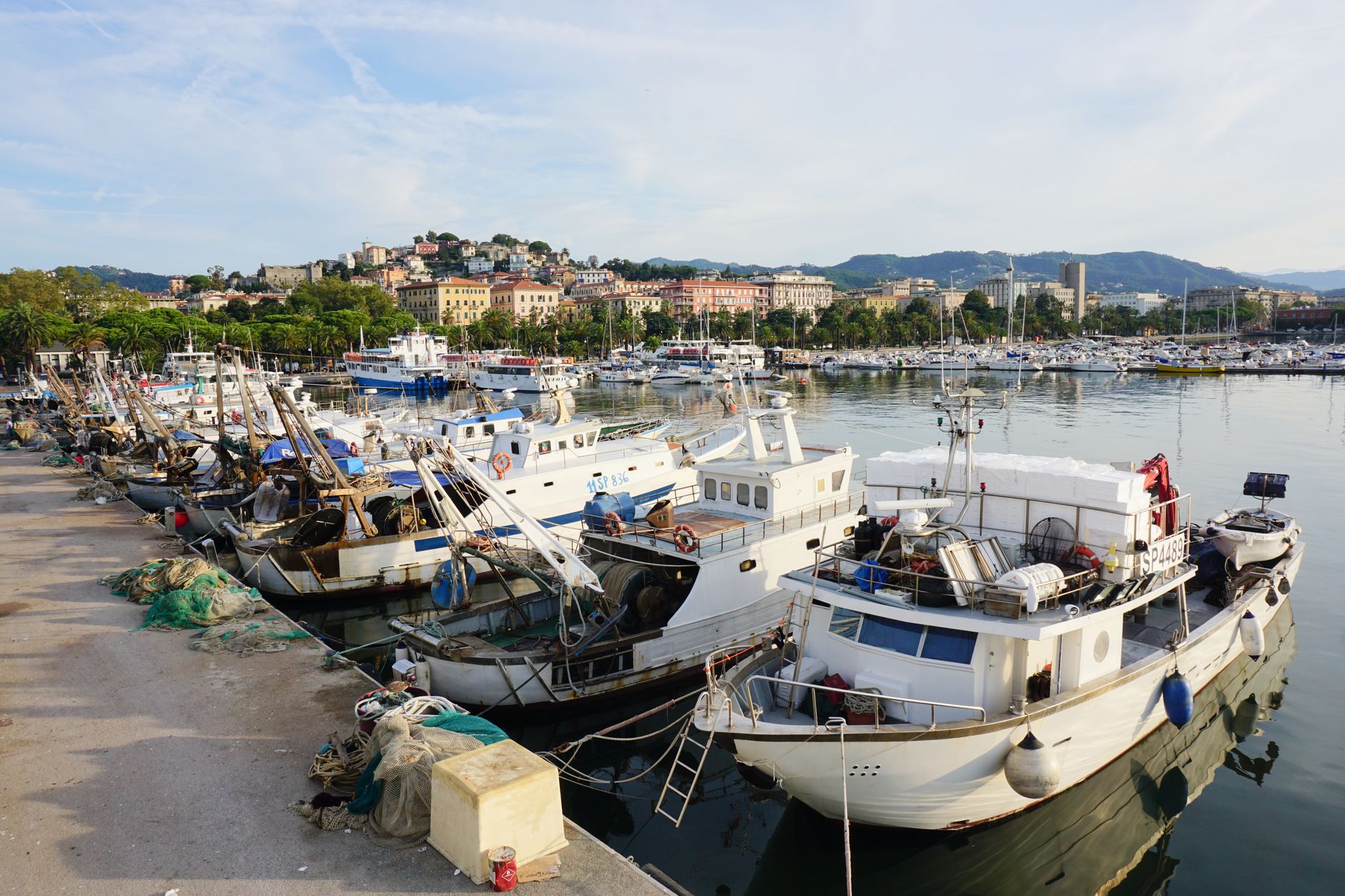
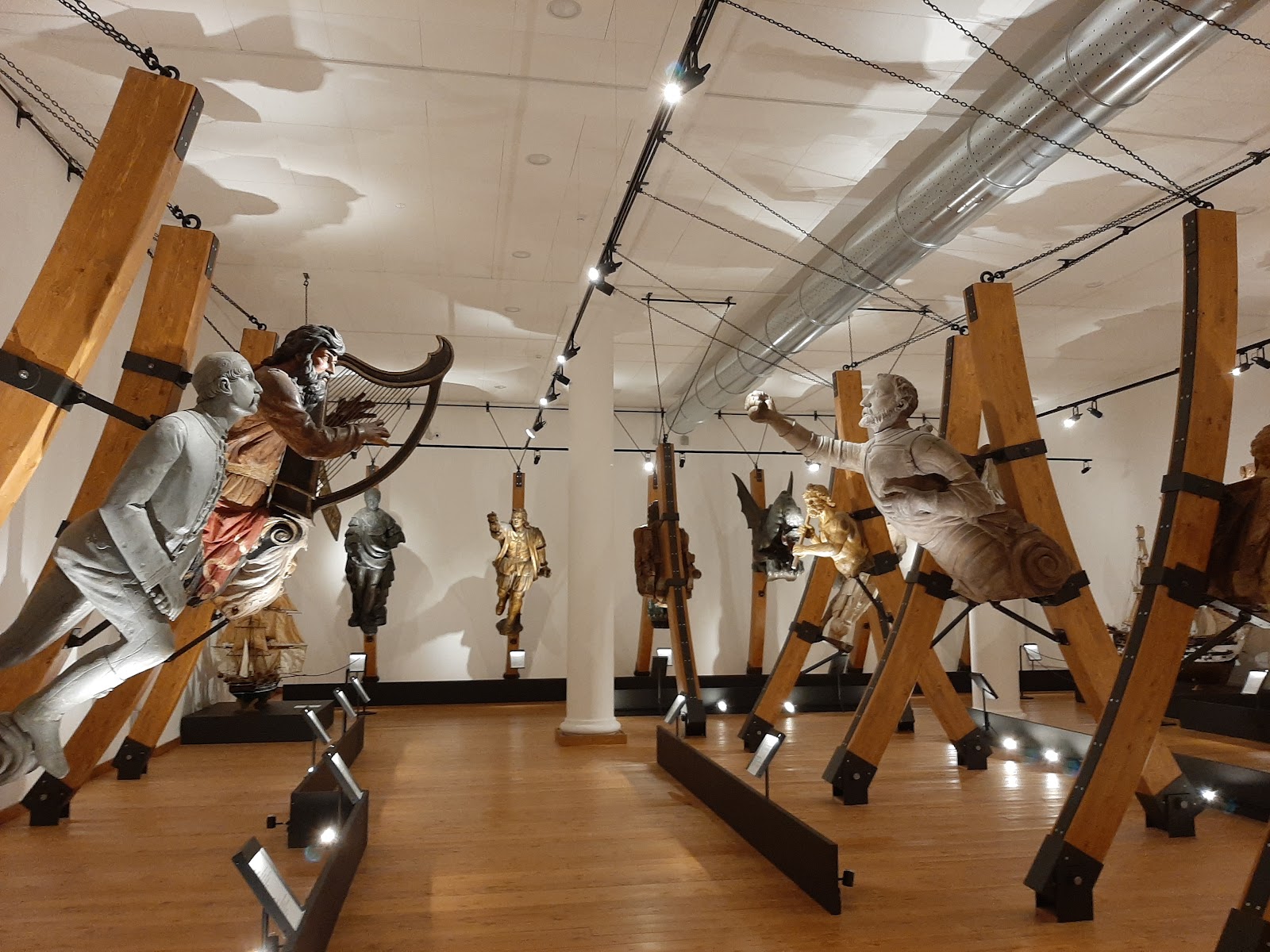
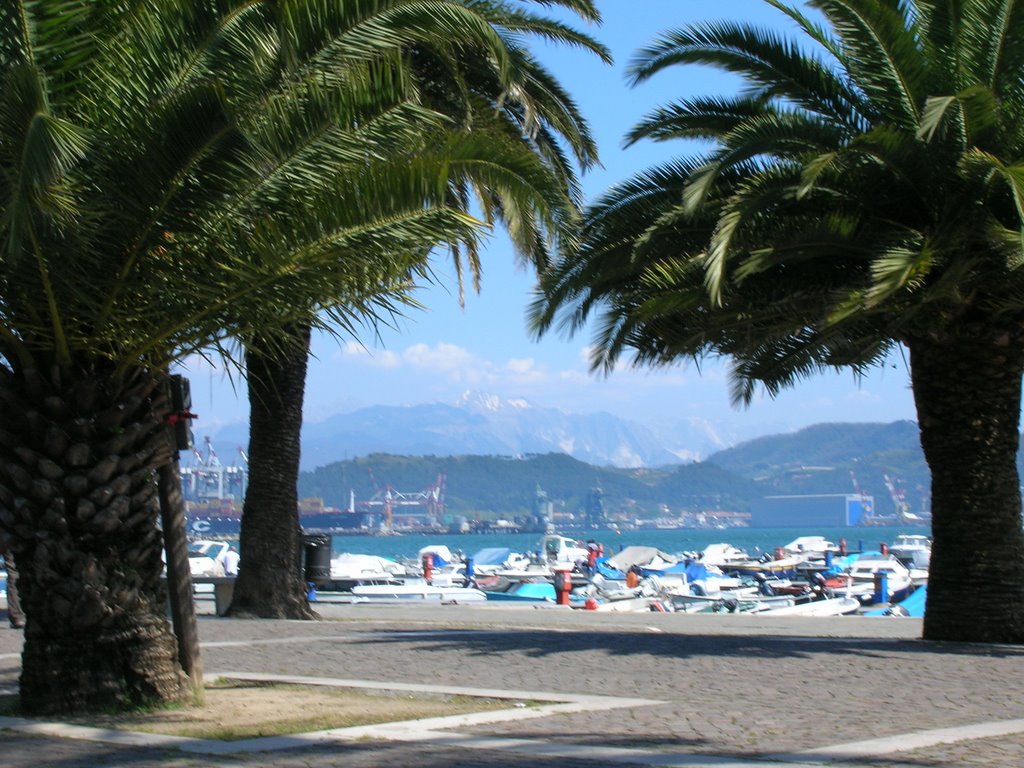
La Spezia wears its naval past on its face — in the grid of wide streets the Savoy government laid out around the Arsenal, in the warships you can see rusting gently in the gulf, in the oldest naval museum in the world, which has been open here since 1870. Most travellers pass through on their way to Cinque Terre, which is understandable and also a shame, because the city rewards the people who stay.
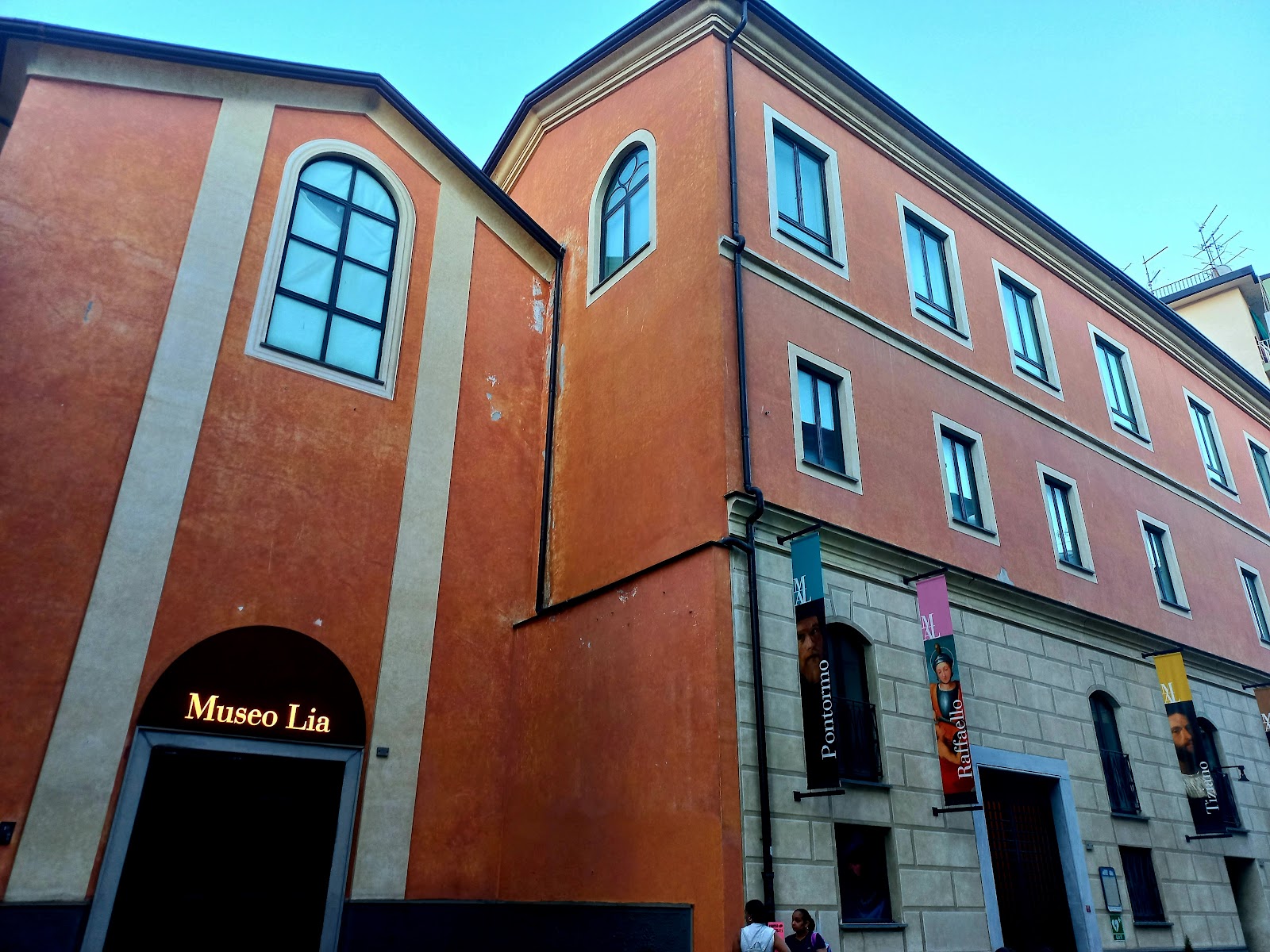
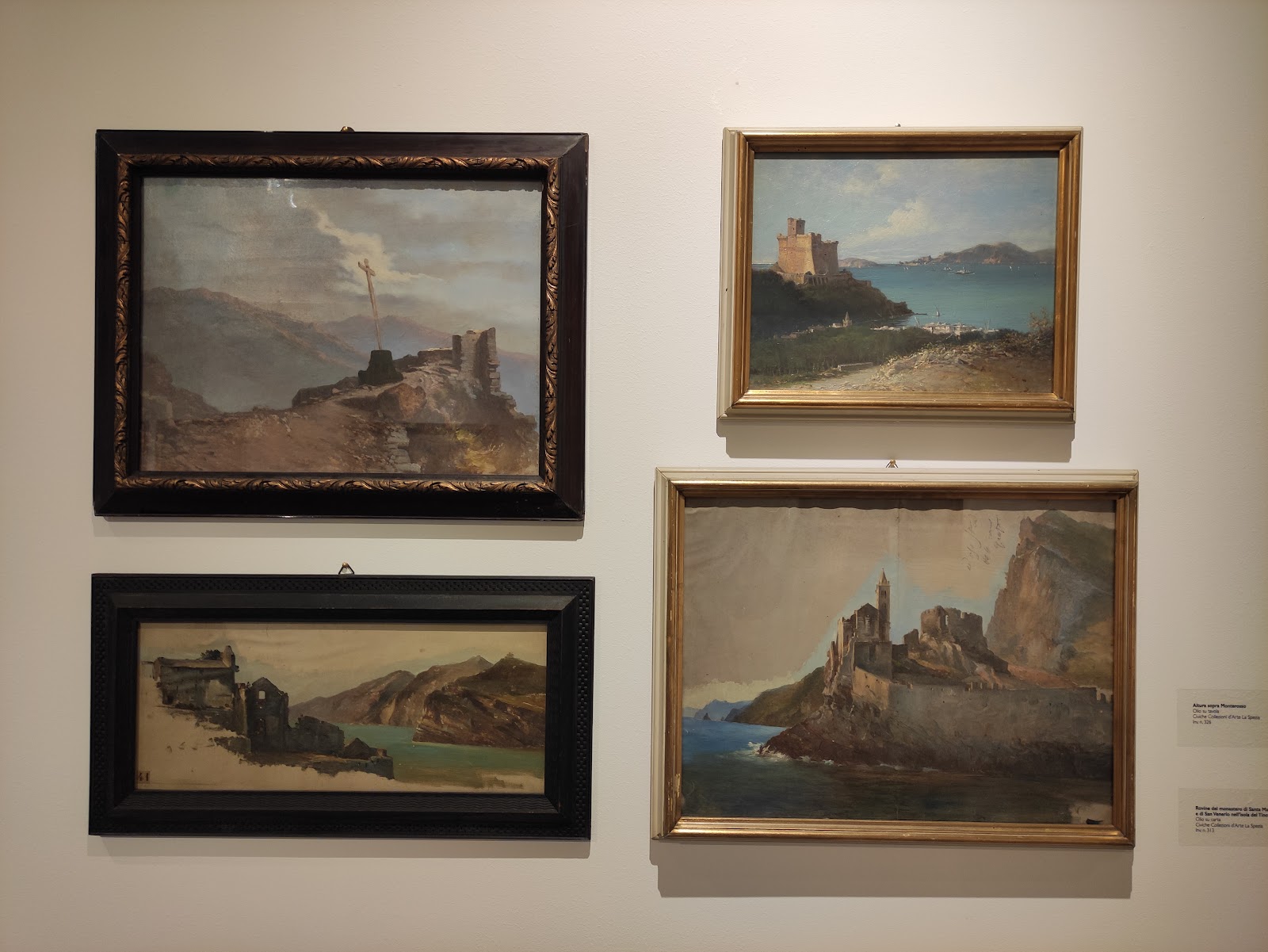
The waterfront promenade, the Futurist mosaics on the post office wall, the Civic Museum Amedeo Lia with its Tintorettos and Titians tucked into a Renaissance palazzo — these are not consolation prizes. La Spezia is a working Italian city that happens to have serious things to look at.
💛 What travellers fall for
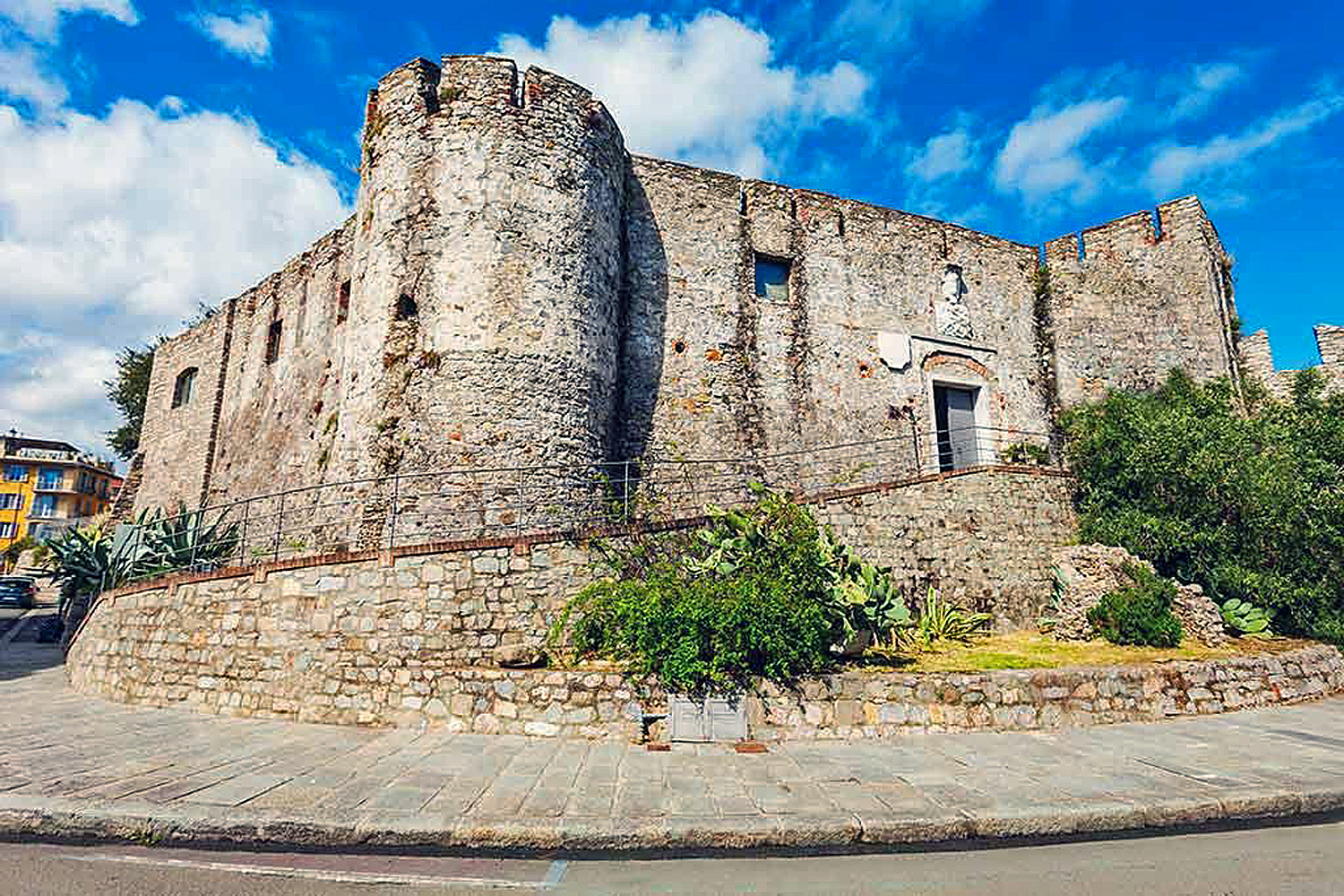
People who come back tend to mention the same sequence: morning coffee somewhere along the promenade, then straight to the Palazzo delle Poste to look at Fillia and Prampolini's mosaics before the light shifts, then up to the Castle of San Giorgio in the afternoon when the coach groups have thinned. The Civic Museum Lia is reliably uncrowded even in August.
Experiences you don't want to miss


Deals in La Spezia
Book directly at the provider
How La Spezia came to be
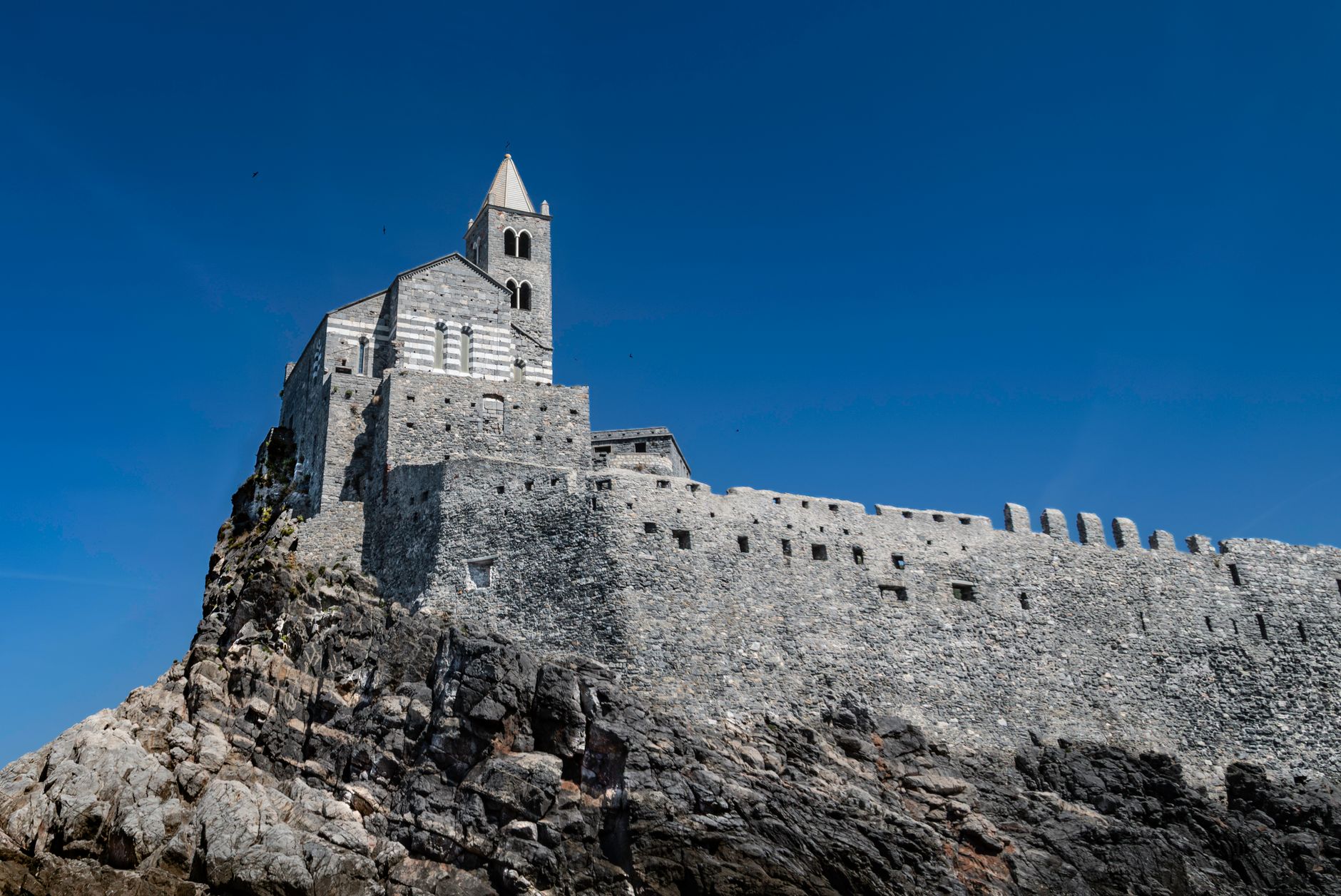
The name appears in documents from the 13th century, but the city's decisive moment came in 1276 when the Fieschi family, one of Genoa's great noble dynasties, sold their holdings here to the Republic of Genoa. A castle had already been built by Niccolò Fieschi in 1262, destroyed by the Genoese in 1273, and rebuilt from 1371 — the Republic later added another fortification from 1607. For centuries La Spezia remained a secondary port town.
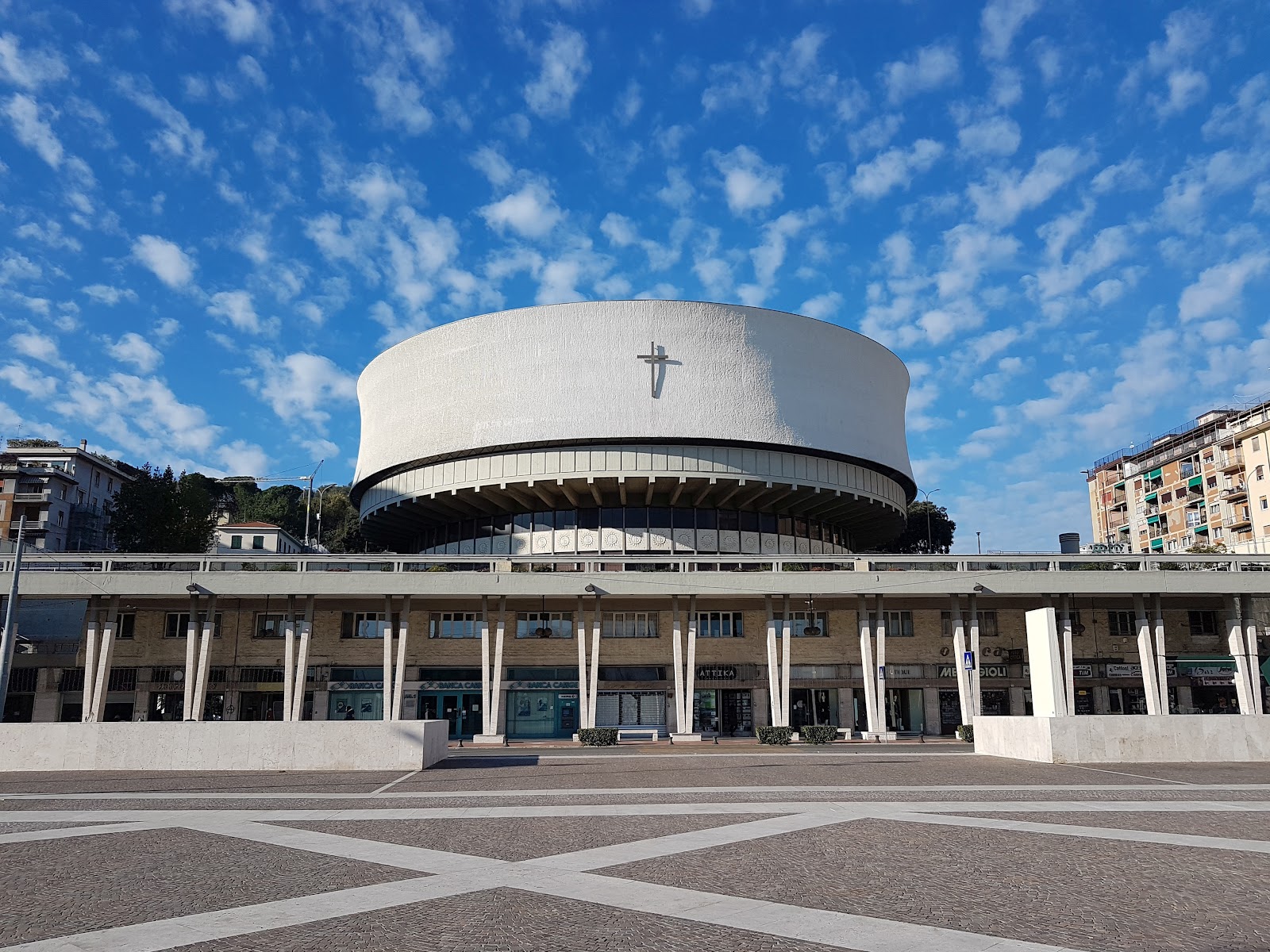
Everything changed in 1849, when a Royal Decree authorised construction of a Naval Military Arsenal. The military fleet transferred from Genoa in 1857, and the Arsenal was inaugurated in 1869, reshaping the city's entire fabric. That industrial and institutional identity held until 1944, when repeated Allied bombing destroyed most of the historic centre — which is why so much of what you see today dates from postwar reconstruction, including Adalberto Libera's cathedral, consecrated in 1975.
Who and what shaped it
People who shaped it
Landmark buildings
See La Spezia in motion
Plan your visit
On the map
When to go
The gulf position keeps temperatures mild year-round. Summers are warm and humid with occasional storms rolling in off the sea; winters are cool but rarely severe, and the promenade stays walkable most of the year. Spring, particularly April and May, brings clear light and manageable crowds.
Right now
↡ Attractions
Background & history adapted from Wikipedia (CC BY-SA) · specs from Wikidata (CC0) · weather from Open-Meteo · map data © OpenStreetMap contributors · photos from Wikimedia Commons / Unsplash with per-image credit. No third-party reviews or social posts reproduced.