
Lerici
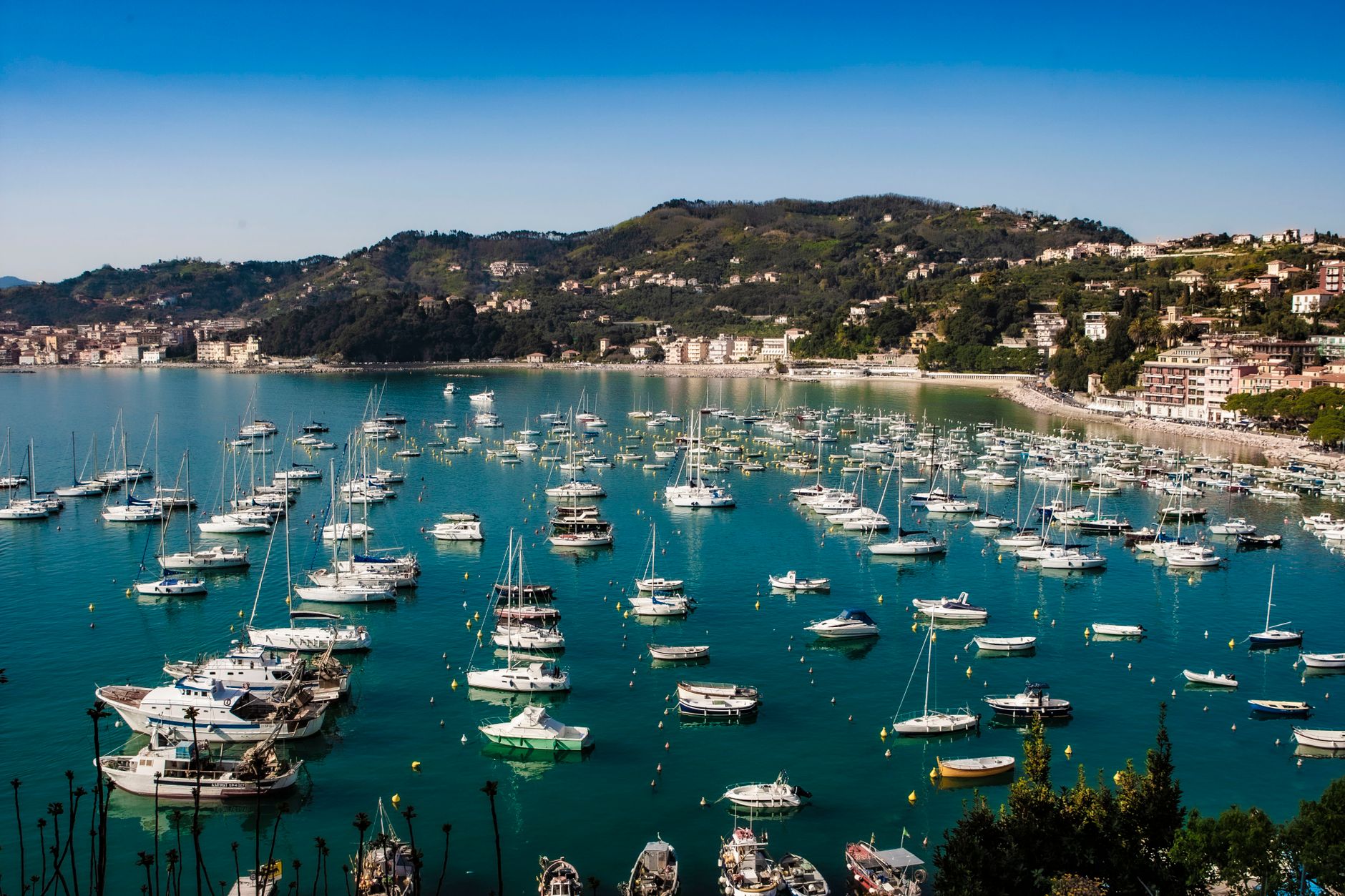
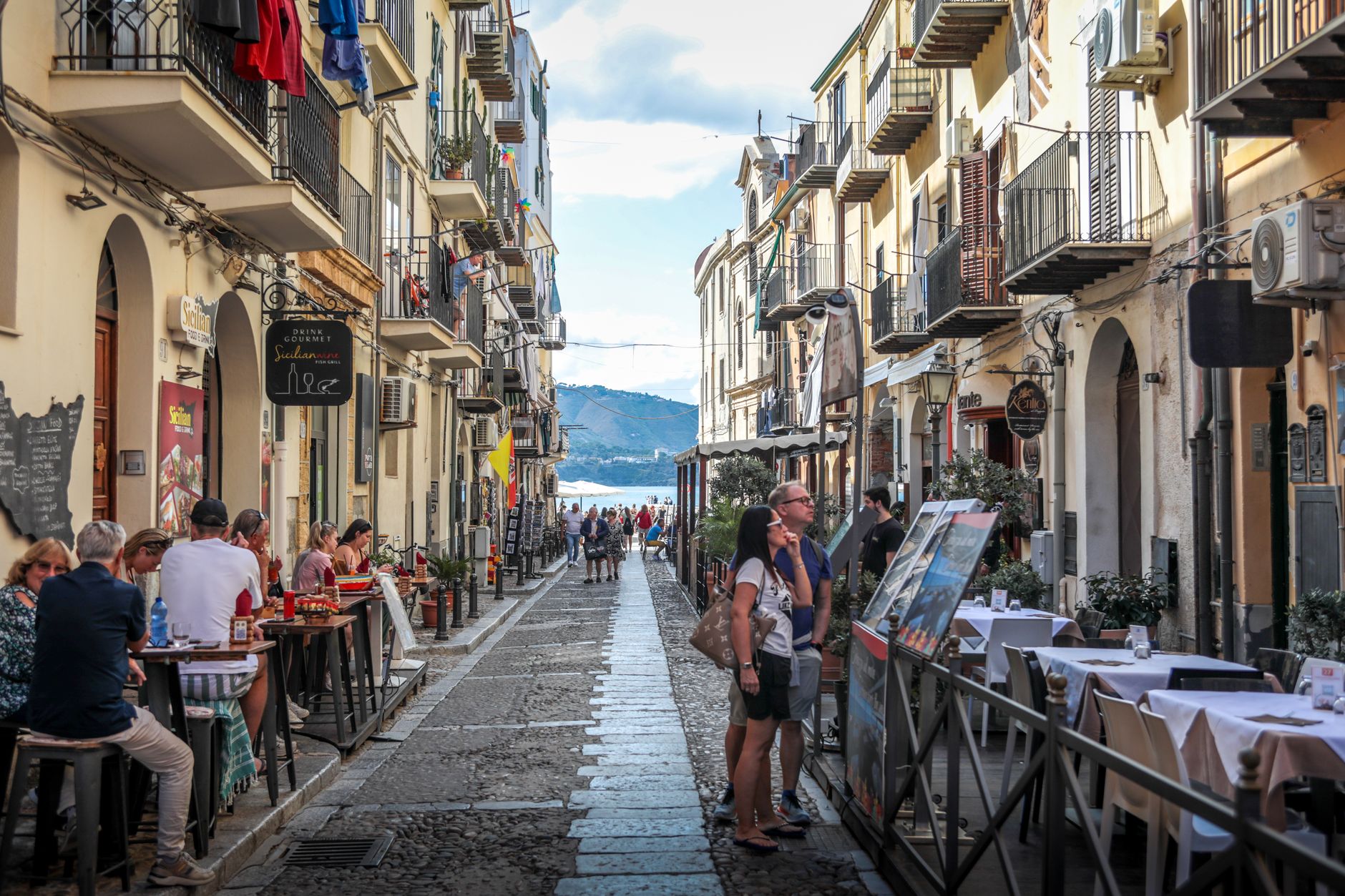
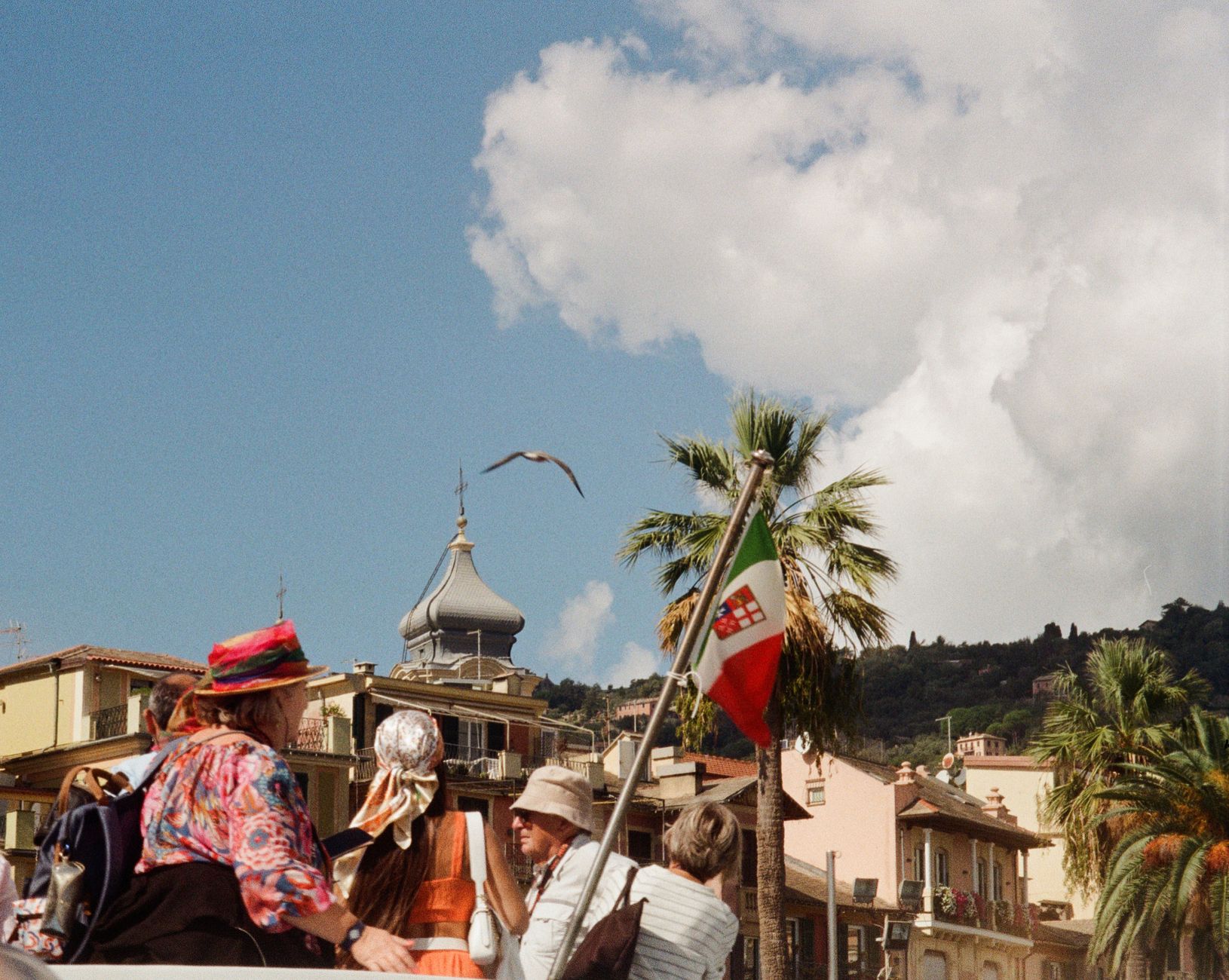
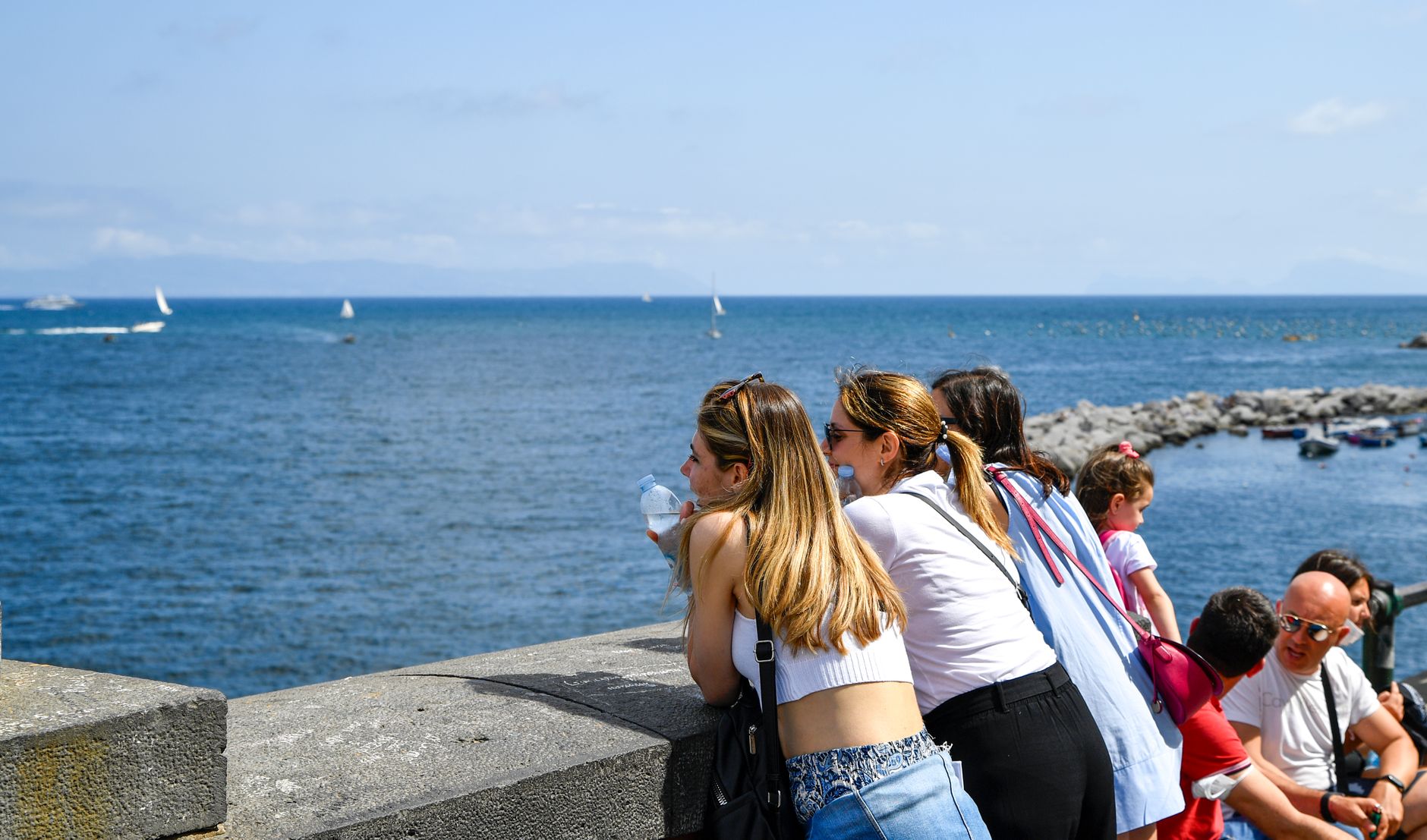
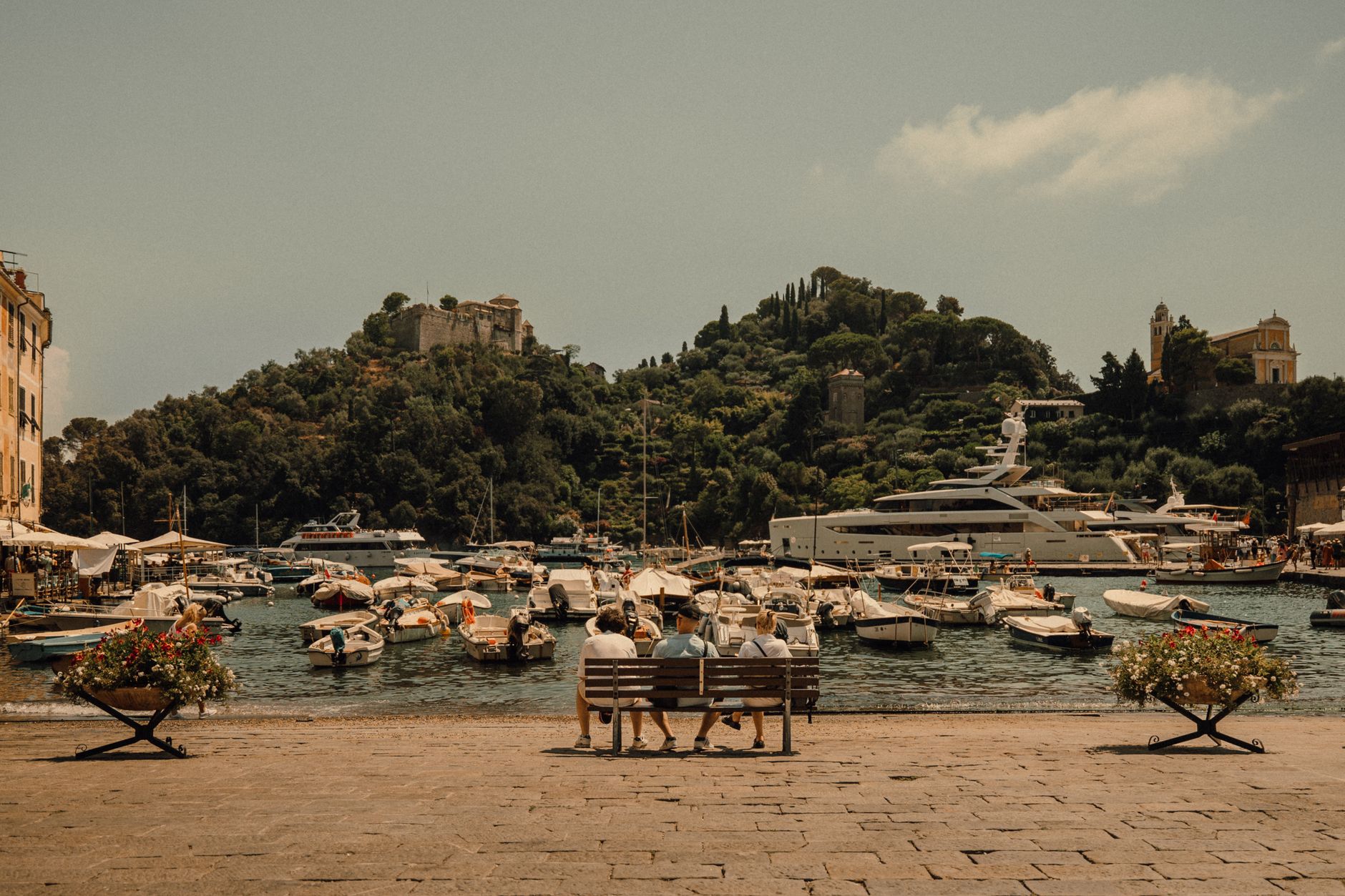
The castle at Lerici sits on a dark headland above the Gulf of La Spezia, and the first thing you notice is that it faces the sea with the seriousness of something built to watch for trouble. It has been watching since 1152. Below it, the waterfront curves around a small harbour where wooden dinghies share space with ferries heading toward Cinque Terre, and the pastel-coloured houses stack up behind the piazza in the way Ligurian towns tend to do — not picturesque by design, just by accumulation.
Lerici earned its literary reputation the hard way. Percy Bysshe Shelley drowned in these waters in July 1822, returning from Livorno. Mary Shelley had been living with him at Villa Magni in nearby San Terenzo. The grief that followed made this bay famous, and writers — Henry James, Virginia Woolf, Gabriele d'Annunzio — kept coming to see the place that had claimed him.
💛 What travellers fall for
People who return tend to mention the castle lift — a hidden tunnel off Via Giuseppe Mazzini that surfaces you inside the walls without the climb. They also mention timing the summer evening castle hours (open until midnight in July and August) to catch the view after dark. The ferry to Portovenere, April through October, is worth the hour each way.
Experiences you don't want to miss


Deals in Lerici
Book directly at the providerHow Lerici came to be
The site was already inhabited in Etruscan times, and the Romans later established a harbour here. Through the medieval period Lerici changed hands repeatedly — Genoese, Pisan, briefly Lucchese — and the castle on the headland is the physical record of those contests. The Pisans built the first substantial fortification after their naval victory at the Battle of Giglio in 1241; the Genoese, who took control in 1479, expanded and reinforced it through the 15th and 16th centuries against the threat of pirates and rival fleets. By 1555 the castle had reached roughly the form it holds today.
Napoleon's reorganisation of the Italian peninsula briefly made Lerici part of the Republic of Liguria, and after his fall it passed to the Kingdom of Sardinia before folding into unified Italy in 1861. The castle, long past its military purpose, now houses a palaeontology museum opened in 1998, its fossil collections drawn from the Spezzino and Lunigiana regions.
Who and what shaped it
People who shaped it
Landmark buildings
See Lerici in motion
Plan your visit
On the map
When to go
Summer along the Gulf of La Spezia is warm and reliably dry, with the water calm enough for swimming from the town's small beaches. Spring and autumn are mild and considerably quieter; winter is cool and occasionally wet, though the castle stays open on weekends year-round.
Right now
Background & history adapted from Wikipedia (CC BY-SA) · specs from Wikidata (CC0) · weather from Open-Meteo · map data © OpenStreetMap contributors · photos from Wikimedia Commons / Unsplash with per-image credit. No third-party reviews or social posts reproduced.