
Sanremo
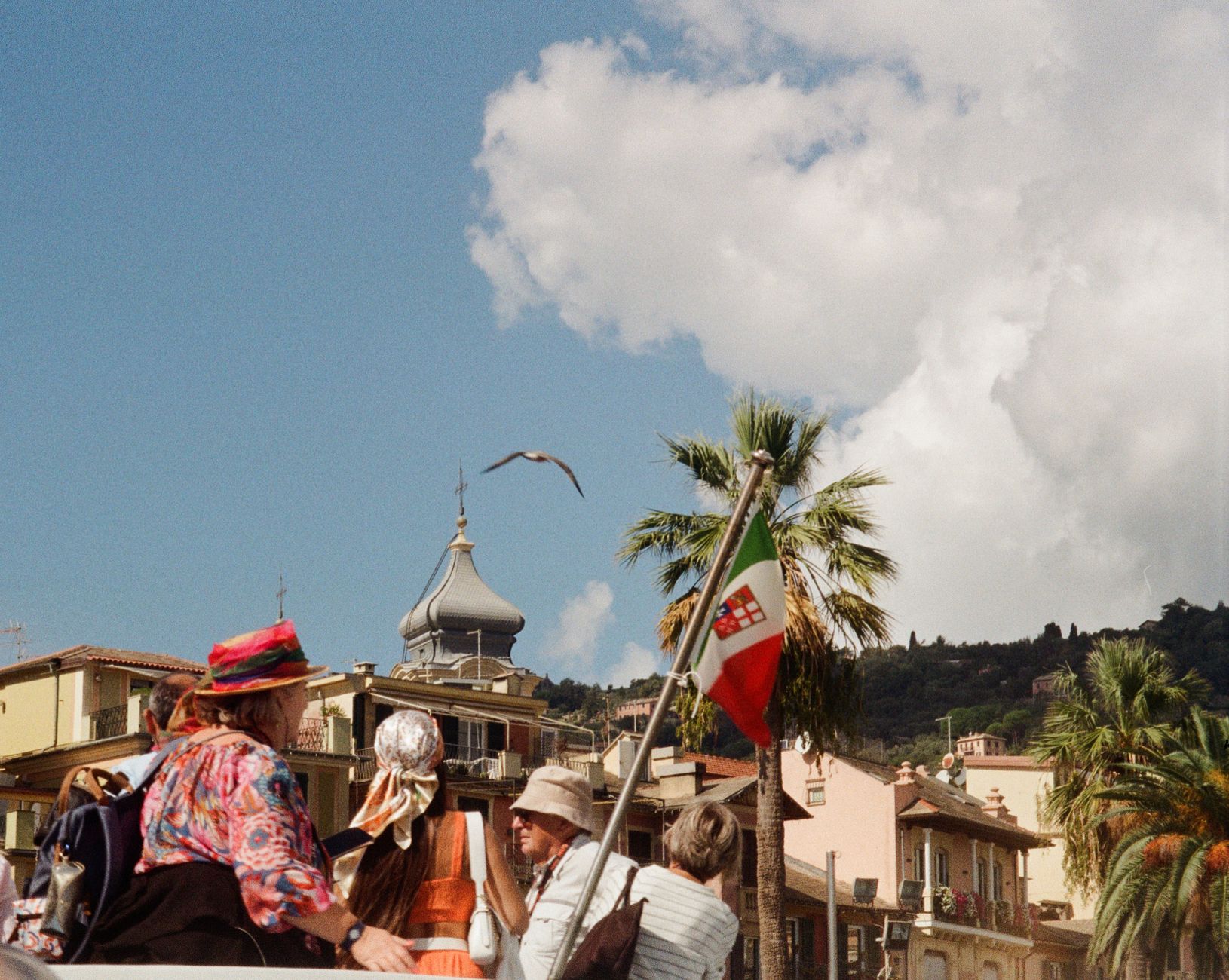
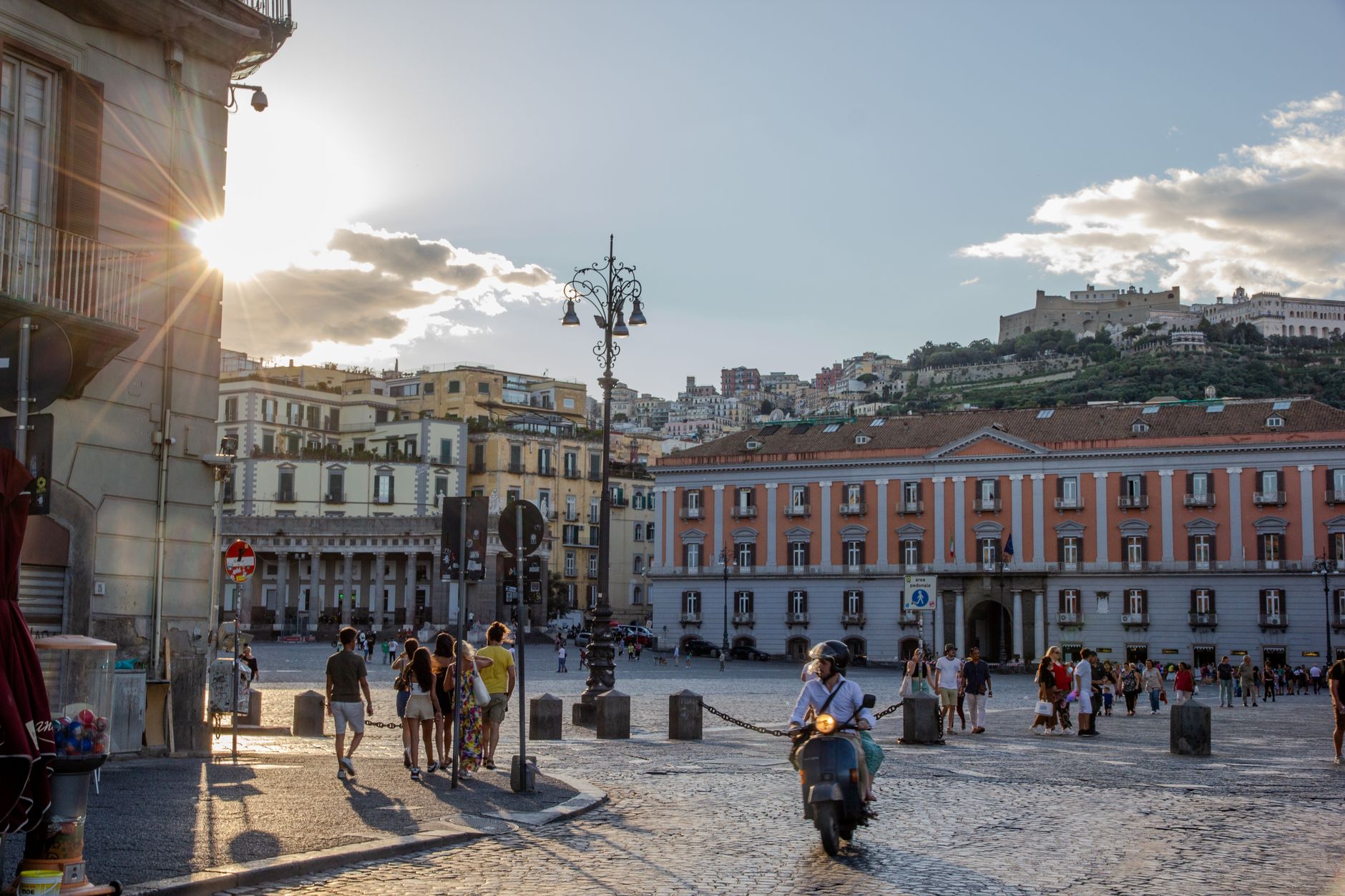
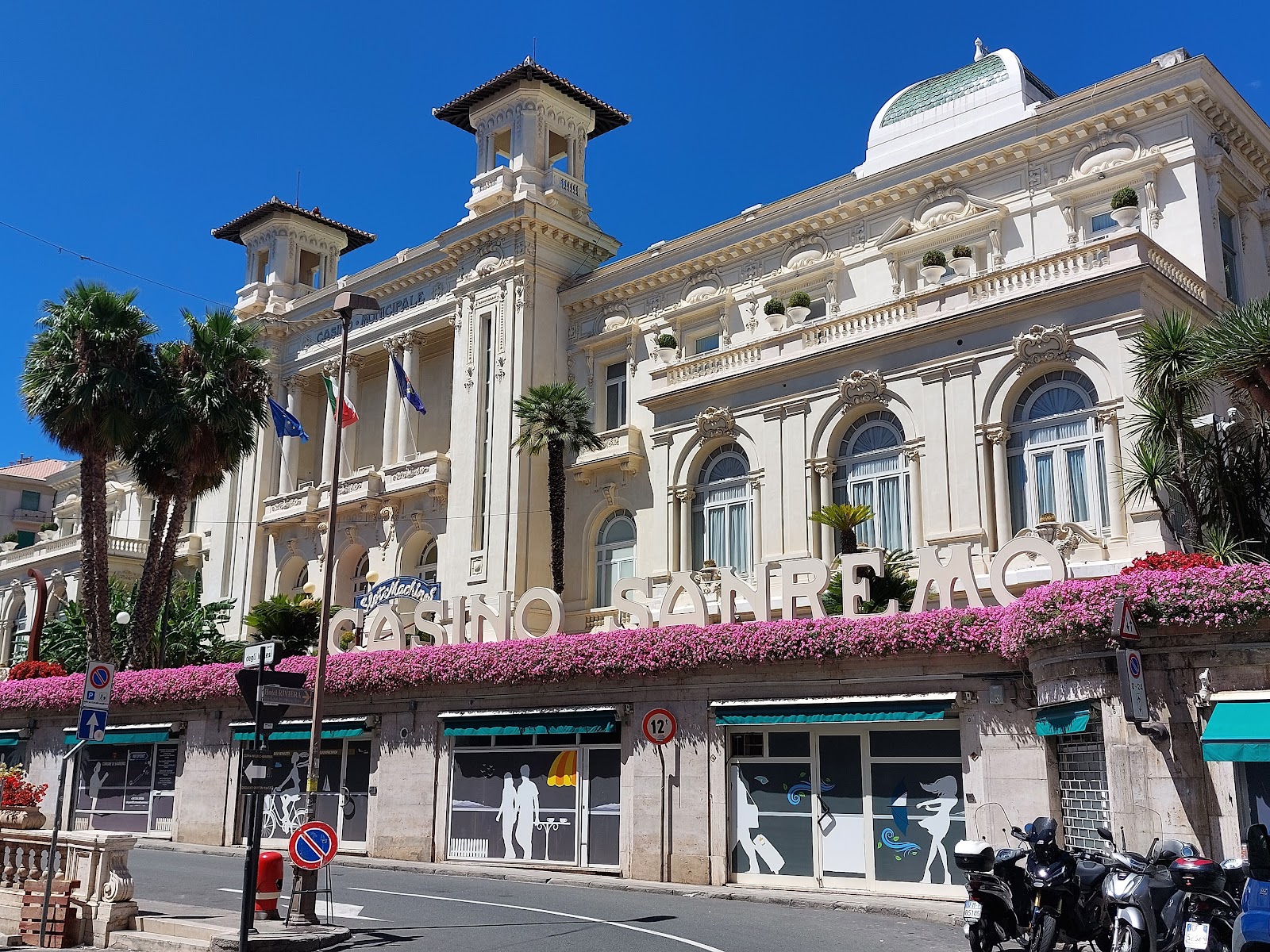
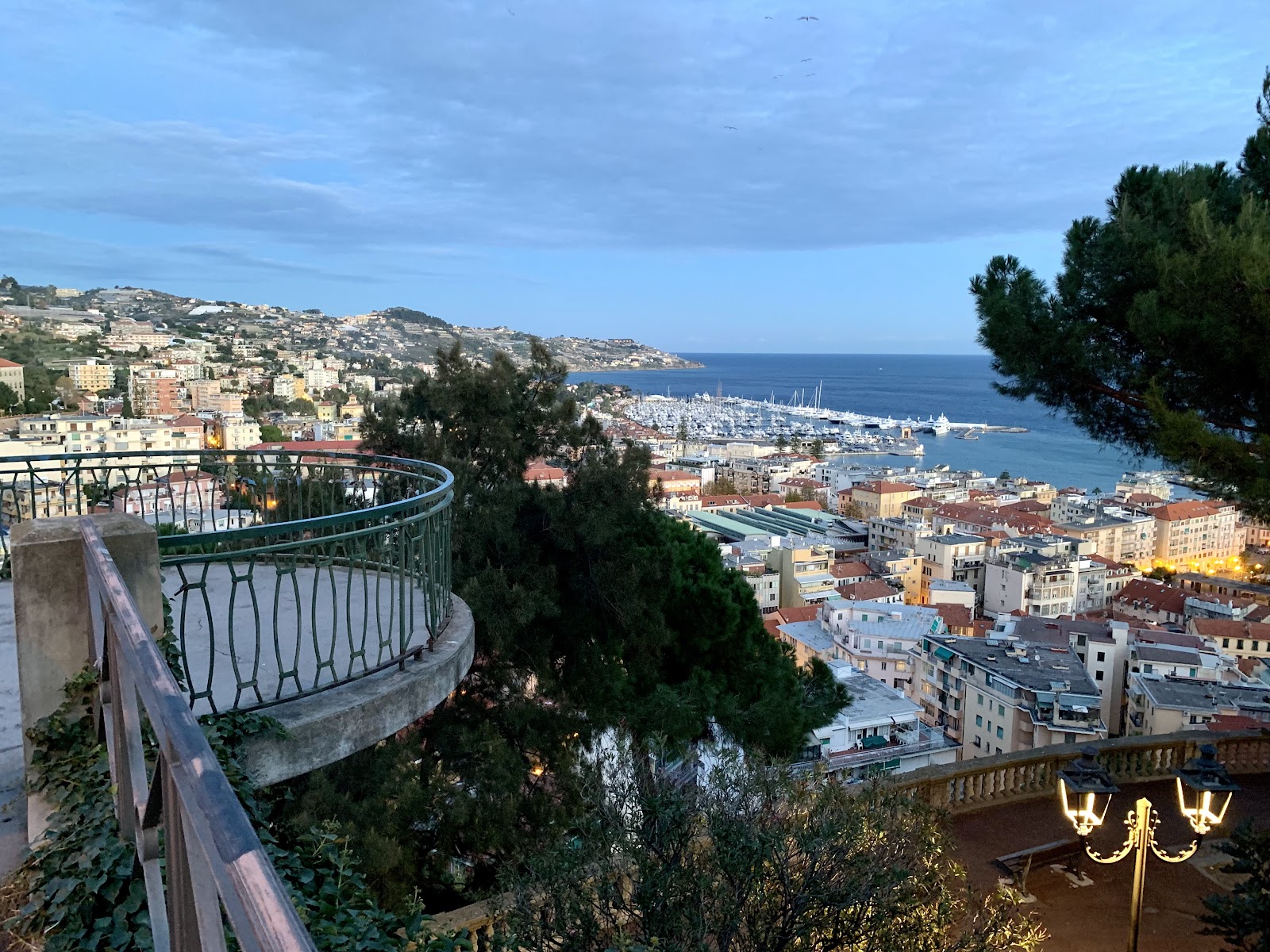
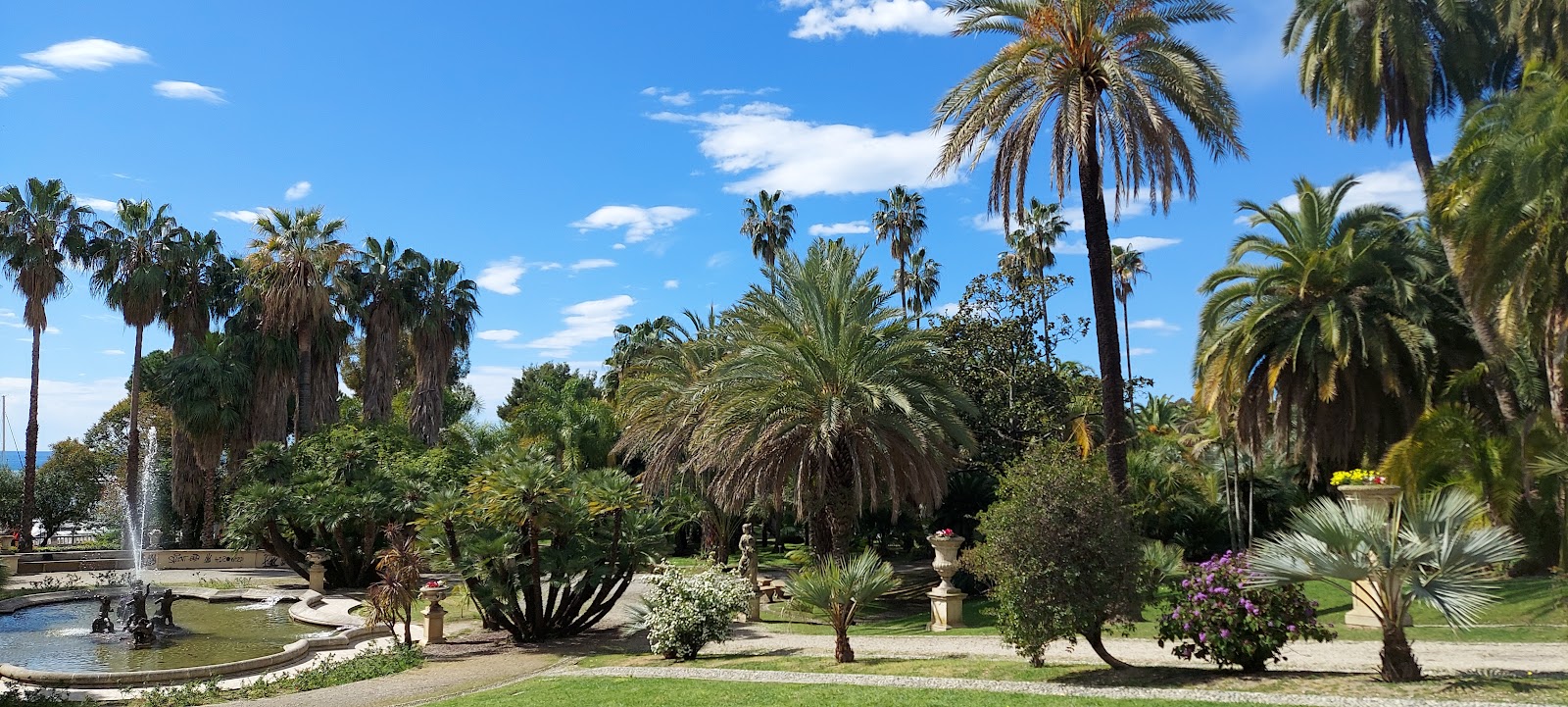
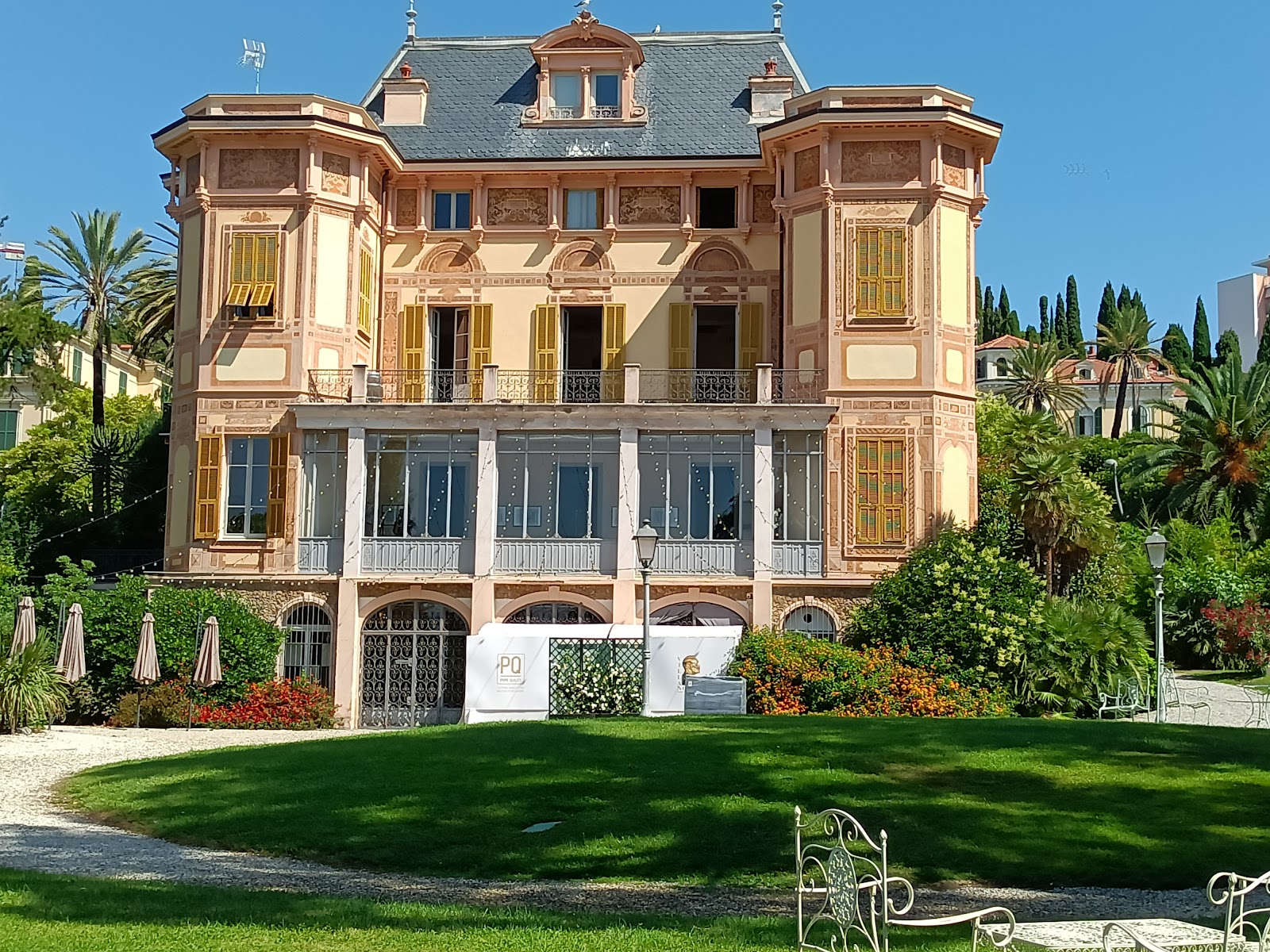
Sanremo is where the Italian Riviera starts to feel a little Russian, a little Austro-Hungarian, and faintly Scandinavian — all at once. Alfred Nobel spent the last six years of his life here. Empress Sissi came to recover. Nicholas II came to rest. The mild winters and the palms drew half of Europe's aristocracy, and the city grew around their presence: grand villas, a Moorish-style residence, an Art Nouveau casino, and a Russian Orthodox church with five onion domes rising above the bougainvillea.
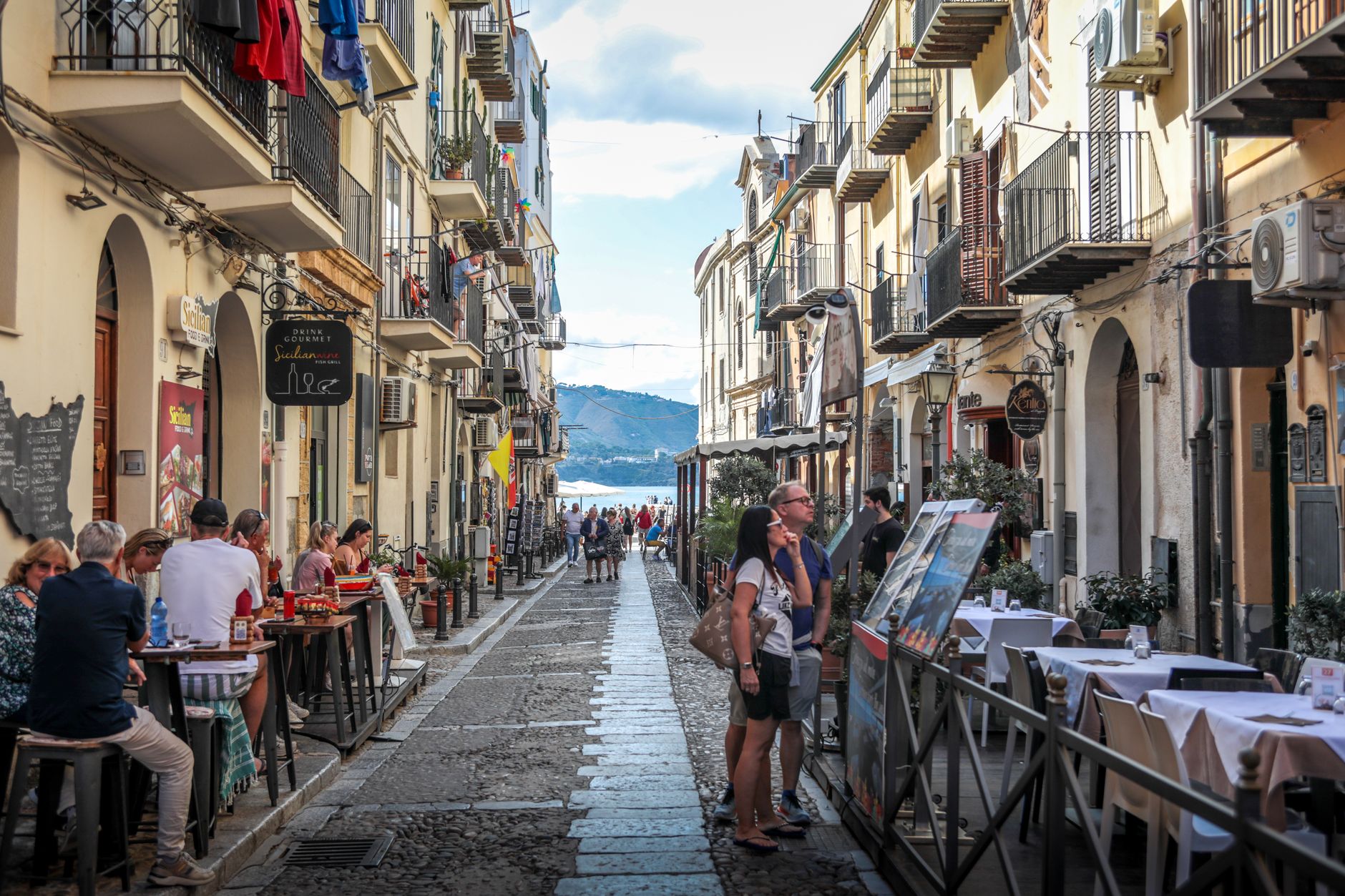
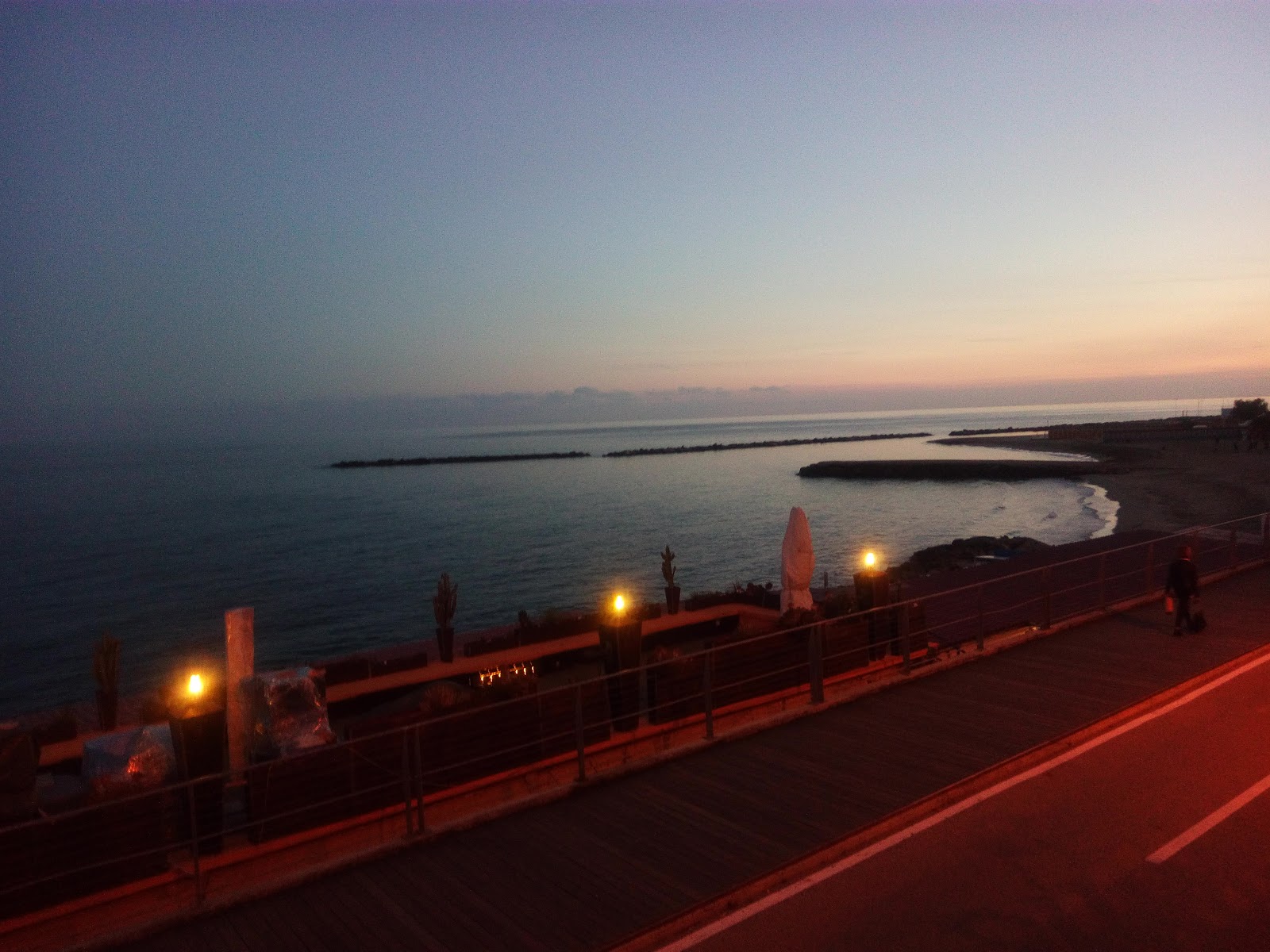
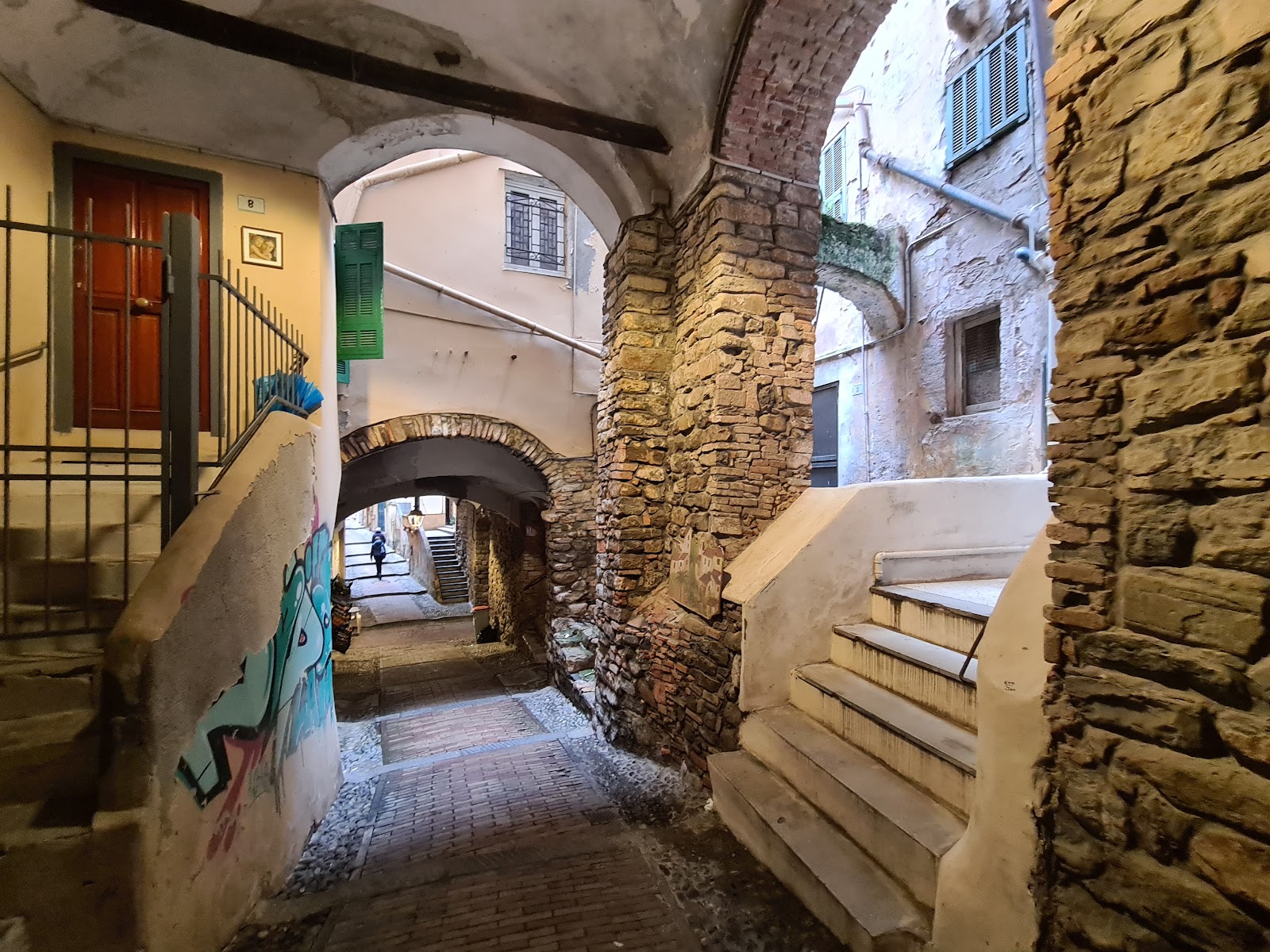
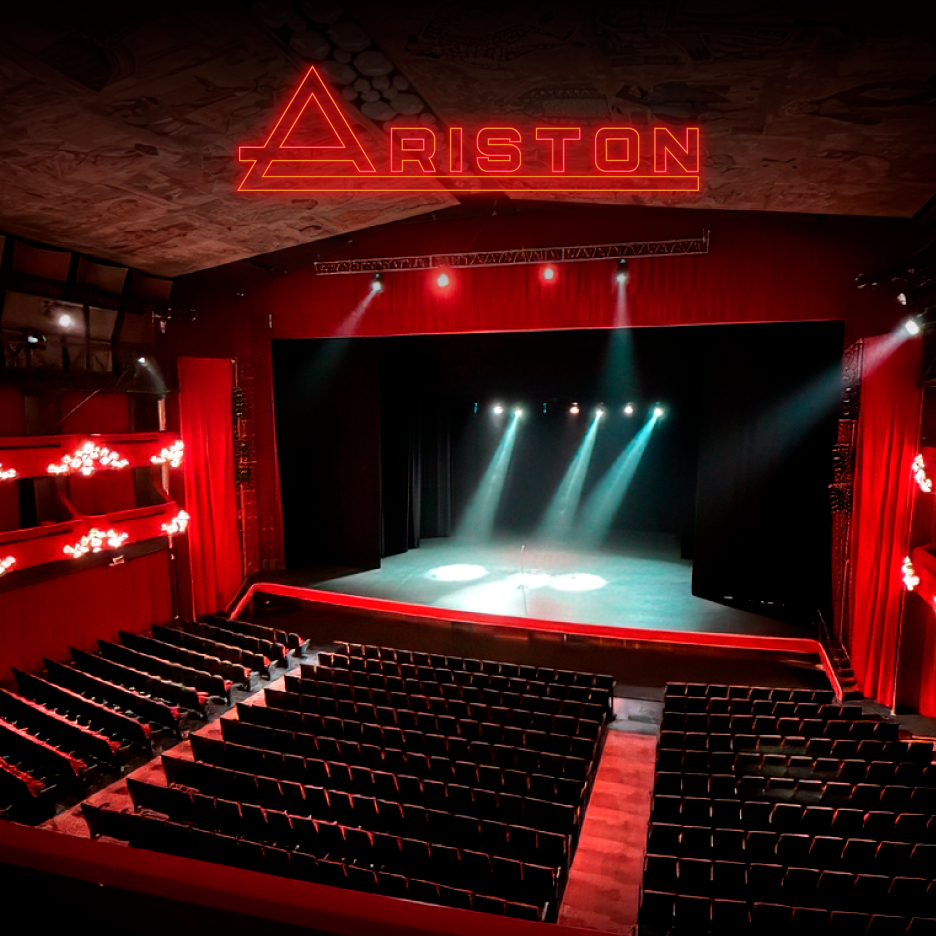
The city runs on two registers. Down on the seafront there's the festival circuit — Sanremo has hosted its famous song contest at the Ariston Theatre since 1977, and the Casino has been open since 1905. Up in La Pigna, the old town that takes its name from the pine-cone shape of its defensive layout, the lanes have been narrow and steep since around 1000 AD.
💛 What travellers fall for
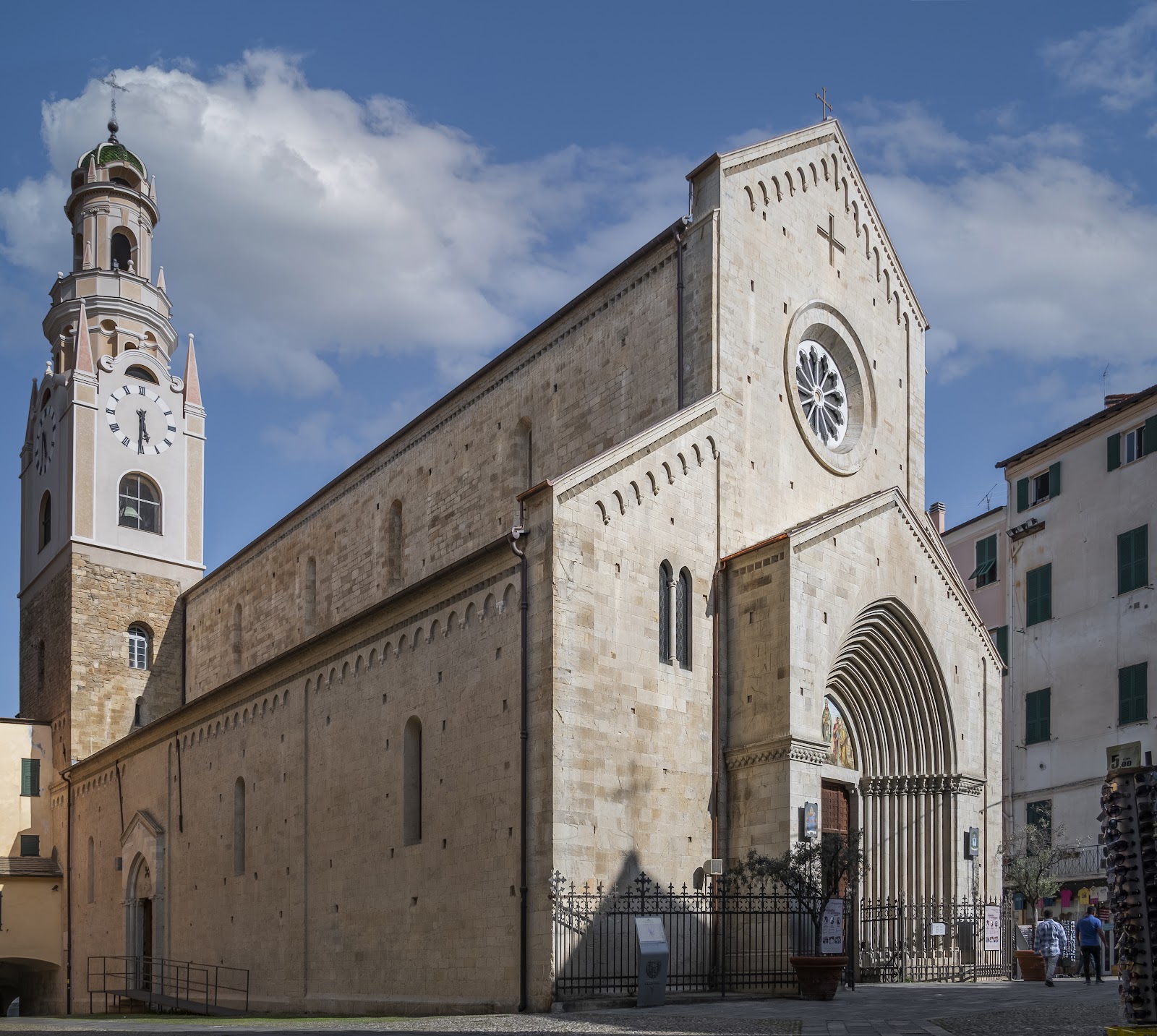
People who come back tend to head straight for La Pigna before they do anything else — up through the Ciapela Tower end, before the light goes flat. The Russian Orthodox church on Via Nuvoloni stops almost everyone mid-stride. And the park at Villa Ormond is far quieter than it deserves to be.
Experiences you don't want to miss



Deals in Sanremo
Book directly at the provider


How Sanremo came to be
The name contracts a longer story: Sant'Eremo di San Romolo, the holy hermitage of Romulus of Genoa, a place of retreat that eventually became a city. La Pigna's first settlements date to around 1000 AD, fortified and expanded over centuries against coastal raiders. By the Roman period the site was already inhabited; by the 19th century it had reinvented itself as a resort for the European wealthy.
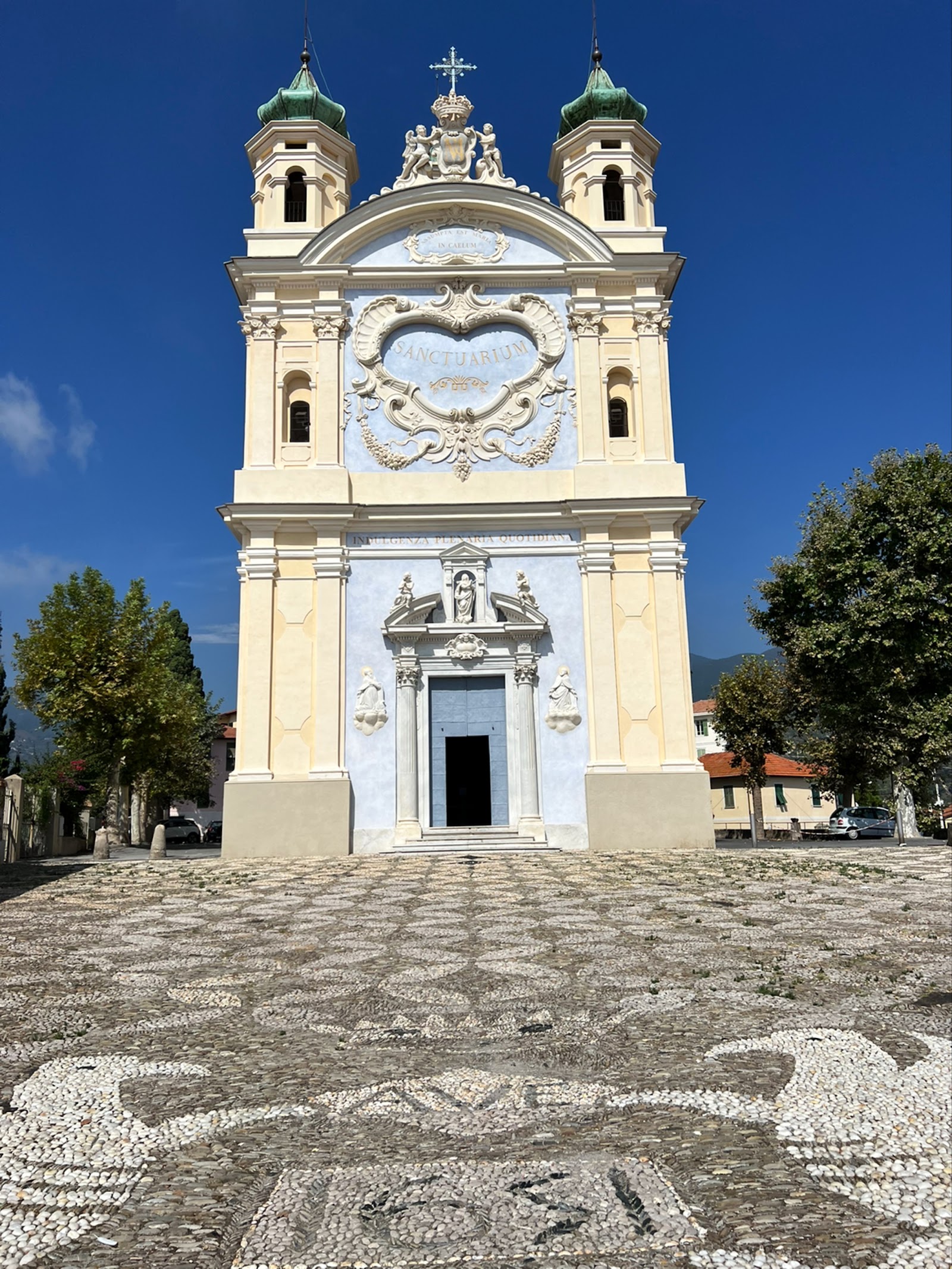
The modern city's character was sealed in 1887–88, when Frederick III of Germany wintered here, confirming Sanremo's reputation as a place where power came to convalesce. The Casino opened in 1905, designed by French architect Eugène Ferret in Art Nouveau style. Then, in April 1920, the city stepped briefly into geopolitical history: the San Remo Conference of the Allied Supreme Council, held here over eight days, determined the League of Nations mandates for the former Ottoman territories of the Middle East.
Who and what shaped it
People who shaped it
Landmark buildings
See Sanremo in motion
Plan your visit
On the map
When to go
Winters are mild enough that this was always the point — European aristocrats came specifically for the January warmth. Spring and autumn are the quietest and most temperate seasons. Summer is hot and the seafront fills up considerably.
Right now
↡ Attractions


Background & history adapted from Wikipedia (CC BY-SA) · specs from Wikidata (CC0) · weather from Open-Meteo · map data © OpenStreetMap contributors · photos from Wikimedia Commons / Unsplash with per-image credit. No third-party reviews or social posts reproduced.