
Savona
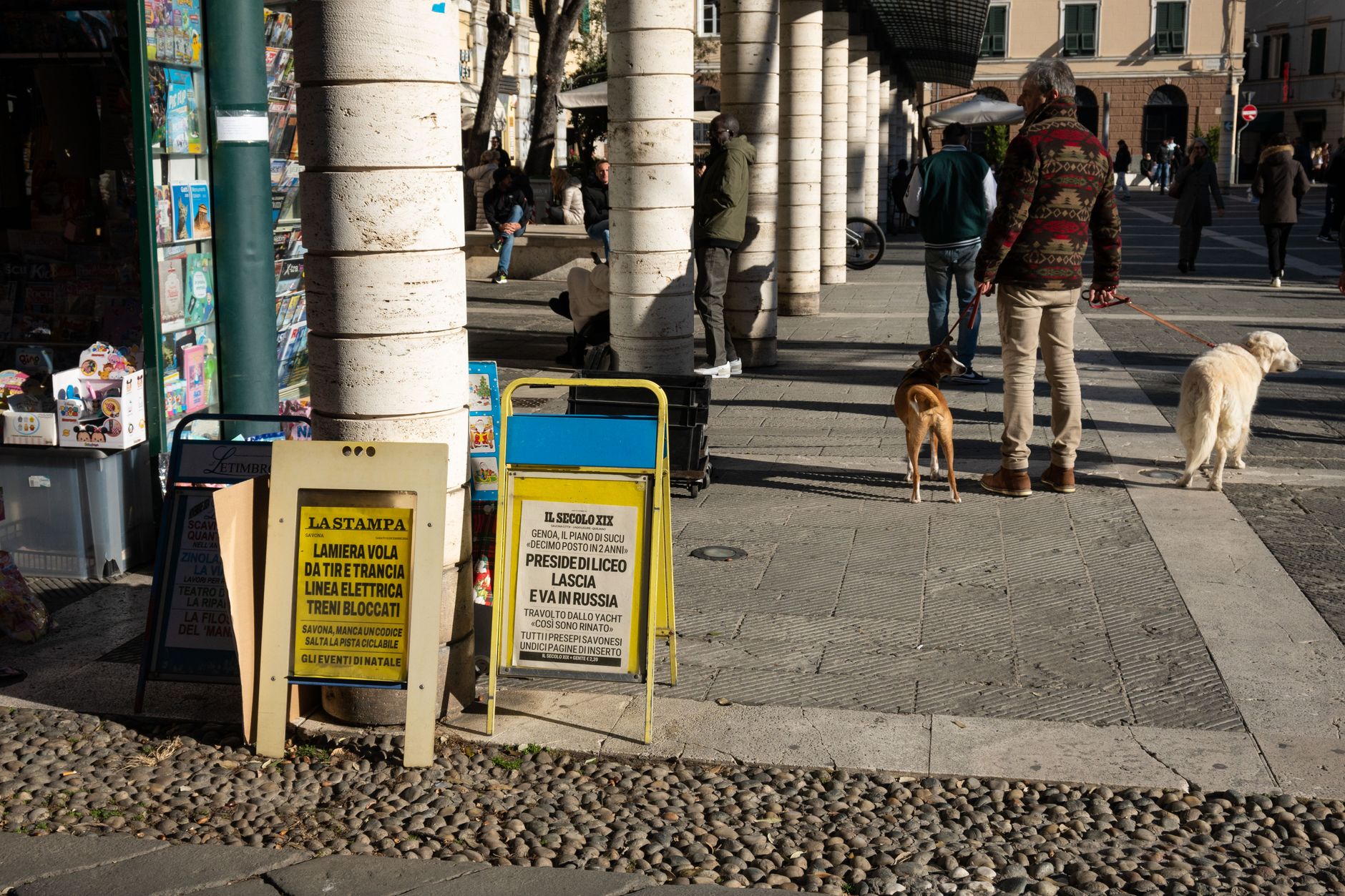
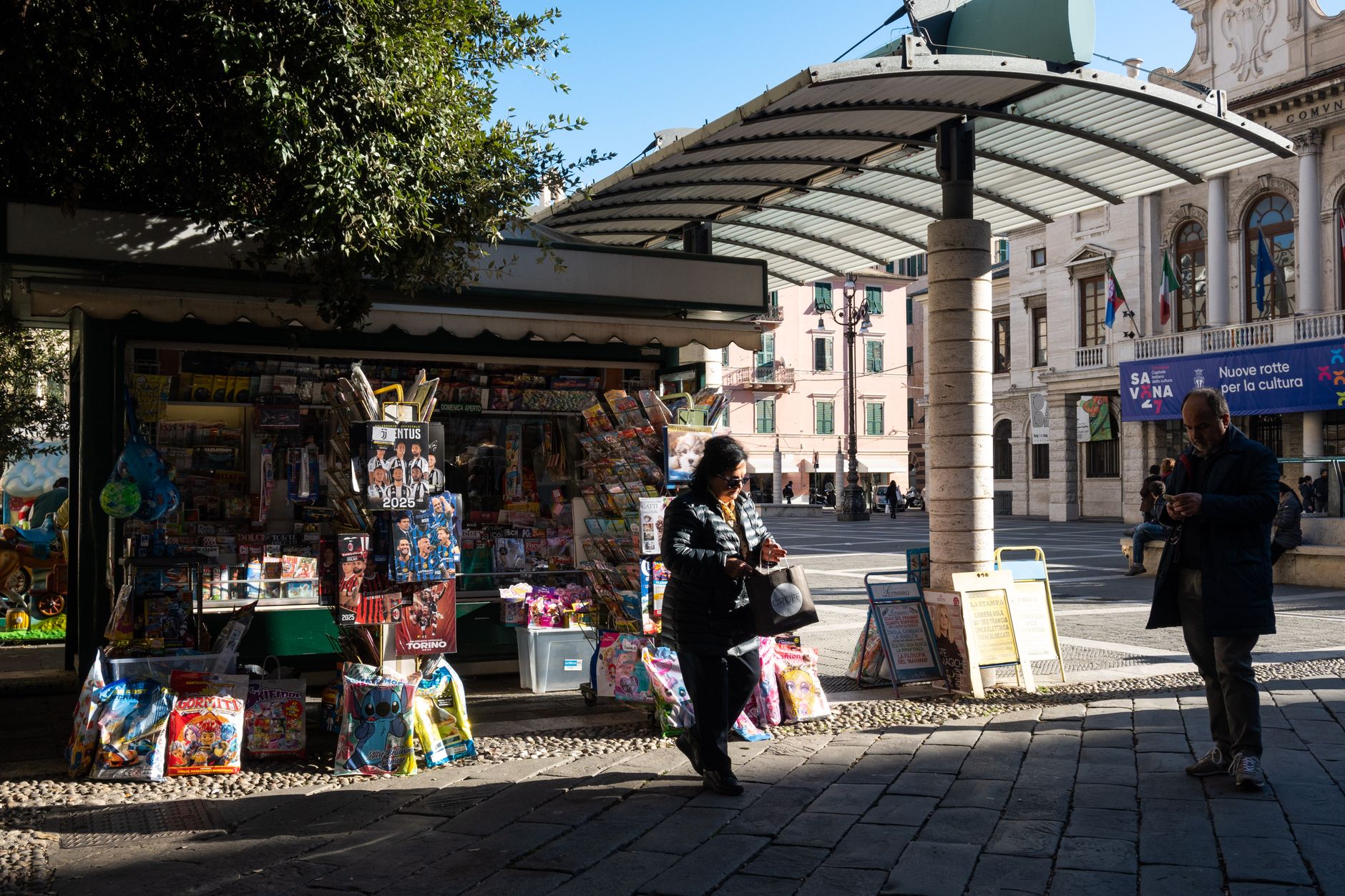
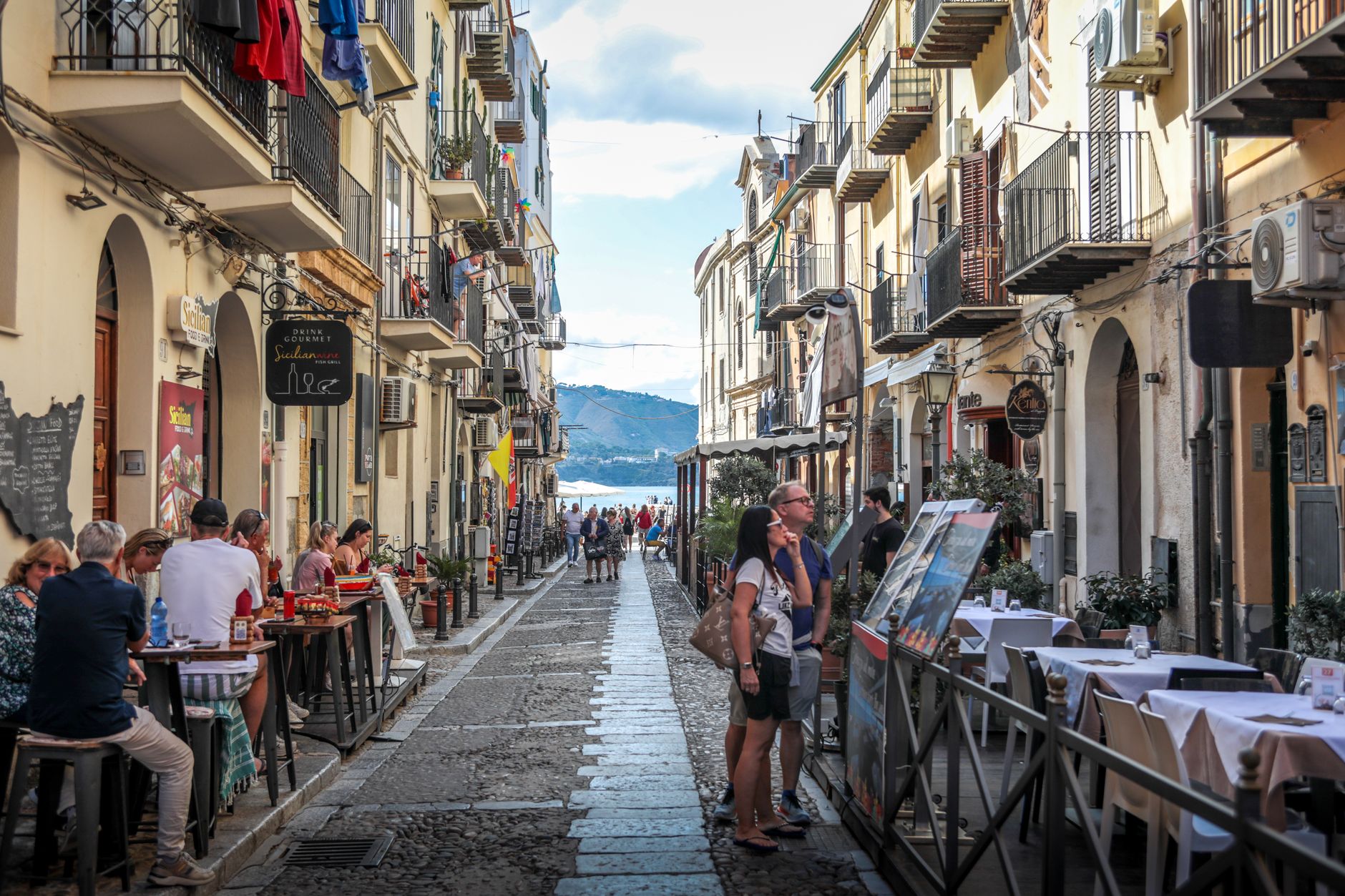
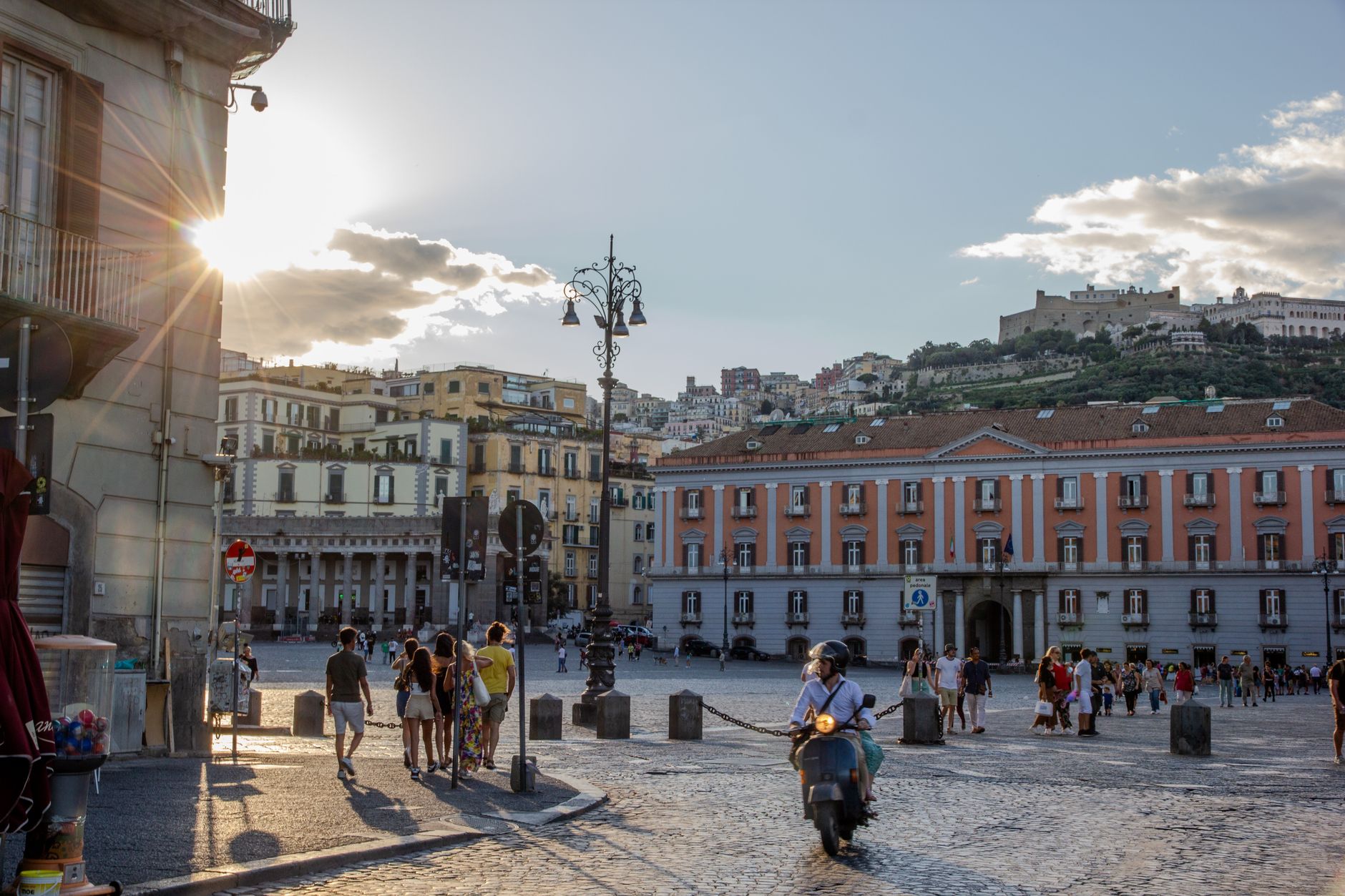
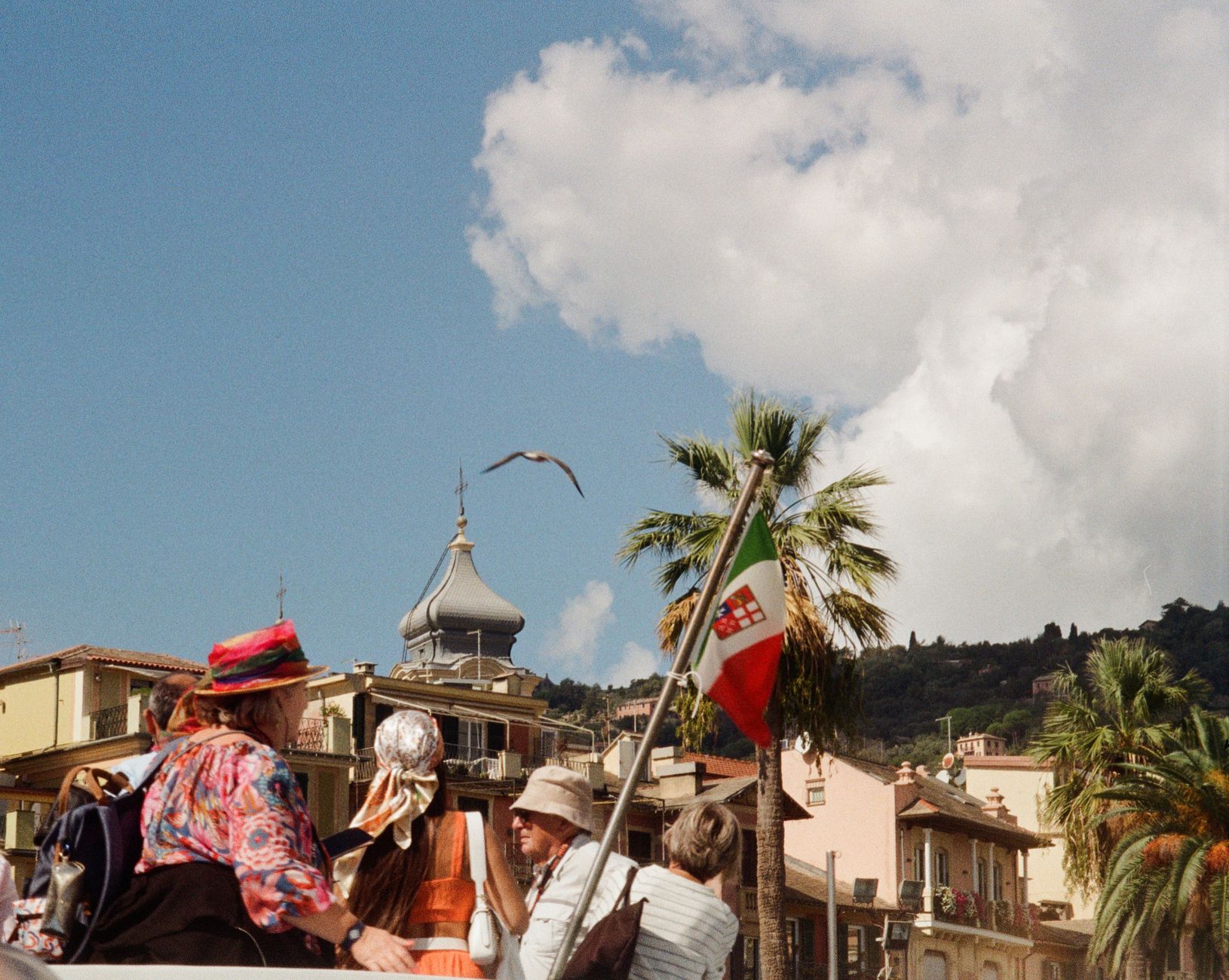
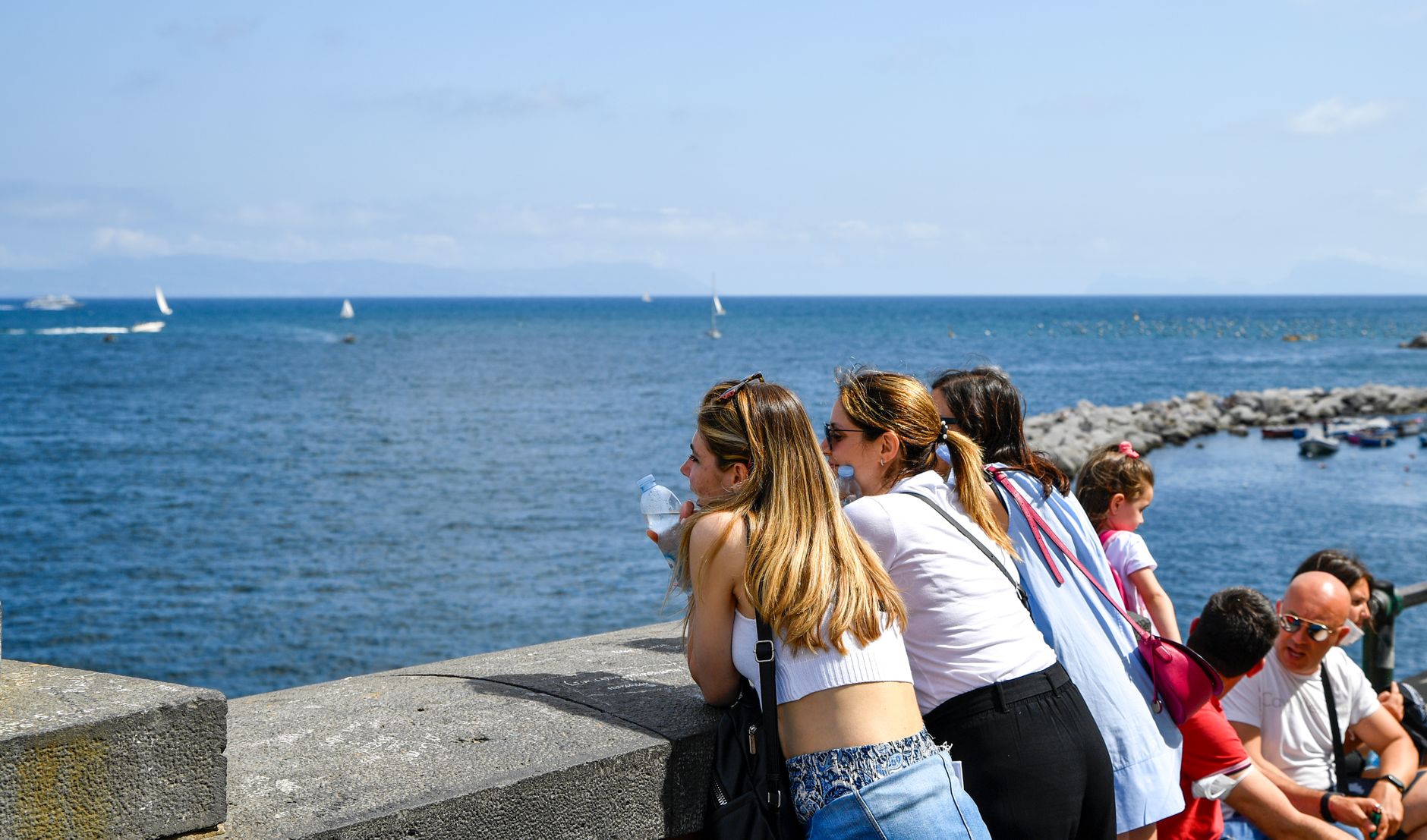
Savona is the Ligurian city that history kept interrupting. The Genoese tore out its harbour twice, Napoleon locked a pope here, and Mazzini sketched a revolution from a cell in the fortress that still stands over the old port. Through all of it, the city held its shape — a compact medieval centre behind a long seafront, two medieval towers still rising above the roofline, and a Sistine Chapel (yes, that family) that most visitors to Italy never find.
What you get is a working port city with an unusually dense layer of Renaissance ambition underneath it. The Della Rovere popes — Sixtus IV and Julius II — were Savonese, and they spent accordingly.
💛 What travellers fall for
People who come back tend to linger around the Priamar fortress at dusk, when the light off the water turns the stone amber, then walk down to the cathedral quarter for dinner. The Palazzo Gavotti's ceramics collection catches regulars off guard every time — it's broader and stranger than you'd expect from a regional museum.
Experiences you don't want to miss


Deals in Savona
Book directly at the provider

How Savona came to be
The city's origins go back to a Gallo-Roman settlement called Savo, which sided with Carthage against Rome in 205 BC. After the Lombards destroyed it in 639 AD and centuries of conflict with Saracen raiders, Savona rebuilt itself as a free commune in the 11th century. Its independence made it a persistent rival to Genoa — a rivalry Genoa eventually settled by force, sacking the city in 1440 and again in 1528, when the Genoese destroyed the harbour and built the Priamar fortress on the rubble of the old cathedral by 1542.
Napoleon annexed the city in 1805, and in 1809 had Pope Pius VII brought here under house arrest, where the pontiff remained until 1812. Two decades later, in 1831, Giuseppe Mazzini sat in a cell in that same Priamar fortress and wrote the founding documents of Young Italy — the movement that would eventually unify the country Savona joined in 1861.
Who and what shaped it
People who shaped it
Landmark buildings
See Savona in motion
Plan your visit
On the map
When to go
Liguria's coastal climate keeps Savona mild most of the year: summers are warm and dry, winters cool but rarely harsh. The shoulder months — April through June and September through October — tend to offer the steadiest weather for walking the city.
Right now
Background & history adapted from Wikipedia (CC BY-SA) · specs from Wikidata (CC0) · weather from Open-Meteo · map data © OpenStreetMap contributors · photos from Wikimedia Commons / Unsplash with per-image credit. No third-party reviews or social posts reproduced.