City

Genoa

Genoa
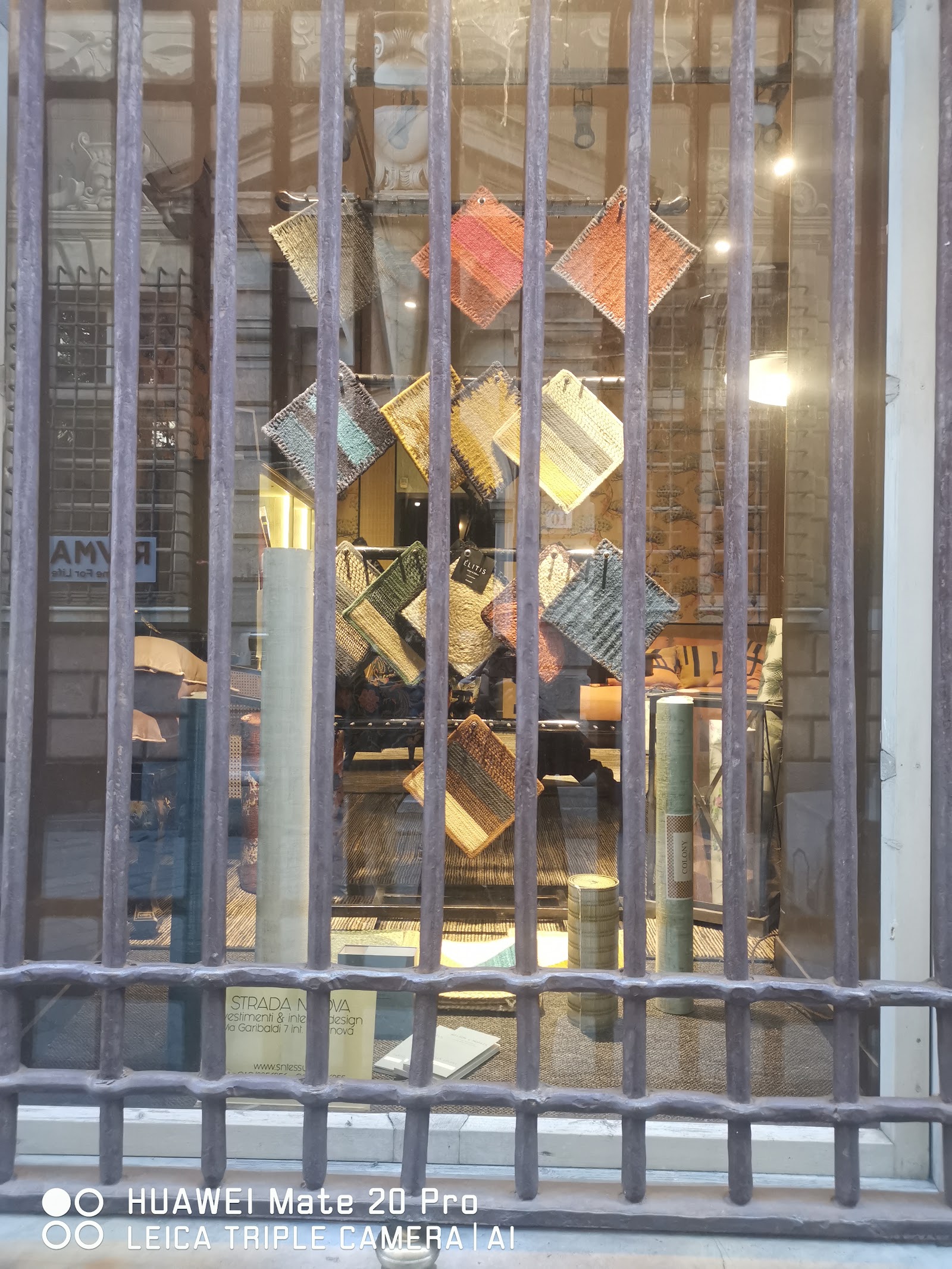
Photo by Andrea Musto on Pexels
Genoa
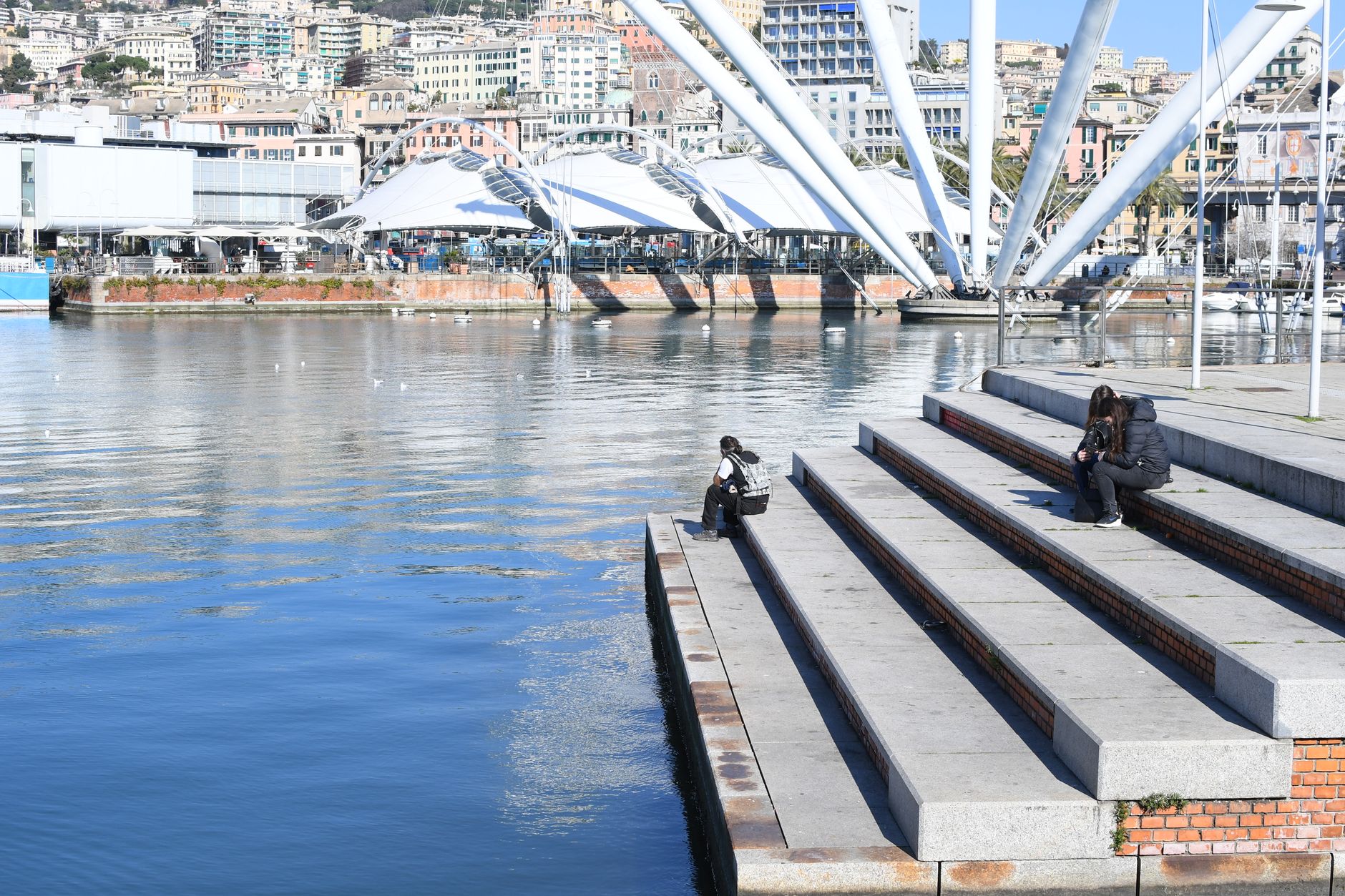
Photo by Nick Souckov-Baulot on Pexels
Genoa
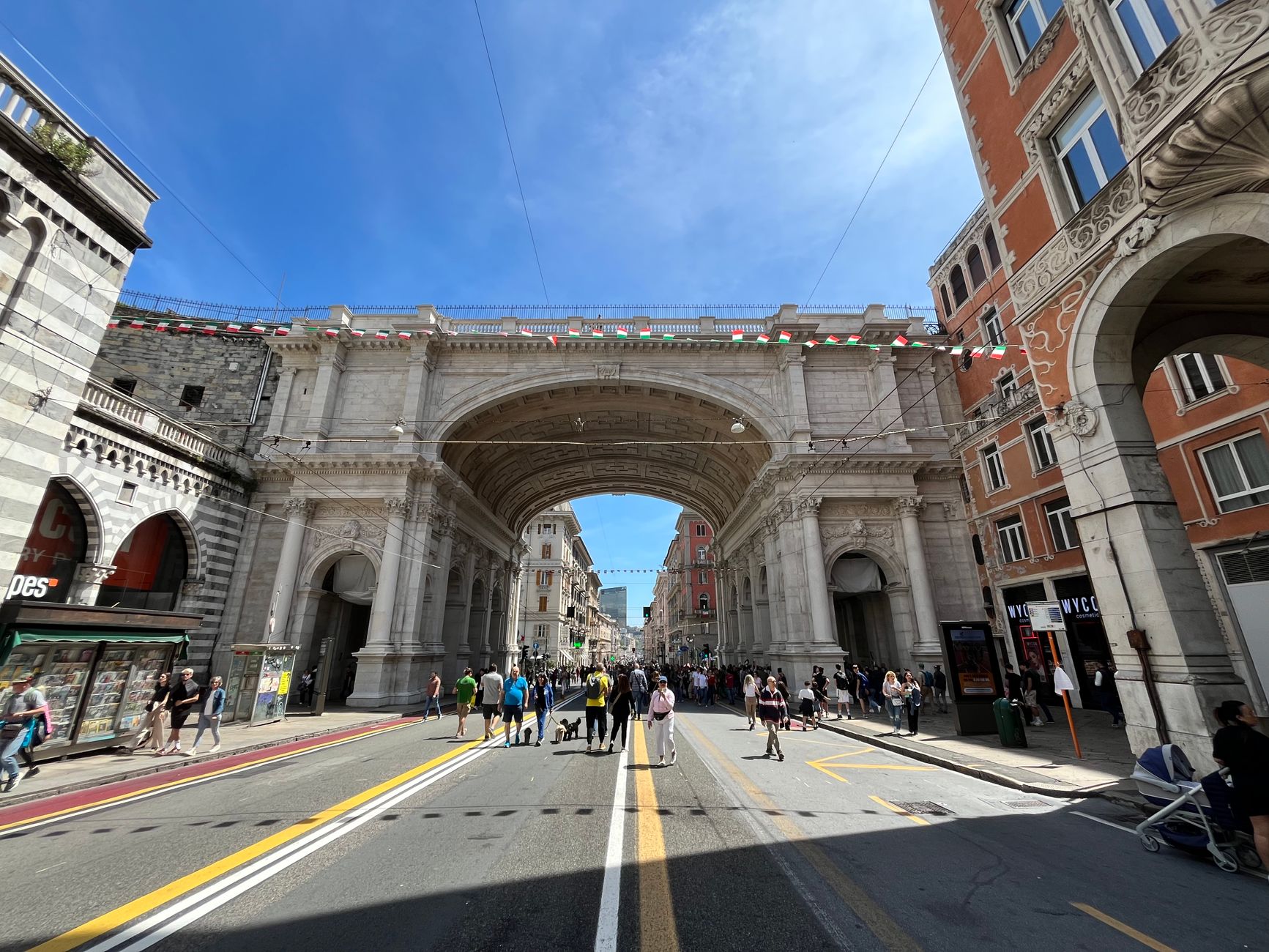
Photo by Oli on Pexels
Genoa
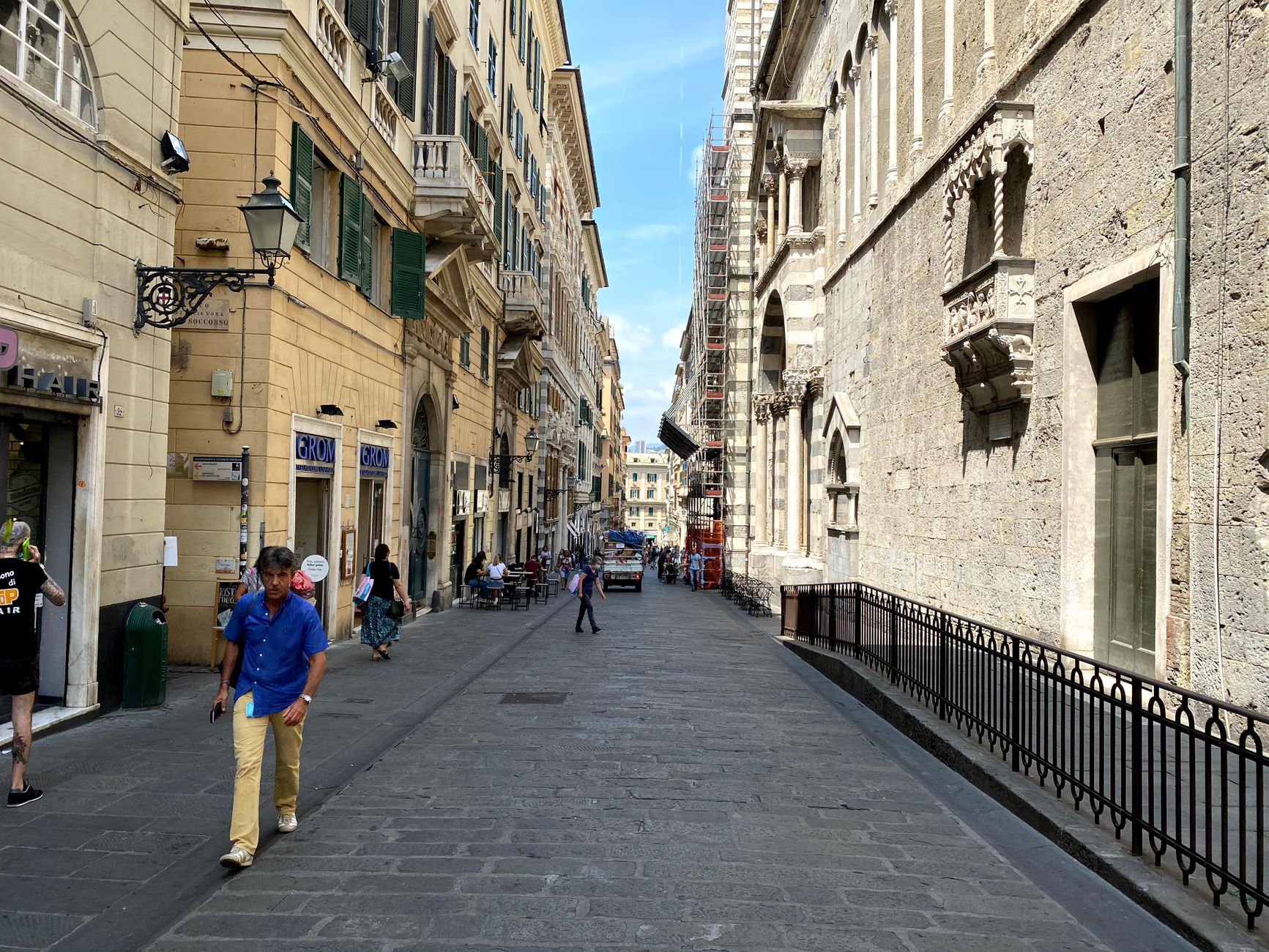
Photo by Valentin Ivantsov on Pexels
Genoa
Photo by Andrea Musto on Pexels
Genoa
Photo by Nikolai Kolosov on Pexels
City break Culture & history Food & drink

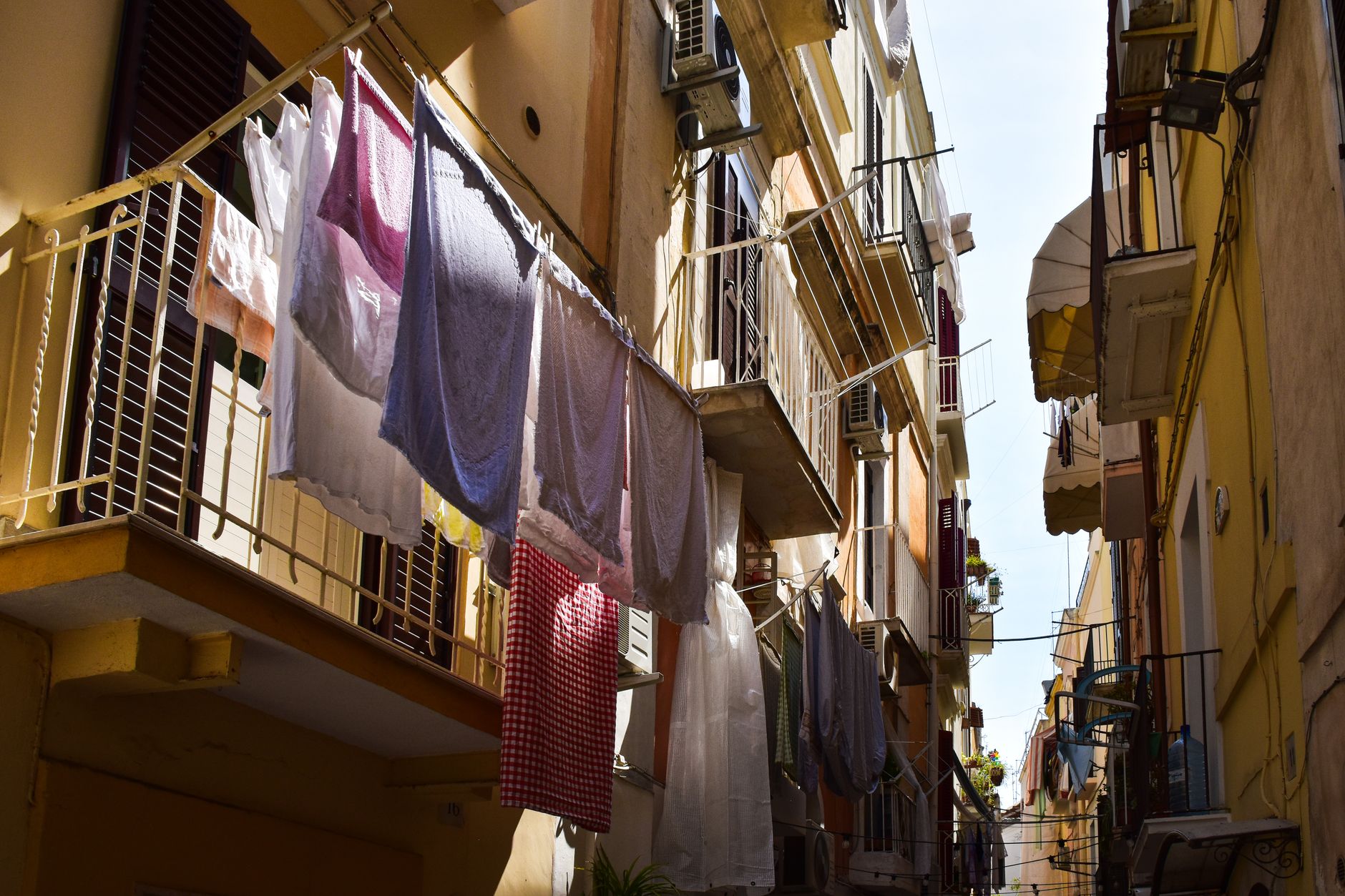
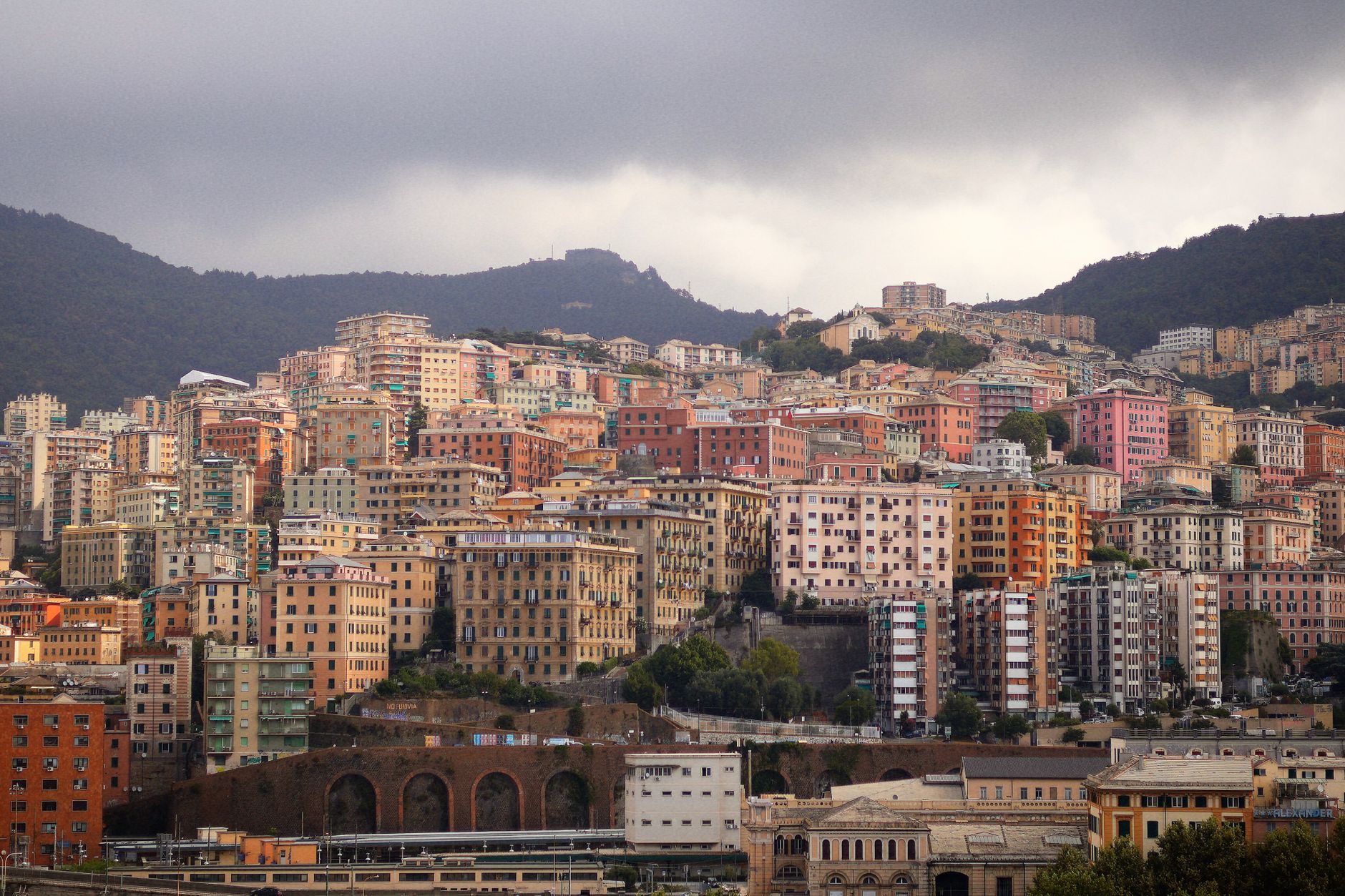
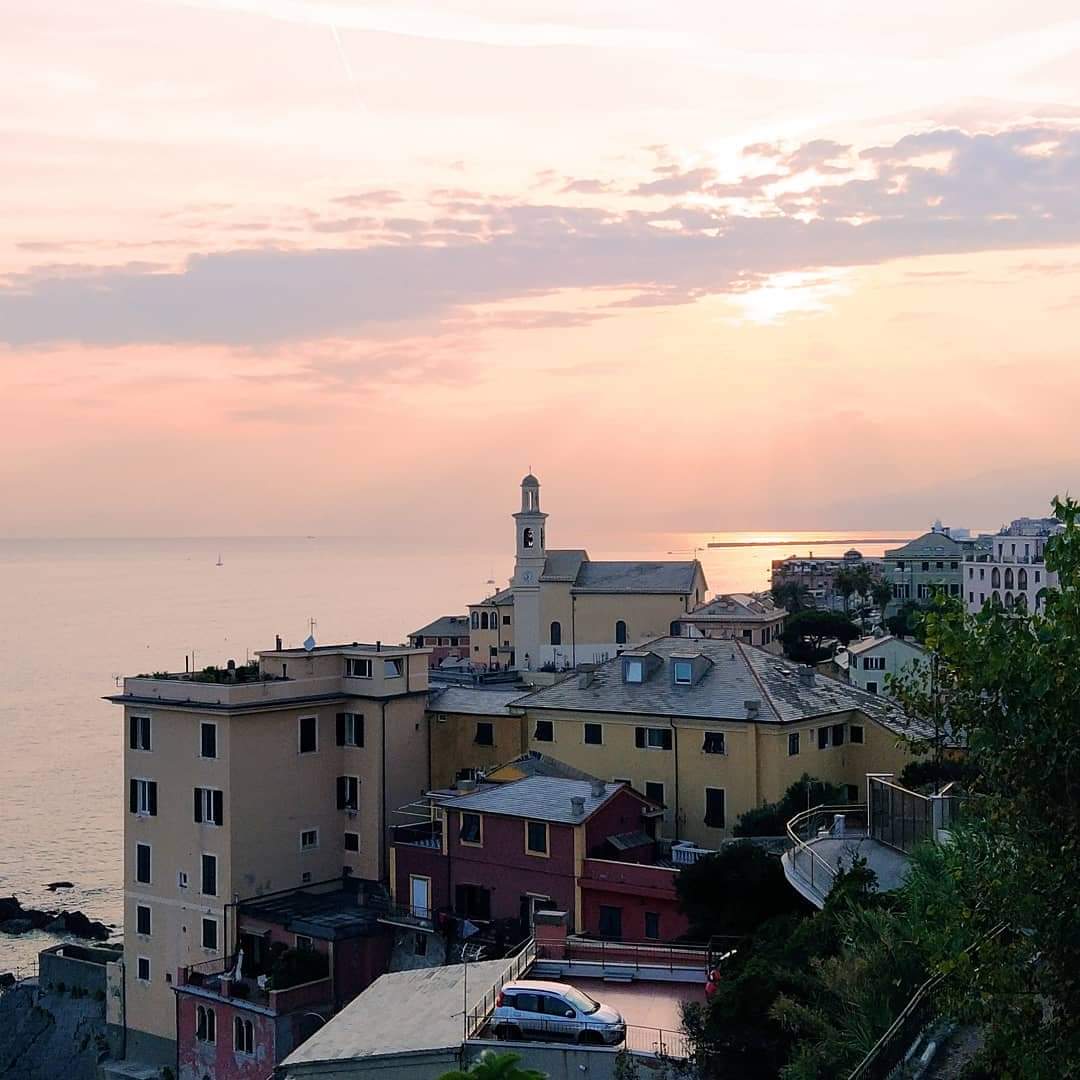
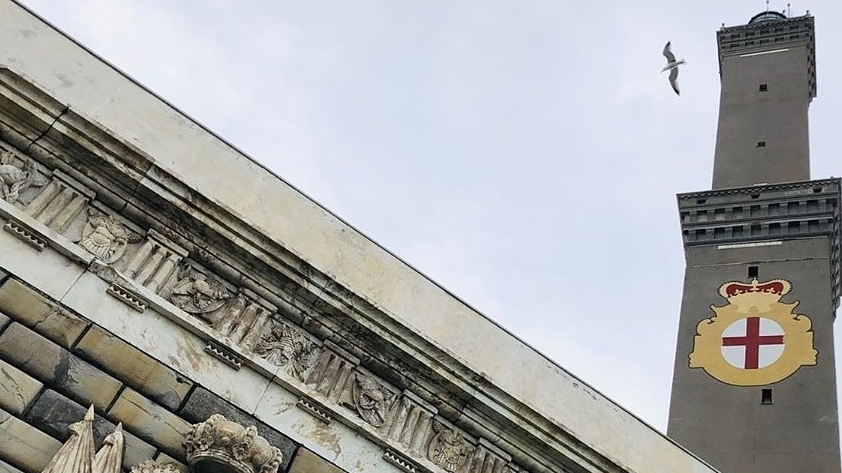
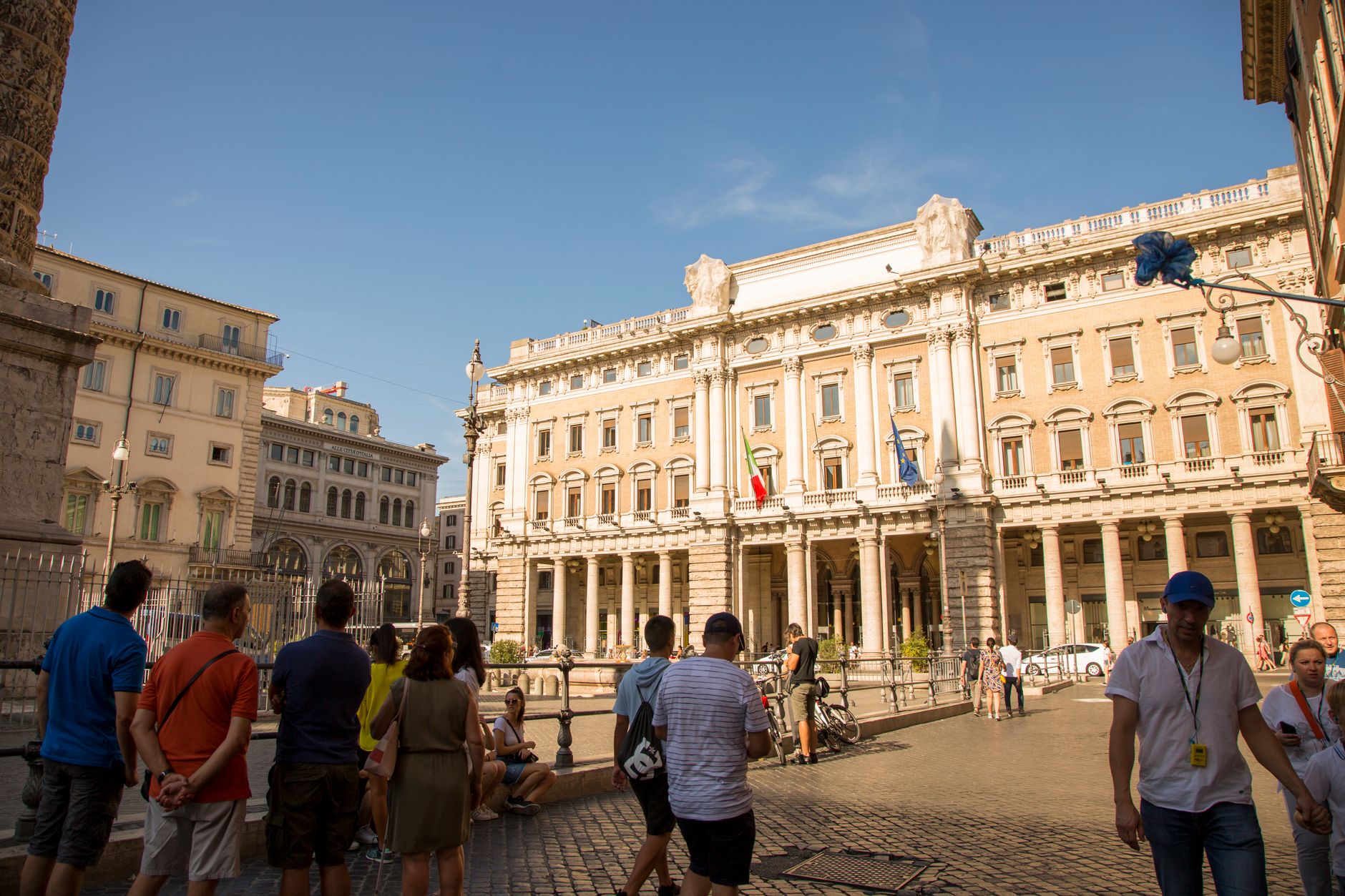
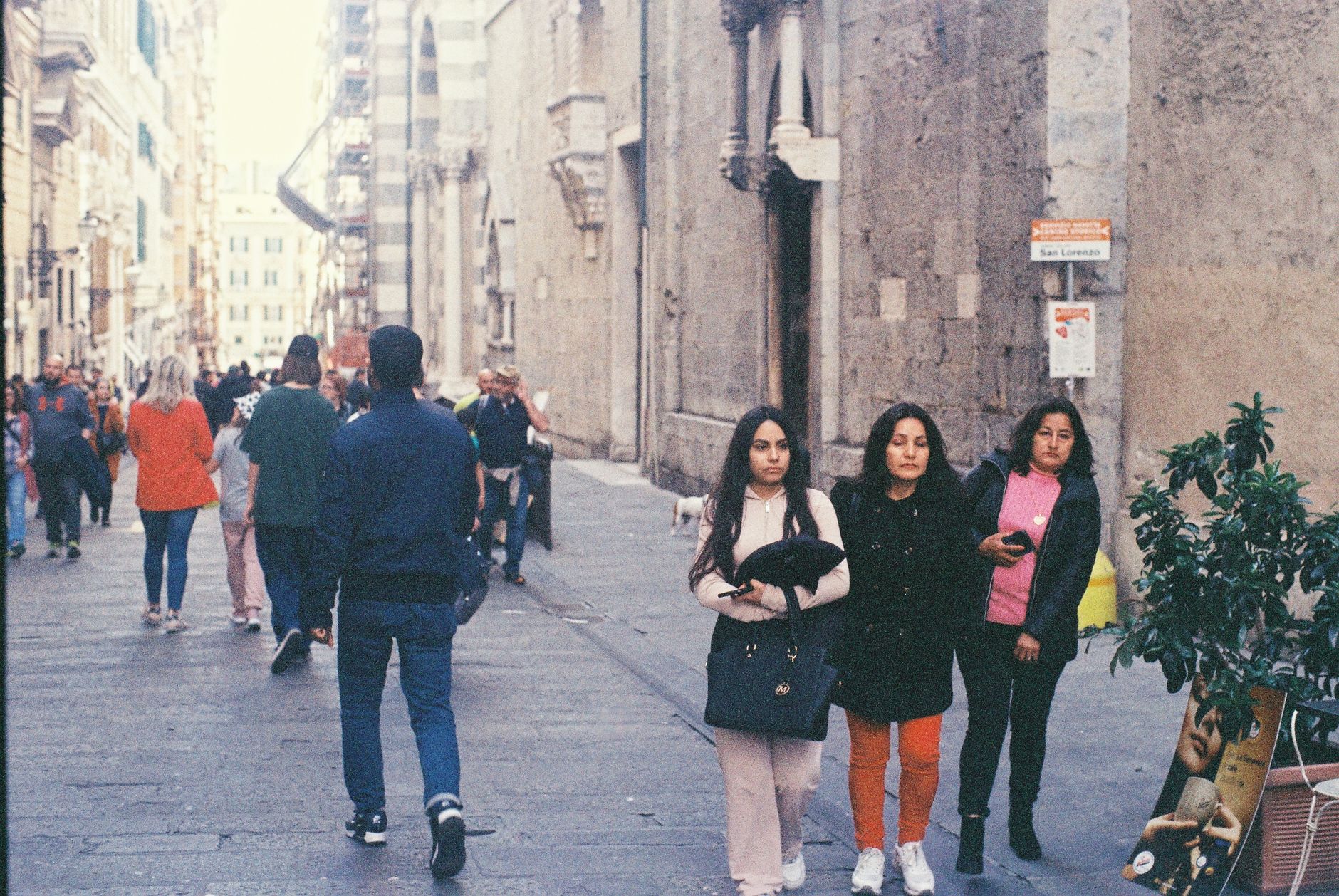
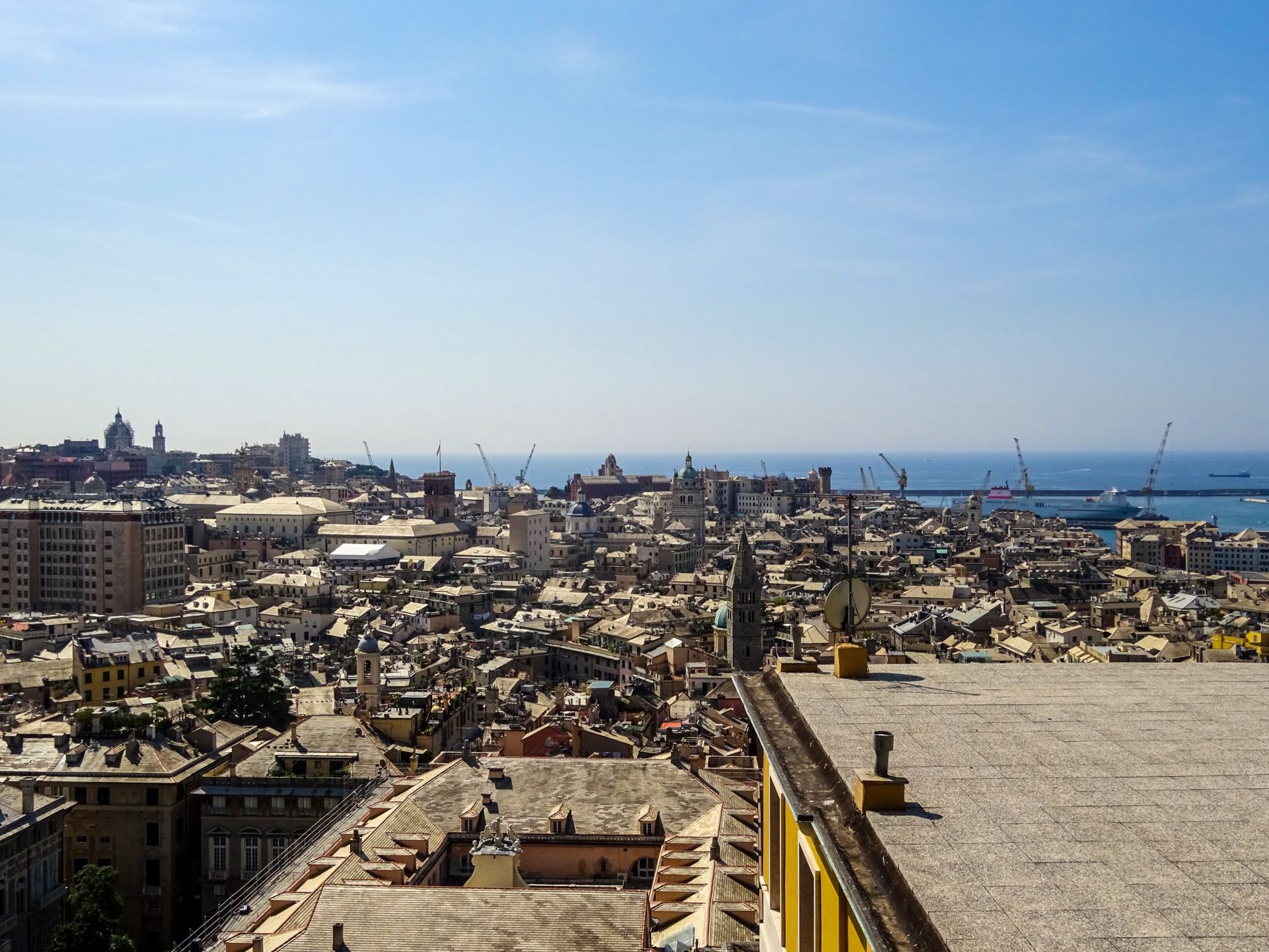
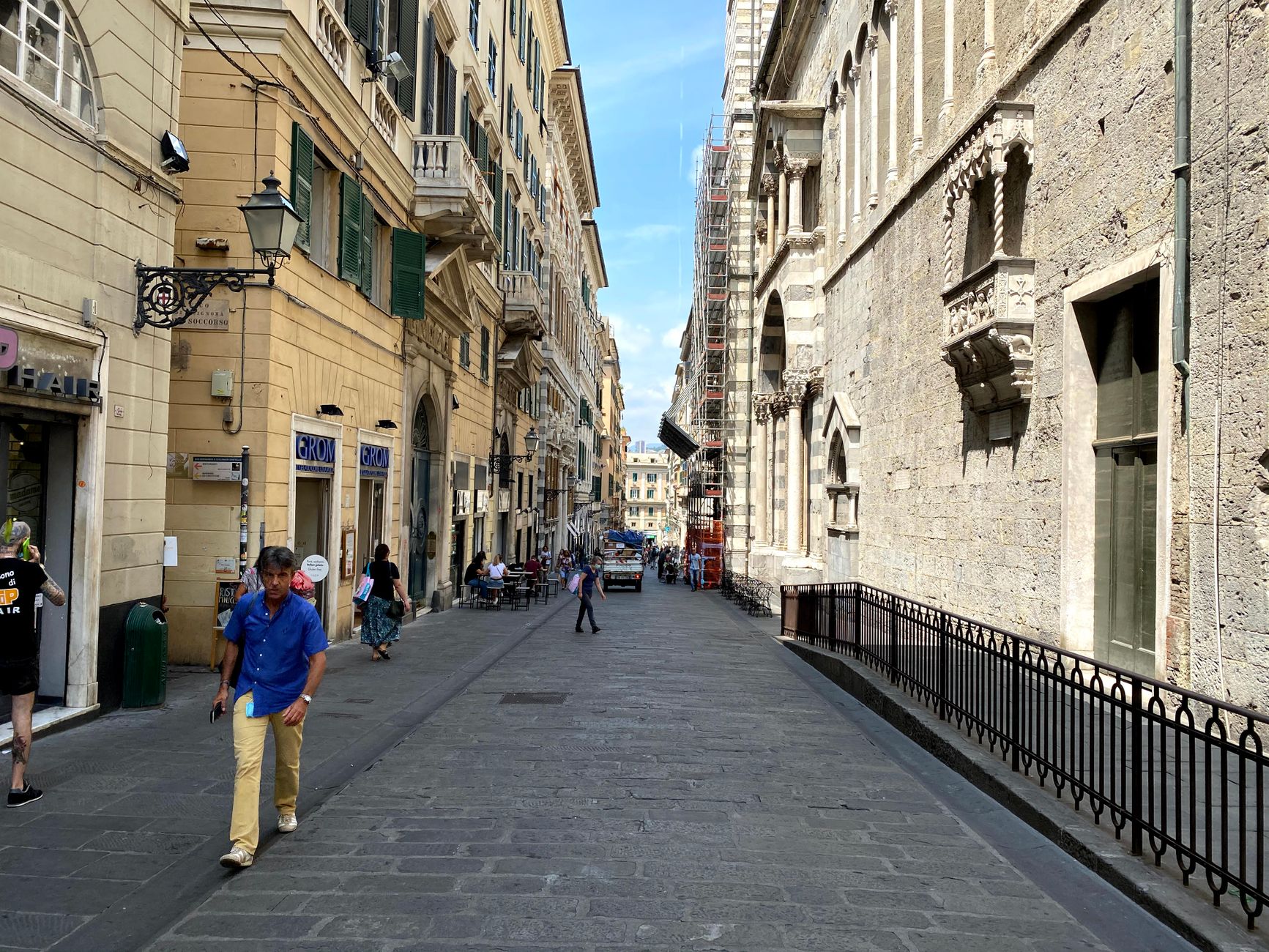
Genoa turns its back on easy charm. The city faces the sea from behind a wall of medieval lanes — the caruggi — so narrow that the light arrives in thin slices even at noon. Walk in from the port and you'll find laundry strung between palaces that once belonged to the richest republic in the Mediterranean, the smell of focaccia from a bakery that's been there longer than anyone can remember, and a lighthouse that has stood on its rock since 1543.

This is a city that made and lost empires, gave the world Columbus and Paganini and Renzo Piano, and still doesn't particularly care whether you notice.

💛 What travellers fall for

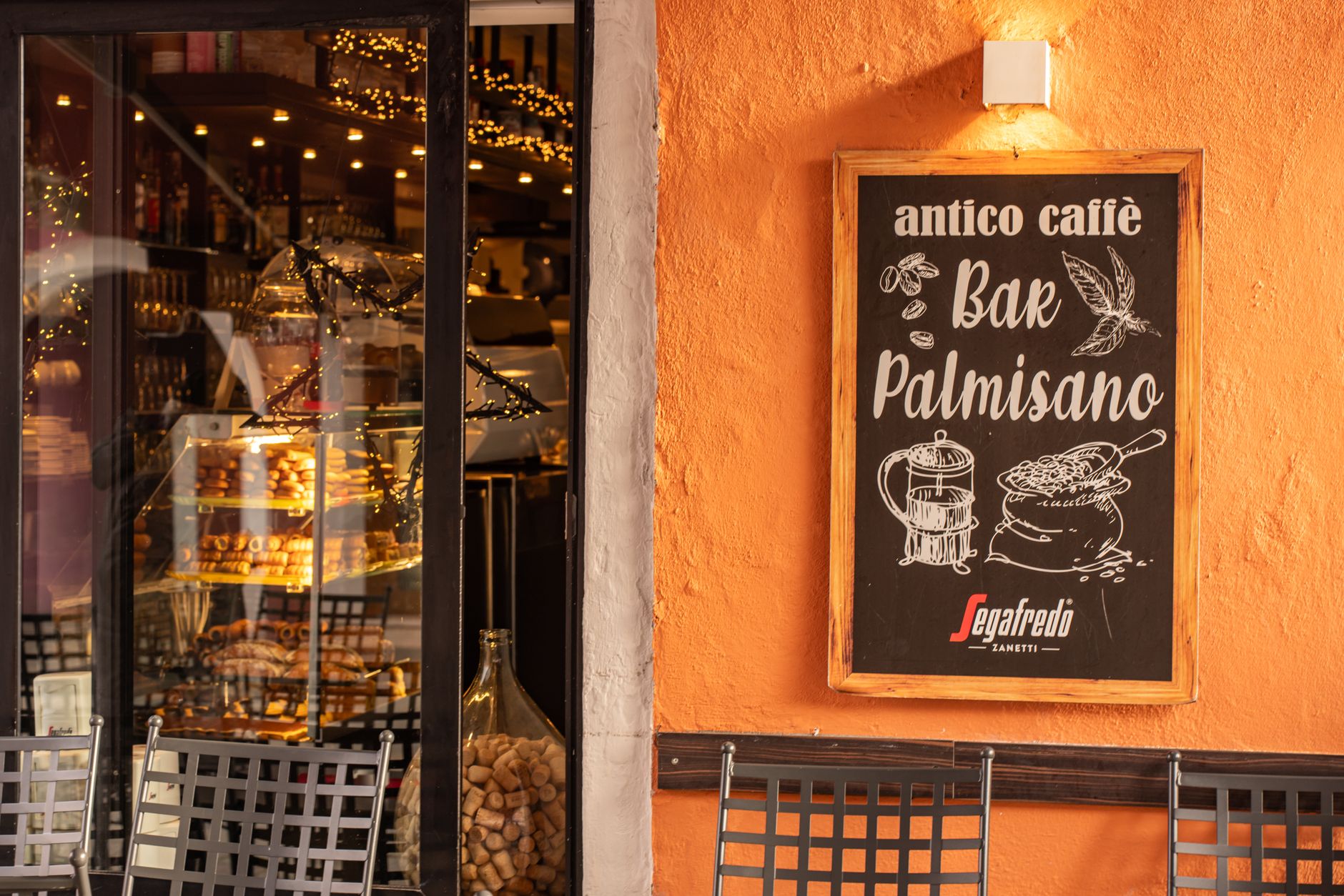
People who come back tend to fix on a routine: coffee at the counter somewhere in the caruggi, then a slow walk up Via Garibaldi to catch whichever palazzo is open that week. Rolli Days — twice a year, spring and autumn — unlock doors that are otherwise shut. Mark the dates before you book.

Good to know
Genoa has its own airport, and fast trains connect it to Milan in under two hours. Spring and early autumn are the steadiest seasons. The Old Port is worth an hour, but the caruggi behind it repay far longer. Avoid driving into the centro storico — the streets were built for mules.
Tips

Experiences you don't want to miss

All tips →

Deals in Genoa

Book directly at the provider
The story

How Genoa came to be

Genoa was already a trading settlement on Castello hill by the fifth century BC, allied with Rome through the Second Punic War and razed by Carthage in 209 BC. It rebuilt, earned municipal rights, and by the eleventh century had organised itself into a Republic that would last, remarkably, until Napoleon's troops arrived in June 1797. At its height, the Republic controlled trade routes across the Mediterranean; the Palazzo San Giorgio, built in 1260, was its financial nerve centre, and the Doge's Palace, begun in 1284, was its seat of power.

The Congress of Vienna folded Genoa into the Kingdom of Sardinia in 1815 — a diminishment the city never entirely forgave. Its modern reinvention came in 1992, when the 500th anniversary of Columbus's voyage prompted a renovation of the Old Port, led by native son Renzo Piano, and a reopening of the Doge's Palace as a cultural venue. The city was named European Capital of Culture in 2004.

People & landmarks

Who and what shaped it

People who shaped it

Christopher Columbus
Born in Genoa; city celebrated 500th anniversary of his voyage to America in 1992.
Andrea Doria
Born in Genoa; prominent Genoese admiral and statesman.
Niccolò Paganini
Born in Genoa; his famous violin 'Il Cannone' is housed in Palazzo Doria-Tursi.
Giuseppe Mazzini
Born in Genoa; Italian political figure and nationalist.
Renzo Piano
Born in Genoa; architect who renovated the Old Harbour for 1992 Expo and designed Il Bigo.
Galeazzo Alessi
Renaissance architect (1512–1572) who designed many of Genoa's palazzi.

Landmark buildings

Cathedral of San Lorenzo
Founded around 1098, consecrated 1118; Gothic-style rebuild after 1296 fire; distinctive black-and-white striped façade.
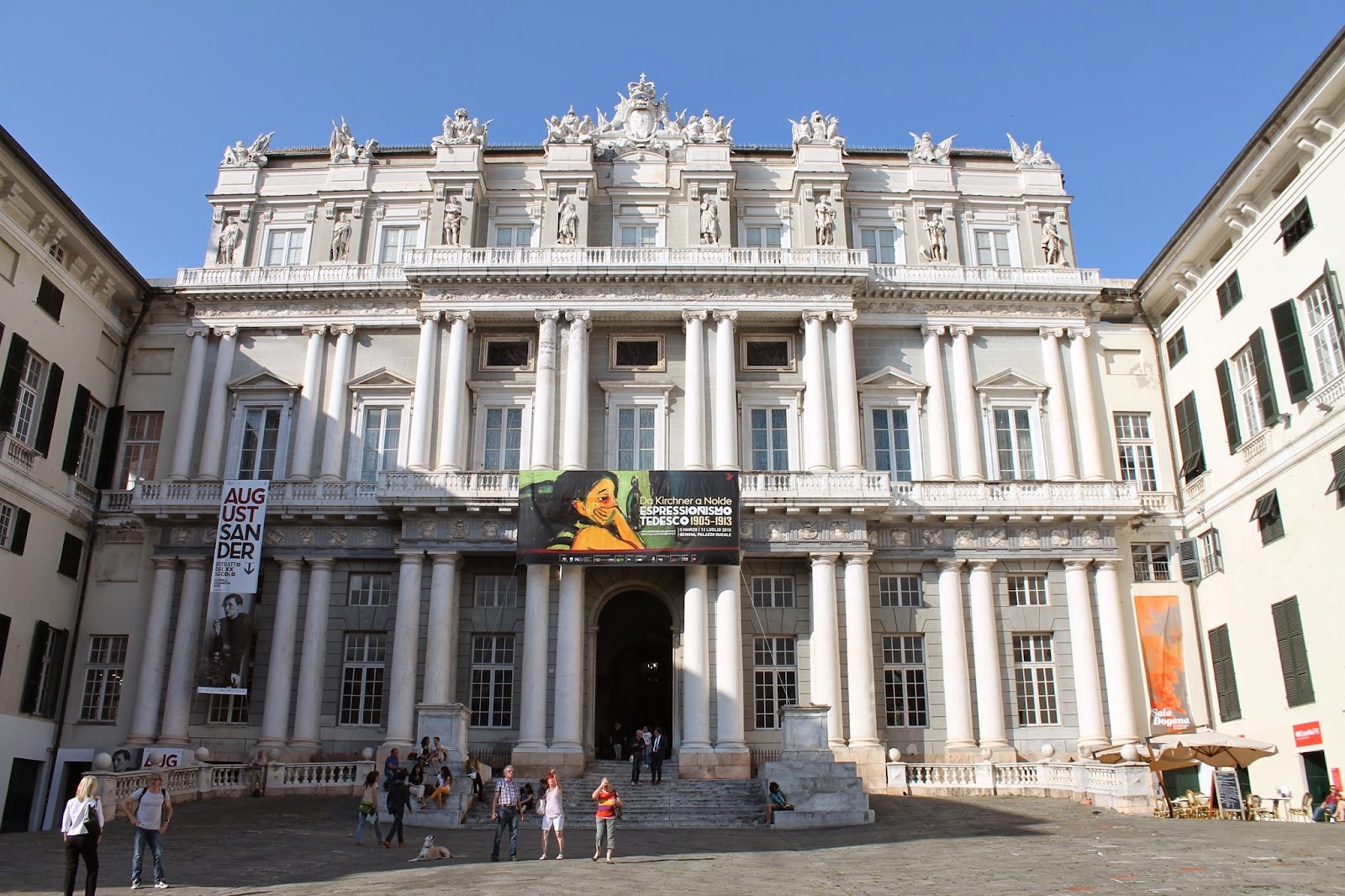
Doge's Palace (Palazzo Ducale)
Origins 1284, official residence from 1339; Neoclassical reconstruction after 1777 fire; reopened 1992 as cultural centre.
Palazzo San Giorgio
Built 1260 by Guglielmo Boccanegra; served as civil and political base of the Republic.
Palazzo Rosso
Historic house museum with original furnishings and art collections.
Palazzo Bianco
Liguria's main art gallery featuring Genoese, Italian, Flemish, and Spanish works.
Palazzo Doria-Tursi
Grandest of the three palaces; houses gallery, decorative arts, and Paganini's violin 'Il Cannone'.
Via Garibaldi (Strade Nuove)
UNESCO World Heritage site (2006) with Palazzi dei Rolli; Rolli Days open palaces to public twice yearly.
La Lanterna (Lighthouse)
Rebuilt 1543; 117 meters tall with 375 steps to terrace; stands on rock 40 meters above sea level.
Porta Soprana
Built 1115 as city gate; located near Christopher Columbus's home and Monastery of Sant'Andrea.
Porto Antico (Old Port)
Renovated by Renzo Piano for 1992 Expo; major urban renewal project.
Il Bigo
Designed by Renzo Piano; crane-like lift structure offering approximately 200-meter views.
Carlo Felice Theatre
Opera house since 1827; damaged in WWII, rebuilt 1987; venue for opera, ballet, and classical concerts.
Palazzo Reale (Royal Palace)
UNESCO World Heritage Site; receives approximately 300,000 visitors annually.
Watch

See Genoa in motion

Practical

Plan your visit

On the map

When to go

Summers are warm and occasionally humid, moderated by sea breezes; the city stays lively well into September. Winters are mild by northern Italian standards but the caruggi can feel damp — bring a layer and you'll be fine.

Right now

☀️
24°C
Clear
Sun
☀️
28°
20°
Mon
28°
20°
Tue
29°
23°
Wed
🌦️
29°
24°
Weather data: Open-Meteo

↡ Attractions


Background & history adapted from Wikipedia (CC BY-SA) · specs from Wikidata (CC0) · weather from Open-Meteo · map data © OpenStreetMap contributors · photos from Wikimedia Commons / Unsplash with per-image credit. No third-party reviews or social posts reproduced.

Top