
Rapallo
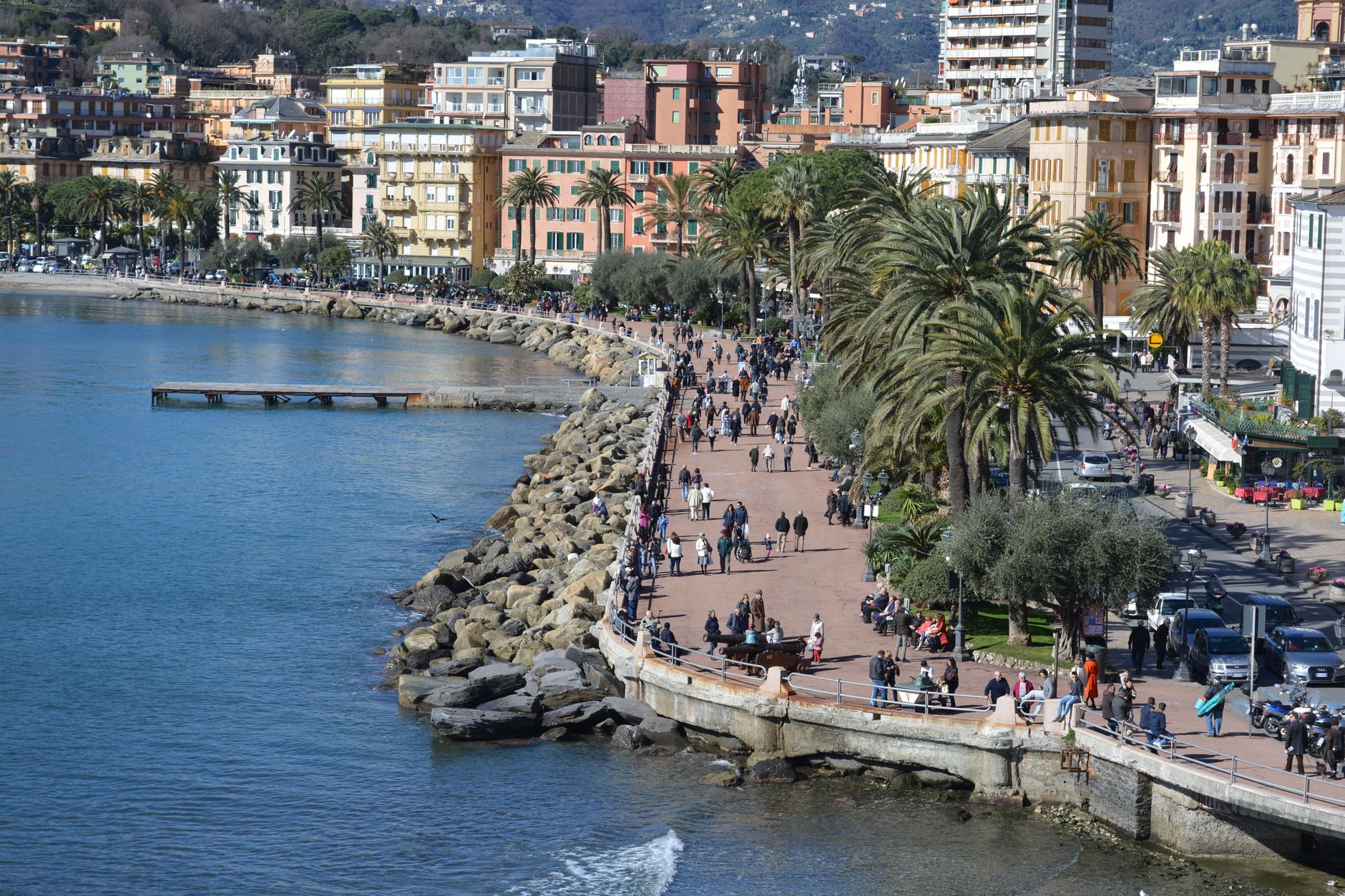
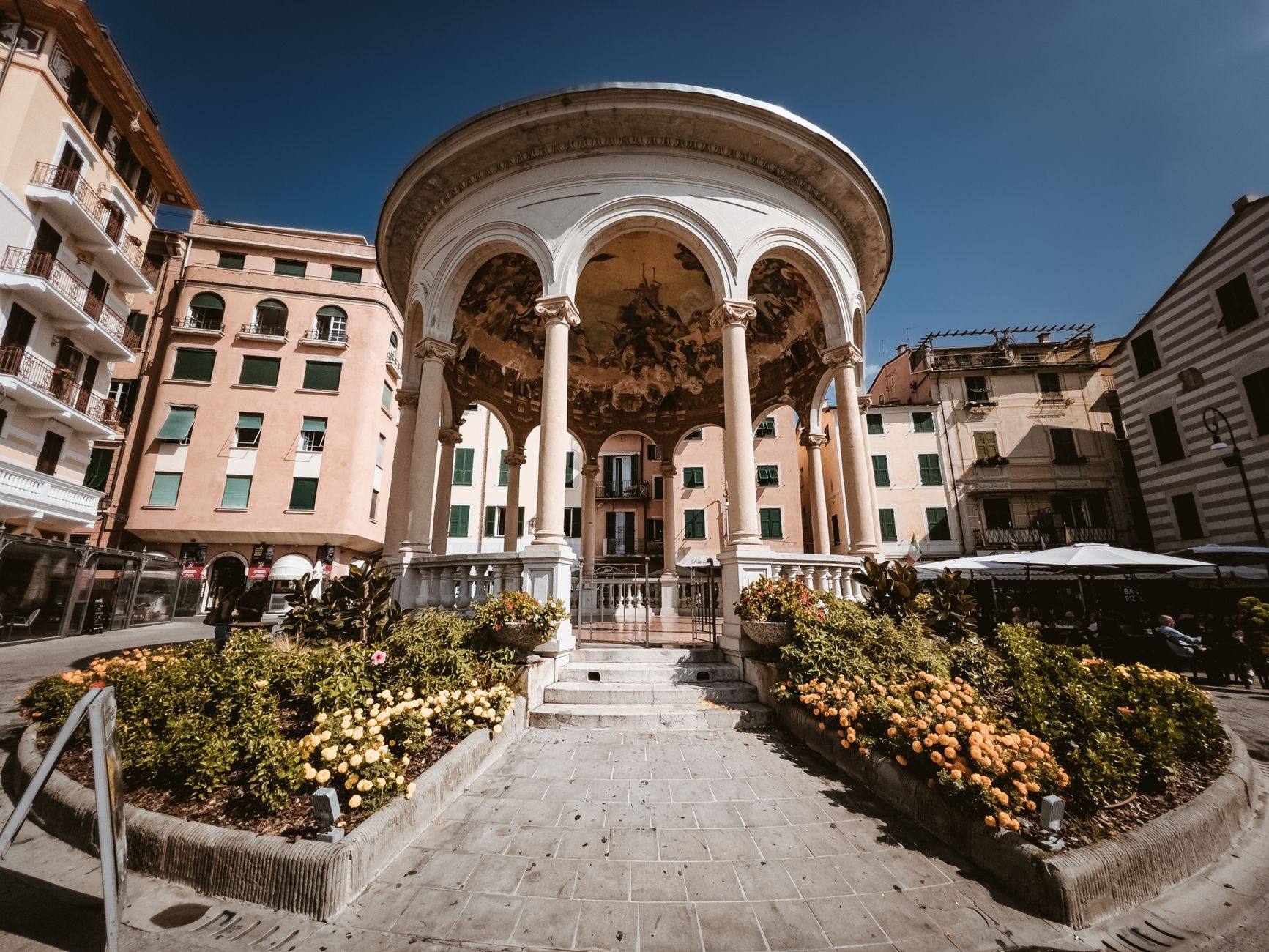
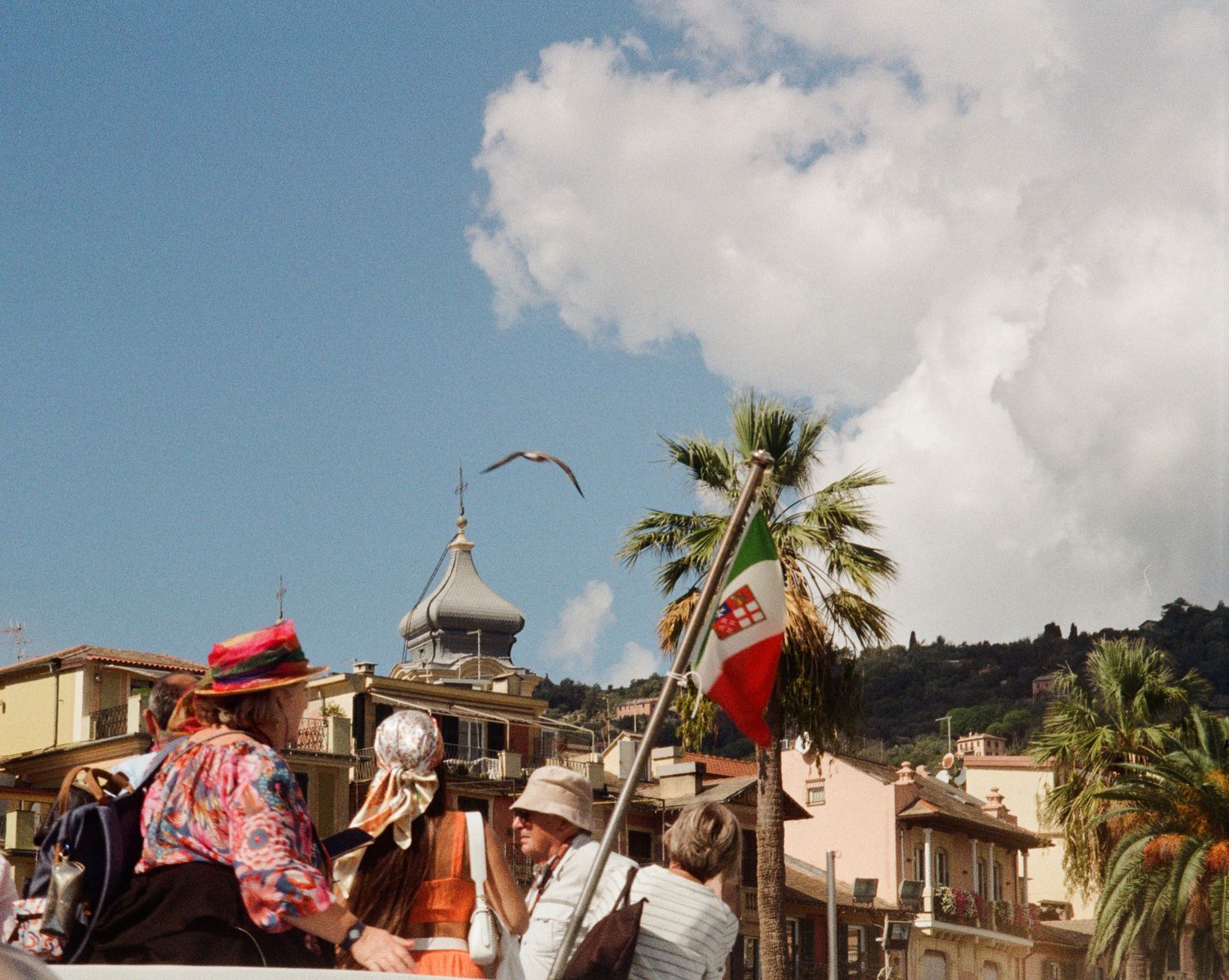
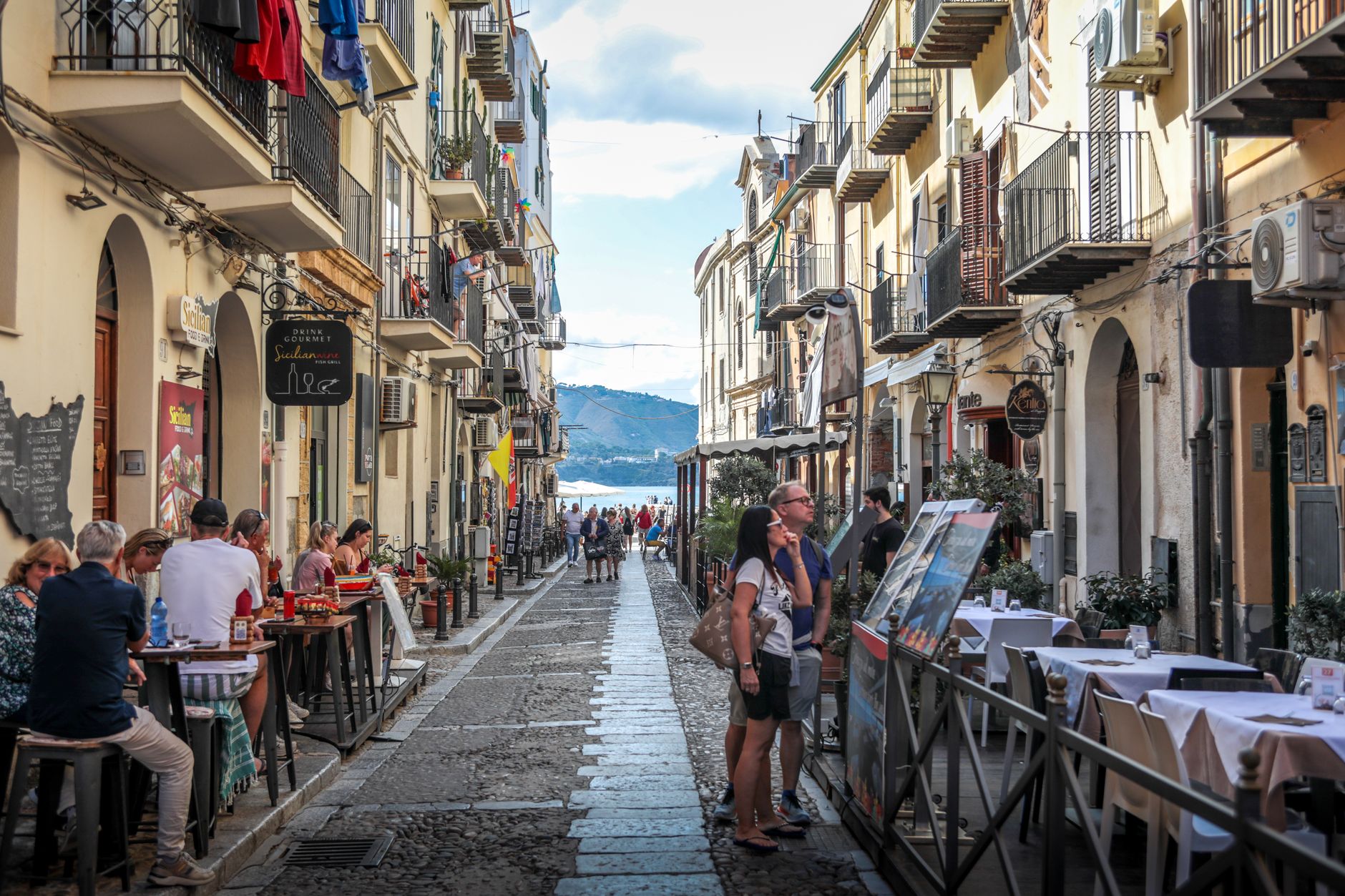
The painted facades along Rapallo's lungomare are not decorative whimsy — many of those windows are fakes, trompe-l'oeil details that date to the 18th century when houses were taxed by the number of real ones. It's the kind of small, practical ingenuity that tells you something about a place before you've even sat down.
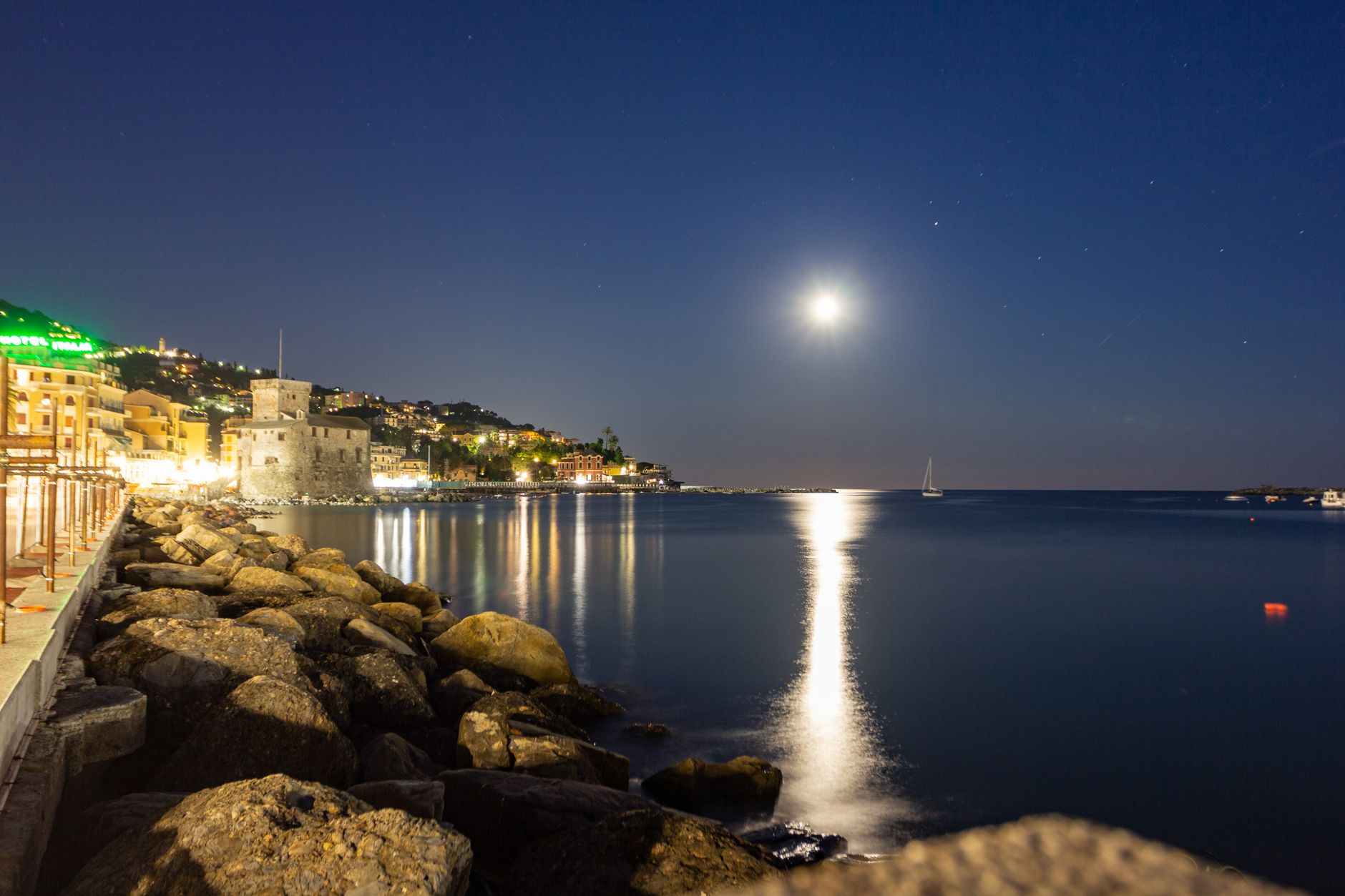
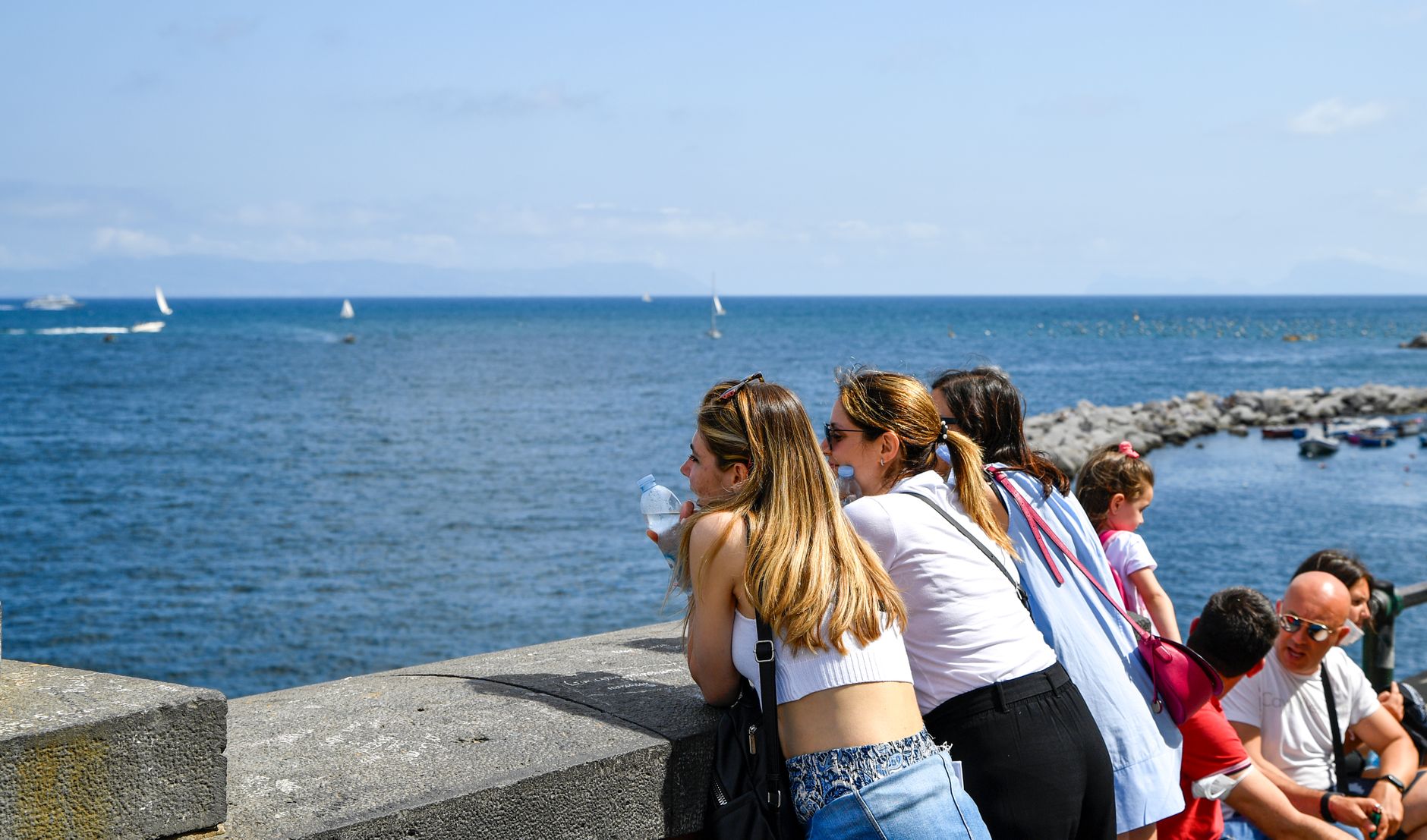
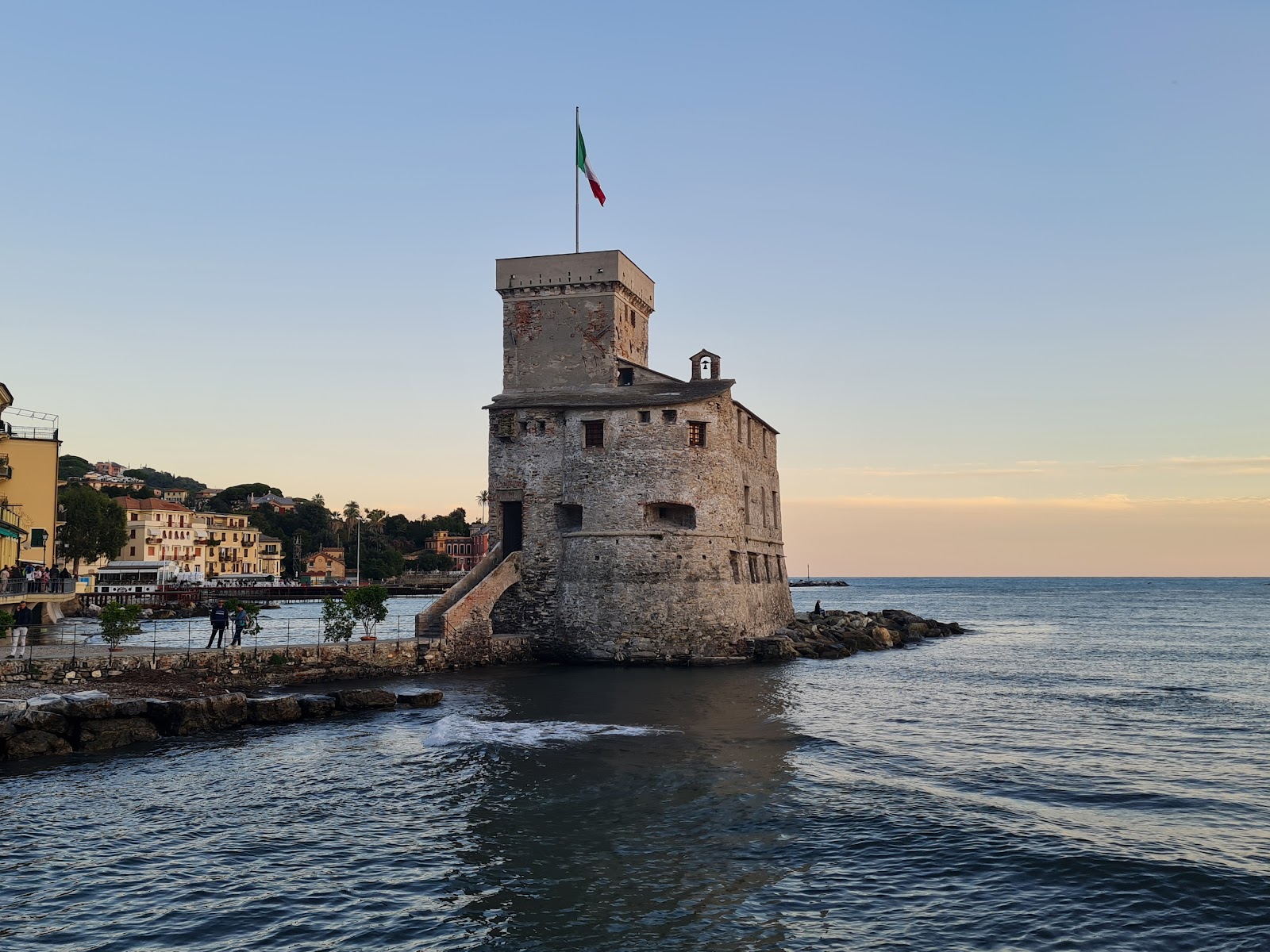
Rapallo sits at the curve of the Gulf of Tigullio, close enough to Portofino and Camogli that visitors often treat it as a base rather than a destination. That's their loss. The town has its own unhurried rhythm, a castle that gets theatrically lit on fire every July, and a literary past dense enough to fill a reading list.
💛 What travellers fall for
People who keep coming back tend to take the cable car up to Montallegro at least once per visit — not for the sanctuary itself, though the white facade is striking, but for the view down over the gulf. They also know that Villa Tigullio's Lace Museum is free, genuinely interesting, and almost always quiet.
Experiences you don't want to miss


Deals in Rapallo
Book directly at the provider
How Rapallo came to be
Rapallo's name appears in writing for the first time in 964, though settlement here likely predates that by centuries. The town spent much of the medieval period under Genoese control from 1229 onward, a relationship interrupted by Ottoman and Barbary pirate raids in the 16th century that prompted the construction of the seafront castle in 1551. French forces took the town in the late 18th century; the English freed it in 1814, after which it passed to the Kingdom of Sardinia-Piedmont.
The 20th century gave Rapallo an unlikely second identity as a site of international diplomacy. Three significant agreements bear its name: an Allied war council meeting in 1917 following the Italian defeat at Caporetto; the 1920 treaty between Italy and the Kingdom of Serbs, Croats, and Slovenes settling frontier disputes; and the 1922 treaty between Russia and Germany, through which both countries stepped back into the world's diplomatic order after years of postwar isolation.
Who and what shaped it
People who shaped it
Landmark buildings
See Rapallo in motion
Plan your visit
On the map
When to go
Summers are warm and reliably sunny, with the Ligurian hills sheltering the bay from northern winds. Winter is mild by Italian standards but can bring rain; spring arrives early, and October often holds its warmth longer than you'd expect.
Right now
↡ Attractions
Background & history adapted from Wikipedia (CC BY-SA) · specs from Wikidata (CC0) · weather from Open-Meteo · map data © OpenStreetMap contributors · photos from Wikimedia Commons / Unsplash with per-image credit. No third-party reviews or social posts reproduced.