
Sestri Levante
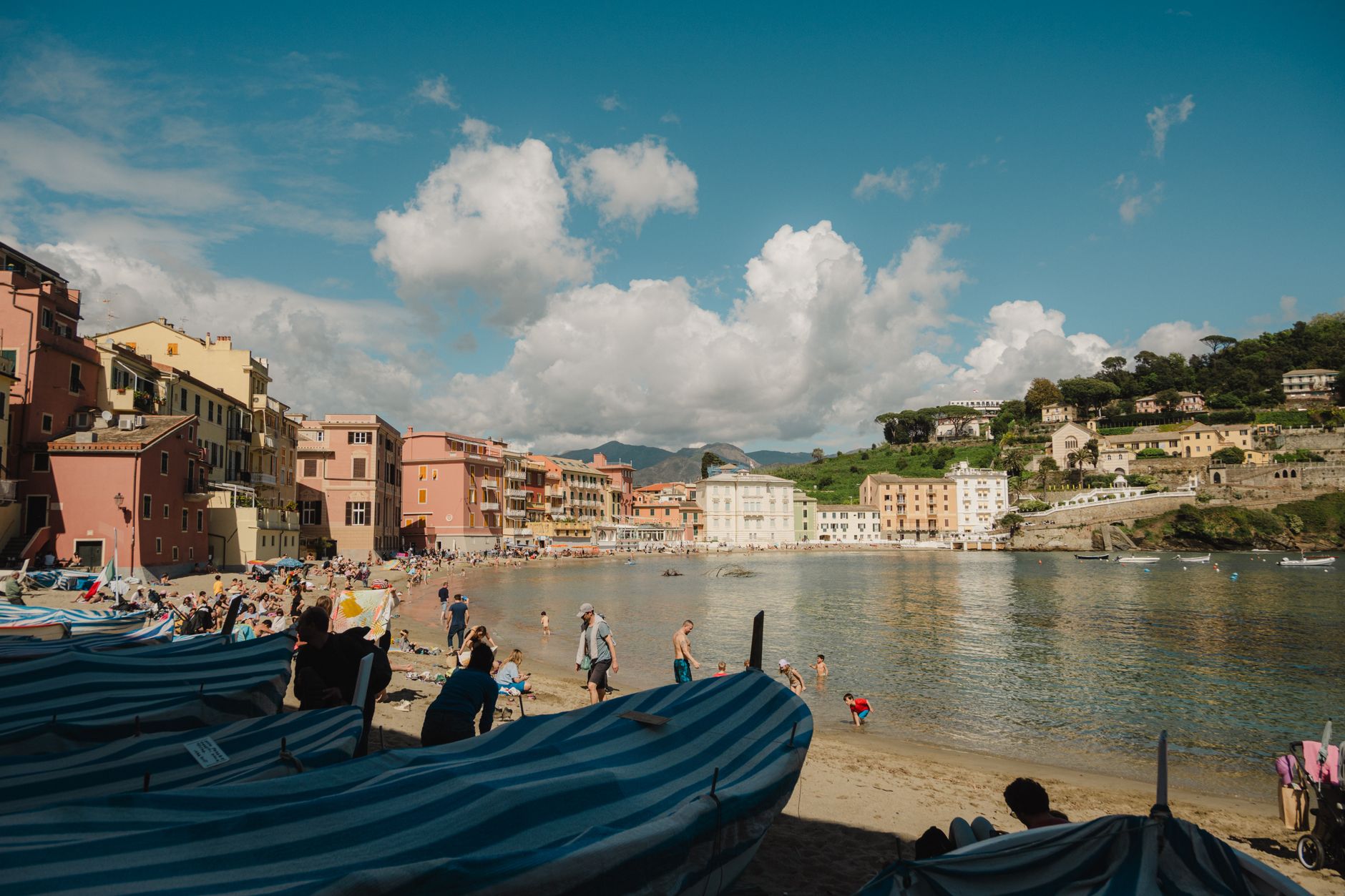
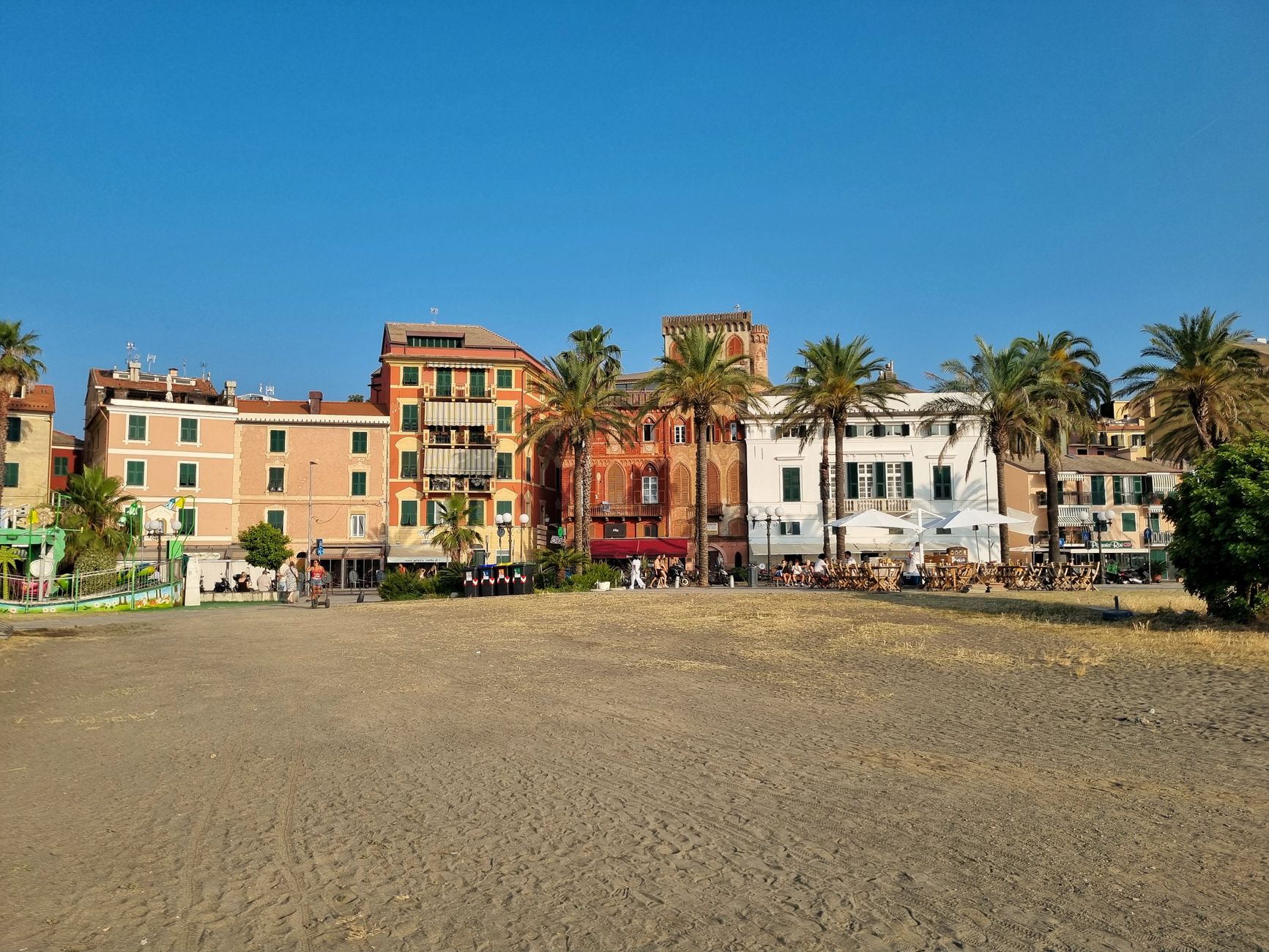
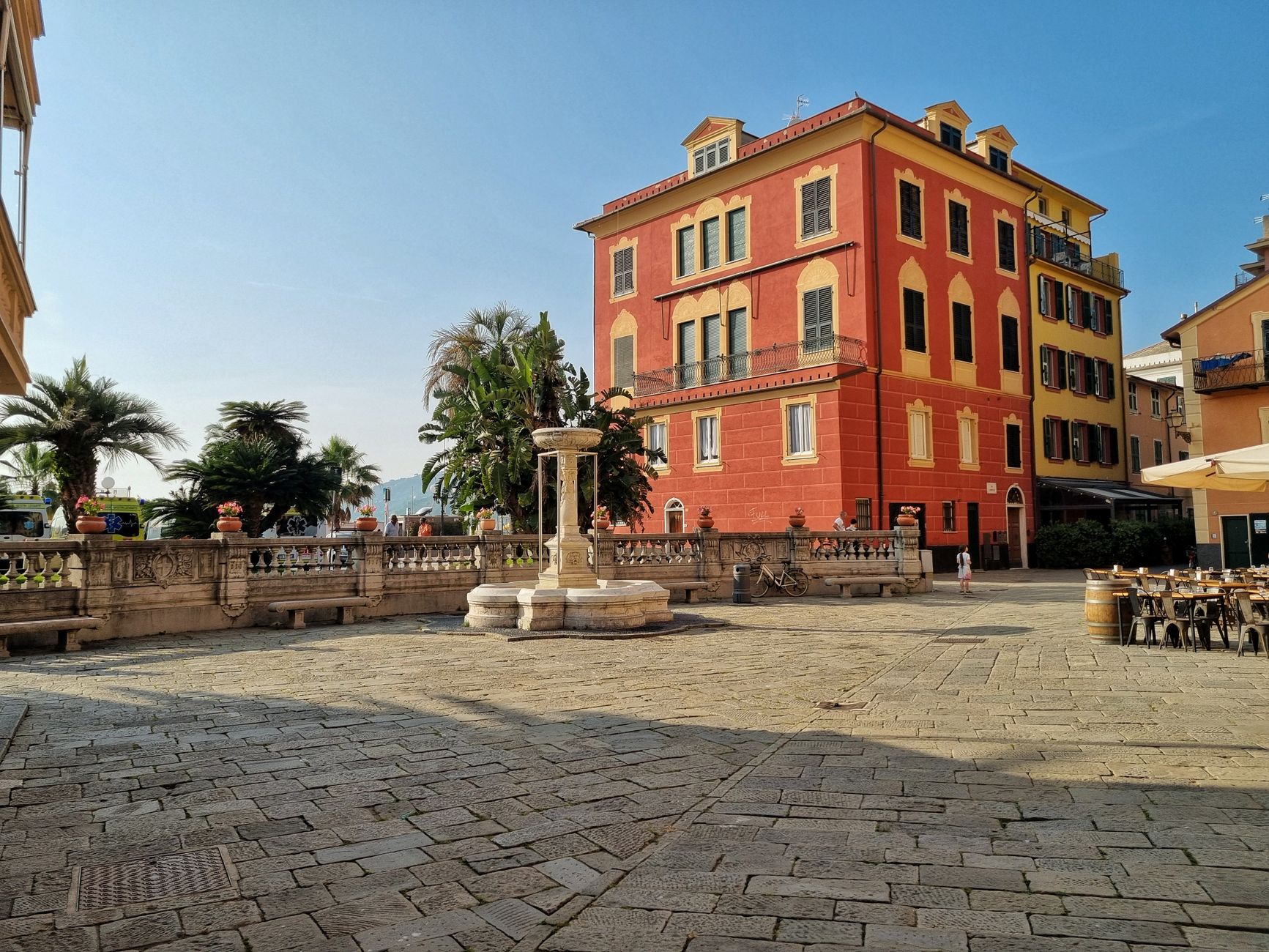
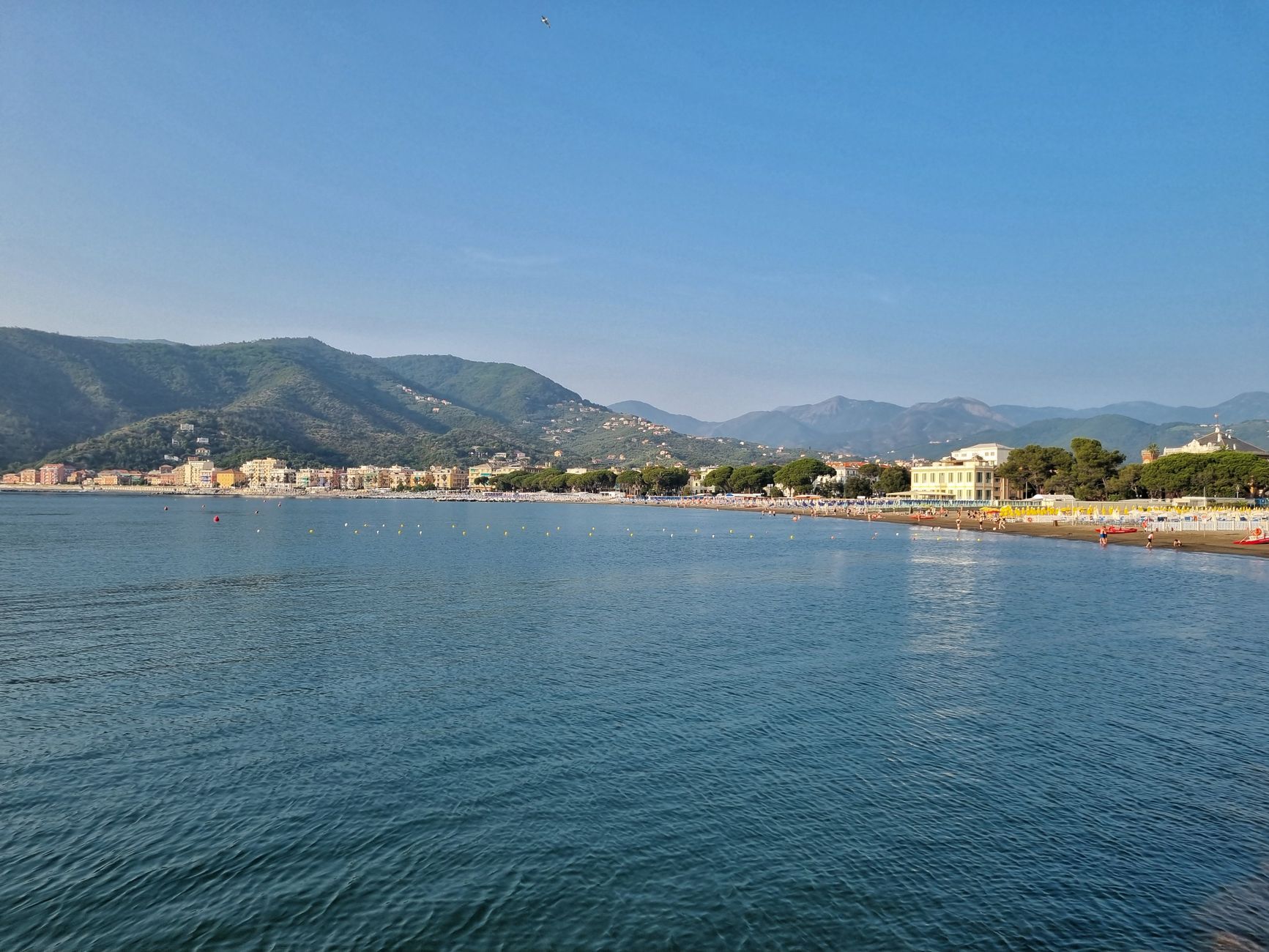
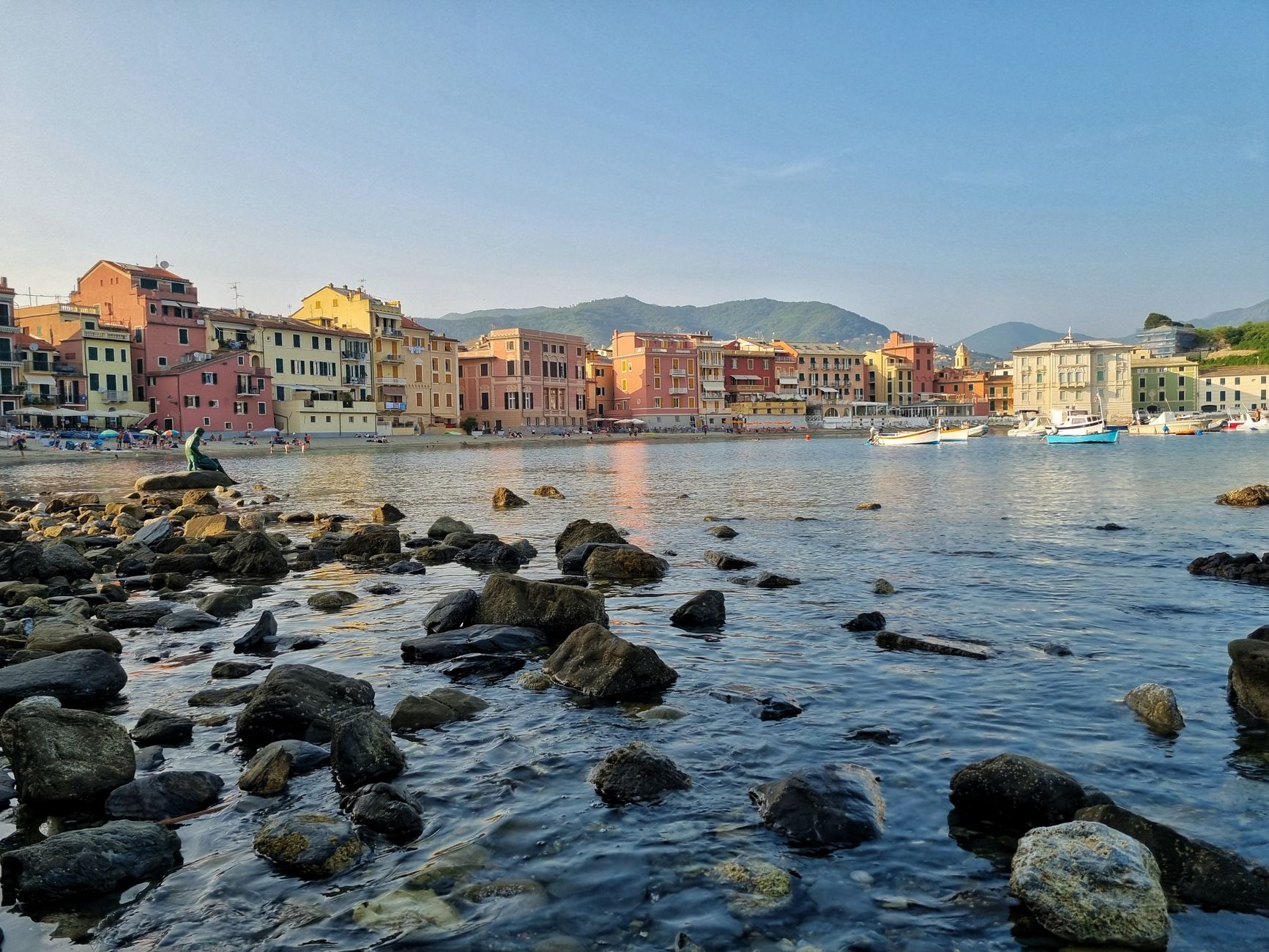
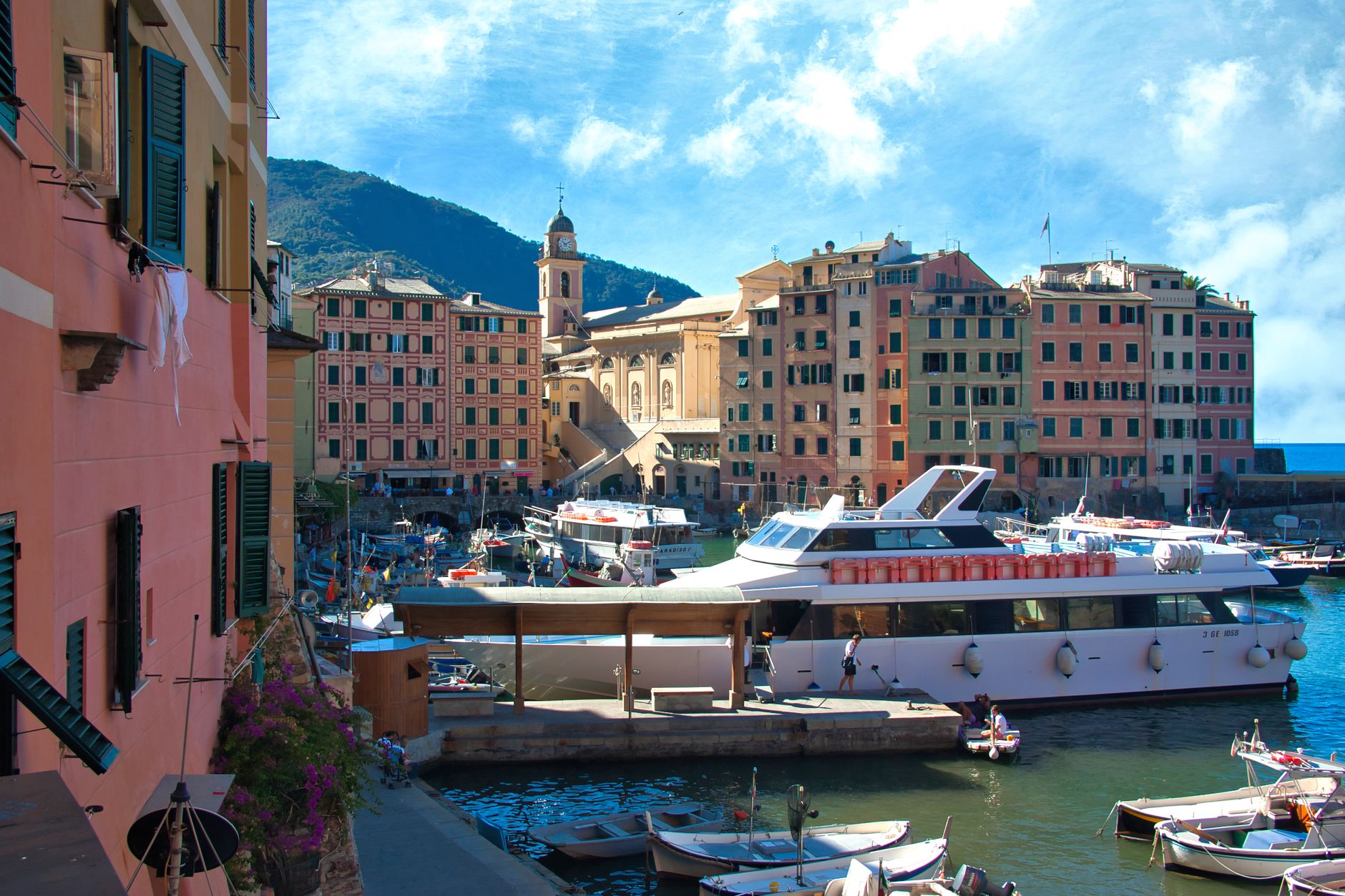
Sestri Levante is a narrow peninsula that divides two very different bodies of water. On one side, the Baia delle Favole — a name coined live on Italian television in the 1950s by presenter Enzo Tortora — faces the open sea with a long arc of beach. On the other, the Baia del Silenzio curves quietly around a smaller shore, its name first written down in 1919 by the Ligurian poet Giovanni Descalzo. Hans Christian Andersen passed through in the 1800s and found something here worth staying for.
The town sits on that sliver of land between the two bays, its churches and palazzi stacked close together, the oldest of them — San Nicolò dell'Isola — dating to 1151. Palazzo Fascie, the red-towered building near the waterfront, holds an archaeological museum that pulls the story back to the Paleolithic. The railway arrived in 1870, and the Genoa–Pisa line still makes the town easy to reach without a car.
💛 What travellers fall for
People who come back tend to time it for the shoulder months — May or September, when the Baia del Silenzio is genuinely quiet rather than just named that way. The fourth and fifth floors of Palazzo Fascie, where MuSel sits, are almost always uncrowded. The banded black-and-white façade of the Capuchin convent on Via Cappuccini is worth finding before the light goes flat.
Experiences you don't want to miss


Deals in Sestri Levante
Book directly at the provider
How Sestri Levante came to be
The site was first settled by the Ligurian Tigulli tribe, known then as Segesta. Roman prosperity gave way to decline during barbarian invasions, and the town gradually shifted onto drier ground. In 1100 it passed into the hands of the Republic of Genoa, which commissioned a castle for defence; by the 13th century Sestri Levante had become the administrative centre of its county.
The following centuries brought repeated violence. In 1327 the Castracani family attempted a siege; the Visconti tried again in 1365. Turkish and Saracen pirates sacked the town in 1542 and again in 1607. What survived — and what was rebuilt — includes a layered set of religious buildings: the Romanesque-then-Baroque San Nicolò, a Dominican convent from 1496, and the Capuchin church whose striped façade was completed in 1688.
Who and what shaped it
People who shaped it
Landmark buildings
See Sestri Levante in motion
Plan your visit
On the map
When to go
Summer runs warm and sunny — July averages over ten hours of daylight and stays dry, with temperatures peaking around 26°C in August. Winter is mild but dim, with December offering only three hours of sun a day and November bringing the year's heaviest rain.
Right now
Background & history adapted from Wikipedia (CC BY-SA) · specs from Wikidata (CC0) · weather from Open-Meteo · map data © OpenStreetMap contributors · photos from Wikimedia Commons / Unsplash with per-image credit. No third-party reviews or social posts reproduced.