
Bordighera
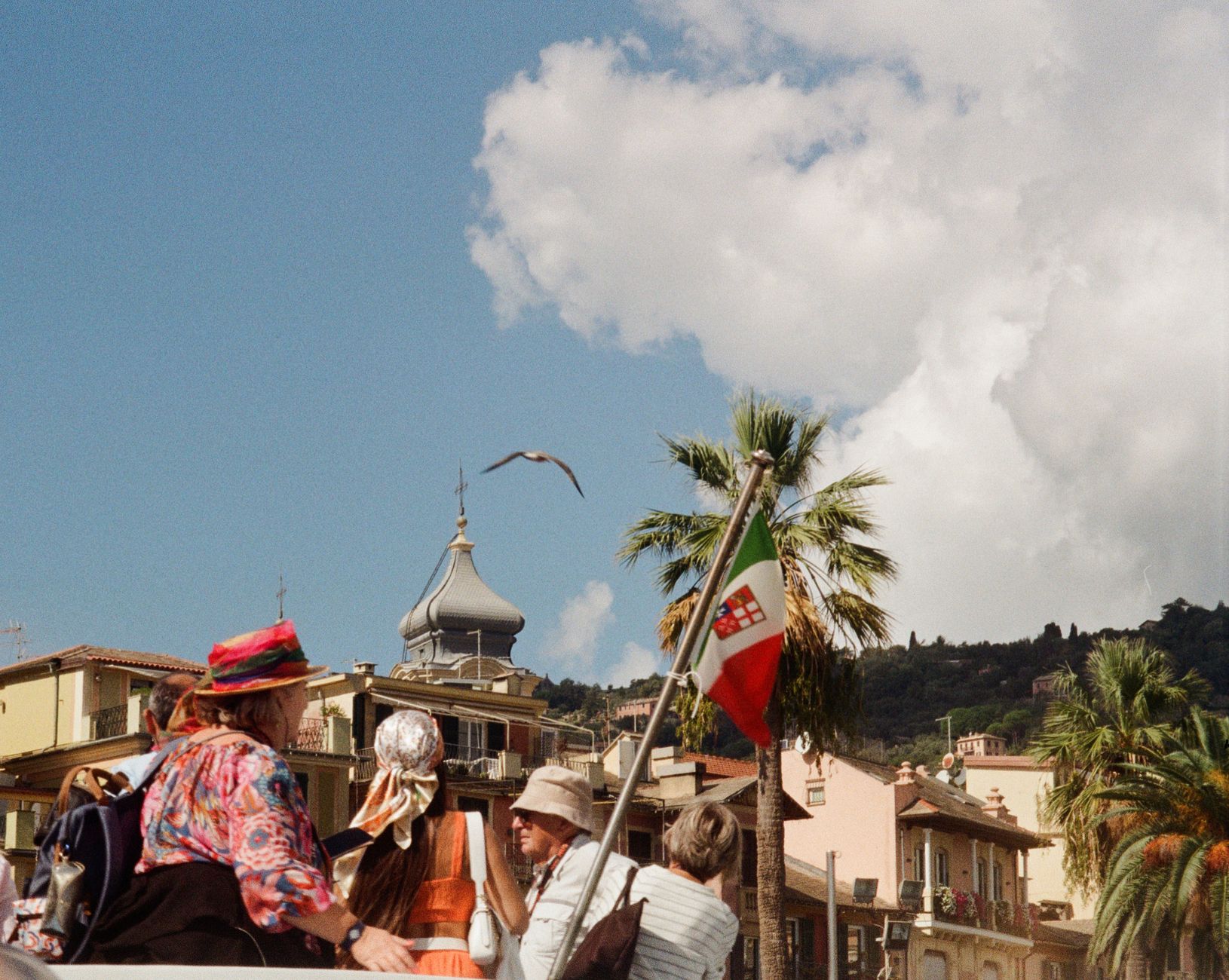
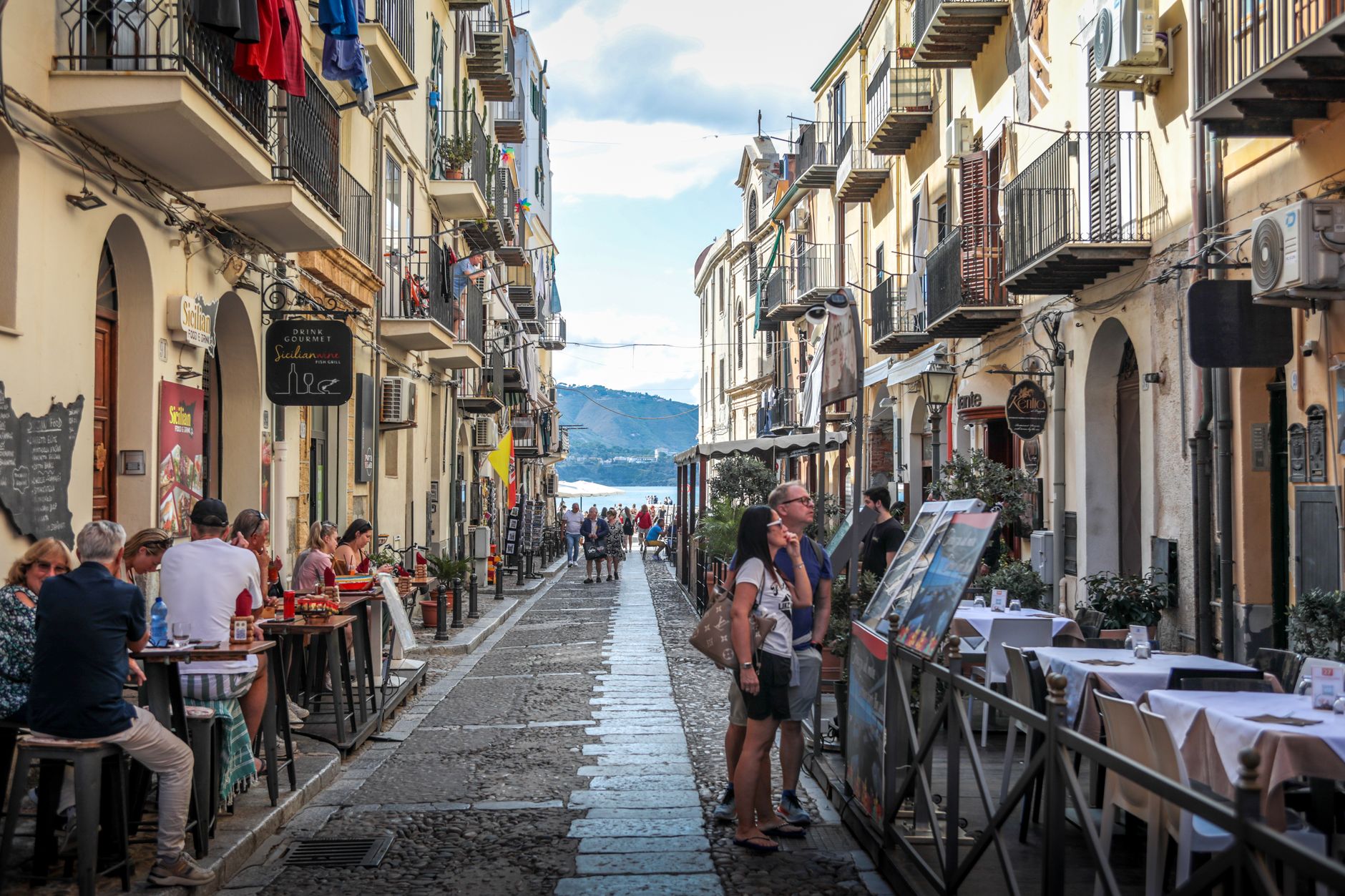
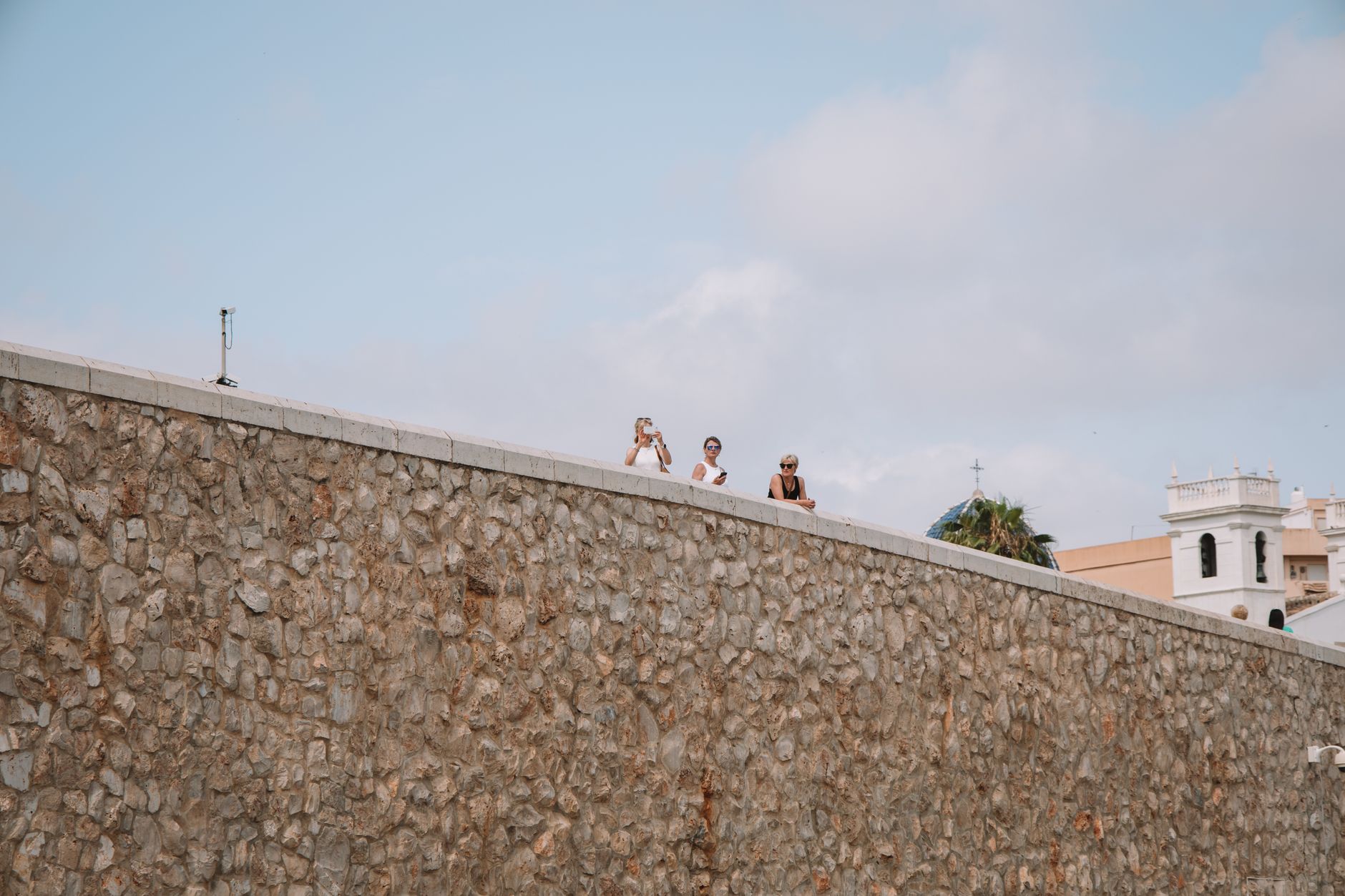
Bordighera sits on a narrow headland where the Ligurian coast bends toward France, its old town rising above palm-lined seafront promenades in layers of pale ochre and terracotta. The palms are not incidental — they are the town's oldest export, Vatican palms for centuries, a trade that shaped the place long before the painters and novelists arrived.
In the 1880s, Claude Monet spent three months here producing dozens of canvases, and George MacDonald built a family house called Casa Coraggio where he wintered for over two decades. That particular pull — the light, the mild air, the sense of being near France but not quite in it — still defines the town.
💛 What travellers fall for
People who keep coming back tend to make straight for the Exotic Gardens Pallanca, where more than 3,000 species of cacti and succulents terrace down toward the sea — it rewards a second look more than a first. The old upper town is quieter than the seafront and takes less than an hour to walk, which is exactly right.
Experiences you don't want to miss




Deals in Bordighera
Book directly at the provider


How Bordighera came to be
People have been moving through this stretch of coast since the Palaeolithic, and the Ligures settled here around the 6th century BC. The Roman Via Julia Augusta, built between 14 and 12 BC, ran close enough to keep the area connected to trade between the Po Valley and Gaul for centuries. In 1686, eight villages — chafing against Ventimiglia's dominance — met at the St. Bartholomew Oratory to form the Magnifica Comunità degli Otto Luoghi, a small act of collective self-determination that didn't ultimately hold: by 1797 Bordighera had lost its independence, absorbed first into Napoleon's French Empire and then, after 1815, into the Kingdom of Sardinia.
The town's modern character came later, sparked in part by Giovanni Ruffini's 1855 novel Il Dottor Antonio, published in Edinburgh, which brought English tourists south along the new Corniche road. The lower town grew to meet them. Charles Garnier, the French architect, lived here for years, leaving behind the Church of the Immaculate Conception and his own villa. Raphaël Bischoffsheim built Villa Etelinda in 1873; it later passed to Queen Margherita of Savoy.
Who and what shaped it
People who shaped it
Landmark buildings
See Bordighera in motion
Plan your visit
On the map
When to go
Summers are warm and dry, sheltered enough by the surrounding hills to feel gentler than much of the Italian coast. Winter is mild by northern European standards — cold enough to feel like a season, warm enough that the palms stay green.
Right now
Background & history adapted from Wikipedia (CC BY-SA) · specs from Wikidata (CC0) · weather from Open-Meteo · map data © OpenStreetMap contributors · photos from Wikimedia Commons / Unsplash with per-image credit. No third-party reviews or social posts reproduced.