
Alassio
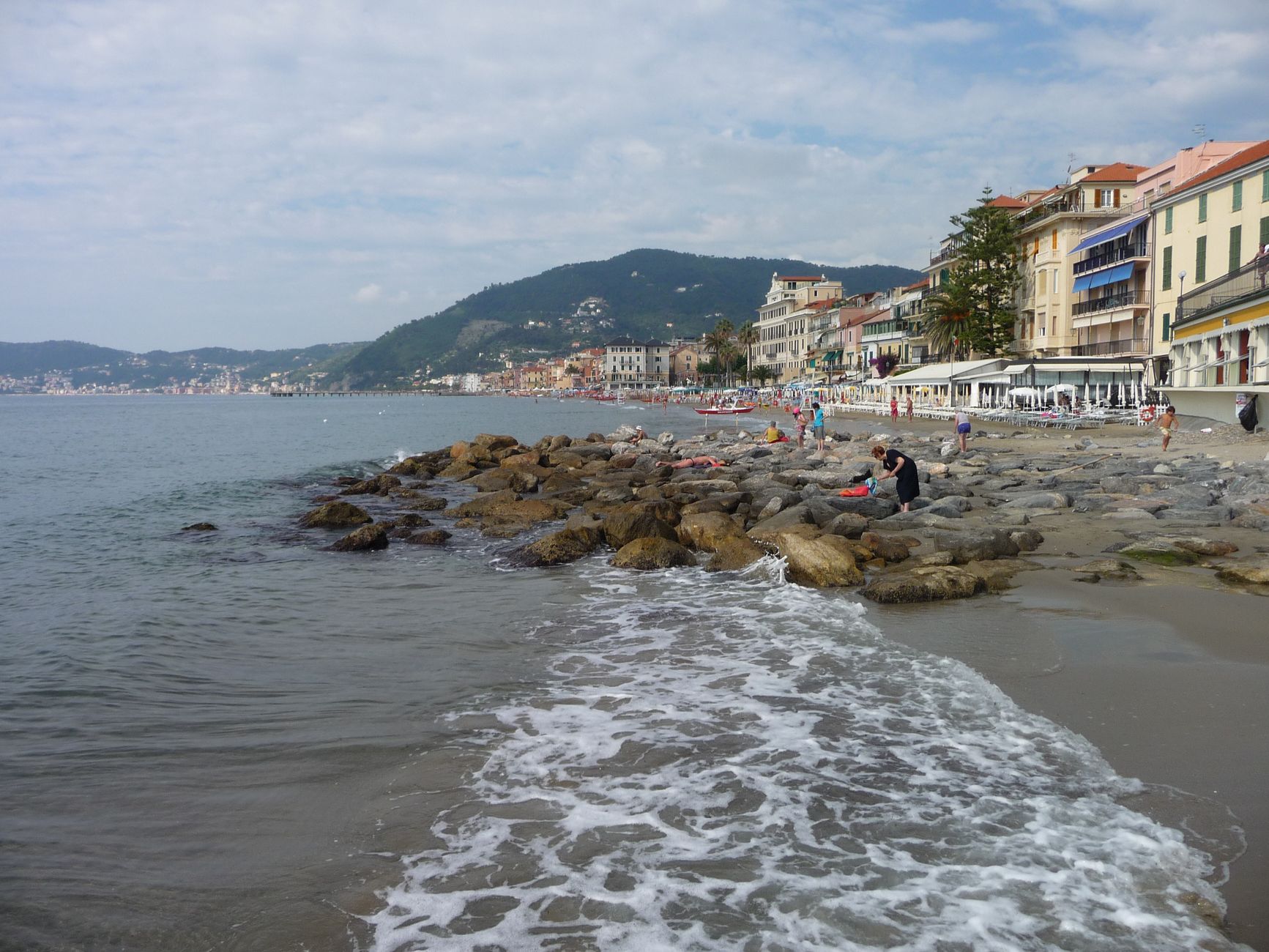
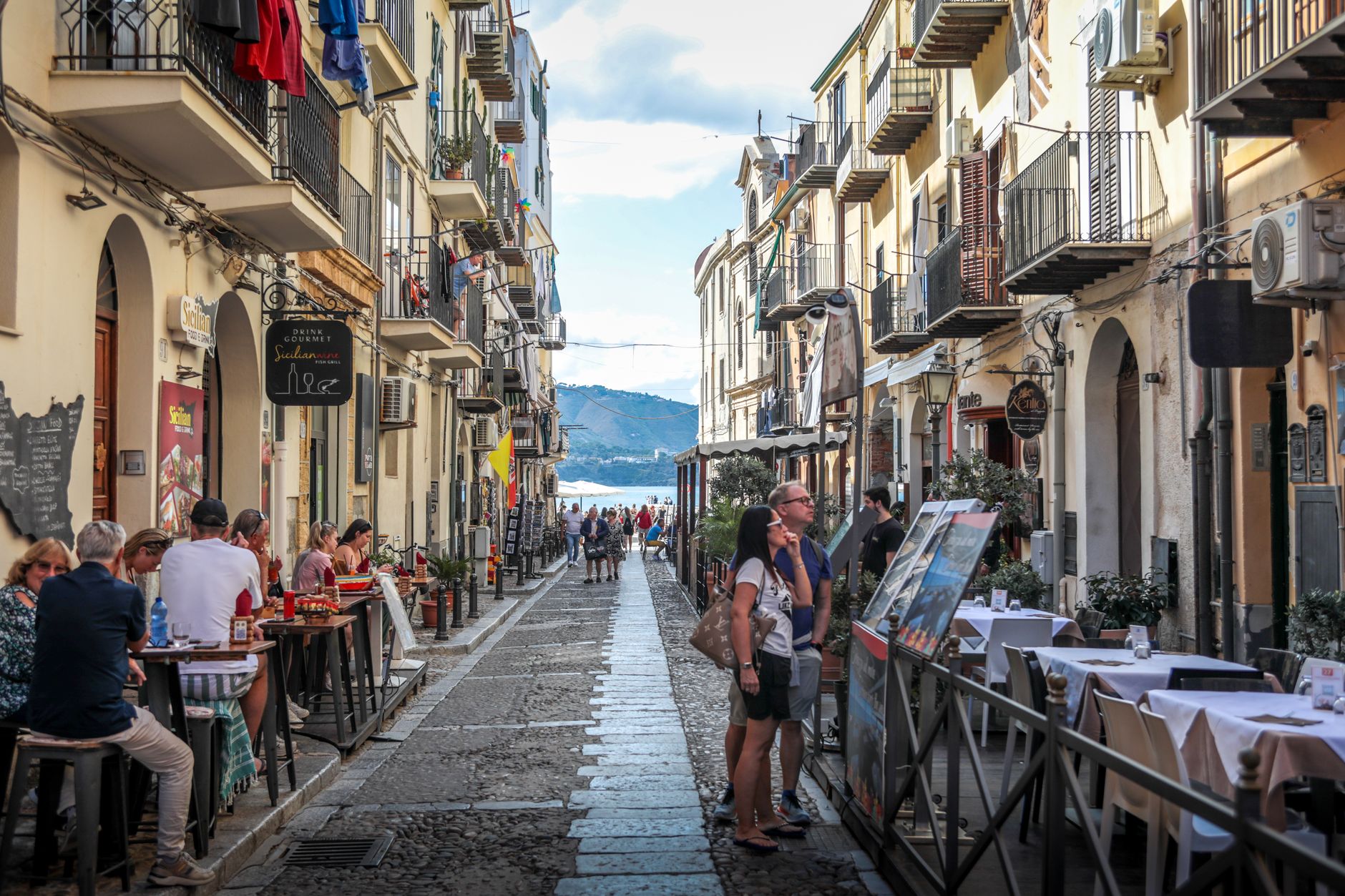
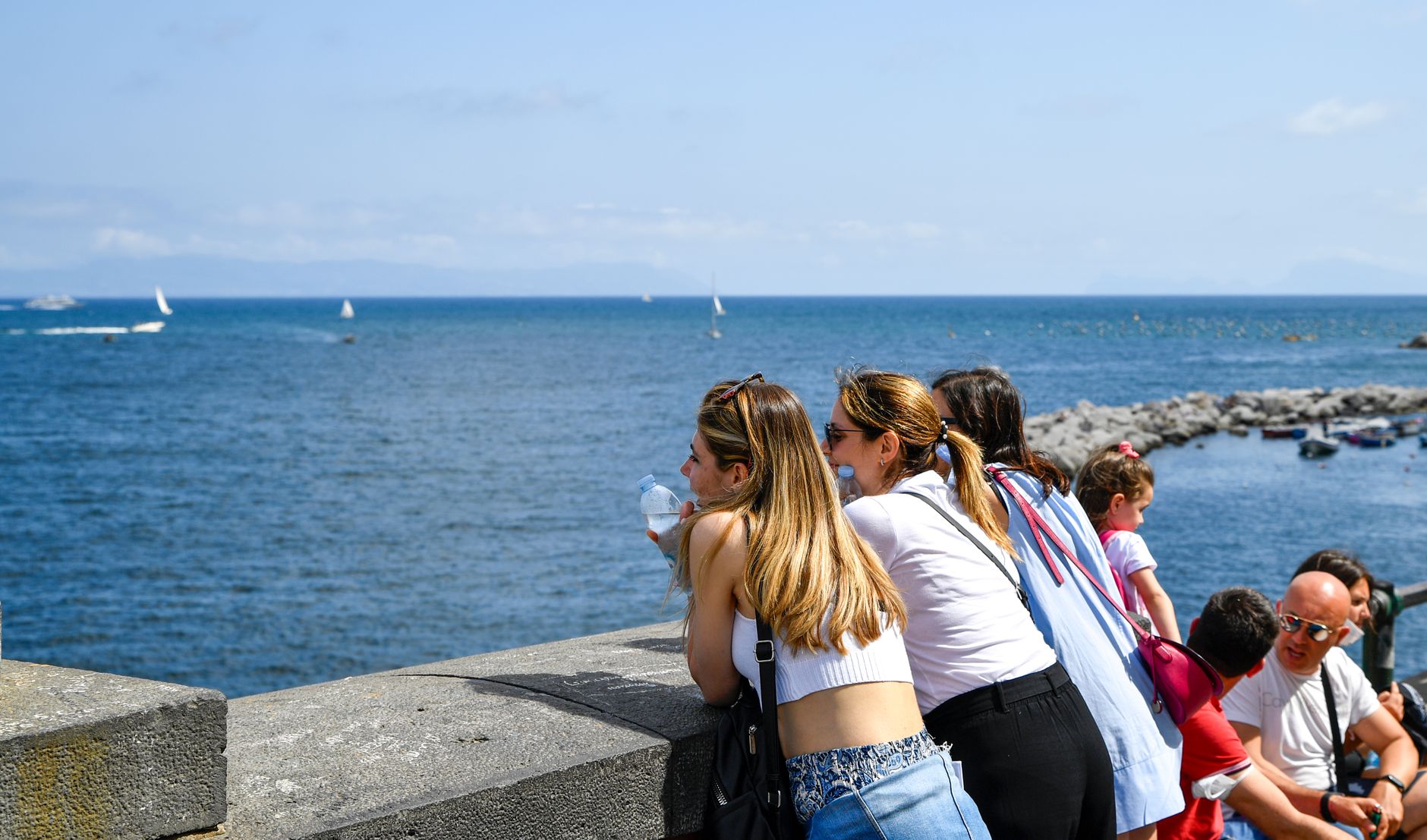
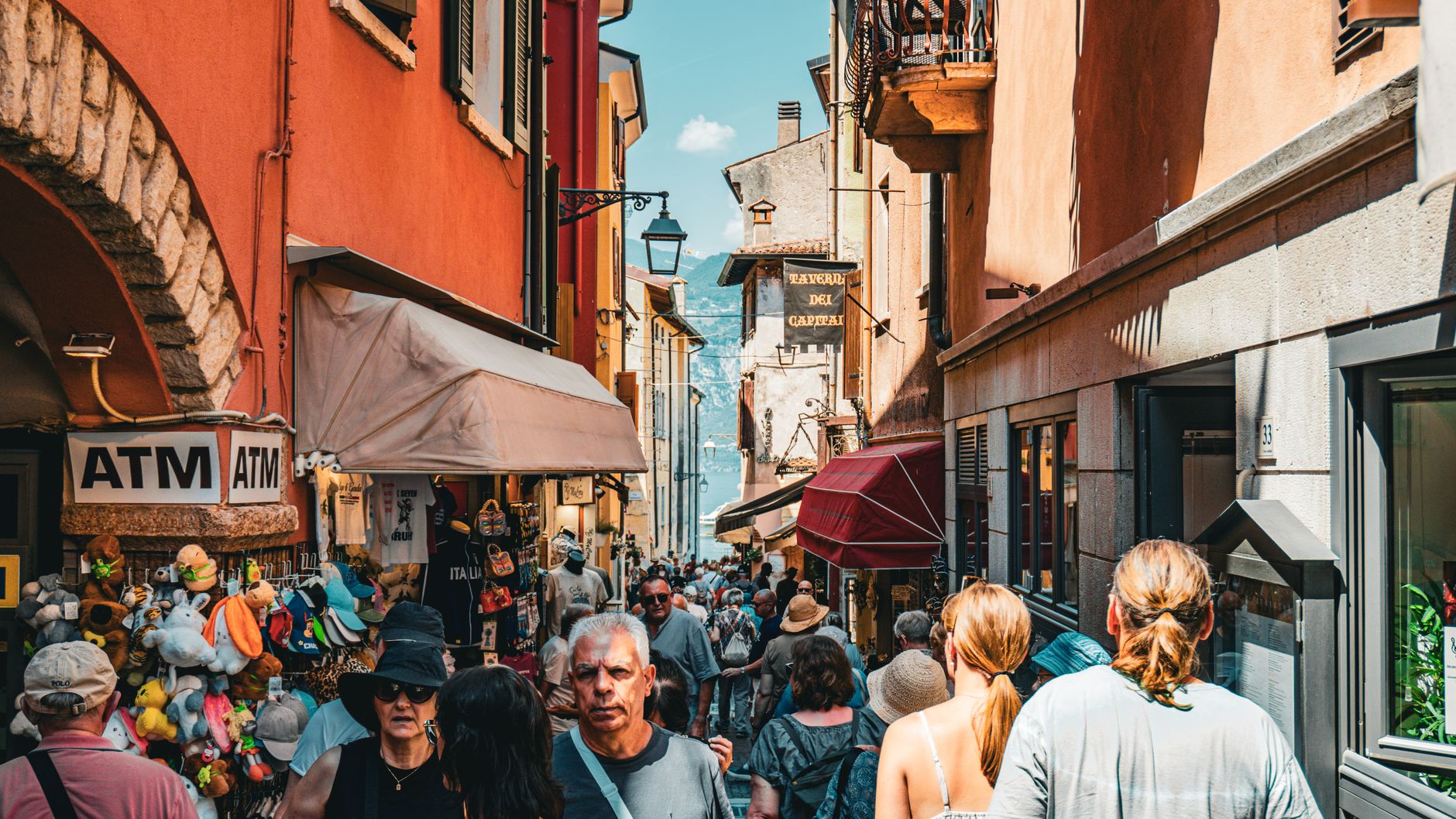
The street everyone calls the Budello — meaning gut, as in alimentary canal — tells you something about how Alassio talks about itself: plainly, with a certain pride in the unglamorous. That cobbled lane runs a kilometre through the town centre, too narrow for cars, and on a warm evening it fills with the kind of slow foot traffic that has nowhere particular to be.
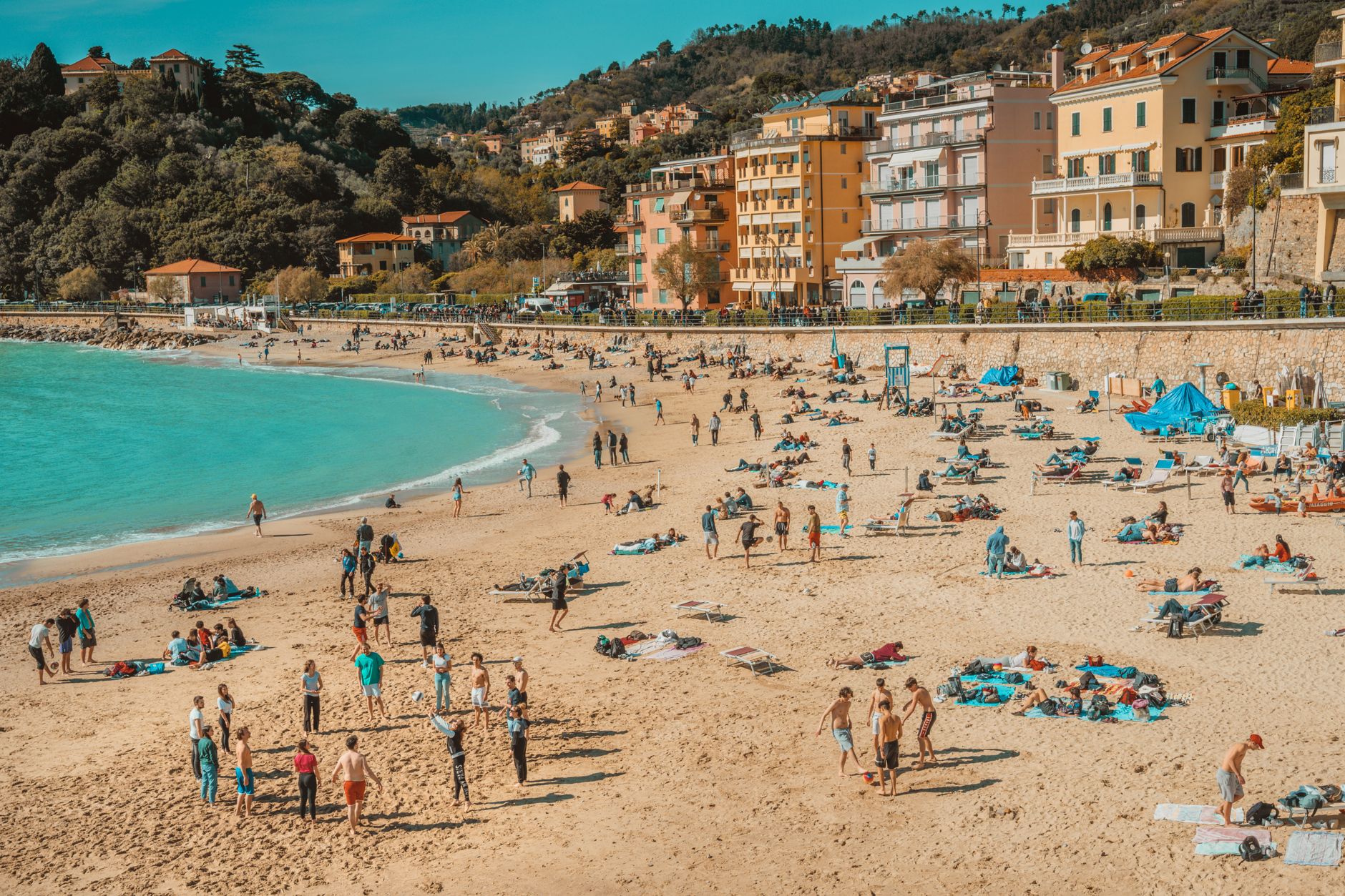
Alassio earned its reputation in layers. The British came after the railway opened in 1872 and built villas, an Anglican church, a tennis club. Then in the 1960s the Italian jet-set arrived. What remains is a town that has hosted a long parade of visitors and settled, quietly, back into itself.
💛 What travellers fall for
People who return tend to walk the Budello at the same hour each visit, stop at the Muretto to find a tile they recognise — Dali is there, so is Mina — and then head west toward the small pier at the porticciolo to watch the light go off the water. The Villa della Pergola gardens, especially in wisteria season, reward an early morning visit before the gates get busy.
Experiences you don't want to miss




Deals in Alassio
Book directly at the providerHow Alassio came to be
Alassio's name traces to Adelasia, daughter of the Holy Roman Emperor Otto I, who legend says eloped with a court squire named Aleramo and settled in this stretch of Ligurian hinterland around the year 1000 — the emperor eventually pardoned them. The town grew down toward the beach from that period, coming under Genoese control and ringed with defensive walls in 1521 against the pirate raids that shaped every coastal settlement along this shore.
The railway line of 1872 rewrote the town's character entirely. British visitors followed the tracks, surprised by the mild winters, and built a small colonial infrastructure of clubs, tearooms and hotels. Edward Elgar spent the winter of 1903–04 here and wrote his concert overture 'In the South (Alassio)'. The British colony dissolved in the early 1930s; the Italian economic boom of the 1960s brought a different crowd — Alassio ran alongside Portofino and Sanremo as a destination for the fashionable — and painter Mario Berrino began the Muretto's tile wall of celebrity signatures in 1953.
Who and what shaped it
People who shaped it
Landmark buildings
See Alassio in motion
Plan your visit
On the map
When to go
Winters are mild by northern-Italian standards — Elgar came in December and found it tolerable enough to compose. Summers are warm and dry along the seafront; spring and September offer the same light with fewer people on the Budello.
Right now
Background & history adapted from Wikipedia (CC BY-SA) · specs from Wikidata (CC0) · weather from Open-Meteo · map data © OpenStreetMap contributors · photos from Wikimedia Commons / Unsplash with per-image credit. No third-party reviews or social posts reproduced.