
Mellah
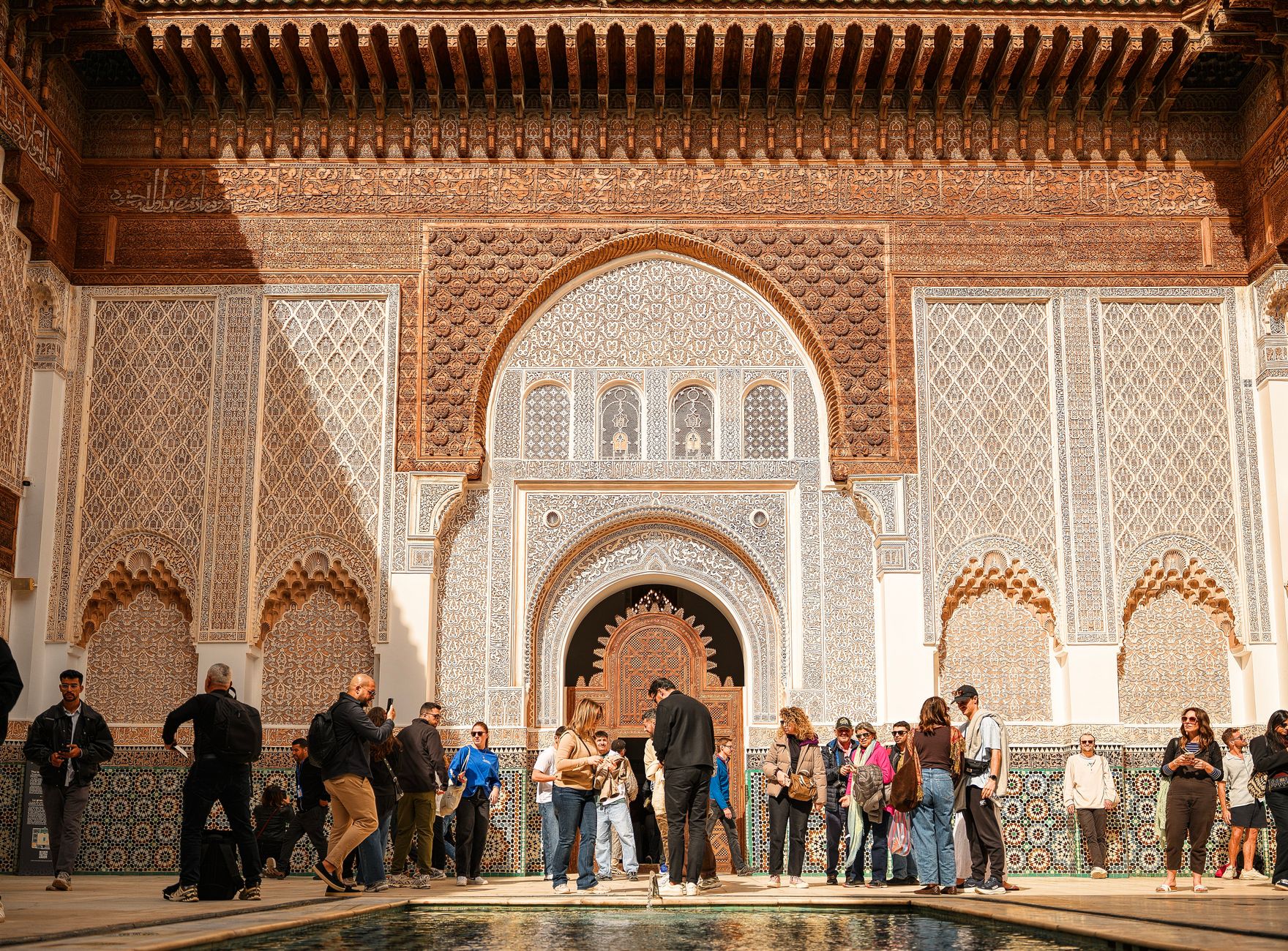
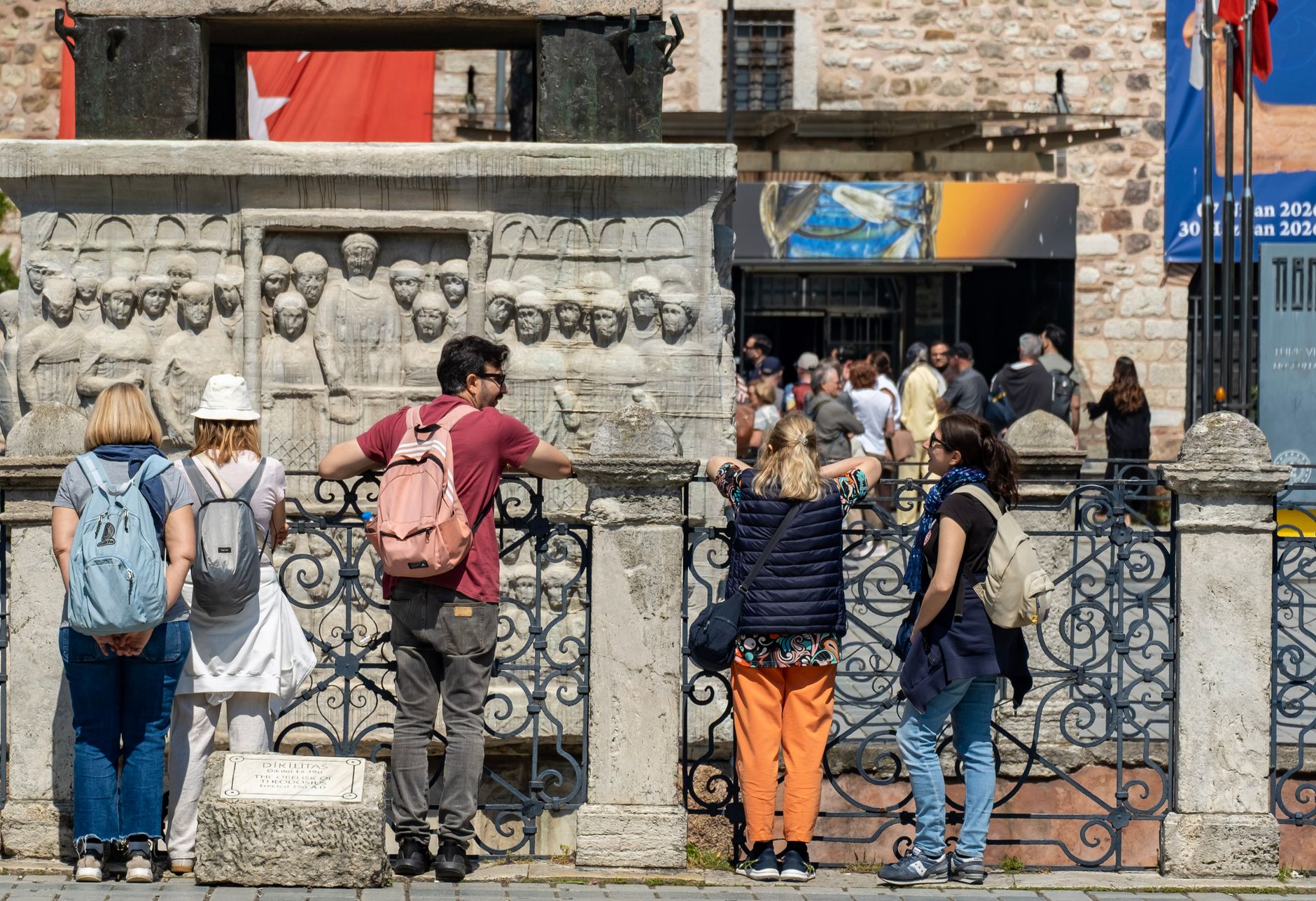
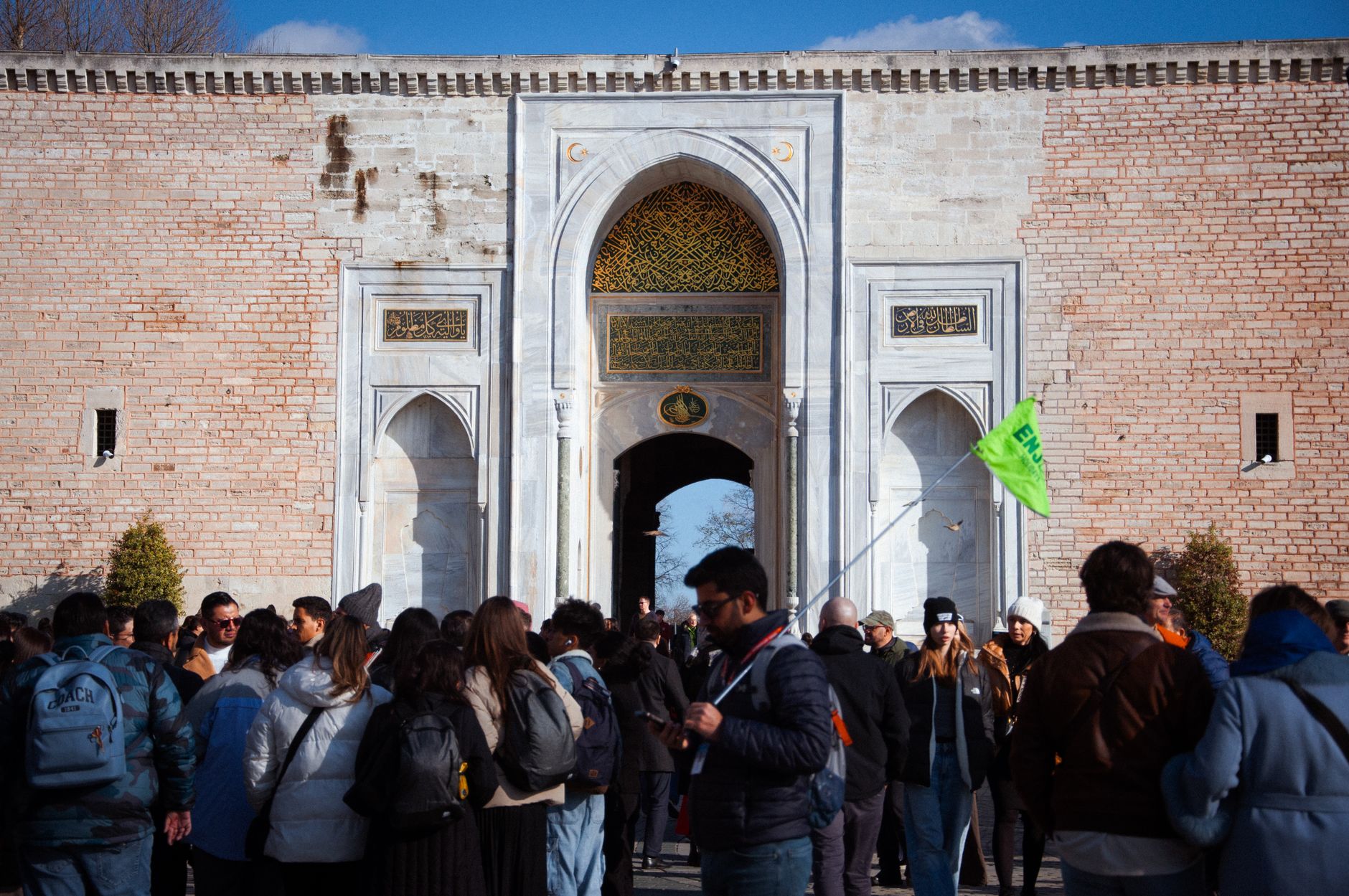
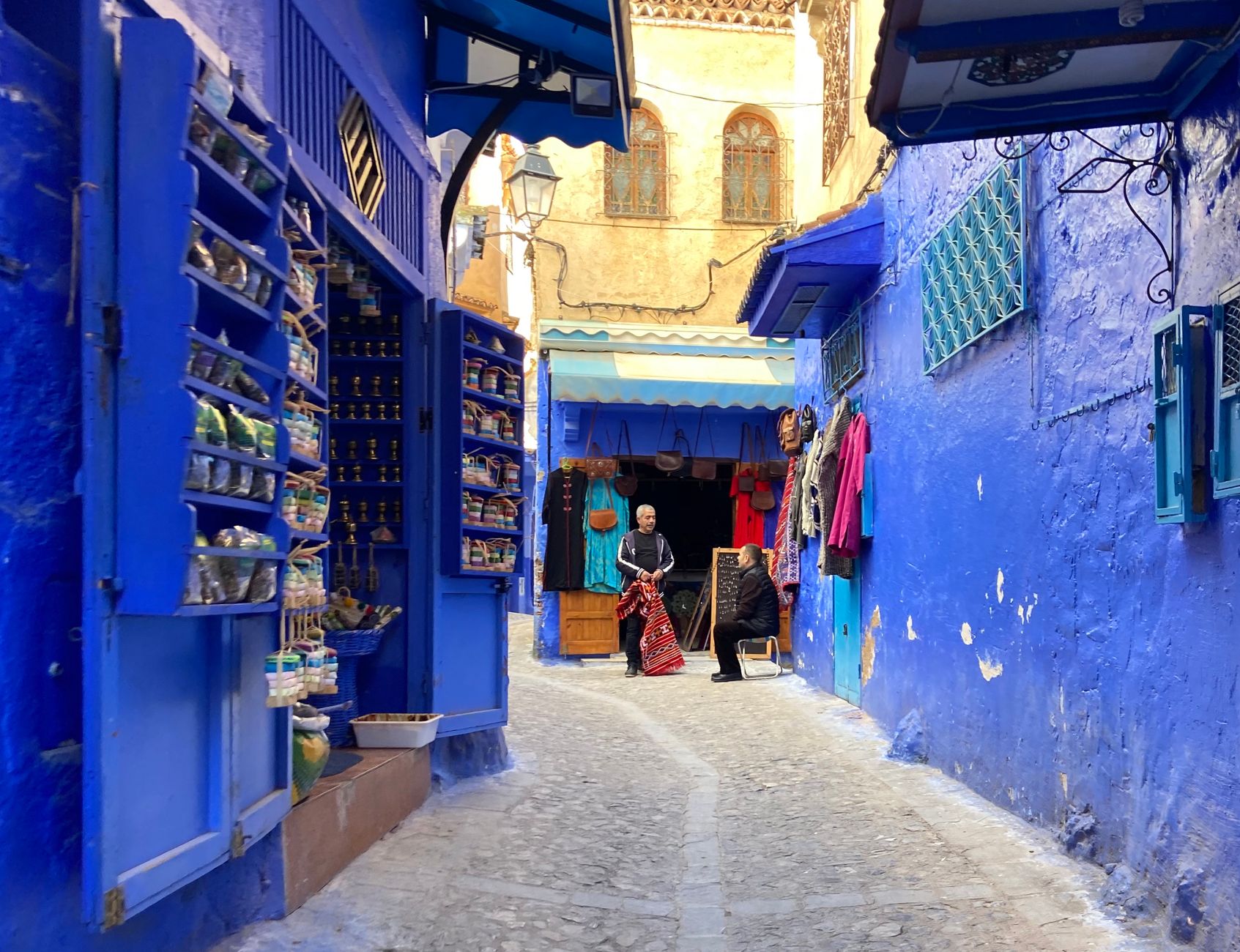
The Mellah announces itself through architecture before anything else: mudbrick buildings that climb unusually high for a medina quarter, their upper floors jutting out over lanes narrow enough to touch both walls at once. This was Marrakech's Jewish quarter, established by Saadian decree in 1558, and at its peak in the late 1940s it held some 40,000 people within eighteen hectares of walled city. The gates were locked at night.
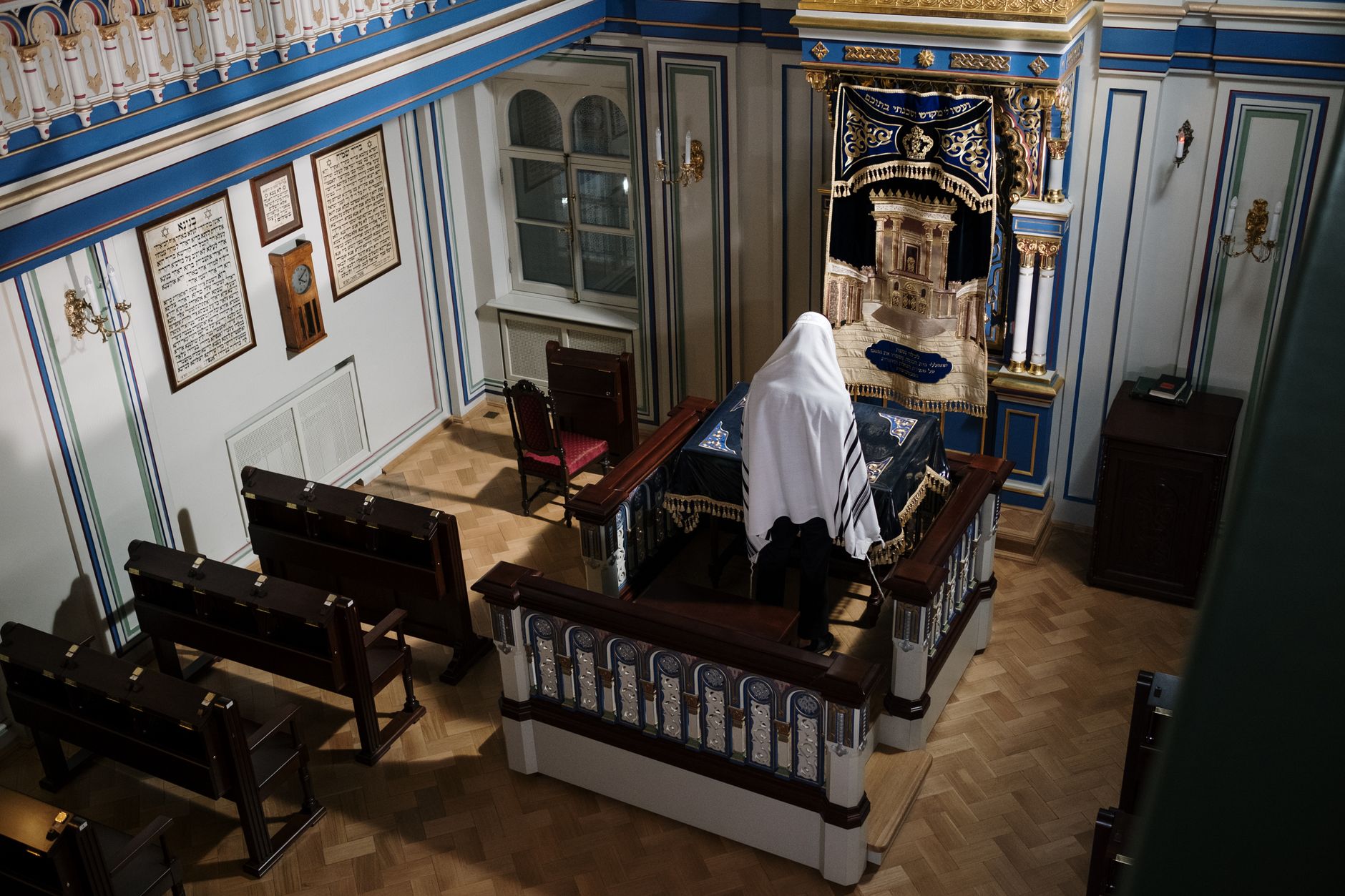
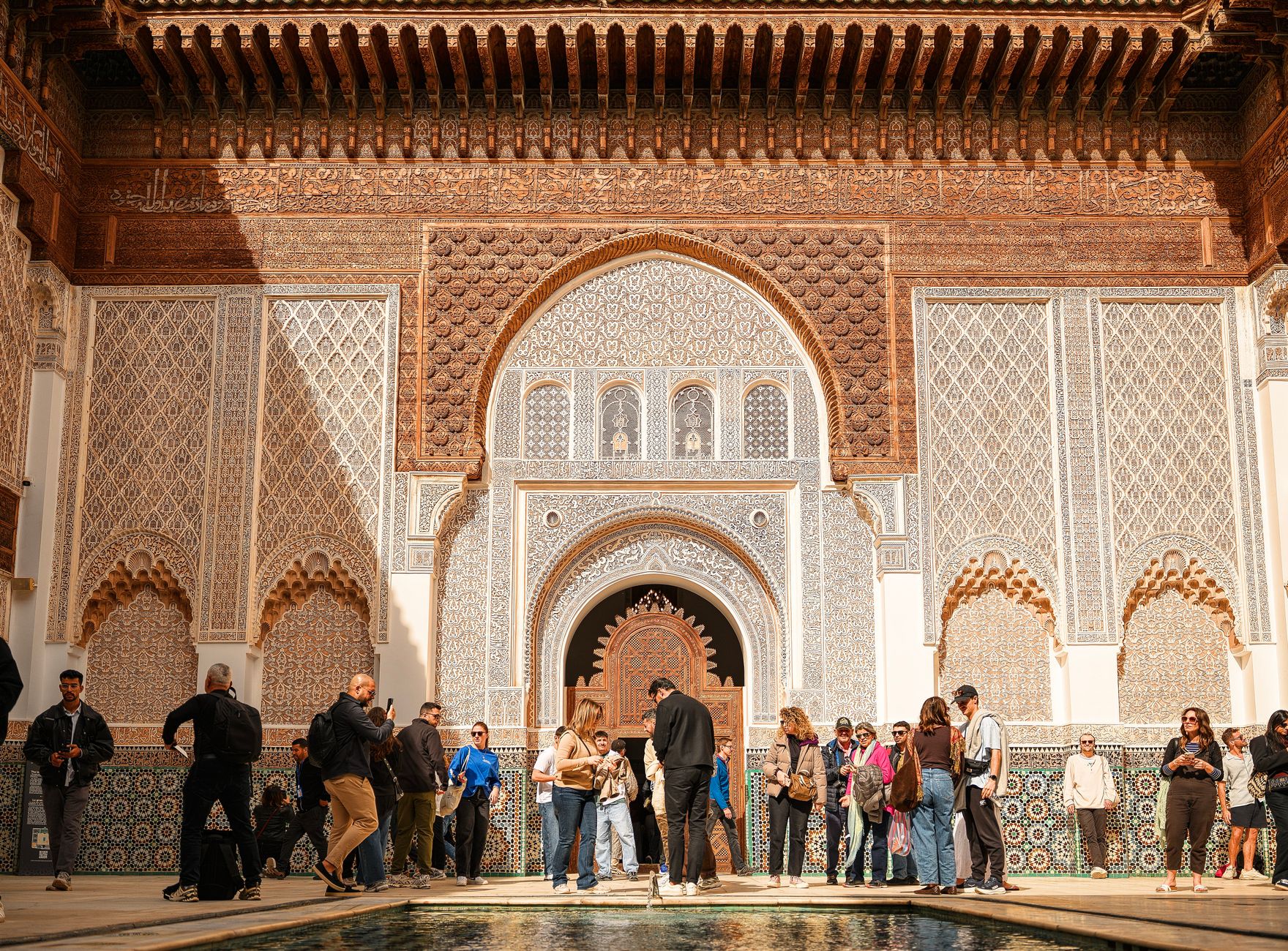
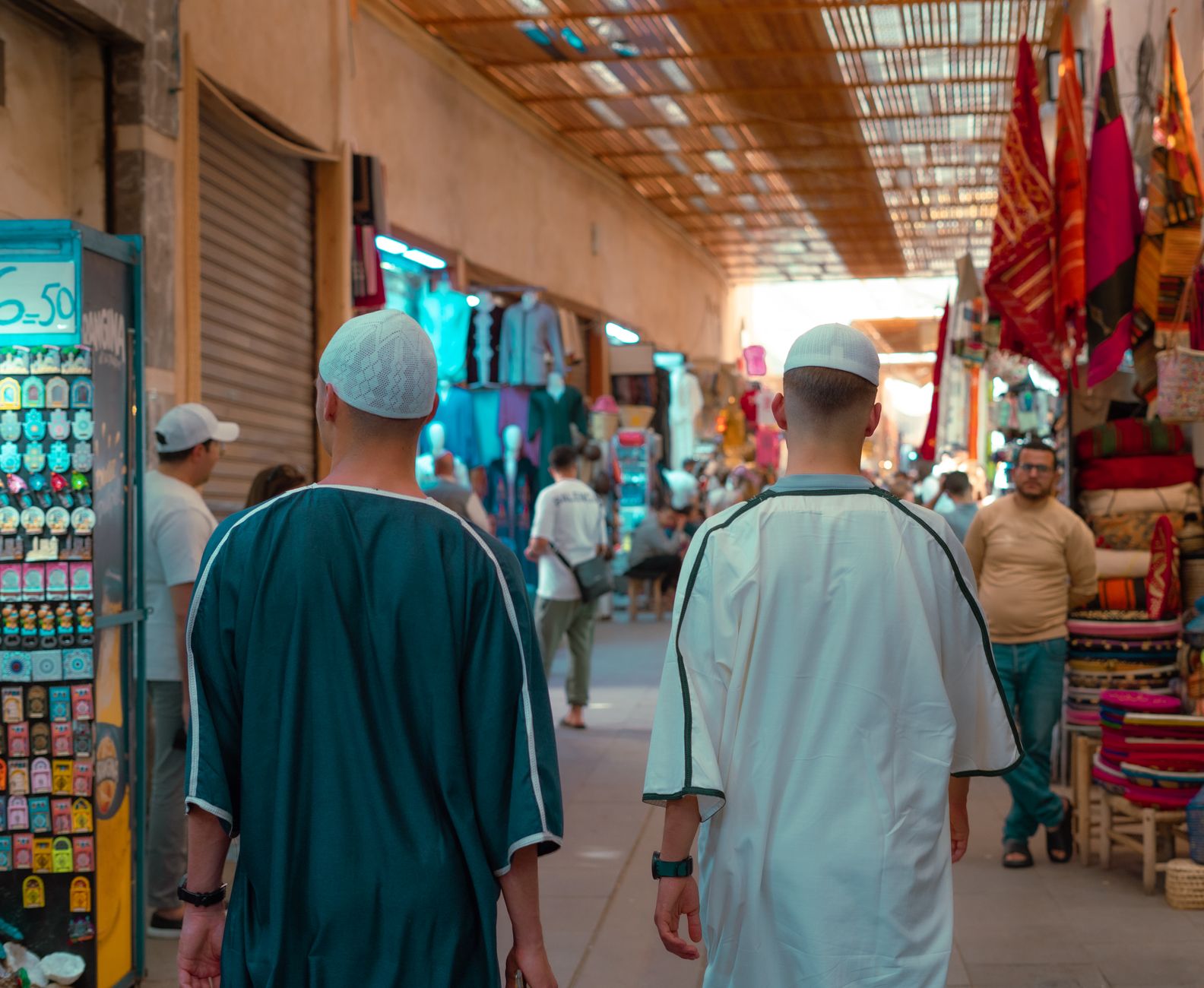
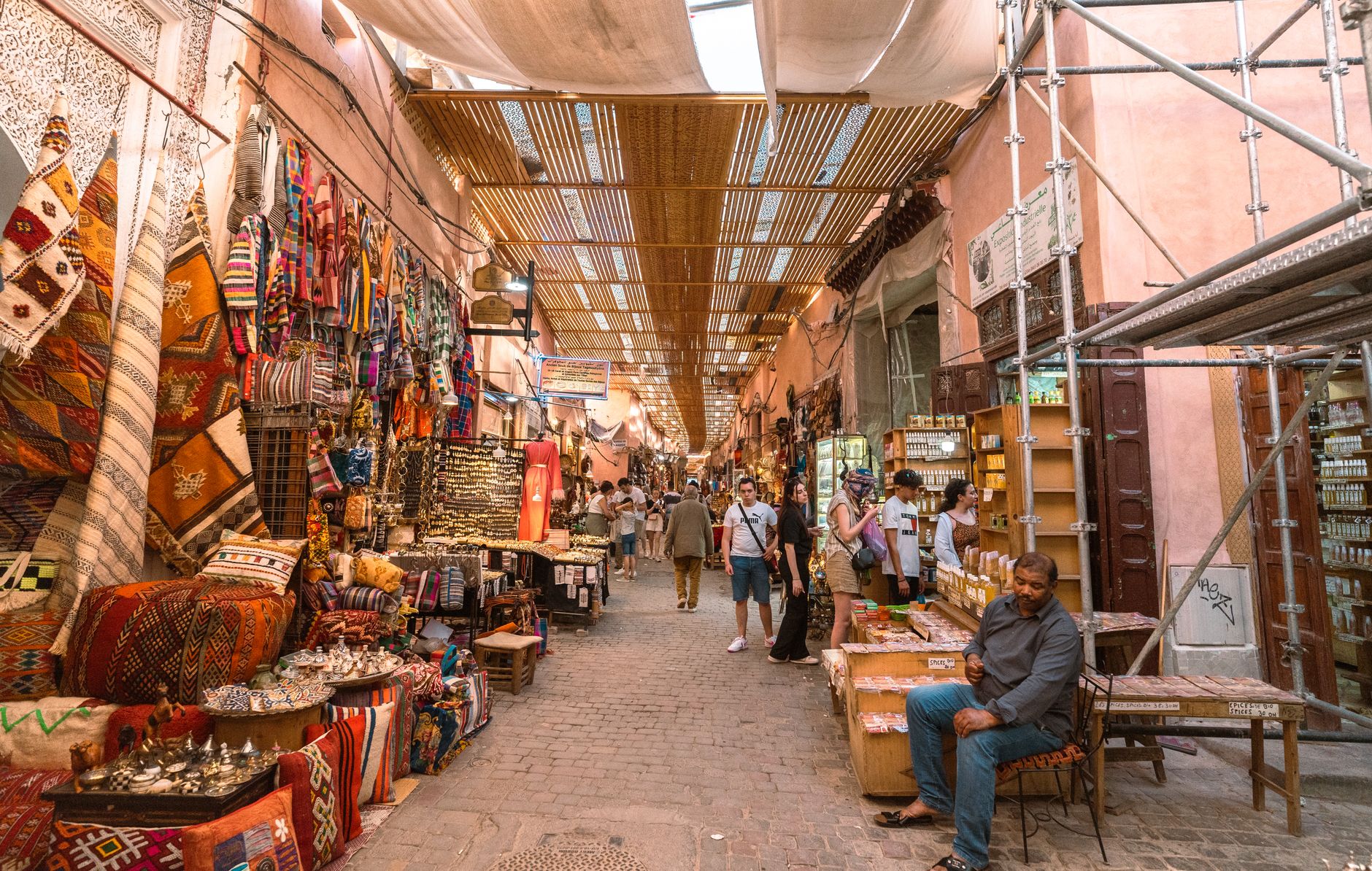
Today the population is a fraction of that — around 200 Jewish residents remain — and the quarter carries its history lightly, in the carved stucco of the Lazama Synagogue, in the white-washed rows of the Miara Cemetery, in a jewelry souk where an auction still runs at 4:30 in the afternoon.
💛 What travellers fall for
People who come back tend to time the jewelry auction at 4:30 p.m. — worth arriving ten minutes early to get your bearings. The Tinsmiths' Square at Place des Ferblantiers is a good anchor point: the craftsmen are there most mornings, and it's one of only two gates into the quarter, so you can't really lose the thread from there.
Deals in Mellah
Book directly at the provider


How Mellah came to be
Sultan Abdallah al-Ghalib of the Saadian dynasty created the Mellah in 1558 — the second oldest of its kind in Morocco. Jewish communities had been present in Marrakech since at least 1232, but the quarter's character was shaped decisively in 1492, when the expulsion of Jews from the Iberian Peninsula brought Sephardic families across the Strait in large numbers. Rabbi Yitzak Daloya, himself expelled from Spain that year, commissioned what became the Lazama Synagogue.
At its height the quarter held up to 35 synagogues. Emigration accelerated after 1948 and again through the 1960s and 70s — most families left for Israel, others for France or Montreal. The district was renamed Hay Salam for a time, before reclaiming the name El Mellah in 2017. Three synagogues survive.
Who and what shaped it
People who shaped it
Landmark buildings
See Mellah in motion
Plan your visit
On the map
When to go
Spring — March through May — is the most comfortable window, though temperatures can push toward 35–40°C by May. Summer is reliably rainless but punishing in the afternoon heat; if you visit then, the morning hours in the narrow lanes offer genuine shade. Winters are mild by day and can drop to near freezing at night.
Right now
↡ Shopping areas


Background & history adapted from Wikipedia (CC BY-SA) · specs from Wikidata (CC0) · weather from Open-Meteo · map data © OpenStreetMap contributors · photos from Wikimedia Commons / Unsplash with per-image credit. No third-party reviews or social posts reproduced.