
Mellah Textile Souk
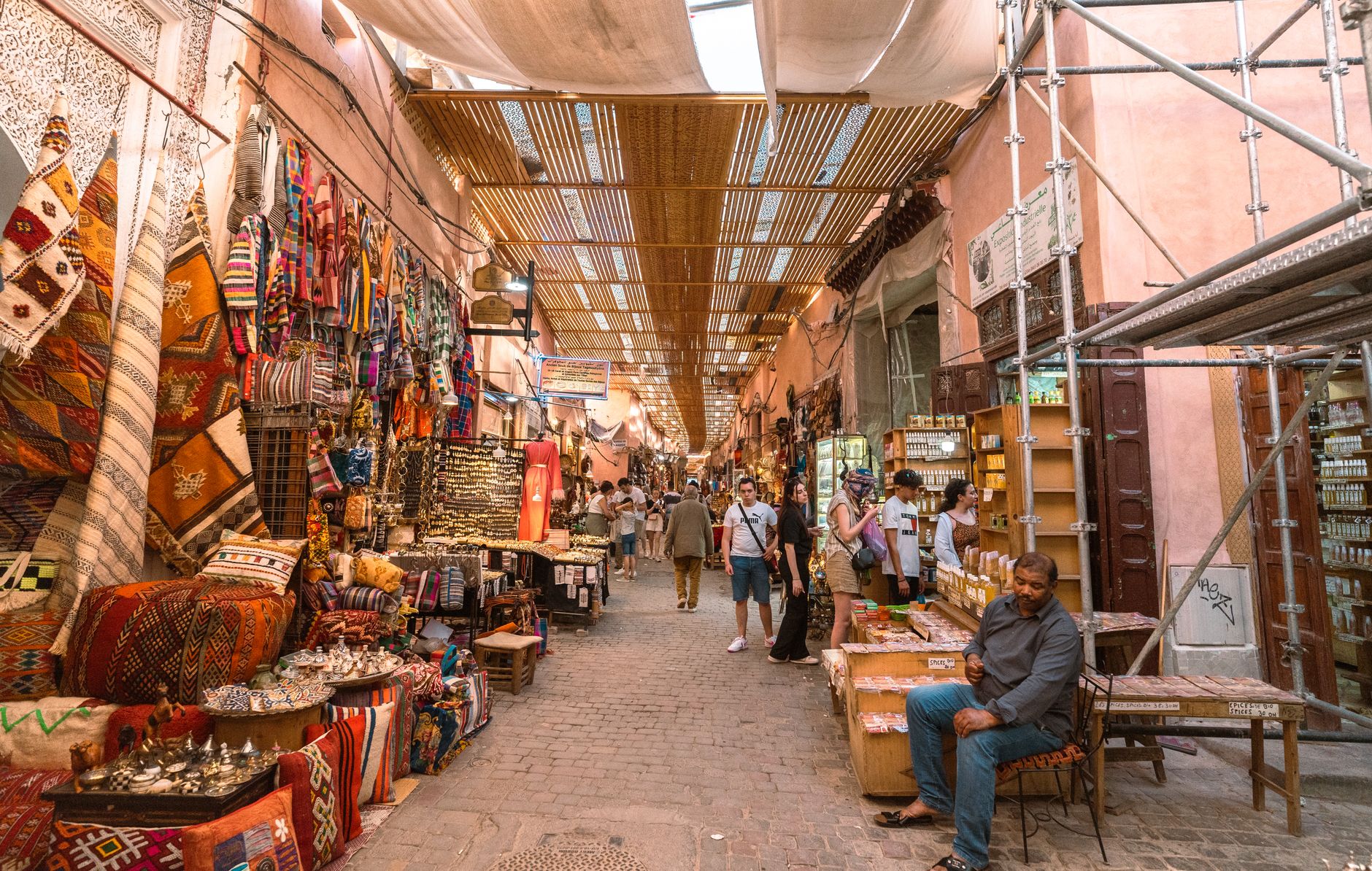
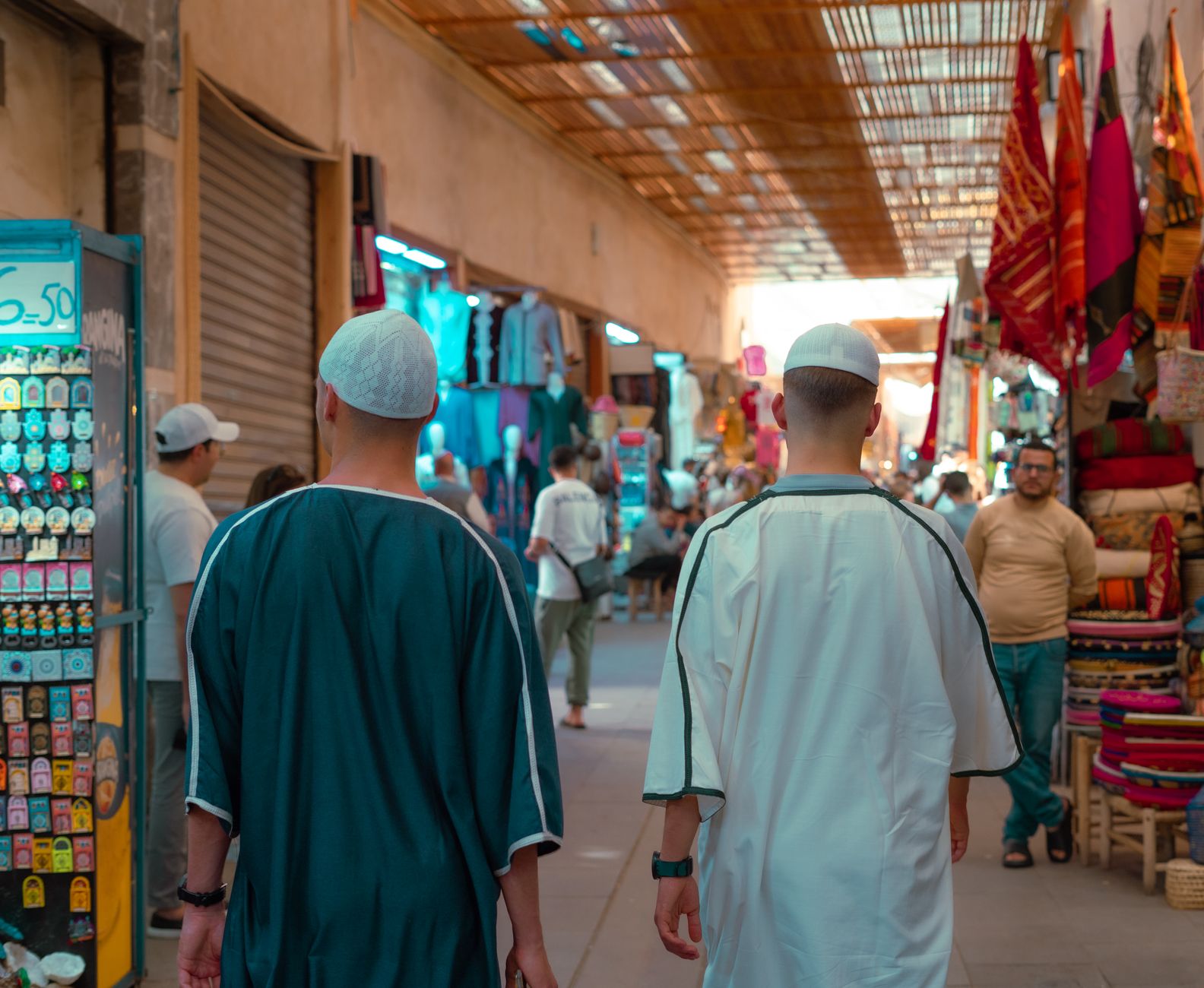
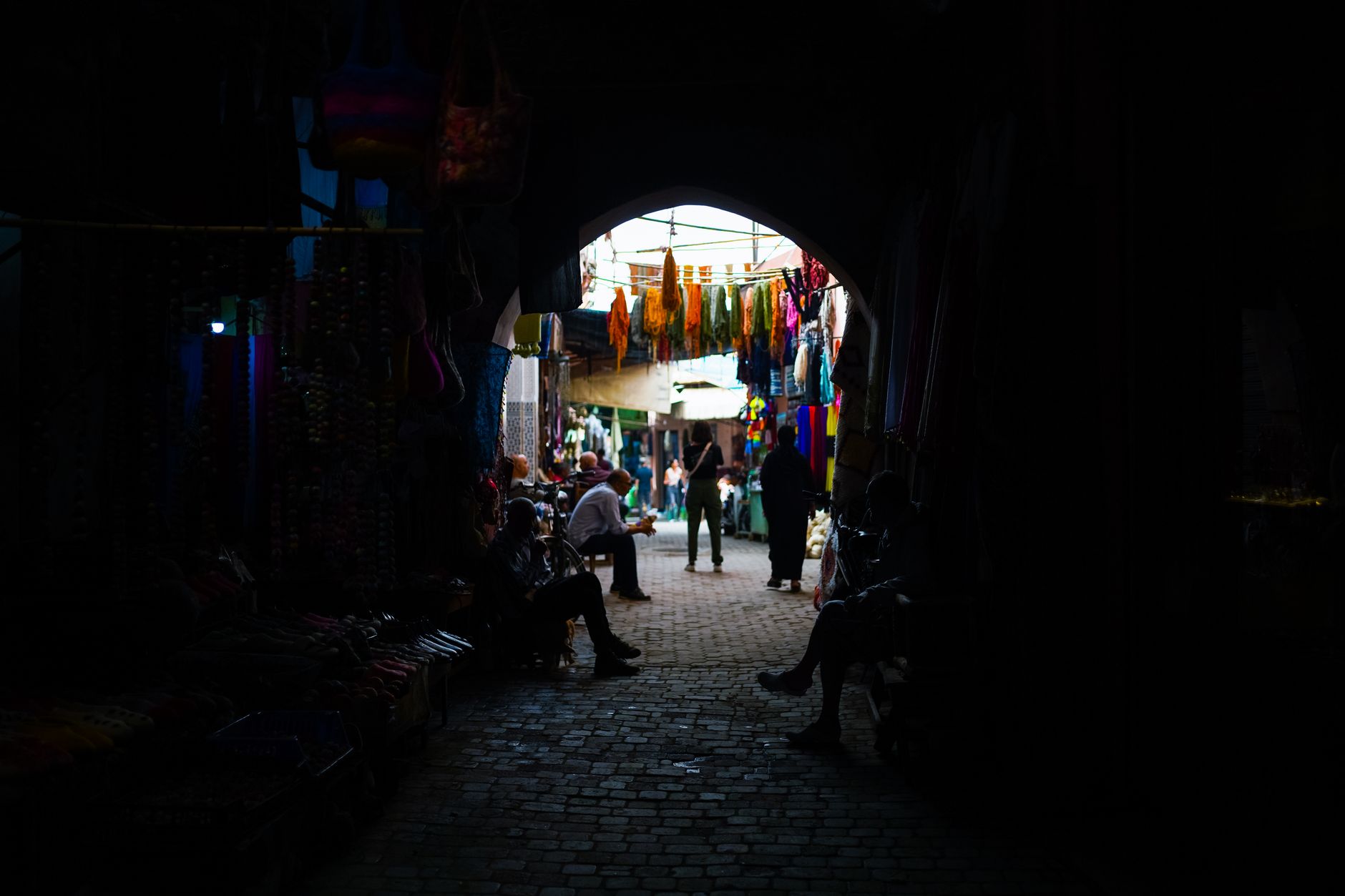
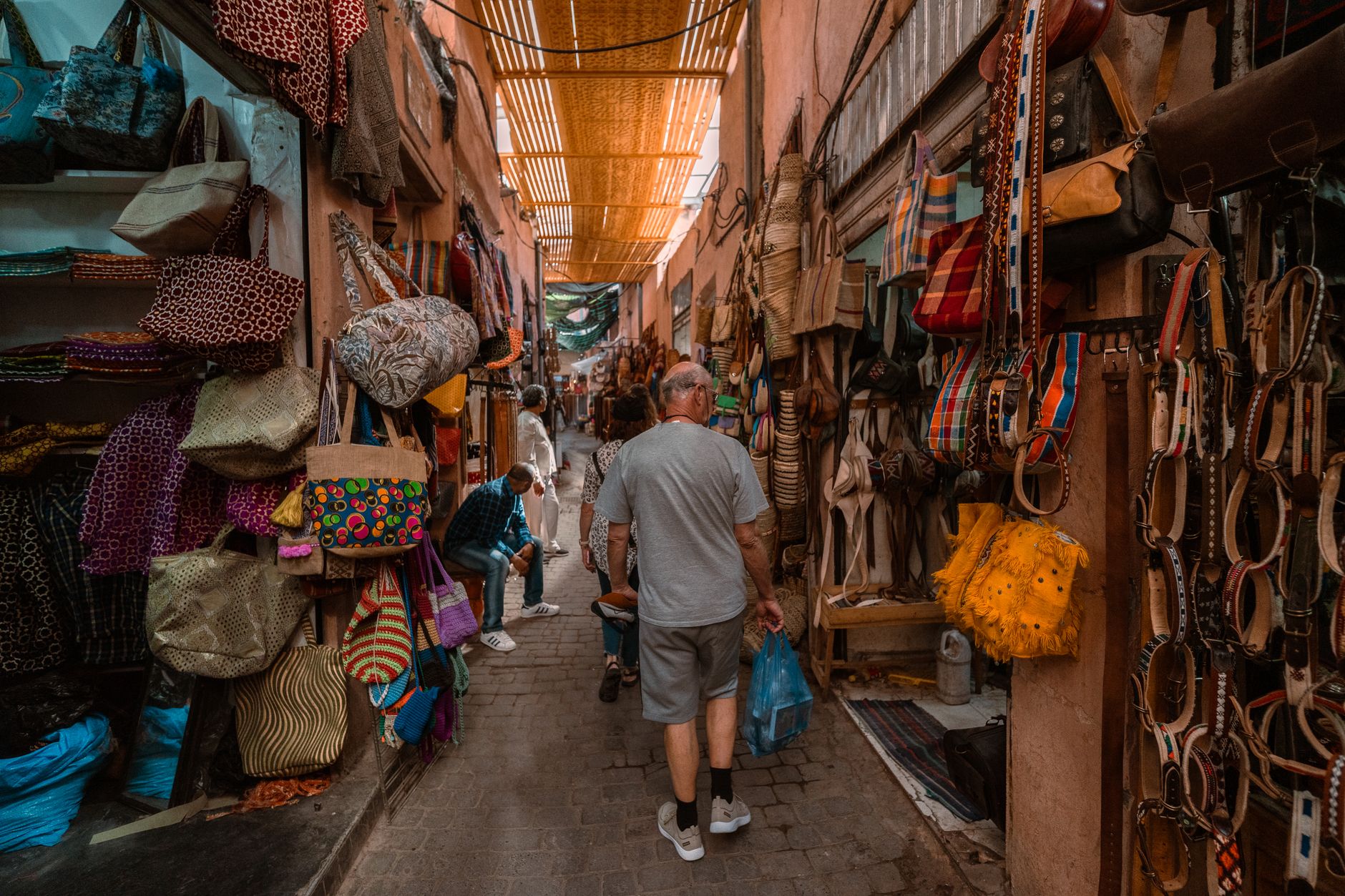
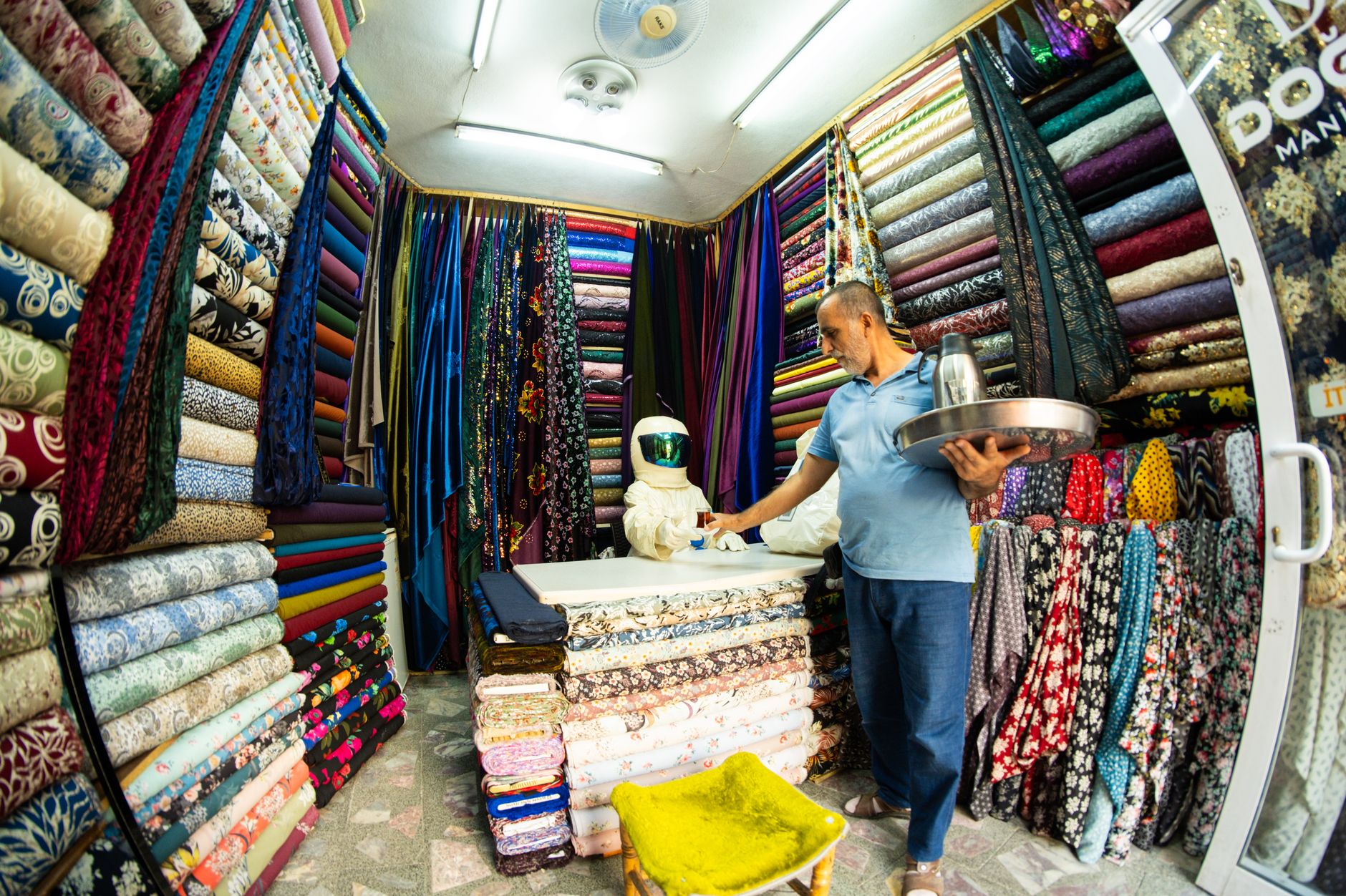
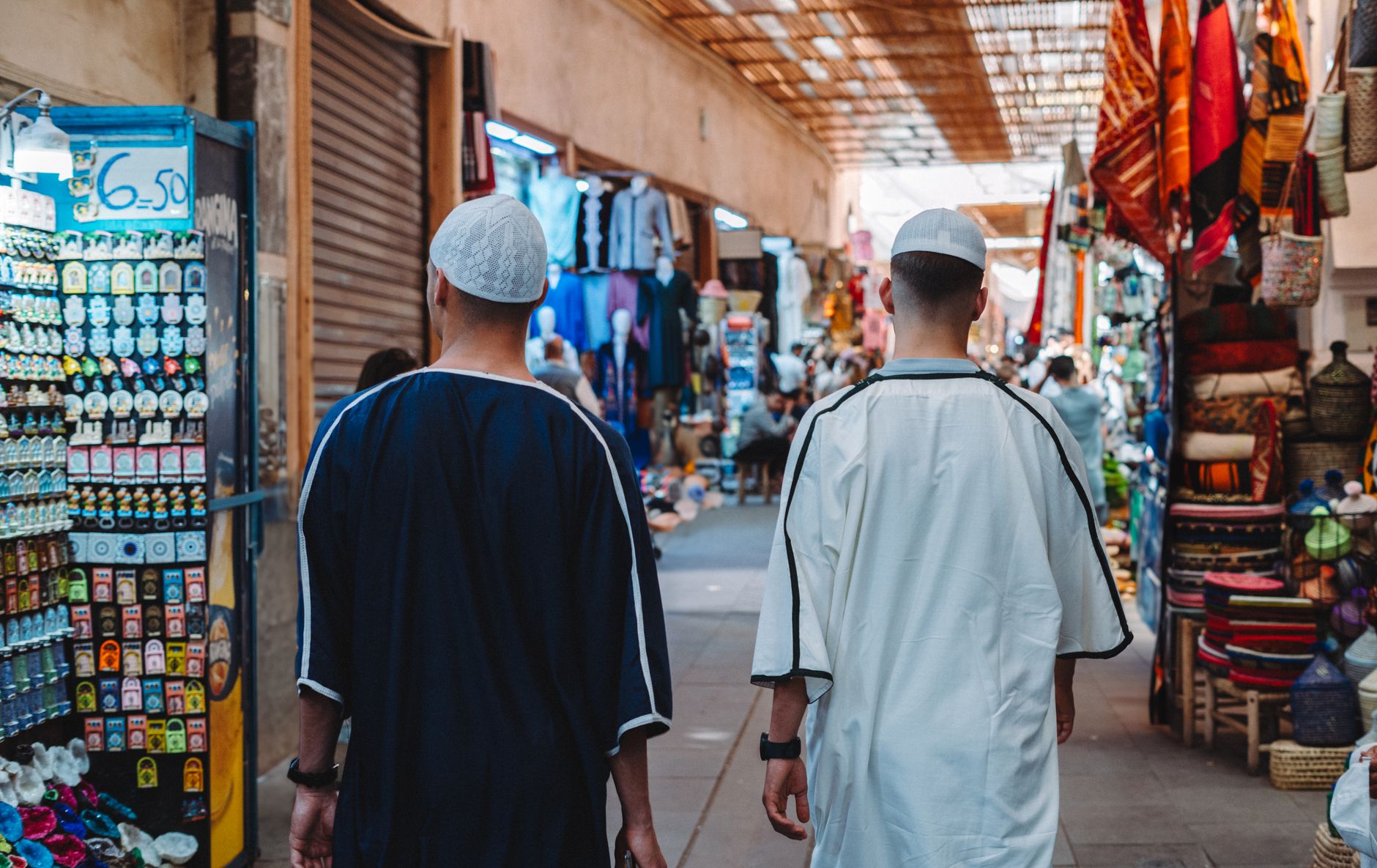
The fabric souk inside the Mellah runs along narrow lanes where bolts of cotton, silk and wool lean against whitewashed walls in colours that shift from saffron to indigo depending on the hour. Sellers work quietly — no hard pitch, no blocking your path — and the auction at the jewelry souk nearby starts at 16:30 if you want to watch how price is actually made in a place like this.
This is the old Jewish quarter, founded in 1558, and the textile trade here has always been tangled up with the quarter's layered history. The goods are real and the prices, if you take your time, are honest.
💛 What travellers fall for
People who come back tend to arrive before noon, when the light through the lane gaps is still cool and the stallholders are unhurried. The jewelry auction at 16:30 is worth timing your afternoon around — even if you're not buying, it's a compact window into how the souk actually functions. Bring small bills in dirhams.
How Mellah Textile Souk came to be
The Mellah was created by decree of Sultan Moulay Abdallah of the Saadian dynasty in 1558 — a walled quadrilateral of more than 18 hectares, its two gates locked each night. The quarter became one of the city's main commercial zones in the 16th and 17th centuries, its trade shaped in part by Sephardic Jewish merchants whose families had arrived from the Iberian Peninsula after the 1492 expulsion.
At peak, around 40,000 people lived within these walls and as many as 35 synagogues served the community. Emigration after 1948 and through the 1970s drew the population down sharply. In 2017, King Mohammed VI launched a restoration project valued at roughly $20 million, and the quarter formally reclaimed the name El Mellah after two decades under a different designation.
Who and what shaped it
People who shaped it
Landmark buildings
Plan your visit
On the map
When to go
March through May and October through November are the most comfortable windows — daytime temperatures sit in the low-to-mid twenties Celsius and the lanes don't trap heat the way they do in July and August, when the mercury regularly clears 38°C. Winter days are mild but nights can drop close to freezing, so an evening visit in January calls for a layer.
Right now
Background & history adapted from Wikipedia (CC BY-SA) · specs from Wikidata (CC0) · weather from Open-Meteo · map data © OpenStreetMap contributors · photos from Wikimedia Commons / Unsplash with per-image credit. No third-party reviews or social posts reproduced.