
Marrakech
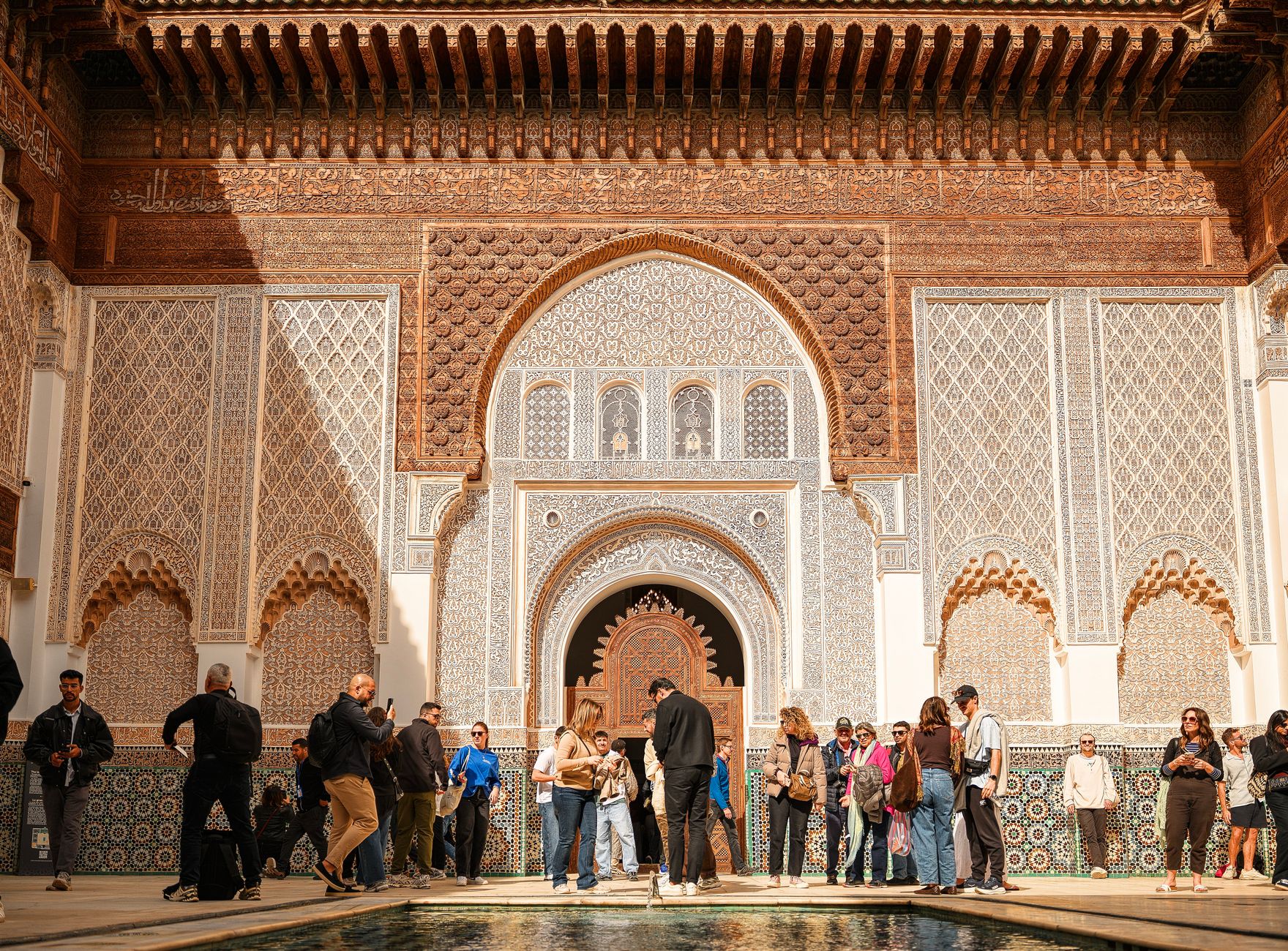
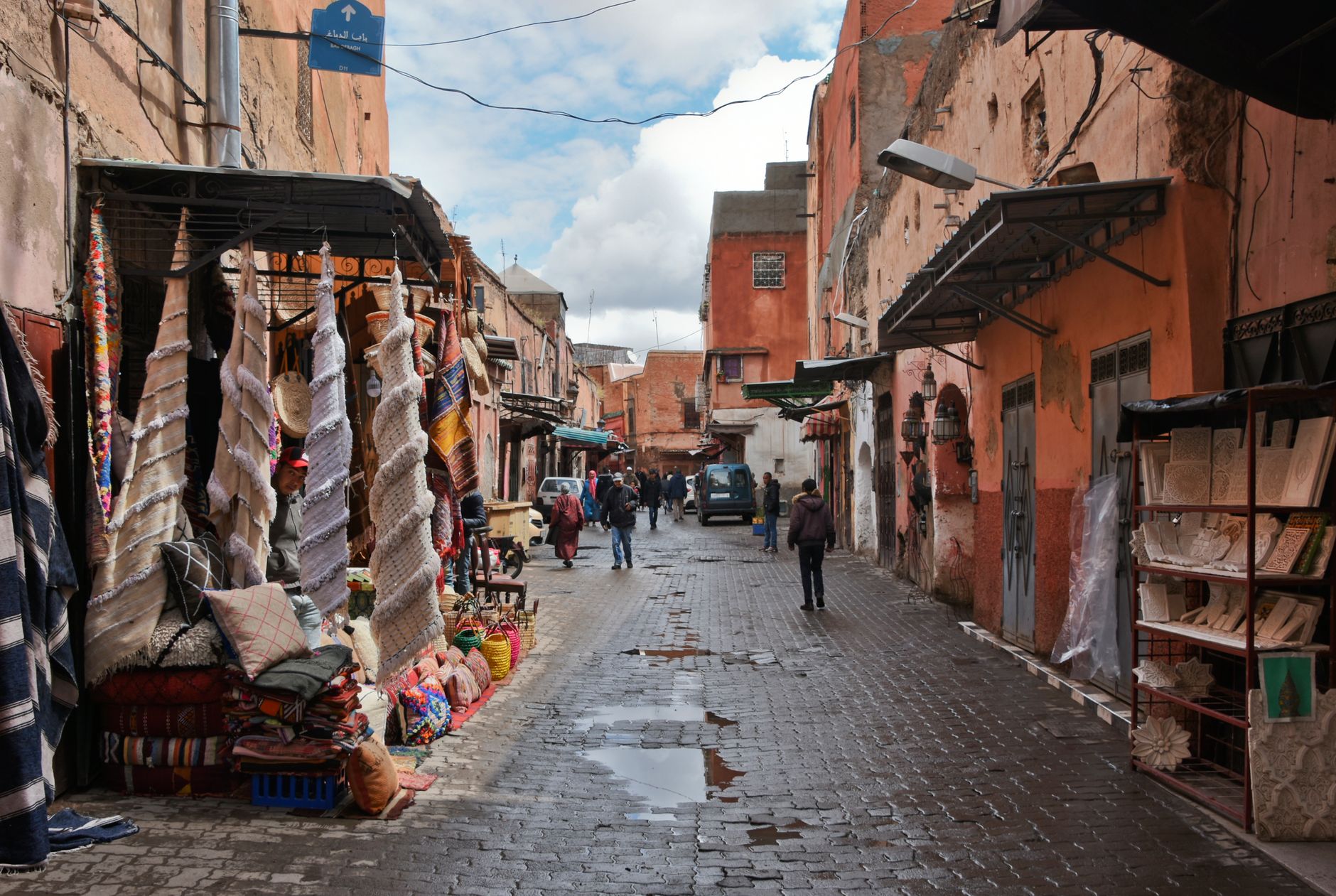
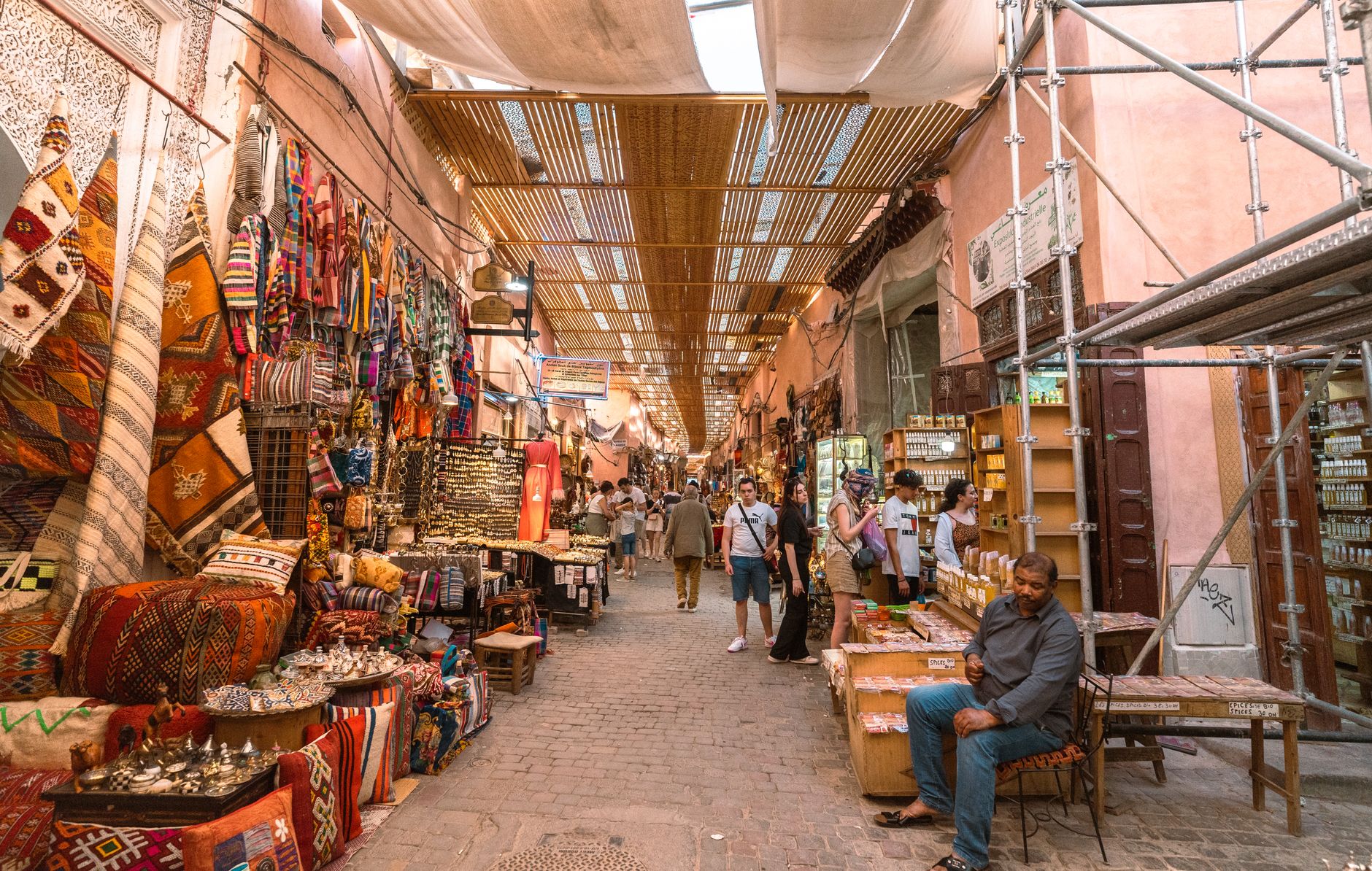
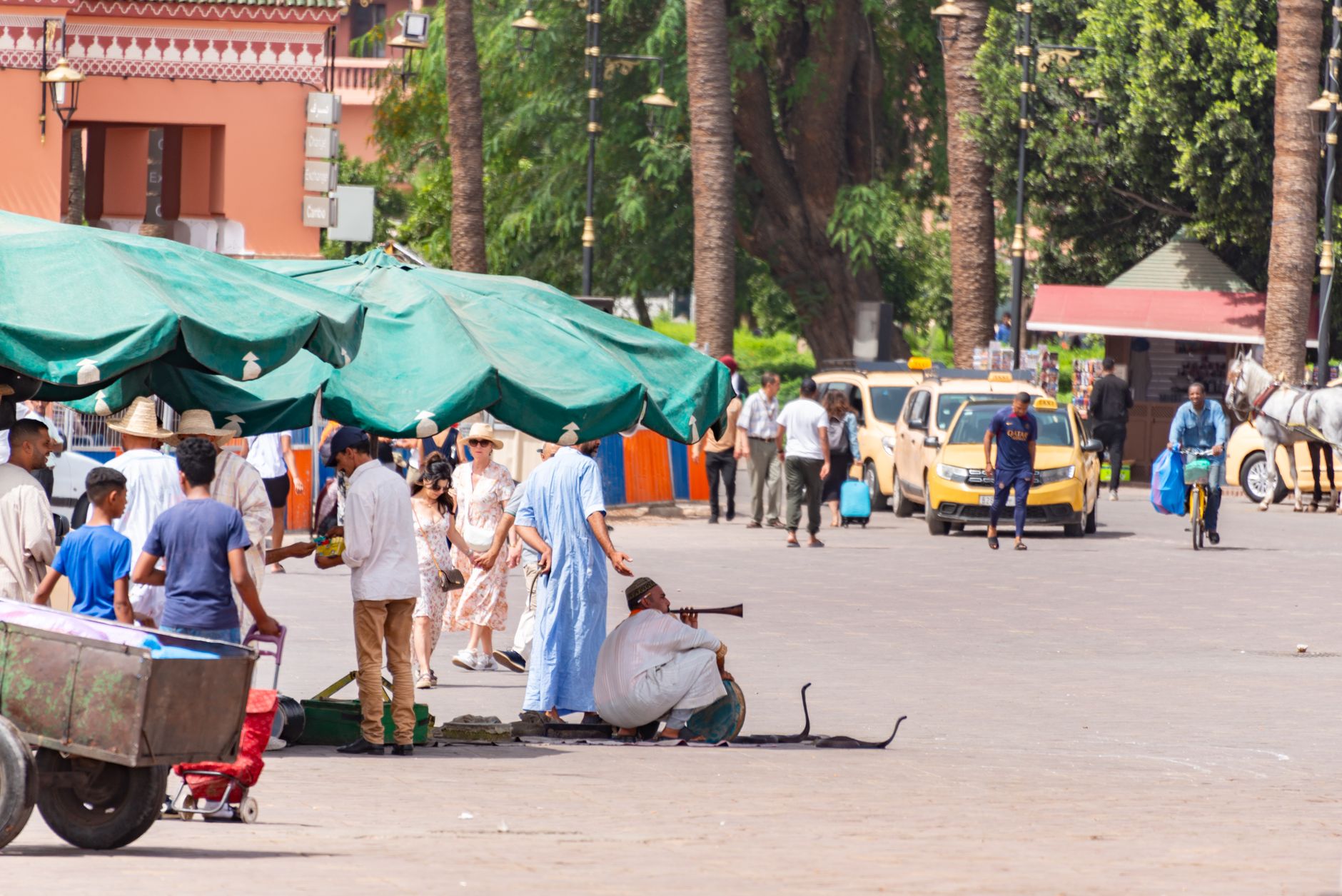
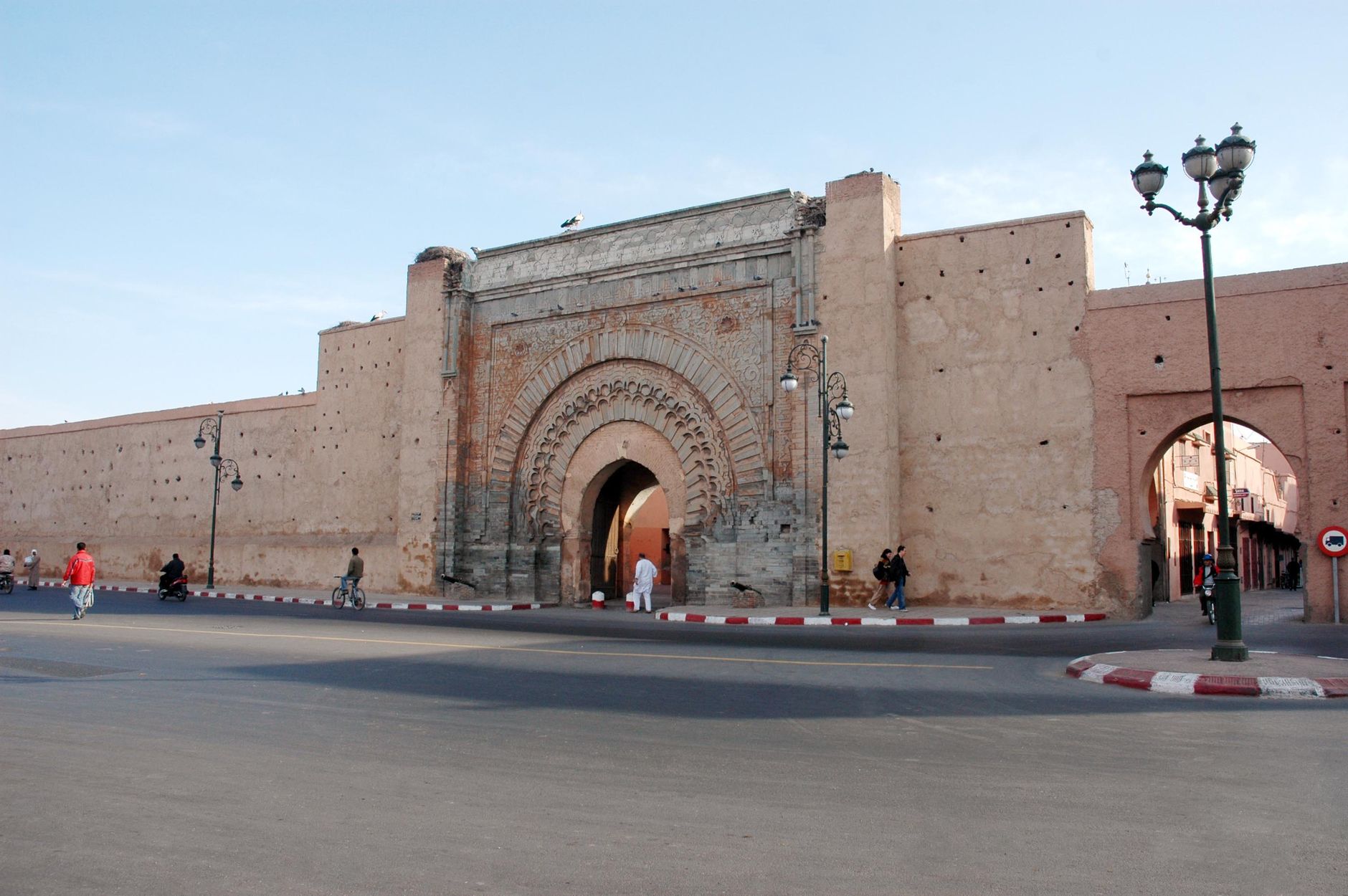
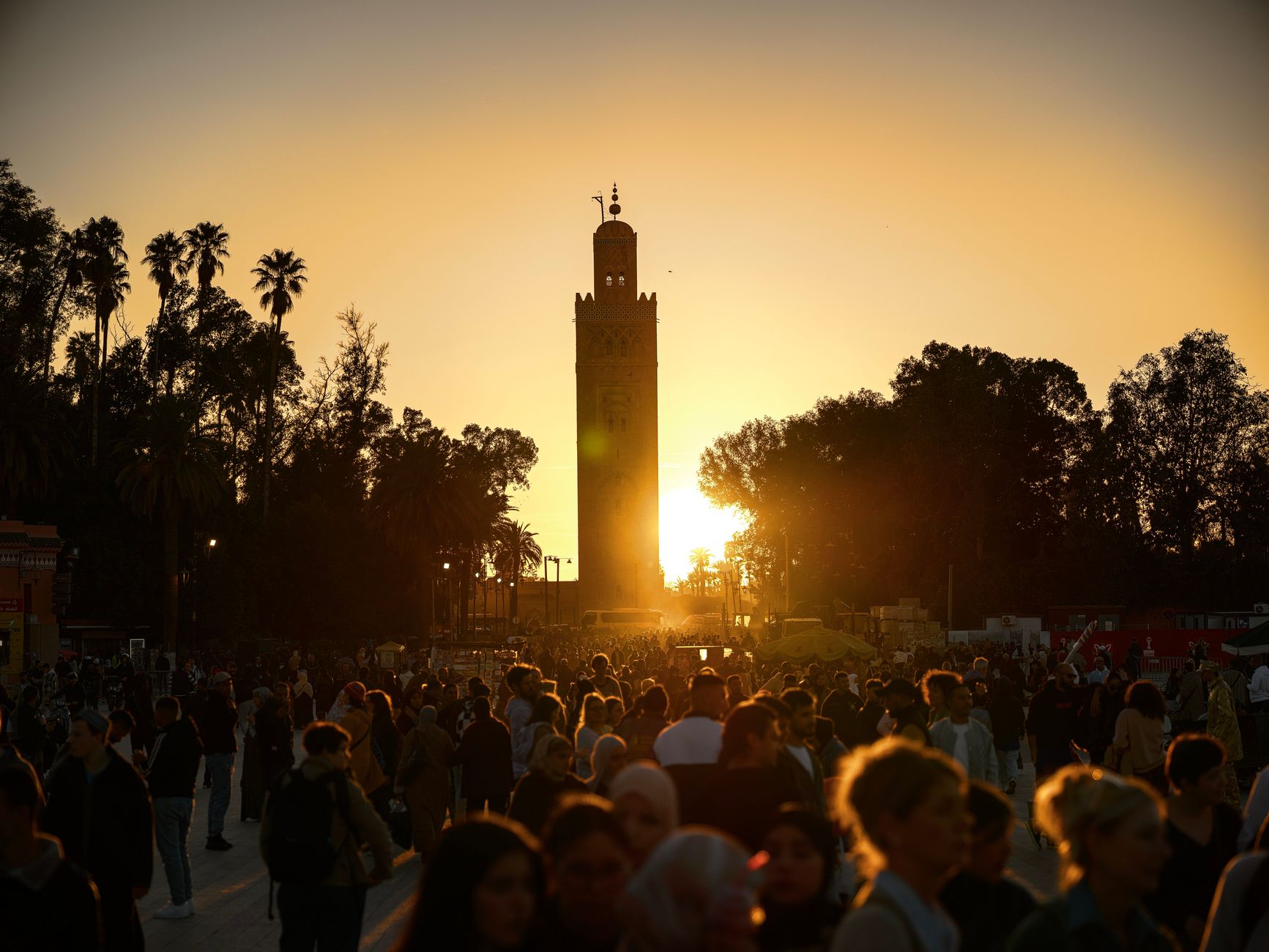
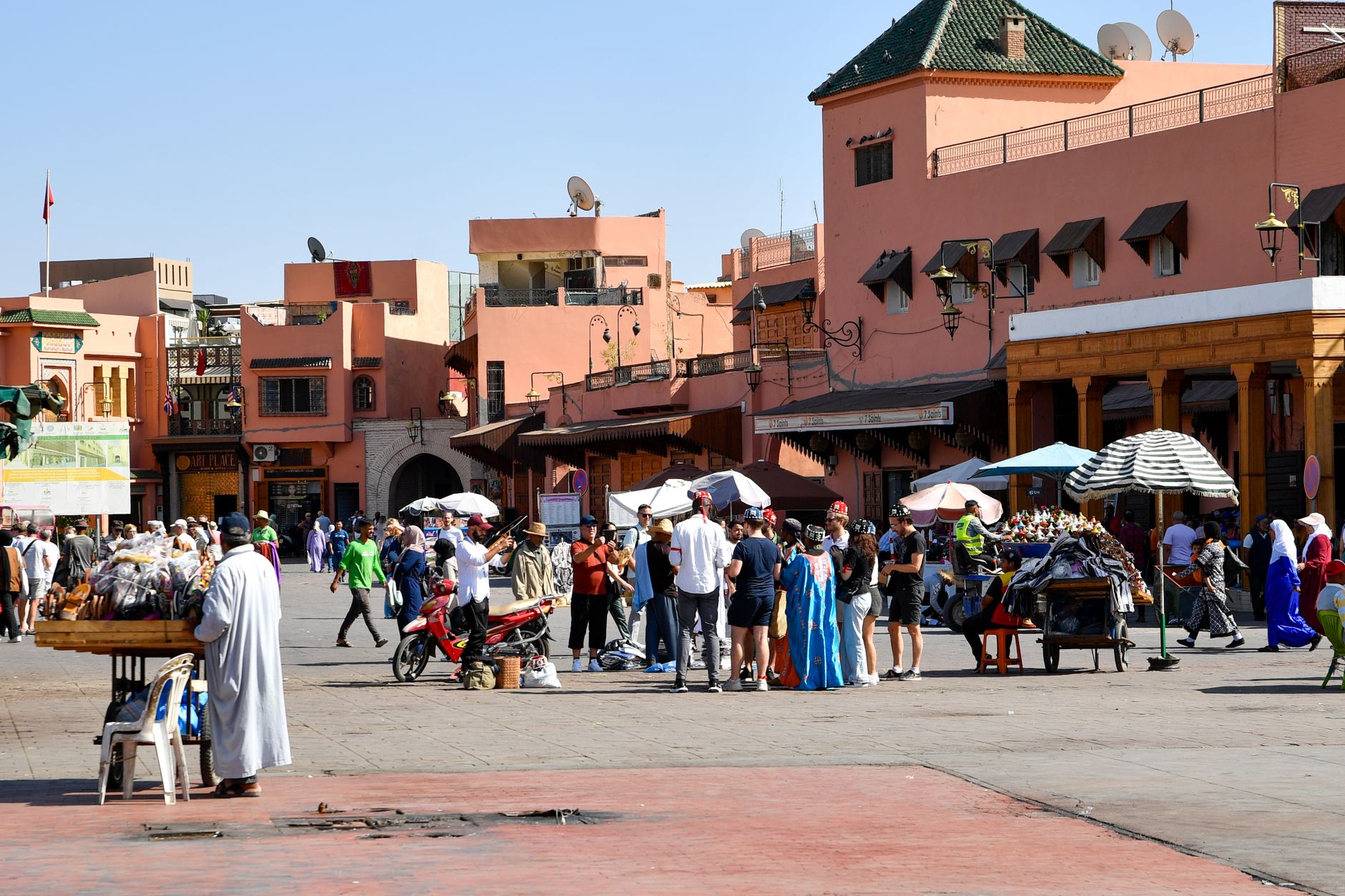
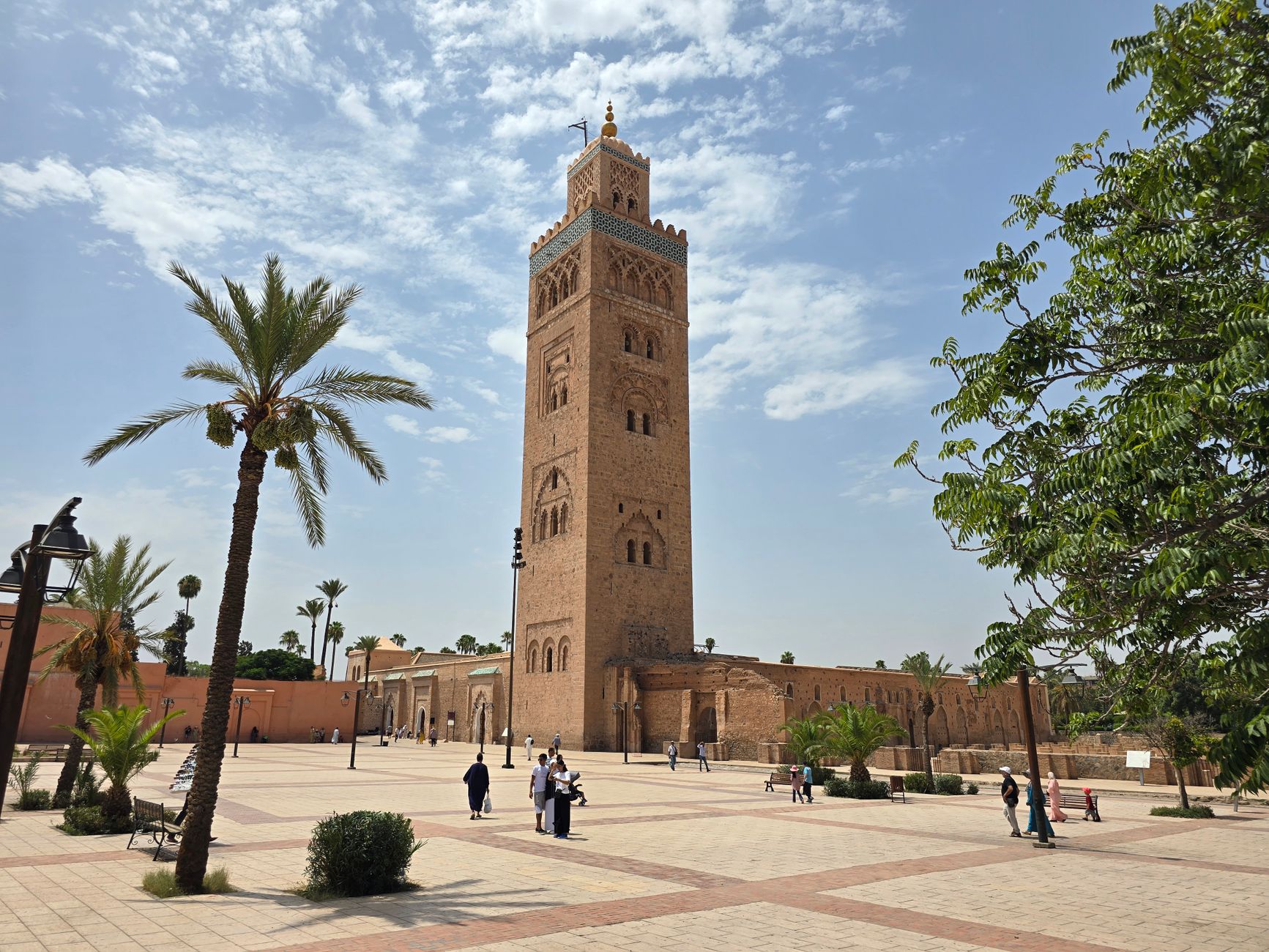
Marrakech arrives before you're ready for it. The 77-metre minaret of the Koutoubia Mosque appears above the rooftops long before you reach the medina walls, a fixed point in a city that otherwise resists orientation. Inside those walls, the old city organises itself around Jemaa el-Fnaa, a square whose name translates, roughly, as 'mosque of annihilation' — a name that tells you this place has always been comfortable with contradiction.
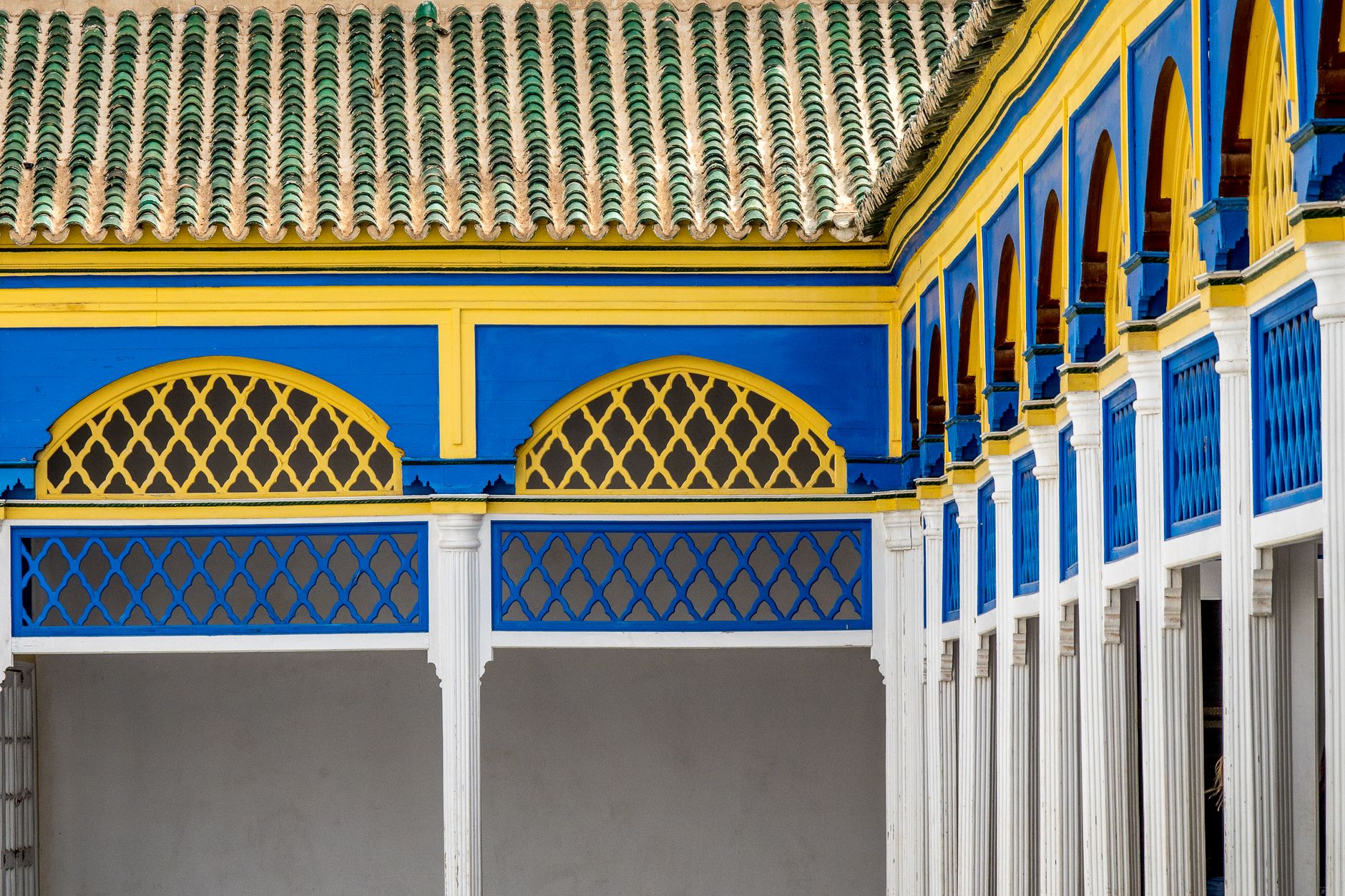
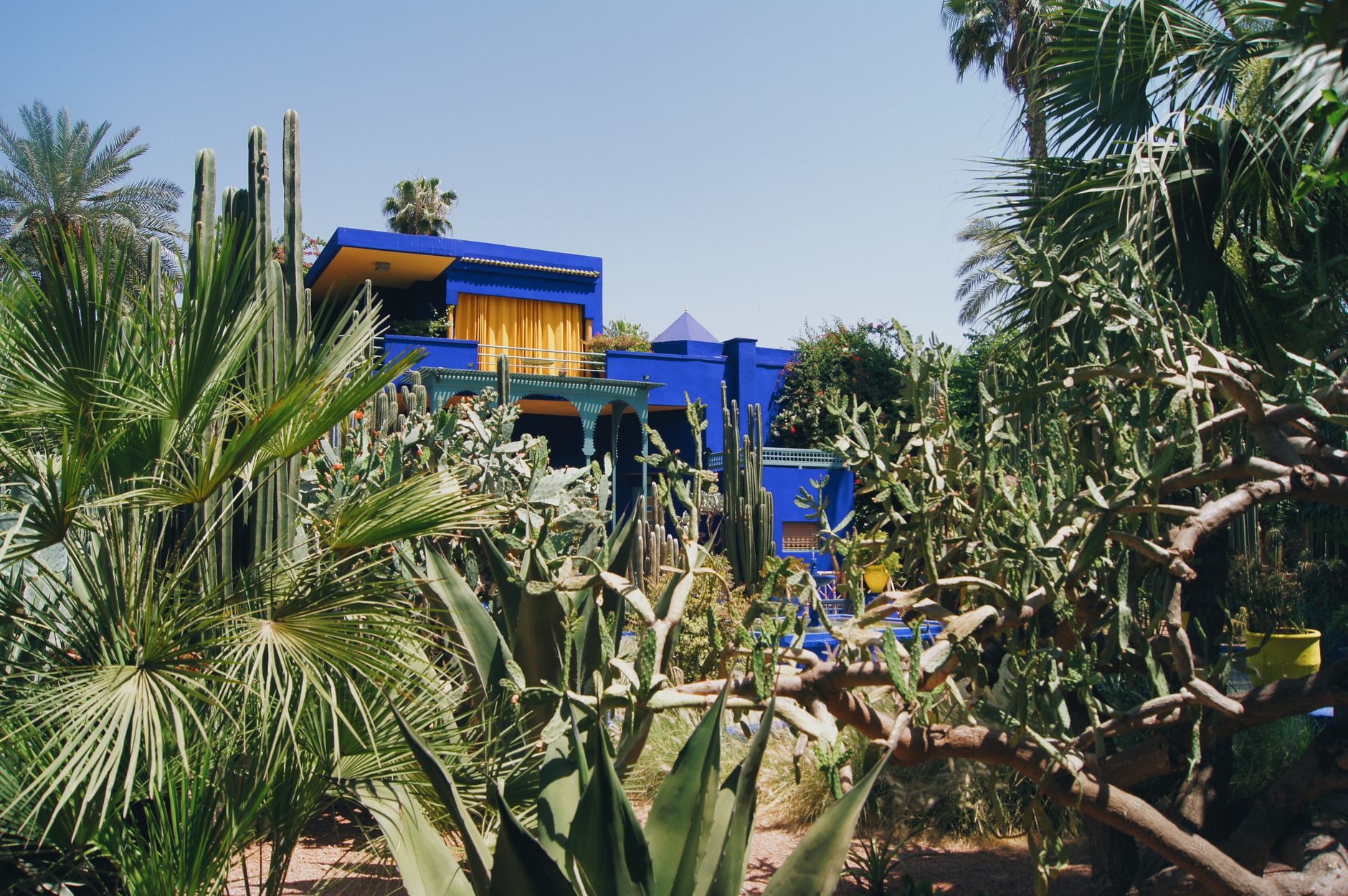
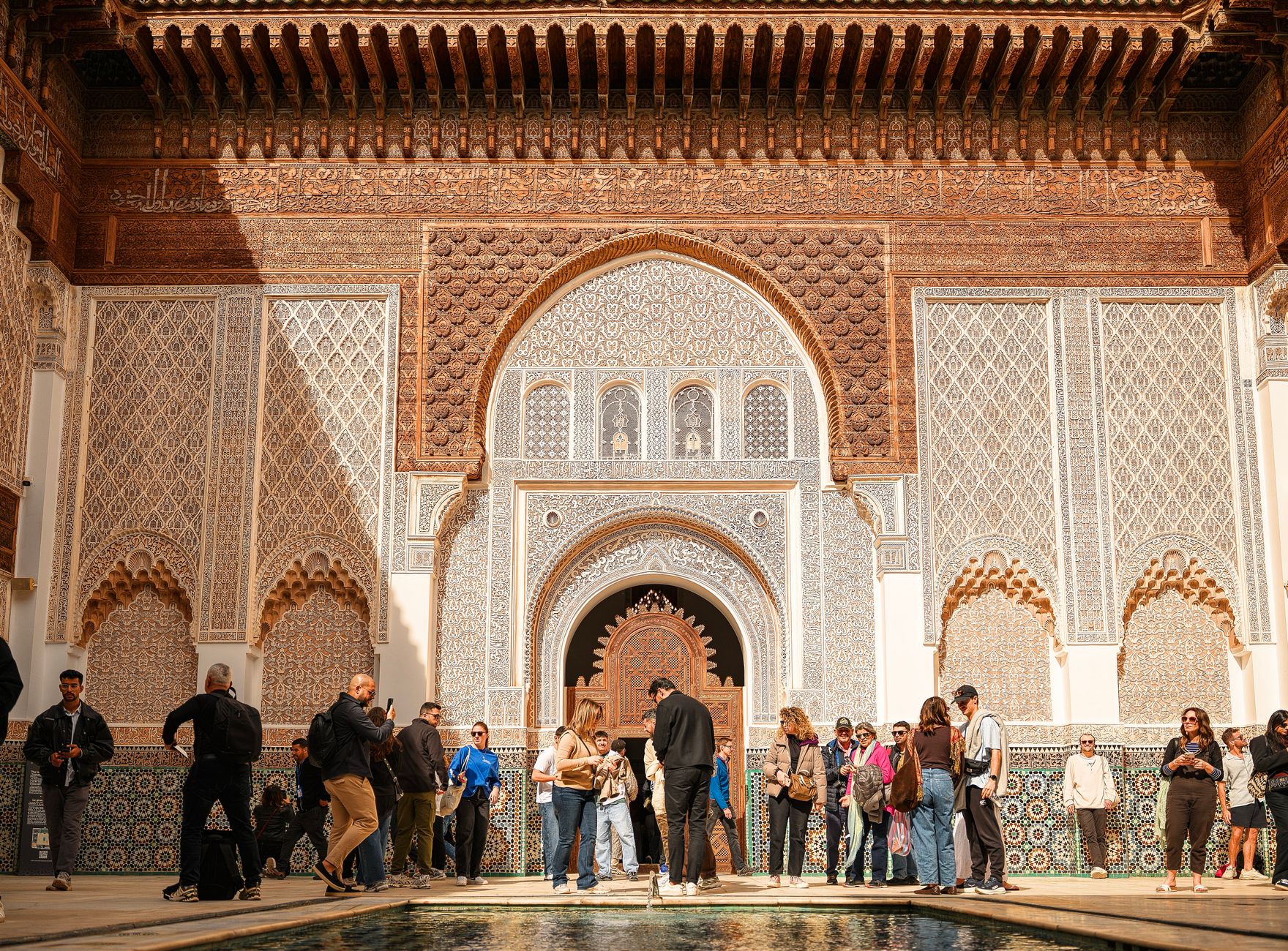
The city sits at the foot of the High Atlas, which means the air carries a mineral edge even in summer heat. It is a city of surfaces: carved cedar, hand-painted tilework, the cobalt blue of the Majorelle Gardens against ochre walls. Morocco's other destinations are close — but Marrakech earns its own slow attention.
Popular cities in Marrakech
💛 What travellers fall for
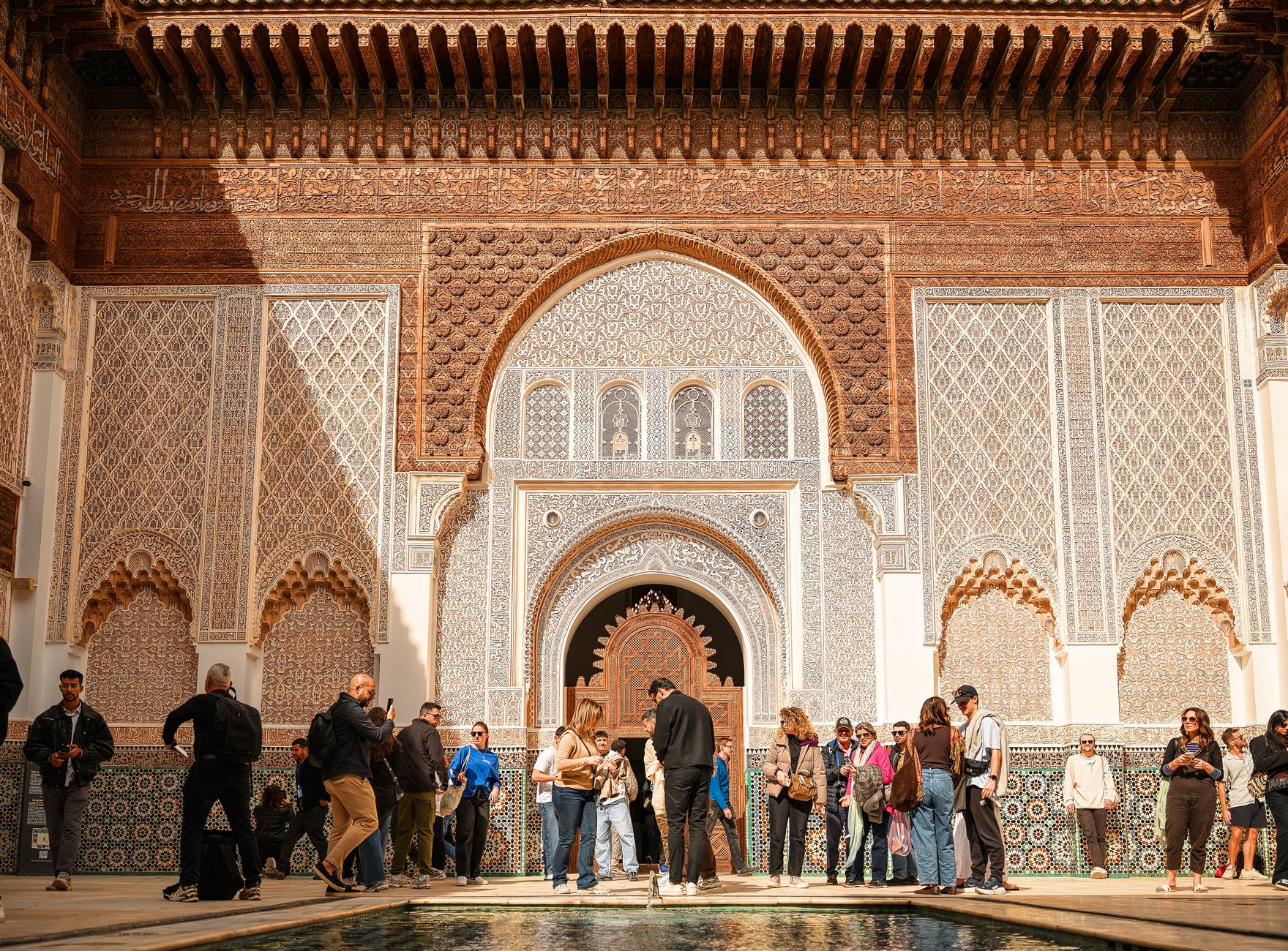
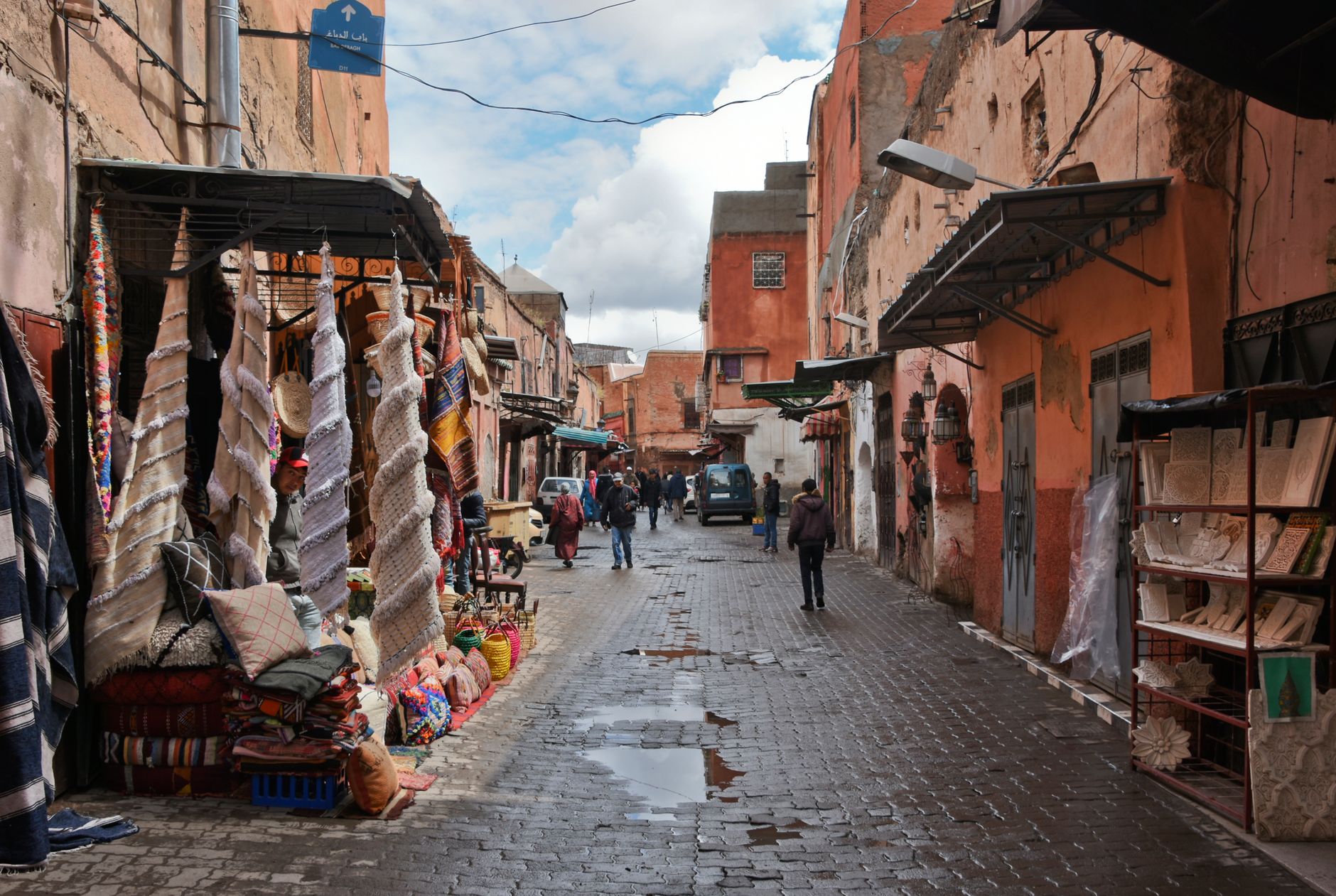
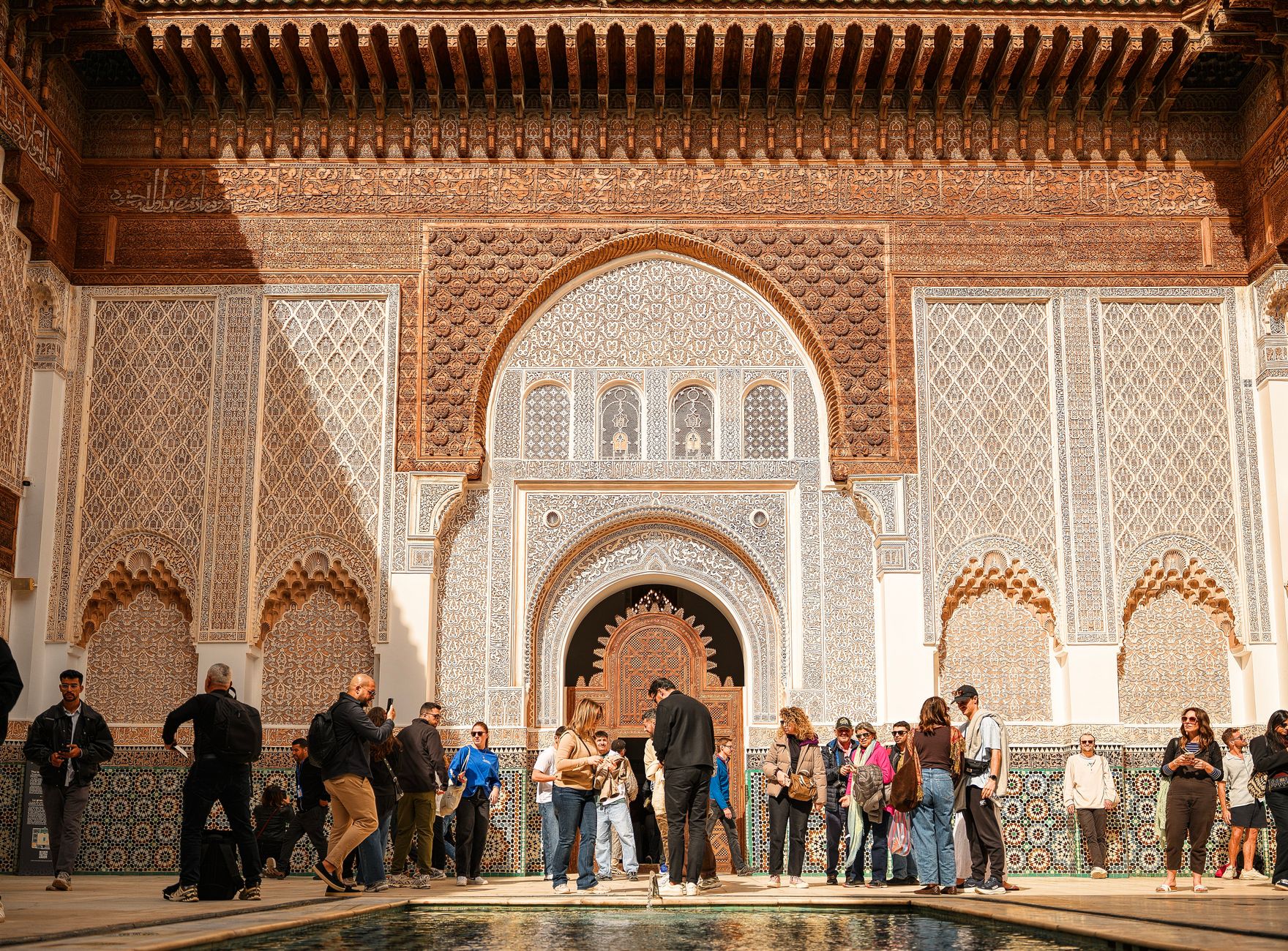
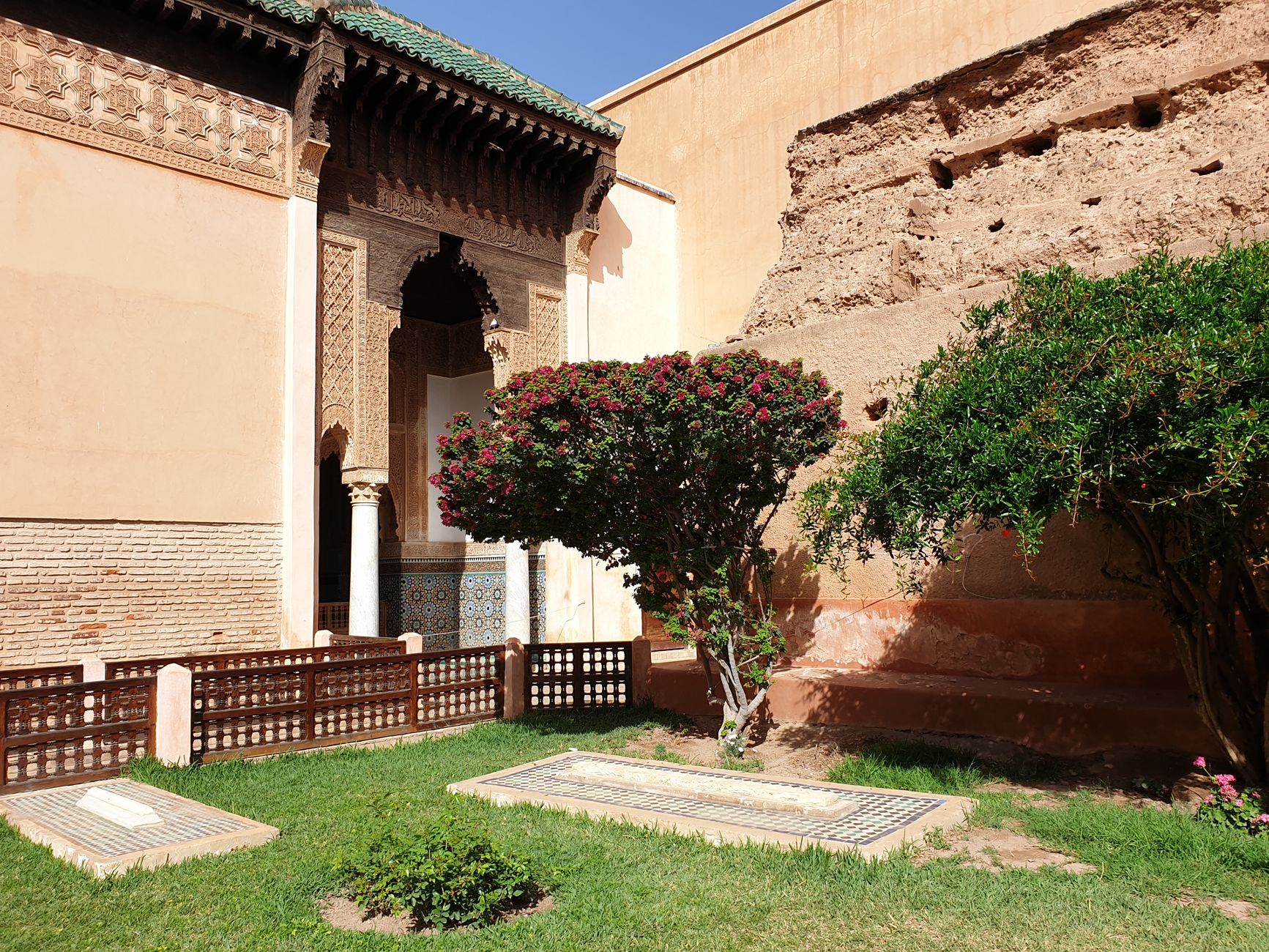
People who return tend to stay in the same riad, eat at the same hole-in-the-wall near the Ben Youssef Madrasa, and still manage to get lost in the souks. The Saadian Tombs reward an early start before tour groups arrive. The Bahia Palace is best on a weekday afternoon, when the light falls long across the marble floors.
How Marrakech came to be
Marrakech was founded in 1062 by Yusuf ibn Tashfin, the Almoravid leader who made it the capital of an empire stretching across Morocco, Muslim Spain and the Maghreb. When the Almohads seized the city in 1147, they commissioned the Koutoubia Mosque — still the city's defining silhouette — built by Spanish captives and completed in 1158. The Marinids shifted the capital to Fez in the 13th century, and the city fell quiet.
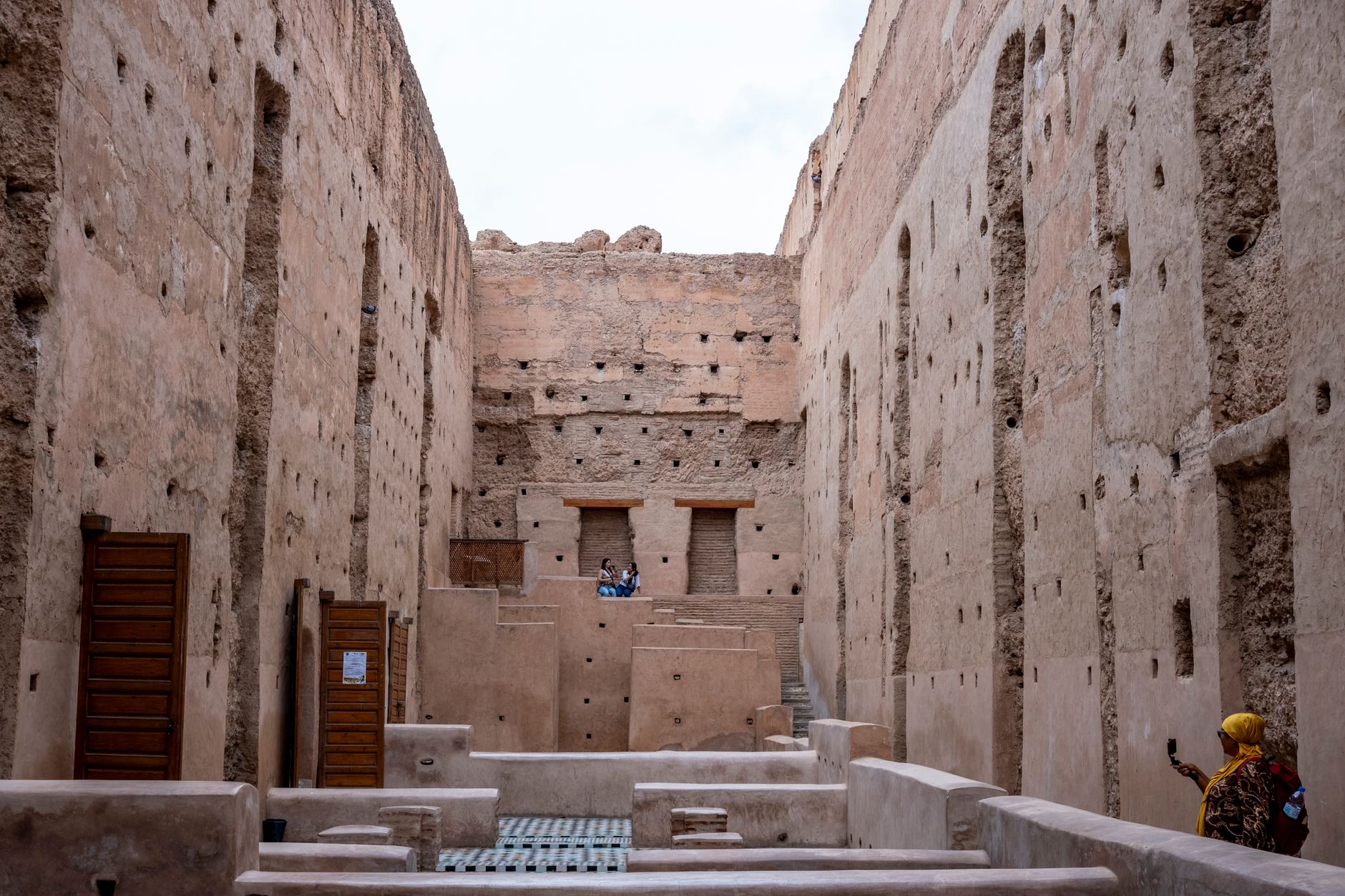
The Saadian dynasty revived Marrakech's standing in 1551, leaving behind the Ben Youssef Madrasa, the Saadian Tombs, and the El Badi Palace — built to mark a victory over the Portuguese. The Alaouites took control in 1669, and Fez eclipsed the city again. Under the French protectorate (1912–56), the Glaoui family administered the city for decades. Independence came in 1956; UNESCO recognised the old town in 1982.
Who and what shaped it
People who shaped it
Landmark buildings
See Marrakech in motion
Plan your visit
On the map
When to go
Summers are dry and genuinely hot, often above 38°C — the Atlas mountains offer no shade in the medina. Spring and autumn bring warmth without the intensity; winters are mild by day but can drop sharply after dark, especially in January.
Right now
↡ Cities
Background & history adapted from Wikipedia (CC BY-SA) · specs from Wikidata (CC0) · weather from Open-Meteo · map data © OpenStreetMap contributors · photos from Wikimedia Commons / Unsplash with per-image credit. No third-party reviews or social posts reproduced.