
Medina of Marrakech
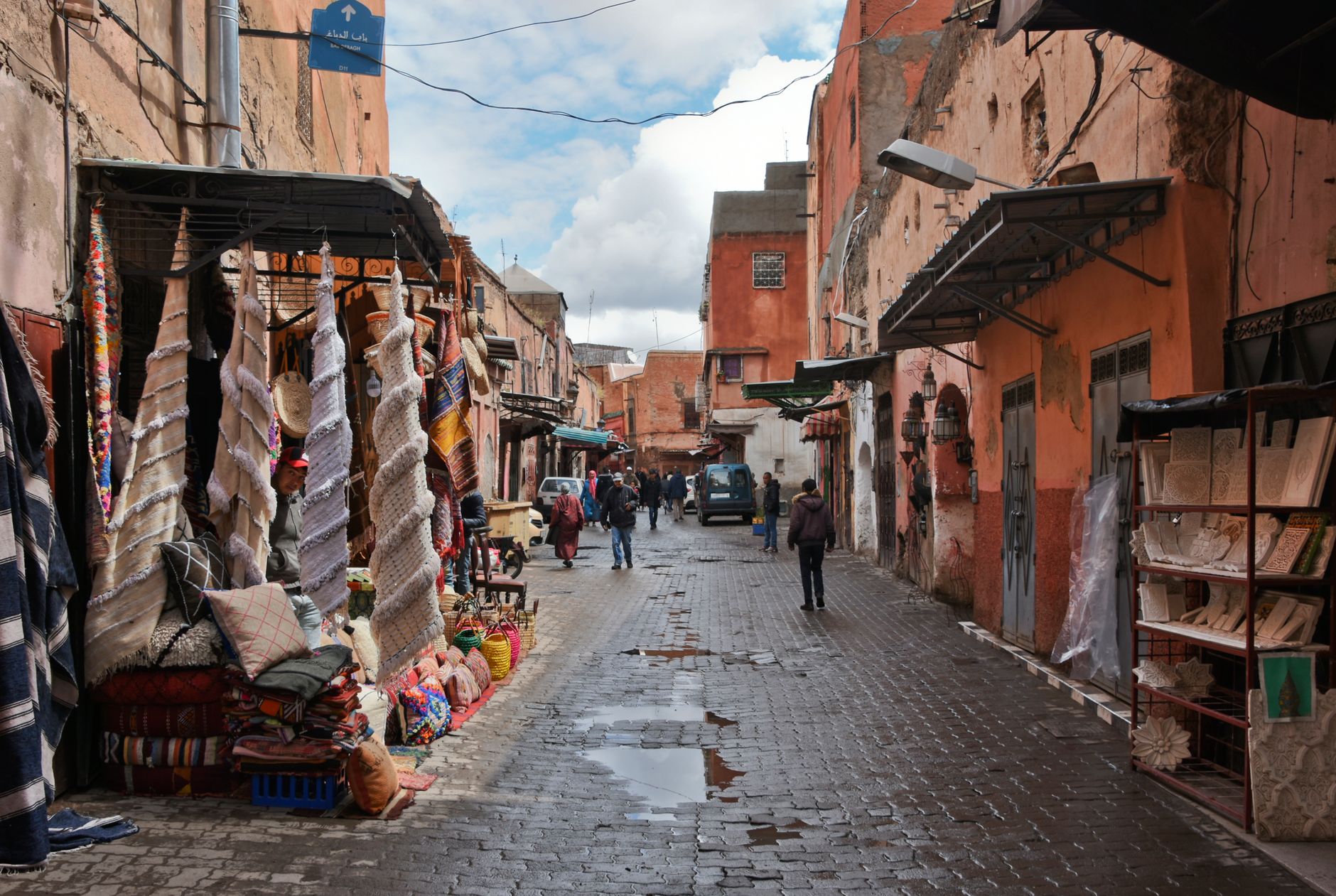
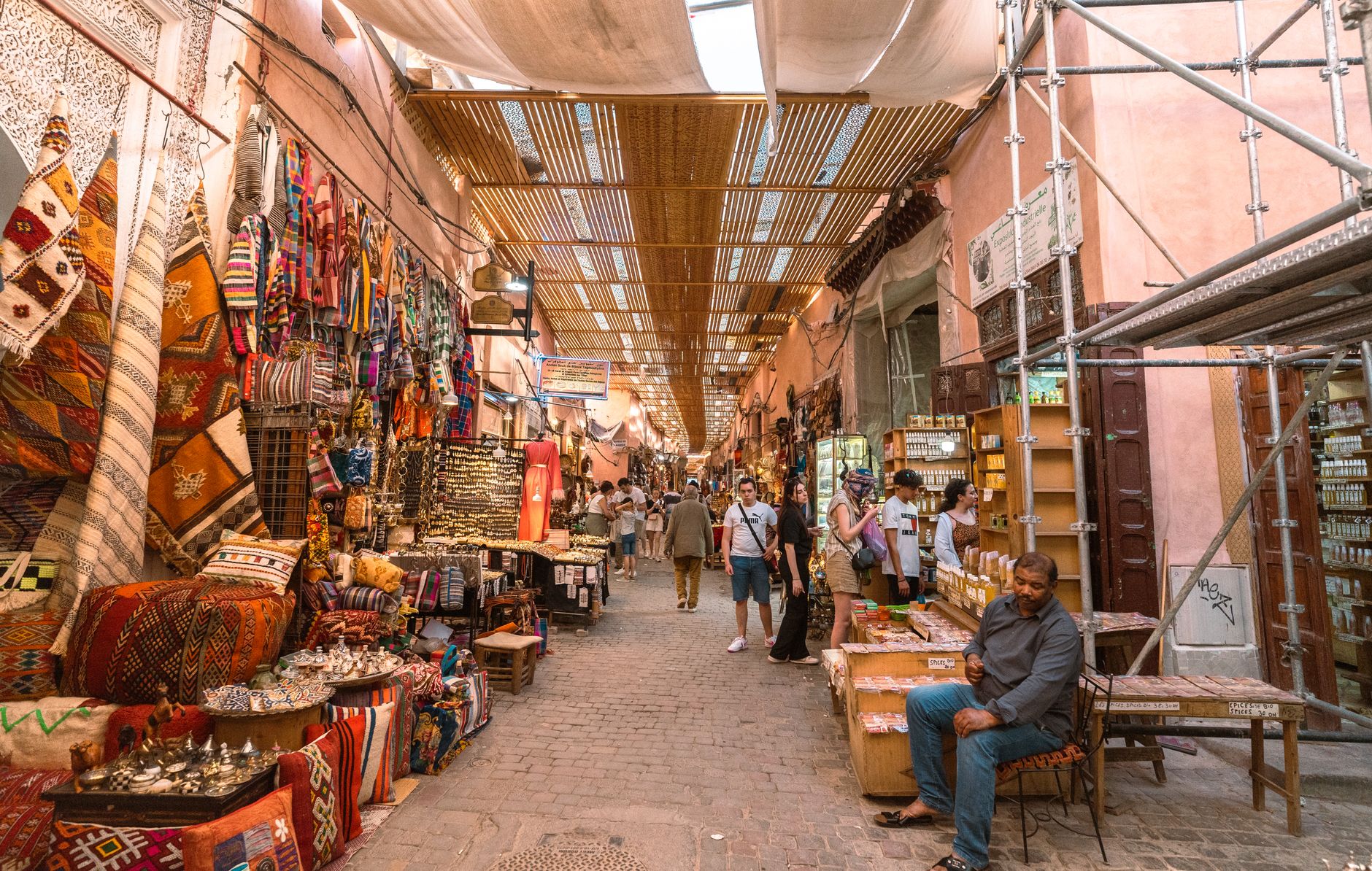

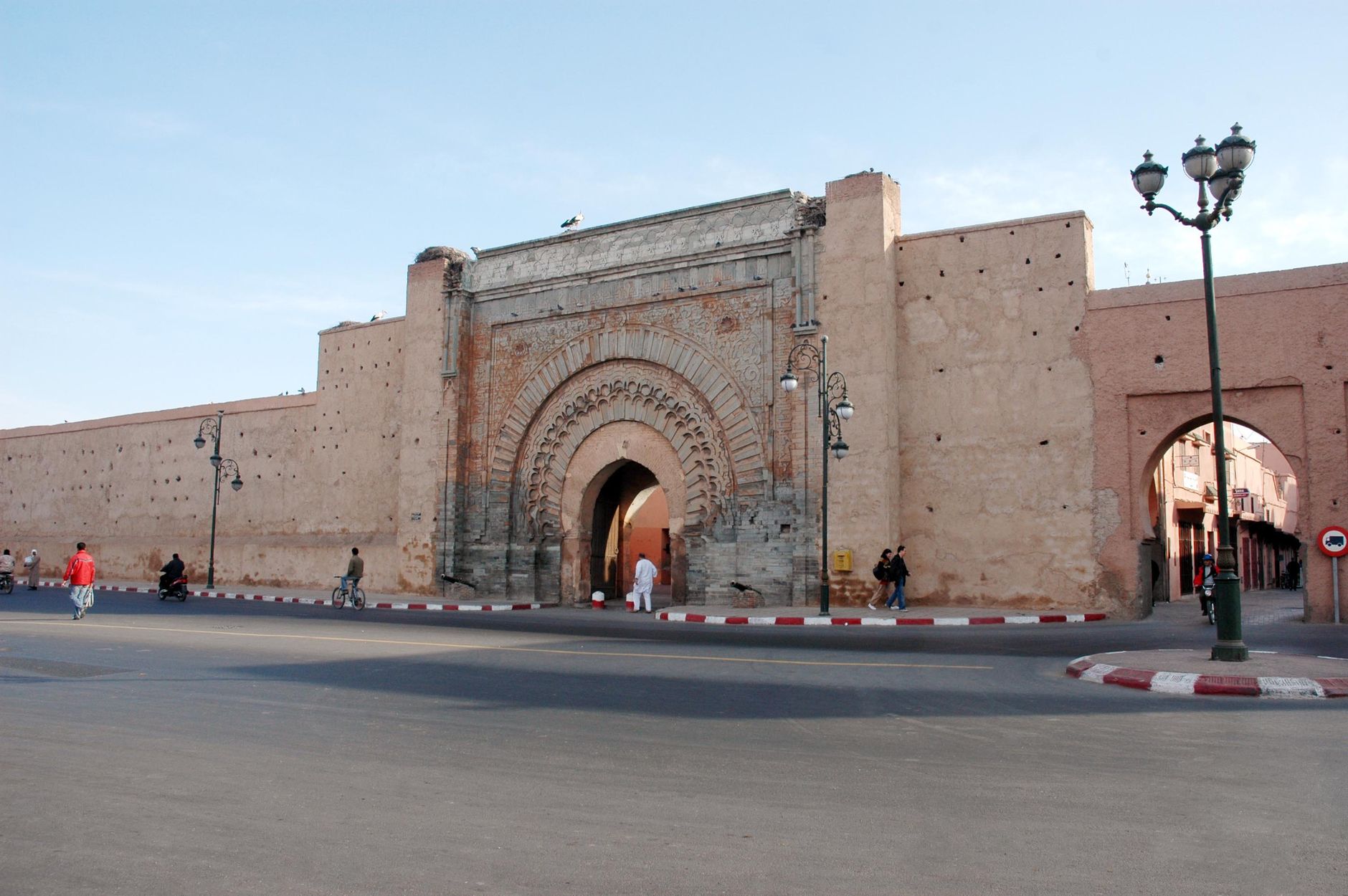
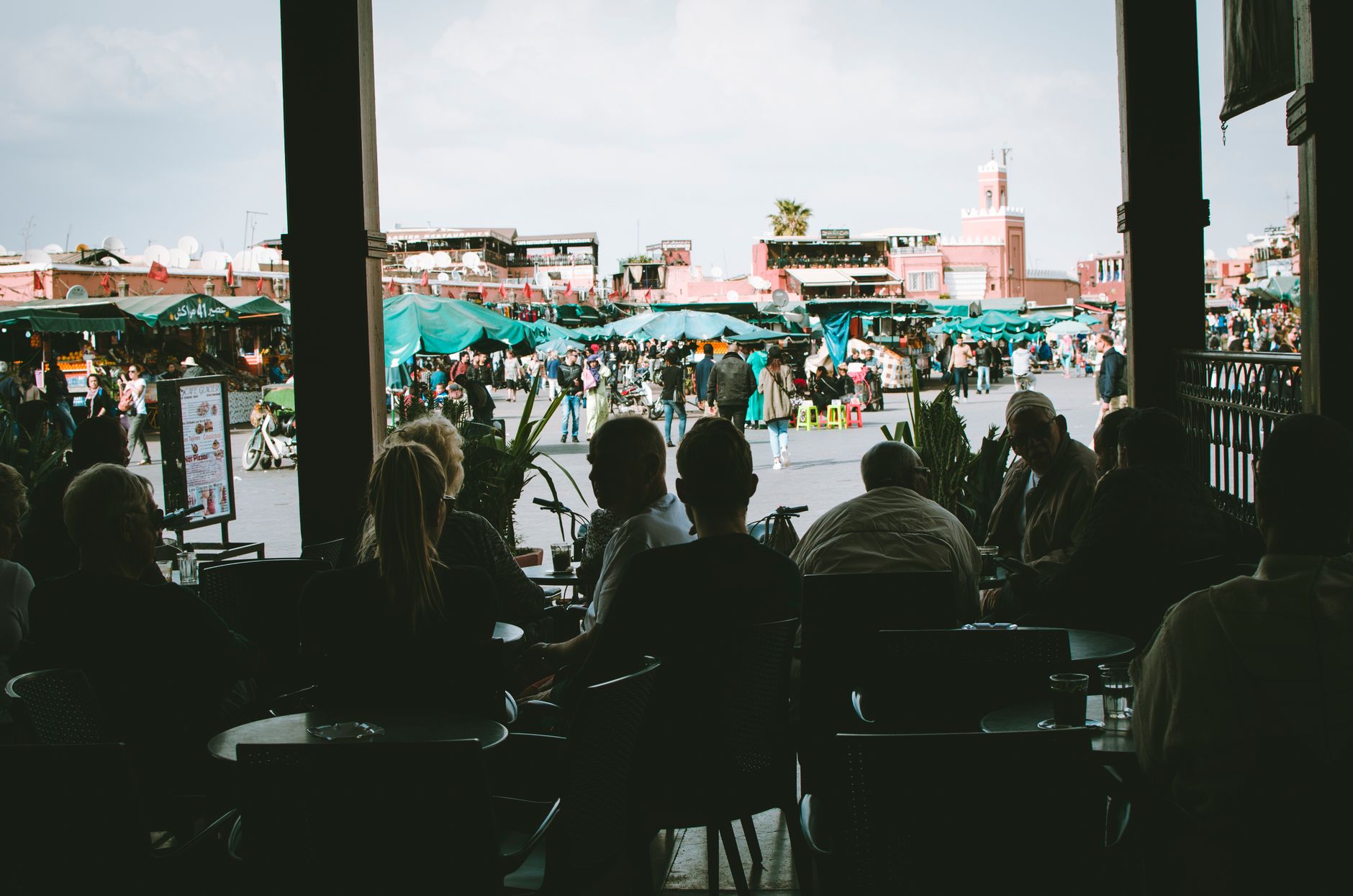
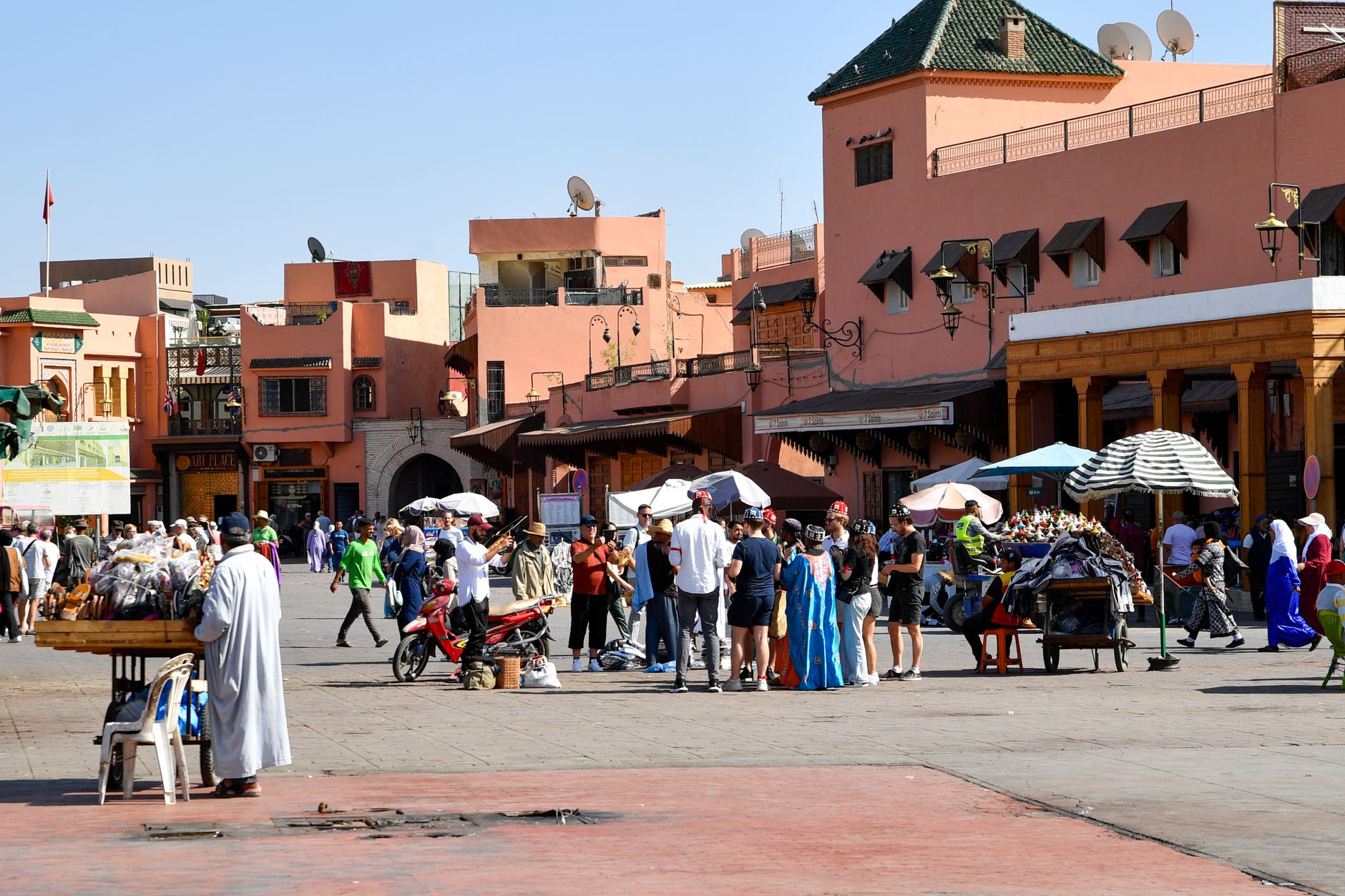
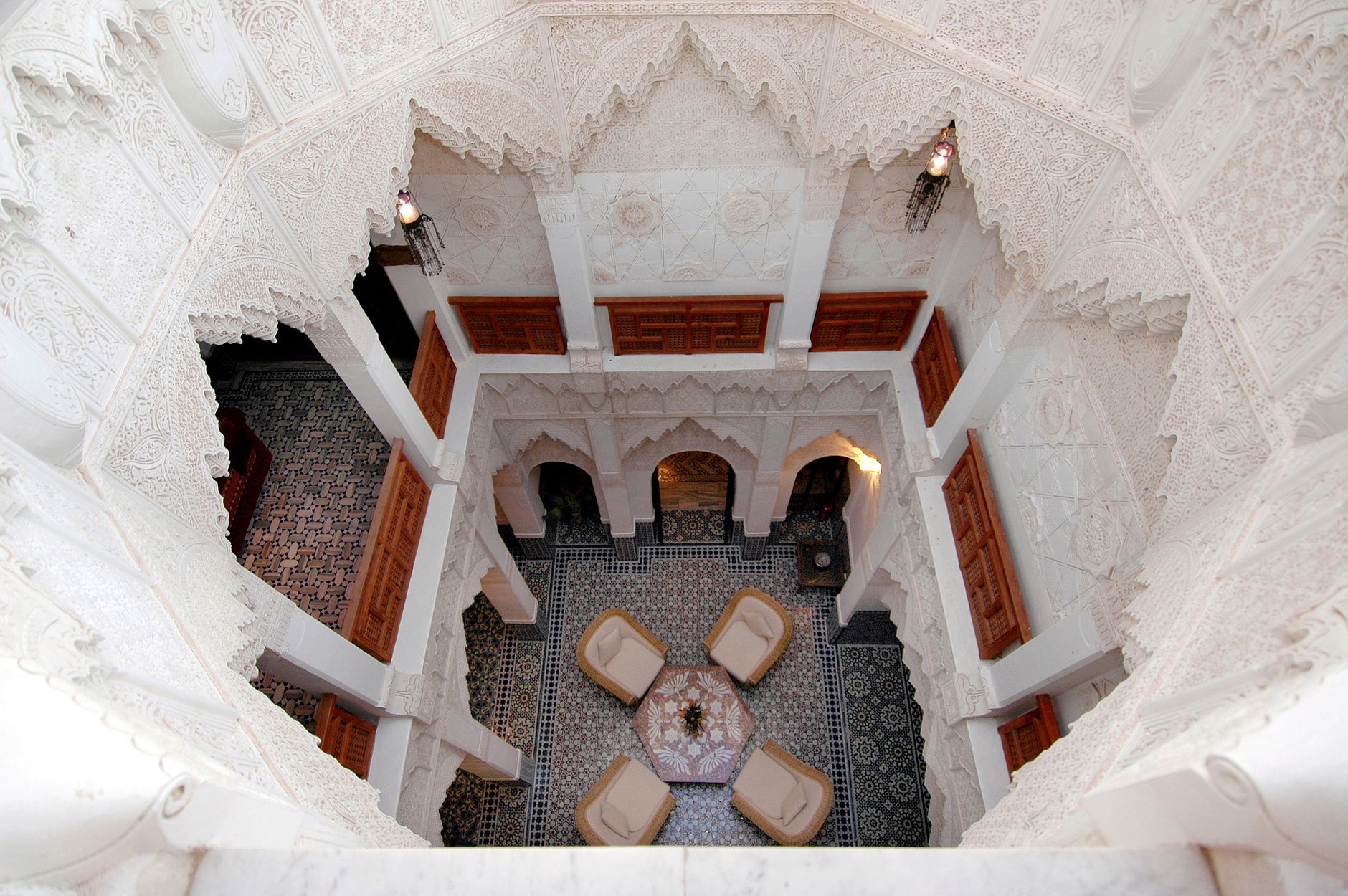
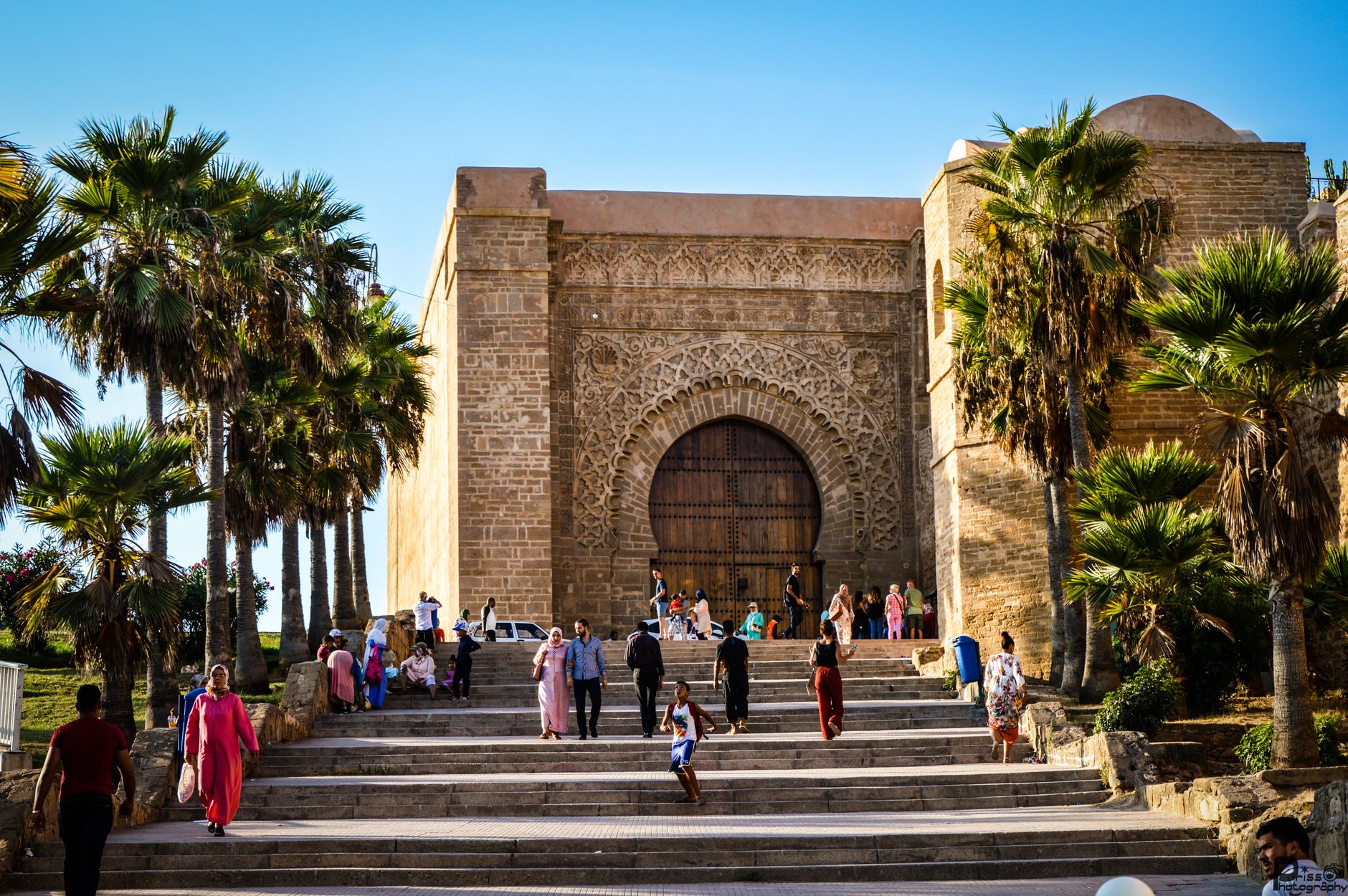
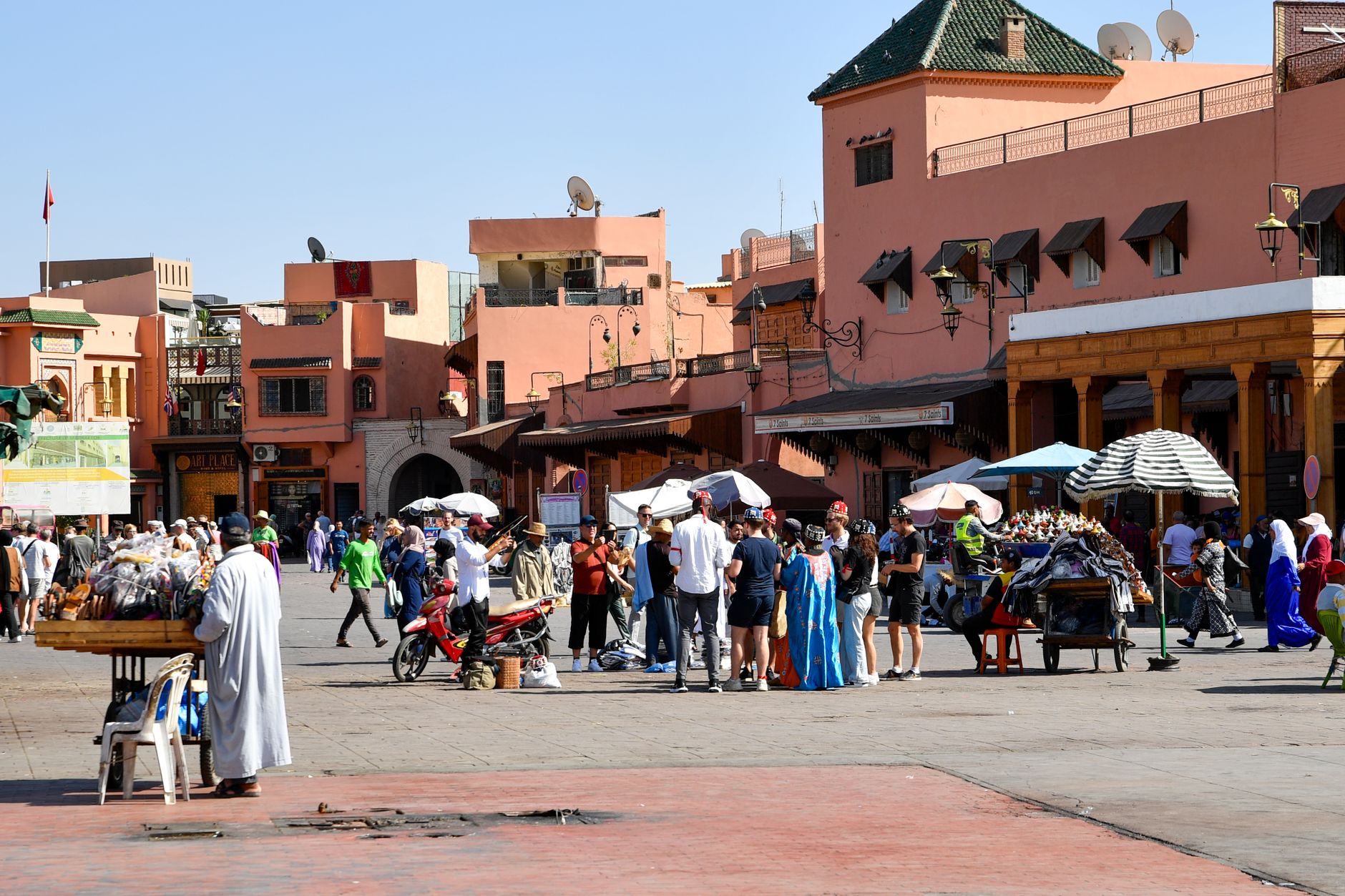
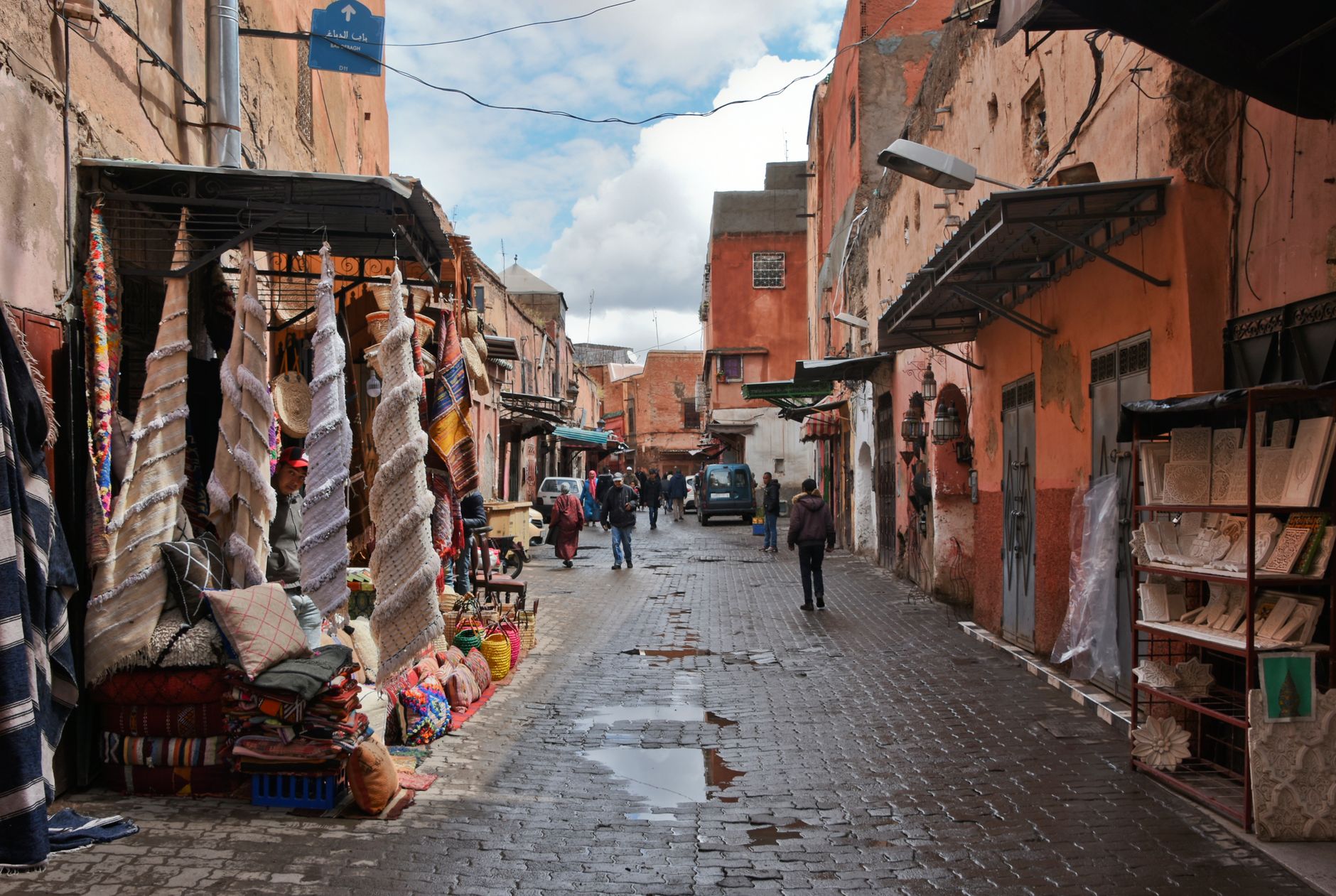
The medina of Marrakech is a living city first, a monument second. Its roughly 19 kilometres of ochre walls — over nine metres high, two metres thick, built in the 12th century — still define the boundary between the old world and the new. Inside them, souq lanes narrow until two people can barely pass, then open without warning onto a courtyard of carved cedar and tilework. Jemaa el-Fnaa, the great square at its centre, has been a place of execution, a market, a fairground, and something harder to name — a stage for storytellers and musicians that UNESCO recognised in 2001 as intangible heritage of humanity.
You can spend a week here and still take a wrong turn that leads somewhere you haven't seen. That's not a selling point — it's just the nature of a medina founded in 1071 and continuously inhabited ever since.
💛 What travellers fall for
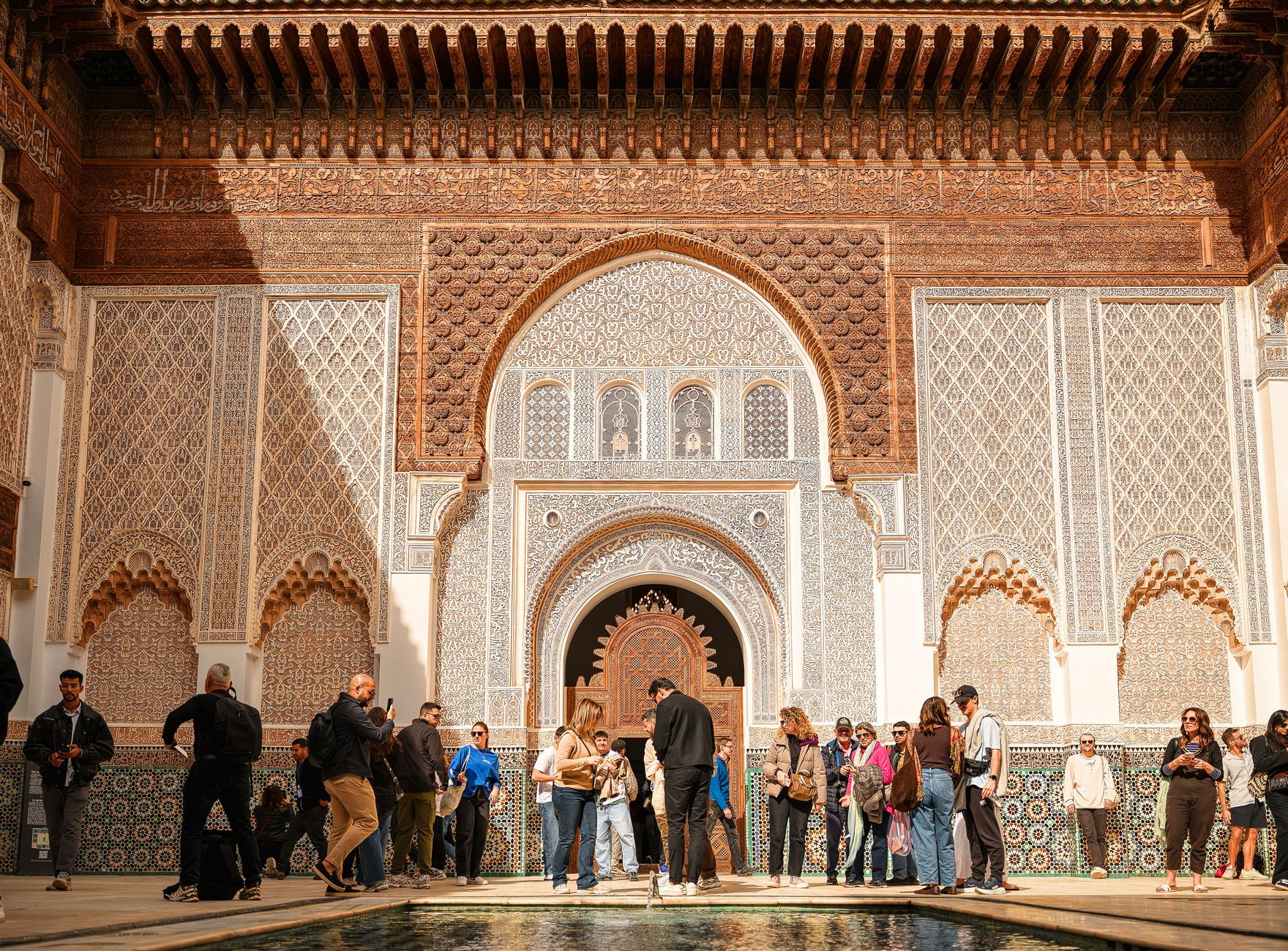
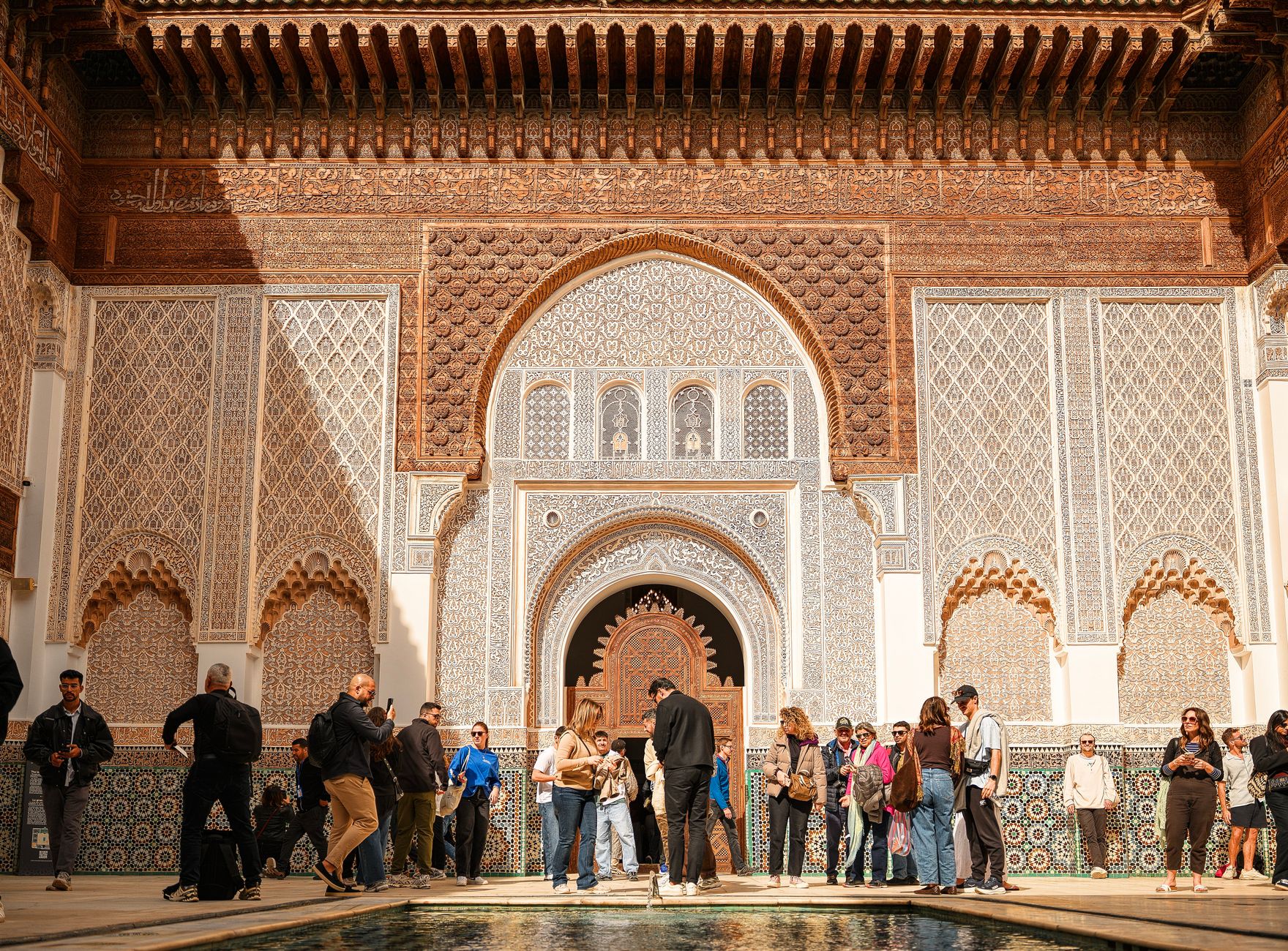
People who come back tend to anchor themselves to a single derb — a residential alley — rather than trying to cover ground. They find one café above the souqs for morning coffee, one bread oven by smell. The Ben Youssef Madrasa, open daily until 7 pm, rewards a second visit once the midday crowds thin toward late afternoon.
Deals in Medina of Marrakech
Book directly at the provider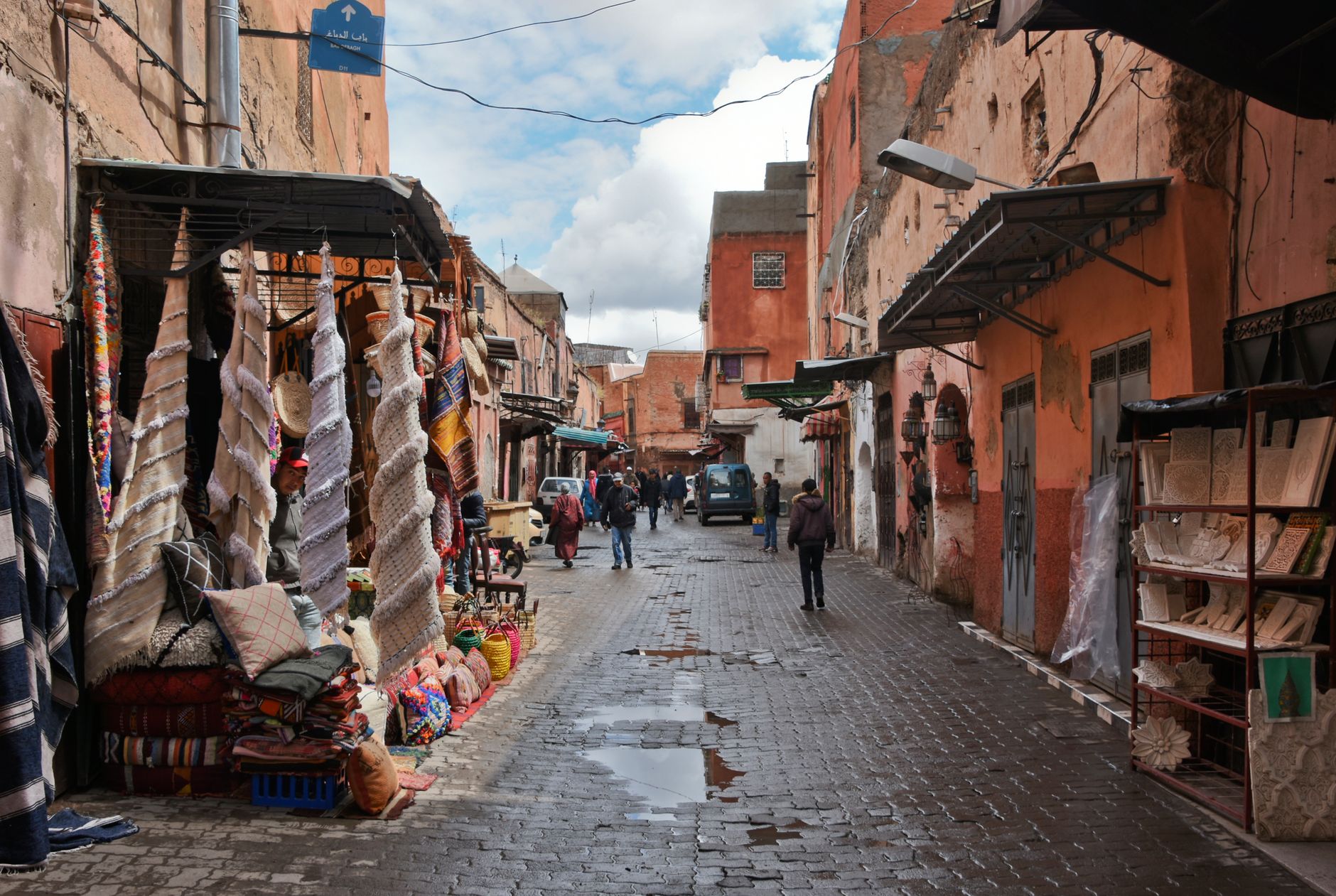

How Medina of Marrakech came to be
Youssef ben Tachfin founded Marrakesh in 1071–72 on the site of an Almoravid camp, and his successor Ali ben Youssef ordered the great ramparts built in 1126–27. When the Almohads under Abd al-Mu'min took the city in 1147, they destroyed much of what the Almoravids had built — and then commissioned the Koutoubia Mosque on the rubble, with the minaret possibly completed around 1195 under Ya'qub al-Mansur.
The city's fortunes have moved in long cycles. The Saadian rulers (1510–1669) left behind the tombs and El Badi Palace. The Alawite dynasty reshaped the Menara and Agdal Gardens in the 19th century. Through all of it the medina's street pattern — organic, unplanned, palimpsestic — kept accumulating. UNESCO inscribed it as a World Heritage Site in 1985.
Who and what shaped it
People who shaped it
Landmark buildings
See Medina of Marrakech in motion
Plan your visit
On the map
When to go
Spring (March to May) and autumn (September to November) are the most comfortable seasons, with warm days and cool evenings. Summer temperatures regularly exceed 38°C inside the walled city, where heat collects in the lanes; winters are mild by day but can drop sharply after dark.
Right now
↡ Shopping areas

Background & history adapted from Wikipedia (CC BY-SA) · specs from Wikidata (CC0) · weather from Open-Meteo · map data © OpenStreetMap contributors · photos from Wikimedia Commons / Unsplash with per-image credit. No third-party reviews or social posts reproduced.