
Dar Si Said Museum
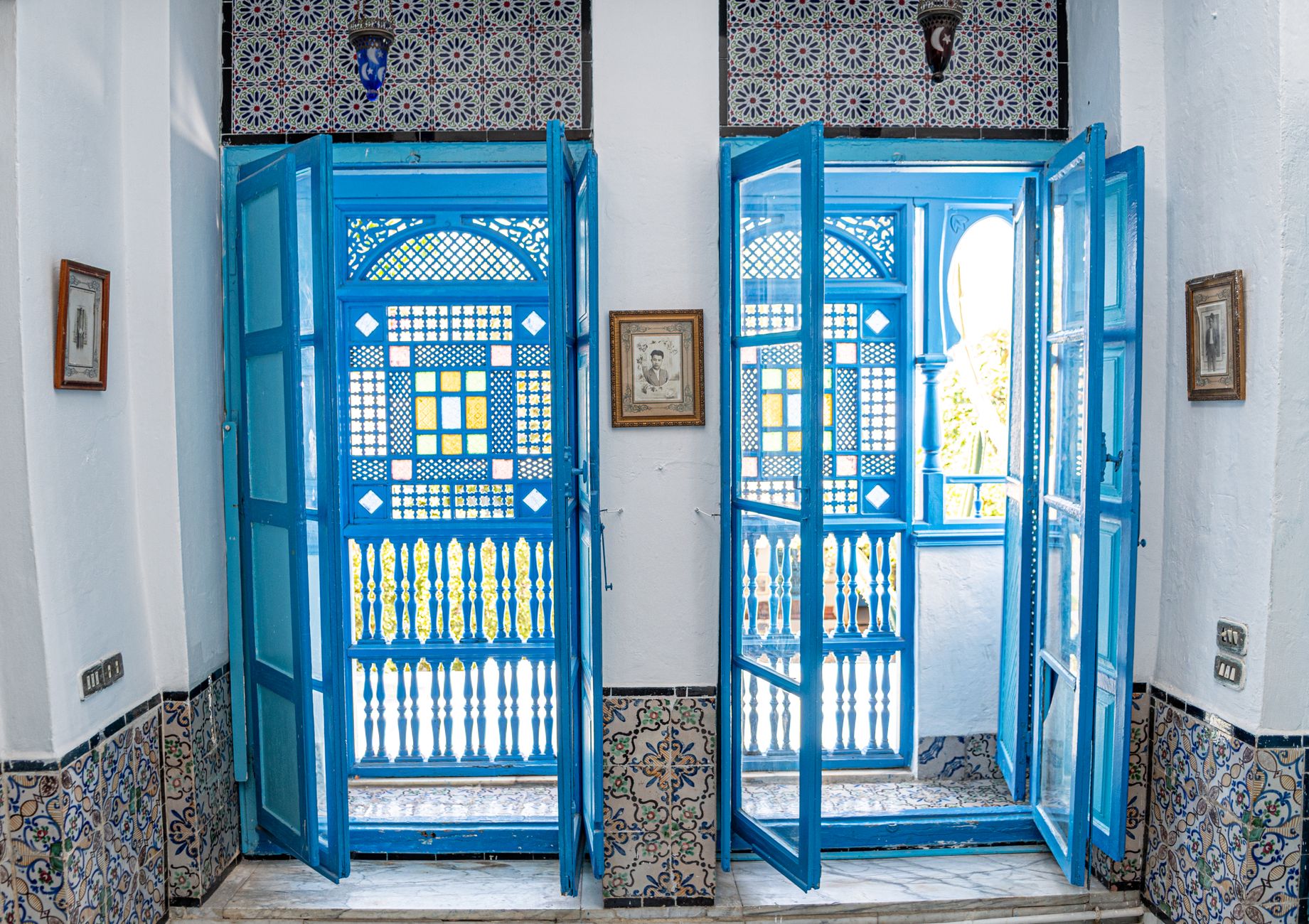
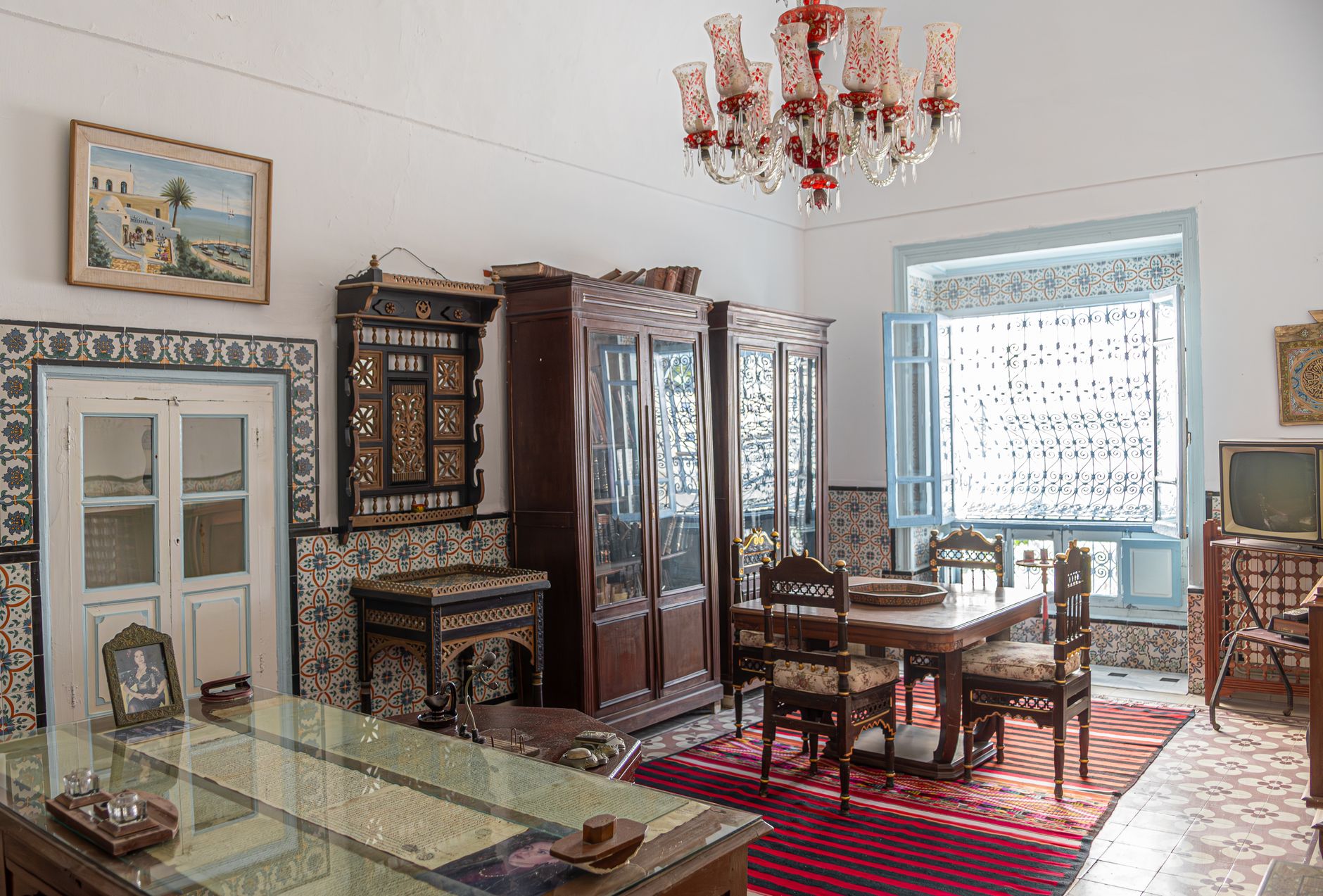
Before you reach the door of Dar Si Said, the lane narrows and the noise of the medina drops a register. The palace was built between 1894 and 1900 for Si Sa'id ibn Musa, a vizier whose brother Ba Ahmad effectively ran Morocco, and the building still carries that particular weight — not the grandeur of a sultan's court, but the quieter confidence of someone close to power.
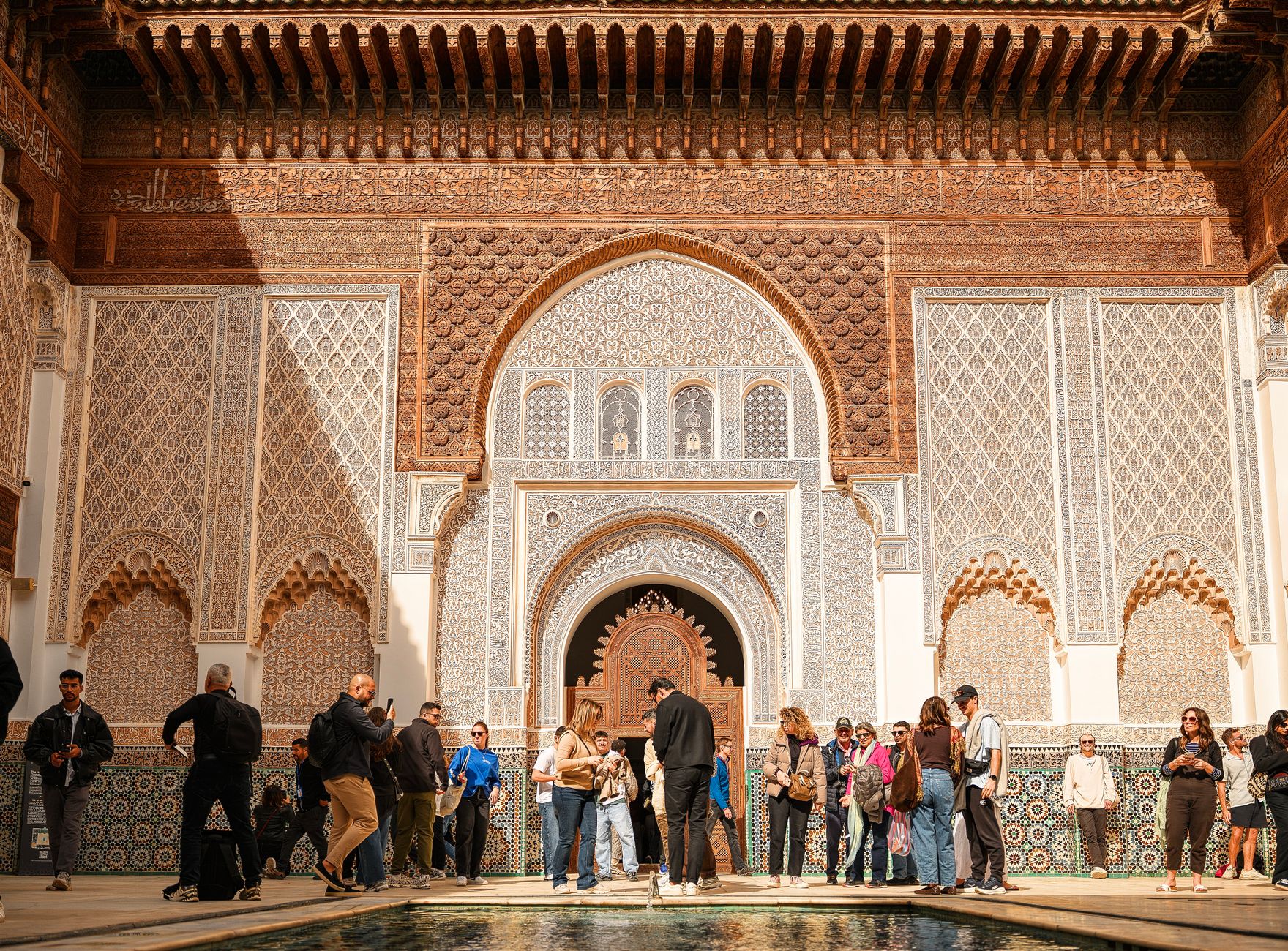
Inside, cedar ceilings painted in fading ochre and green sit above zellij-tiled floors, and the central courtyard holds a wooden pavilion that feels untouched by urgency. The collection, refocused after a 2018 renovation on weaving and Moroccan carpets, gives you a reason to slow down in rooms that reward it.
💛 What travellers fall for
People who've been more than once tend to mention the upper reception hall — the carved cedar work there is finer than anything you'll find at eye level in the souks. Go on a weekday morning when the light falls across the courtyard before it gets overhead and flattens everything out.
How Dar Si Said Museum came to be
Si Sa'id ibn Musa built this palace in the final years of the 19th century while his brother Ba Ahmad ibn Musa served as Grand Vizier — the real governing force behind the young Sultan Abdelaziz. After 1914, under the French Protectorate, the palace became the seat of Marrakech's regional administrators. By 1930 or 1932 it had been converted into a museum of Moroccan art, with a particular emphasis on woodcraft.
Following independence in 1957, the building was divided: one half remained a museum, the other housed the Service de l'Artisanat. A significant renovation before a 2018 reopening reoriented the collection around weaving and carpets — then the 2023 earthquake forced it to close again.
Who and what shaped it
People who shaped it
Landmark buildings
See Dar Si Said Museum in motion
Plan your visit
On the map
When to go
Spring (March–May) and autumn (October–November) are the most comfortable seasons for the medina walk to get here, with daytime temperatures between 20°C and the low 30s. Summers push well above 35°C, which makes the shaded courtyards inside the palace more appealing but the journey through the lanes considerably less so.
Right now
Background & history adapted from Wikipedia (CC BY-SA) · specs from Wikidata (CC0) · weather from Open-Meteo · map data © OpenStreetMap contributors · photos from Wikimedia Commons / Unsplash with per-image credit. No third-party reviews or social posts reproduced.