
Souks of Marrakech
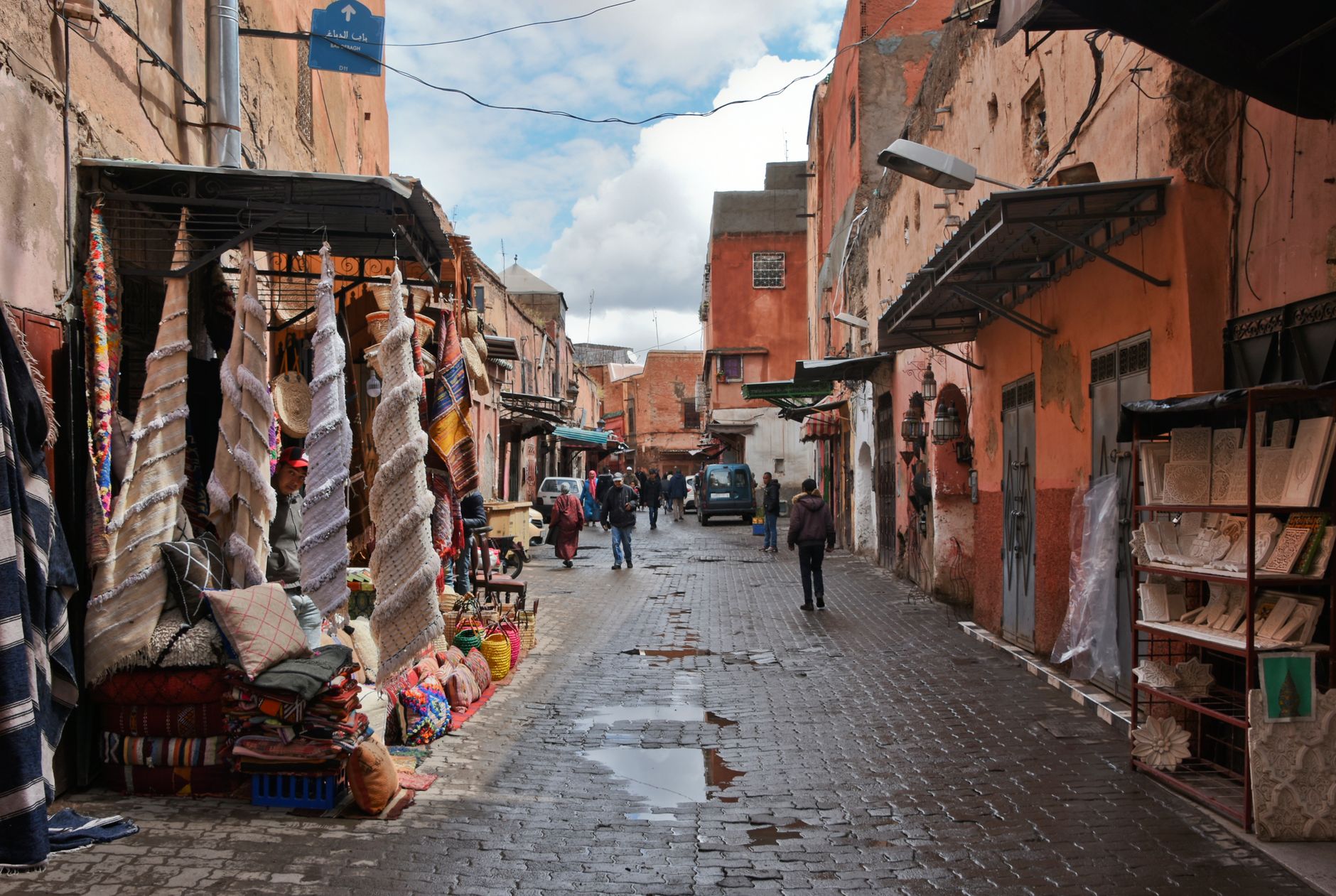
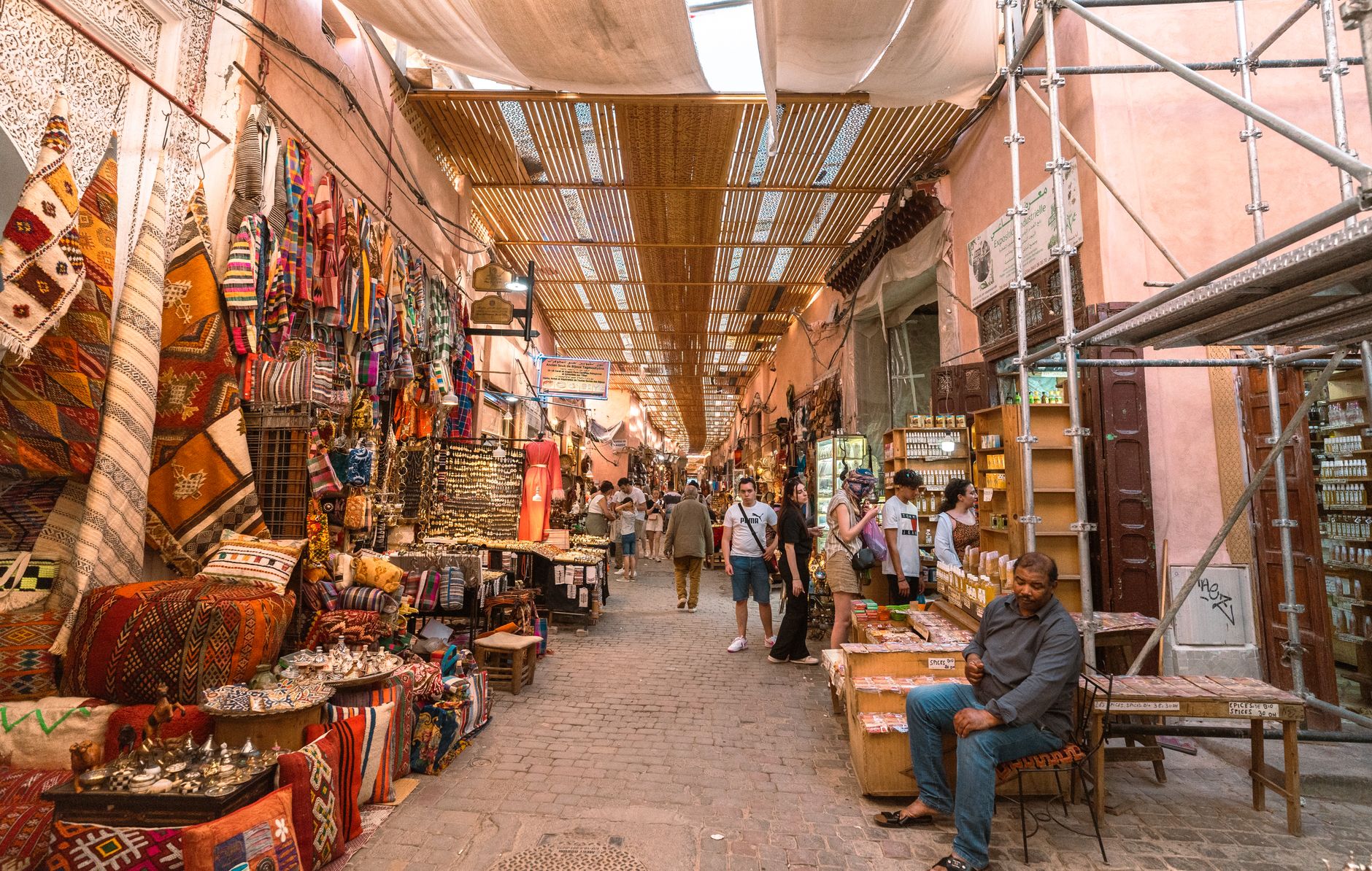

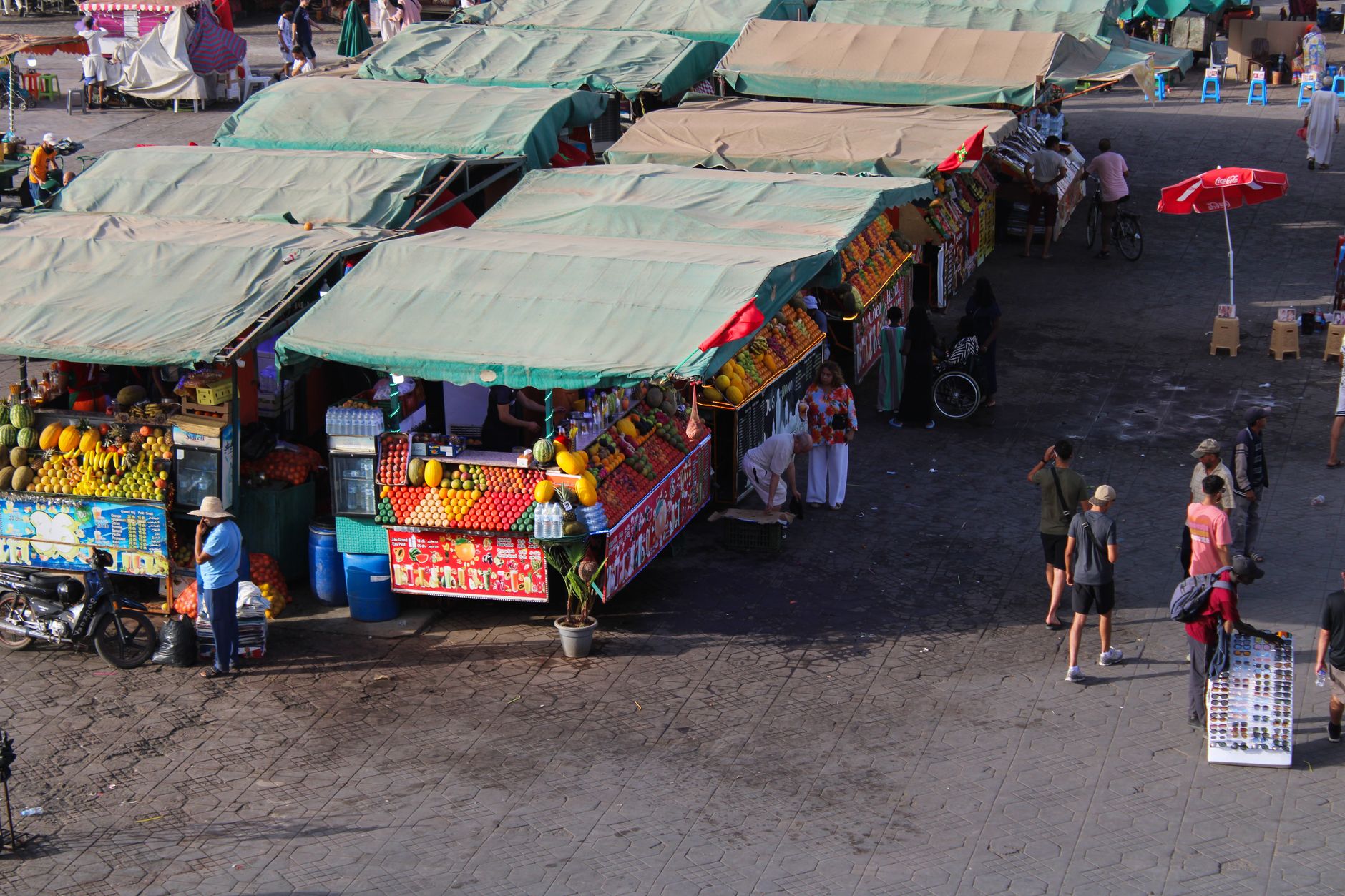
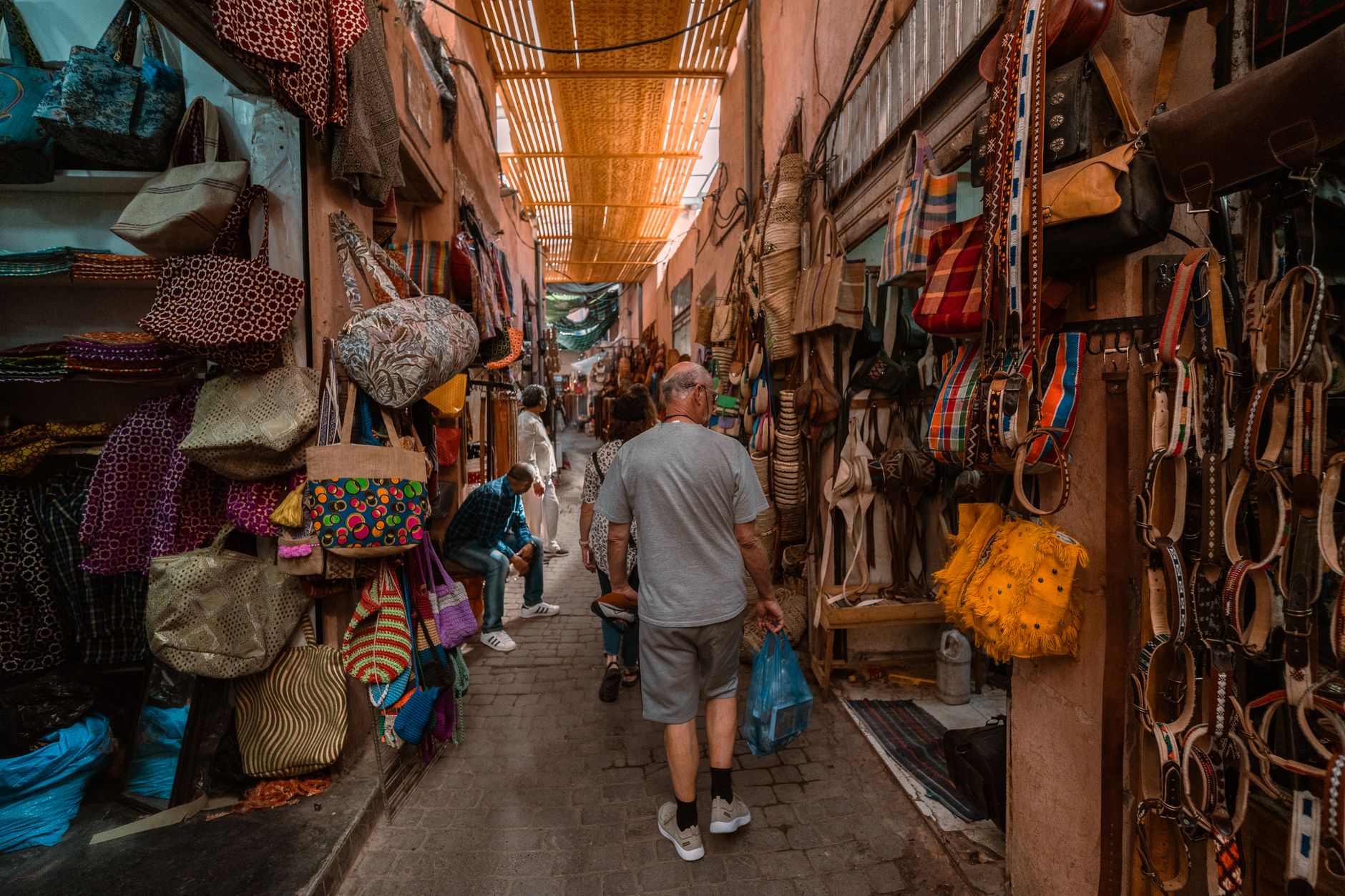
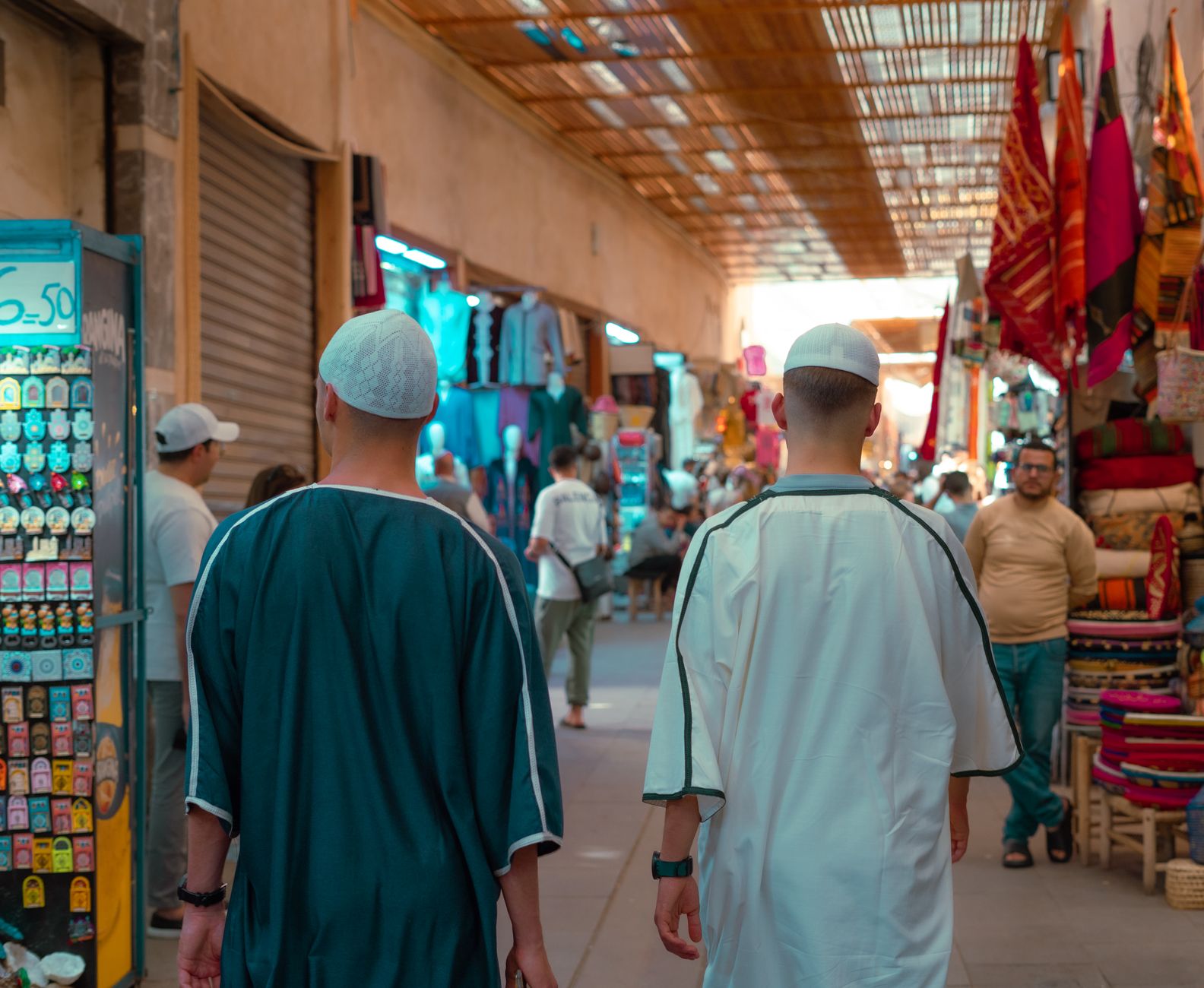
The souks of Marrakech begin where Jemaa el-Fna ends — a loose threshold, no gate, just the square's noise giving way to narrower light and the smell of raw leather and cumin. From there the lanes multiply, each quarter given over to a single trade: ironworkers hammering lanterns in Souk Haddadine, dyers hanging wool the colour of saffron and indigo above Souk Sebbaghin, carpenters shaping cedar boxes in Souk Chouari.
About 2,600 craftsmen work here across roughly twenty guilds, a structure that goes back centuries. You can spend a morning and barely scratch one corner, or break the whole thing across two days — the latter is the smarter move.
💛 What travellers fall for
People who come back tend to say the same thing: go early. Between 9 and 11 AM the lanes are quiet enough to actually look, and shopkeepers are in good spirits for the first sale of the day — a moment Moroccans call beraka. That goodwill tends to make the opening of a negotiation easier.
How Souks of Marrakech came to be
The souks trace their origin to Marrakech's founding under the Almoravid dynasty — historians place that moment around 1070, though 1062 is also cited. The markets began as temporary stops for desert caravans and nomads restocking supplies along trans-Saharan routes, then hardened into permanent structures as the city grew.
Over time, artisans self-organised into guilds and claimed distinct quarters, a pattern that has held across successive dynasties. The funduqs — merchant inns combining lodging, storage, and commerce — were integral to this system; the oldest surviving examples date to the Saadian period of the 16th and 17th centuries.
Who and what shaped it
People who shaped it
Landmark buildings
Plan your visit
On the map
When to go
Spring (March to May) and autumn (September to November) give you the most comfortable days, with temperatures between roughly 19°C and 28°C — warm enough to wander without strain. Summer afternoons can reach 40°C inside the covered lanes, which makes an early start less optional and more essential.
Right now
Background & history adapted from Wikipedia (CC BY-SA) · specs from Wikidata (CC0) · weather from Open-Meteo · map data © OpenStreetMap contributors · photos from Wikimedia Commons / Unsplash with per-image credit. No third-party reviews or social posts reproduced.