
Foundouk el-Amrani (Qissariat)
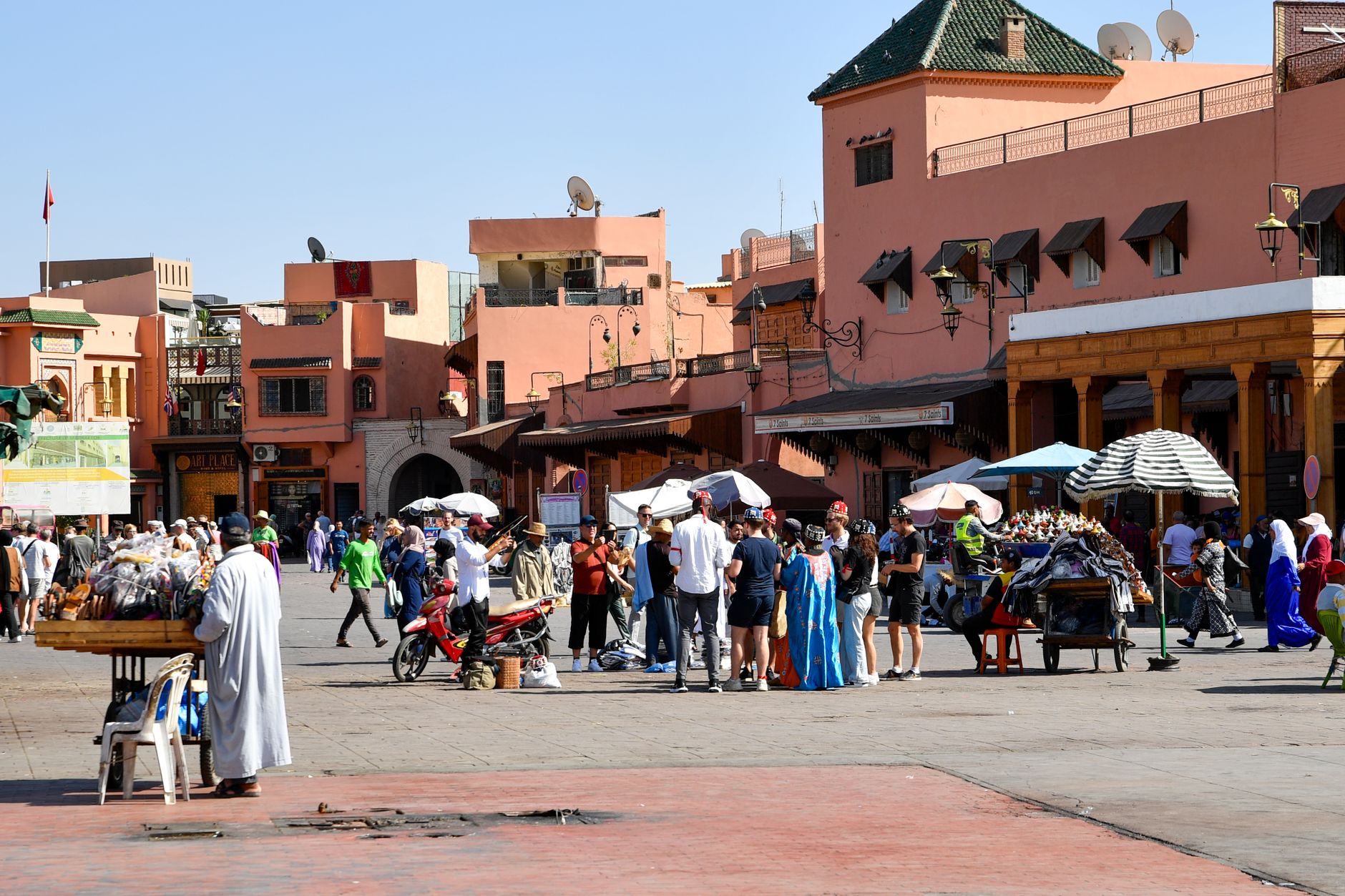
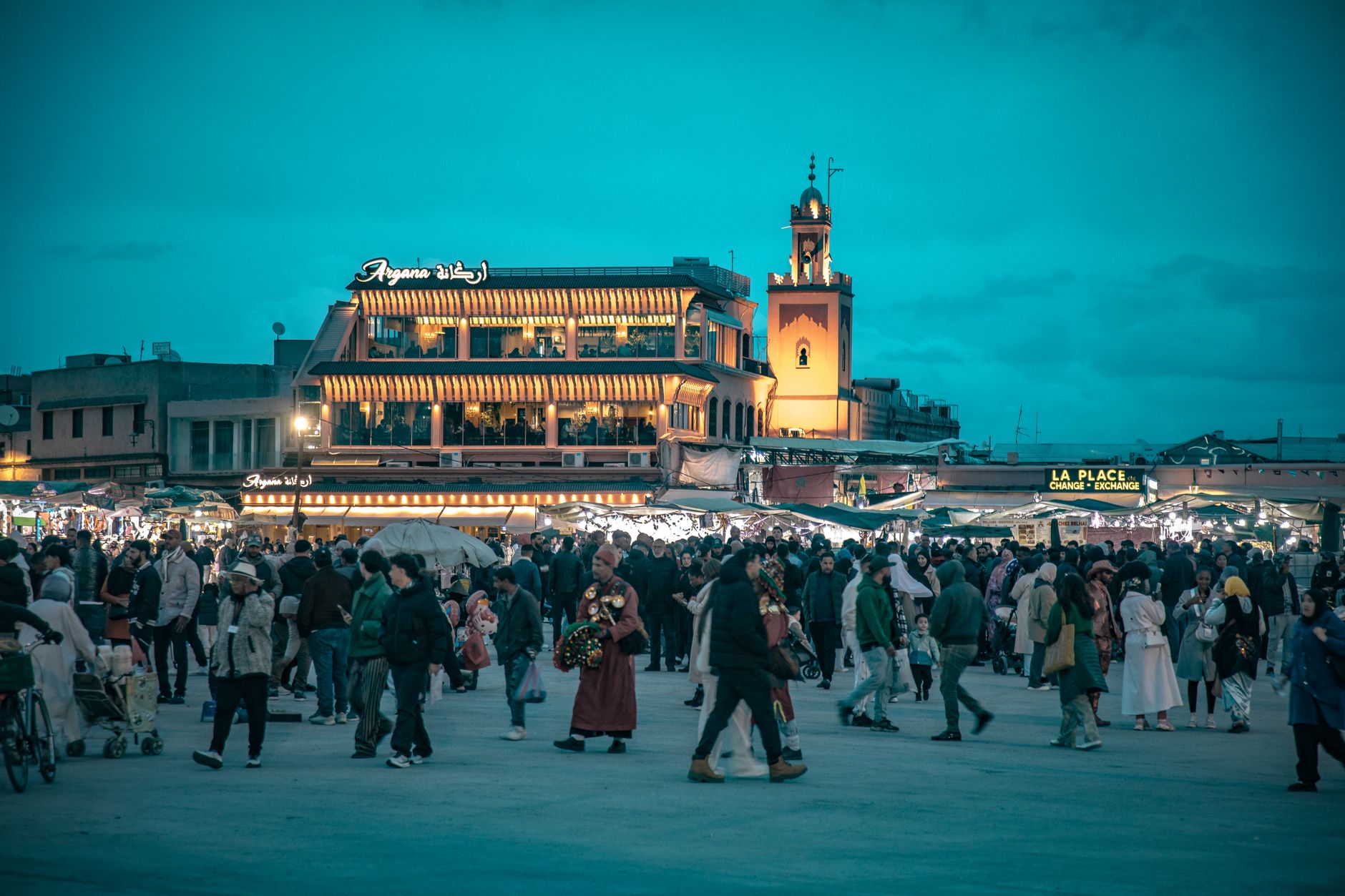
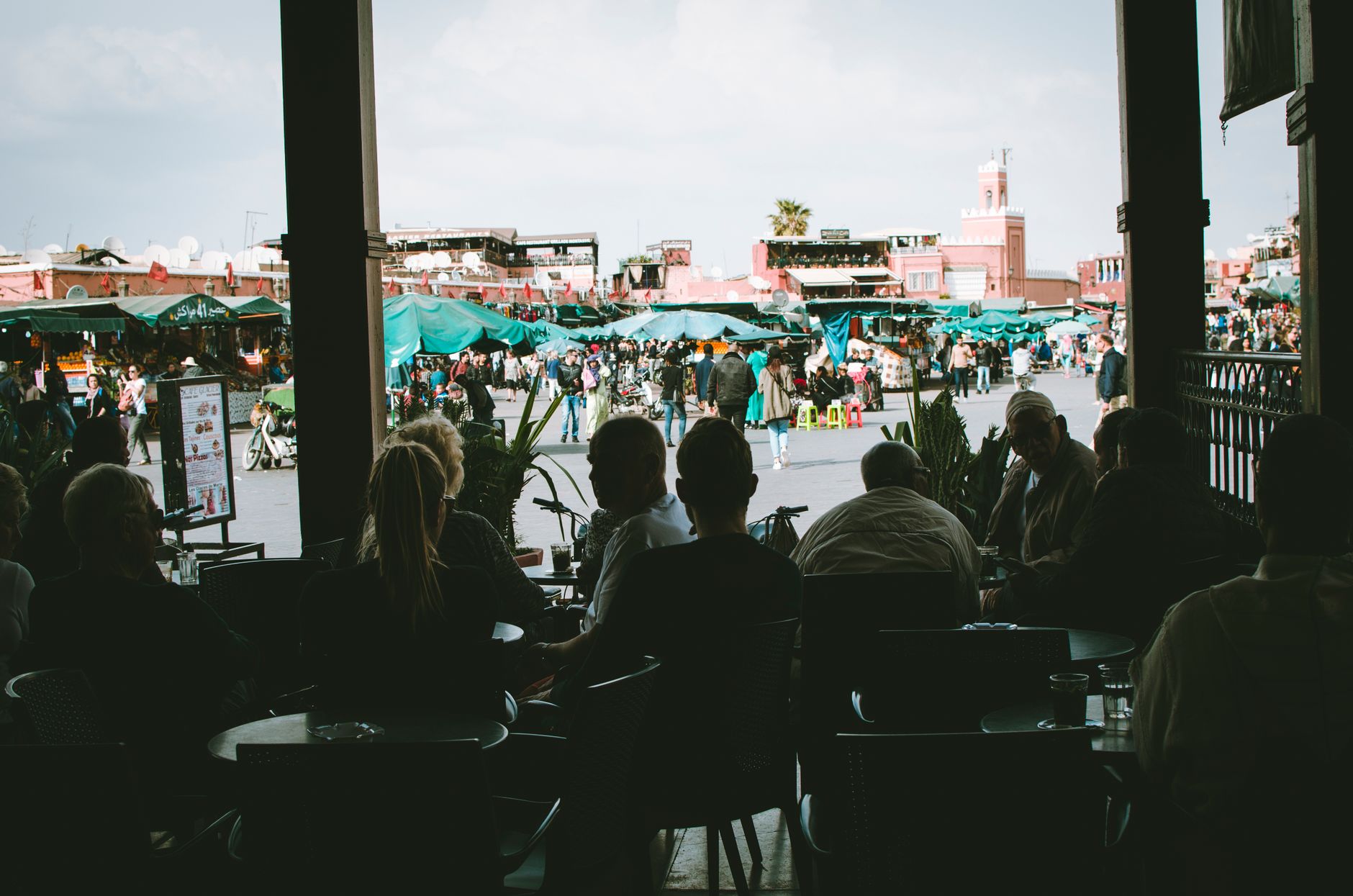
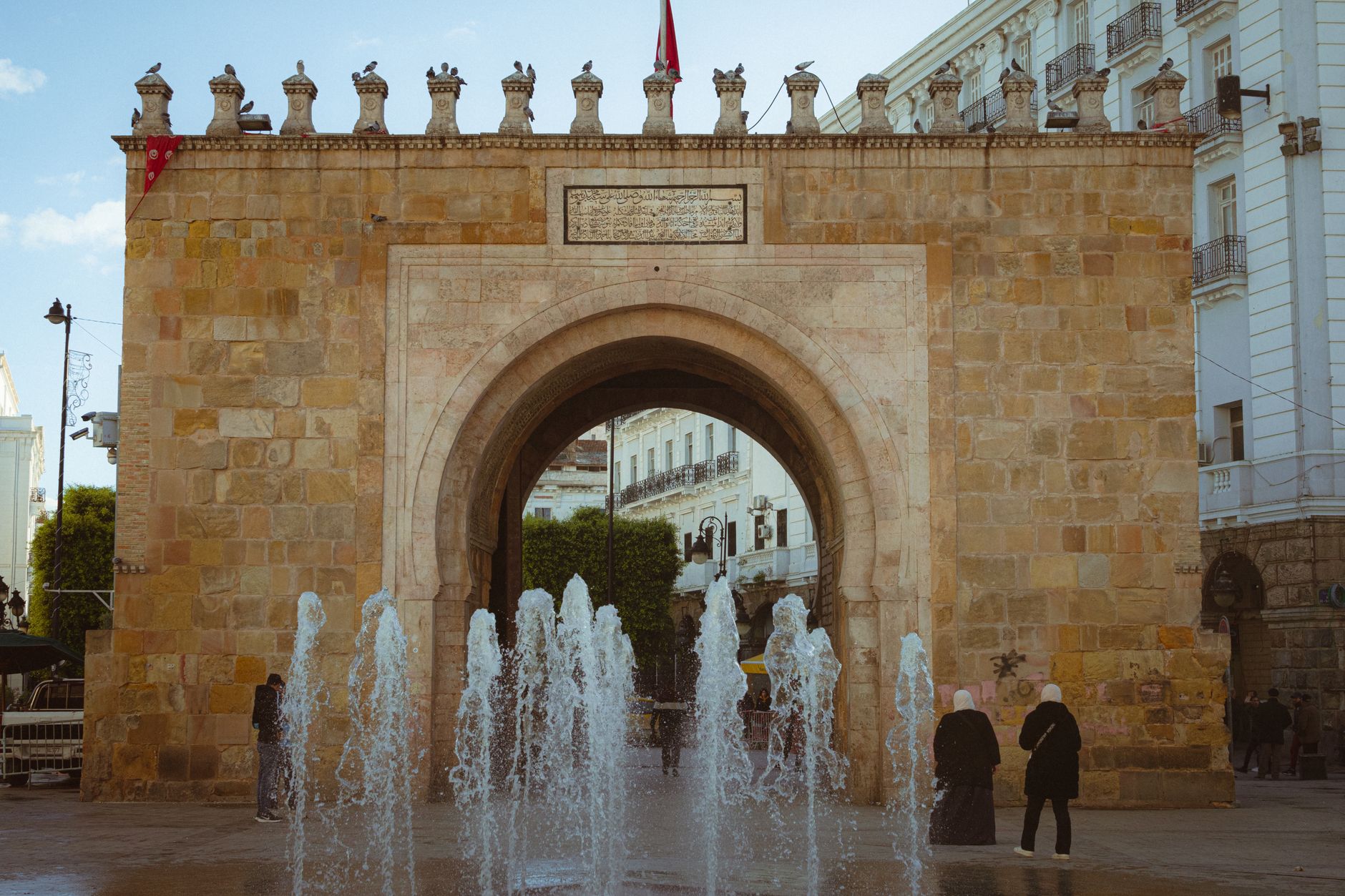
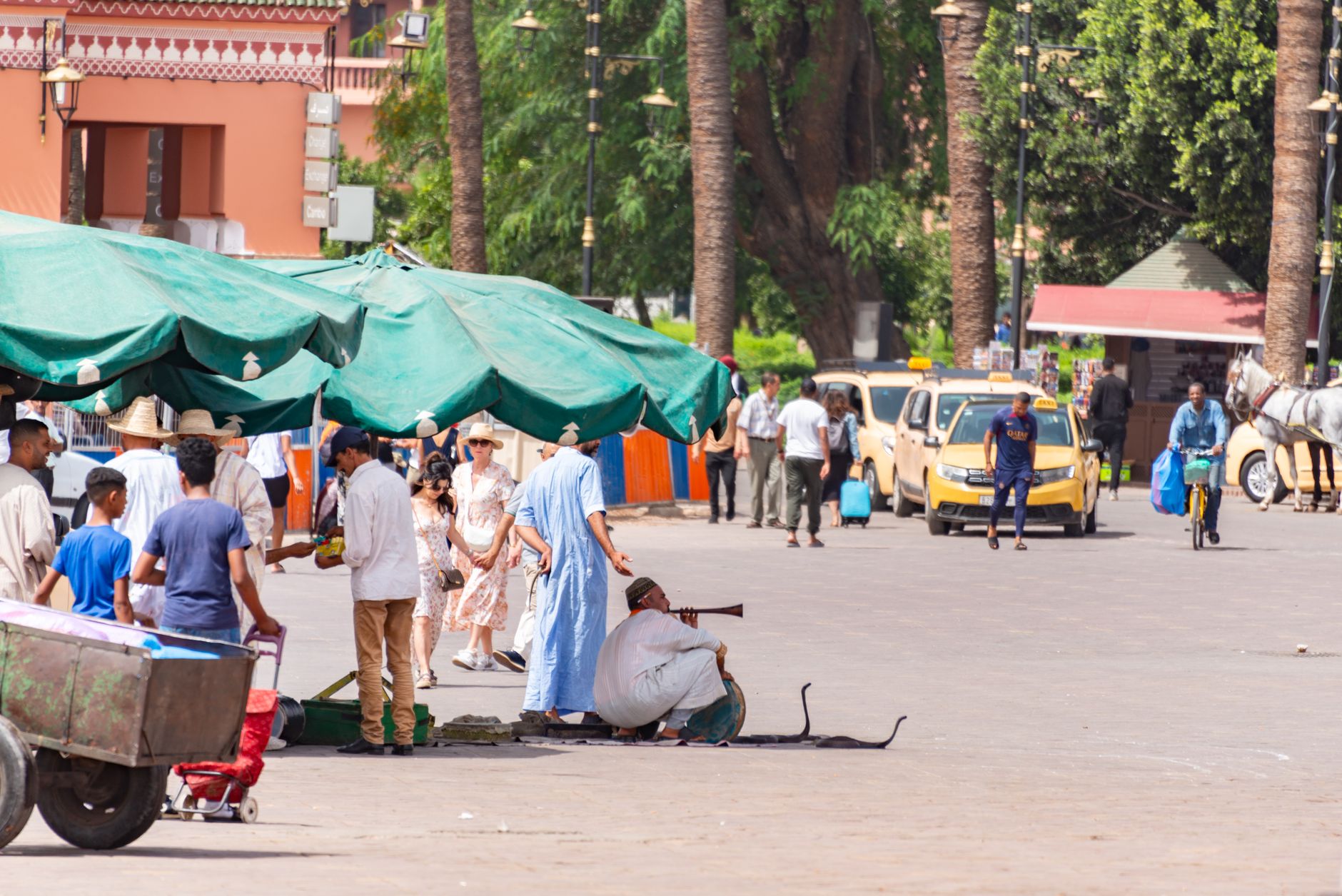
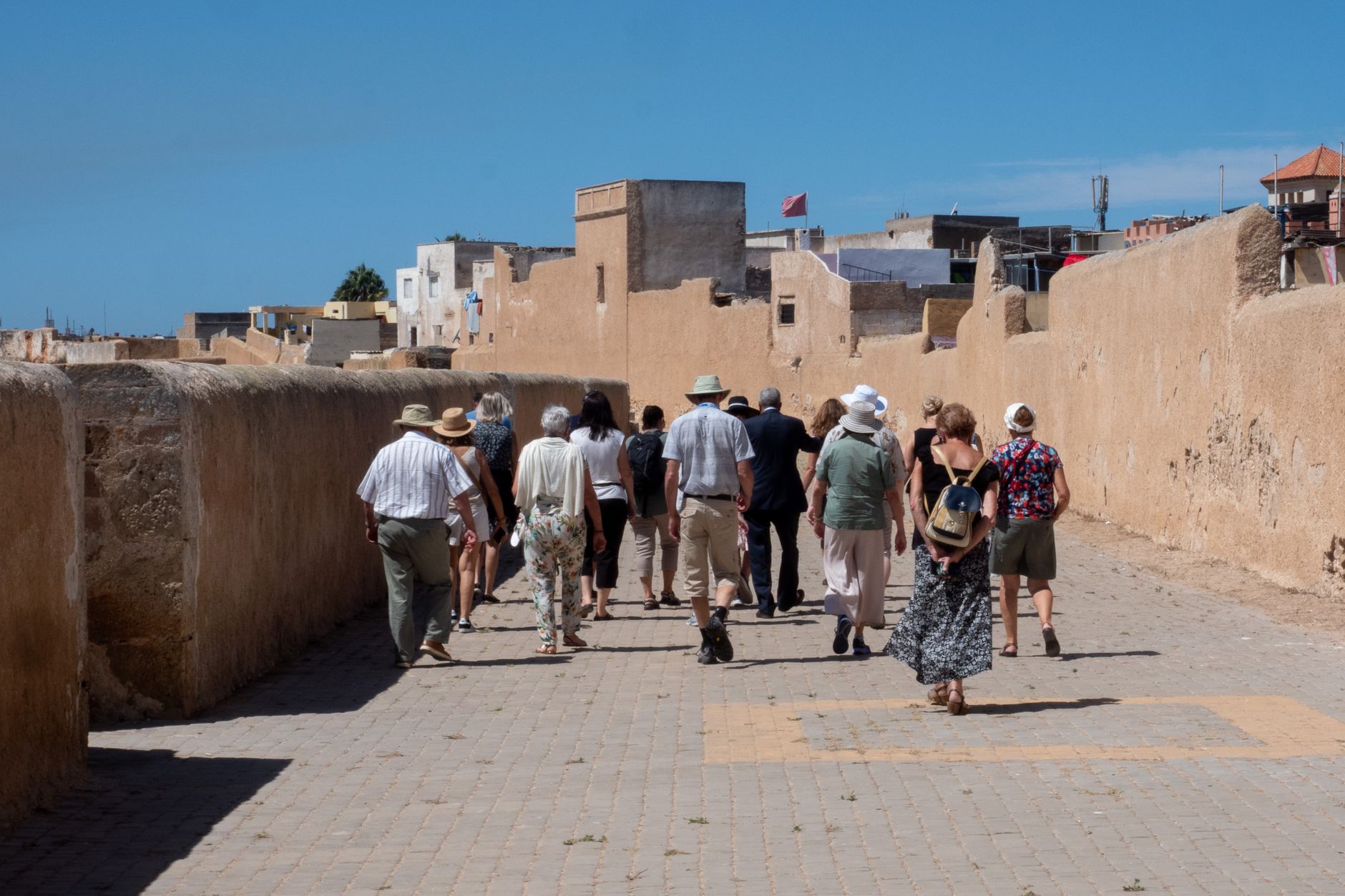
A qissariat is a covered market built around a central courtyard, and Foundouk el-Amrani is the Medina's version of that idea made physical — a place where commerce and architecture share the same walls. The ground floor opens onto traders, the upper galleries wrap around in the way that makes you look up before you look at anything for sale.
Marrakech has close to a hundred foundouks, roughly half still working as commercial spaces. This one sits in the web of lanes that the Medina keeps folding back on itself, close enough to the great souks to catch their traffic, far enough that the pace changes when you step inside.
💛 What travellers fall for
People who come back tend to say the same thing: arrive mid-morning, before the light shifts off the courtyard. The traders here deal in cloth and leather goods rather than the tourist-facing stalls closer to Jemaa el-Fna, so the rhythm is slower and the prices open to a proper conversation.
How Foundouk el-Amrani (Qissariat) came to be
Foundouks served the medieval trade routes as combined warehouse, stable and lodging — the caravanserai translated into Moroccan stone. Marrakech's network of them grew substantially under the Almohad dynasty, whose rulers reshaped the city's commercial infrastructure from the twelfth century onward, building qissariat — covered market enclosures — as a deliberate urban form.
The typology survived successive dynasties because it worked: a courtyard kept goods cool, upper rooms housed travelling merchants, and the architecture made theft harder. Many of Marrakech's foundouks shifted from trade lodges to permanent workshops and retail space as the caravan economy faded, which is roughly the life Foundouk el-Amrani still leads today.
Plan your visit
On the map
When to go
Spring (March–April) and autumn (late September to mid-November) are the most comfortable seasons, with mild days and cool evenings. July and August push well above 36°C by afternoon, and the stone courtyards hold the heat.
Right now
Background & history adapted from Wikipedia (CC BY-SA) · specs from Wikidata (CC0) · weather from Open-Meteo · map data © OpenStreetMap contributors · photos from Wikimedia Commons / Unsplash with per-image credit. No third-party reviews or social posts reproduced.