
Mellah (Jewish Quarter)


The Mellah announces itself with a change in scale — the streets narrow, the wooden balconies lean closer overhead, and the spice souk opens up in a wash of colour before you've quite decided to enter. This is Marrakech's Jewish quarter, founded in 1558 by Sultan Abdallah al-Ghalib, and for four centuries it held one of the most concentrated communities in the city.
Today the quarter runs on a different rhythm. The jewelry souk holds a daily auction at 4:30 p.m., the fabric stalls stack bolts of cloth to the rafters, and the Miara cemetery — the largest Jewish cemetery in Morocco — sits at the edge of it all, dating from the 16th century.
💛 What travellers fall for
People who come back tend to time the jewelry auction, arrive early at the Miara cemetery before it fills with tour groups, and save Place des Ferblantiers for late afternoon when the light comes through the arch toward Badi Palace. The Al-Azama Synagogue, with its courtyard and blue-and-white tilework, is worth the detour even if you're not there for a service.
How Mellah (Jewish Quarter) came to be
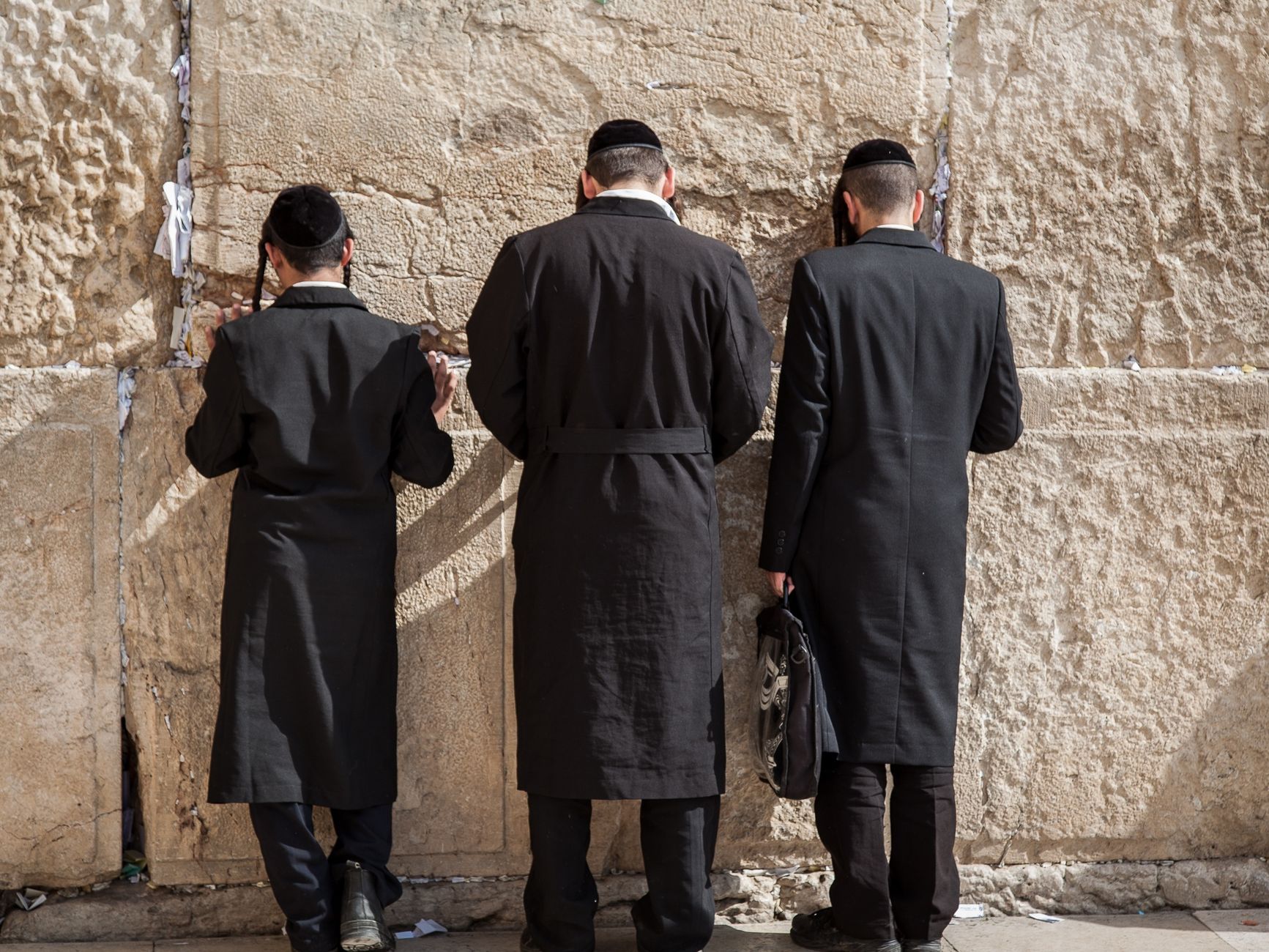
The Mellah of Marrakech was established in 1558 by Saadian Sultan Abdallah al-Ghalib — the second Jewish quarter of its kind in Morocco, after Fez's, which dates from 1438. It was built as a walled enclosure outside El Badi Palace, with gates closed each night. Sephardic Jews had been arriving in significant numbers since the 1492 expulsion from the Iberian Peninsula, and by the late 1940s the quarter held an estimated 40,000 people and as many as 35 synagogues.
The community dispersed after Moroccan independence and through the decades that followed — most emigrating to Israel, others to France and Montreal. Around 200 Jewish residents remain today, along with three synagogues, the Miara cemetery, and a quarter whose bones still carry the shape of what it was.
Who and what shaped it
People who shaped it
Landmark buildings
Plan your visit
On the map
When to go
Spring and autumn are the easiest seasons to walk the Mellah — warm without the full weight of summer heat, which regularly exceeds 38°C (100°F) in July and August. Winter days are mild, but evenings drop sharply, sometimes below 5°C, so bring a layer if you're staying past sundown.
Right now
Background & history adapted from Wikipedia (CC BY-SA) · specs from Wikidata (CC0) · weather from Open-Meteo · map data © OpenStreetMap contributors · photos from Wikimedia Commons / Unsplash with per-image credit. No third-party reviews or social posts reproduced.