
Rue Riad Zitoun el-Kedim

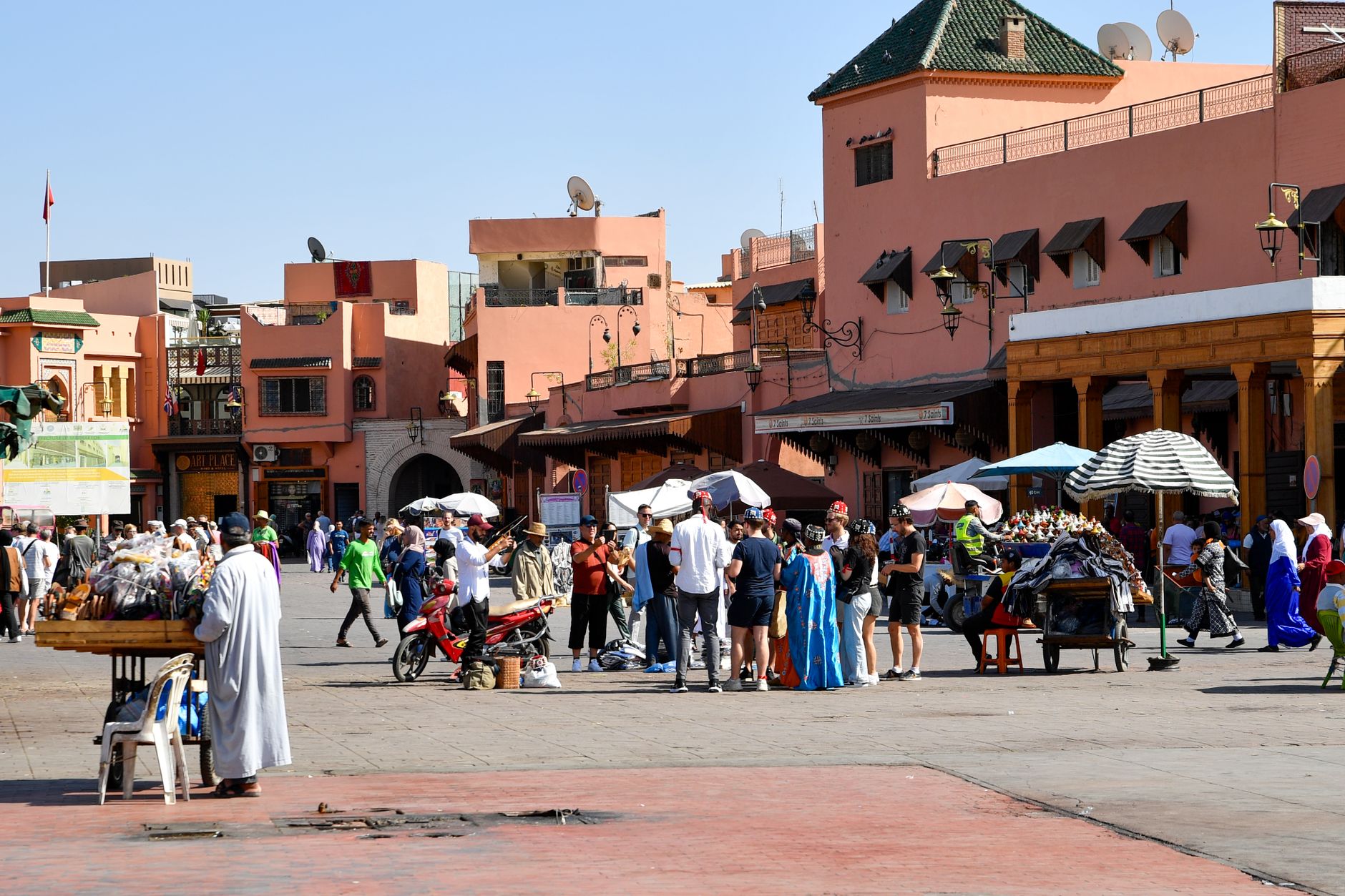

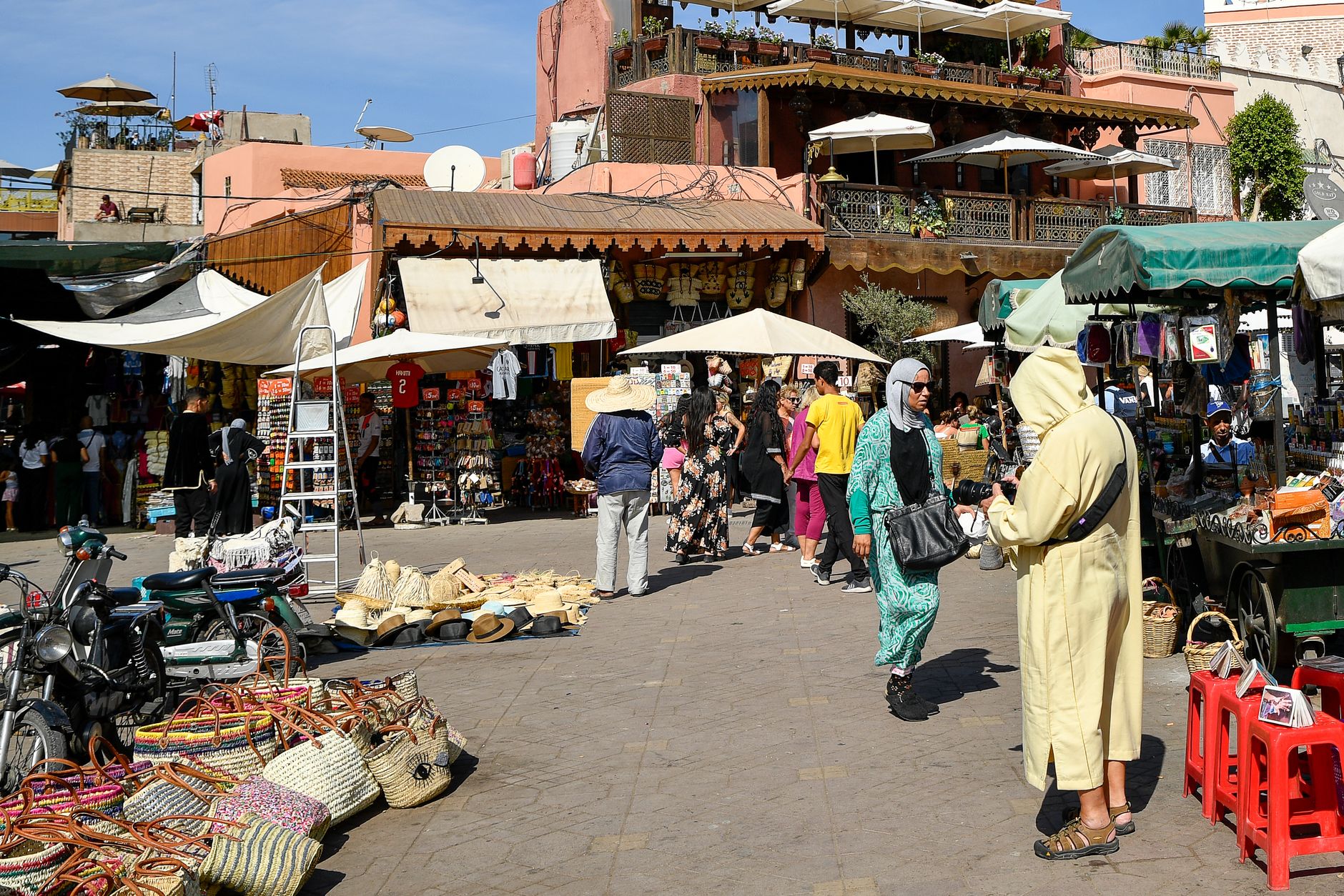
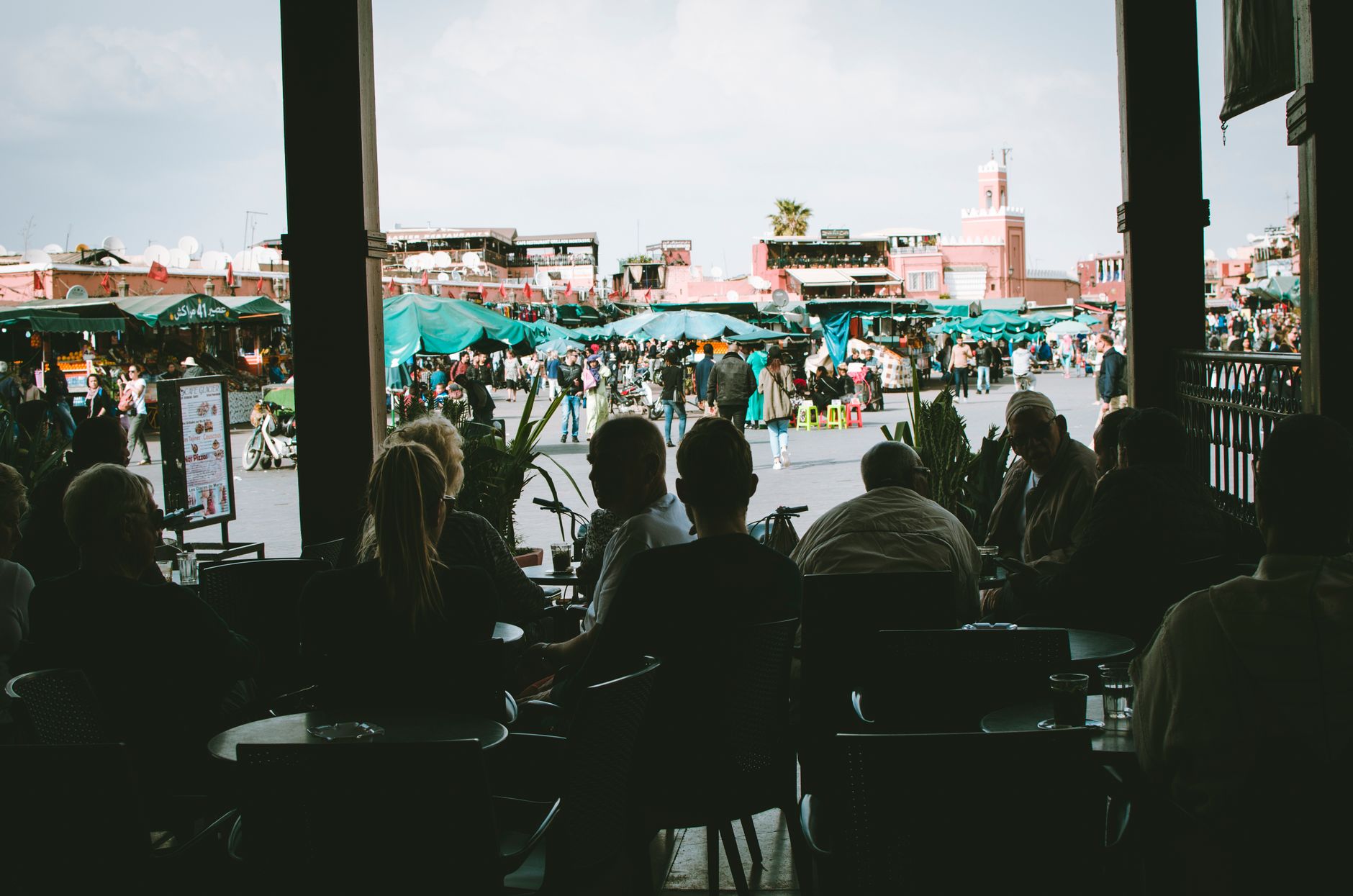
The name gives you the first clue: Riad Zitoun el-Kedim means Old Olive Patio Street, and it runs roughly parallel to its younger sibling, Riad Zitoun el-Jedid, together forming two of the Medina's more navigable arteries. Walk it in the late afternoon and you'll hear Gnawa musicians working a hajhuj — a three-stringed bass lute — somewhere near the Jemaa el-Fna end, while a few metres away copper workers tap patterns into metal with hand tools, the rhythm unhurried and precise.
This is one of the streets that actually holds its name on a signpost, which in the Medina counts for something. Spice sellers, small eateries, and workshops occupy the ground floors of buildings that open and close with the light.
💛 What travellers fall for
People who come back tend to note the copper workers — stop and watch one inscribe a tray by hand before you buy anything. The DarDar Rooftop at number 4 is where regulars go to get their bearings: order something, look out over the rooflines, and figure out your next move before the lanes swallow you again.
How Rue Riad Zitoun el-Kedim came to be
The street's name — Old Olive Patio Street — suggests a time when the neighbourhood was defined by the courtyards and olive trees of its riads rather than the commerce that now runs along it. Its parallel twin, Riad Zitoun el-Jedid, carries the same root name with the suffix meaning 'new,' implying the two streets developed at different periods as the Medina expanded outward from its older core.
No founding date or single patron is recorded for the street itself, but its role as a connector — linking the central square to the southern palace district — likely shaped its character as much as any deliberate plan.
Who and what shaped it
Landmark buildings
Plan your visit
On the map
When to go
Marrakech is sunny for much of the year, including in November. Summer afternoons on this street can be intense — the lanes offer some shade, but mornings and evenings are markedly more comfortable for walking.
Right now
Background & history adapted from Wikipedia (CC BY-SA) · specs from Wikidata (CC0) · weather from Open-Meteo · map data © OpenStreetMap contributors · photos from Wikimedia Commons / Unsplash with per-image credit. No third-party reviews or social posts reproduced.