
Marrakech Museum (Dar Mnebhi Palace)
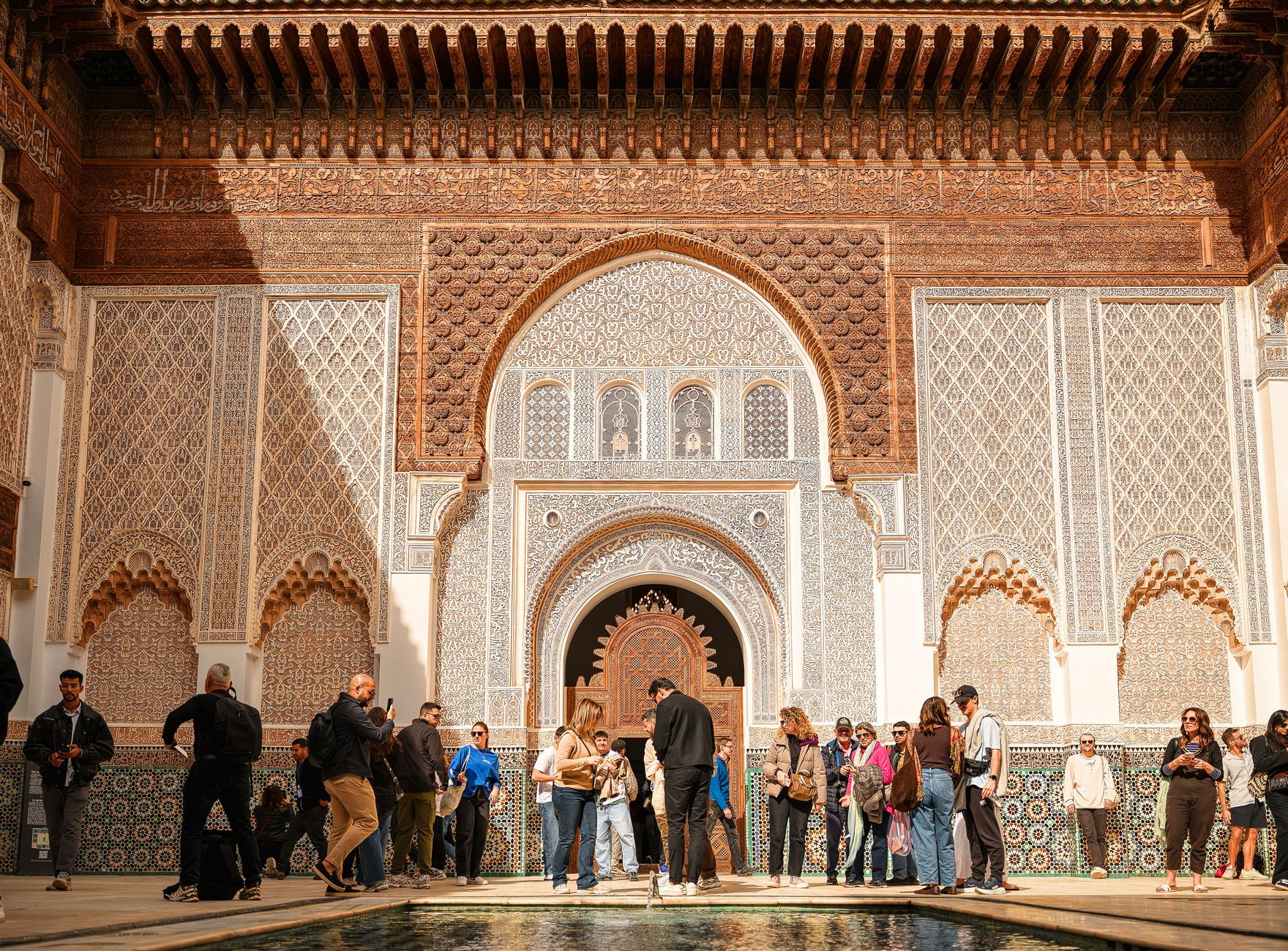
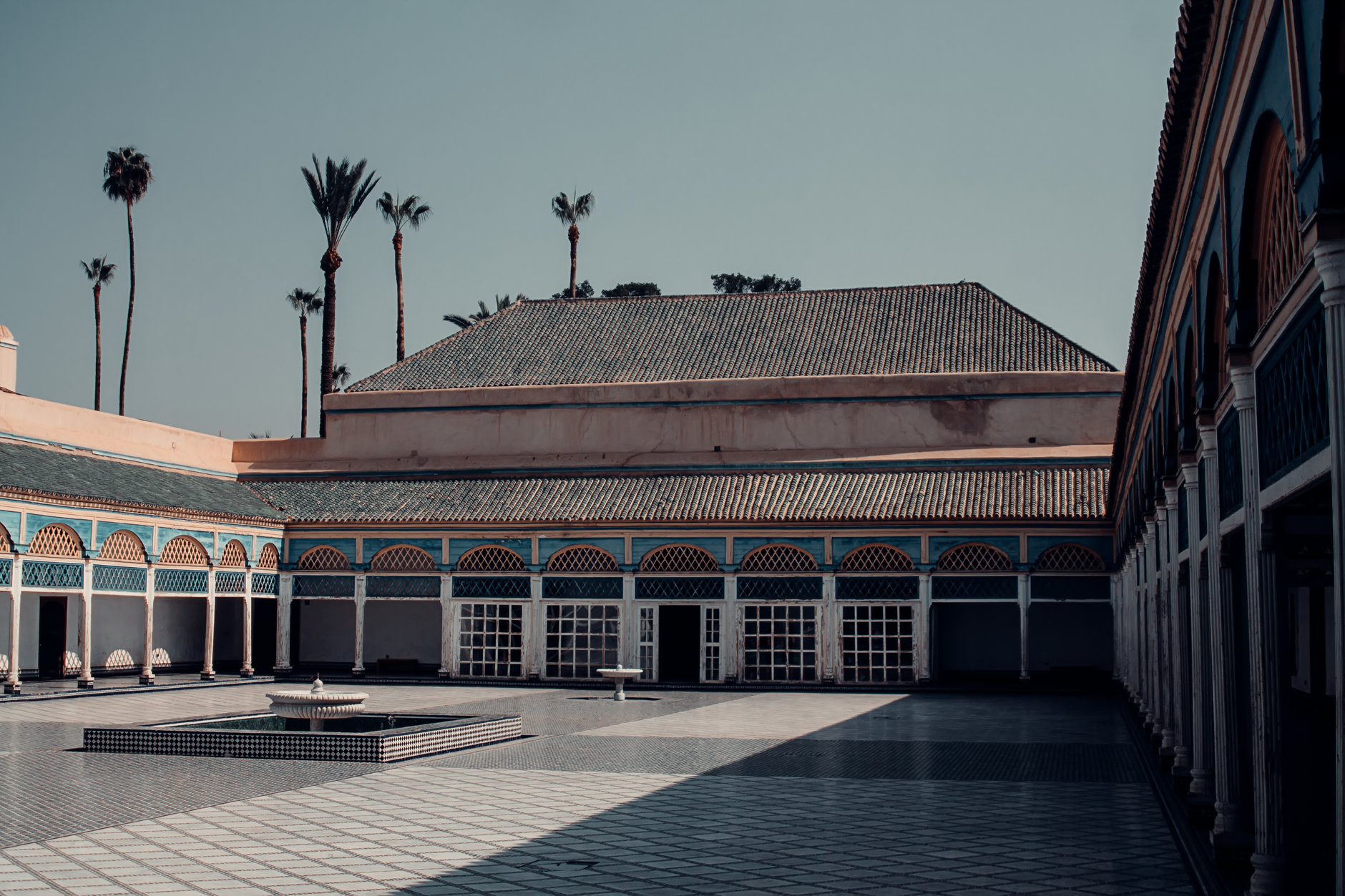
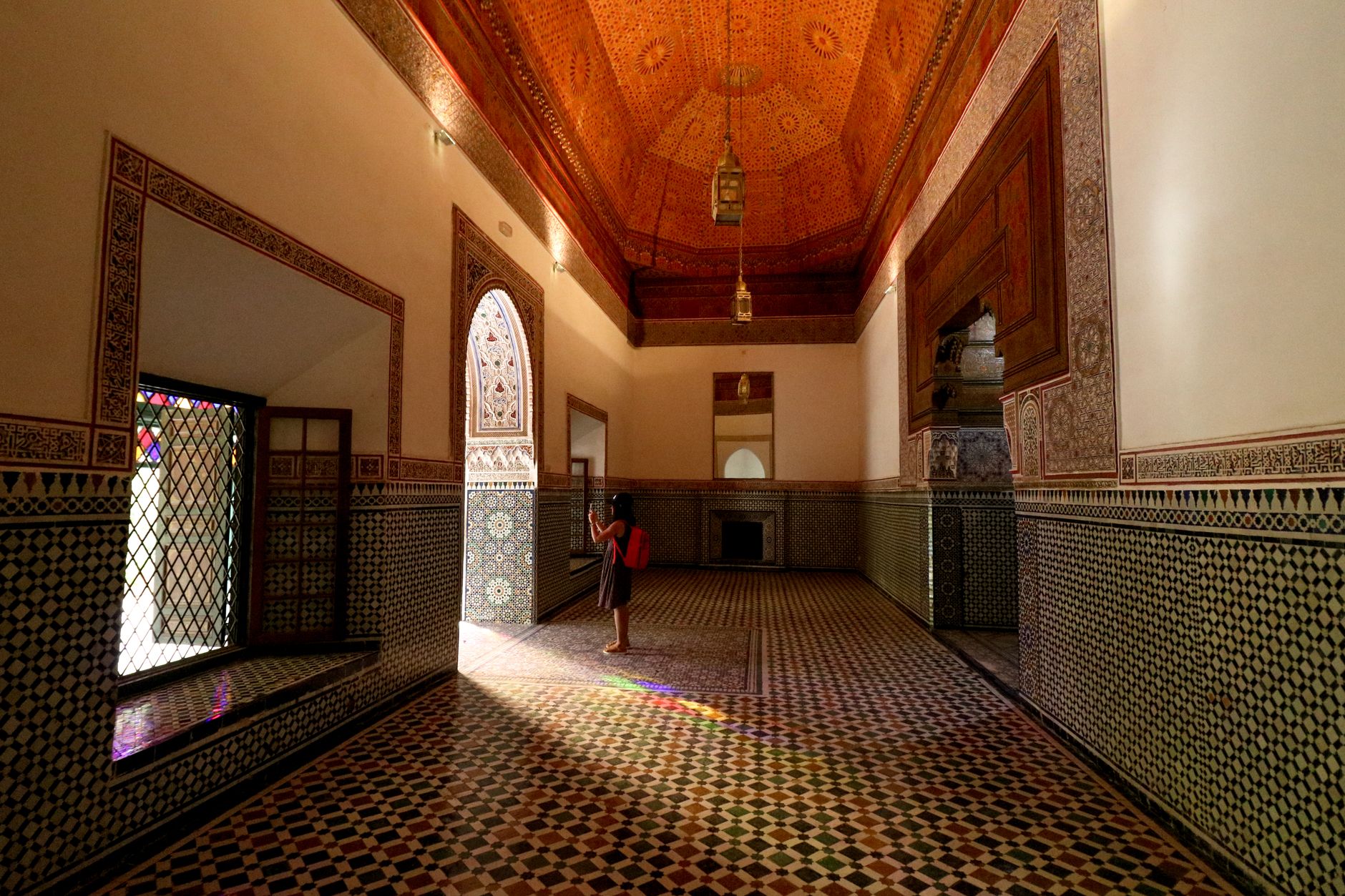

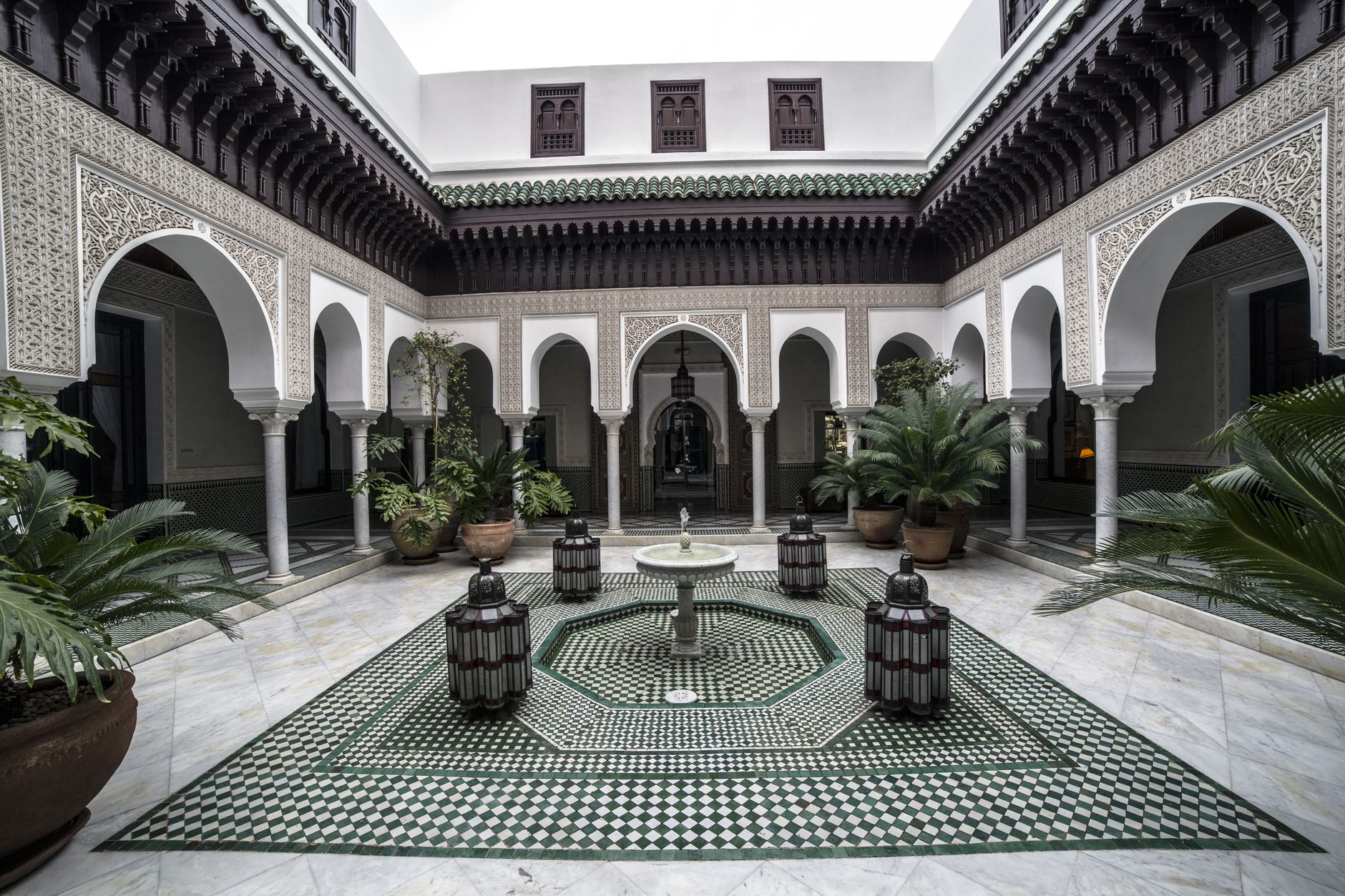
The central courtyard stops you mid-step. Cedar archways, stained-glass windows throwing coloured light across zellige tilework, painted door panels competing for your attention — and above it all, a lamp that anchors the whole composition. Dar Mnebhi Palace was built between 1894 and 1898 for Mehdi al-Mnebhi, vizier of war under Sultan Moulay Abdelaziz, and the scale of his ambition is still legible in every carved surface.
The Omar Benjelloun Foundation restored the palace and opened it as a museum in 1997, and the collection moves between worlds: Berber jewellery and Jewish liturgical objects, Fez ceramics, weapons, carpets, and costumes in the main rooms, with contemporary art occupying the hammam and kitchen quarters. The building contains the art as much as it displays it.
💛 What travellers fall for
People who come back tend to linger in the hammam rooms — the domed vaulting shifts the light in a way the courtyard doesn't, and the contemporary work shown there benefits from it. The Fez ceramics display off the main courtyard is worth a slow look; the craftsmanship is specific enough to reward attention rather than a passing glance.
How Marrakech Museum (Dar Mnebhi Palace) came to be
Mehdi al-Mnebhi built this palace in the closing years of the nineteenth century while serving as qaid of the Mnabha tribe and, from 1900, as the Sultan's minister of war — a position that made him one of the most powerful figures in the Makhzen. The palace was seized by the family of Pasha Thami El Glaoui while Mnebhi was posted to London as ambassador, a reversal that says something about how quickly fortunes moved in that era.
After Moroccan independence in 1956, the state took possession. It became a girls' school in 1965, then sat in partial disrepair until the Omar Benjelloun Foundation undertook a full restoration and inaugurated the museum in 1997. Al-Mnebhi also built a palace in Fez; this one, in the Medina of Marrakech, is the one that survived into public life.
Who and what shaped it
People who shaped it
Landmark buildings
Plan your visit
On the map
When to go
Right now
Background & history adapted from Wikipedia (CC BY-SA) · specs from Wikidata (CC0) · weather from Open-Meteo · map data © OpenStreetMap contributors · photos from Wikimedia Commons / Unsplash with per-image credit. No third-party reviews or social posts reproduced.