
Bab Doukkala Mosque
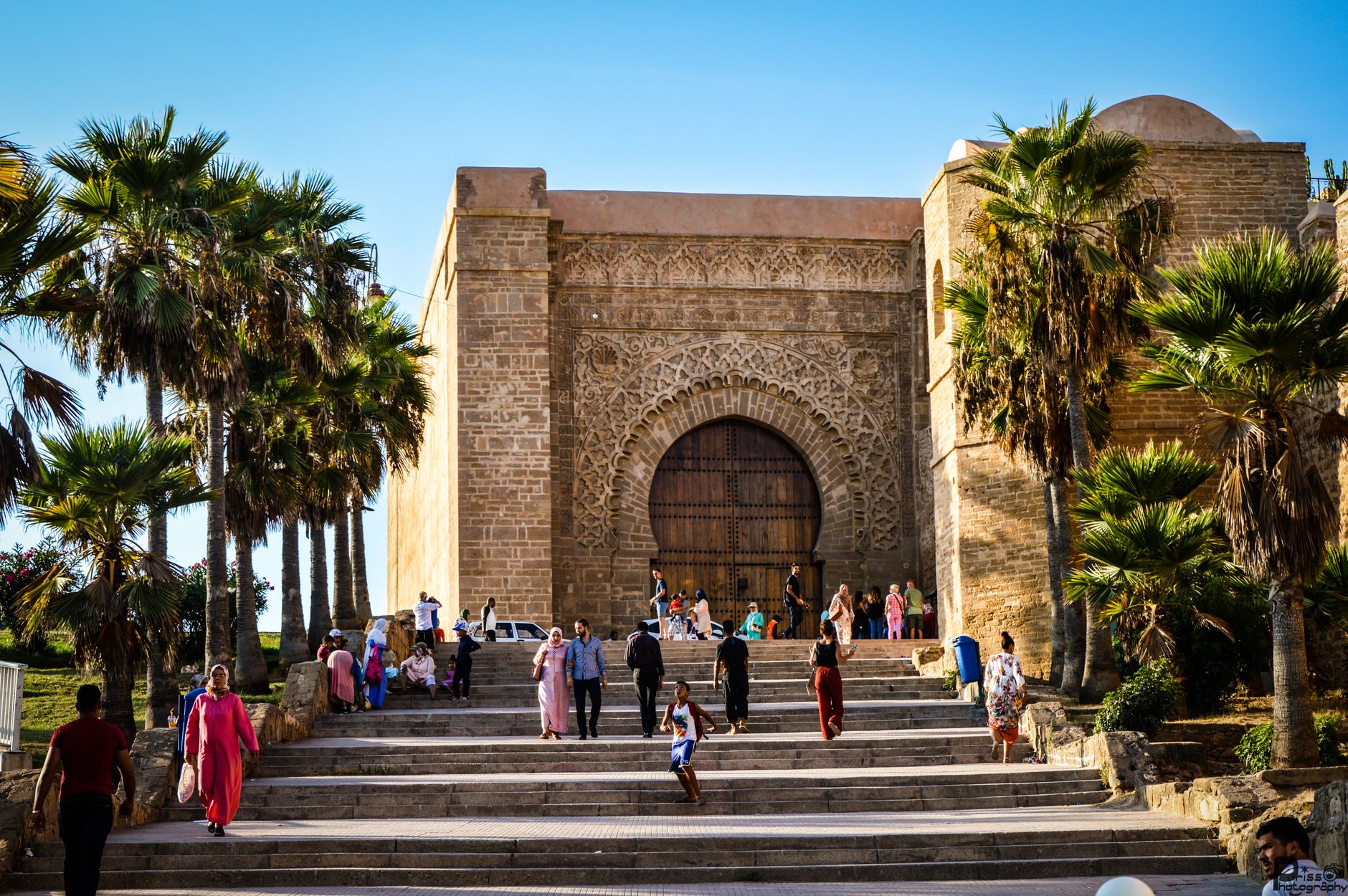
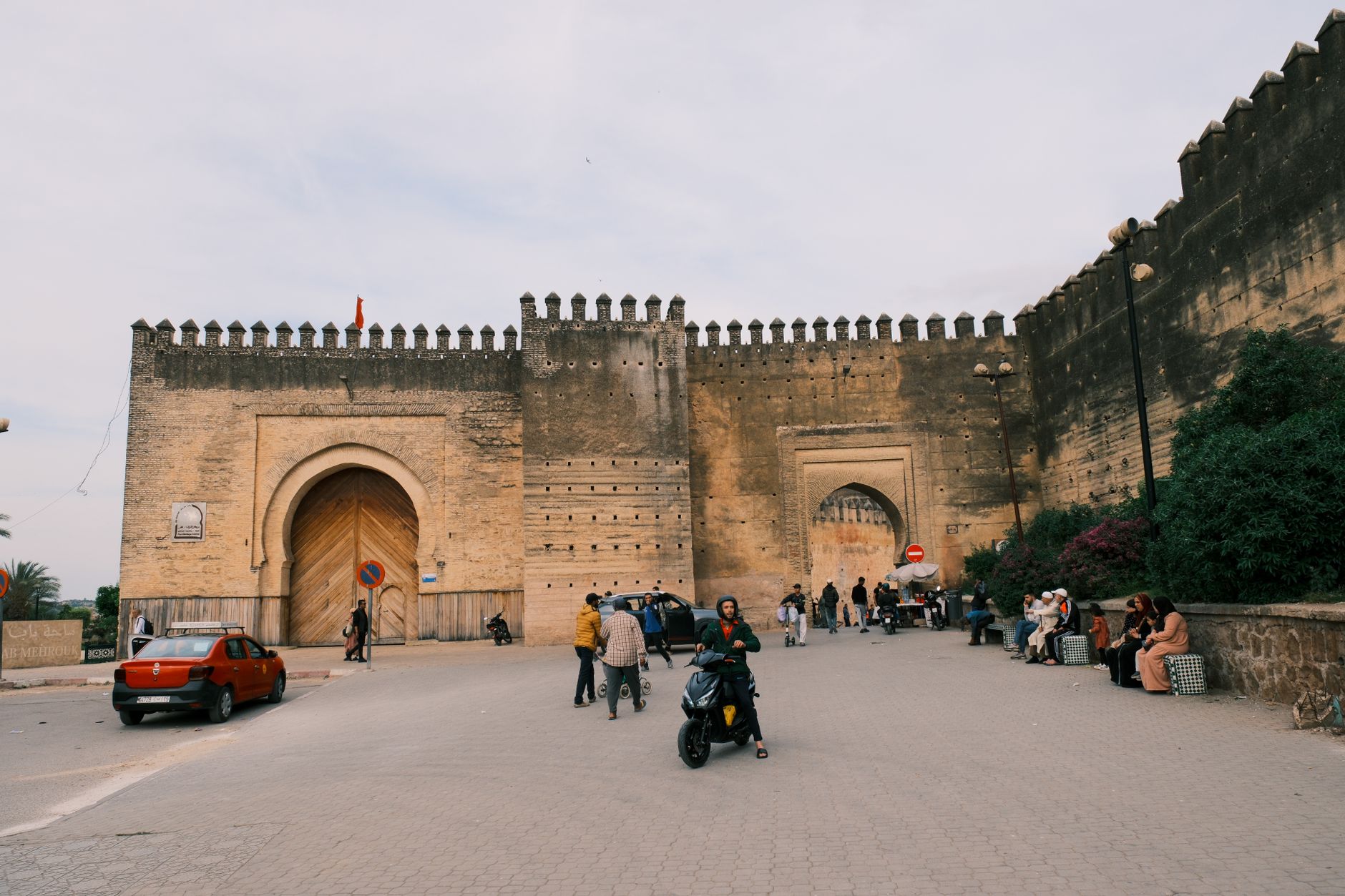
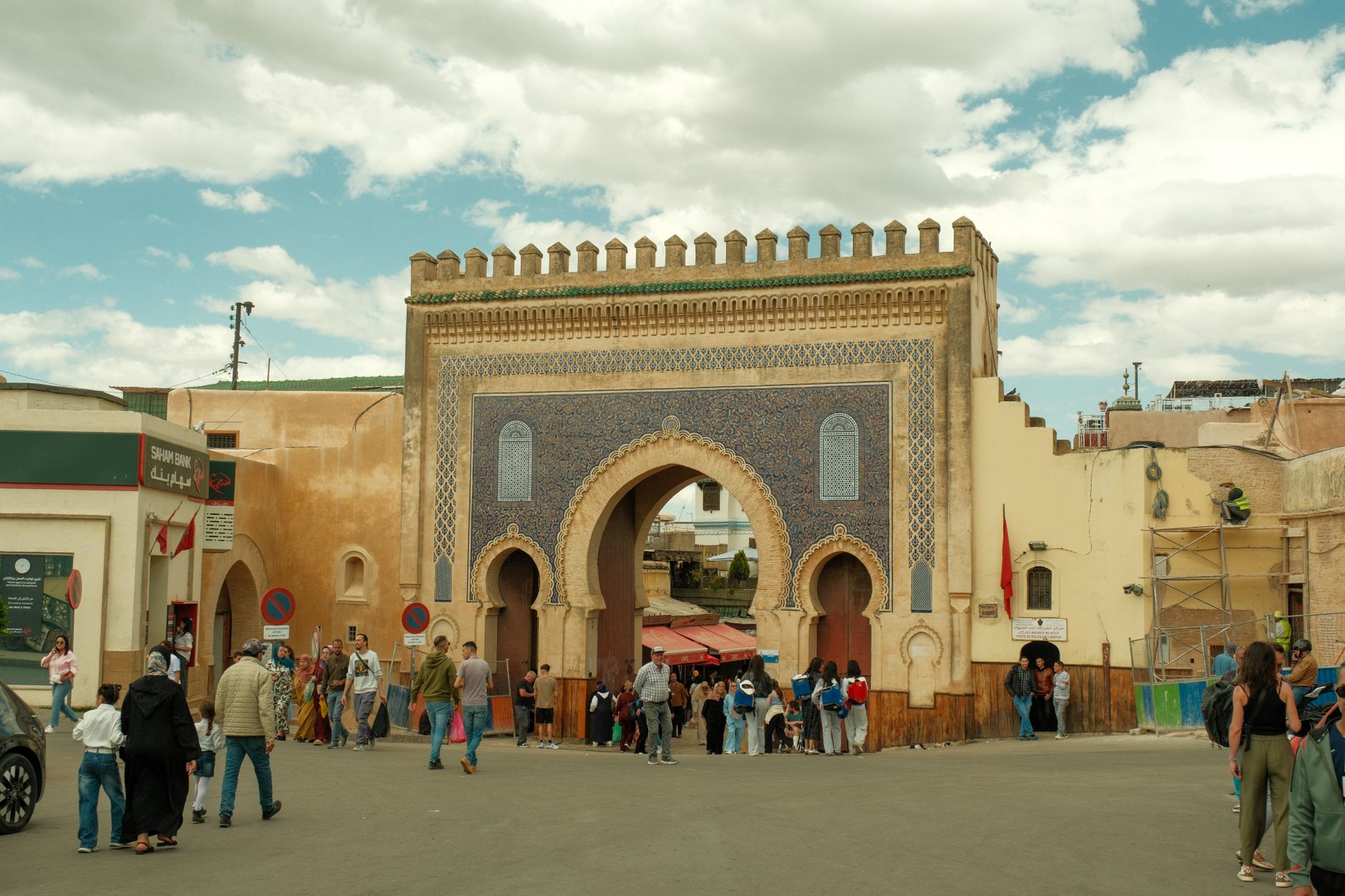
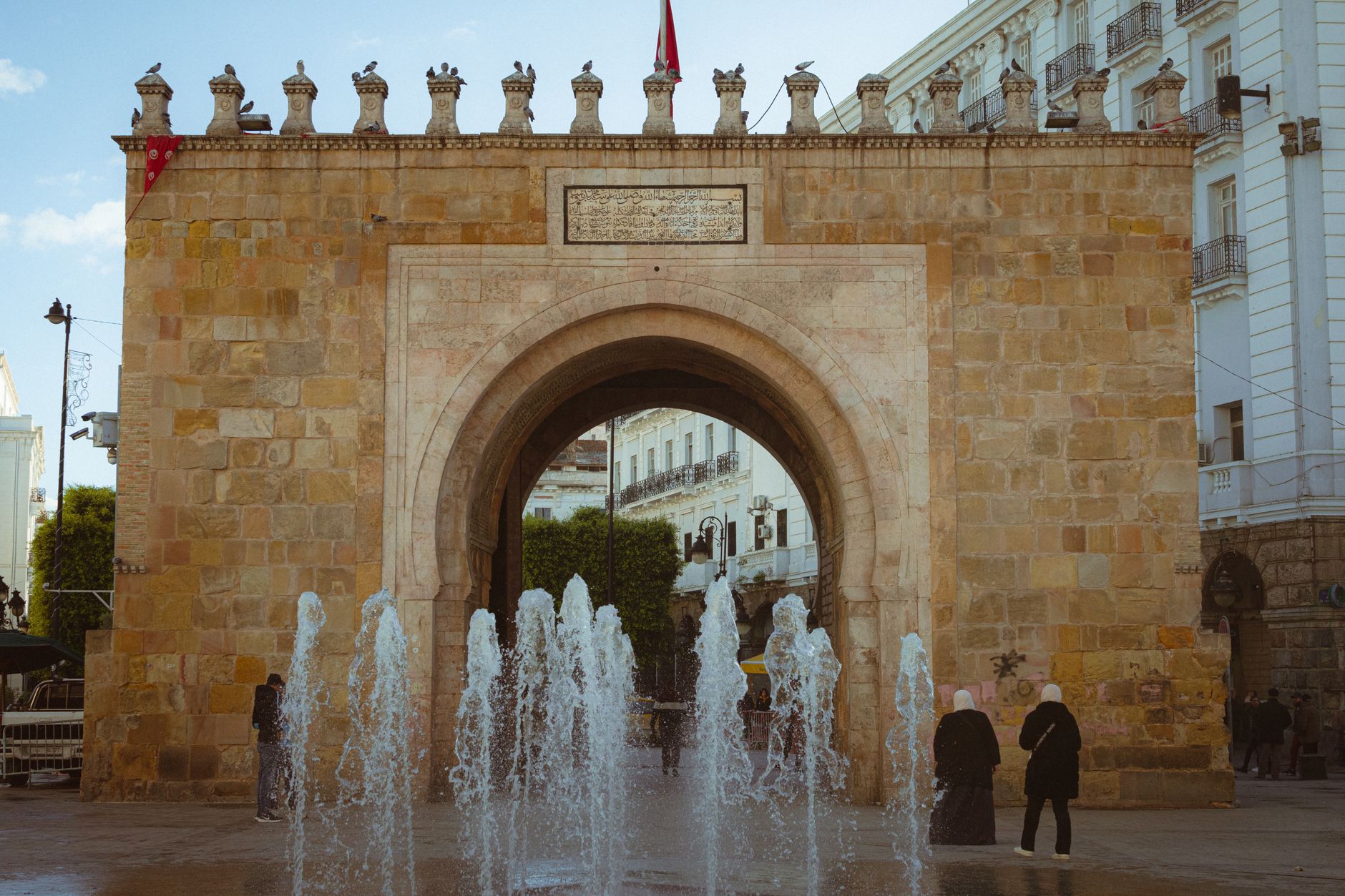
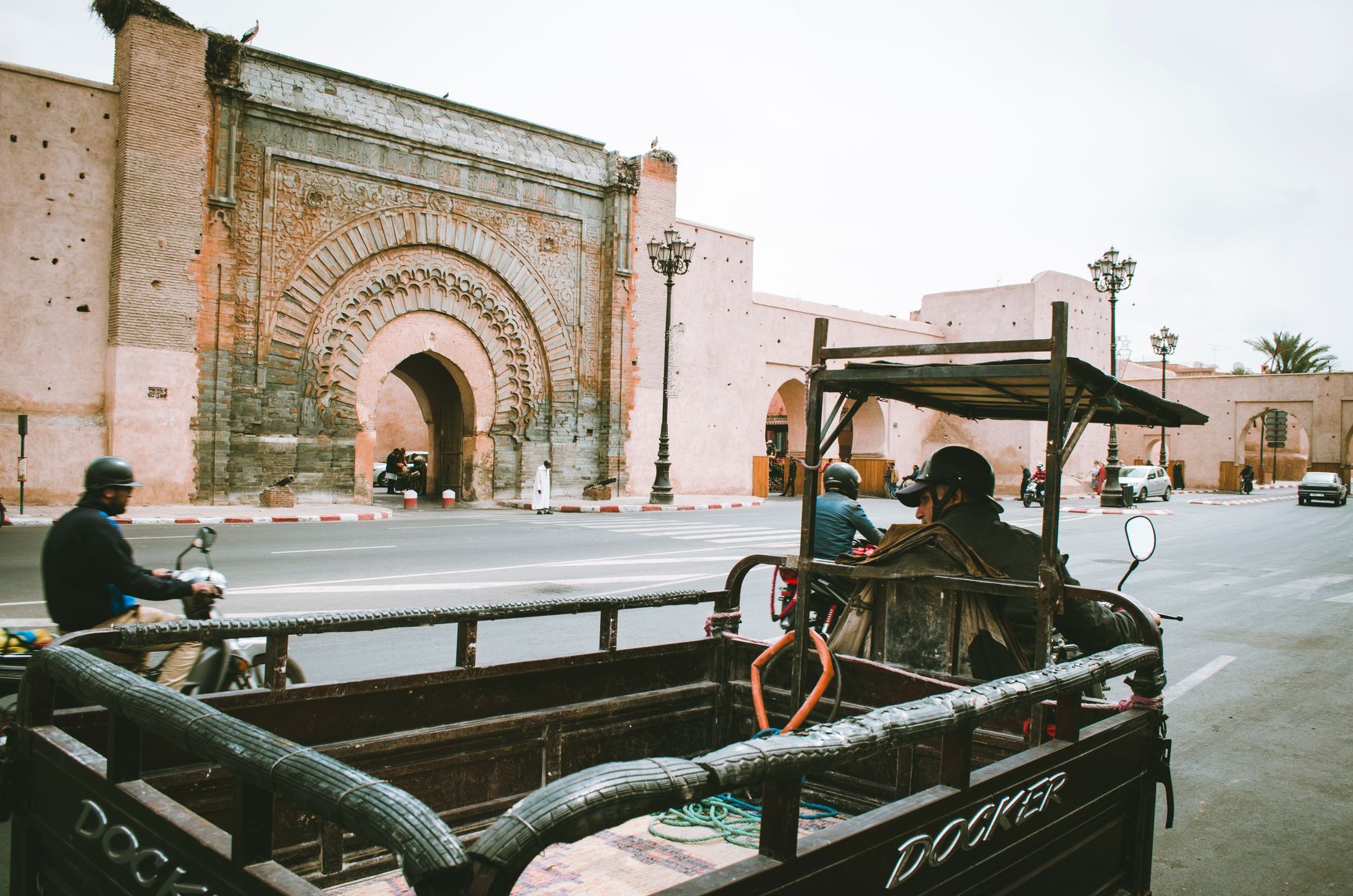
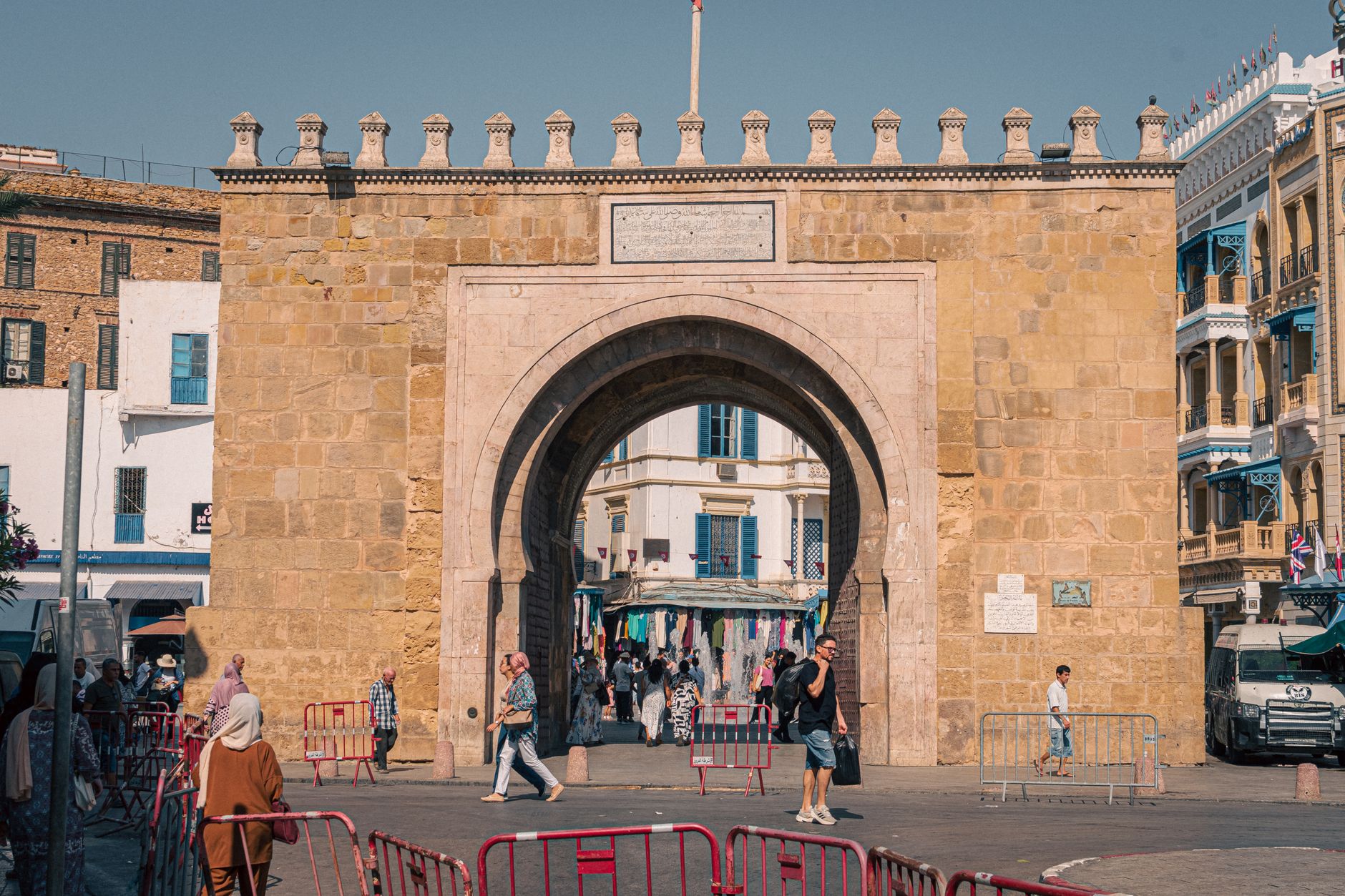
The neighbourhood around Bab Doukkala takes its name from the gate at its edge — a bent, doubled-back passage that dates to the Almoravid walls of 1126 CE and still funnels foot traffic, motorbikes and the occasional loaded donkey into the medina. At its centre stands the Friday mosque commissioned in the late 1550s by Lalla Mas'uda bint Ahmad, a Saadian queen who gave it a second name: al-Hurra, the Mosque of the Free One.
The streets leading away from the mosque are workday Marrakech — skewer stalls along Rue Bab Doukkala sending smoke from beef, liver and merguez into the afternoon air, neighbours at the public fountain, and the hammam that has been running in some form since the 17th century.
💛 What travellers fall for
People who come back tend to time the hammam right: women get the midday-to-early-evening slot, men the early morning or late night. The ablutions house beside the mosque — with its carved wooden ceiling and the stone troughs where animals drank — is easy to walk past without noticing. Worth a slow look.
How Bab Doukkala Mosque came to be
Construction on the mosque began in 1557–58 CE and was complete by around 1570–71. It was founded by Lalla Mas'uda bint Ahmad — wife of Muhammad al-Sheikh, the Saadian dynasty's founder, and mother of the future sultan Ahmad al-Mansur — as a Friday mosque for a neighbourhood undergoing deliberate redevelopment under Saadian patronage.
The complex she endowed was comprehensive: alongside the prayer hall, with its eight naves and decorated columns, she added a madrasa, library, hammam, and a mida'a (ablutions house) whose northeastern façade still carries four arched bays — three with animal troughs, one for people. The gate the neighbourhood is named for is considerably older, an Almoravid structure that retains its original bent-entrance design after nearly nine centuries.
Who and what shaped it
People who shaped it
Landmark buildings
See Bab Doukkala Mosque in motion
Plan your visit
On the map
When to go
Spring and autumn are the most comfortable seasons — warm days, manageable evenings, and only occasional rain. Summer heat regularly exceeds 40°C in July and August; if you're visiting then, mornings are the time to walk.
Right now
Background & history adapted from Wikipedia (CC BY-SA) · specs from Wikidata (CC0) · weather from Open-Meteo · map data © OpenStreetMap contributors · photos from Wikimedia Commons / Unsplash with per-image credit. No third-party reviews or social posts reproduced.