
El Badi Palace
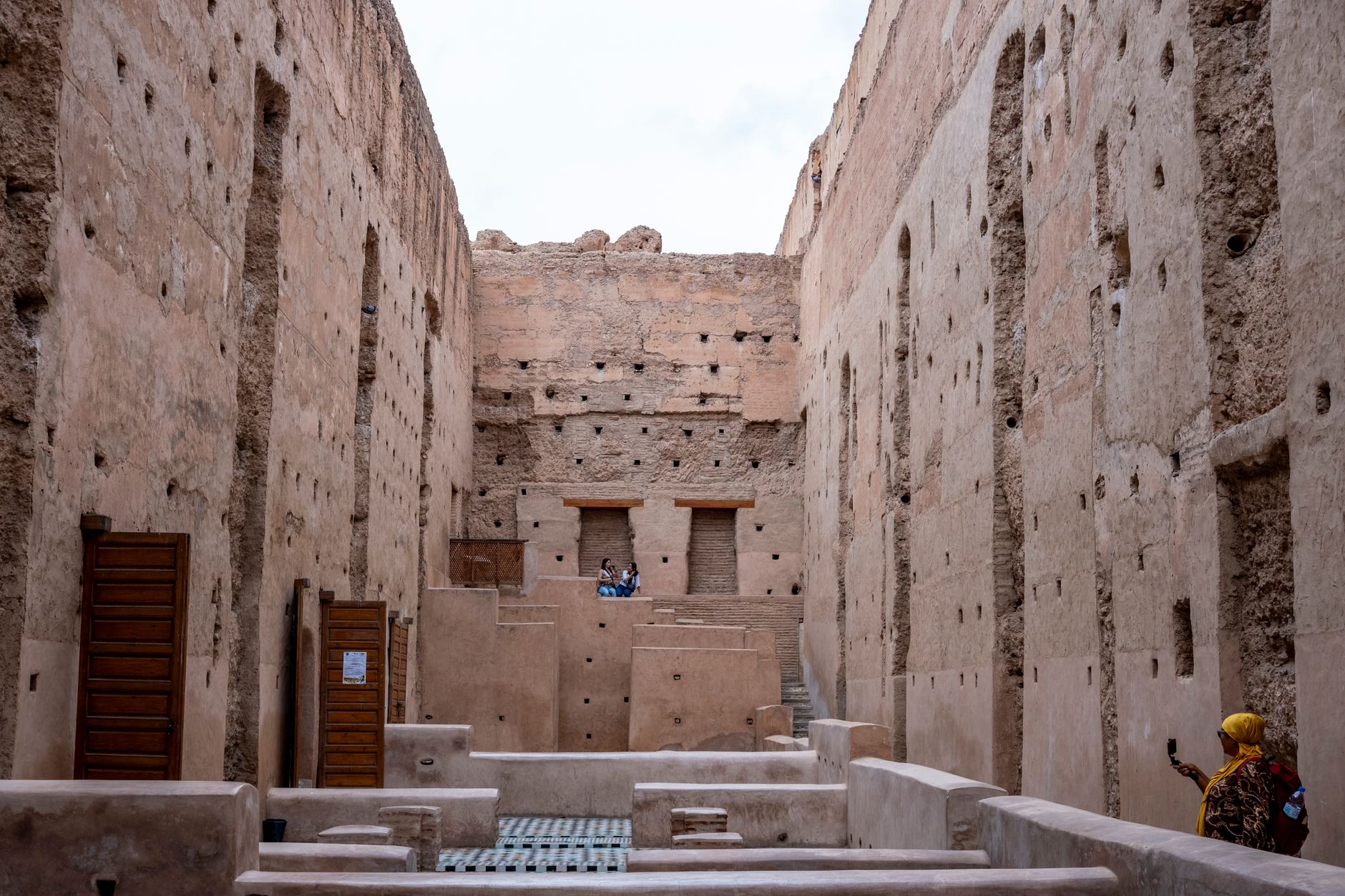
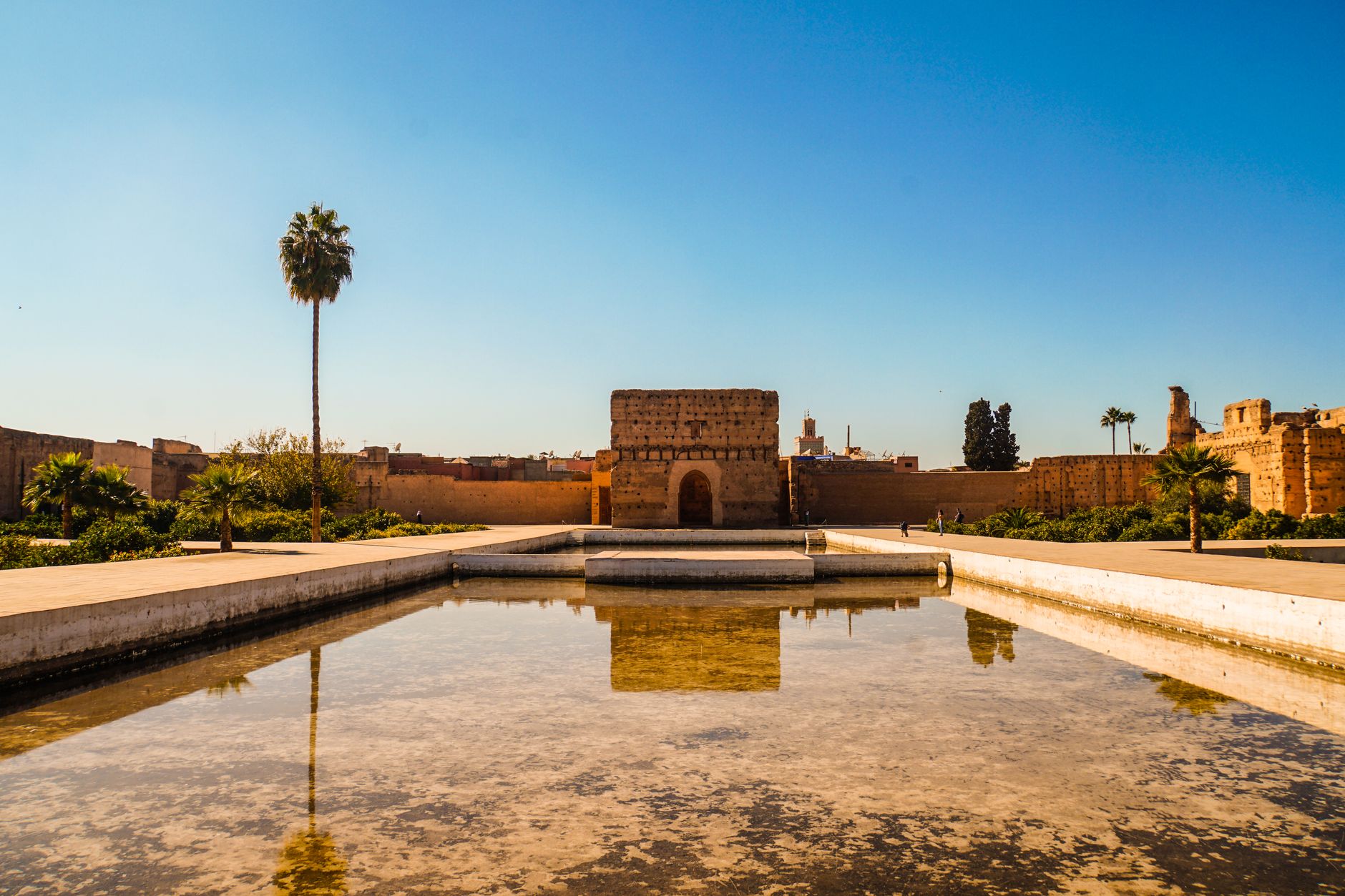
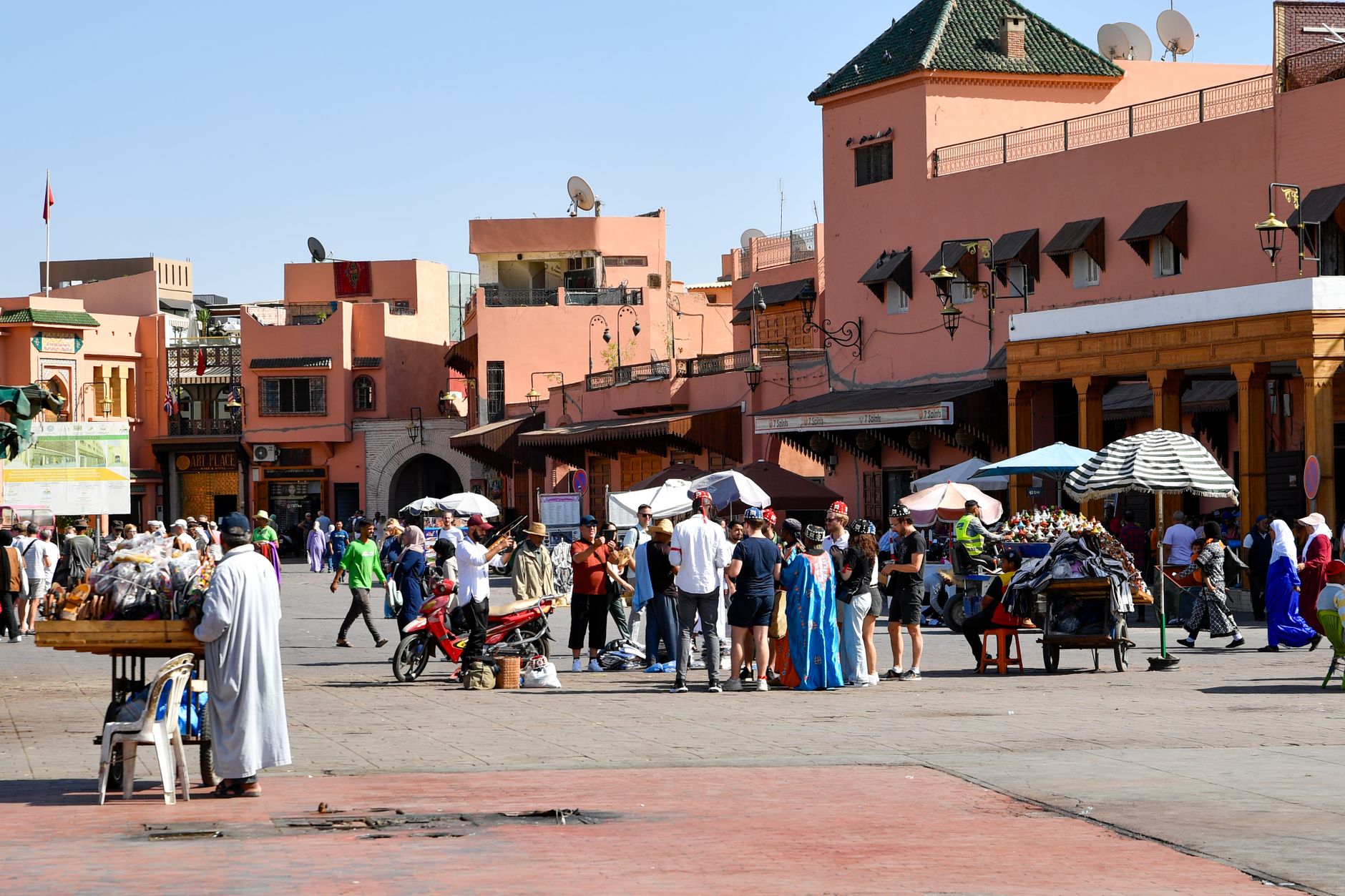
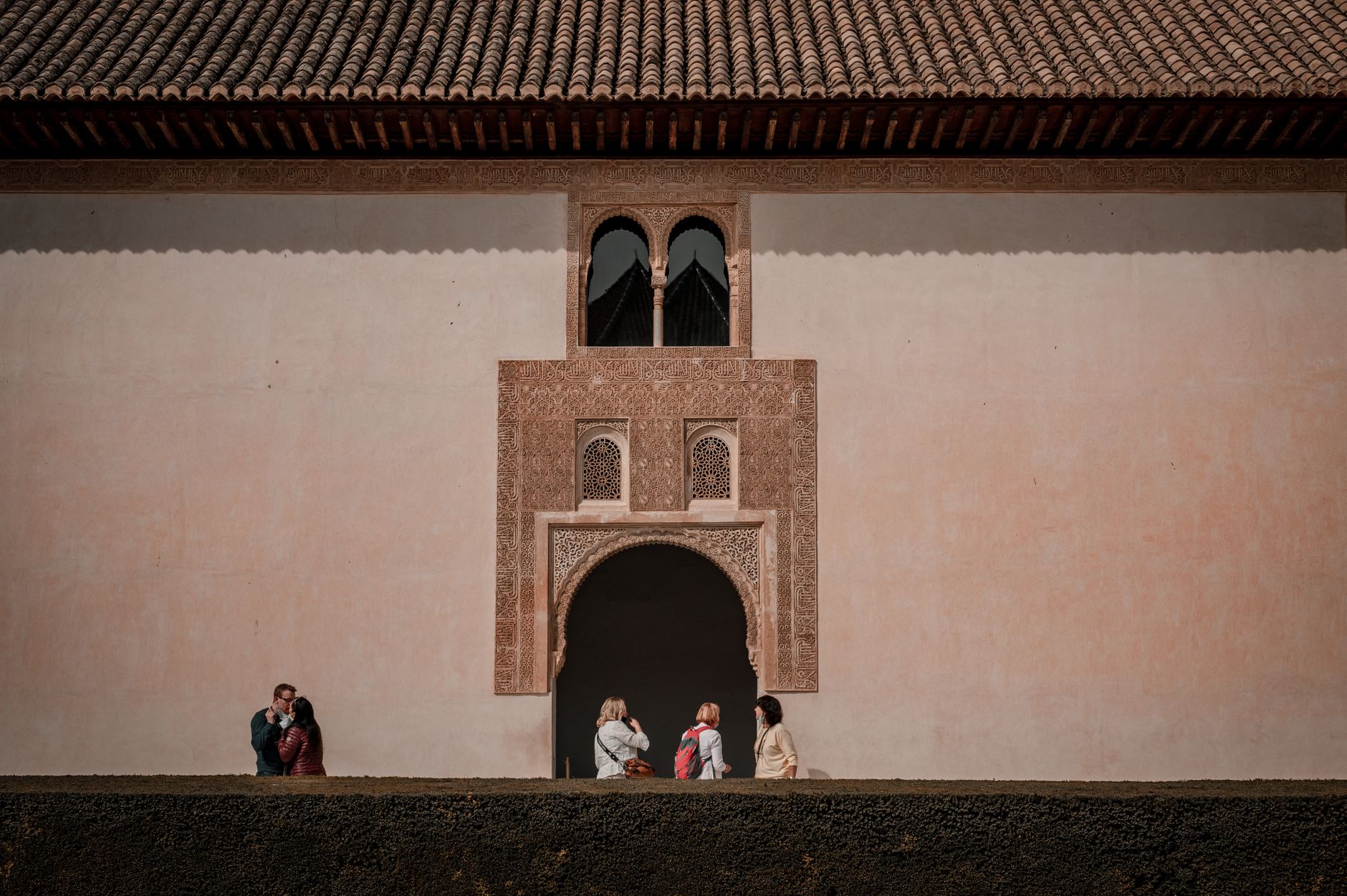
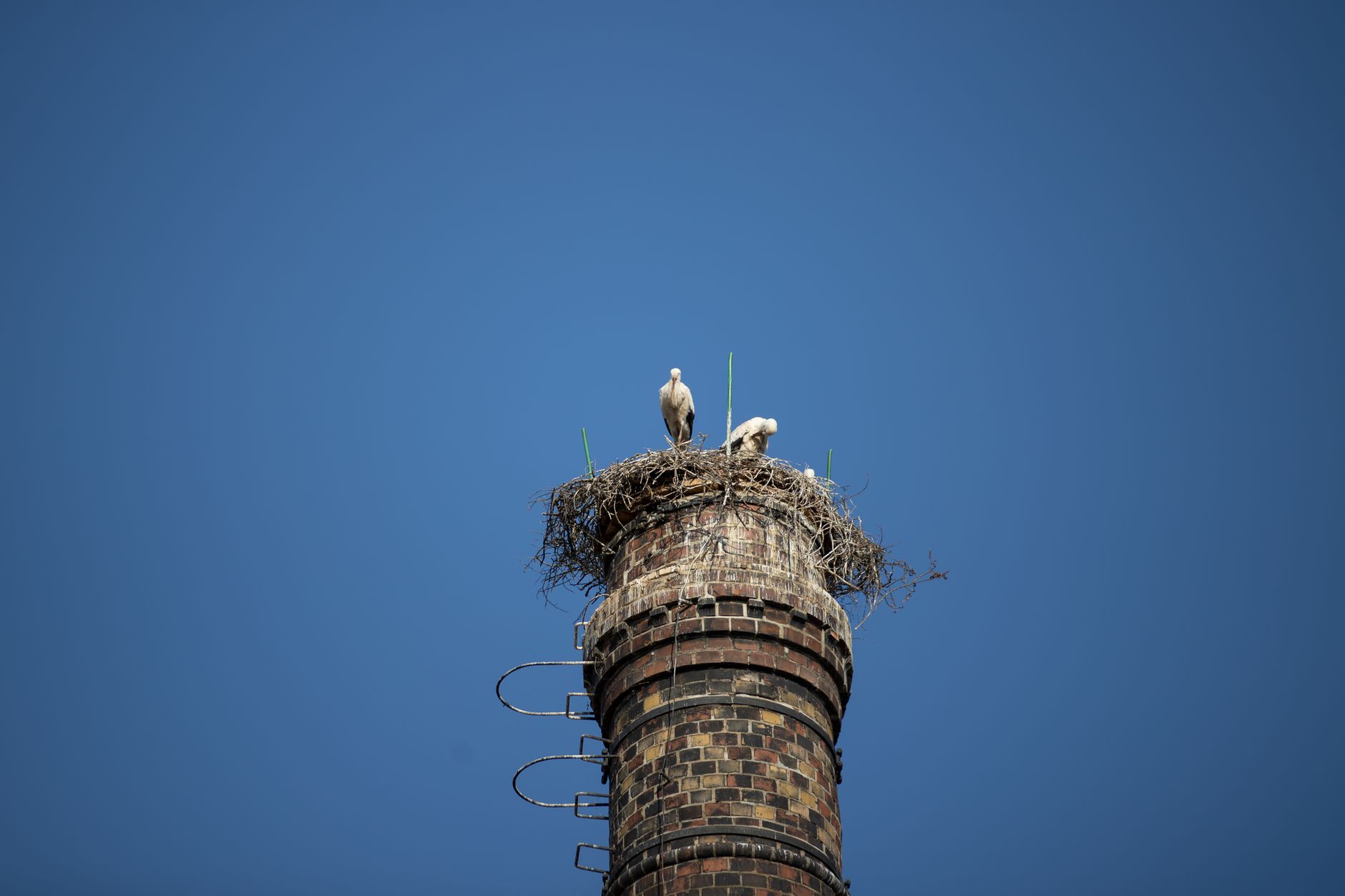
What stops you first is the scale. The central courtyard at El Badi stretches 135 by 110 metres — large enough that the storks nesting on the broken walls look small against the sky, and the four sunken gardens feel like rooms in themselves. This was once a palace of 360 rooms, its floors inlaid with Italian marble, its ceilings gilded, its pools fed by channels that still trace the ground beneath your feet.
Now it is a considered ruin, and the ruin is the point. The stripped walls and exposed earth tell a second story as clearly as the first: what Ahmad al-Mansur built with Portuguese war reparations, Moulay Ismail dismantled for Meknes.
💛 What travellers fall for
People who come back tend to time it for late afternoon, when the light drops low across the courtyard and the storks return to their nests. The underground chambers — where a permanent exhibition documents the lives of the enslaved people held here — are easy to walk past without a guide, so hiring one at the entrance is worth the hour.
Deals in El Badi Palace
Book directly at the provider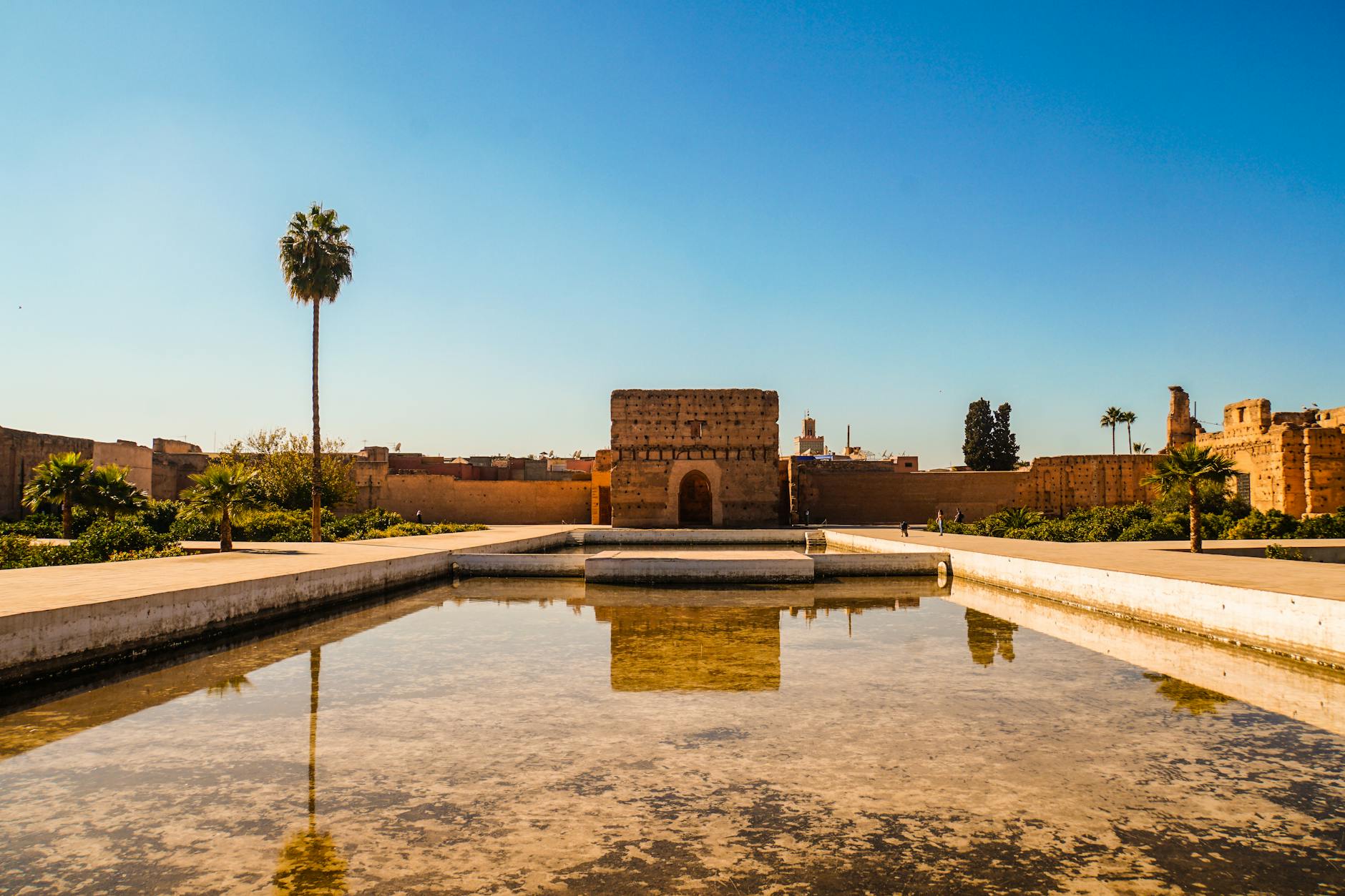
How El Badi Palace came to be
Ahmad al-Mansur began building El Badi in 1578, within months of the Battle of the Three Kings — a collision near Ksar el-Kebir on 4 August 1578 in which three monarchs died and Portugal was left owing Morocco enormous war reparations. Those funds paid for the marble, the cedar, the craftsmen drawn from across the Islamic world. Construction ran until 1594, with finishing work continuing until al-Mansur's death in 1603. He was known as the 'golden king', the longest-ruling and last of the Saadian sultans.
Less than a century later, the Alaouite sultan Moulay Ismail ordered the palace stripped to its bones. Beginning in 1707–08, materials were carted north to build his new capital at Meknes. What remained was the skeleton you walk through today — and, since 2023, one that has been stabilised after earthquake damage and reopened within a month.
Who and what shaped it
People who shaped it
Landmark buildings
See El Badi Palace in motion
Plan your visit
On the map
When to go
El Badi is almost entirely open to the sky, so summer visits (June–August) mean full sun and temperatures that regularly exceed 38°C by midday — a hat and water are not optional. Spring and autumn are more forgiving, with warm days and cool evenings; winter mornings can be sharp but the light across the courtyard is exceptional.
Right now
↡ Shopping areas



Background & history adapted from Wikipedia (CC BY-SA) · specs from Wikidata (CC0) · weather from Open-Meteo · map data © OpenStreetMap contributors · photos from Wikimedia Commons / Unsplash with per-image credit. No third-party reviews or social posts reproduced.