
Northern Pavilion (Koubba)
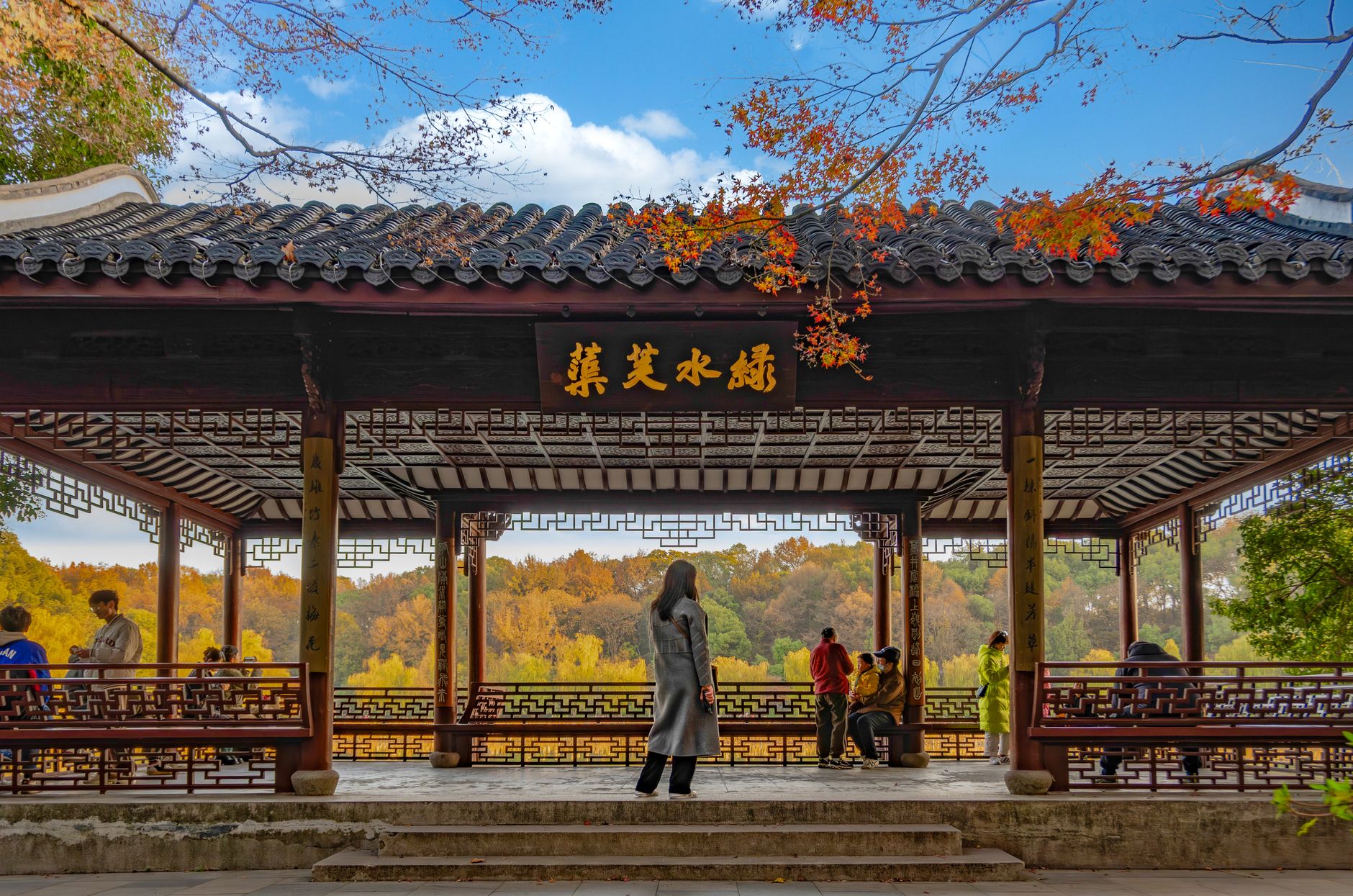
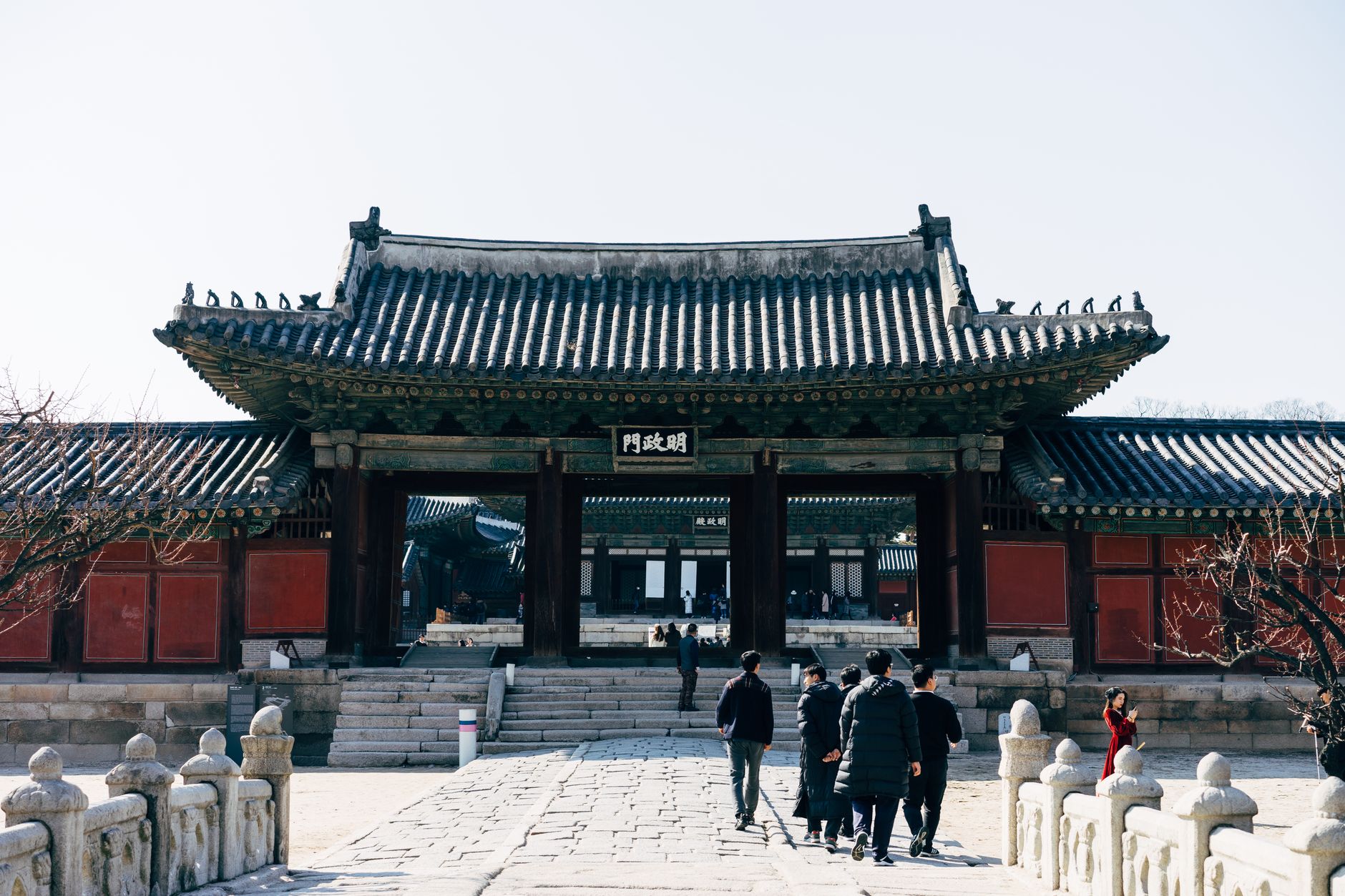
The Northern Pavilion — once called the Green Pavilion — stands at one corner of a courtyard so large that the far walls seem to recede into the light. This was, by most accounts, where foreign ambassadors were received, which tells you something about the ambitions of El Badi Palace: even the waiting rooms were monumental.
Today the pavilion is a ruin open to the sky, its carved surfaces stripped bare by Moulay Ismail's systematic dismantling in 1707. What remains is the geometry — the proportions of a koubba that once held a grand cupola — and the storks that nest in the upper stones with complete indifference to the history below.
💛 What travellers fall for
People who come back to this corner of the palace tend to do so in the late afternoon, when the light drops low and the Atlas Mountains appear in silhouette beyond the roofline. The northern position gives you a slightly different angle on the central pool basin and the full length of the courtyard — worth the extra few minutes to walk it.
How Northern Pavilion (Koubba) came to be
Sultan Ahmad al-Mansur commissioned El Badi Palace in 1578, following his victory over the Portuguese at the Battle of the Three Kings. Construction ran until 1594, with finishing work continuing until his death in 1603. The Northern Pavilion was one of four that anchored the corners of the 135-by-110-metre central courtyard, each named by colour — green to the north, heliotrope to the south.
After al-Mansur's death the Saadian dynasty weakened, and the palace fell into neglect. In 1707–08, Moulay Ismail ordered it systematically stripped: marble, cedar, tile and metalwork were transported north to build his new capital at Meknes. The bare rubble left behind is, in its own way, as eloquent as the original.
Who and what shaped it
People who shaped it
Landmark buildings
Plan your visit
On the map
When to go
September through May is the practical window — temperatures between 20–25°C and manageable sun. In summer the courtyard can exceed 40°C by midday, and there is almost no shade at this pavilion or anywhere else on the esplanade.
Right now
Background & history adapted from Wikipedia (CC BY-SA) · specs from Wikidata (CC0) · weather from Open-Meteo · map data © OpenStreetMap contributors · photos from Wikimedia Commons / Unsplash with per-image credit. No third-party reviews or social posts reproduced.