
Sunken Garden (Central Courtyard)
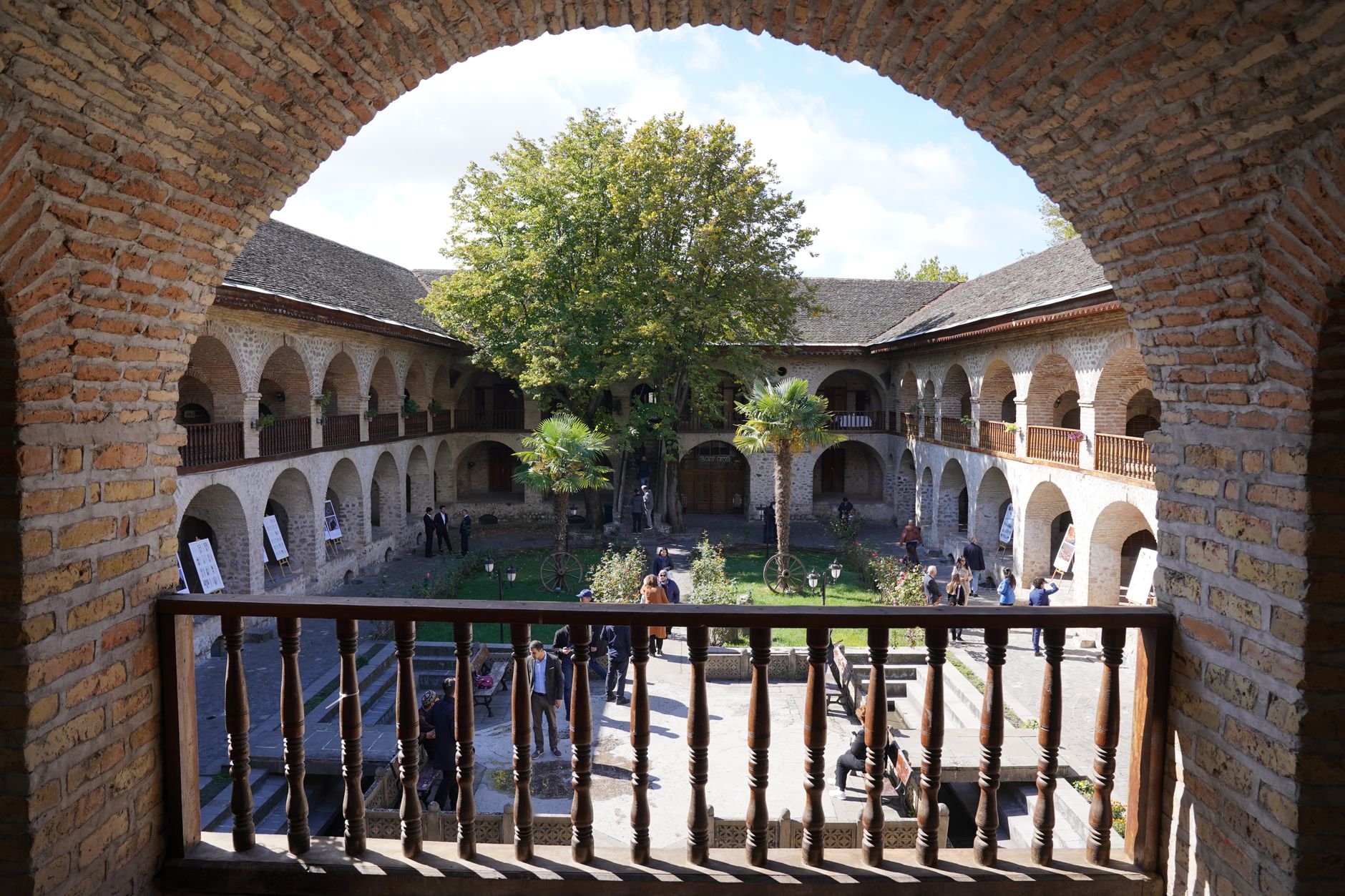

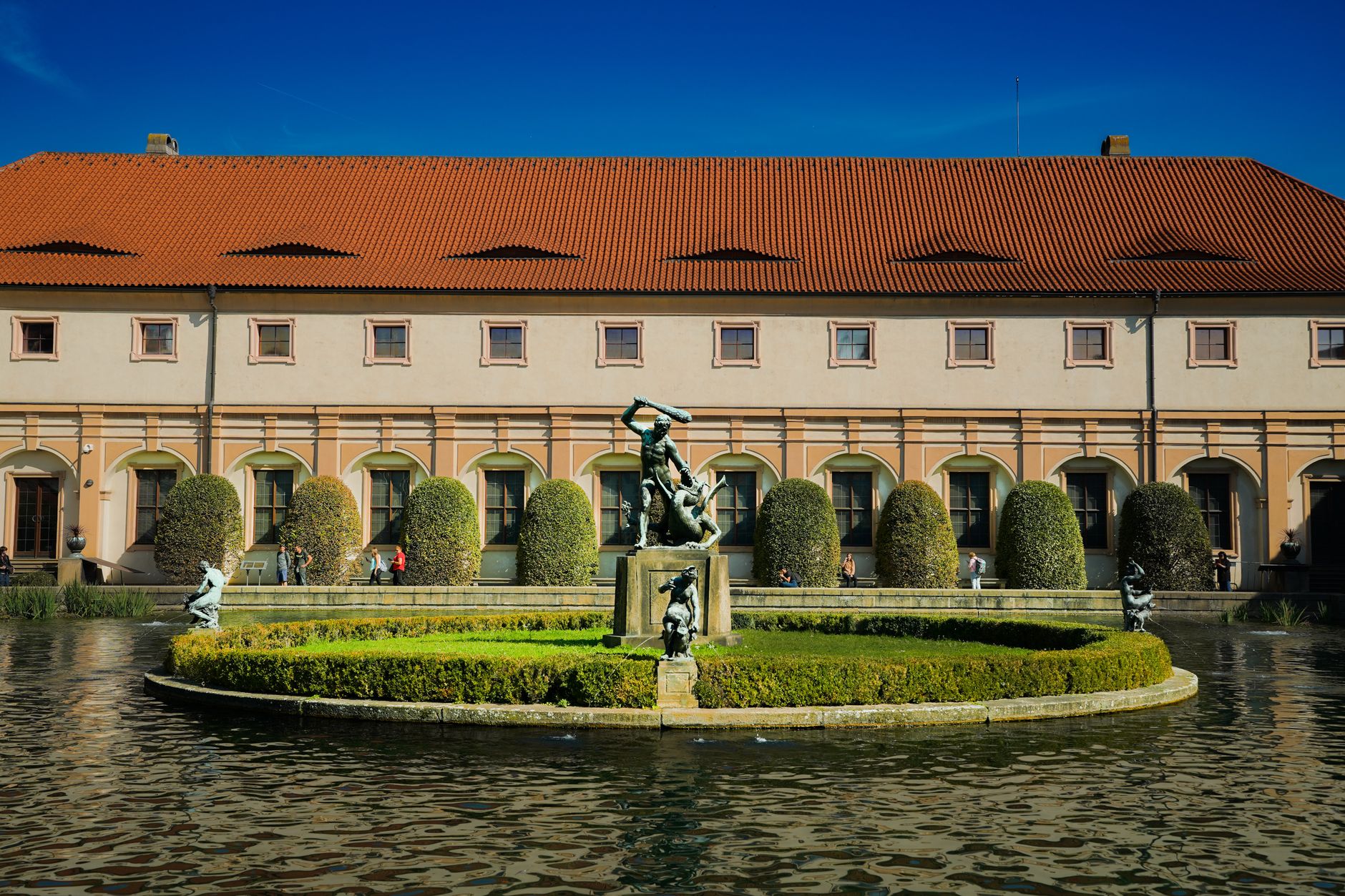
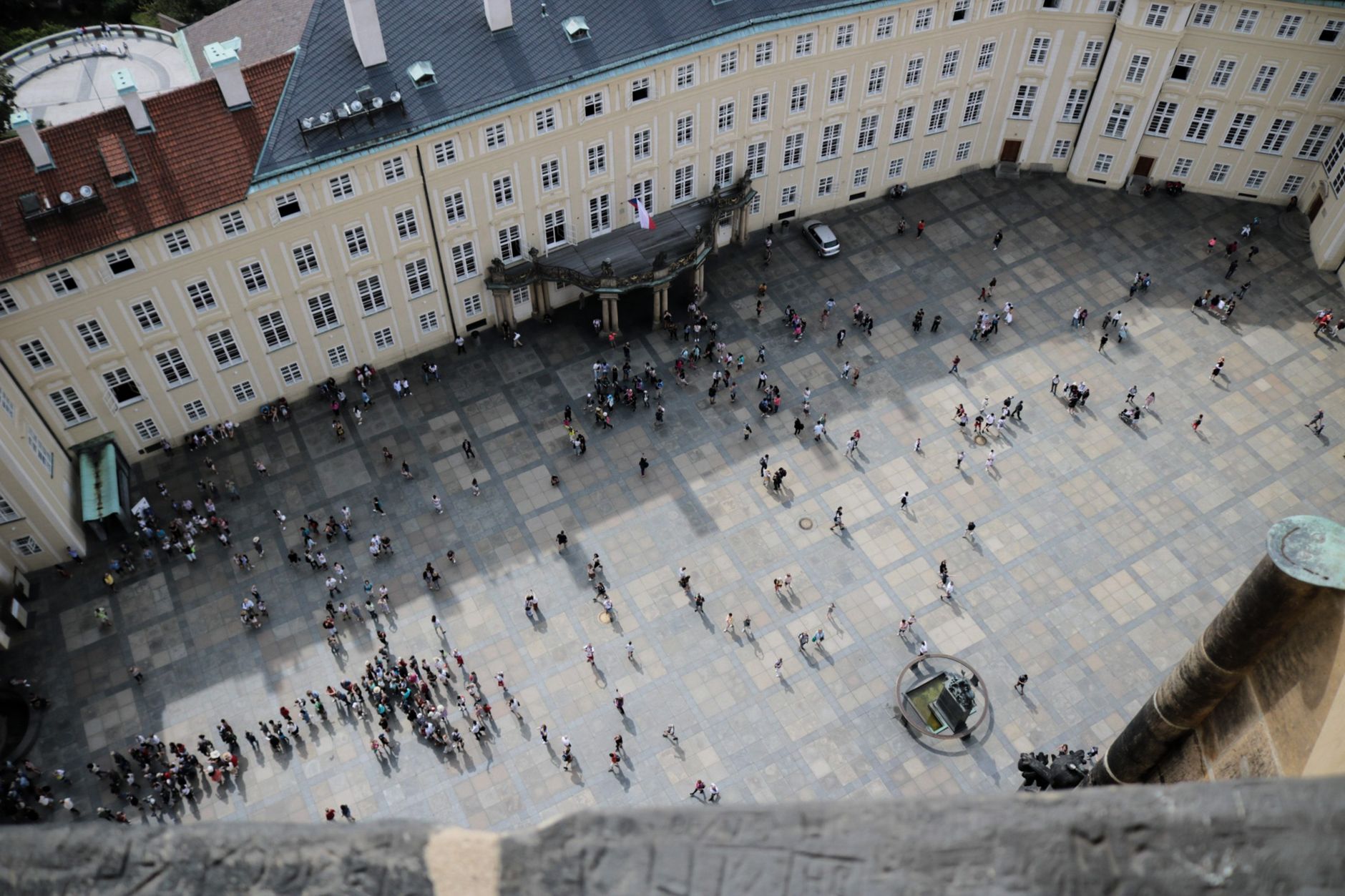
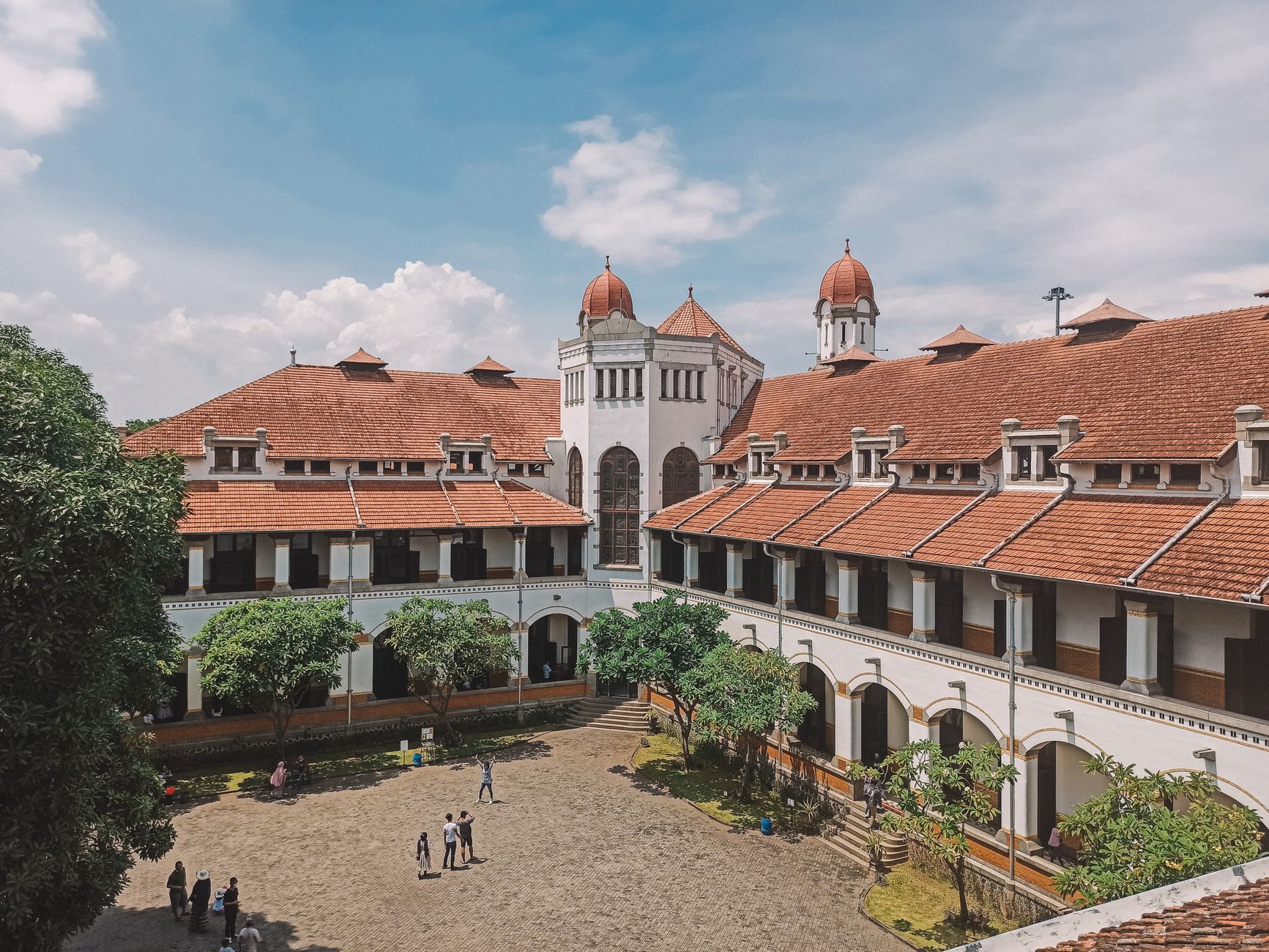
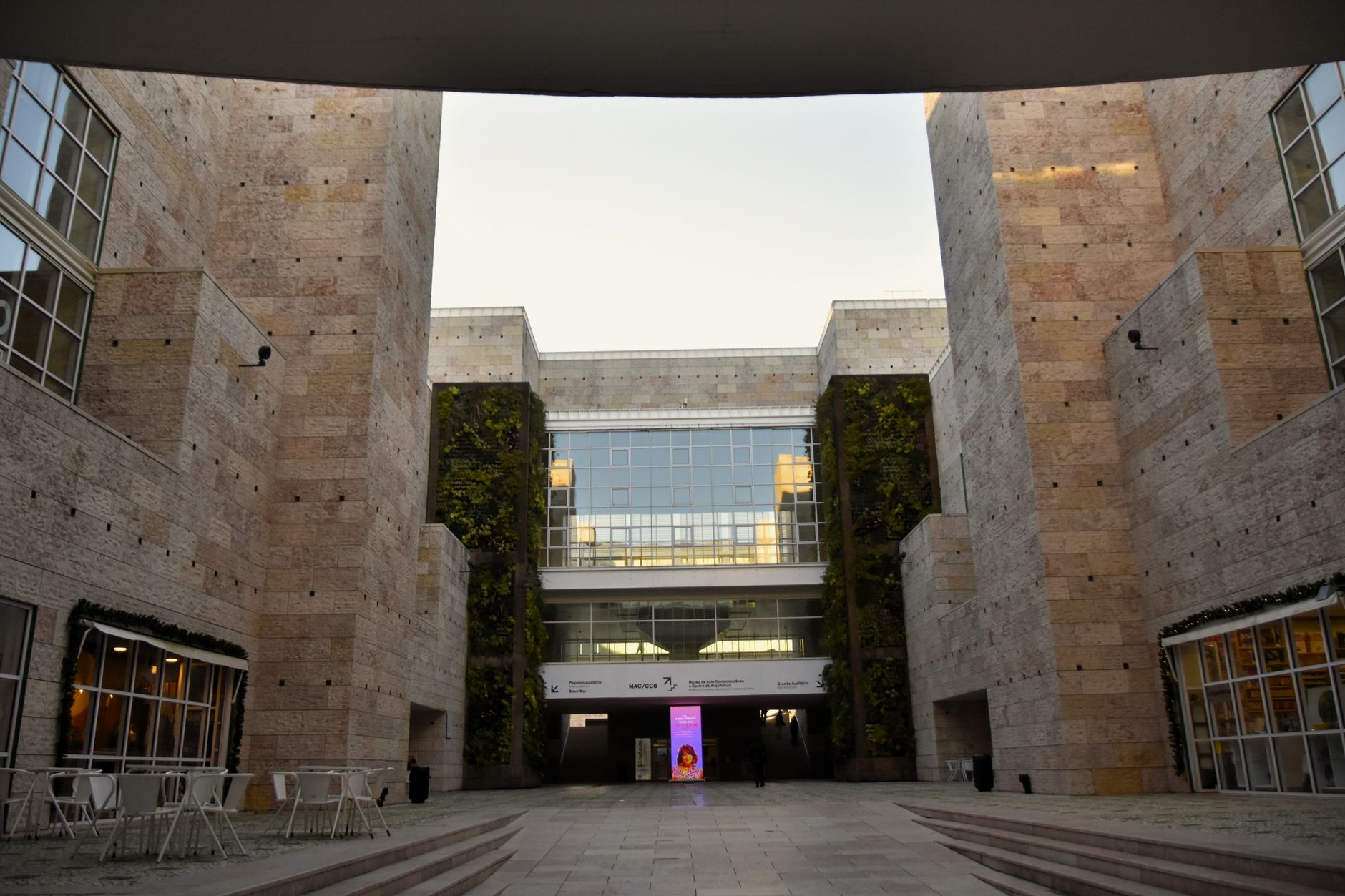
The scale of the Sunken Garden does not register until you are standing inside it. The central courtyard stretches 135 by 110 metres — longer than a football pitch in either direction — with a dry reflecting pool running nearly the length of it. Four sunken gardens drop below the main level, planted now with orange and lemon trees whose roots have settled into soil that was buried and forgotten for generations before archaeologists mapped it all again in 1953.
What survives is ruin in the most honest sense: stripped walls, exposed earth, the geometry of a once-extraordinary space still readable beneath the sky. The four pavilions stand at each compass point, and storks work the high walls as if the palace were always theirs.
💛 What travellers fall for
People who come back tend to say the same thing: go early, before the tour groups arrive around mid-morning, and walk the full perimeter of the pool before you do anything else. The light on the orange trees in the sunken plots is best before noon. The small surcharge for the Koutoubia minbar inside the museum wing is worth every dirham — the 12th-century cedar woodwork is extraordinary up close.
How Sunken Garden (Central Courtyard) came to be
Sultan Ahmad al-Mansur broke ground on El Badi Palace in December 1578, months after his dynasty's decisive victory at the Battle of the Three Kings. Construction ran for fifteen years, finishing in 1593, though al-Mansur was still purchasing marble for embellishments as late as 1602, the year before his death. The palace was called 'the Incomparable' and was intended to say exactly that to every visiting ambassador.
After al-Mansur died in 1603, the palace slipped into neglect with the Saadian dynasty itself. Moulay Ismail, building his own capital at Meknes, ordered it stripped — marble, cedar, tilework, anything portable — a dismantlement that unfolded progressively before and after his 1707 decree. The sunken gardens that visitors walk through today were buried under that accumulation of loss until 1953, when excavations finally traced the full outline of what had been here.
Who and what shaped it
People who shaped it
Landmark buildings
Plan your visit
On the map
When to go
Spring (March to May) and autumn (September to November) give you the most comfortable temperatures for wandering open ruins. Summer heat in Marrakech is serious; if you come between June and August, arrive at 9am when the gates open and plan to be elsewhere by midday.
Right now
Background & history adapted from Wikipedia (CC BY-SA) · specs from Wikidata (CC0) · weather from Open-Meteo · map data © OpenStreetMap contributors · photos from Wikimedia Commons / Unsplash with per-image credit. No third-party reviews or social posts reproduced.