
Ramparts and Defensive Walls
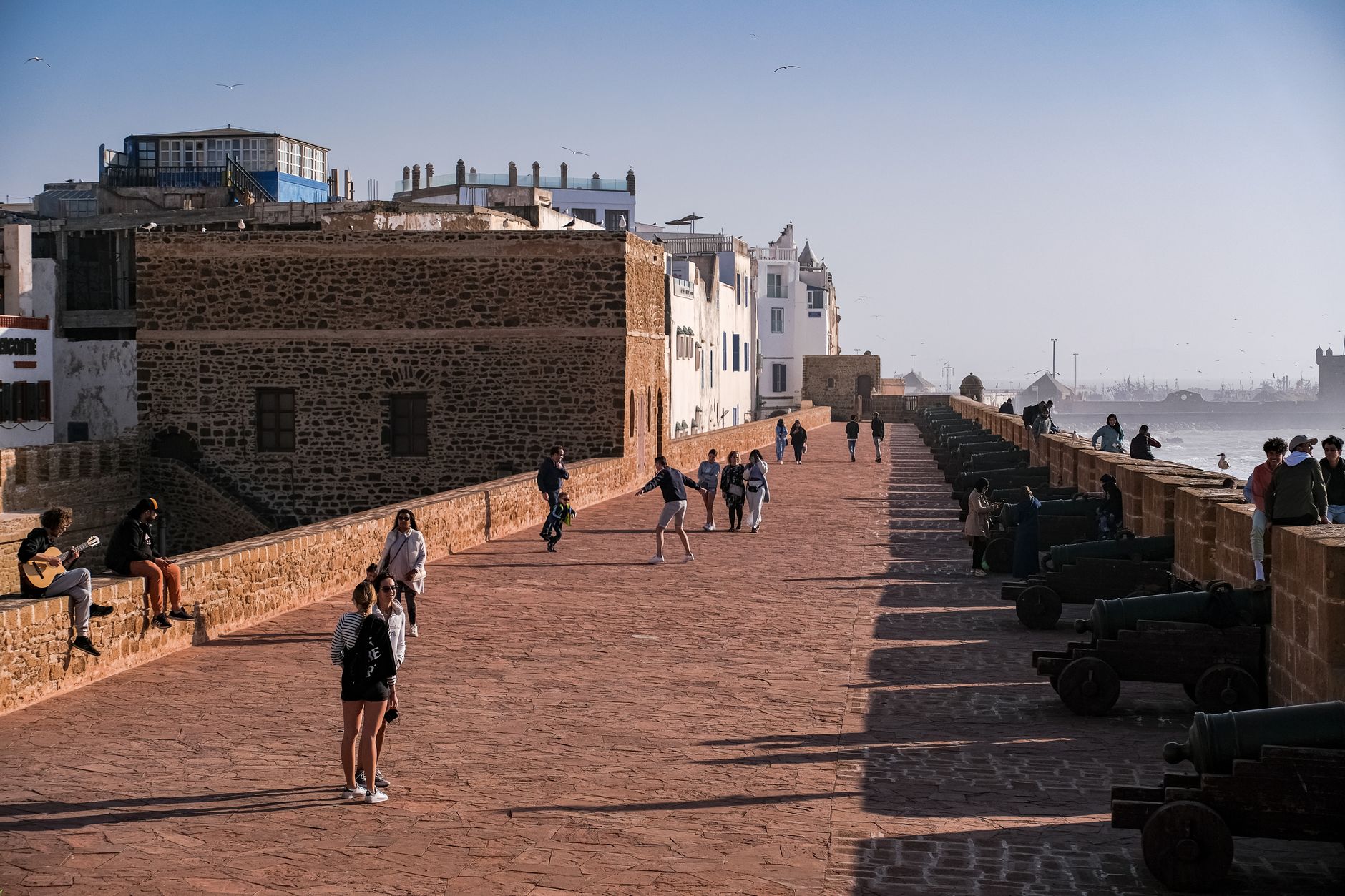
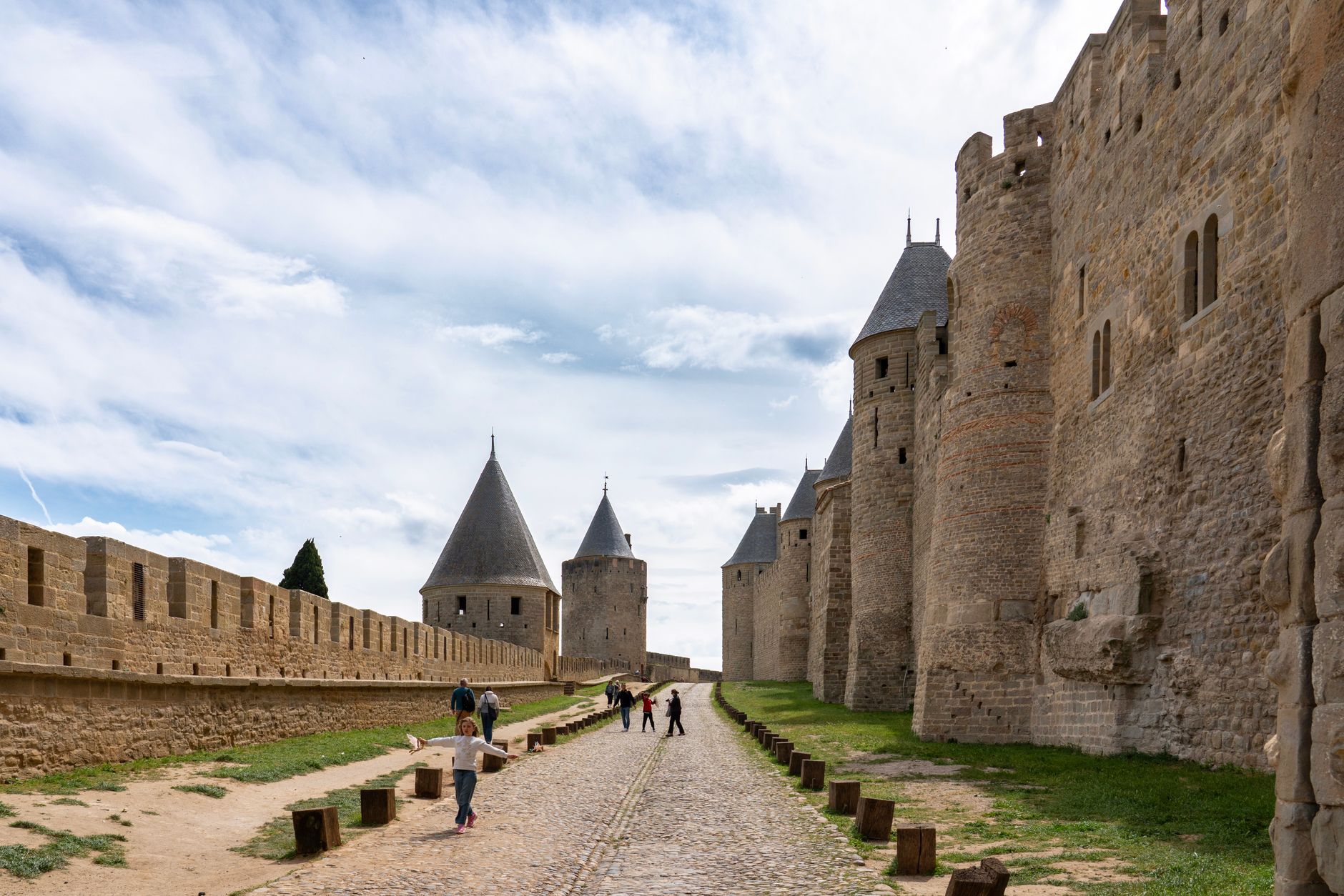
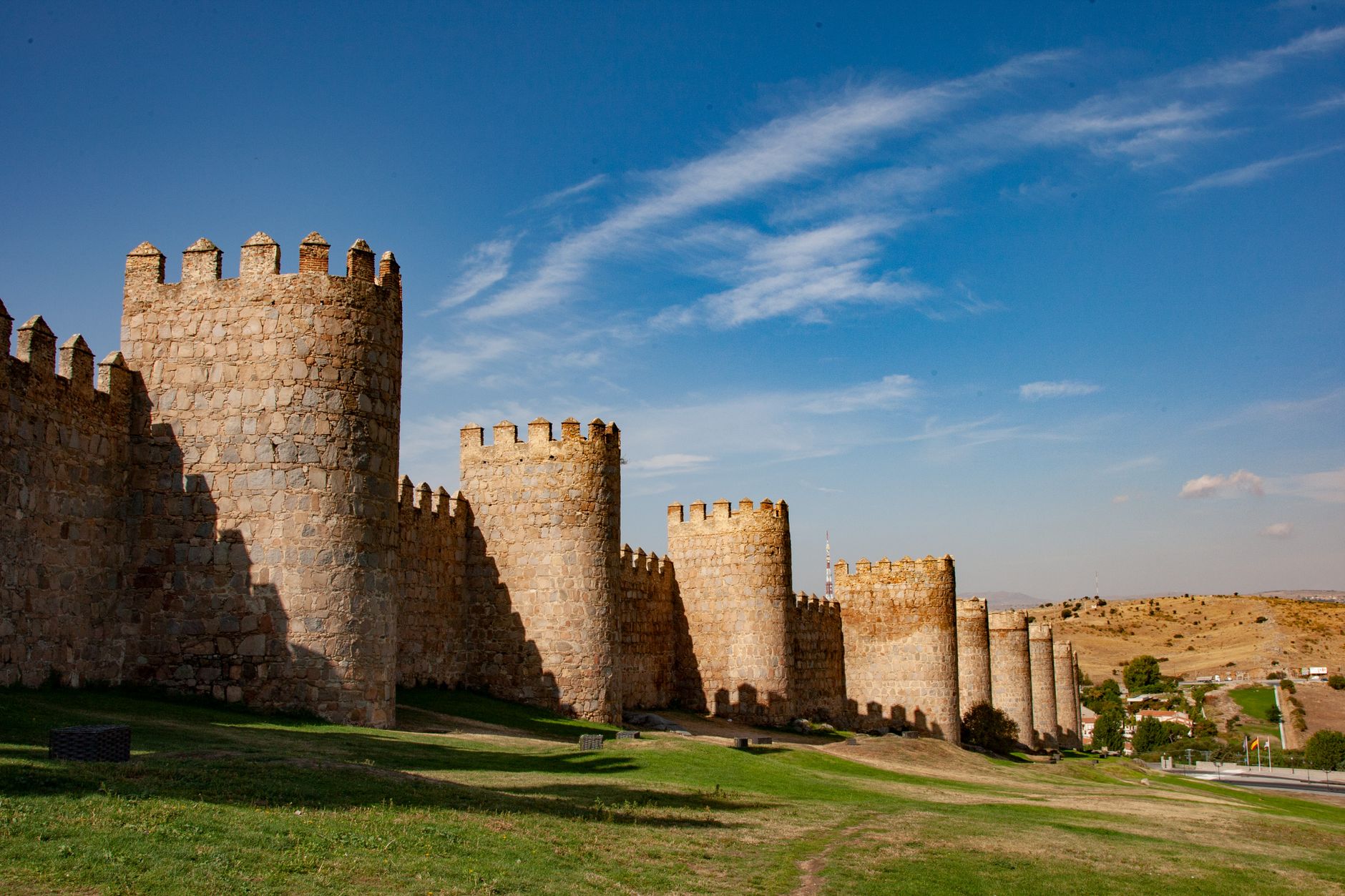


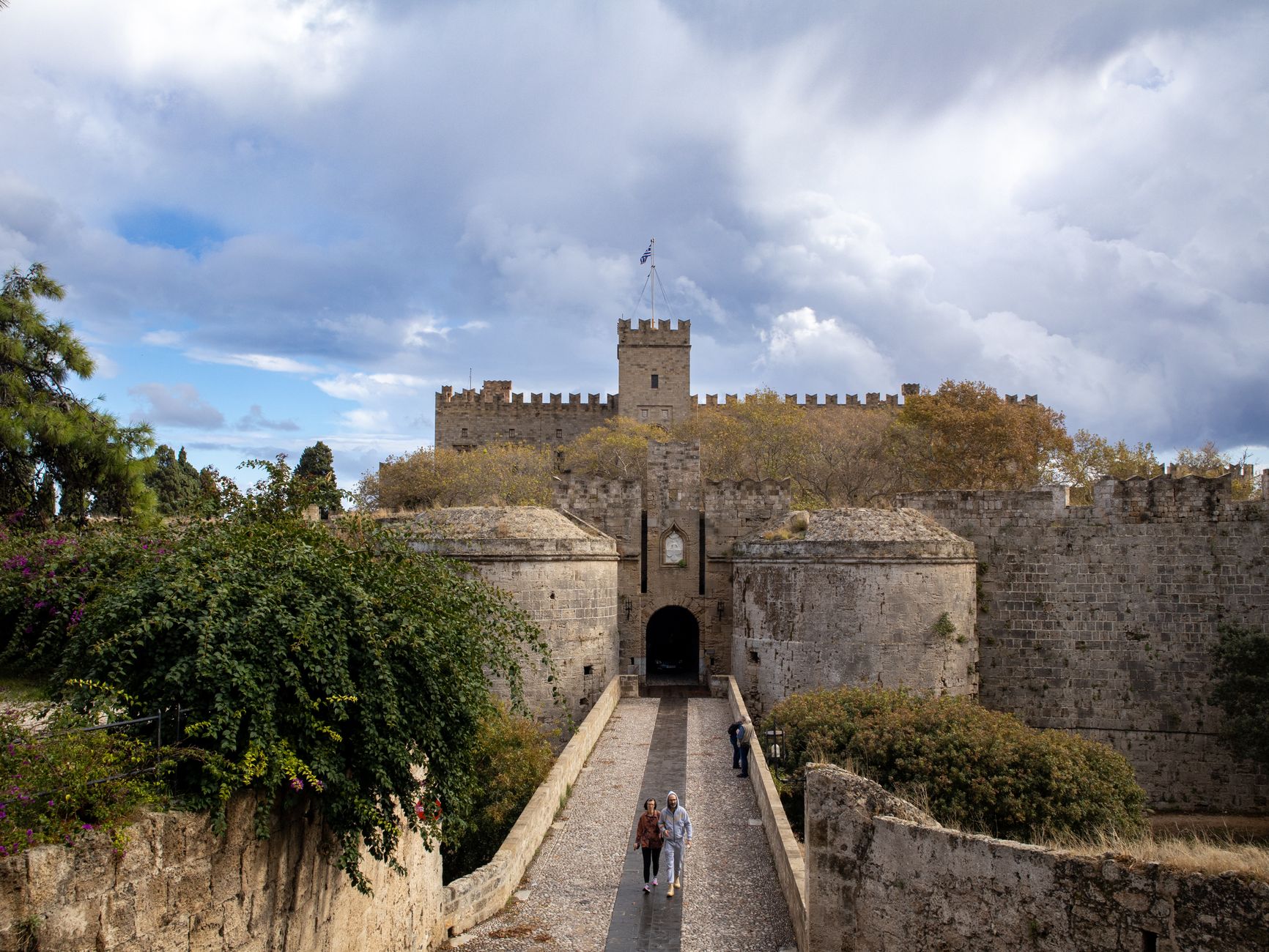
Walk the perimeter of El Badi Palace and you'll notice the walls themselves are the exhibit. Risen from baked red clay — the same pisé that colours the whole city — the ramparts carry storks on every turret, their nests piled like rough thatch against the sky. The birds have been here long enough that locals consider them part of the architecture.
From the northeast corner you can climb up and look out across the ruined palace from the wall-walk itself. Below, subterranean passages thread beneath the foundations — narrow, dark corridors once used by palace staff moving unseen between the complex's 360 rooms.
💛 What travellers fall for
People who come back tend to time it for late afternoon, when the pisé walls go a deeper ochre and the storks are most active. The climb to the rampart walk is easy and takes five minutes — go before you tour the courtyard, not after, so you have the lay of the land when you're down in it.
How Ramparts and Defensive Walls came to be
Sultan Ahmad al-Mansur ordered construction to begin in December 1578, shortly after a decisive military victory that filled his treasury and earned him the epithet al-Dhahabi — the Golden King. Workers and artisans were brought from across the known world, including Europe, and records show al-Mansur still purchasing marble as late as 1602, the year before his death.
After the Saadian dynasty declined, the palace was left to deteriorate. Between roughly 1707 and the years that followed, Sultan Moulay Ismail ordered the complex stripped — its marble, its decoration, its contents — for reuse in his new capital at Meknes. What the dismantling left behind are these walls of red clay, and the September 2023 earthquake added further damage to what centuries of neglect had already taken.
Who and what shaped it
People who shaped it
Landmark buildings
Plan your visit
On the map
When to go
Summers are intense — walls that look warm in photographs are genuinely hot to touch by midday in July and August. Spring and autumn are the most comfortable seasons for walking the ramparts; winter mornings can be cool but the light is clear and the site rarely crowded.
Right now
Background & history adapted from Wikipedia (CC BY-SA) · specs from Wikidata (CC0) · weather from Open-Meteo · map data © OpenStreetMap contributors · photos from Wikimedia Commons / Unsplash with per-image credit. No third-party reviews or social posts reproduced.