
Archaeological Exhibition Hall
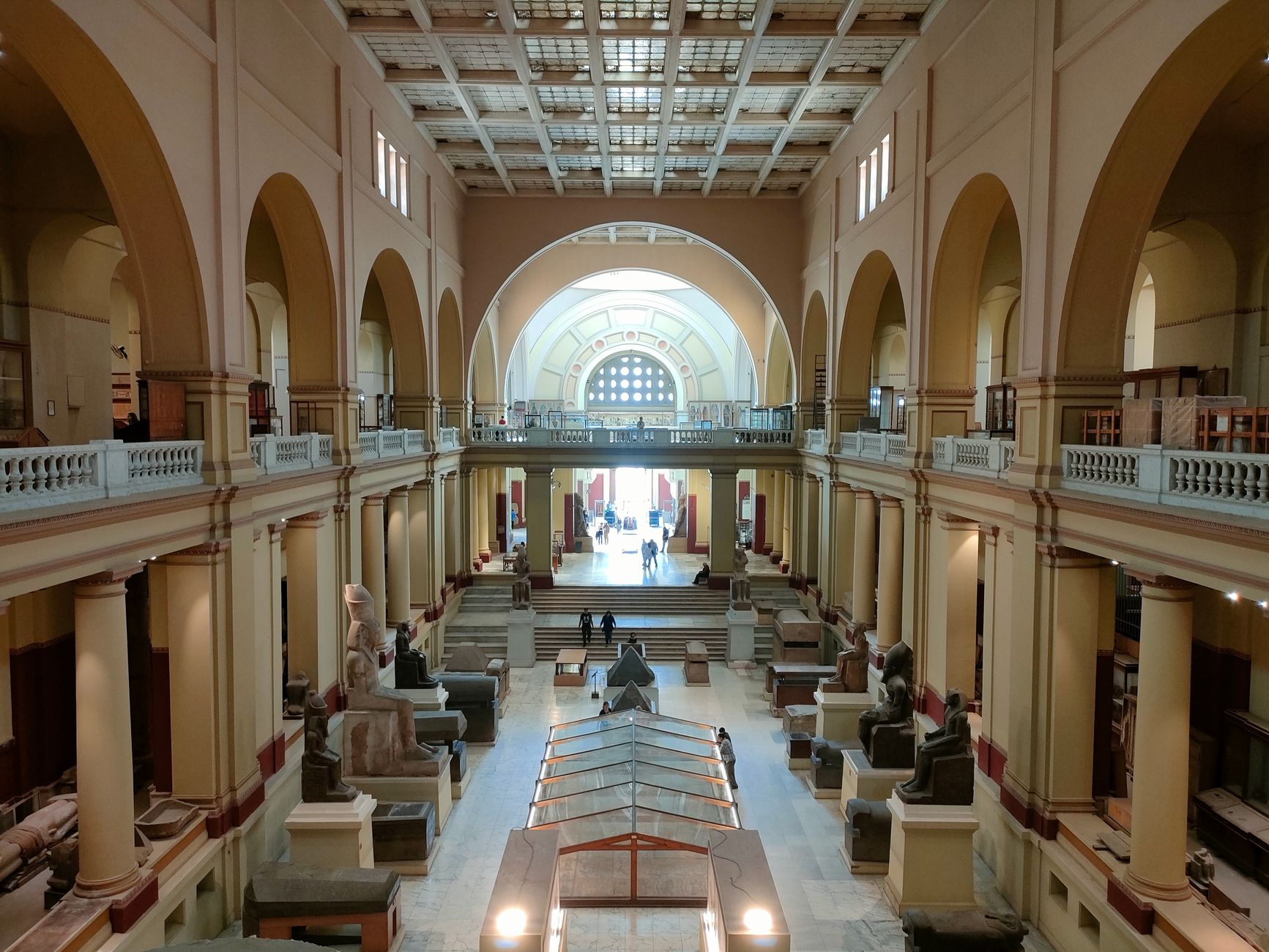
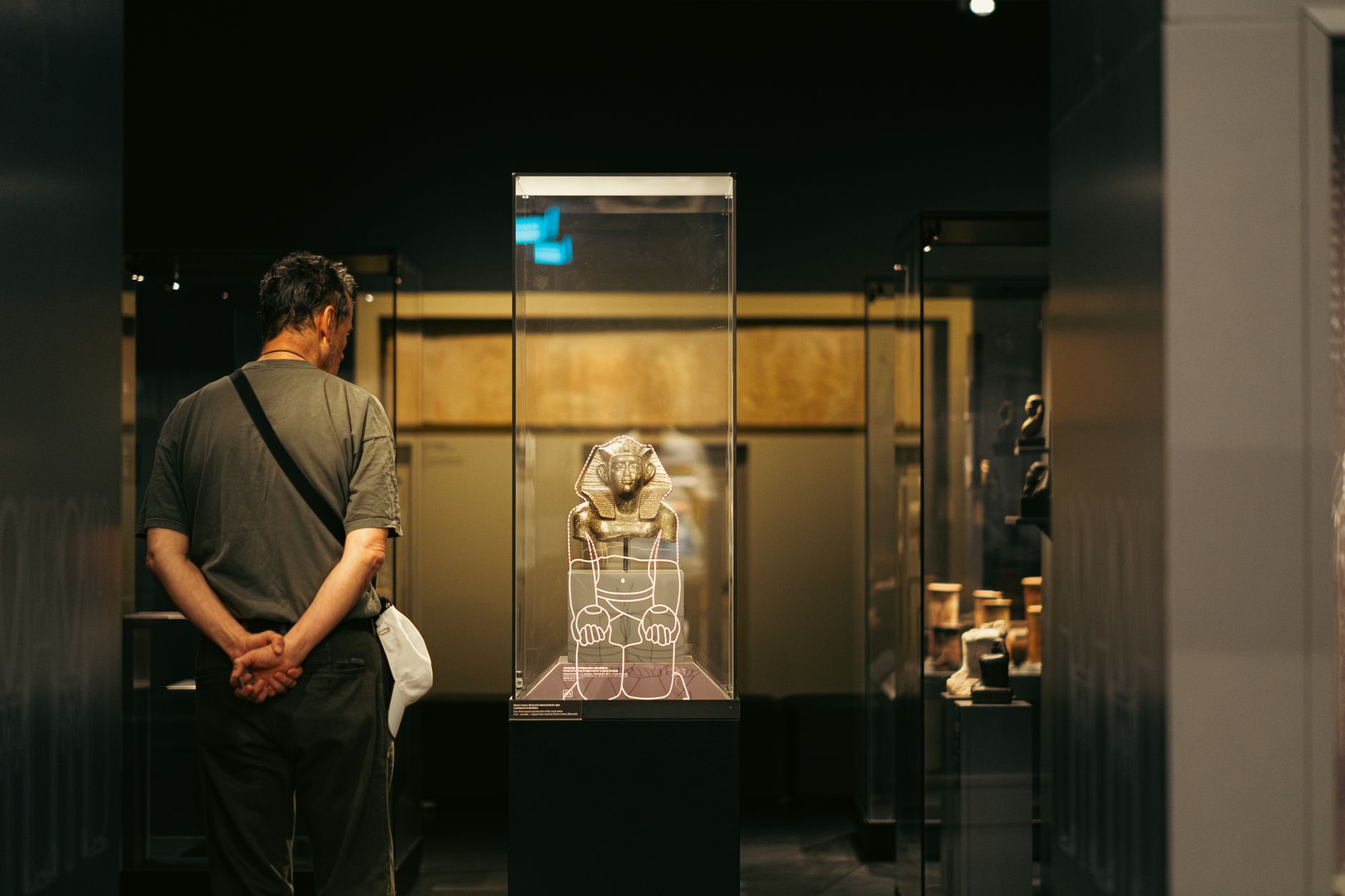
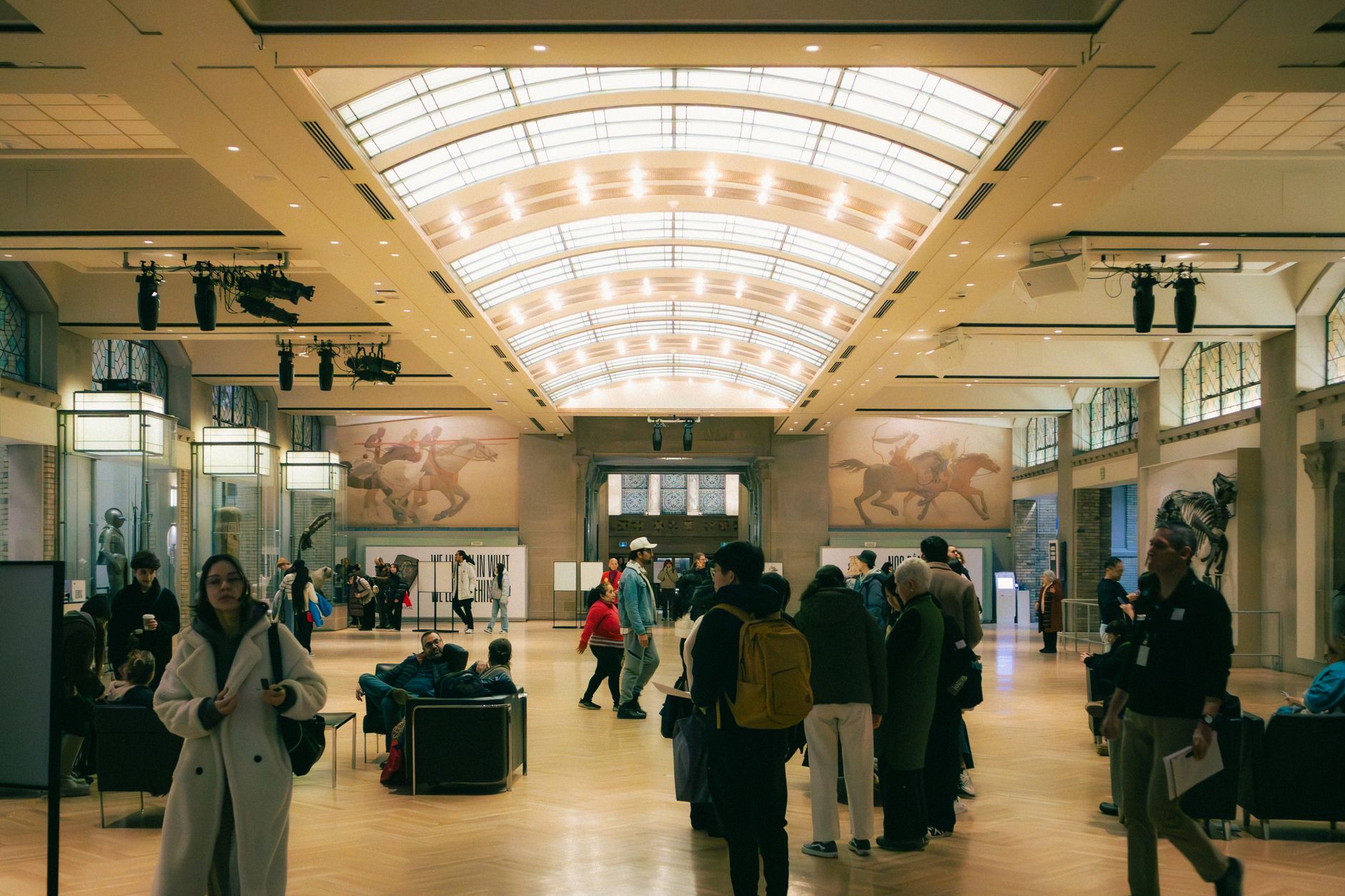
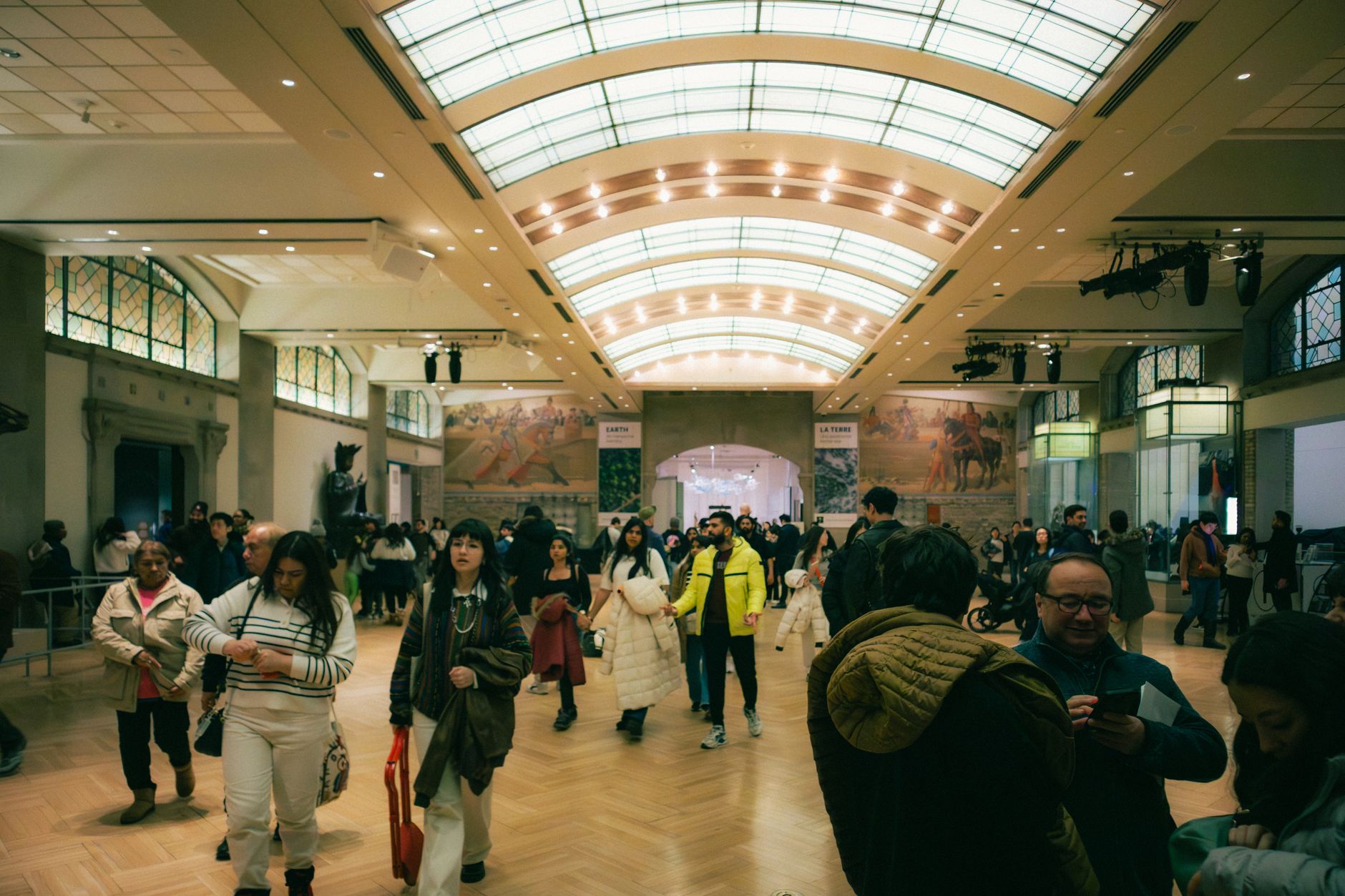
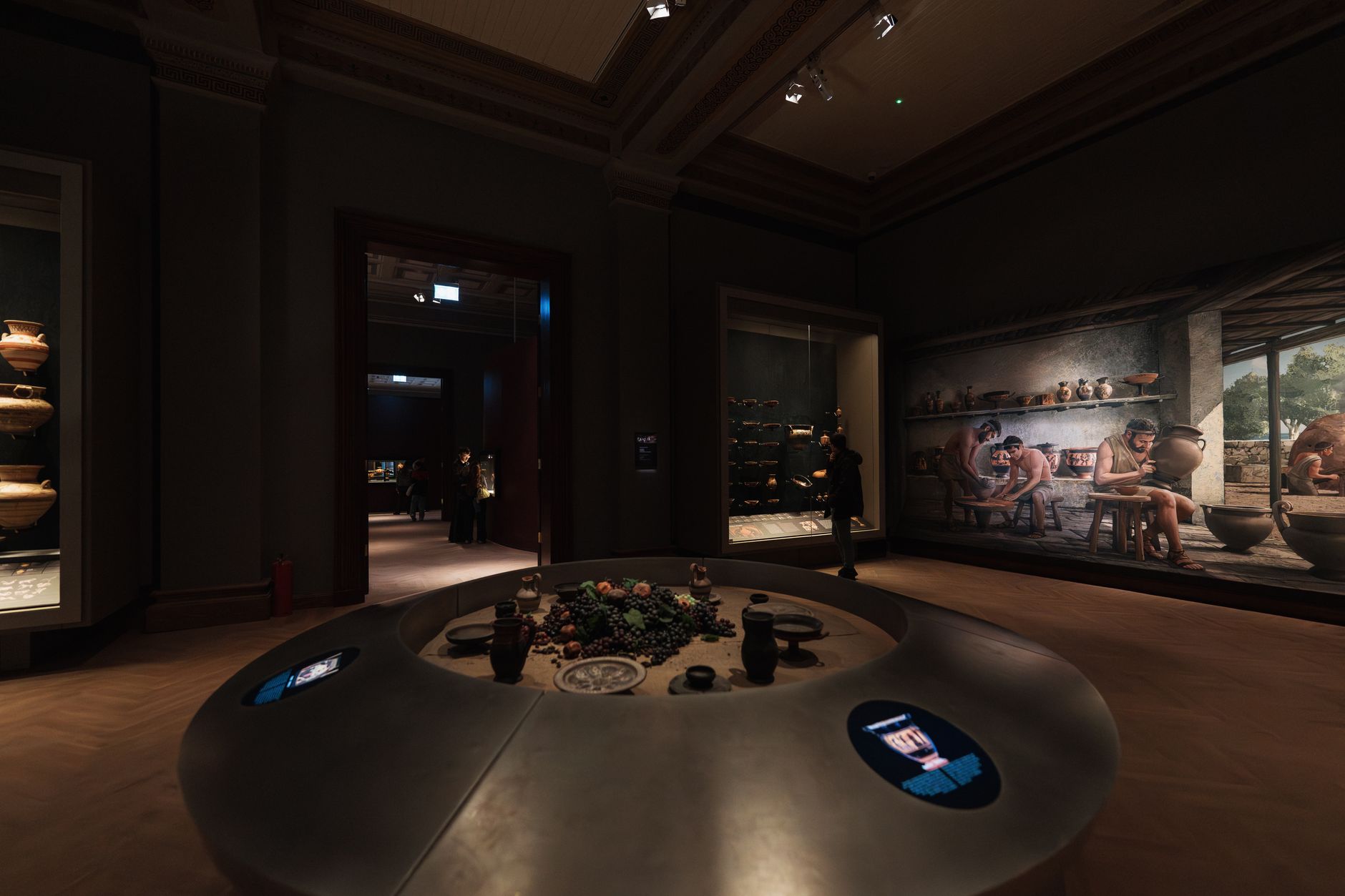
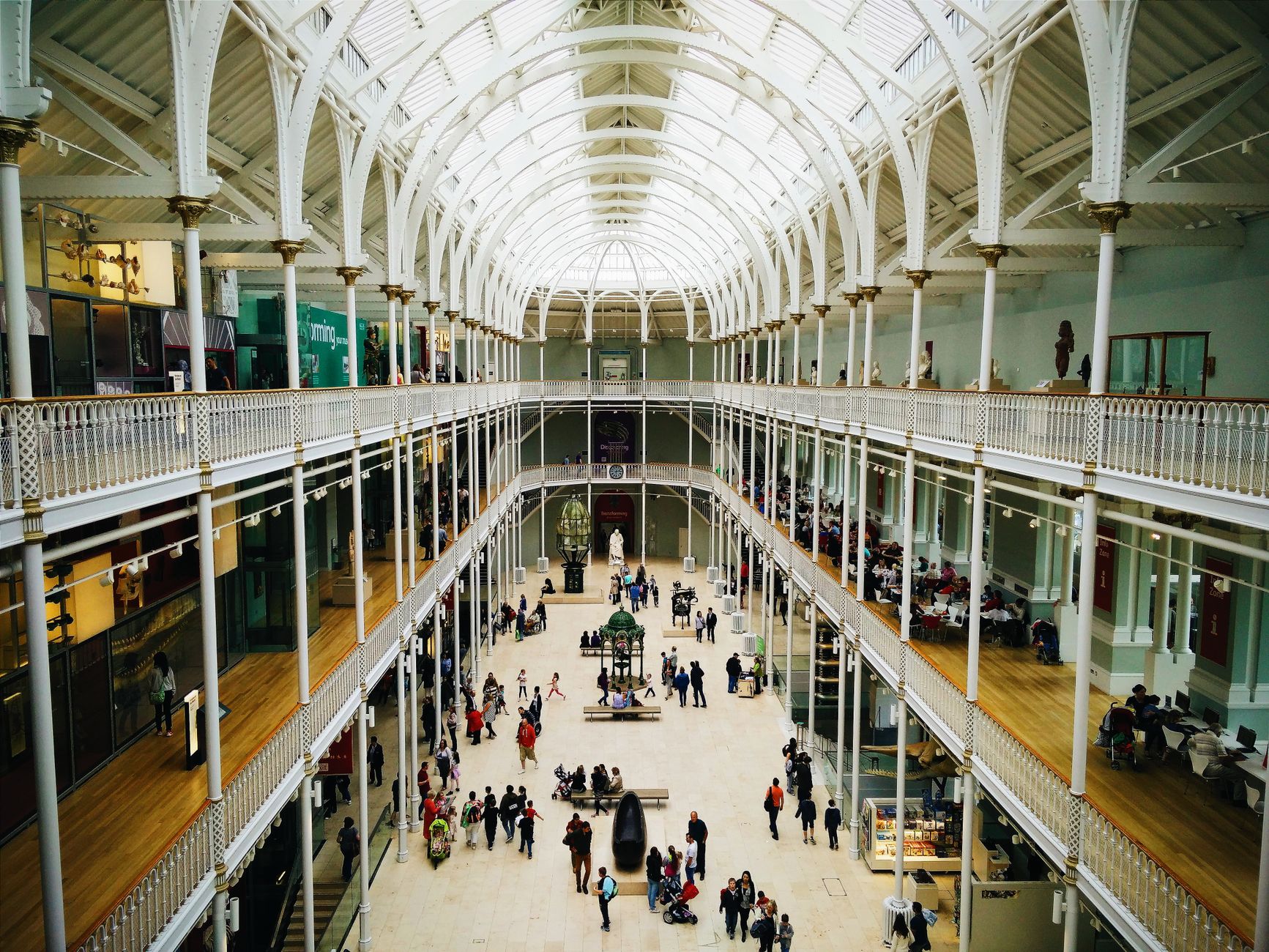
The Archaeological Exhibition Hall occupies a corner of El Badi Palace where the ruins have been given a second life. Glass cases hold fragments pulled from the earth during the 1953 excavations — carved stucco, ceramic shards, pieces of the palace's original decoration — alongside photographs that trace what archaeologists found when they began to read the rubble. It's a quiet room inside a very large place, and it rewards a few minutes of slow attention.
The exhibition spaces opened in 2018, slotted into the northeast end of the complex near the annex that has housed the Koutoubia Minbar since 1962. The two are worth treating as a pair.
💛 What travellers fall for
People who come back tend to visit the exhibition early, before the courtyard fills up. The artefact cases give you a sense of what the palace was built from — the Italian marble, the gilded surfaces — which makes the stripped-out ruins outside read differently once you've seen what Moulay Ismaïl's decade of demolition actually removed.
How Archaeological Exhibition Hall came to be
Ahmad al-Mansur — known as al-Dhahabī, 'the Golden' — commissioned El Badi Palace within months of becoming sultan in 1578. Construction ran until 1593 or 1594, producing a courtyard 135 by 110 metres across, a central pool, sunken gardens, and pavilions topped by domes on Italian marble columns. After al-Mansur's death in 1603 the palace declined with the Saadian dynasty.
Around 1696, the Alawite sultan Moulay Ismaïl ordered its systematic demolition, a process that took nearly a decade and stripped the structure of almost everything reusable. The general layout was only recovered through archaeological excavations in 1953. The exhibition spaces that now interpret those finds opened in 2018.
Who and what shaped it
People who shaped it
Landmark buildings
See Archaeological Exhibition Hall in motion
Plan your visit
On the map
When to go
Marrakech summers push the courtyard into real heat by mid-morning; the exhibition hall offers shade and a cooler pause. Spring and autumn give you the most comfortable conditions for moving between the indoor spaces and the open ruins.
Right now
Background & history adapted from Wikipedia (CC BY-SA) · specs from Wikidata (CC0) · weather from Open-Meteo · map data © OpenStreetMap contributors · photos from Wikimedia Commons / Unsplash with per-image credit. No third-party reviews or social posts reproduced.