
Grand Basin (Large Pool)
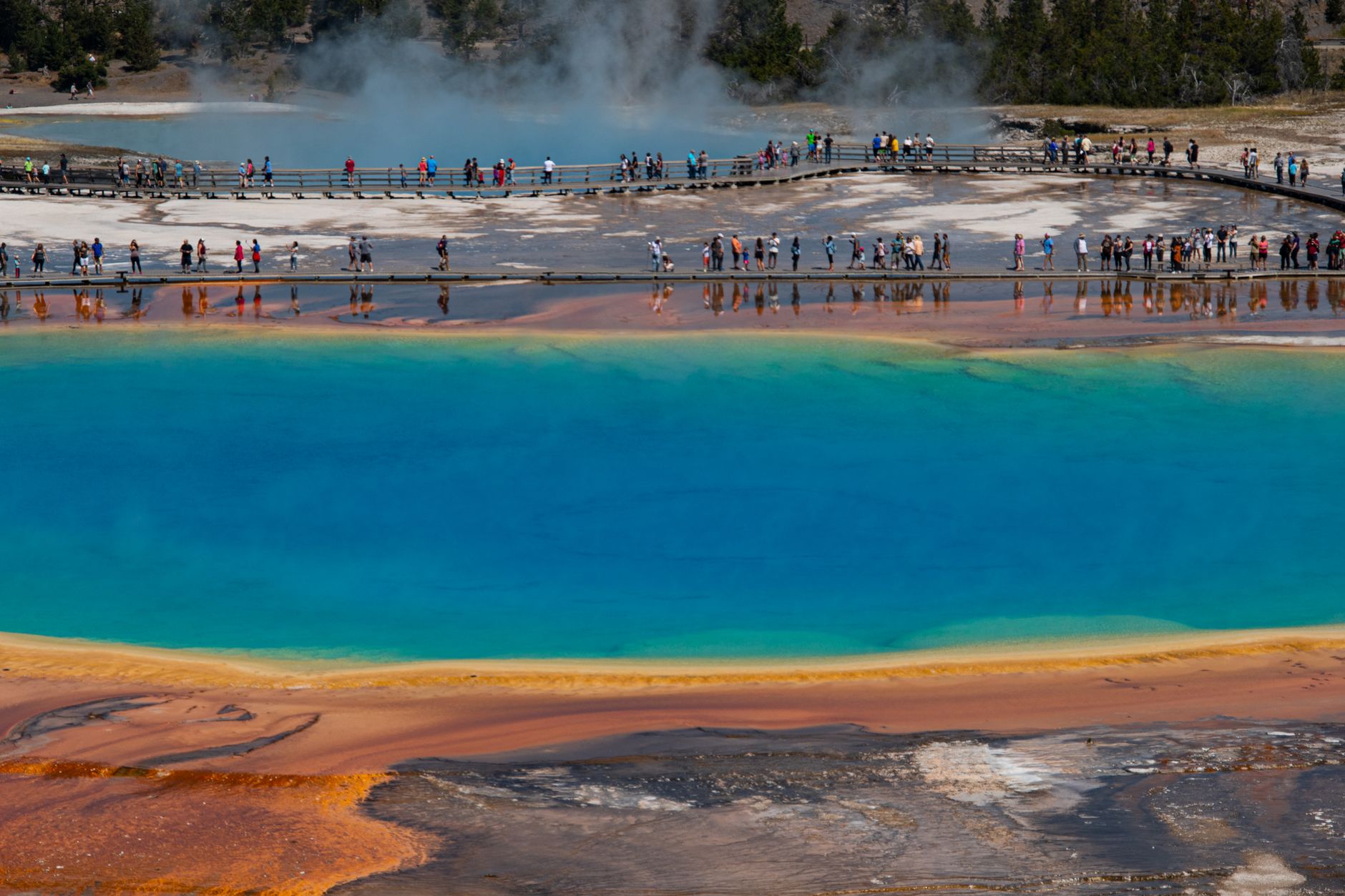
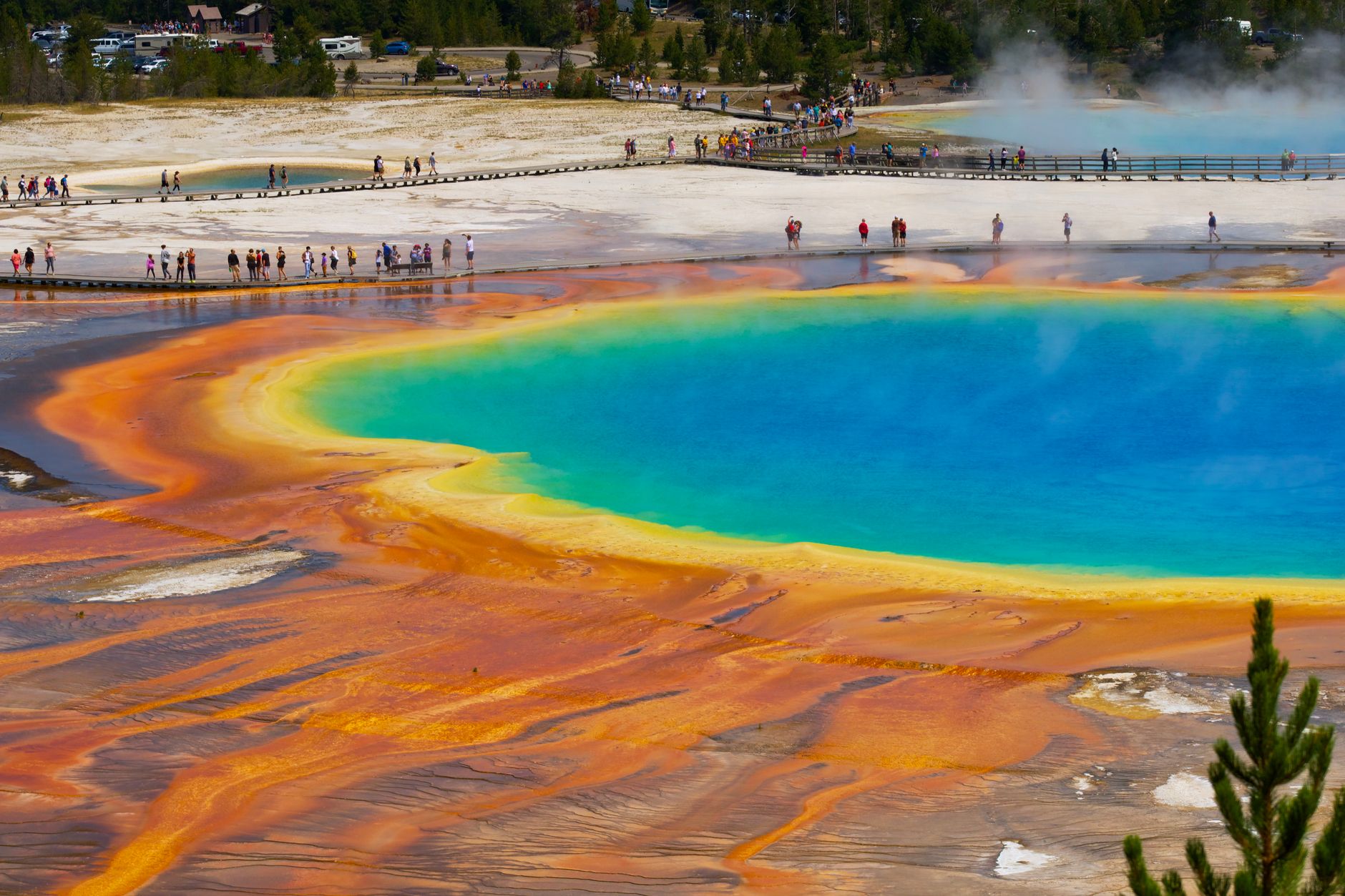
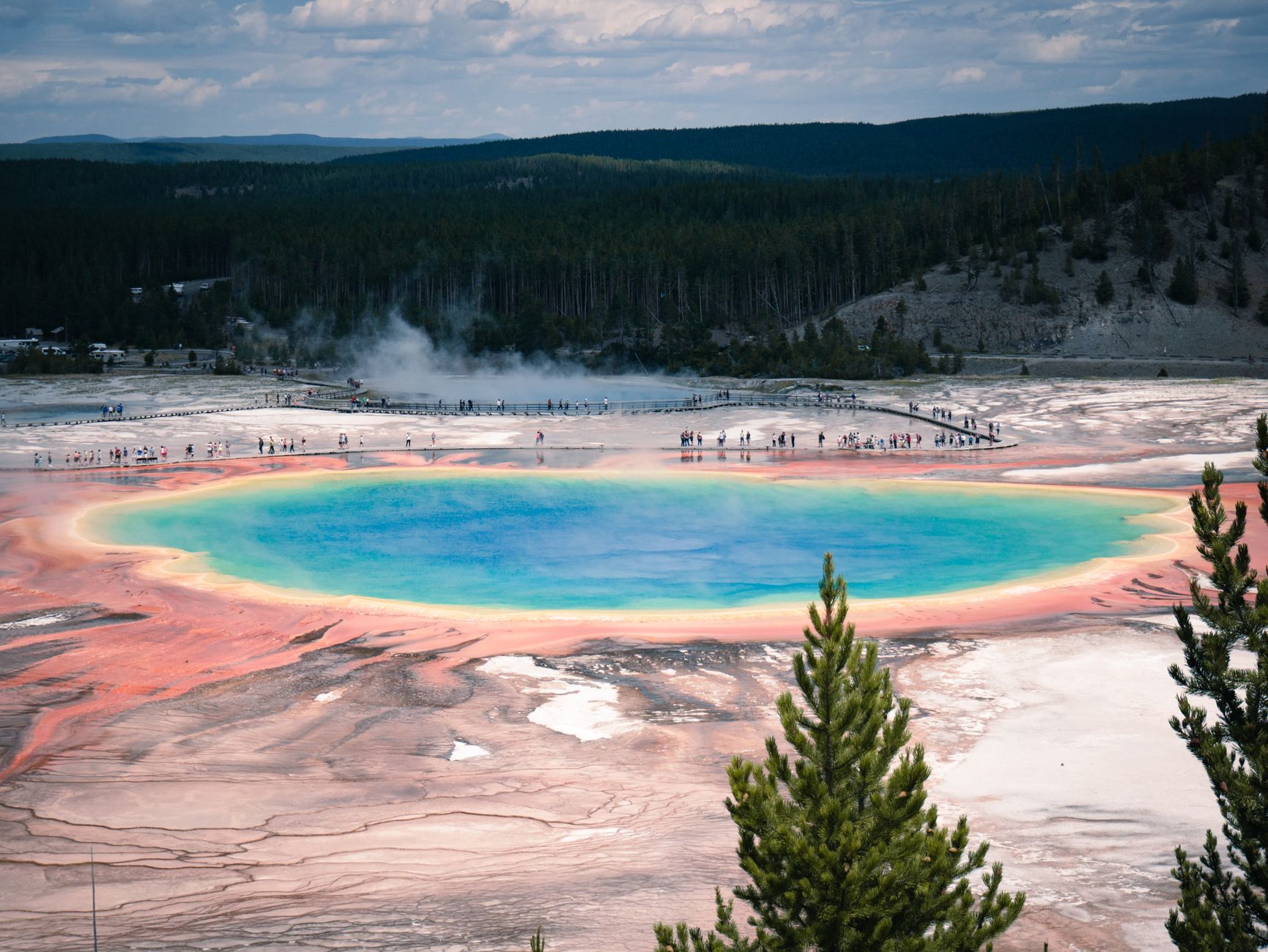
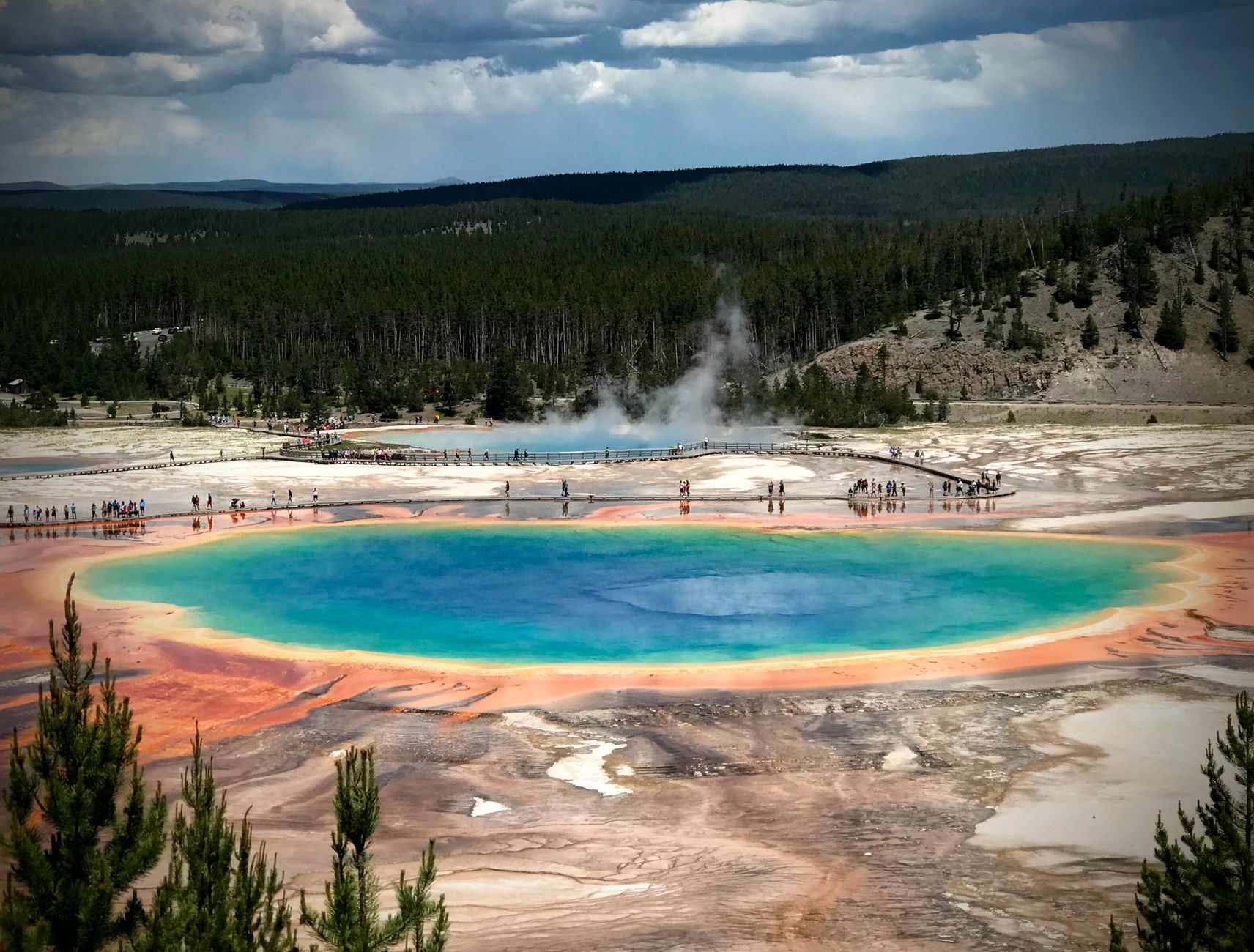
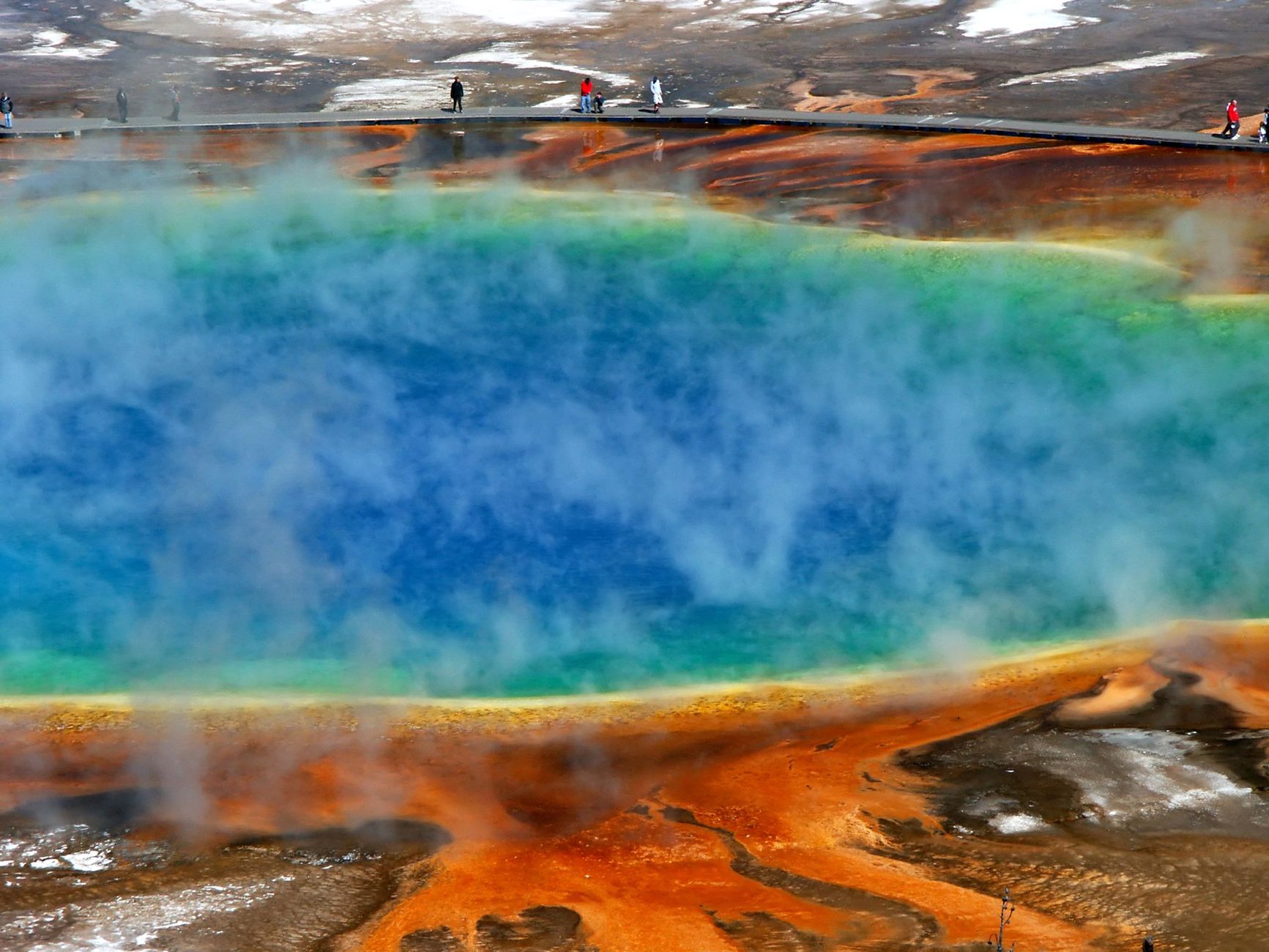
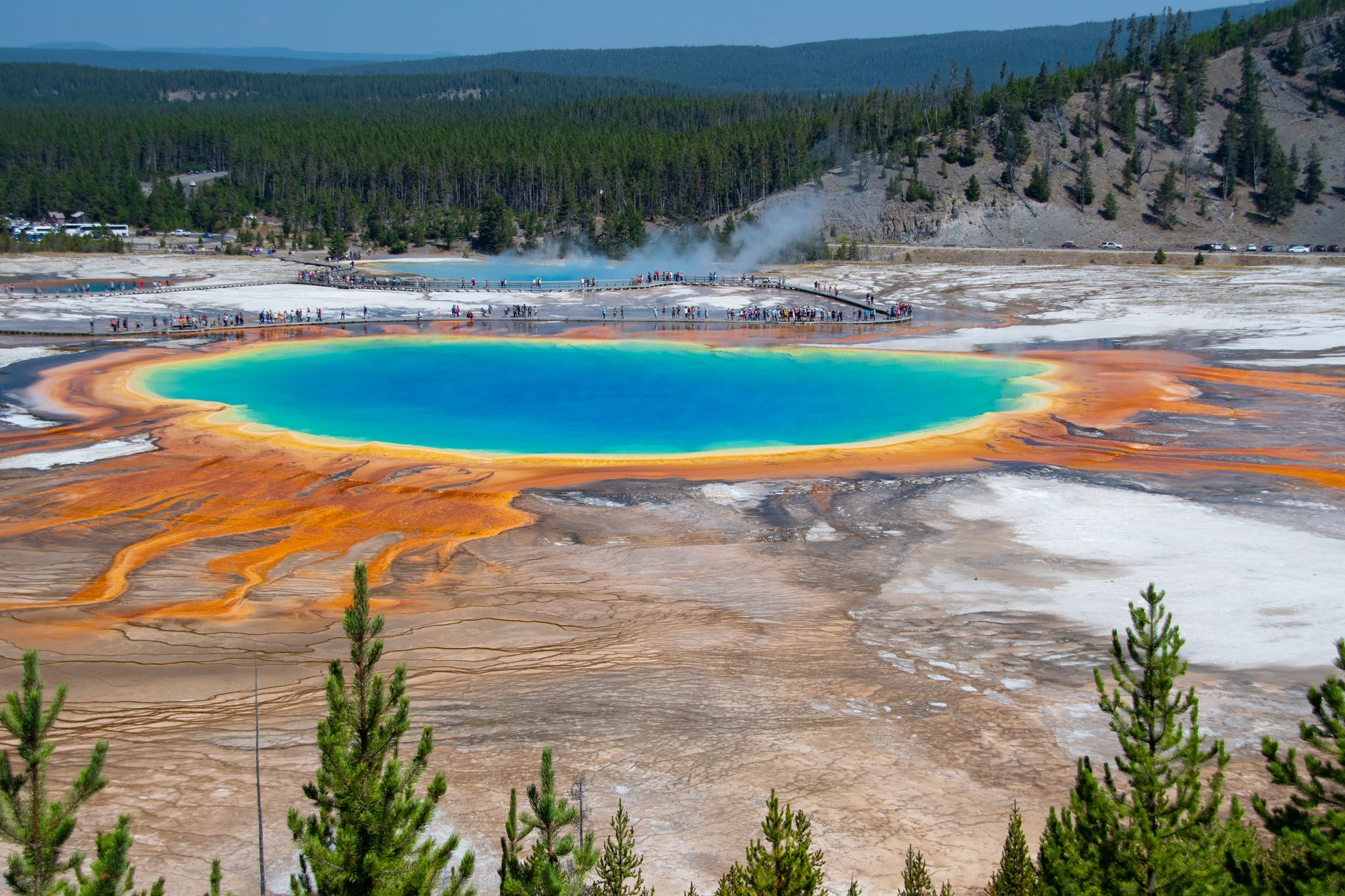
The Grand Basin stretches 90 metres across the centre of El Badi Palace's main courtyard — long enough that the far end seems to dissolve into the Marrakech light. It was built to impress, and even in ruin it does the job. Stand at its edge and the scale of what Ahmad al-Mansur was attempting becomes legible: the pool is flanked by four sunken gardens, orange trees, and the crumbling clay walls where storks now colonise the parapets.
The zellij-paved paths that once connected the pool to four corner pavilions are worn down to their bones, but the geometry still reads clearly underfoot. A monumental fountain sits at the basin's centre, fed by channels that once mirrored Andalusian models from the Alhambra.
💛 What travellers fall for
People who return tend to arrive early, before the tour groups, and walk the full perimeter of the basin slowly — the light on the water changes fast in the morning. The combination ticket for the Koutoubia minbar display is worth adding; that carved wooden pulpit, made by woodworkers from Córdoba in the 12th century, is a quiet counterpoint to the courtyard's vast open scale.
How Grand Basin (Large Pool) came to be
Ahmad al-Mansur, the Saadian sultan who came to power after the Battle of the Three Kings, broke ground on El Badi Palace in December 1578 — just months after his victory. The Grand Basin and its surrounding courtyard took roughly fifteen years to complete, though records show al-Mansur still purchasing marble as late as 1602, a year before his death, suggesting he kept embellishing what he had built.
The palace did not survive its dynasty. After al-Mansur died in 1603, El Badi fell into neglect. Between 1707 and 1708, Moulay Ismail ordered it stripped entirely — marble, tiles, decorations — and the materials were carted north to build his new capital at Meknes. What you see today is the skeleton that remained.
Who and what shaped it
People who shaped it
Landmark buildings
See Grand Basin (Large Pool) in motion
Plan your visit
On the map
When to go
Summer brings intense heat to this open, largely unshaded courtyard — mornings are far more comfortable than afternoons from June through August. Spring and autumn offer the most forgiving conditions for walking the basin's full length.
Right now
Background & history adapted from Wikipedia (CC BY-SA) · specs from Wikidata (CC0) · weather from Open-Meteo · map data © OpenStreetMap contributors · photos from Wikimedia Commons / Unsplash with per-image credit. No third-party reviews or social posts reproduced.