
Orange Grove Gardens
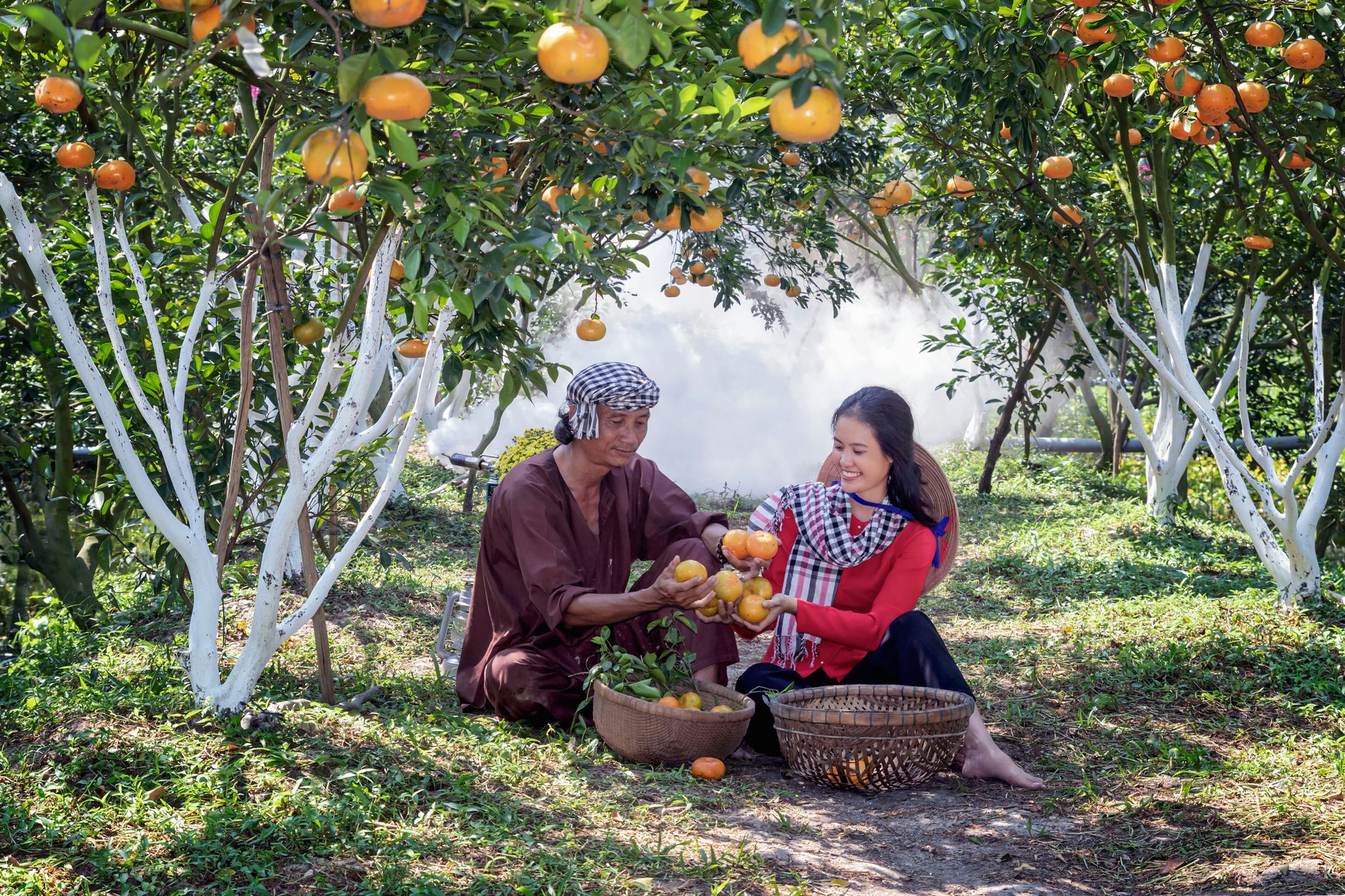
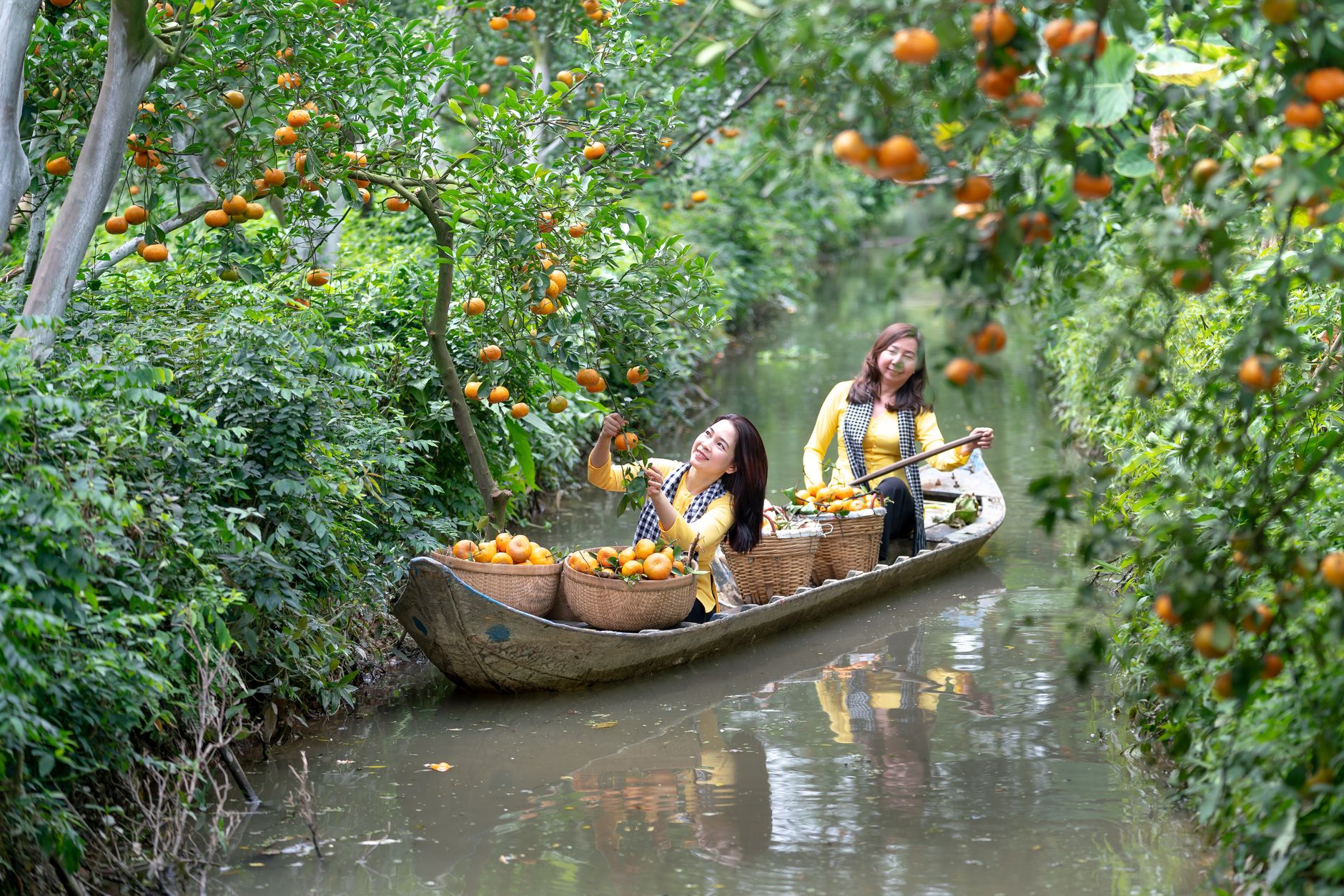
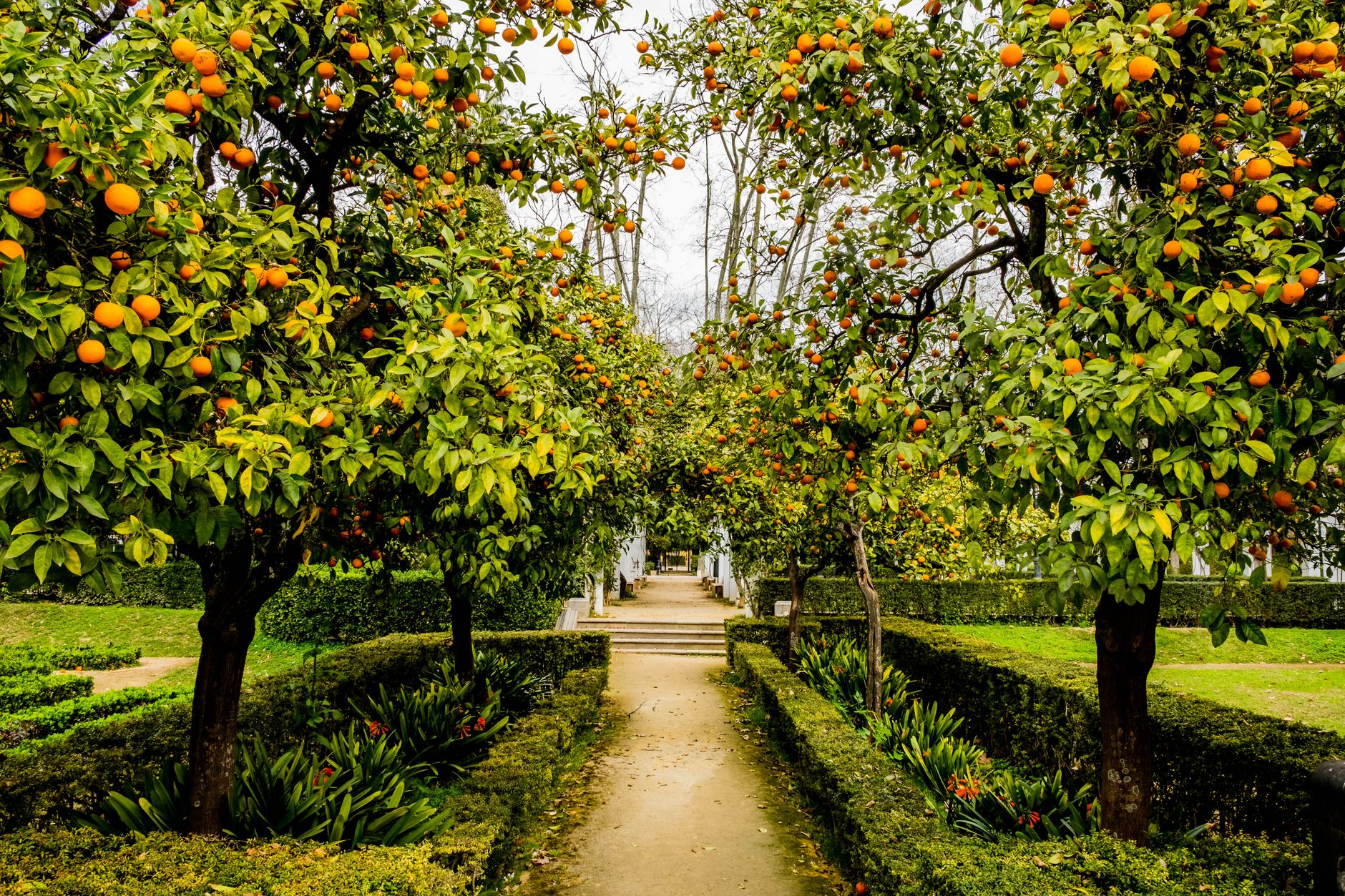
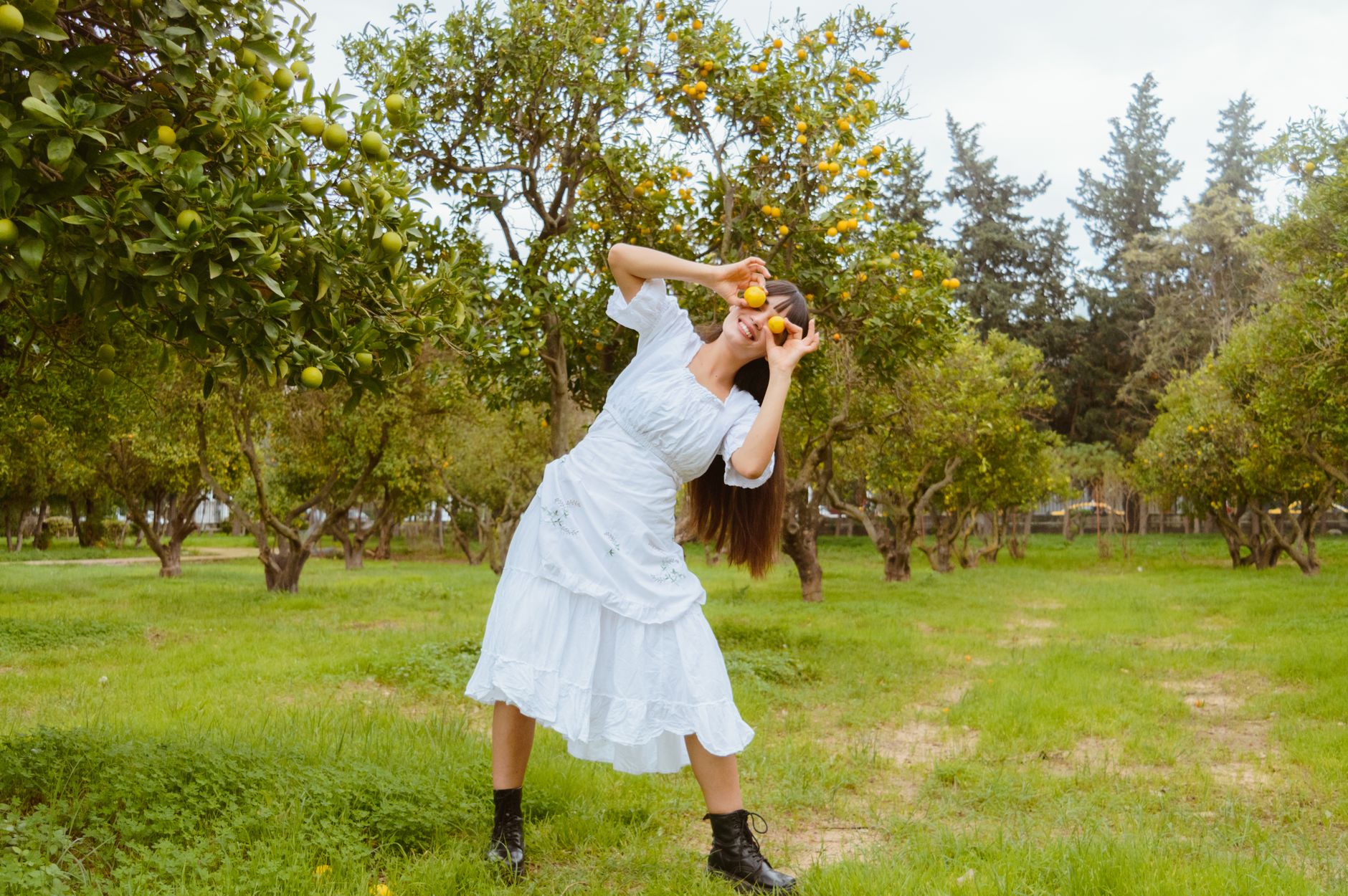

The four sunken gardens inside El Badi Palace were lost for centuries — excavated back into the light only in modern times — and the orange trees planted in them now grow at a level well below your feet, reached by descending into the earth. Walking the upper terrace, you look down into rectangles of deep green arranged symmetrically around the great central pool, the whole geometry still legible despite four hundred years of neglect, earthquake damage, and deliberate stripping.
This is not a manicured garden. The site stays largely unrestored, the raw pisé walls crumbling at their edges, storks occupying the tops of towers above you. What remains is the bones of something that was once, by all accounts, extraordinary.
💛 What travellers fall for
People who come back tend to time it for late afternoon, when the light drops low across the pool and the Atlas Mountains show snow on the horizon above the walls. The climb up to the ramparts is worth it for that view alone — and the upper level is far quieter than the courtyard below.
How Orange Grove Gardens came to be
Sultan Ahmad al-Mansur of the Saadian dynasty began construction of El Badi Palace in 1578, months after taking power, and continued embellishing it for roughly two decades. The palace served as his diplomatic seat, a place designed to impress visiting envoys, and the sunken gardens — four of them, symmetrically placed around a central pool measuring over 90 metres long — were central to that ambition.
After al-Mansur's death in 1603 the palace declined with the dynasty. The definitive blow came in 1696, when the 'Alawi Sultan Moulay Ismail had it systematically stripped of its marble and ornamental materials to furnish his new capital at Meknes. The September 2023 earthquake caused further damage, leaving visible cracks in several sections of the walls.
Who and what shaped it
People who shaped it
Landmark buildings
Plan your visit
On the map
When to go
March to May and October to November are the most comfortable months — warm without being punishing, and the orange trees in the sunken gardens are at their most photogenic. In summer, the open courtyard traps heat; arrive before 10am or after 4pm.
Right now
Background & history adapted from Wikipedia (CC BY-SA) · specs from Wikidata (CC0) · weather from Open-Meteo · map data © OpenStreetMap contributors · photos from Wikimedia Commons / Unsplash with per-image credit. No third-party reviews or social posts reproduced.