
Western Pavilion (Koubba)
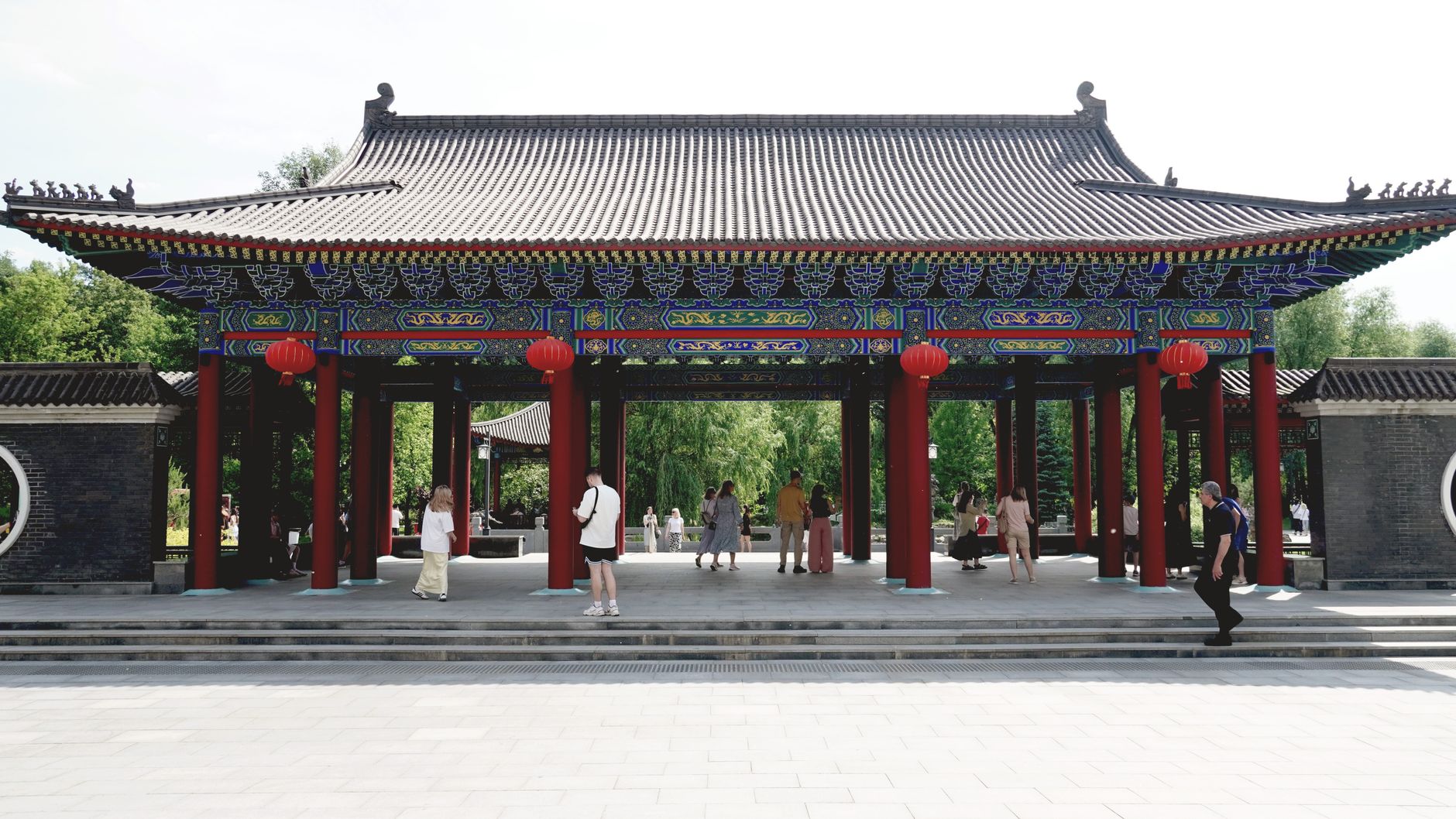
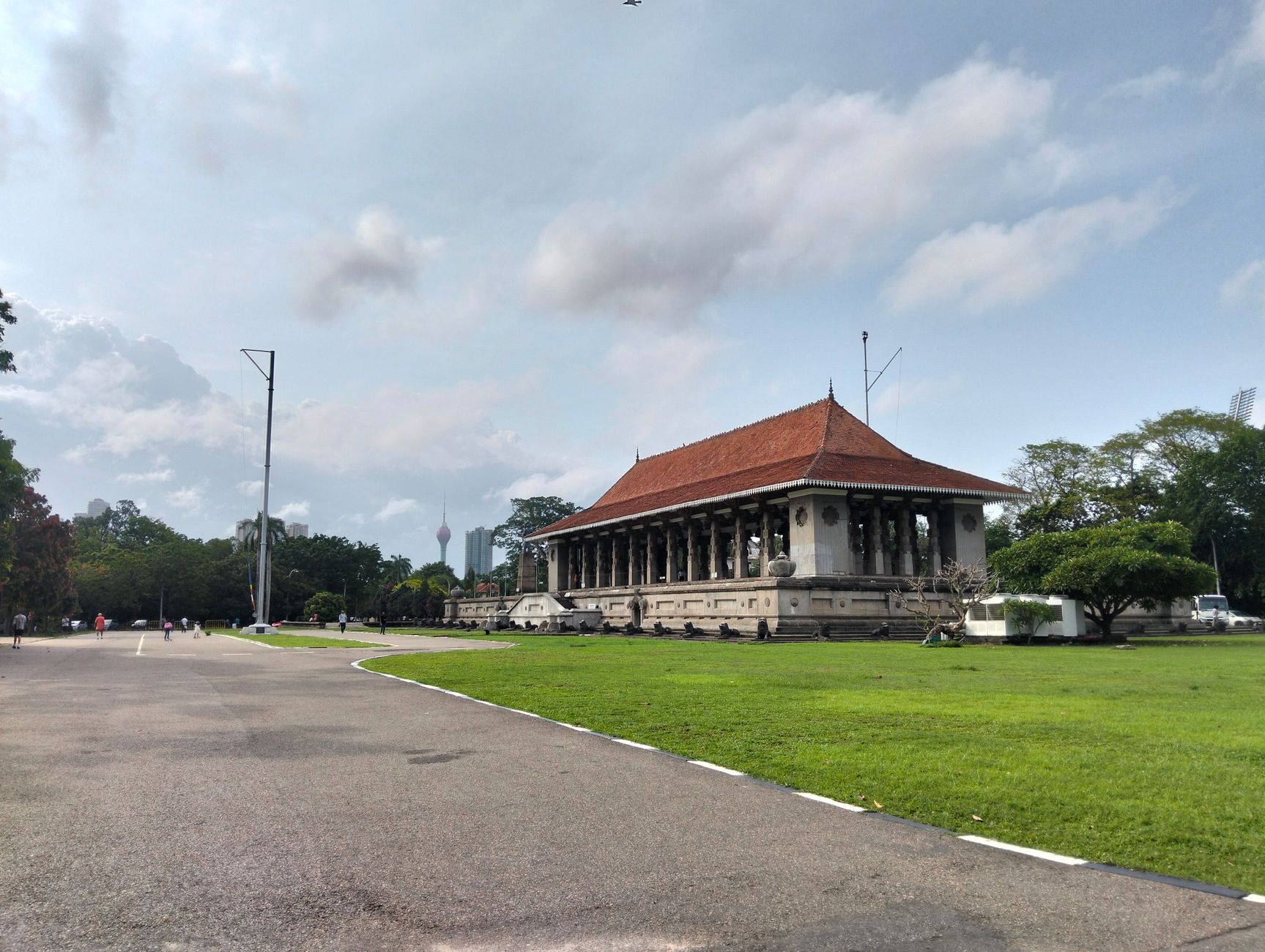
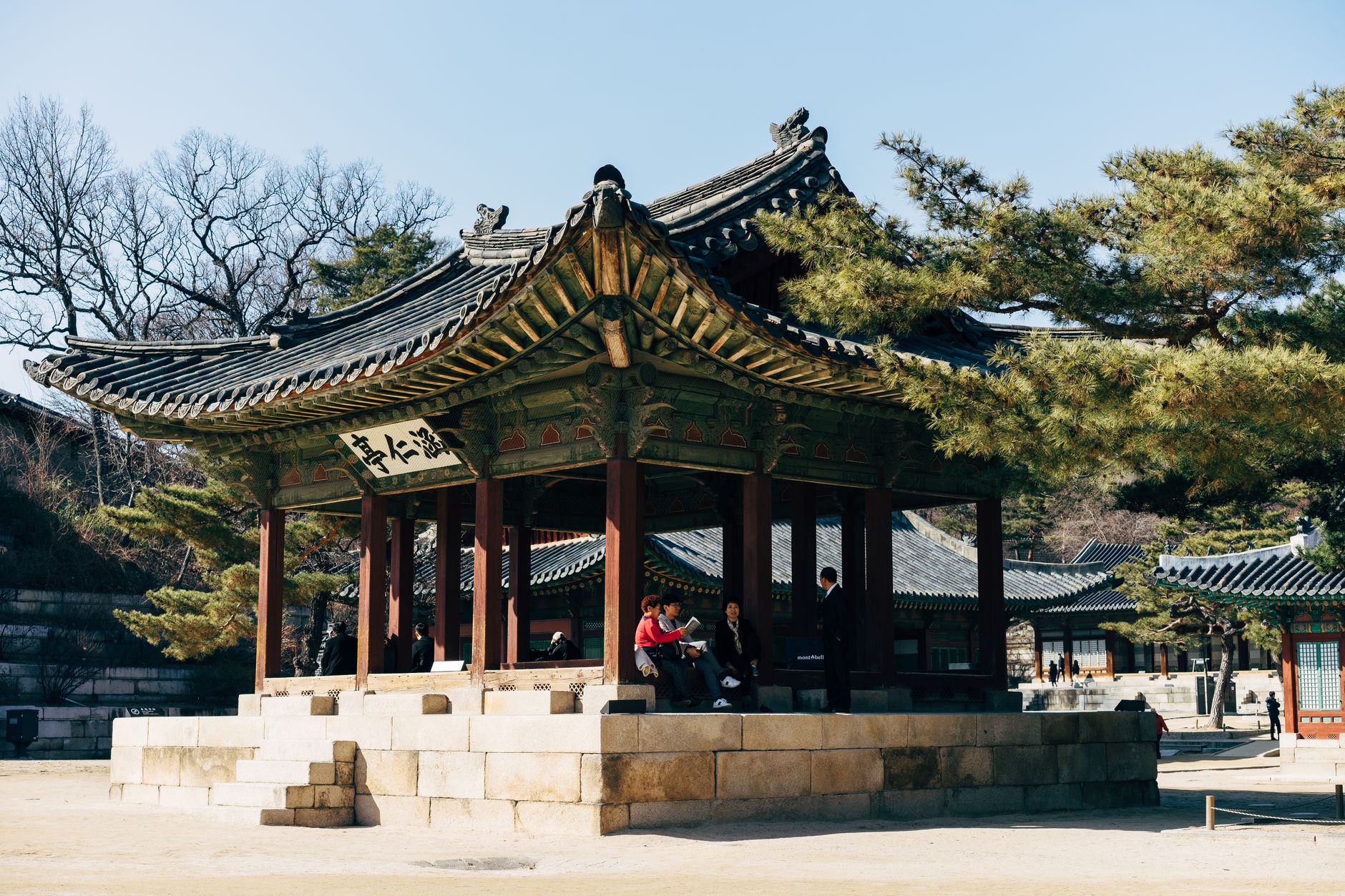
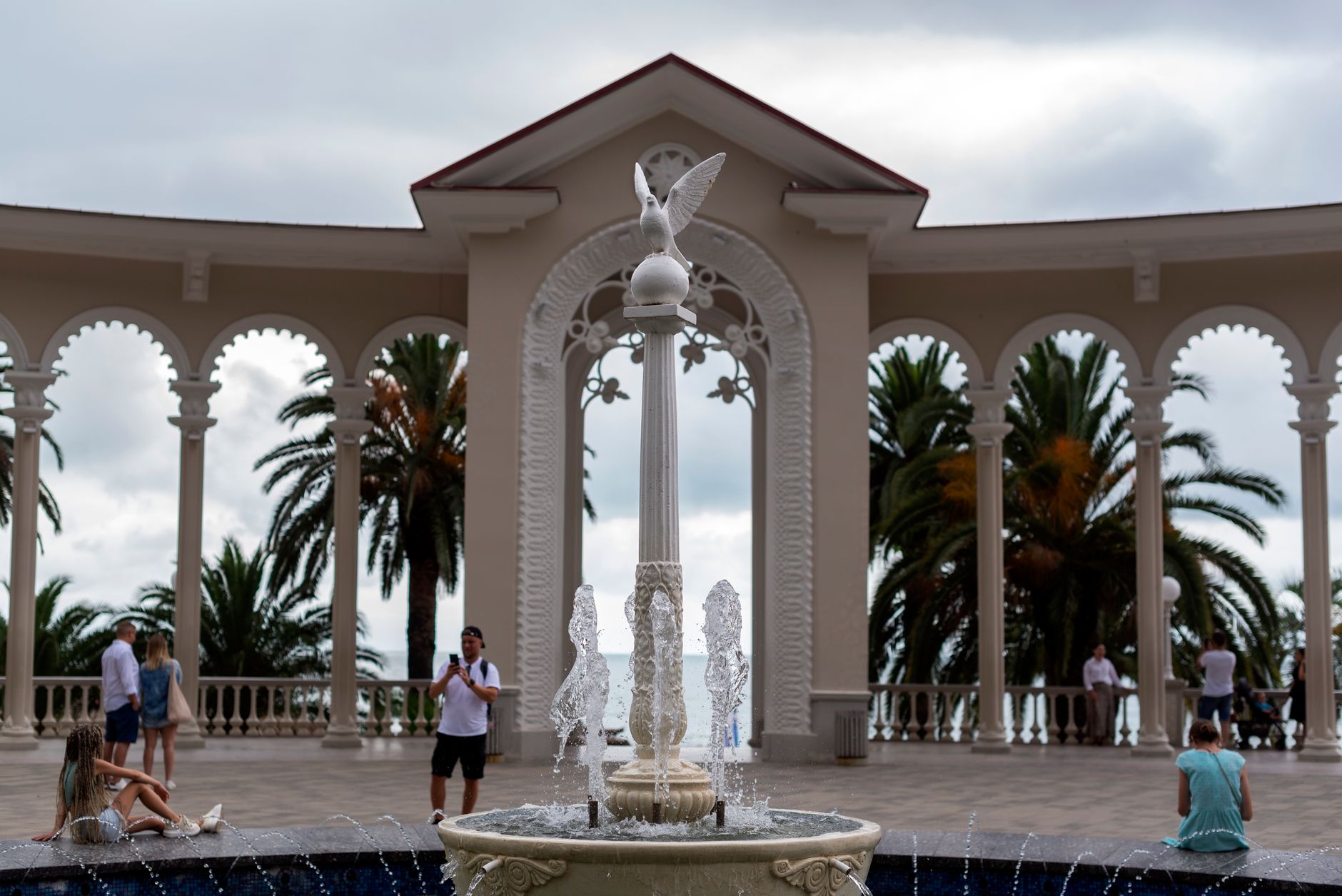
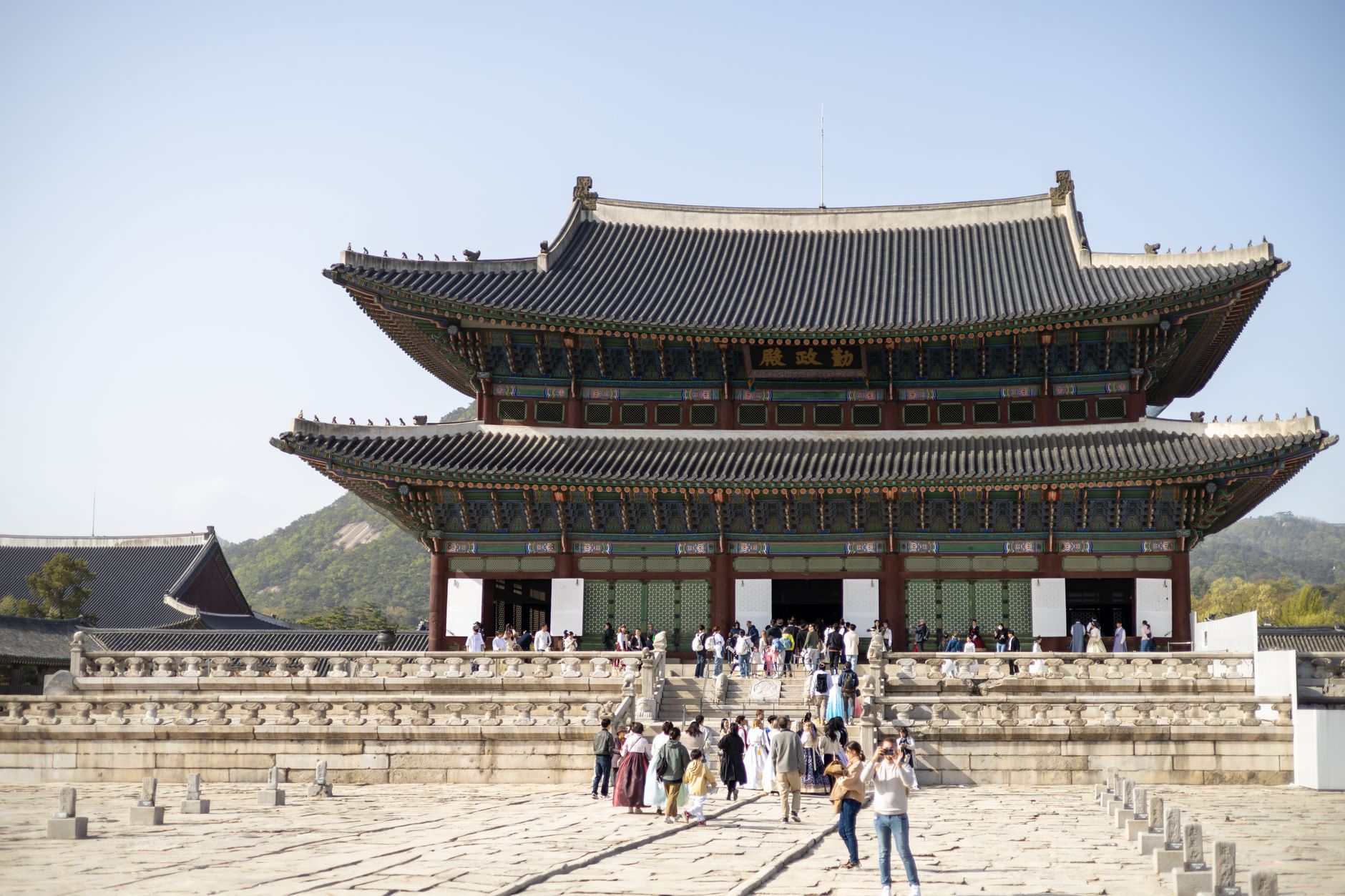
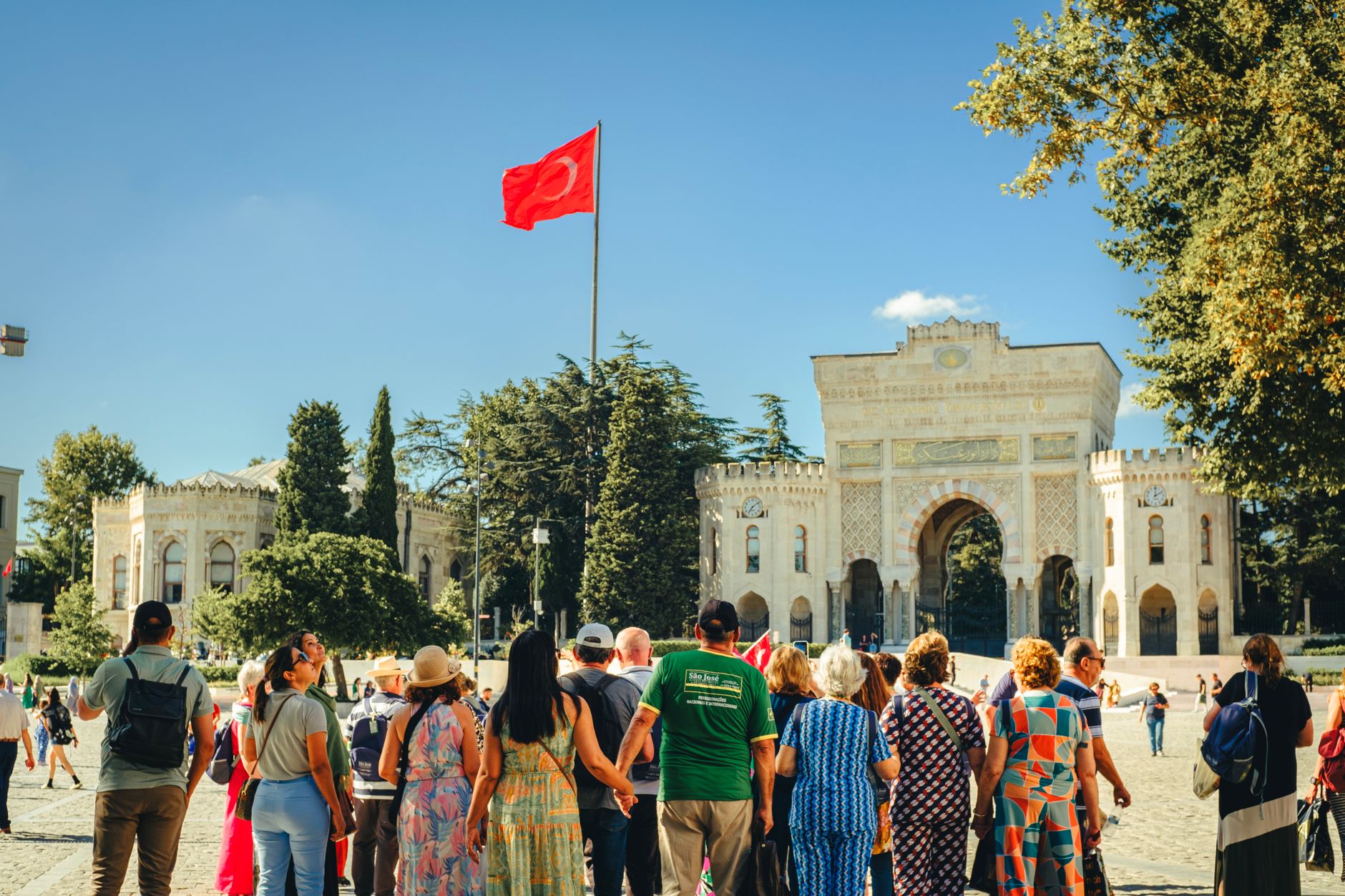
At the far western end of El Badi's enormous courtyard, a roofless shell of a room holds its ground. This was the Koubba al-Khamsiniya — the Pavilion of the Fifty — where Sultan Ahmad al-Mansur once received guests from a throne alcove still visible in the back wall. A fountain once sat at the centre, flanked by basins of zellij tilework fed by silver leopards and lions spitting water. The silver is long gone, stripped out by Moulay Ismail's crews in the early 1700s, but the proportions of the space still tell you something about the scale of ambition that built it.
What remains is mostly open sky and worn stone, a few columns standing where dozens once stood. Storks nest on the high walls above.
💛 What travellers fall for
People who come back to El Badi tend to linger here longer than they planned. The alcove niche in the rear wall is easy to miss if you're moving quickly — worth pausing in front of. The light inside the koubba shifts noticeably in the late afternoon, when the shadows of the remaining columns lengthen across the floor.
How Western Pavilion (Koubba) came to be
El Badi Palace was commissioned by Sultan Ahmad al-Mansur of the Saadian Dynasty in 1578, funded in part by ransom payments that followed the Battle of the Three Kings. Construction ran until roughly 1594, with finishing work continuing until al-Mansur's death in 1603. The Western Pavilion served as a reception and throne hall, its name — al-Khamsiniya, the Fifty — referring either to its footprint of fifty cubits or its columns. The court poet Abd al-Aziz al-Fishtali wrote a poem in its honour.
The palace's end came between 1707 and 1708, when Sultan Moulay Ismail ordered it stripped to the bones. Marble, gold fittings, zellij, timber — everything transportable was carted north to build his new capital at Meknes. The stripping took twelve years.
Who and what shaped it
People who shaped it
Landmark buildings
Plan your visit
On the map
When to go
Marrakech summers are fierce; visiting the koubba between April and September means direct sun on largely unshaded stone — mornings or late afternoons are considerably more bearable. In winter the air cools quickly after midday, but the light is cleaner and the crowds thinner.
Right now
Background & history adapted from Wikipedia (CC BY-SA) · specs from Wikidata (CC0) · weather from Open-Meteo · map data © OpenStreetMap contributors · photos from Wikimedia Commons / Unsplash with per-image credit. No third-party reviews or social posts reproduced.