
Southern Pavilion (Koubba)
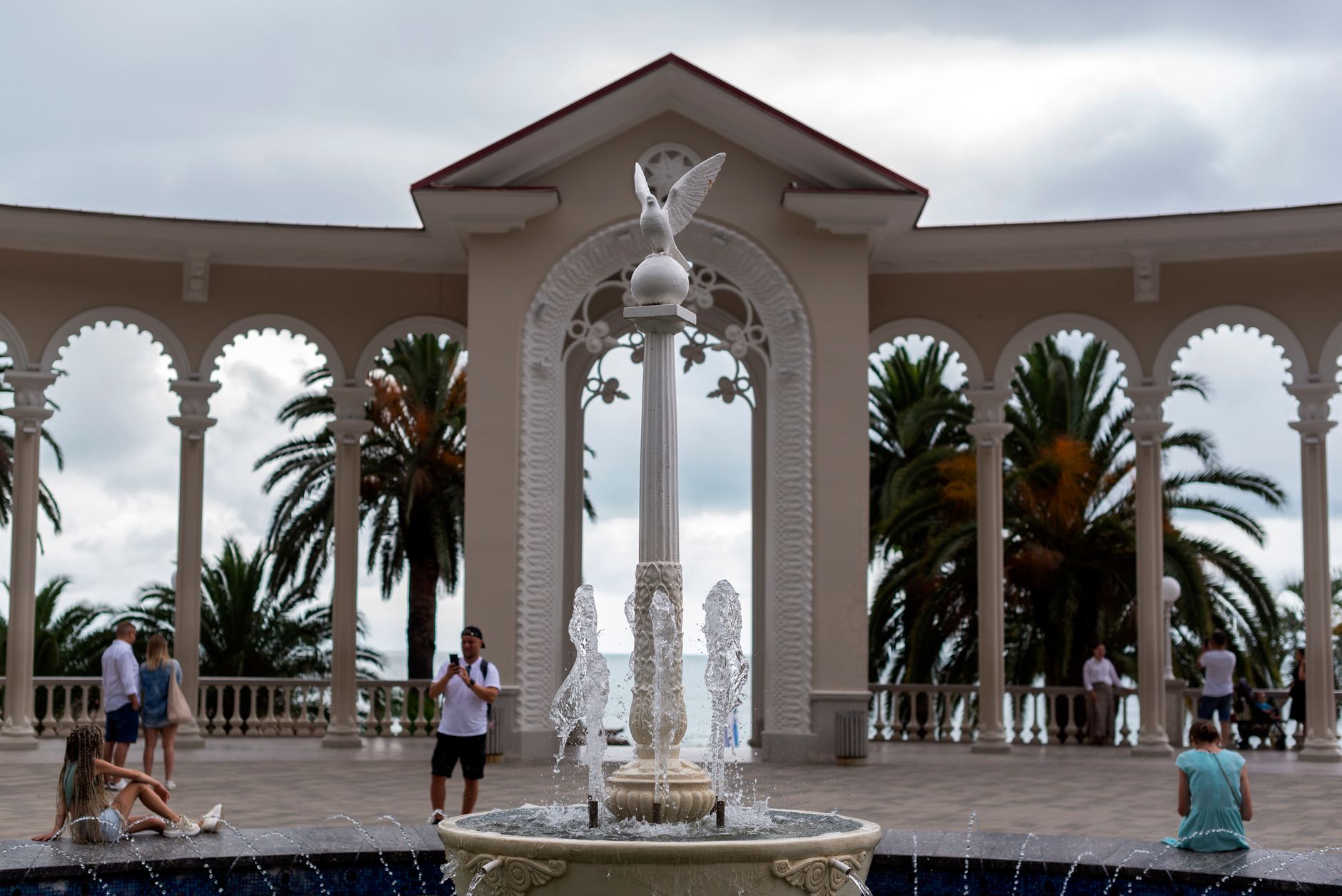
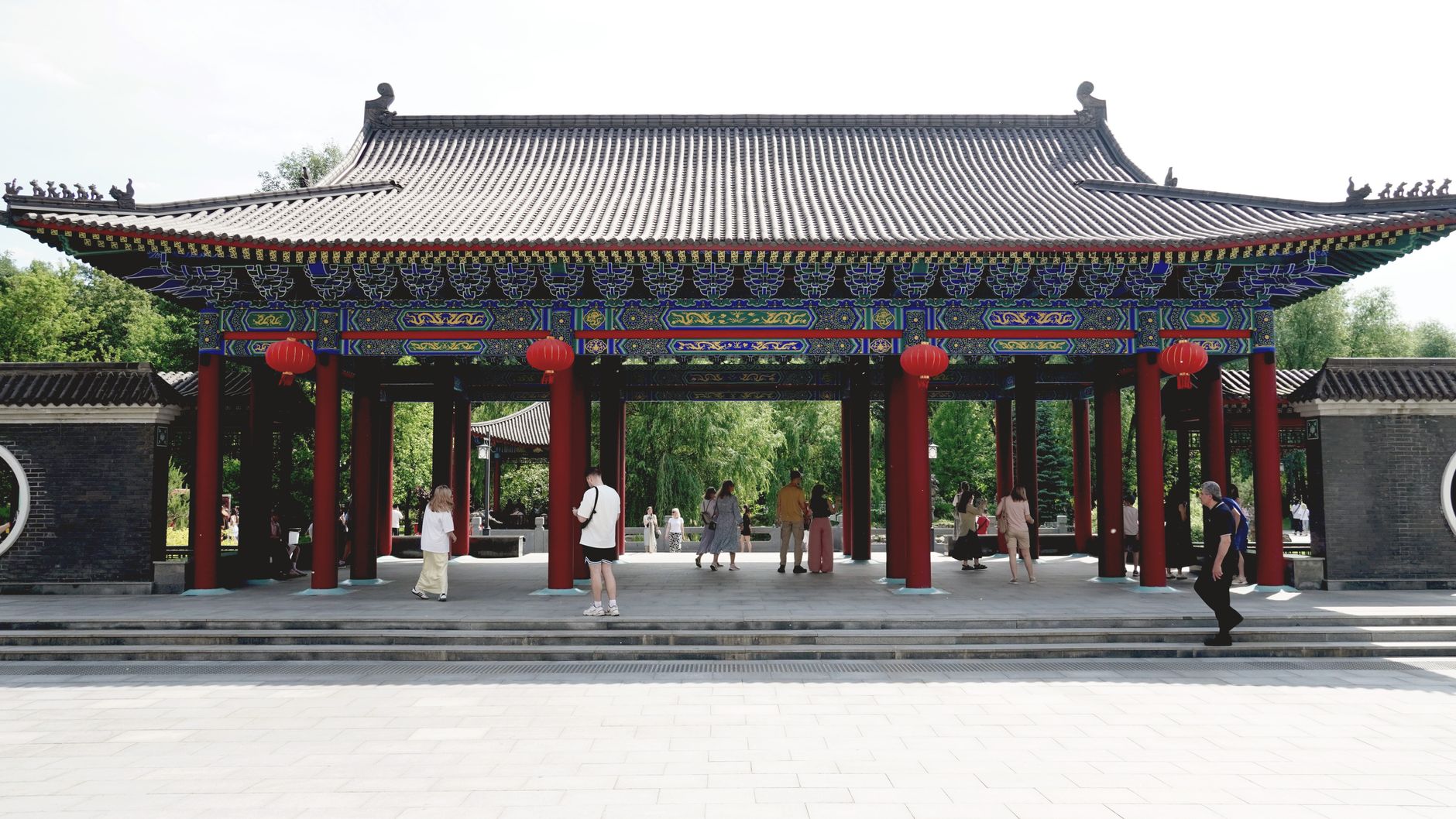
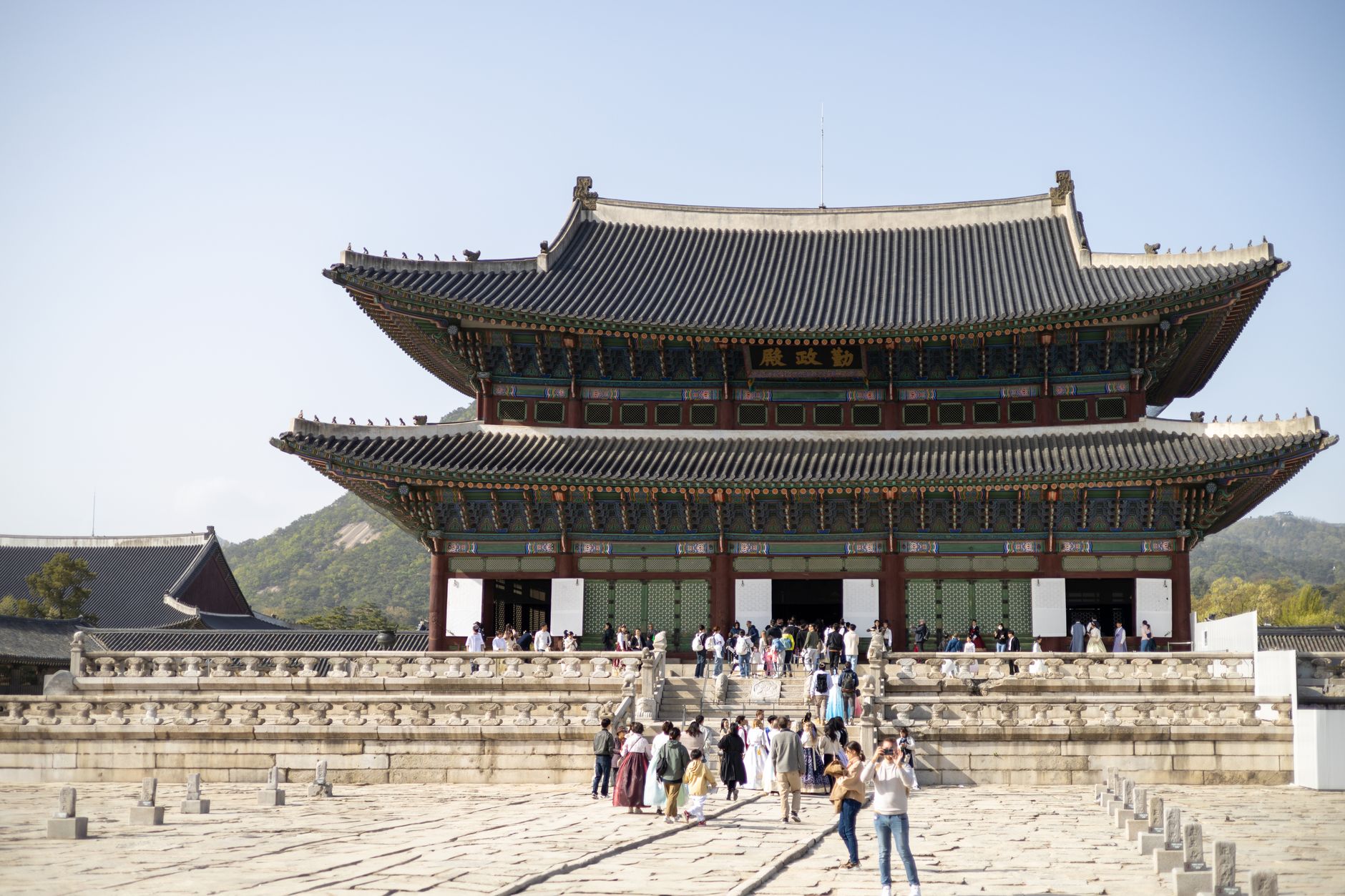
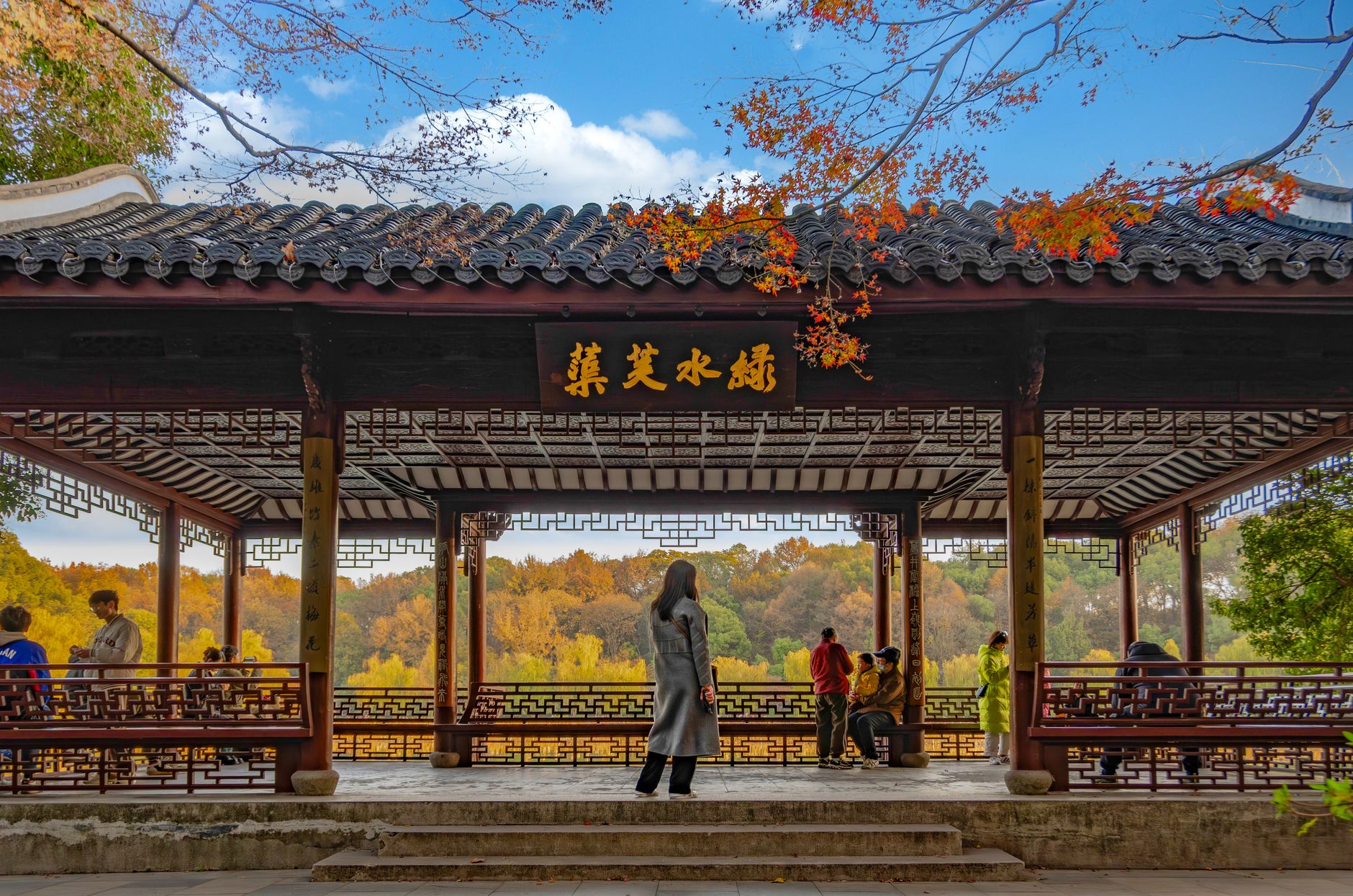
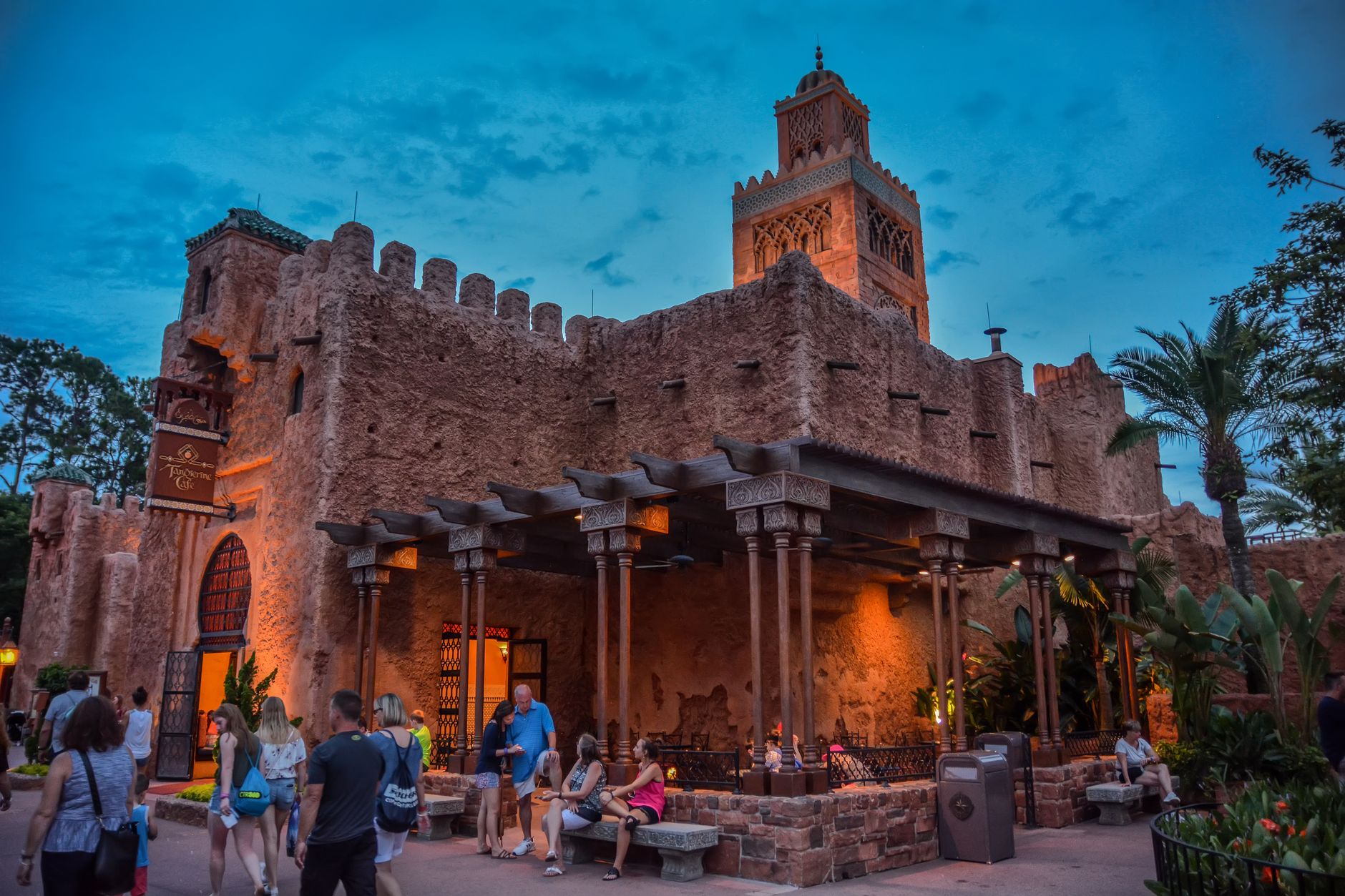
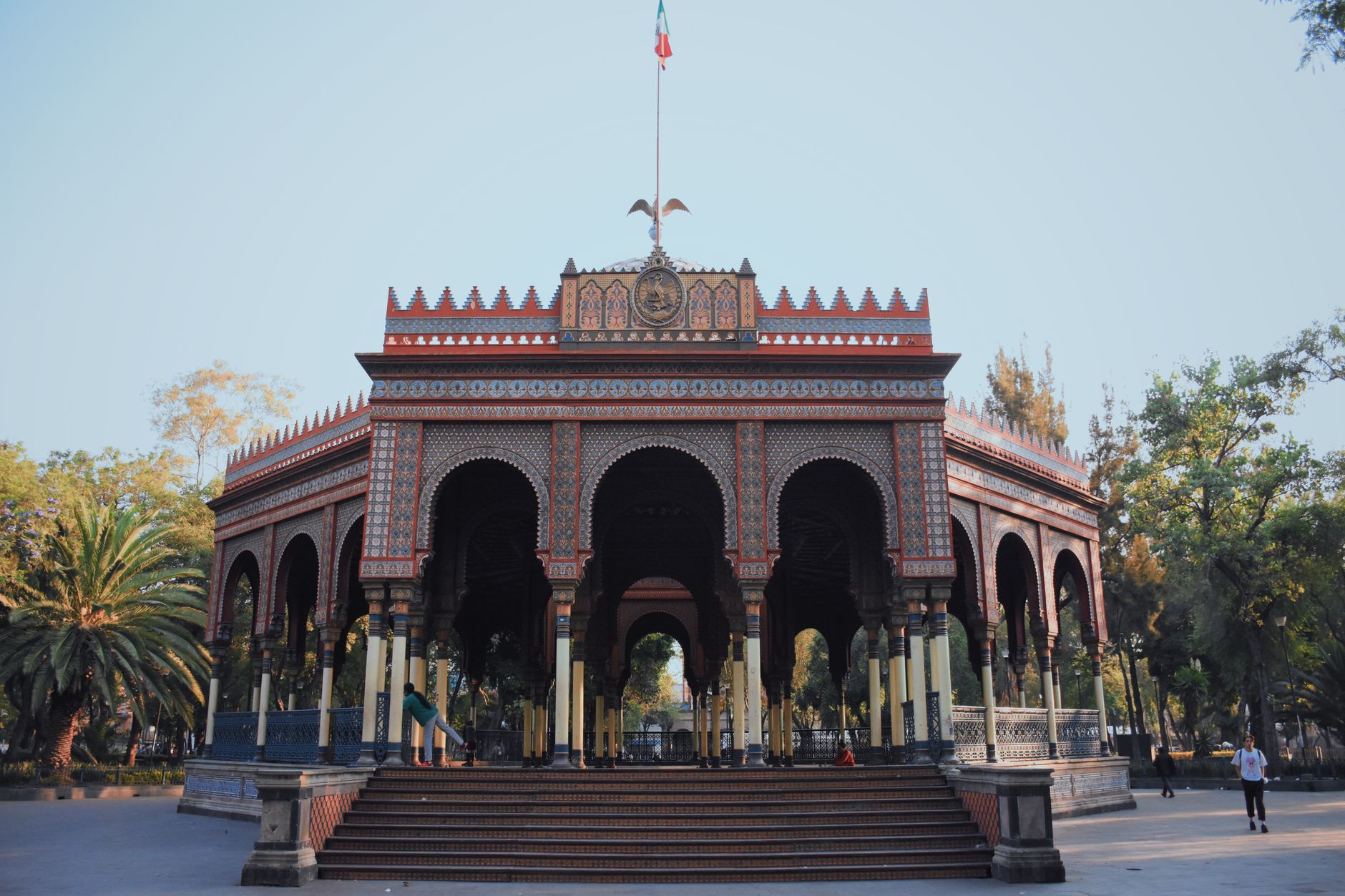
The Southern Pavilion — once called the Heliotrope Pavilion — stands at the far end of El Badi's vast courtyard, its ruined walls open to a sky that changes colour as the afternoon moves. What's left is mostly foundation and suggestion: enough to read the scale of what Ahmad al-Mansur built here between 1578 and the early 1600s, and enough to understand why Moulay Ismail bothered to strip it bare in 1672.
From this corner, the geometry of the whole palace falls into place. The central pool stretches away to the north, the orange groves drop below grade to either side, and storks pace the high ramparts above you. It is one of the better places in the complex to simply stand still.
💛 What travellers fall for
People who come back tend to time this end of the courtyard for late afternoon, when the light hits the remaining stonework at a low angle and the storks grow more active on the walls above. The southern position also means you're looking back across the full 135-metre length of the courtyard — worth the walk down.
How Southern Pavilion (Koubba) came to be
Sultan Ahmad al-Mansur commissioned El Badi Palace within months of coming to power in 1578, and the Southern Pavilion — the Heliotrope Pavilion — was one of four grand corner qubba structures that anchored the rectangular courtyard. Construction ran until roughly 1594, with decorative work continuing to 1603. The four pavilions gave the courtyard its rhythm: each answered the others across a central pool that measured over 90 metres long.
In 1672, the Alawite Sultan Moulay Ismail transferred his capital to Meknes and systematically dismantled El Badi, recycling its marble, tile and carved plasterwork into his new imperial city. The September 2023 earthquake caused further damage to the already fragile ruins.
Who and what shaped it
People who shaped it
Landmark buildings
Plan your visit
On the map
When to go
Spring (March–May) and autumn (September–November) are the most comfortable seasons — daytime temperatures sit between 20°C and 30°C, and the open courtyard doesn't turn punishing. Summer afternoons regularly exceed 38°C, which makes an unshaded southern corner a serious commitment.
Right now
Background & history adapted from Wikipedia (CC BY-SA) · specs from Wikidata (CC0) · weather from Open-Meteo · map data © OpenStreetMap contributors · photos from Wikimedia Commons / Unsplash with per-image credit. No third-party reviews or social posts reproduced.