
Underground Dungeons (Souterrain)
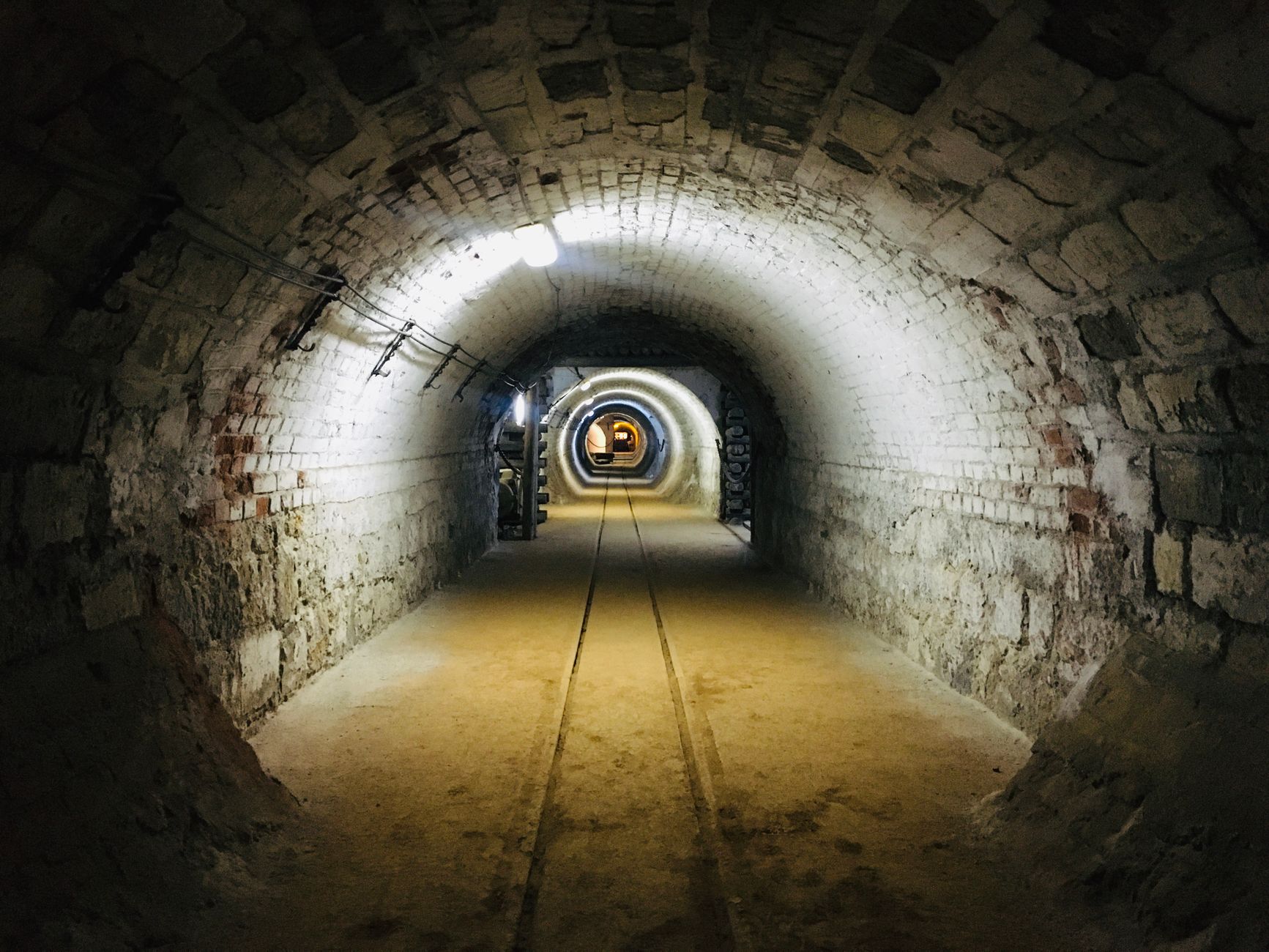
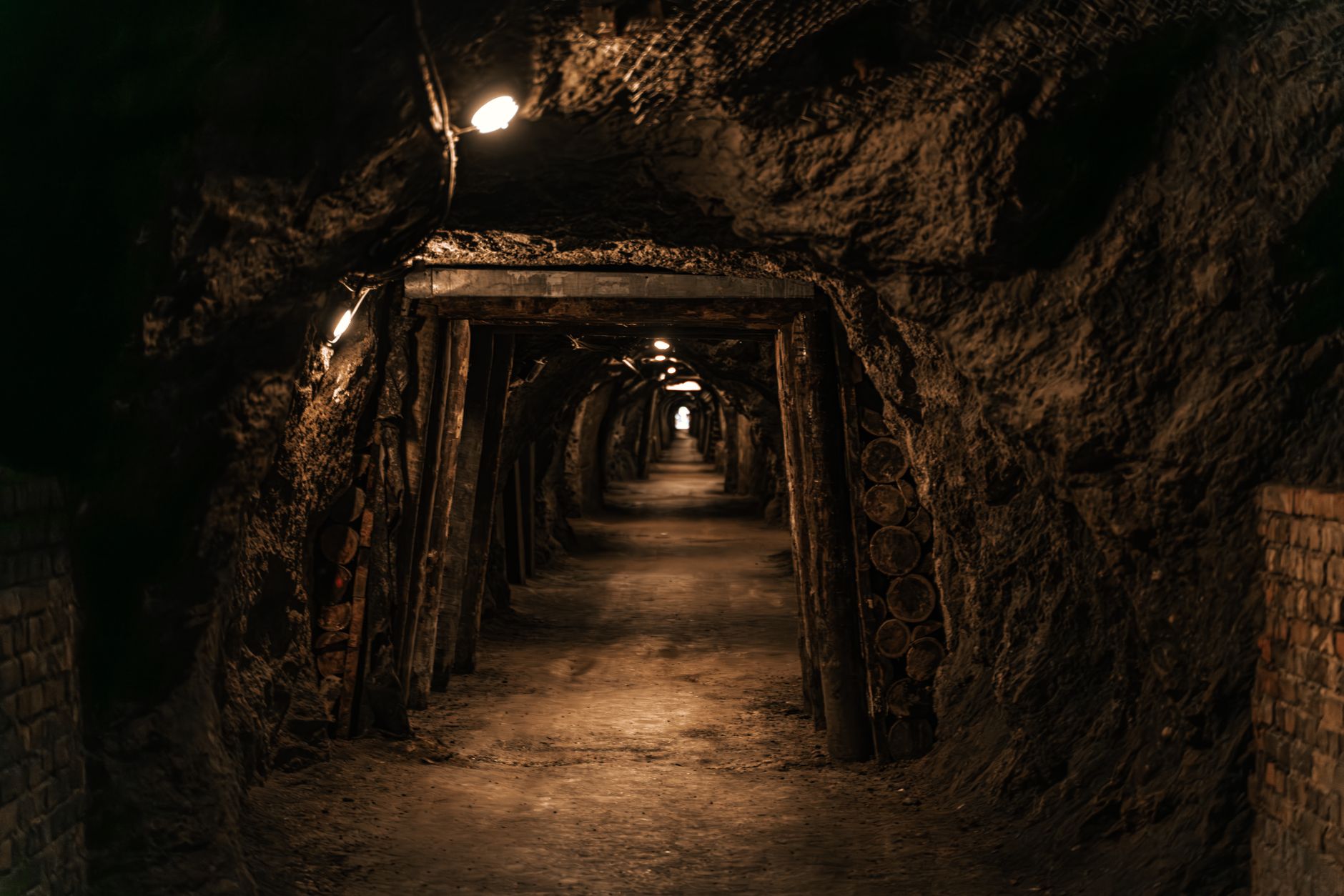
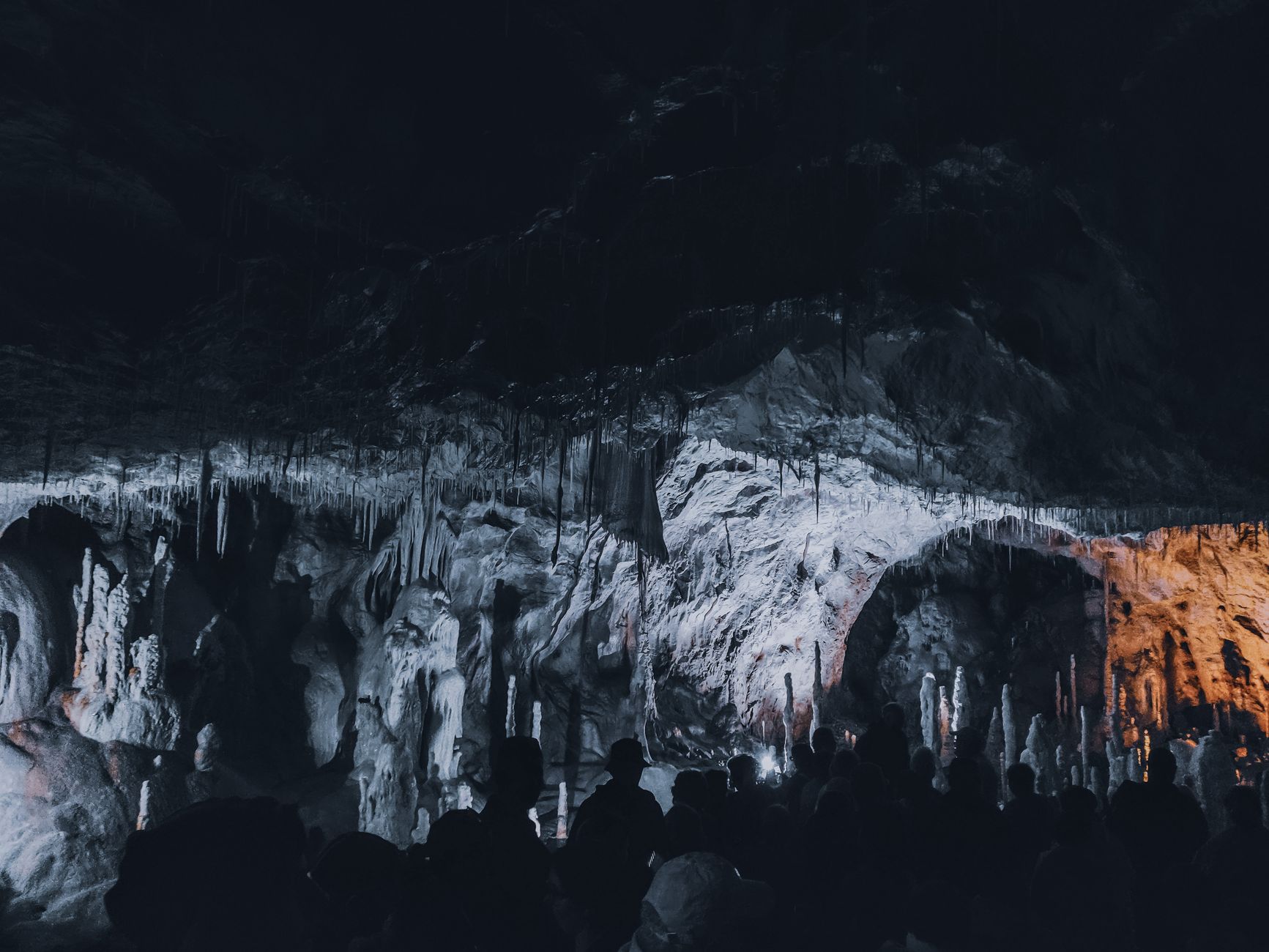
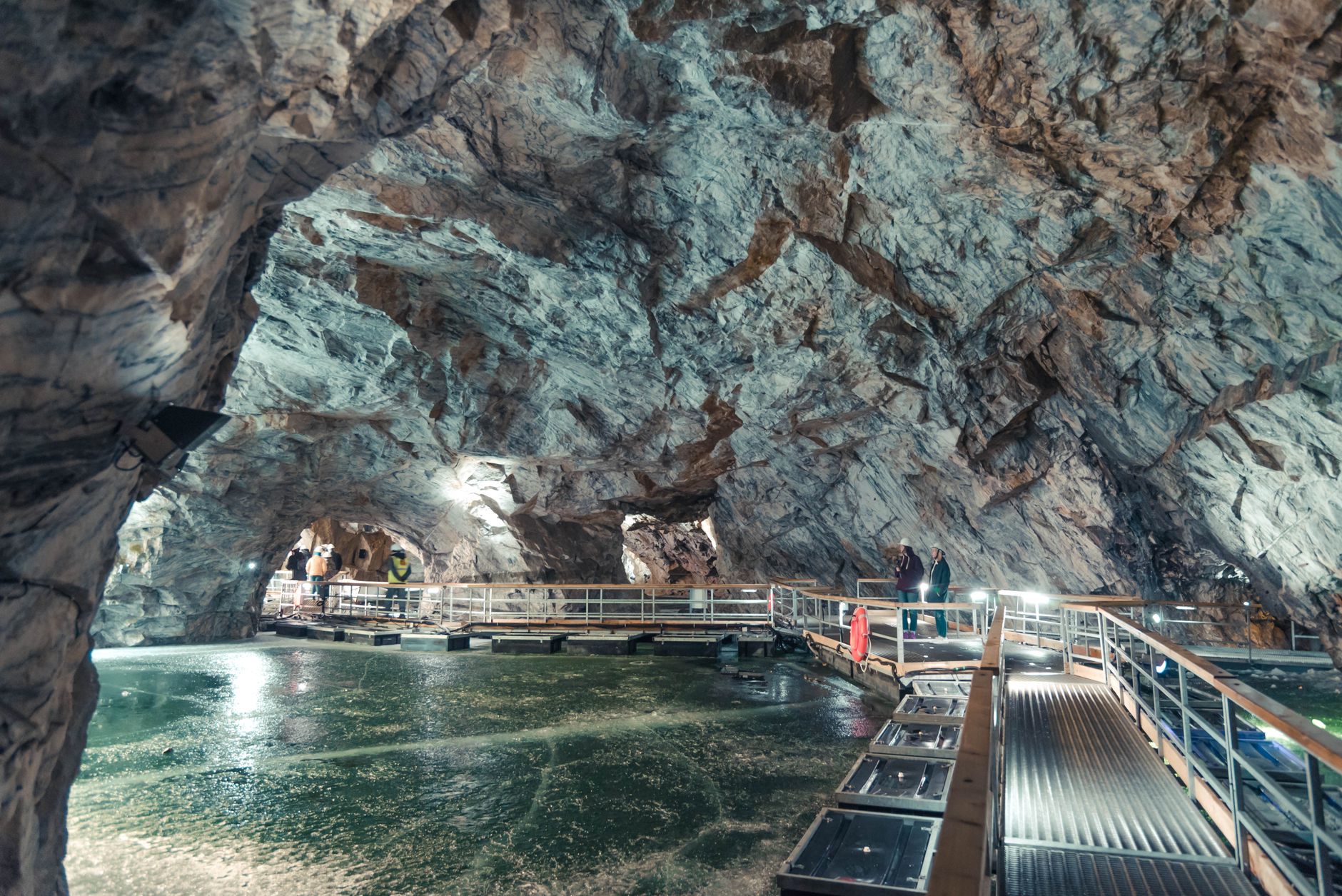
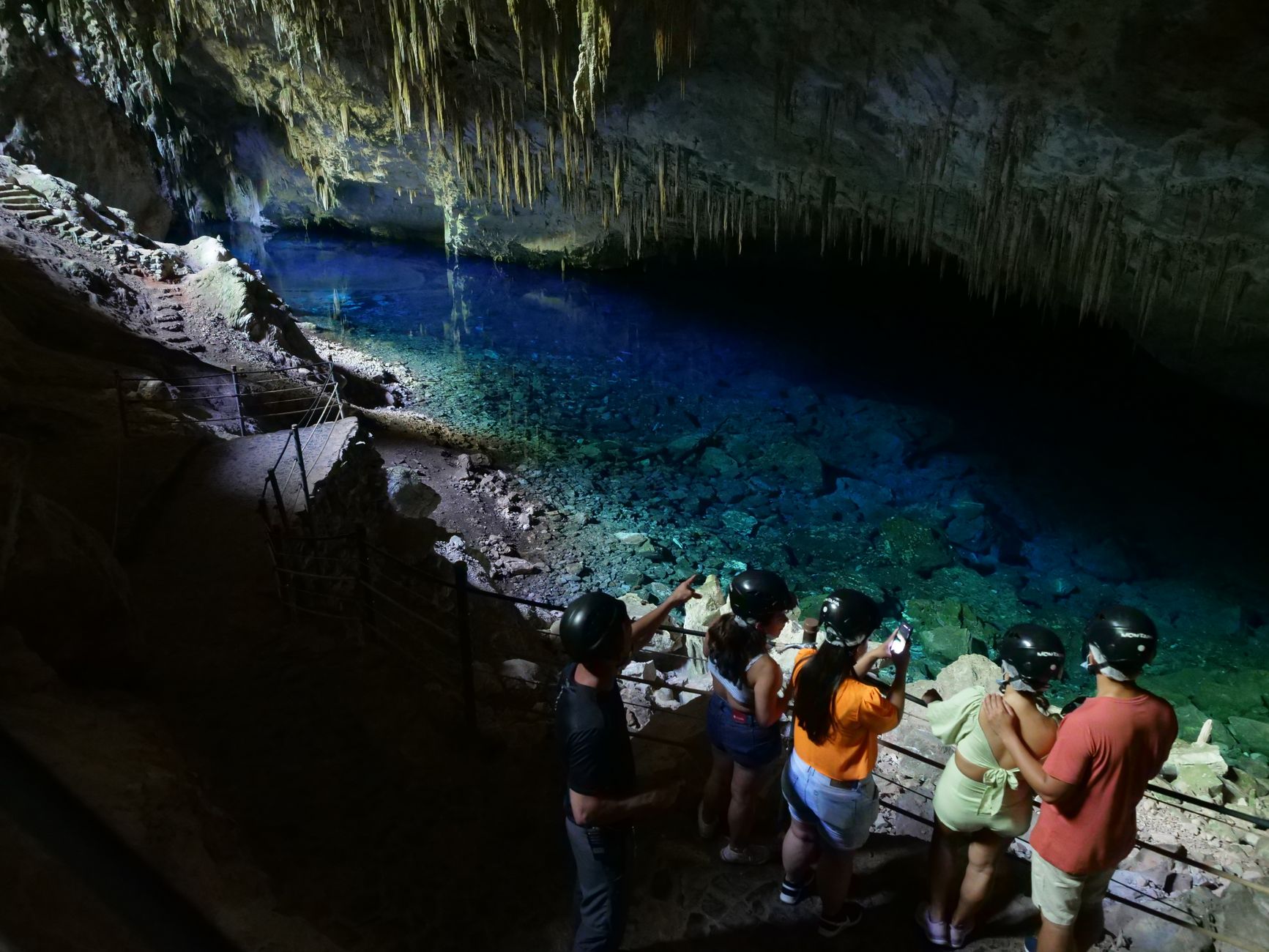
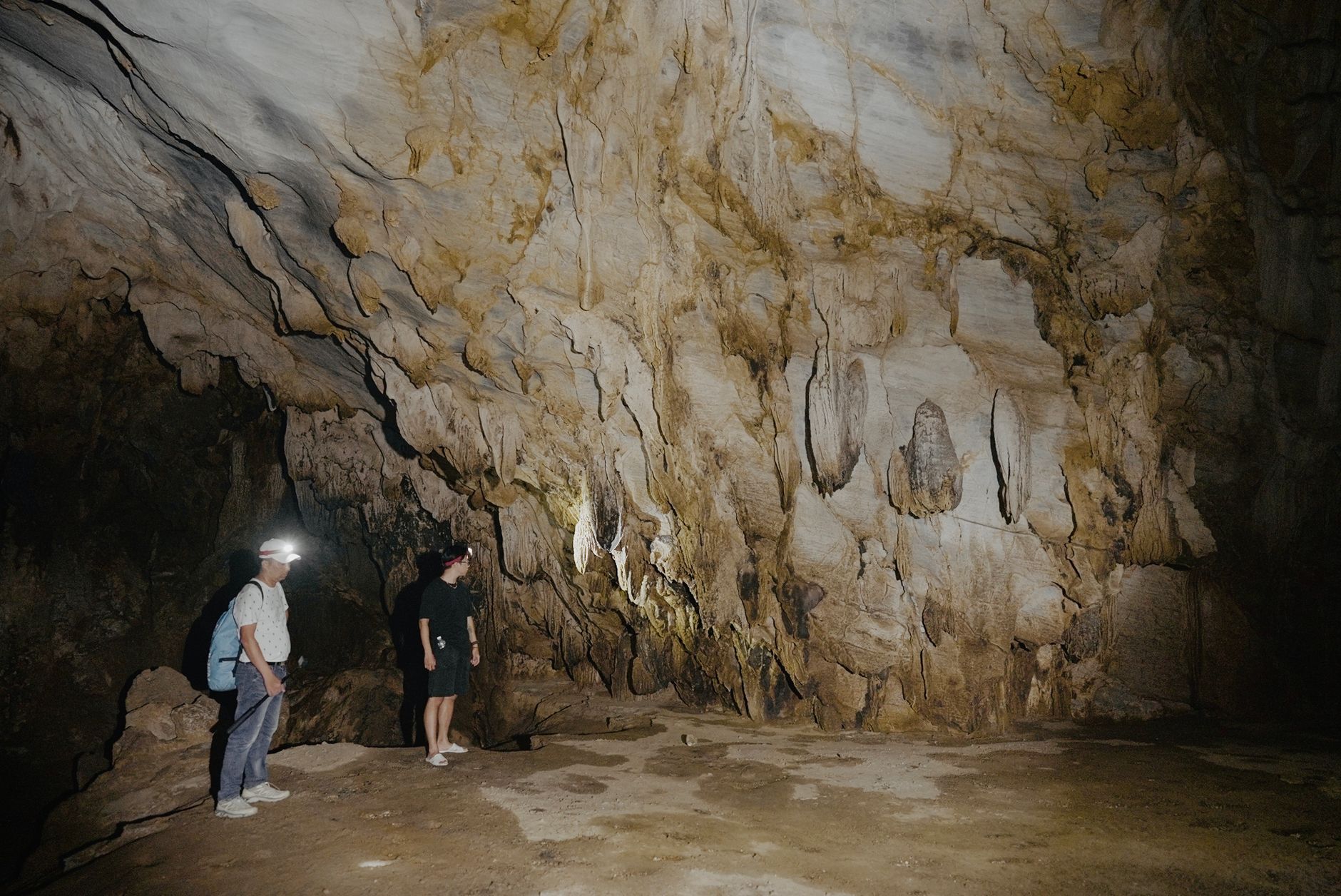
You descend a few steps from the sun-blasted courtyard and the temperature drops immediately. The Underground Dungeons of El Badi Palace are a series of low stone passages and four cells, once used to hold the sultan's prisoners, now partially open to visitors who duck through the dim corridors and let their eyes adjust. The scale feels human after the vast emptiness above — intimate, even, in a way that the 135-metre courtyard never quite is.
Archaeological excavations have turned up pottery, coins, and architectural fragments here, and several small rooms display what was found. The signage runs in French only, so a local guide — available near the main entrance for around 100 to 150 MAD — earns their fee underground more than anywhere else on the site.
💛 What travellers fall for
People who come back tend to do the dungeons first, before the heat of the courtyard takes hold. The passages stay cool well into the afternoon, and the cells give you a moment to collect yourself before the open terraces. Go early, linger below, then climb up for the storks.
How Underground Dungeons (Souterrain) came to be
Sultan Ahmad al-Mansur commissioned El Badi Palace in December 1578, months after taking power, funding it with war reparations from his victory over the Portuguese at the Battle of the Three Kings and with profits from Morocco's sugar and trans-Saharan gold trade. The underground chambers served as dungeons and storage from the outset — the practical infrastructure beneath a palace designed to project extraordinary wealth.
After al-Mansur's death in 1603, the palace fell into disuse. Between 1707 and 1708, Sultan Moulay Ismail of the Alaouite dynasty ordered the structure stripped and dismantled, its materials carted north to build his new capital in Meknes. What survived was largely what couldn't easily be moved — the bones of the place, including the passages beneath.
Who and what shaped it
People who shaped it
Landmark buildings
Plan your visit
On the map
When to go
The underground chambers offer genuine relief from Marrakech's summer heat, when surface temperatures regularly exceed 38°C. Spring and autumn are the most comfortable seasons for the open courtyard sections above; winter mornings can be sharply cold before midday.
Right now
Background & history adapted from Wikipedia (CC BY-SA) · specs from Wikidata (CC0) · weather from Open-Meteo · map data © OpenStreetMap contributors · photos from Wikimedia Commons / Unsplash with per-image credit. No third-party reviews or social posts reproduced.