
Stork Nesting Towers
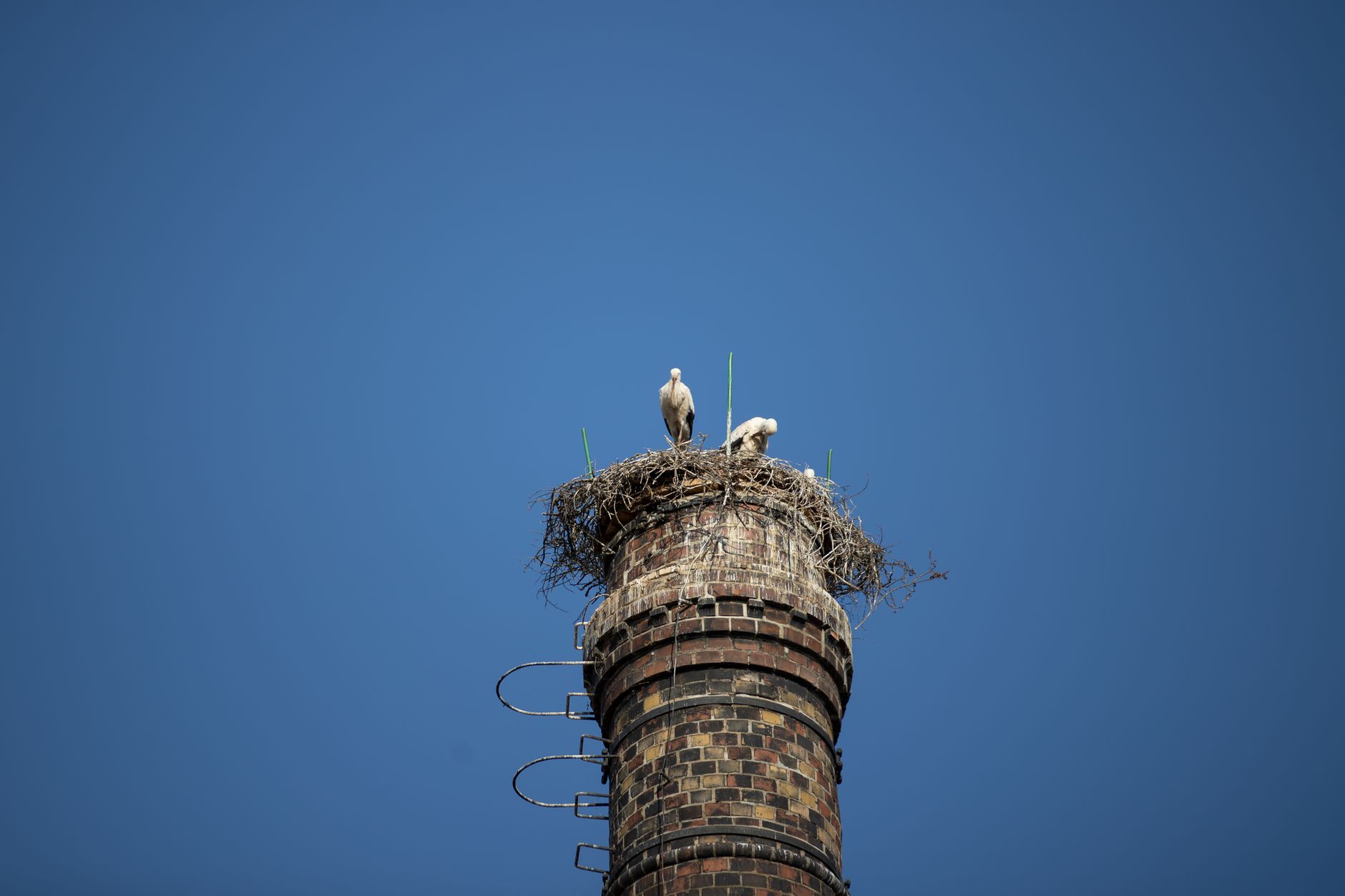
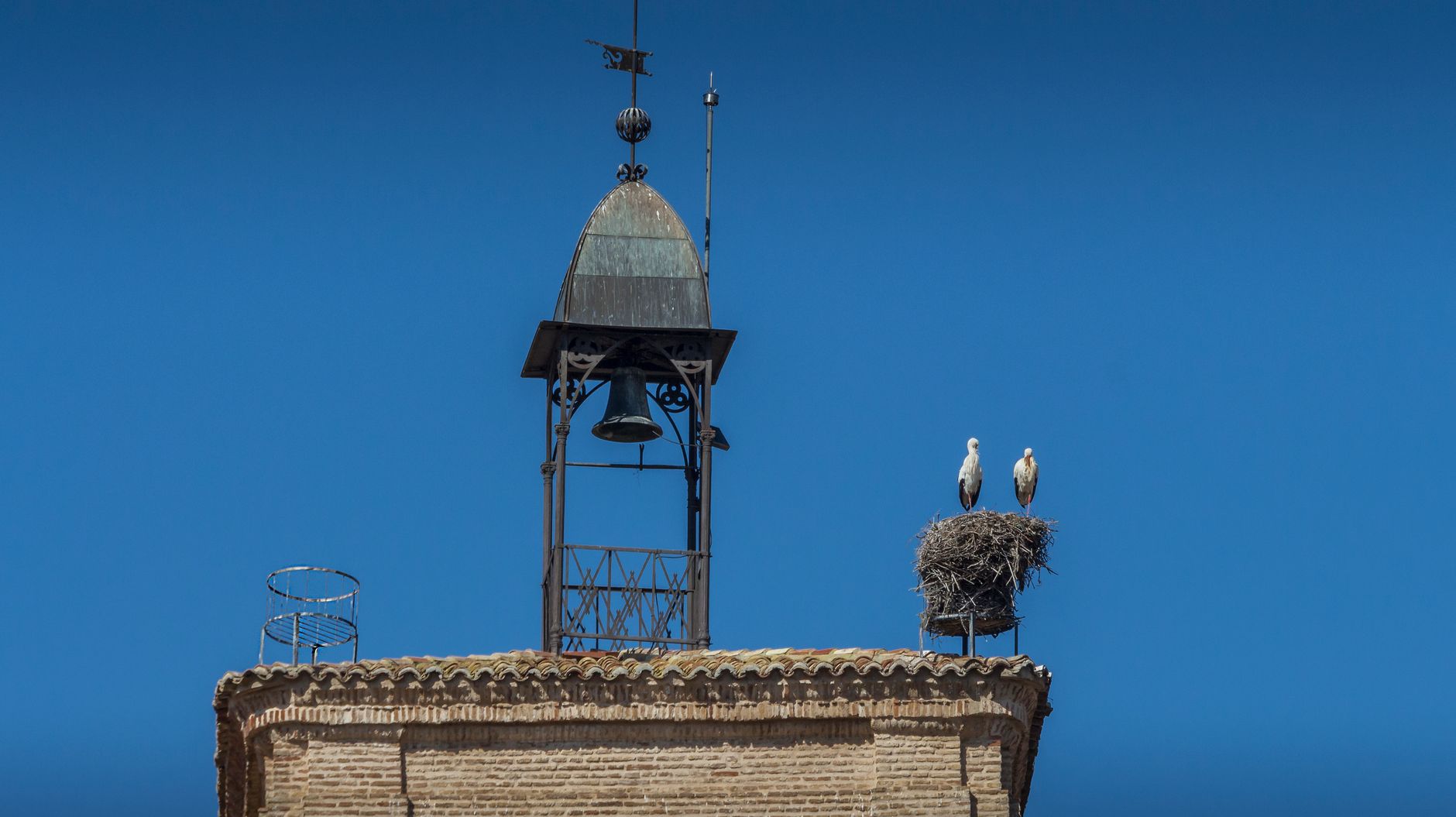
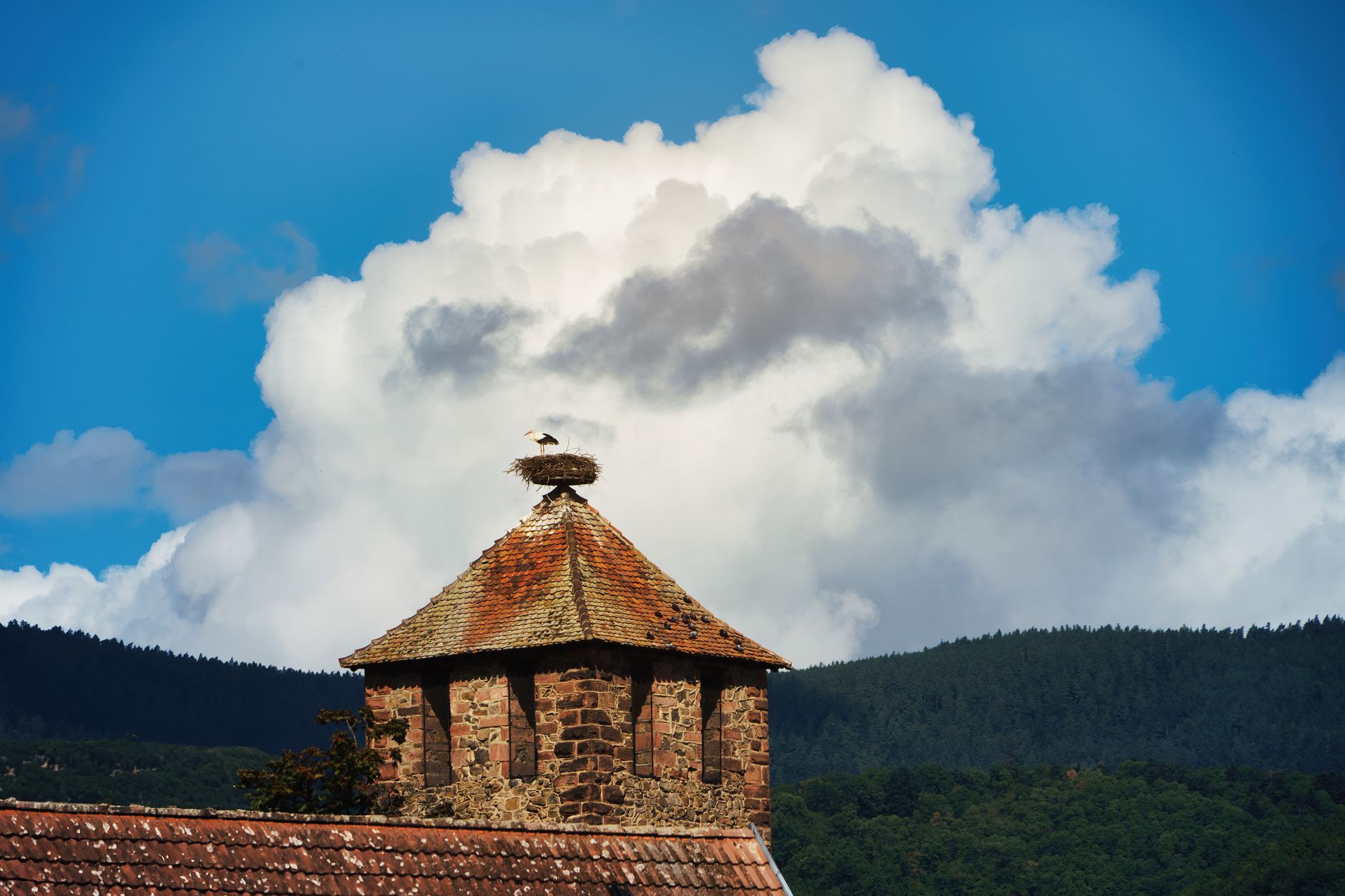
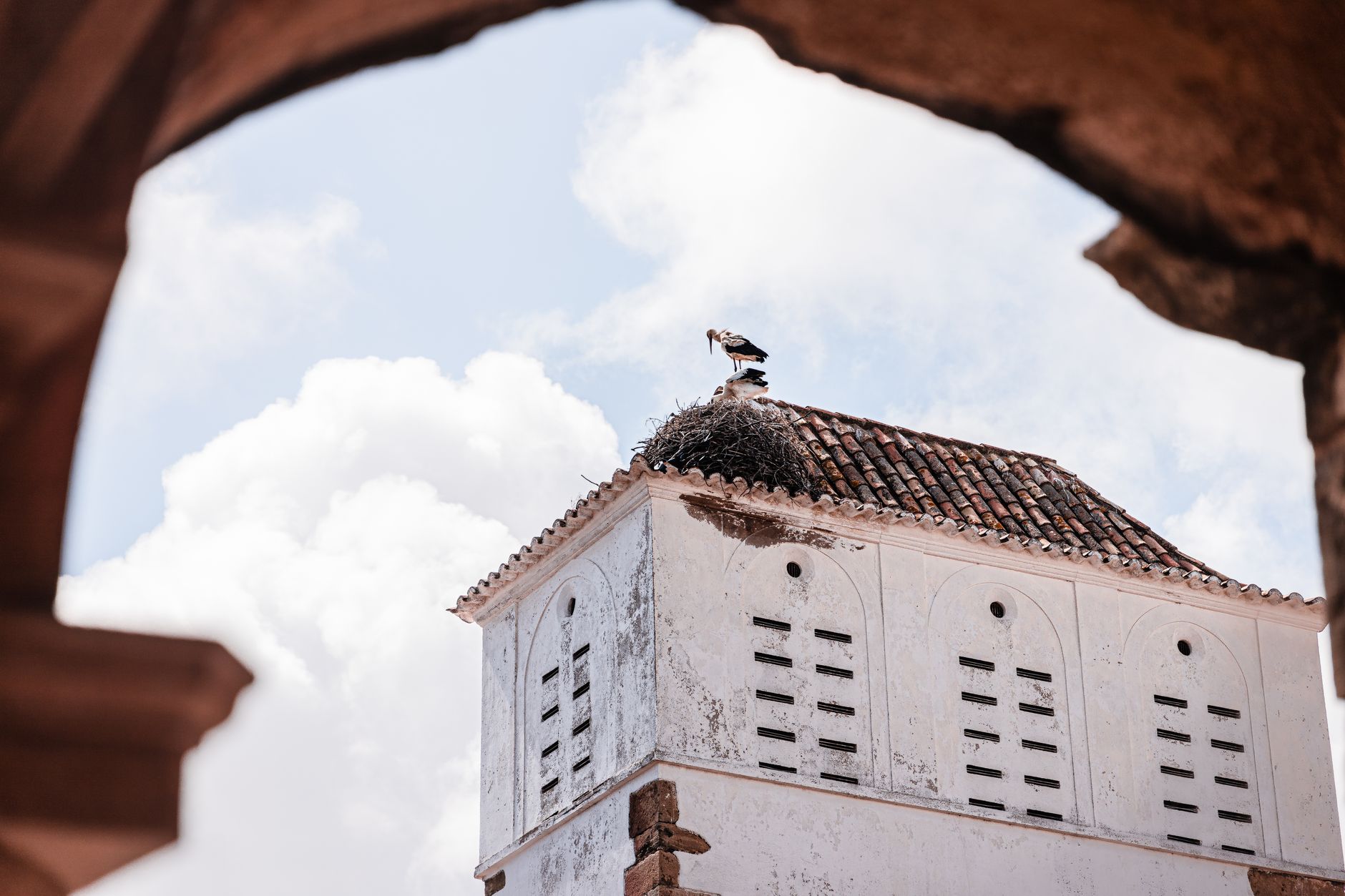
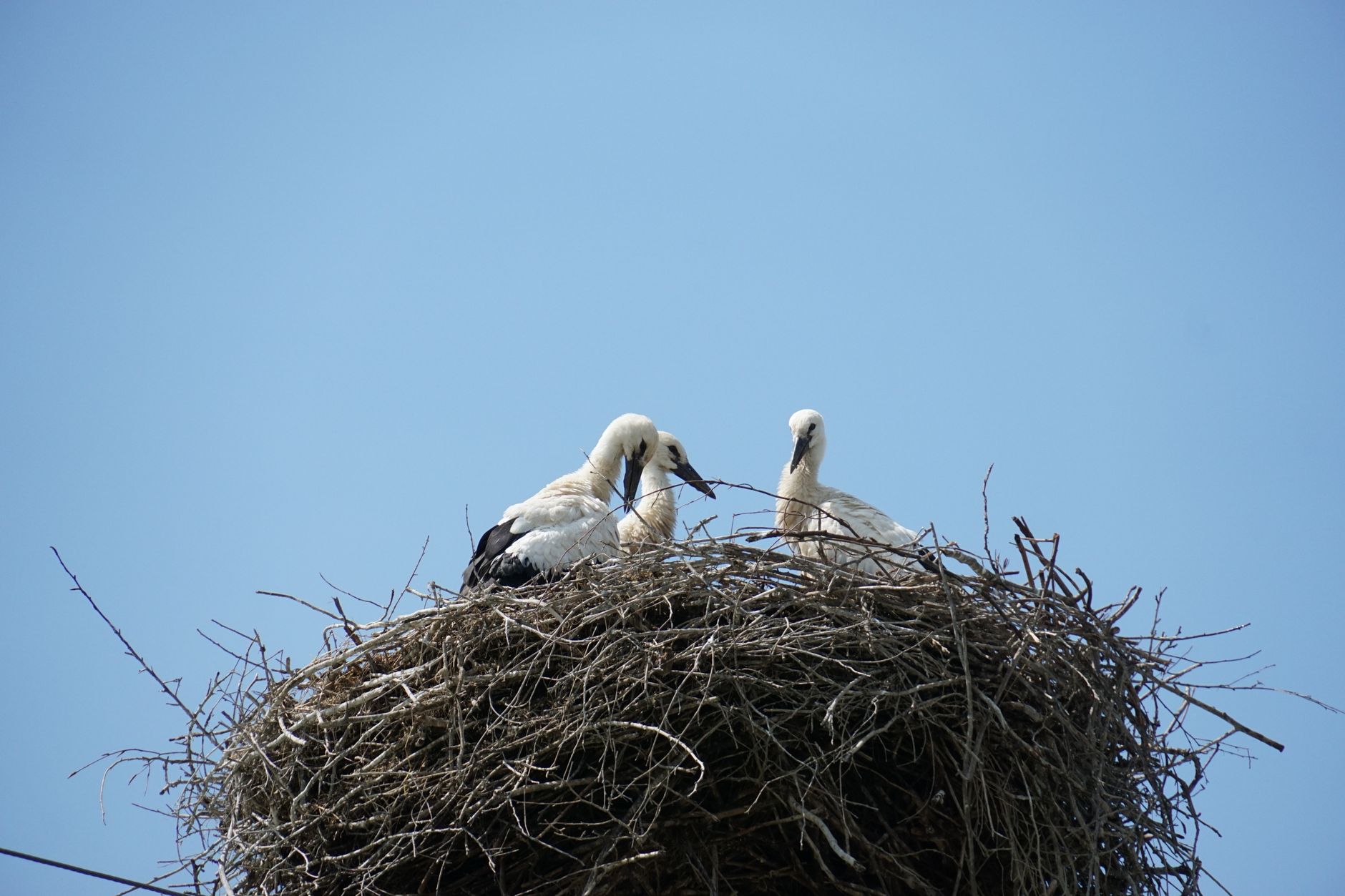
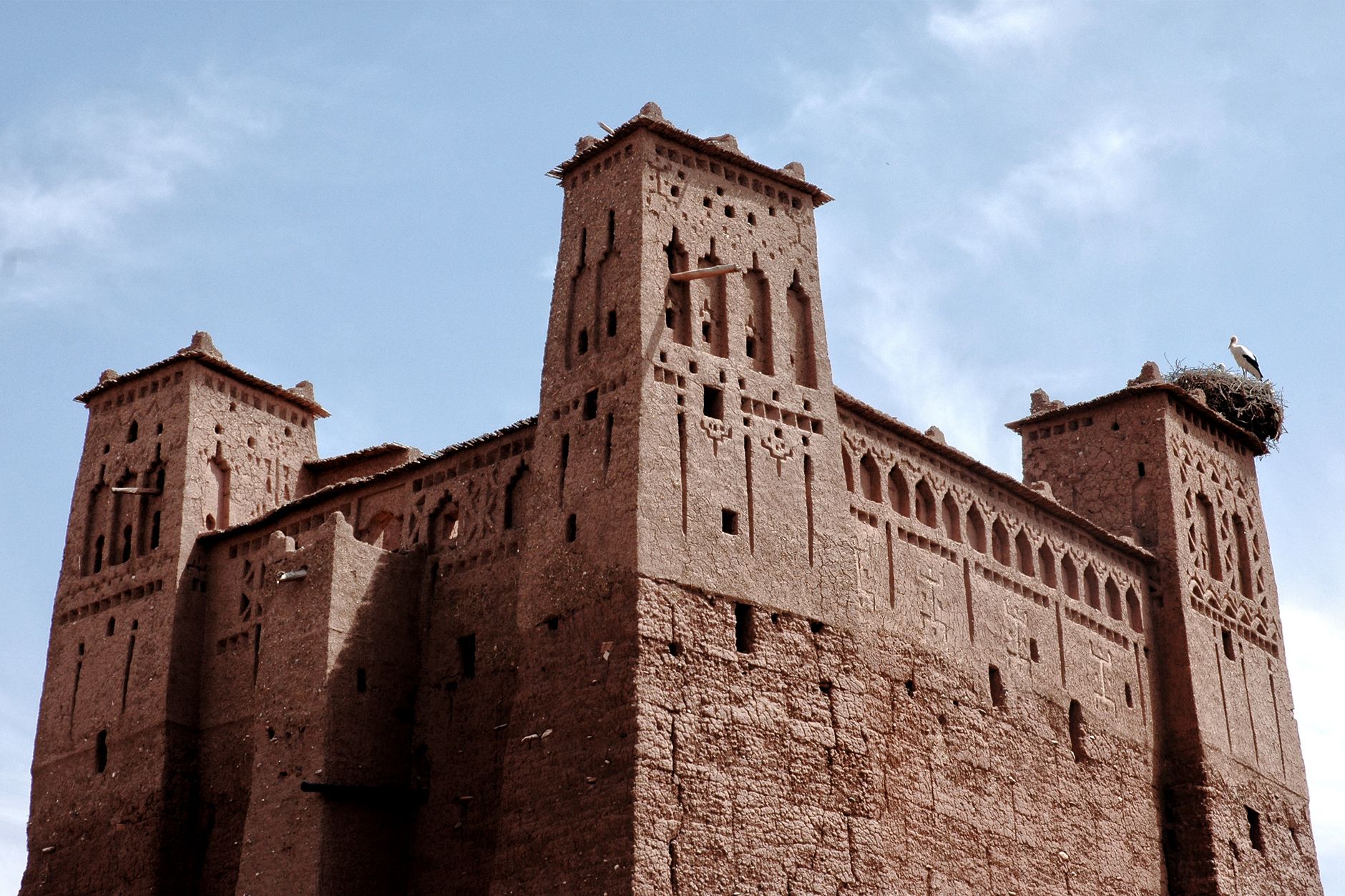
Look up at the ragged tops of El Badi's walls and you'll see what no architect planned: a colony of white storks, their enormous stick nests wedged into every available ledge and cranny. Dozens of pairs return here each spring and summer to breed, and their clacking bills carry across the whole ruin.
The towers themselves are remnants of a palace that Sultan Ahmad al-Mansur built between 1578 and 1594 to mark his dynasty's peak. The storks arrived on their own terms, and under ancient Moroccan law their nests here are protected.
💛 What travellers fall for
People who come back tend to time it for mid-morning, when the light hits the walls at an angle and the storks are most active — feeding chicks, swapping incubation duties, sparring over nest space. Bring something with a bit of reach on the lens if you have it; the nests sit well above eye level.
How Stork Nesting Towers came to be
El Badi Palace was commissioned by Sultan Ahmad al-Mansur of the Saadian dynasty in 1578, following his victory over the Portuguese at the Battle of the Three Kings. Construction ran until roughly 1594, with work continuing until al-Mansur's death in 1603. At its height the palace held 360 rooms around a courtyard pool 90 metres long.
After al-Mansur died, the palace fell into neglect. In the late 17th century, Sultan Moulay Ismail of the Alaouite dynasty stripped it for materials to furnish his new capital at Meknes. What remained became the ruin — and the stork habitat — you see today. The September 2023 earthquake opened significant cracks in several sections of the walls.
Who and what shaped it
People who shaped it
Landmark buildings
Plan your visit
On the map
When to go
Spring (March–May) is the storks' breeding season and the most rewarding time to visit, with temperatures rising from around 20°C to the high 20s. Summer pushes well above 35°C — go early in the morning and let the middle of the day take care of itself indoors.
Right now
Background & history adapted from Wikipedia (CC BY-SA) · specs from Wikidata (CC0) · weather from Open-Meteo · map data © OpenStreetMap contributors · photos from Wikimedia Commons / Unsplash with per-image credit. No third-party reviews or social posts reproduced.