Ben Youssef Madrasa
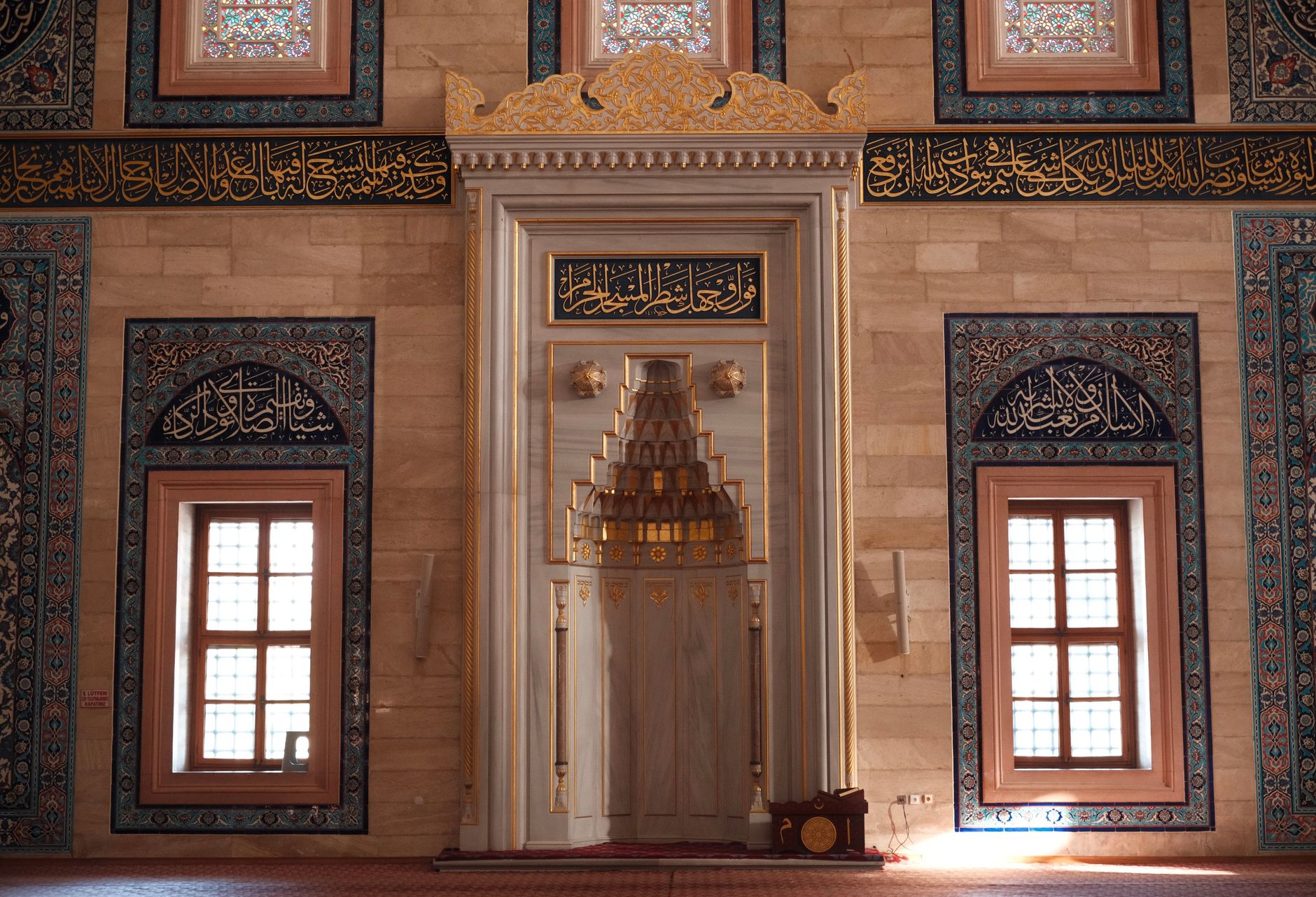
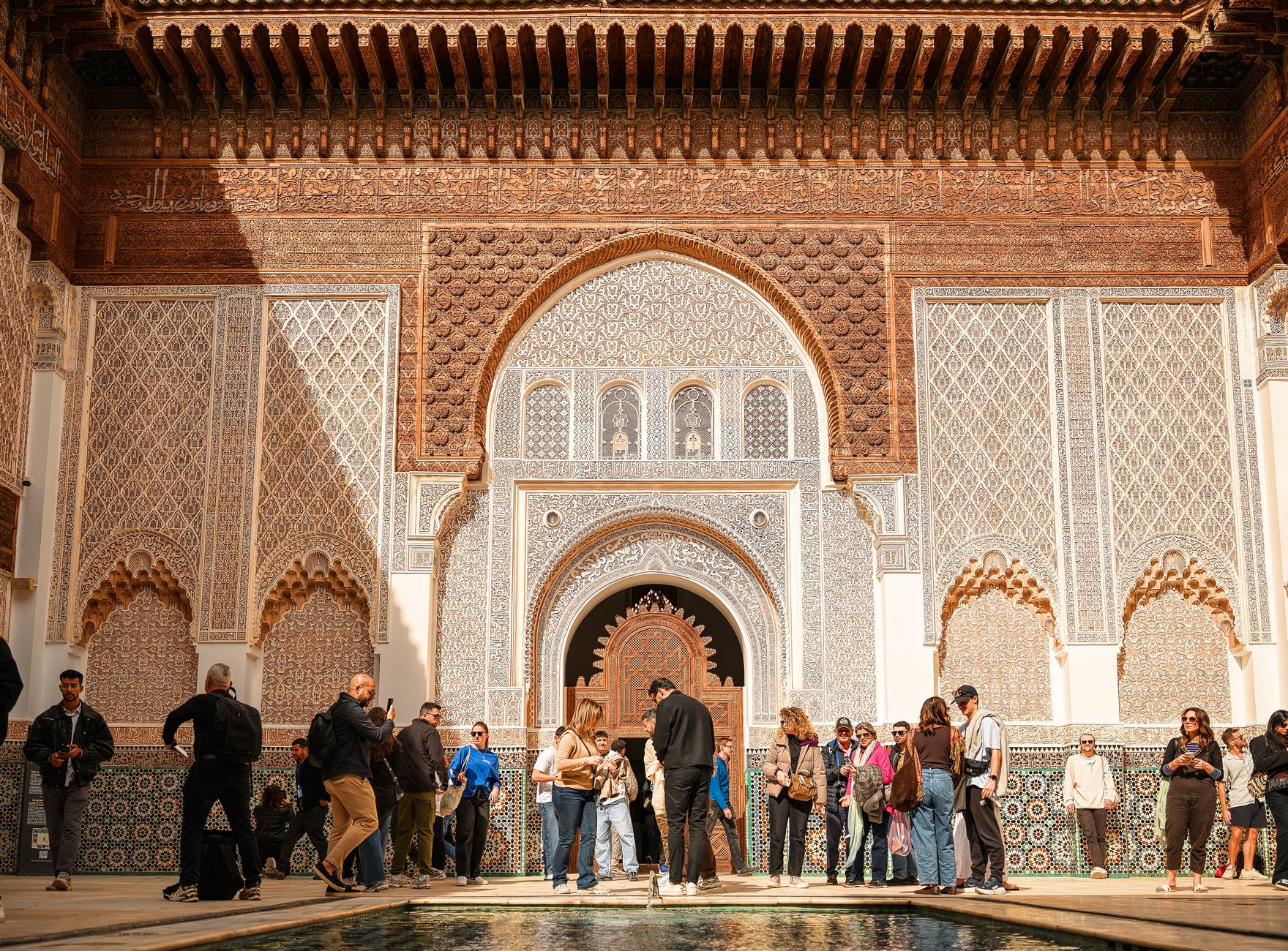
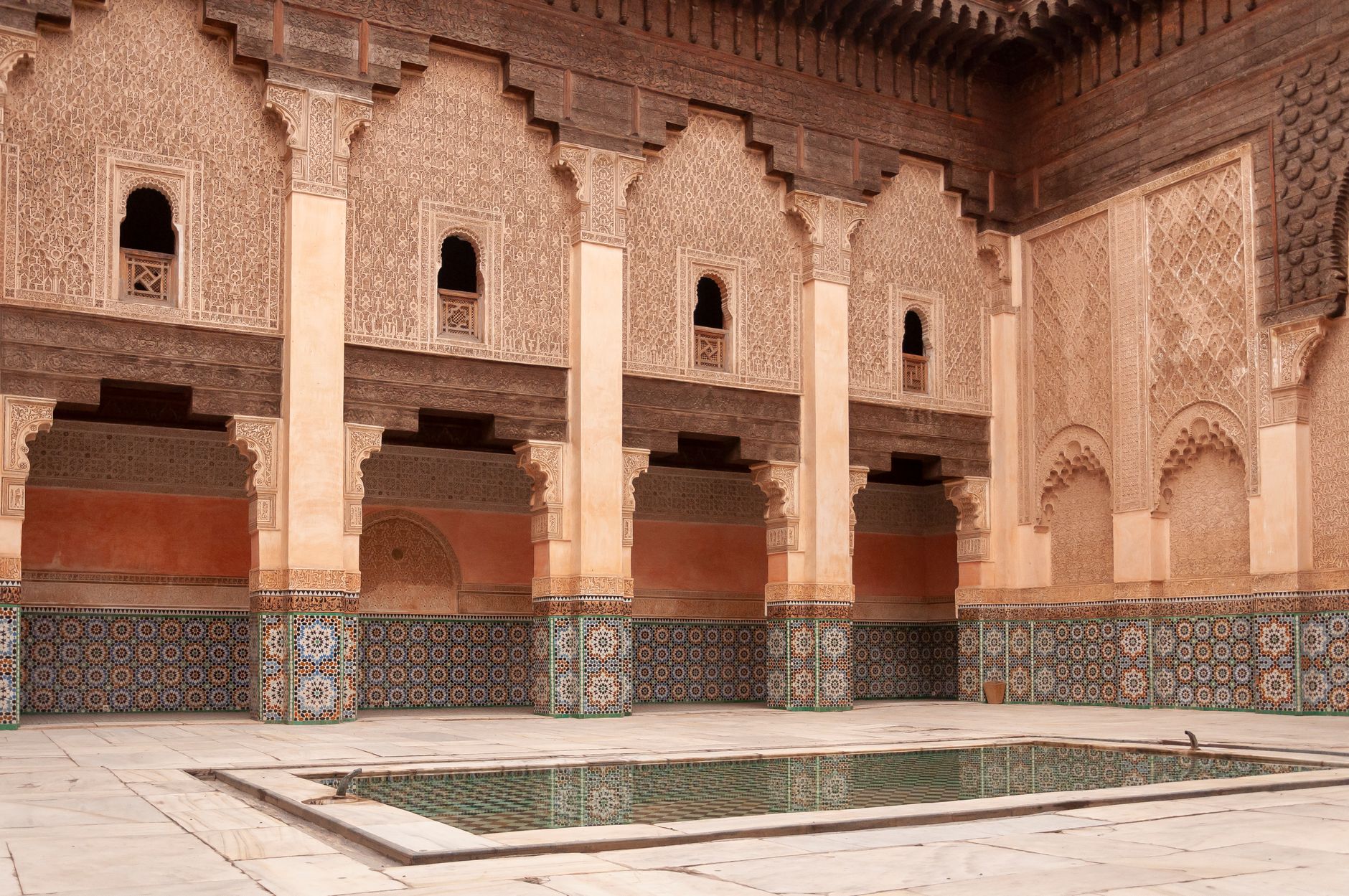
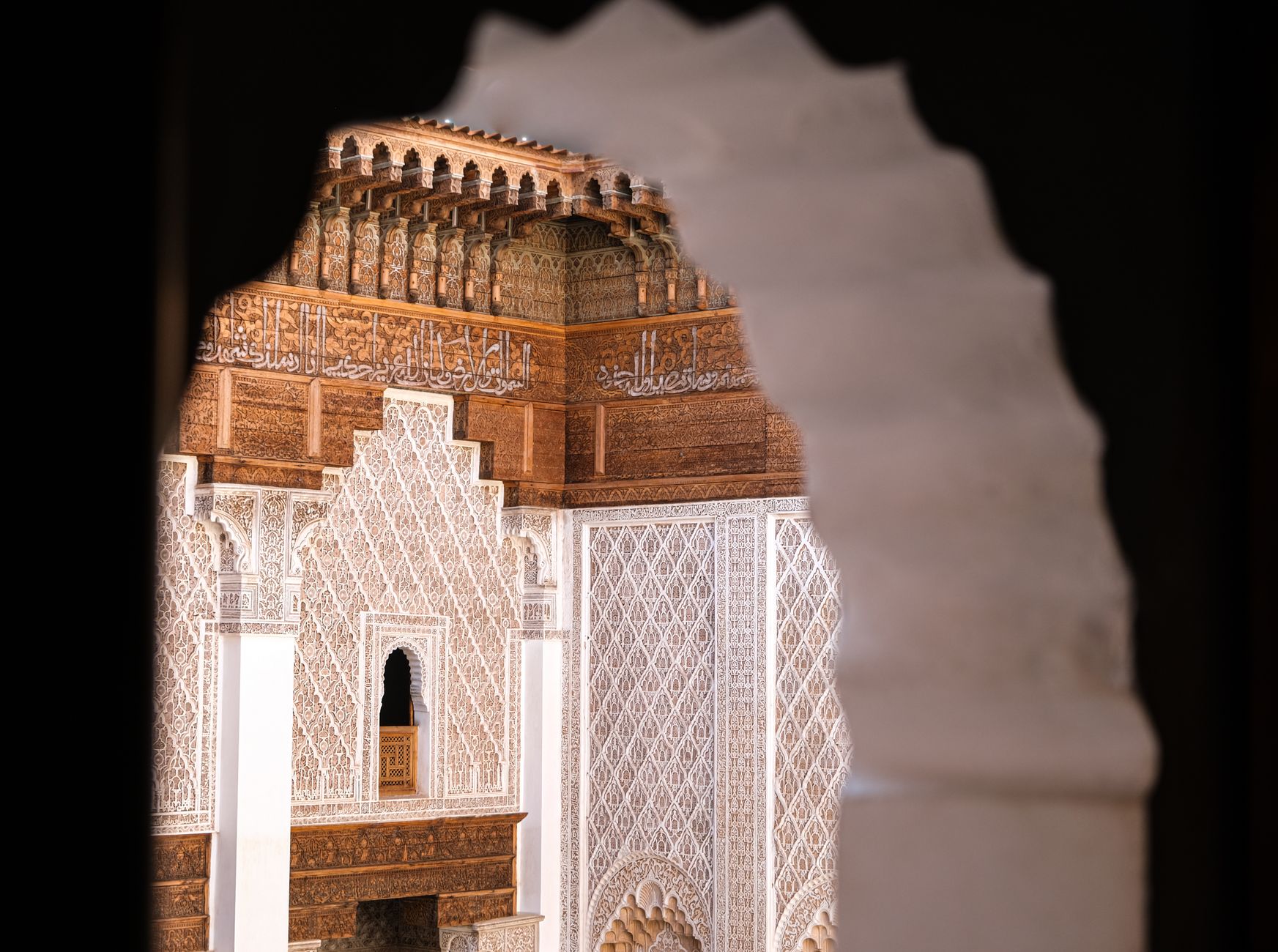
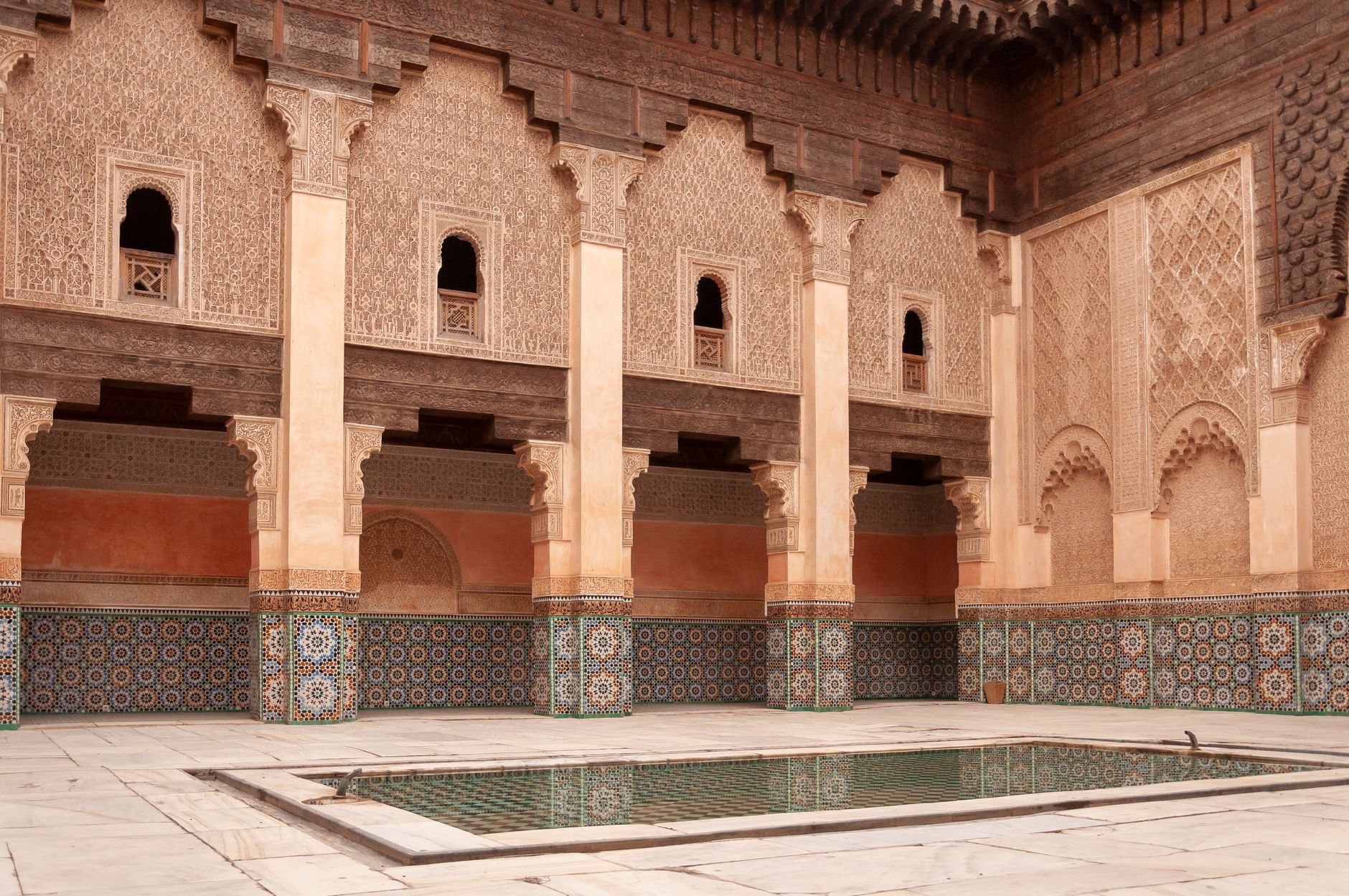
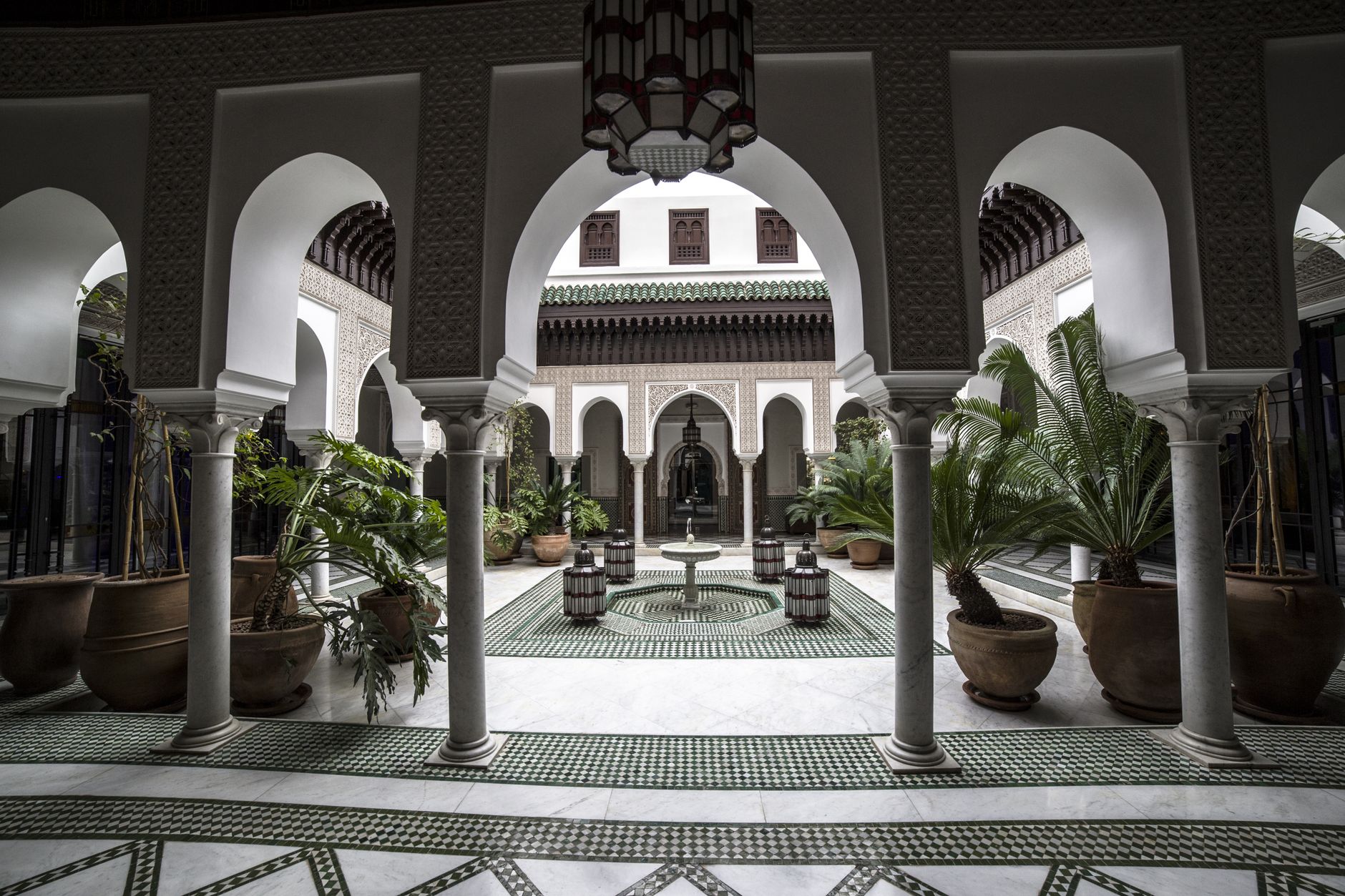
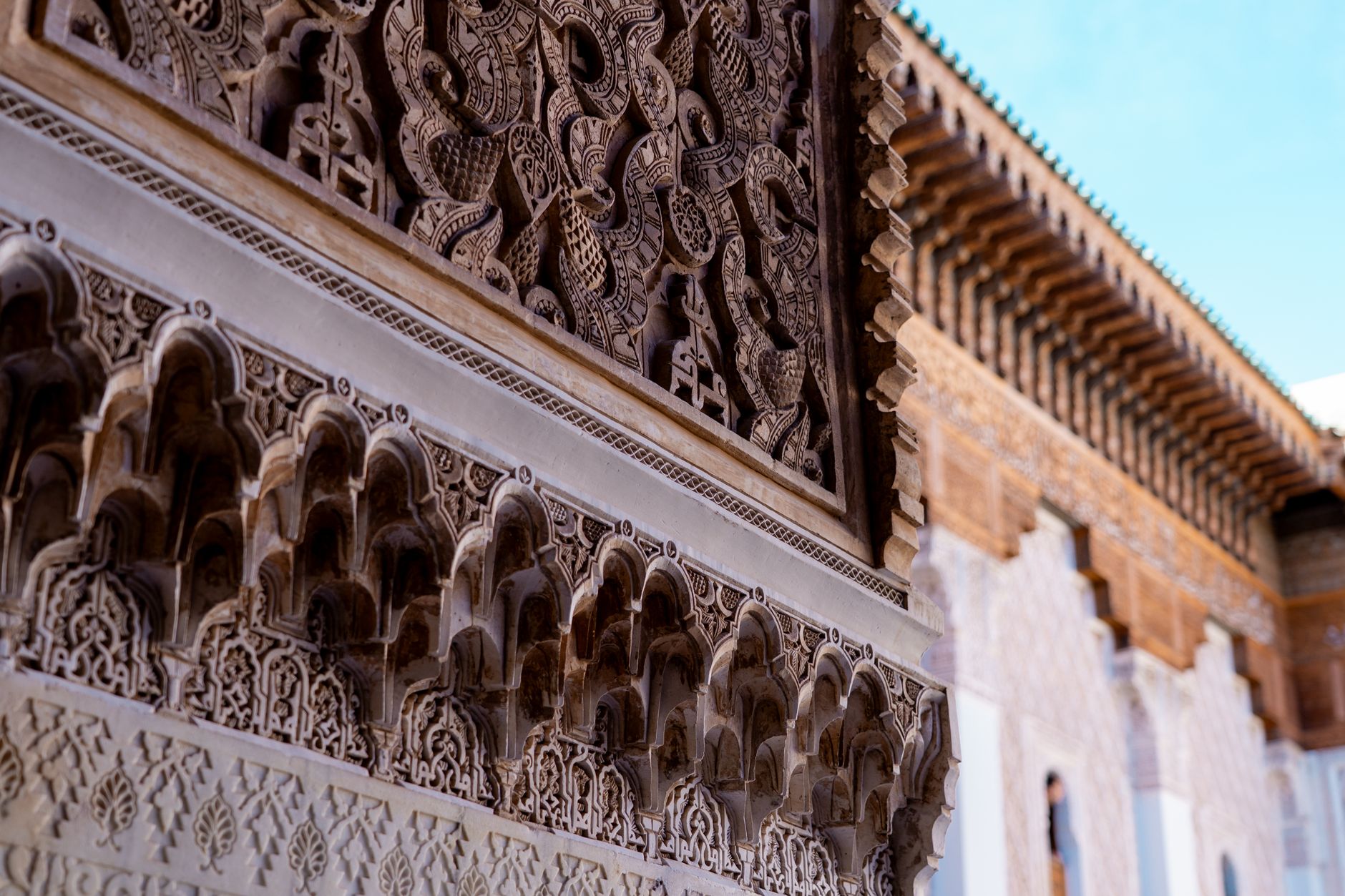
Above the entrance gateway, an inscription reads: "You who enter my door, may your highest hopes be exceeded." It sets an expectation, and the madrasa keeps it. Step through the dark, tile-lined vestibule and the central courtyard opens up — a near-square space of carved cedar, zellij mosaic in cobalt and ochre, and a long shallow pool that doubles everything in reflection.
The Ben Youssef Madrasa was built in 1564–65 under the Saadian sultan Abdallah al-Ghalib, on a site where a Marinid madrasa had stood since the 14th century. At completion it was the largest madrasa in the Maghreb, housing upwards of 800 students across 134 small rooms. It closed in 1960, reopened as a heritage site in 1982, and emerged from a major restoration in April 2022.
💛 What travellers fall for
People who come back tend to head straight for the upper dormitory galleries before the tour groups arrive — the view down into the courtyard from the second-floor corridors is unhurried and close. The prayer hall at the southeastern end, where an 11th-century marble basin from Cordoba now sits after the restoration, often gets skipped. It shouldn't be.
Deals in Ben Youssef Madrasa
Book directly at the providerHow Ben Youssef Madrasa came to be
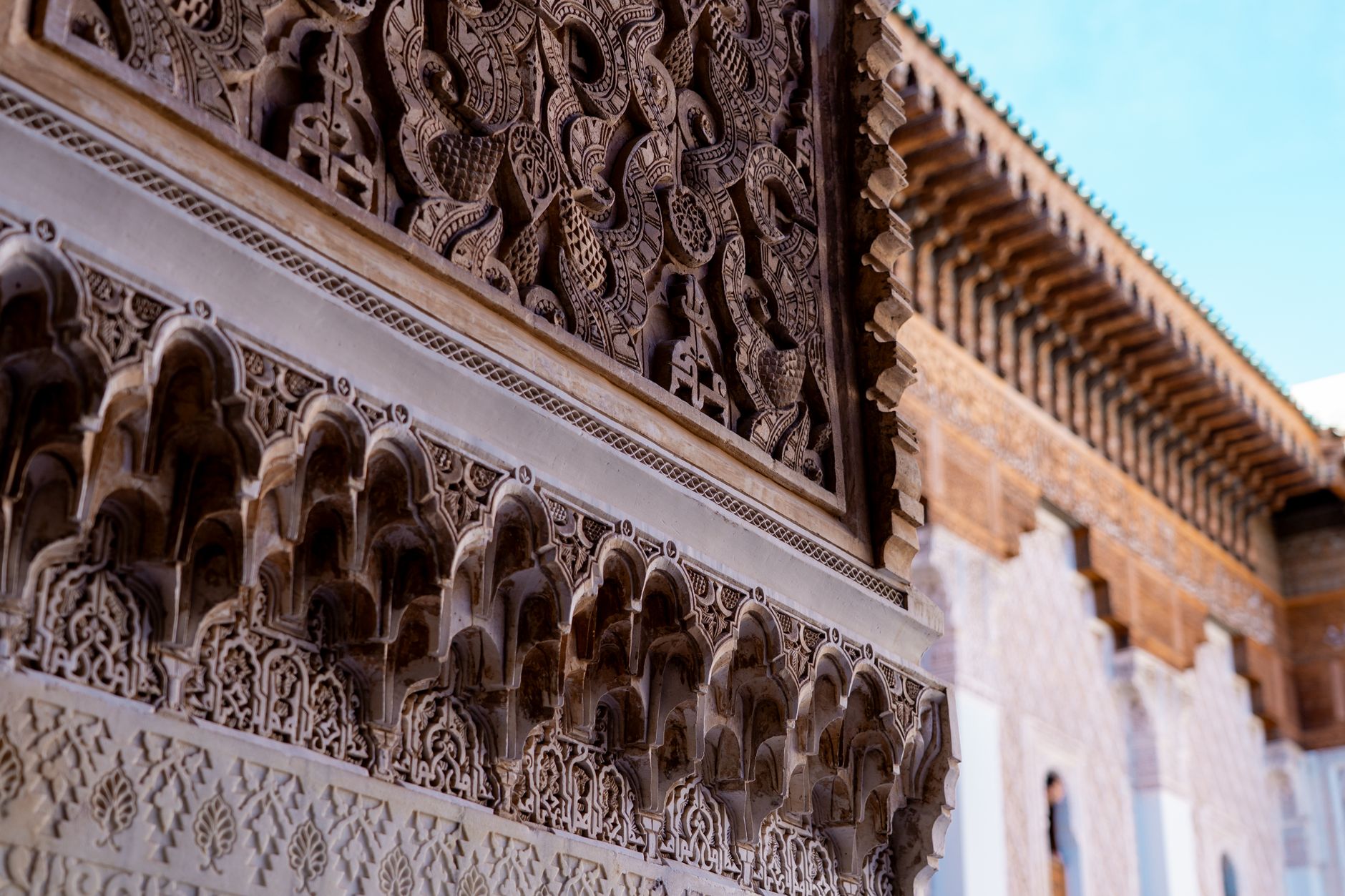
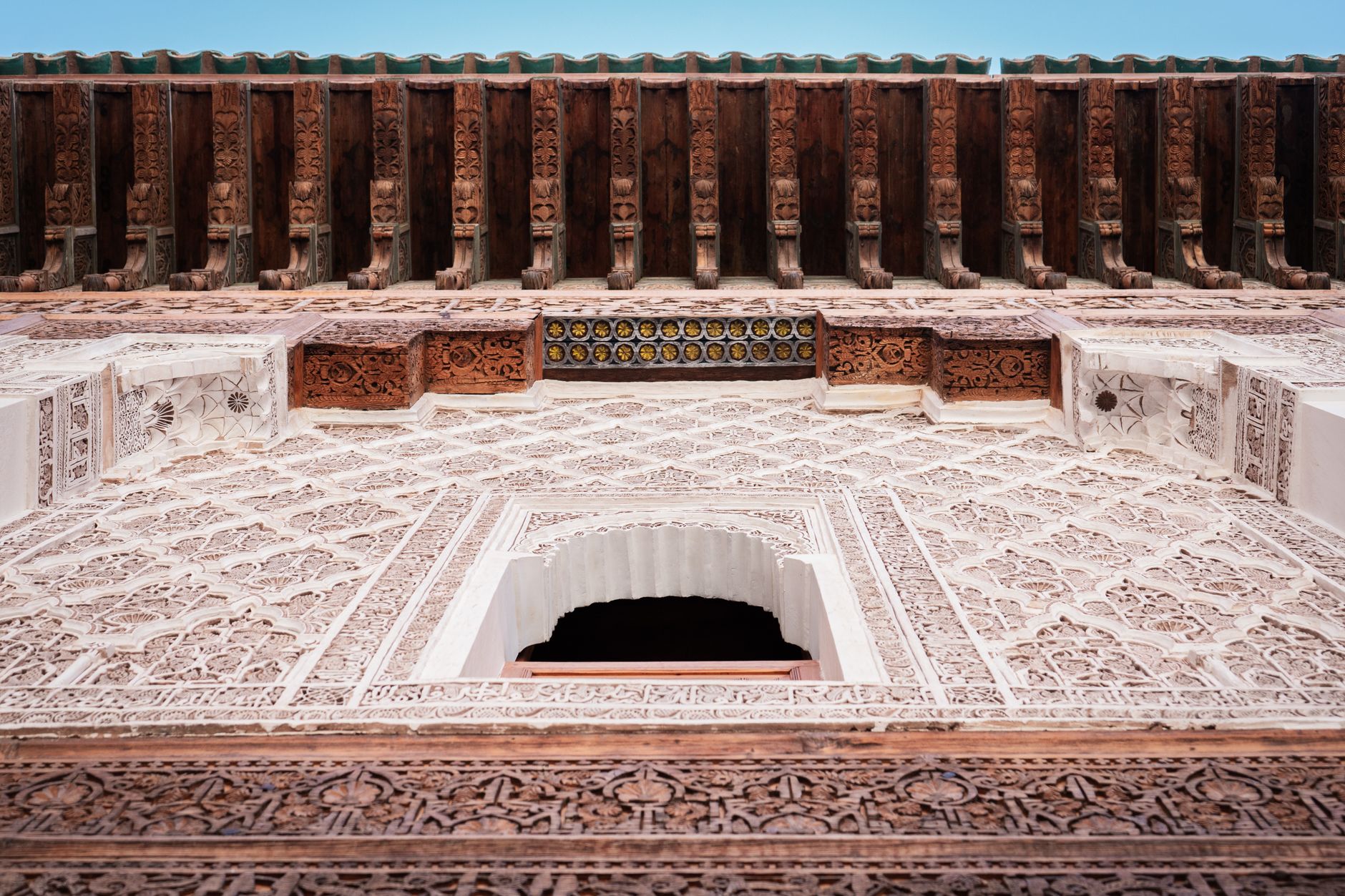
A Marinid madrasa first occupied this site under Sultan Abu al-Hasan in the 14th century, attached to the Ben Youssef Mosque — itself founded by the Almoravid sultan Ali ibn Yusuf in the 12th century as Marrakech's principal place of worship. The current structure dates from 1564–65 CE, when the Saadian sultan Abdallah al-Ghalib ordered a complete rebuilding. His architects drew on Moroccan and Andalusi traditions: Carrara marble underfoot, Atlas cedar overhead, zellij tilework rising to calligraphic friezes and stucco carved so finely it reads more like lace than plaster.
For nearly four centuries it functioned as a working school of Islamic learning before closing in 1960. A restoration opened it to visitors in 1982, and a second, more thorough intervention — begun November 2018 — brought it back in April 2022, including the reinstallation of an 11th-century marble basin from Cordoba that Ali ibn Yusuf had originally imported for the adjacent mosque.
Who and what shaped it
People who shaped it
Landmark buildings
Plan your visit
On the map
When to go
October through April is the most comfortable window — mornings are cool enough to linger in the courtyard without the sun bearing down. Summer visits are possible but the medina heat is relentless by midday, and the madrasa offers little shade once you leave the covered vestibule.
Right now
↡ Shopping areas
Background & history adapted from Wikipedia (CC BY-SA) · specs from Wikidata (CC0) · weather from Open-Meteo · map data © OpenStreetMap contributors · photos from Wikimedia Commons / Unsplash with per-image credit. No third-party reviews or social posts reproduced.