
Marble Pool (Ablution Basin)
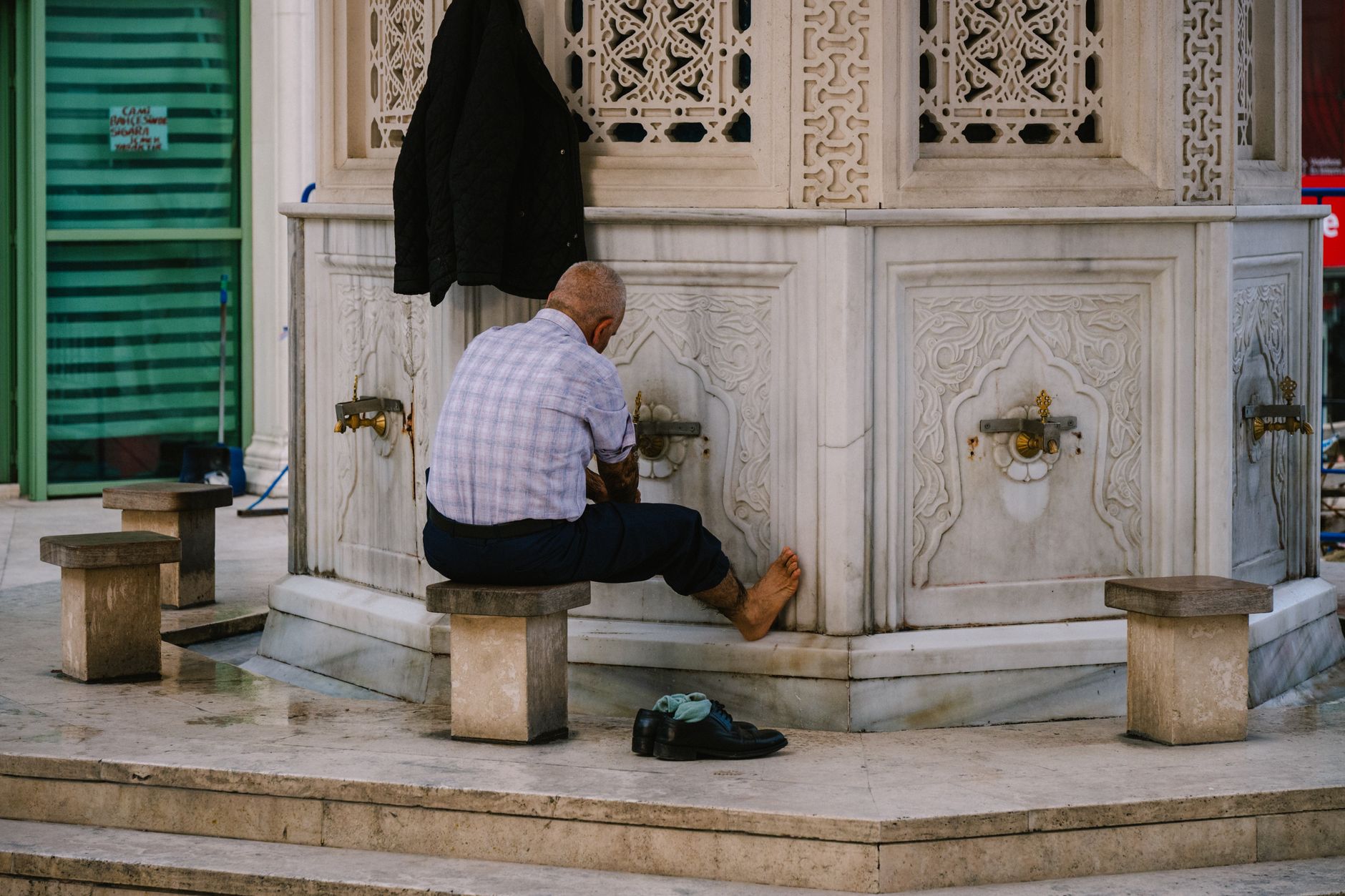
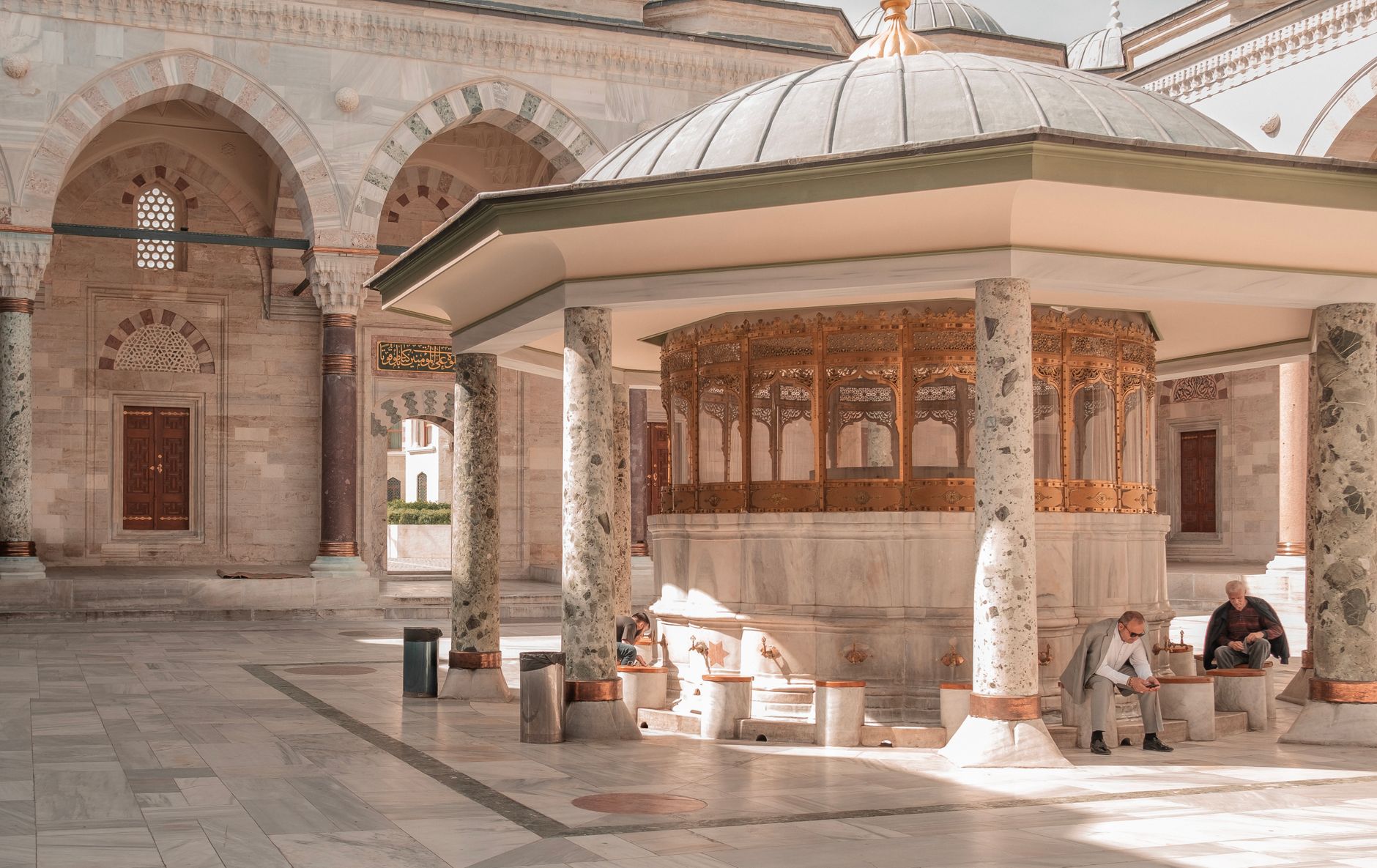
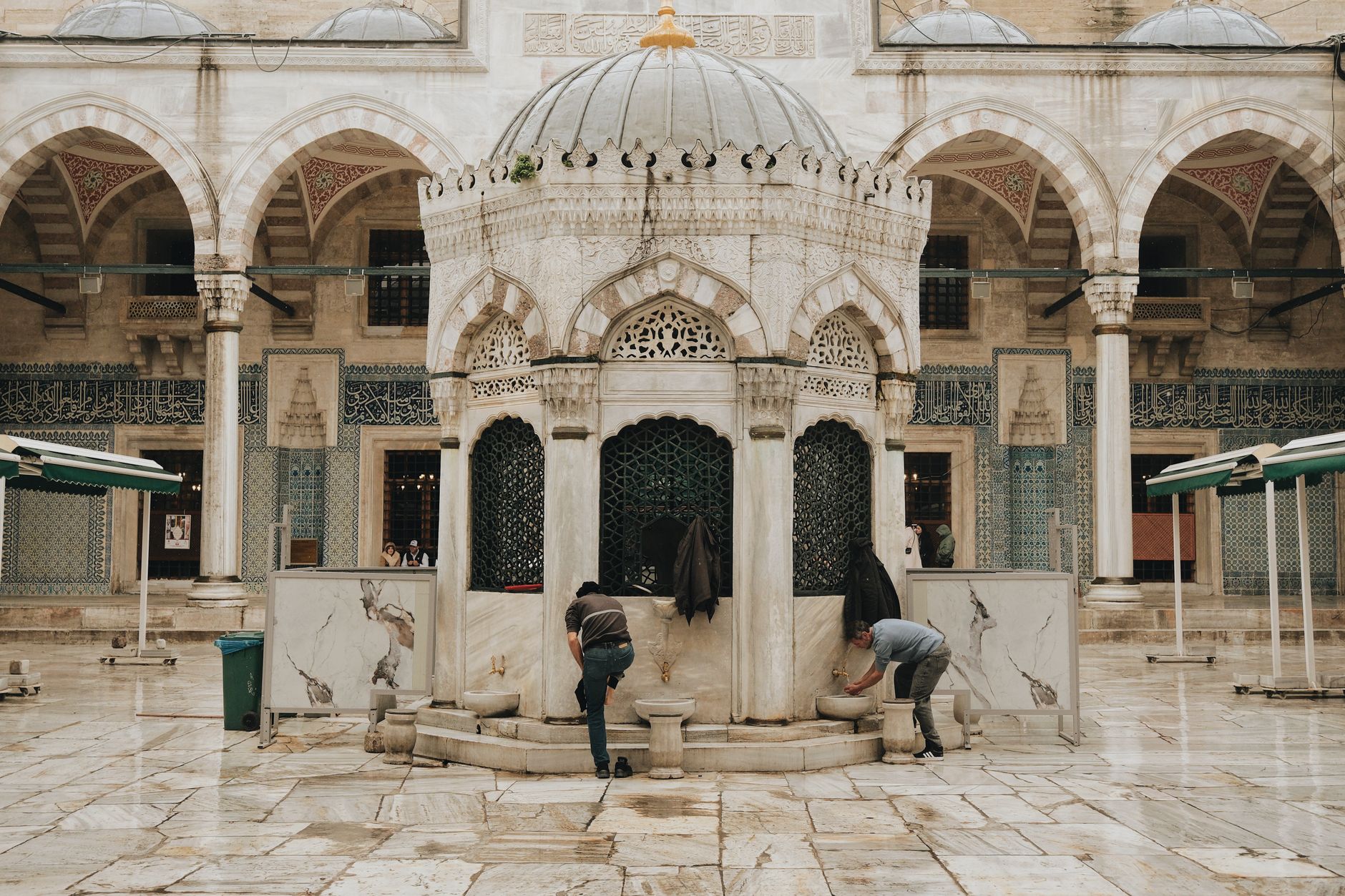
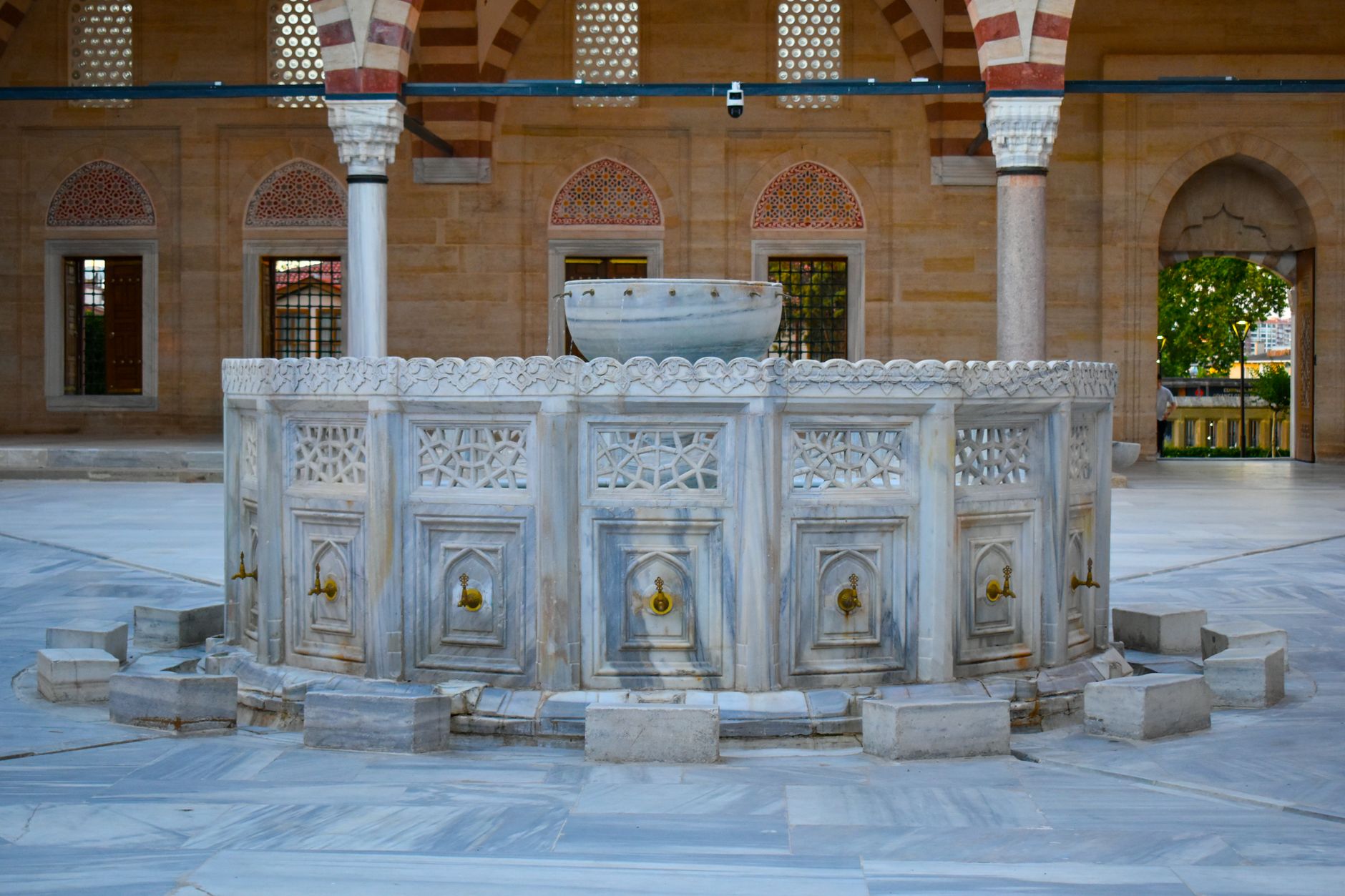
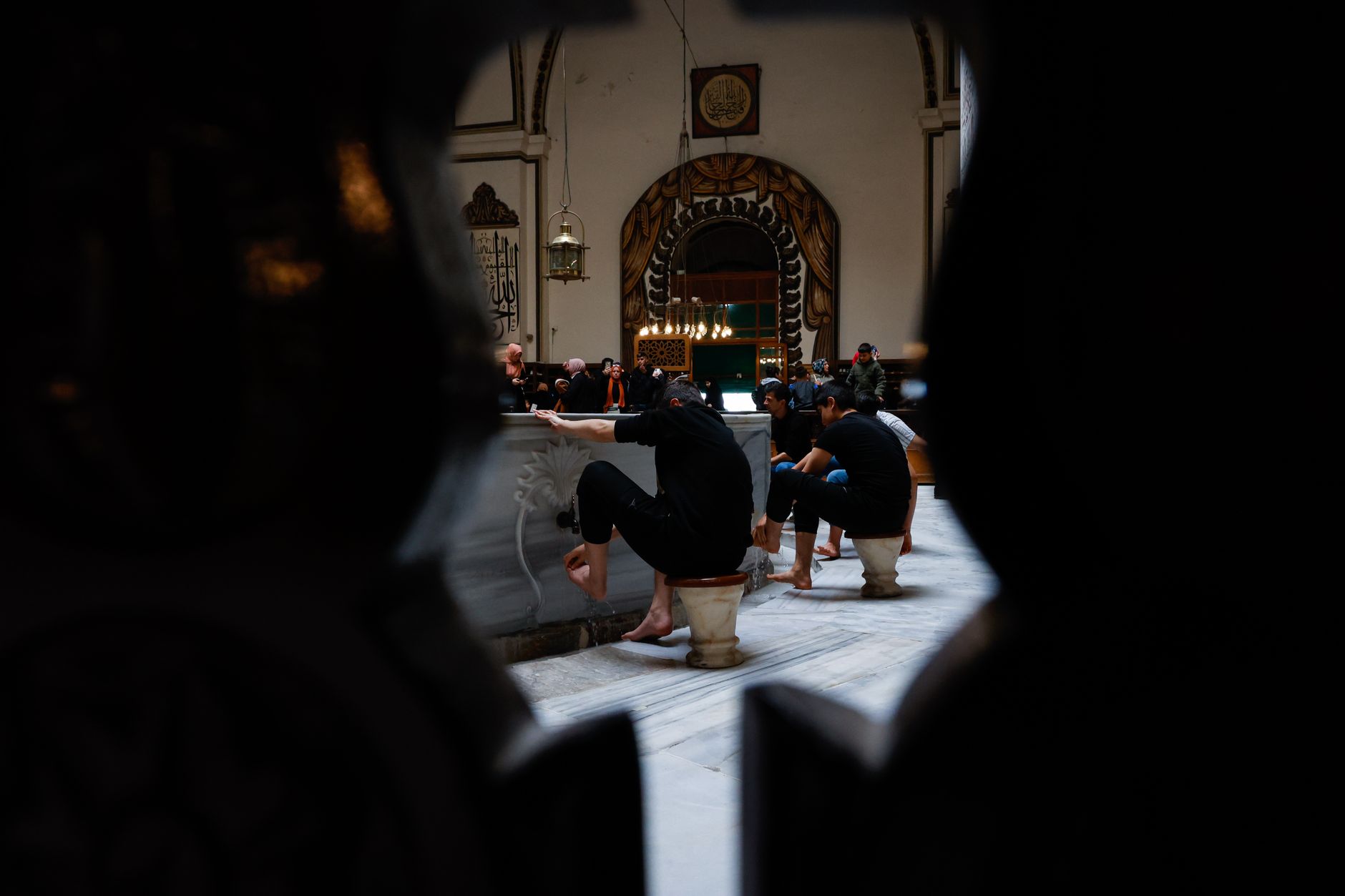
The marble basin sitting in the prayer hall of Ben Youssef Madrasa has covered more distance than most travellers ever will. Carved in Cordoba between 1002 and 1007, decorated with birds, fish, and geometric tracery, and bearing a Kufic inscription to 'Abd al-Malik, son of al-Mansur, it predates the madrasa around it by five and a half centuries.
You'll find it quietly holding its ground while visitors move through the courtyard's arcade of stucco and cedar. Look closely at the carved animals along its flanks — the detail is specific enough that you can tell the craftsmen were working from close observation, not convention.
💛 What travellers fall for
People who return to the madrasa after the 2022 reopening tend to mention the same thing: how much better the basin reads now that it's in the prayer hall rather than a museum case. Get there by 9am on a weekday and you'll have it nearly to yourself for twenty minutes before the tour groups arrive.
How Marble Pool (Ablution Basin) came to be
The basin was made at Madinat al-Zahra, the Umayyad palace-city outside Cordoba, sometime between 1002 and 1007. A century later, the Almoravid ruler Ali Ibn Yusuf brought it — along with other marble spolia from the ruined Cordoban palaces — to Marrakech, incorporating it into the Ben Youssef Mosque. Scholar Mariam Rosser-Owen has argued for this import route.
When the mosque fell into neglect and the Saadian sultan Abdallah al-Ghalib commissioned the madrasa on the same site in 1564–65, the basin was reused. Jean Gallotti, an arts inspector for the French Protectorate, formally noted it in 1921. It spent part of the 20th century at the Dar Si Said Museum before returning to the madrasa after the restoration completed in April 2022.
Who and what shaped it
People who shaped it
Landmark buildings
Plan your visit
On the map
When to go
The madrasa is largely open to the sky, so summer visits — when temperatures regularly hit 35–40°C — can be punishing in the courtyard. Spring (March to May) and autumn (late September through November) give you comfortable daytime warmth without the extremes.
Right now
Background & history adapted from Wikipedia (CC BY-SA) · specs from Wikidata (CC0) · weather from Open-Meteo · map data © OpenStreetMap contributors · photos from Wikimedia Commons / Unsplash with per-image credit. No third-party reviews or social posts reproduced.