
Cedar Wood Carved Gallery
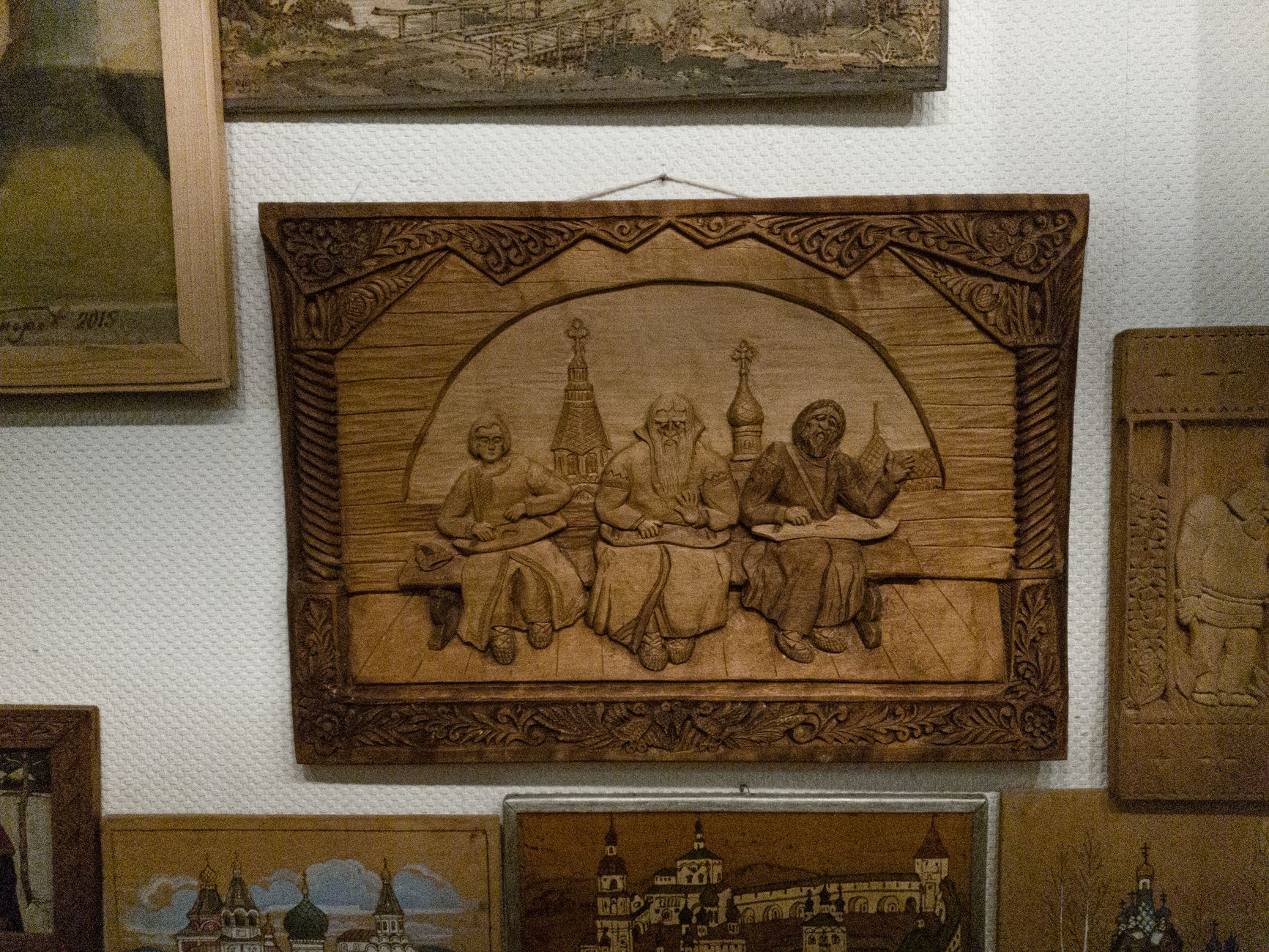


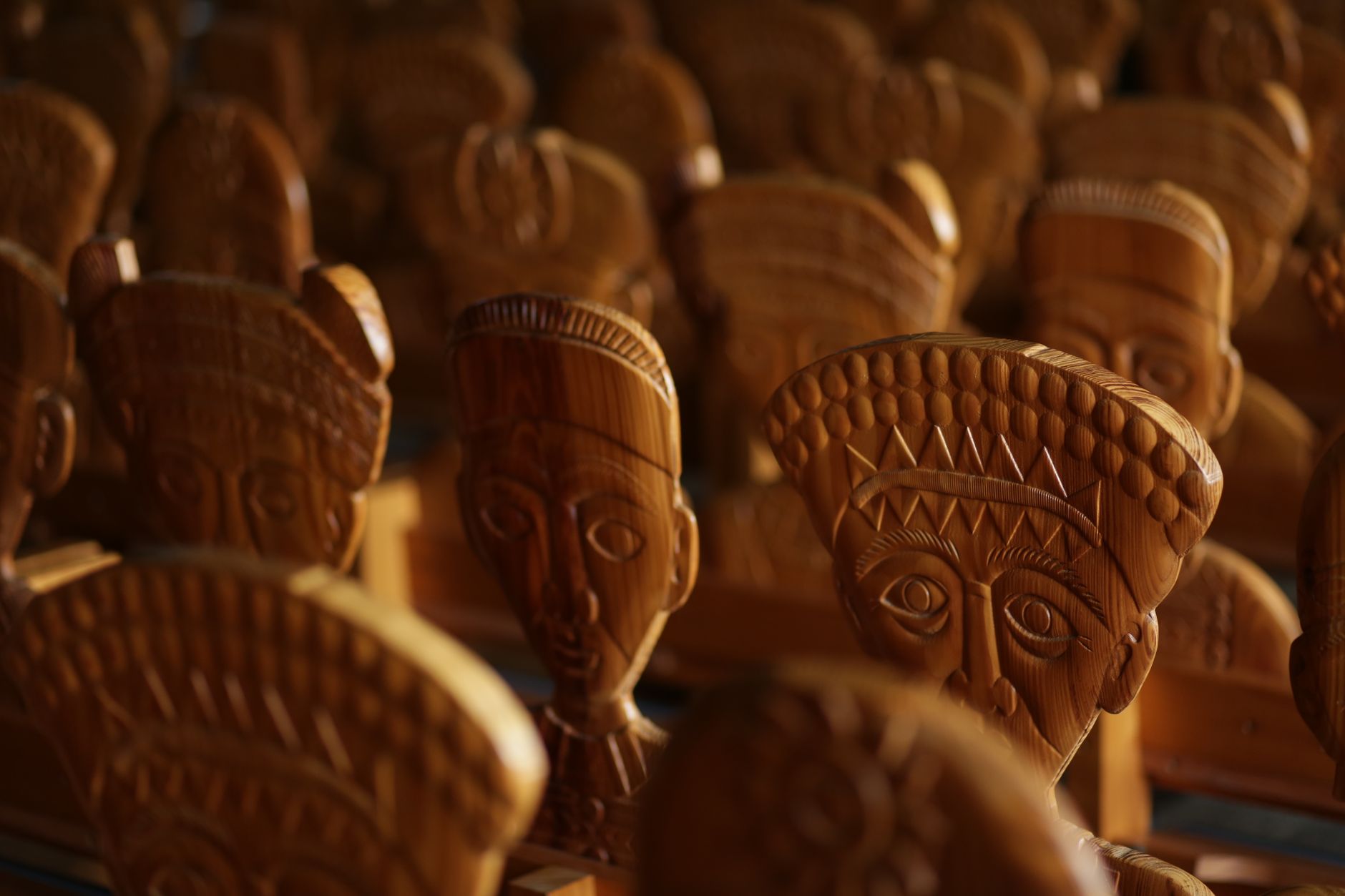
Look up anywhere inside Ben Youssef Madrasa and the cedar does something to the light. The wood — Atlas cedar, dark with age and beeswax — is carved into arabesques, geometric knots, and Quranic script so dense and fine it reads less like carpentry than language. The air carries a faint resinous sweetness that has been there, more or less, since the Saadian sultan Abdallah al-Ghalib commissioned the building in 1564.
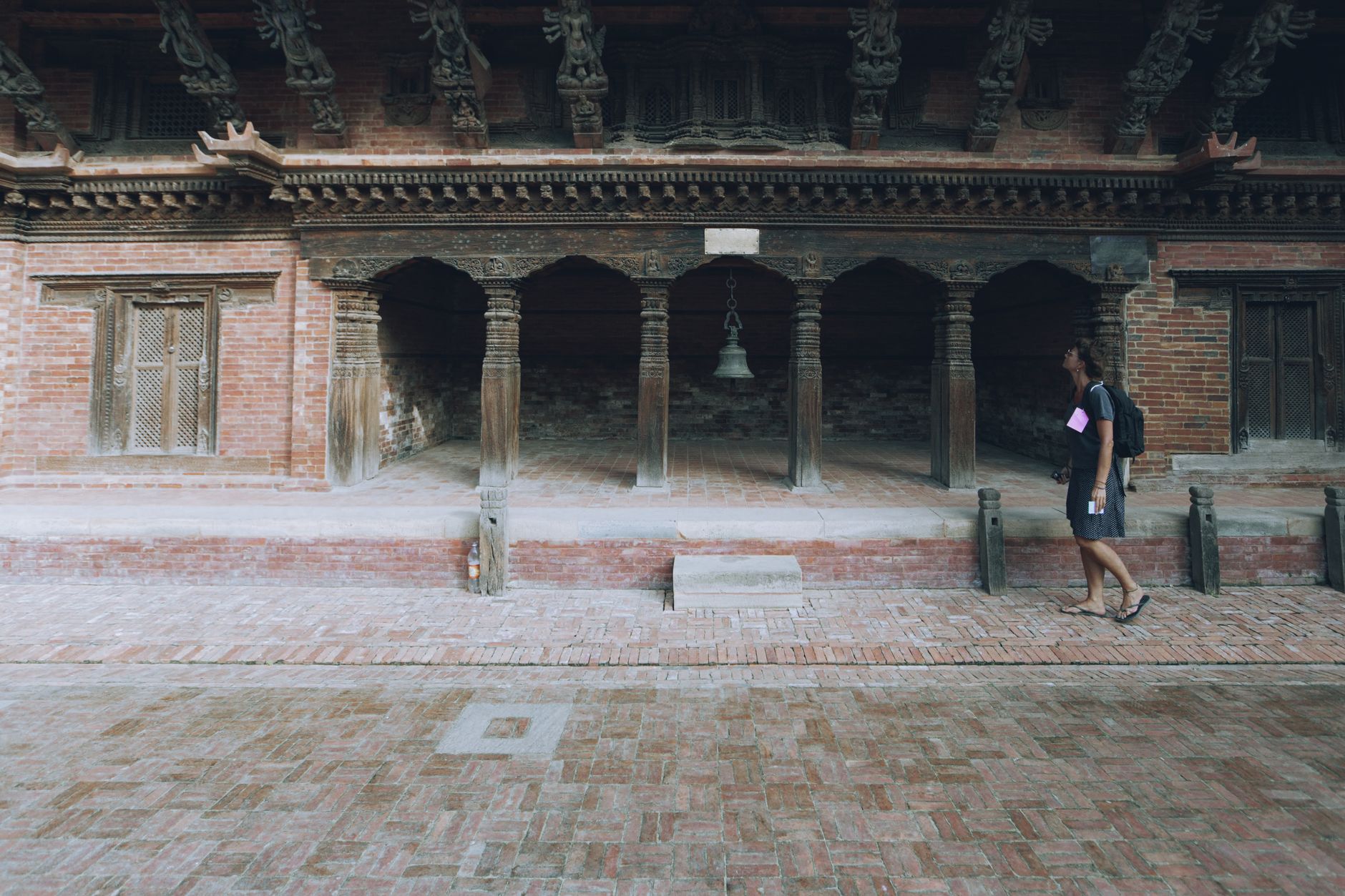
The carved cedar runs through the madrasa in bands and friezes, capping the zellige tilework below and giving way to white stucco above. It frames the doorways, edges the screens, and forms the dome over the prayer hall — 24 small mosaic windows set into it like punctuation.
💛 What travellers fall for
People who come back tend to mention the upper gallery. From there the cedar frieze runs at eye level around the whole courtyard, and you can follow the carving with your hand while the crowd below stays below. Go before 10am or after 4pm and that walkway is nearly yours alone.
How Cedar Wood Carved Gallery came to be
The site's first madrasa was founded under the Marinid sultan Abu al-Hasan, who ruled from 1331 to 1348. What stands today was commissioned more than two centuries later by the Saadian sultan Abdallah al-Ghalib in 1564–65 — a building scaled to receive hundreds of students in some 130 narrow cells ranged around 13 courtyards.
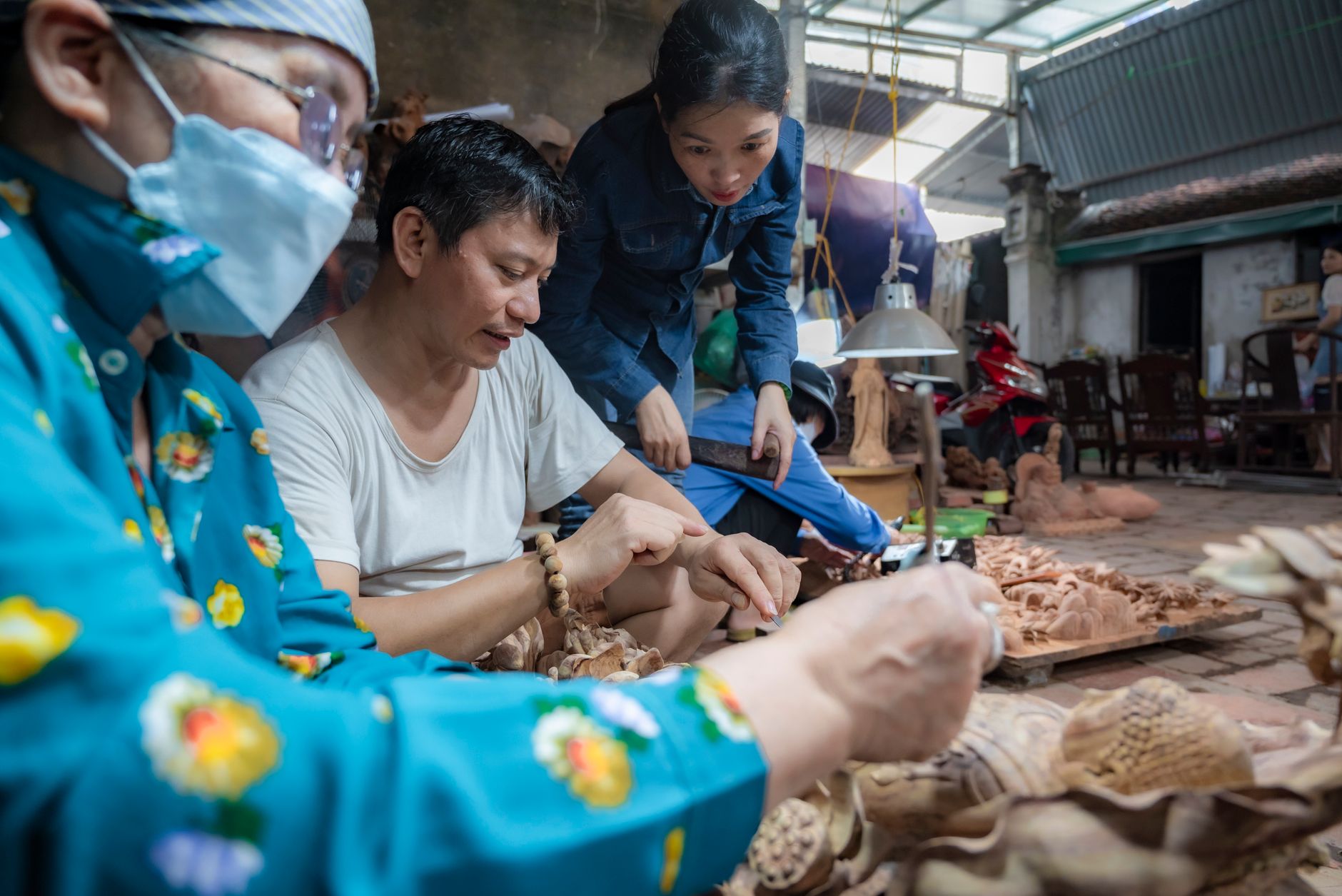
The madrasa closed in 1960 and reopened as a historical monument in 1982. A further restoration, entrusted to artisans trained in traditional Moroccan techniques, ran from 2018 to 2022. The cedar carving throughout is part of what those restorers were working to preserve.
Who and what shaped it
People who shaped it
Landmark buildings
See Cedar Wood Carved Gallery in motion
Plan your visit
On the map
When to go
Spring (March to May) and autumn (October to November) keep temperatures between roughly 20°C and 28°C — comfortable for the walk through the souks and the time spent looking up. Summer afternoons push well past 35°C; the madrasa's stone walls offer some relief, but the courtyard is open to the sky.
Right now
Background & history adapted from Wikipedia (CC BY-SA) · specs from Wikidata (CC0) · weather from Open-Meteo · map data © OpenStreetMap contributors · photos from Wikimedia Commons / Unsplash with per-image credit. No third-party reviews or social posts reproduced.