
Side Corridors
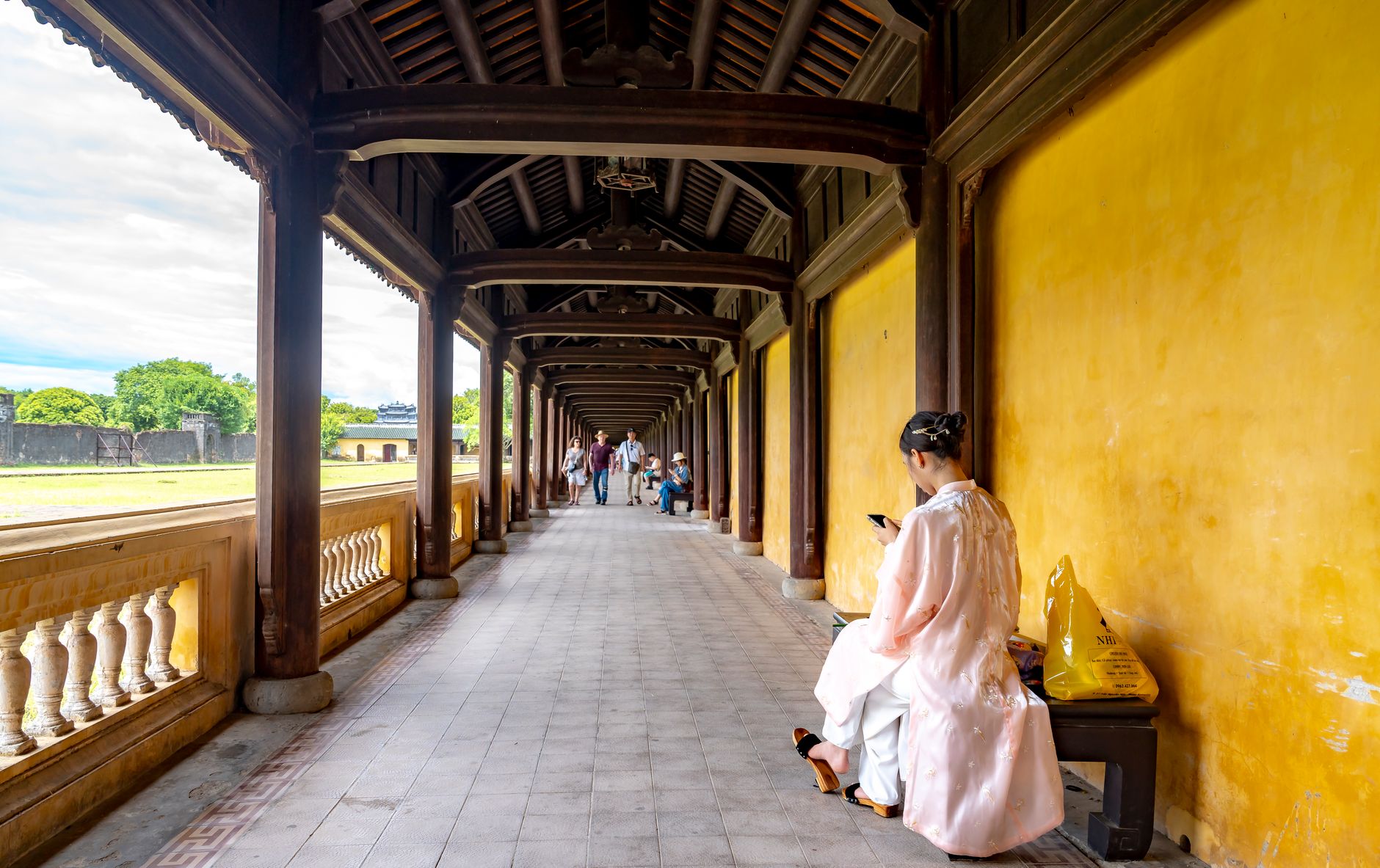
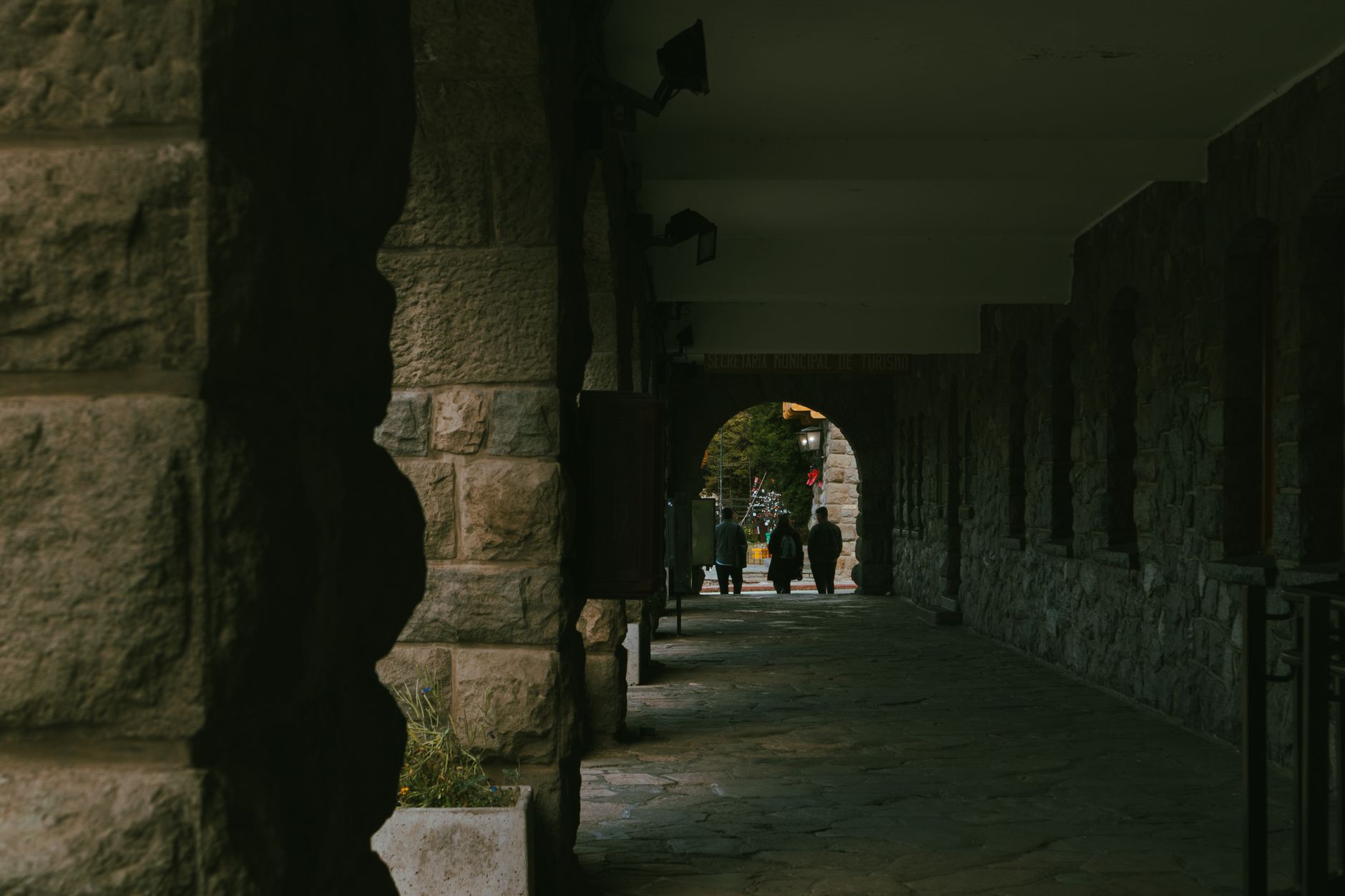
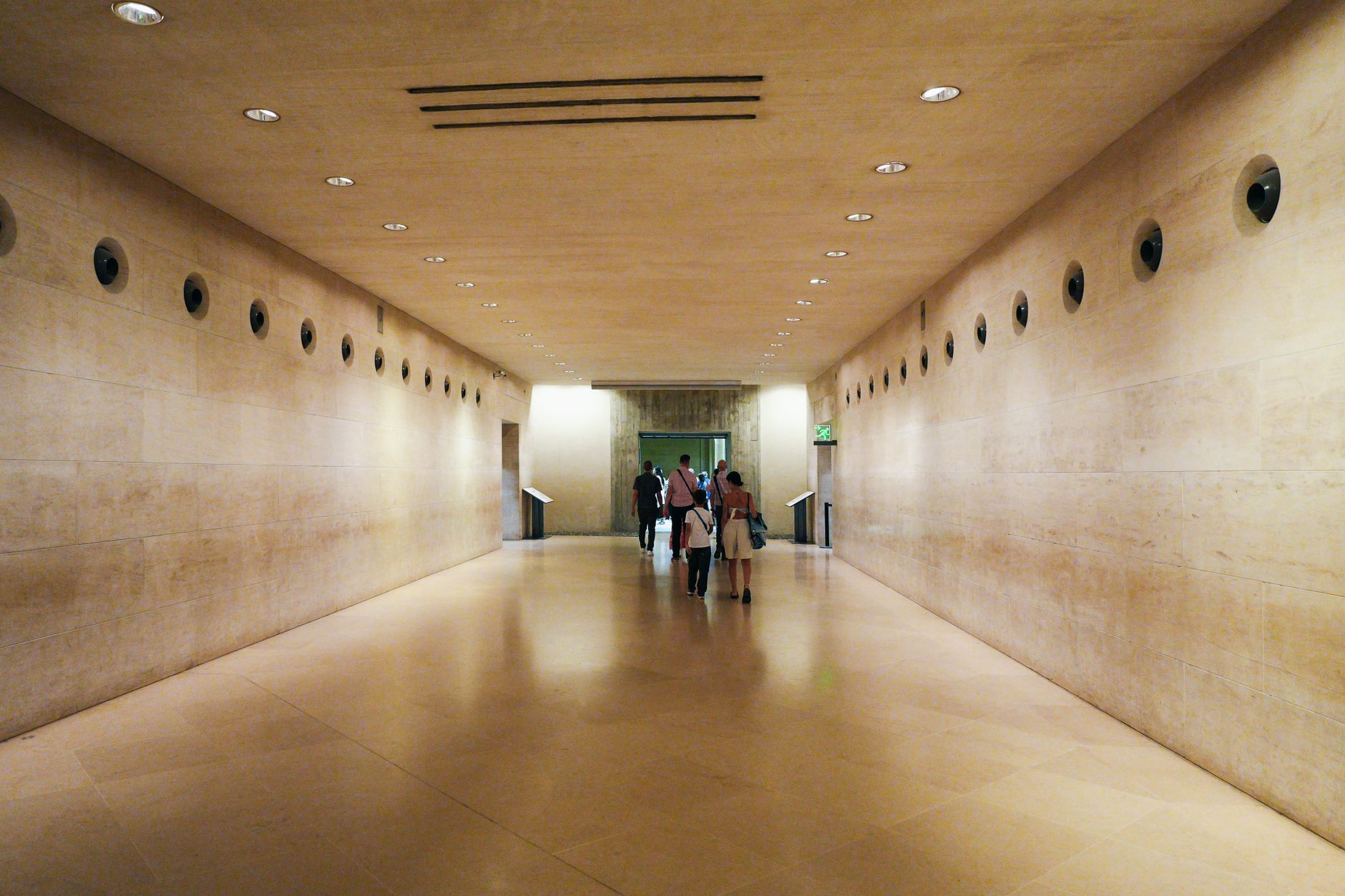
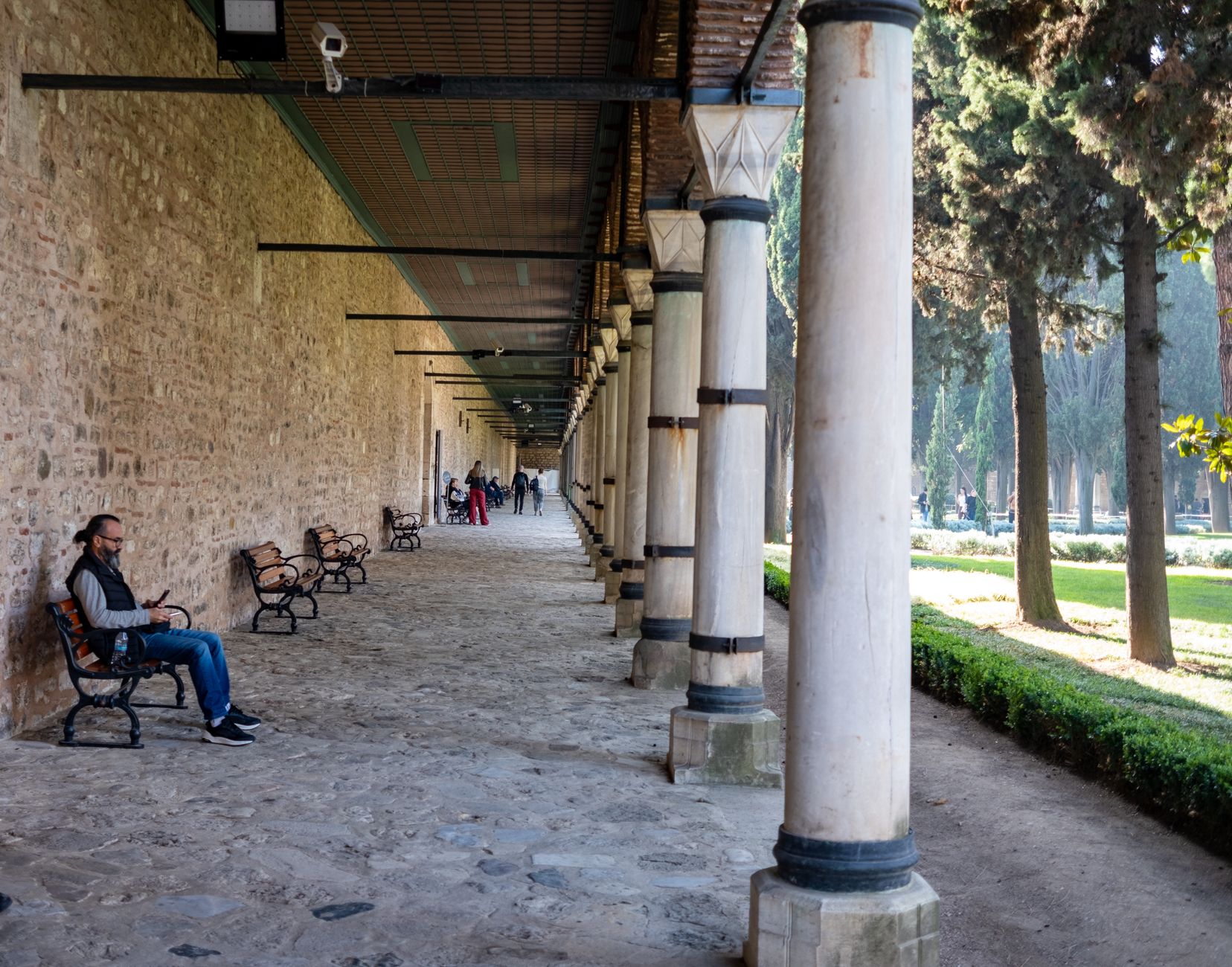
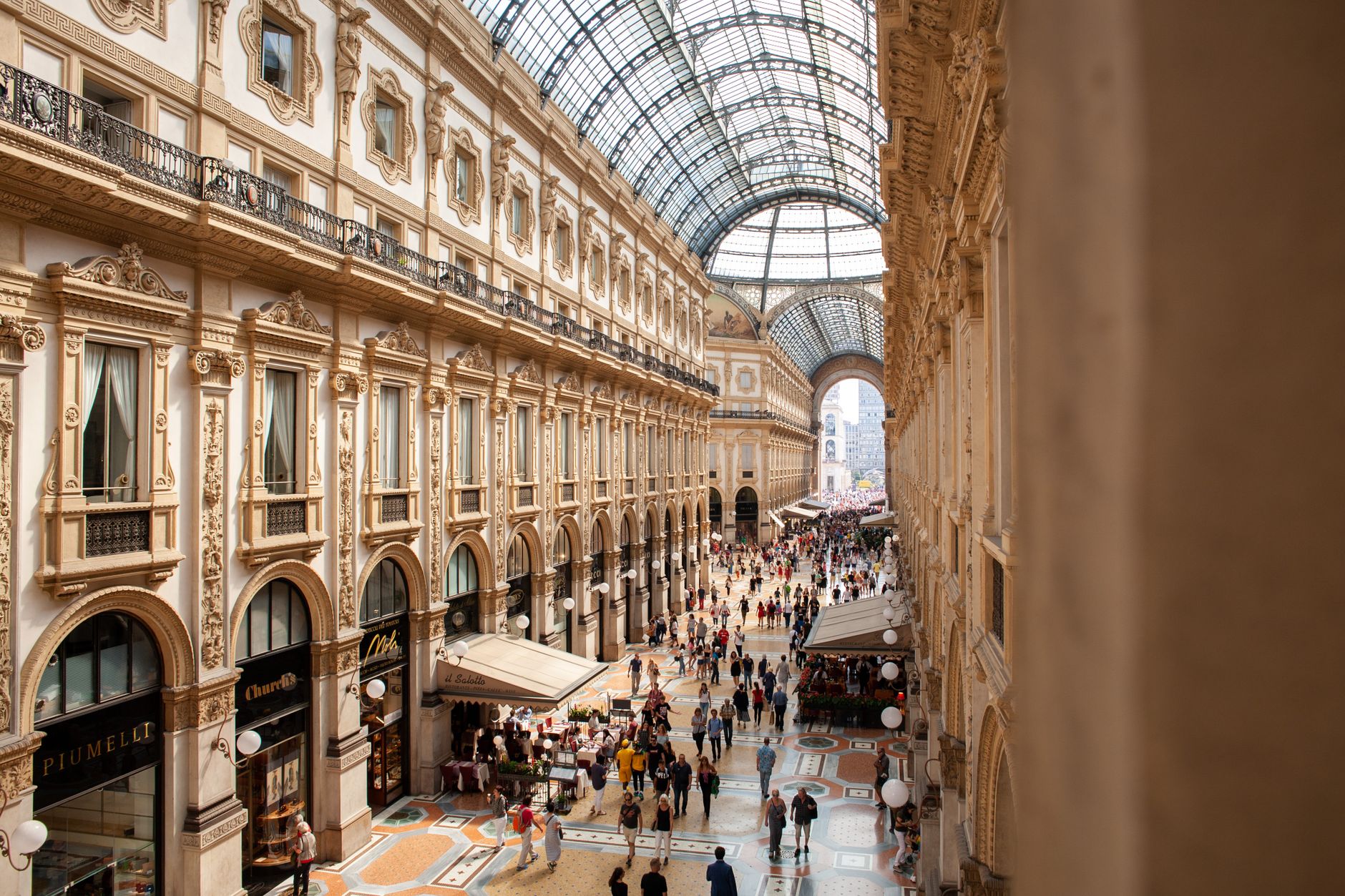
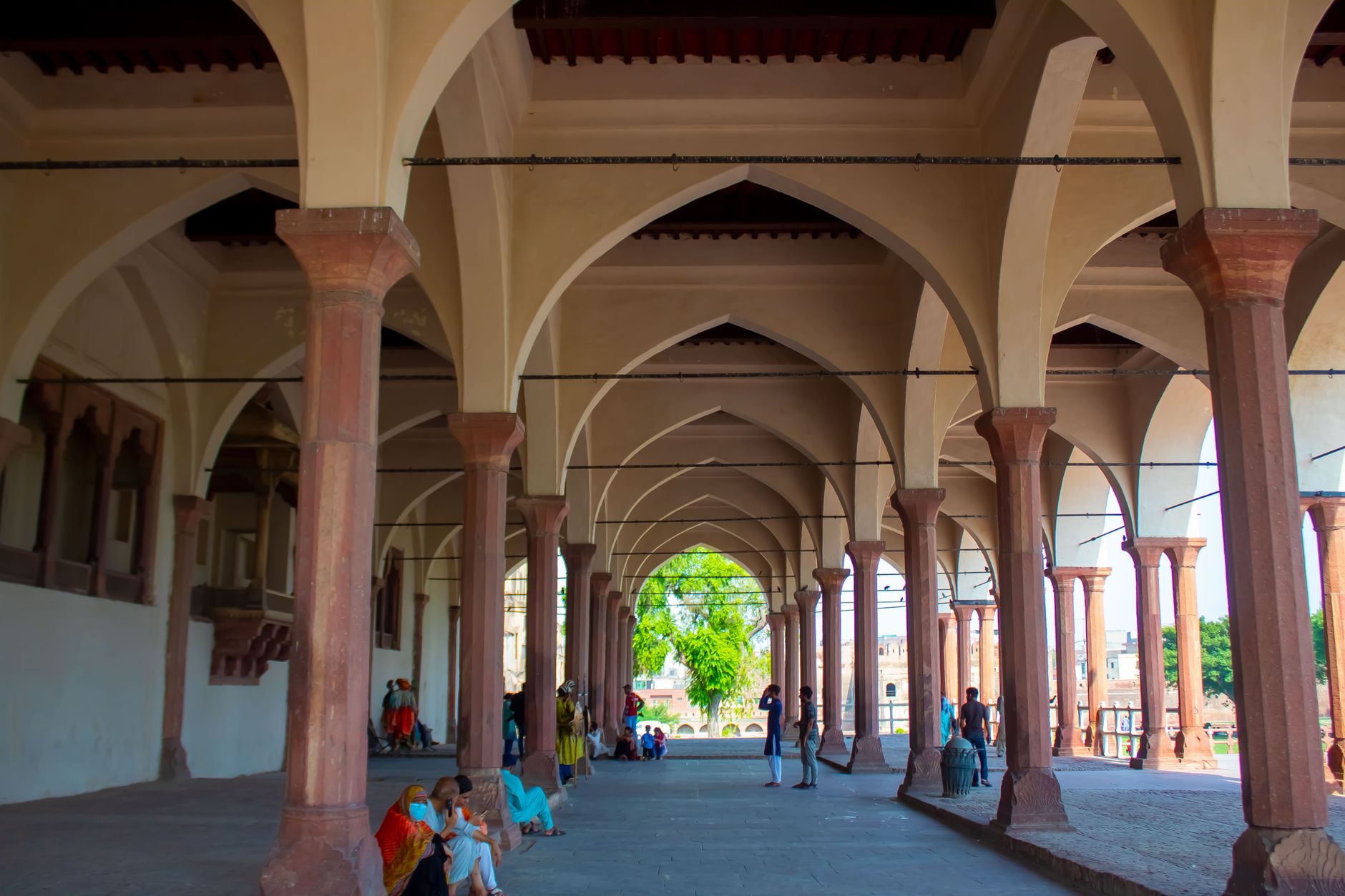
The side corridors of Ben Youssef Madrasa exist to do one specific thing: make the courtyard hit harder when you finally reach it. You enter through a small portal at the northwest corner, turn into a narrow enclosed passage running parallel to the north wall, and move through dimness before the vestibule opens and the whole carved, tiled, light-pooled courtyard suddenly arrives. The sequence is deliberate — a piece of architectural choreography from 1564 that still works exactly as intended.
Beyond their role as threshold, the corridors are the madrasa's circulatory system. They connect the vestibule to six small internal courtyards — three in the northeast wing, three in the southwest — each one drawing light and air into the student cells arranged around it. The temperature in here drops noticeably; the thick walls and vertical airflow do the work that no electricity was ever needed to do.
💛 What travellers fall for
People who've been through more than once tend to slow down in the corridors rather than rushing toward the courtyard. Pause where the passage is narrowest and look at the lower tilework — the geometric ceramic bands at foot level that most visitors step past without registering. They're as precise as anything in the rooms beyond.
How Side Corridors came to be
The madrasa occupies a site with an older Marinid predecessor, but the building you move through today was commissioned by the Saadian sultan Abdallah al-Ghalib and completed in 1564–65 CE. It was built to house up to 800 students in 130 rooms — one of the largest such institutions in the medieval Islamic world — and the corridors were engineered to serve that population, channeling movement through a nearly square 40-by-43-metre plan without chaos.
The madrasa functioned until 1960, then was refurbished and reopened as a historical site in 1982. A further restoration closure ran from November 2018 until April 2022, which accounts for the particular freshness of the plasterwork you'll notice in the side passages.
Who and what shaped it
People who shaped it
Landmark buildings
Plan your visit
On the map
When to go
Ben Youssef Madrasa is indoors and the corridors stay cooler than outside regardless of season, but the walk through the medina to reach it is exposed. Spring (March–April) and autumn (late September to mid-November) offer the most comfortable approach, with summer daytime highs regularly reaching 36–40°C in the streets outside.
Right now
Background & history adapted from Wikipedia (CC BY-SA) · specs from Wikidata (CC0) · weather from Open-Meteo · map data © OpenStreetMap contributors · photos from Wikimedia Commons / Unsplash with per-image credit. No third-party reviews or social posts reproduced.