
Rooftop Terrace
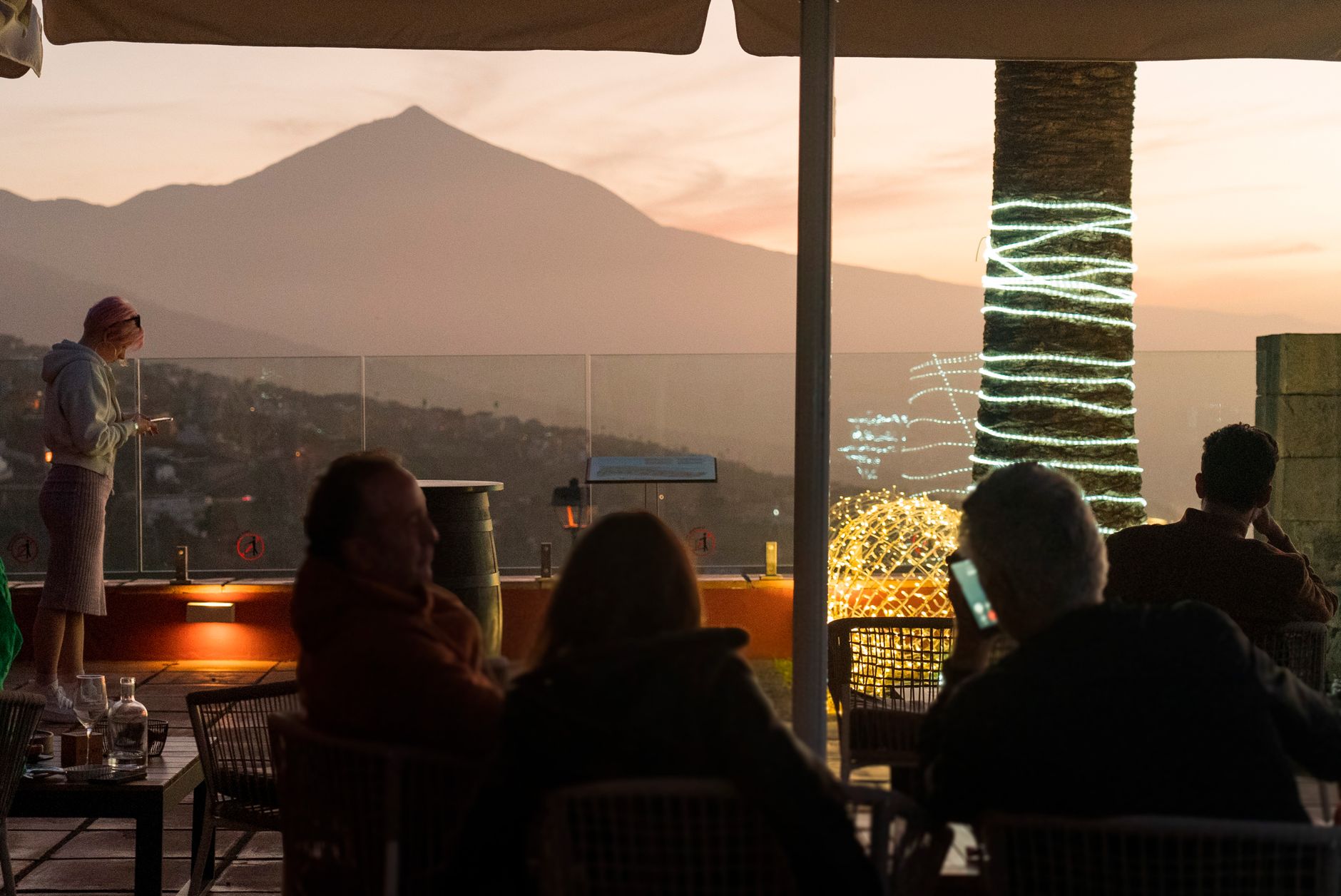
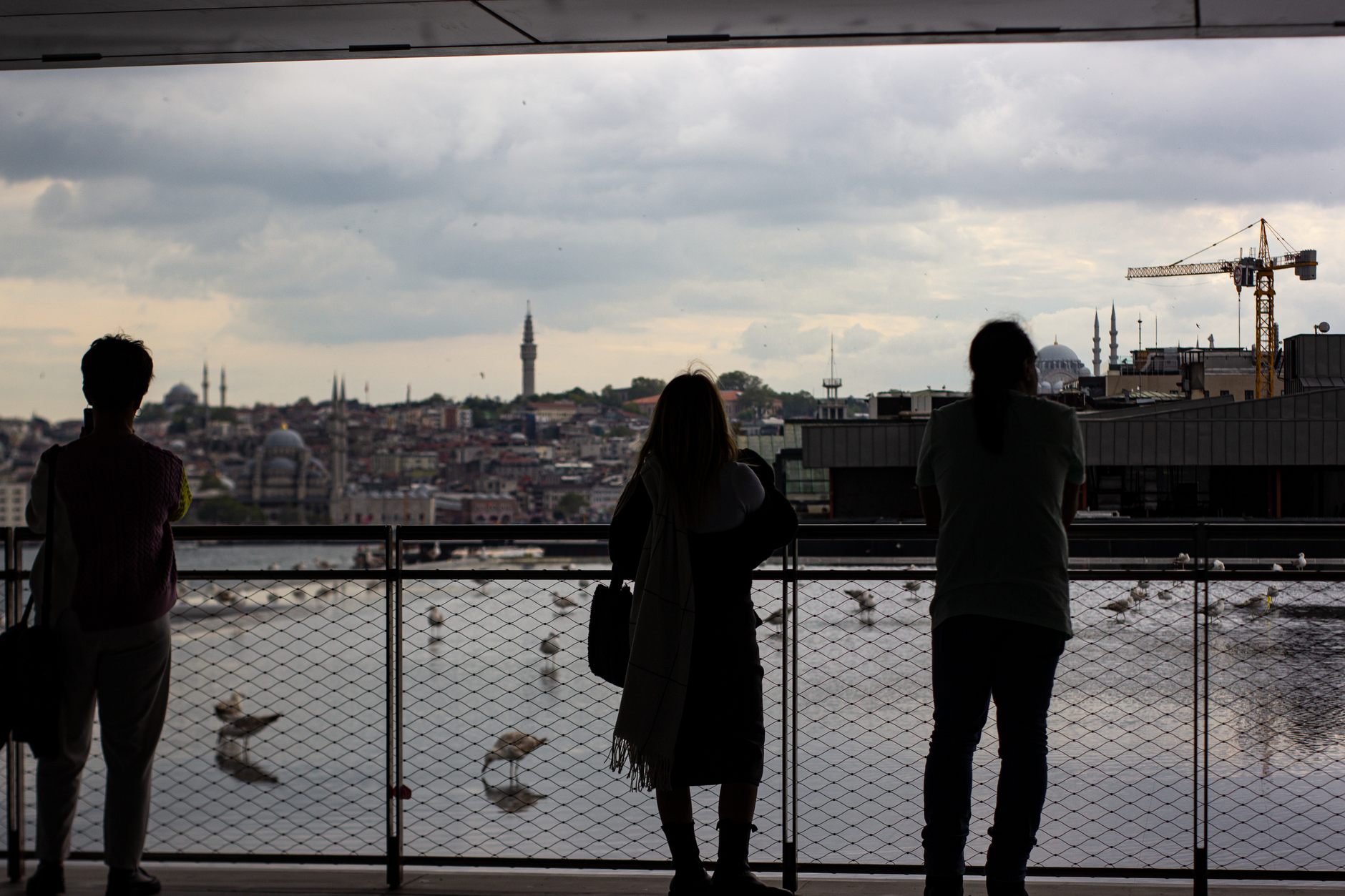
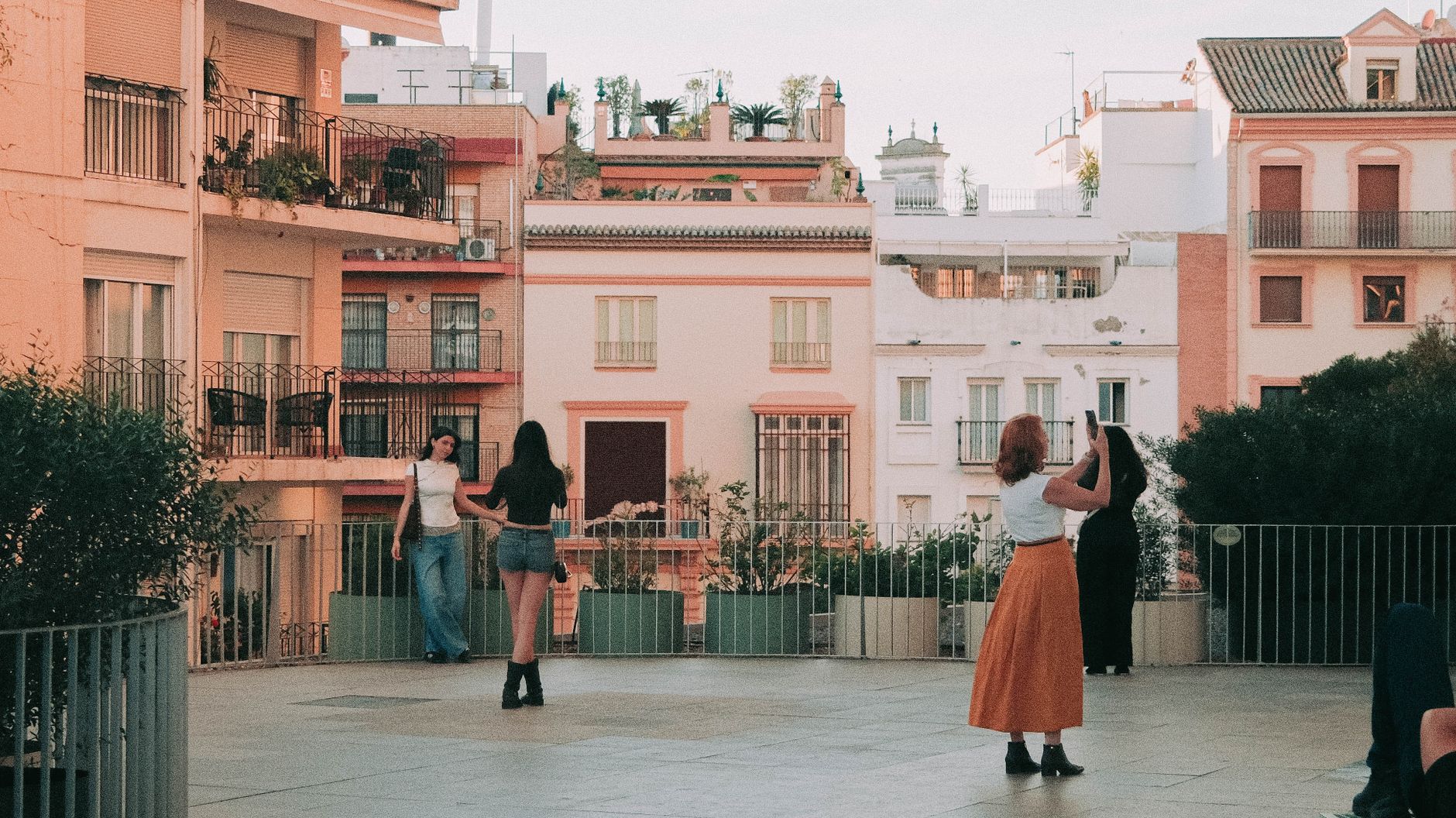
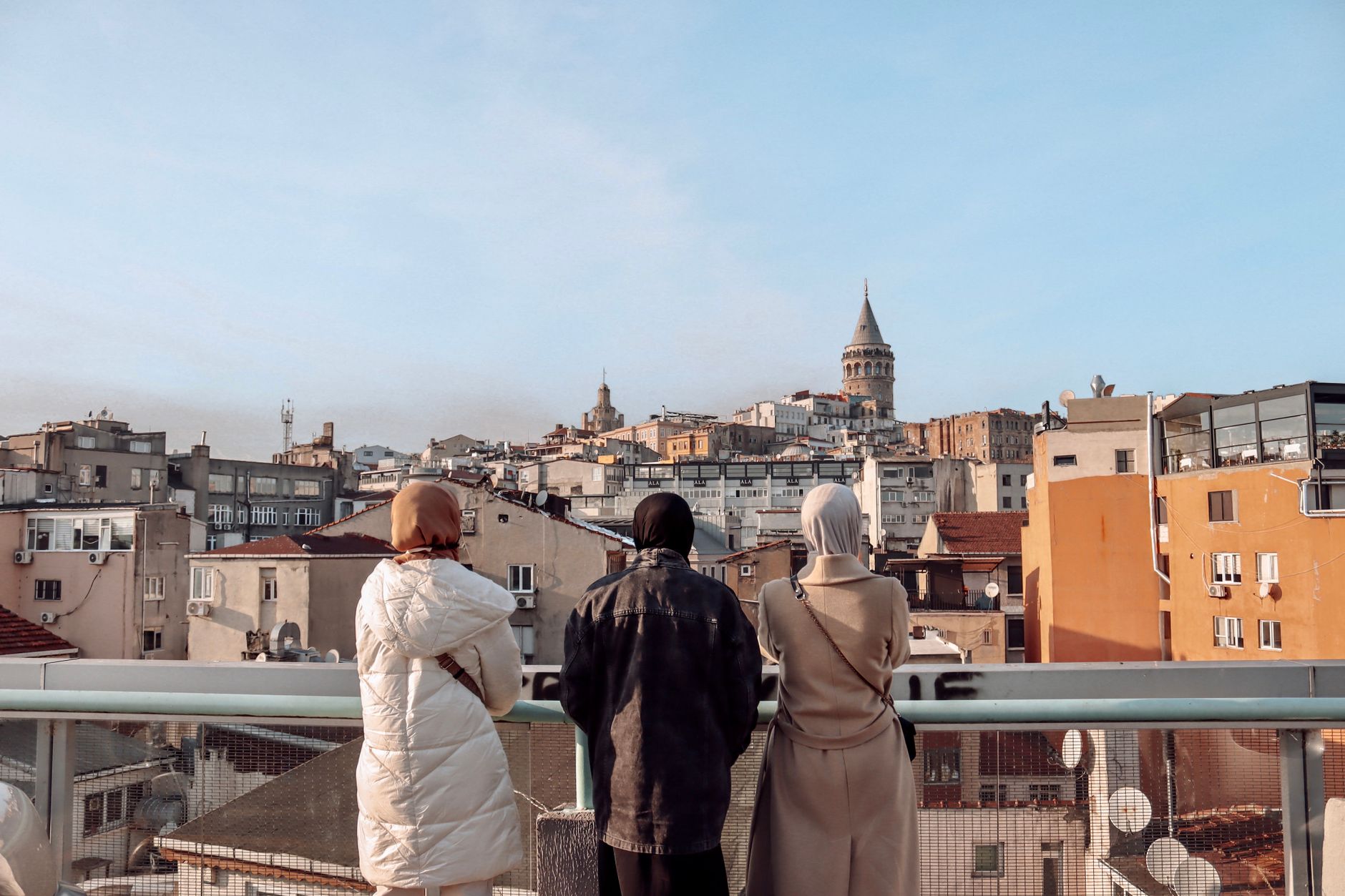
The staircase narrows as you climb, and then the medina opens up all at once — rooftops, minarets, the long smudge of the Atlas Mountains on the horizon. This is the terrace above Ben Youssef Madrasa, and it earns the ascent. What you get up here is scale: the courtyard below, which felt monumental at ground level, suddenly reads as intimate against the sprawl of the old city surrounding it.
Sunset is when the light does its best work, turning the earthen roofscapes amber and throwing long shadows across the mosque towers. Bring patience rather than a schedule.
💛 What travellers fall for
People who've been up twice tend to say the same thing: go early, just after nine, before the tour groups find their rhythm. The light is softer, the terrace quieter, and you can actually hear the city rather than the crowd. A few also note that the western edge frames the minaret best for a photograph.
How Rooftop Terrace came to be
The madrasa below this terrace has two founding moments. A first school stood here under the Marinid sultan Abu al-Hasan in the fourteenth century. The structure you walk through today — and climb above — was commissioned by the Saadian sultan Abdallah al-Ghalib and completed in 1564–1565, part of a broader campaign of building that defined his reign.
The madrasa closed in 1960 and sat dormant for over two decades before reopening as a heritage site in 1982. A second closure for restoration ran from 2018 until April 2022, after which the terrace became accessible again to the roughly 230,000 visitors who pass through each year.
Who and what shaped it
People who shaped it
Landmark buildings
Plan your visit
On the map
When to go
October through April is when the terrace is most comfortable — cool mornings, manageable afternoons. From June through August, the exposed rooftop offers no shade, and midday heat in Marrakech makes lingering up here a test of endurance rather than a pleasure.
Right now
Background & history adapted from Wikipedia (CC BY-SA) · specs from Wikidata (CC0) · weather from Open-Meteo · map data © OpenStreetMap contributors · photos from Wikimedia Commons / Unsplash with per-image credit. No third-party reviews or social posts reproduced.