
Ticket Office and Museum Display Area
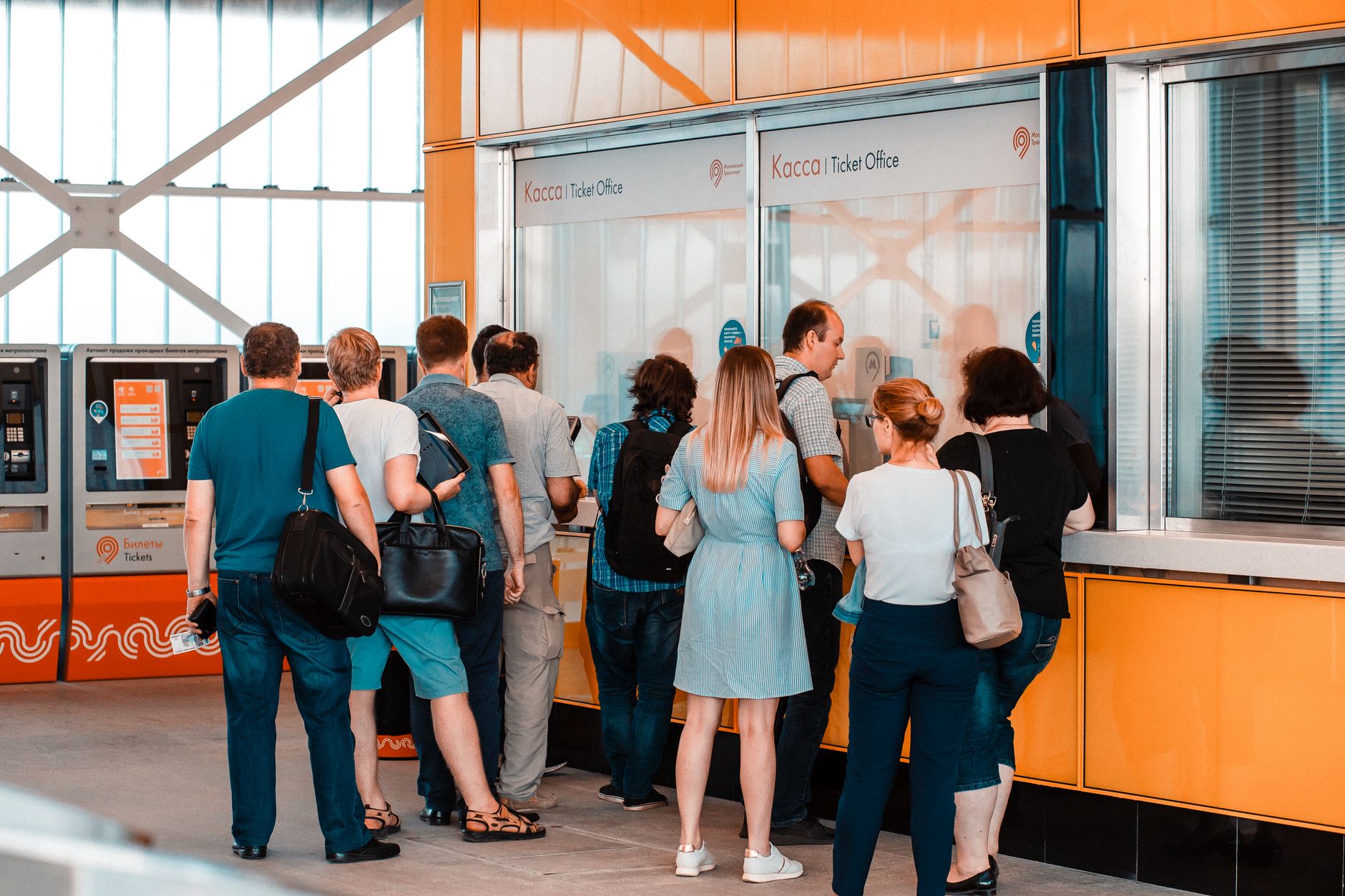
The ticket office is where the madrasa asks you to pause before it lets you in. You pay here — 50 dirhams for foreign visitors, cash only, no online option currently working — and while you wait you're already inside the threshold, reading the inscription carved above the gateway: "You who enter my door, may your highest hopes be exceeded." It's a considered place to begin.
A few display panels in this entry area orient you to what you're about to see: the layout of the 130 student cells, the scale of a complex that once housed up to 900 scholars, the Saadian ambition that rebuilt all of this in 1564–65.
💛 What travellers fall for
People who've visited more than once tend to linger here longer the second time around. The displays that seemed like preamble on the first visit start to read as context — a quick look at the floor plan before stepping into the courtyard makes the geometry of the place land differently once you're standing in it.
How Ticket Office and Museum Display Area came to be
The madrasa takes its name from the Almoravid Sultan Ali ibn Yusuf, who built the adjacent mosque in the early twelfth century, though the structure you enter today dates to 1564–65, commissioned by the Saadian Sultan Abdallah al-Ghalib. It functioned as a working school for centuries before closing in 1960.
After a refurbishment it reopened to the public in 1982. A further restoration, overseen by the Ministry of Habous and Islamic Affairs following a royal visit to the Medina in January 2017, closed the site from November 2018 until April 2022. The ticket area and its displays are part of that most recent iteration.
Who and what shaped it
People who shaped it
Landmark buildings
Plan your visit
On the map
When to go
Right now
Background & history adapted from Wikipedia (CC BY-SA) · specs from Wikidata (CC0) · weather from Open-Meteo · map data © OpenStreetMap contributors · photos from Wikimedia Commons / Unsplash with per-image credit. No third-party reviews or social posts reproduced.