
Student Cells (Upper Floor)
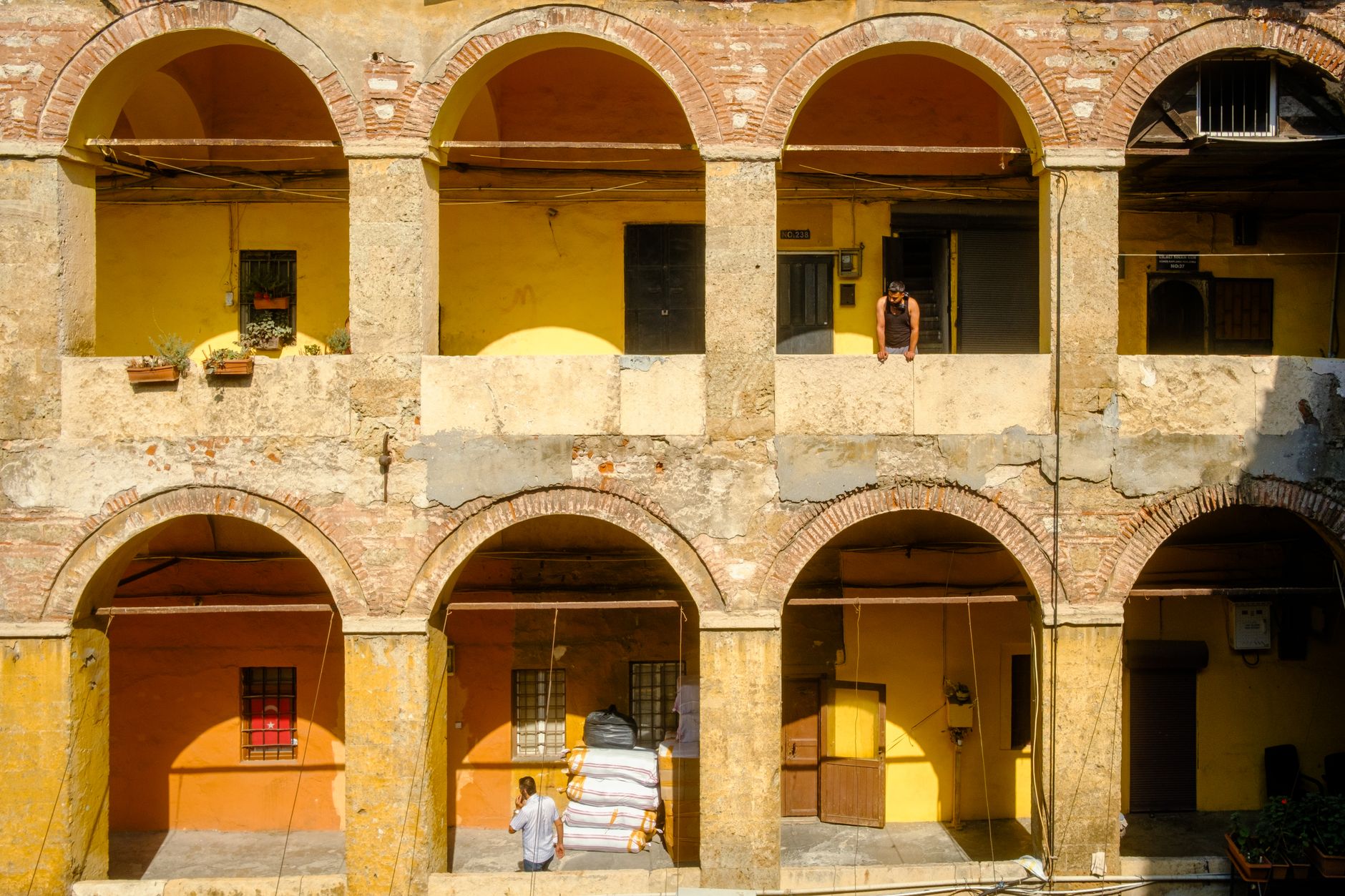

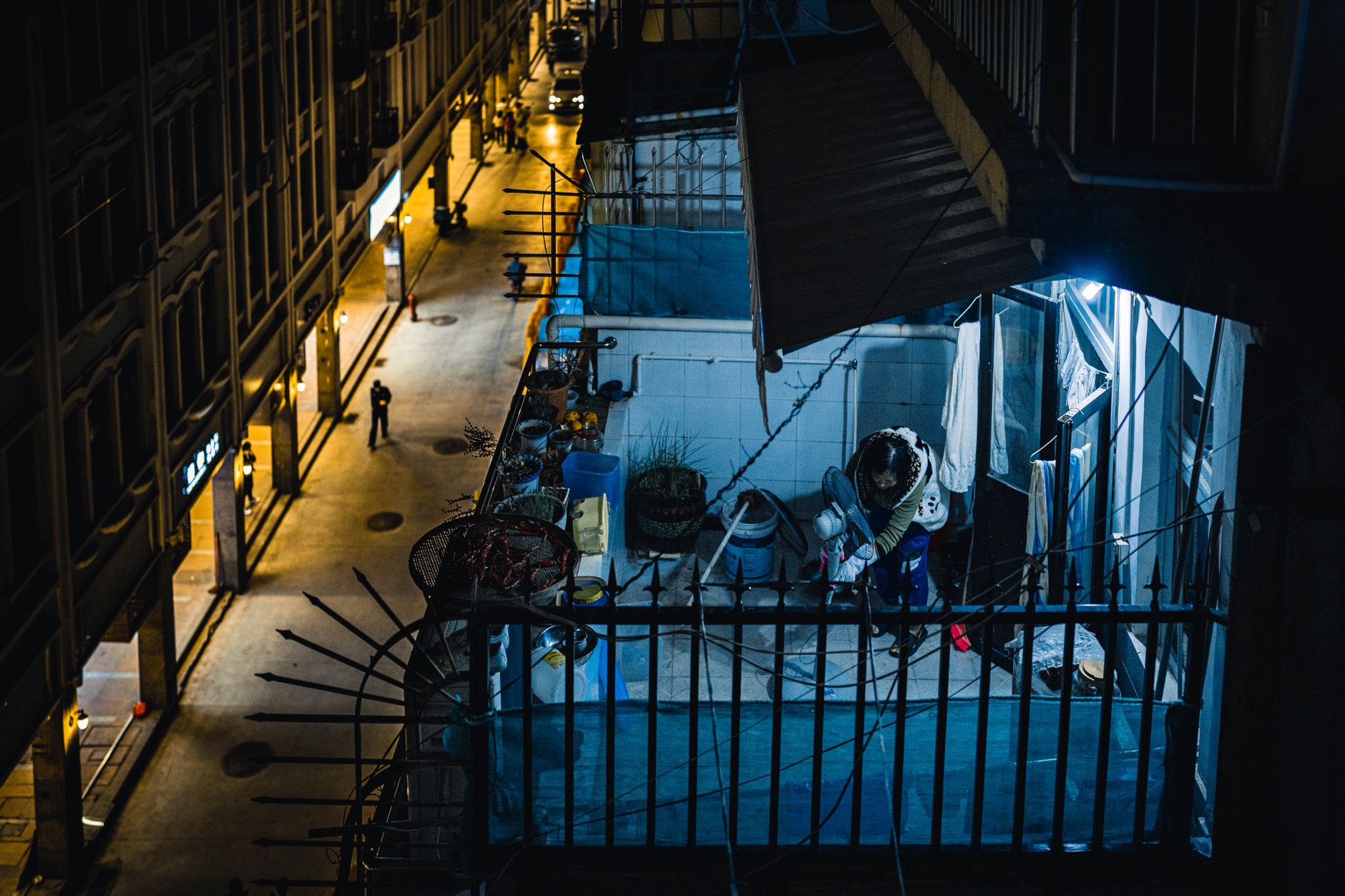
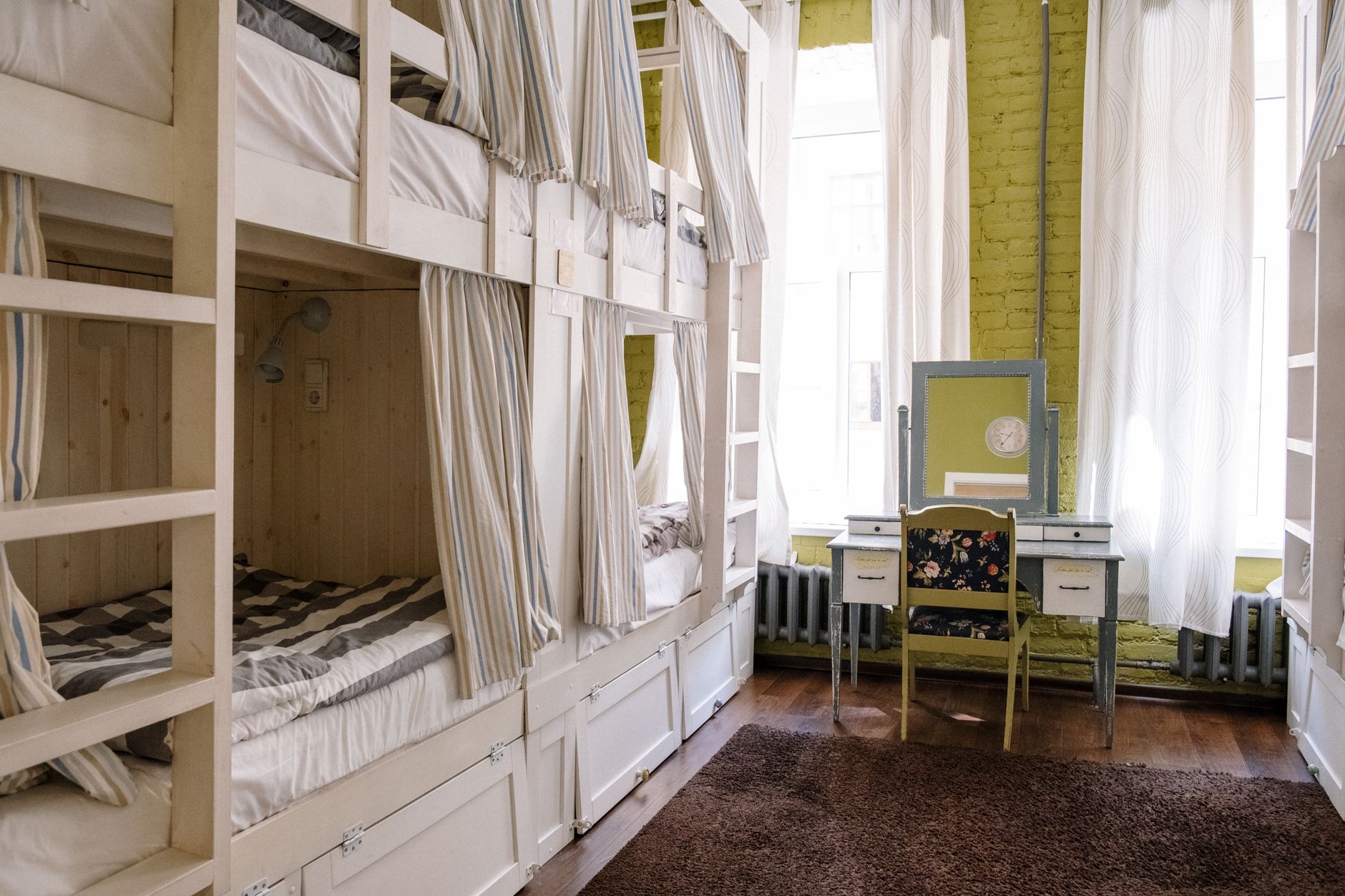
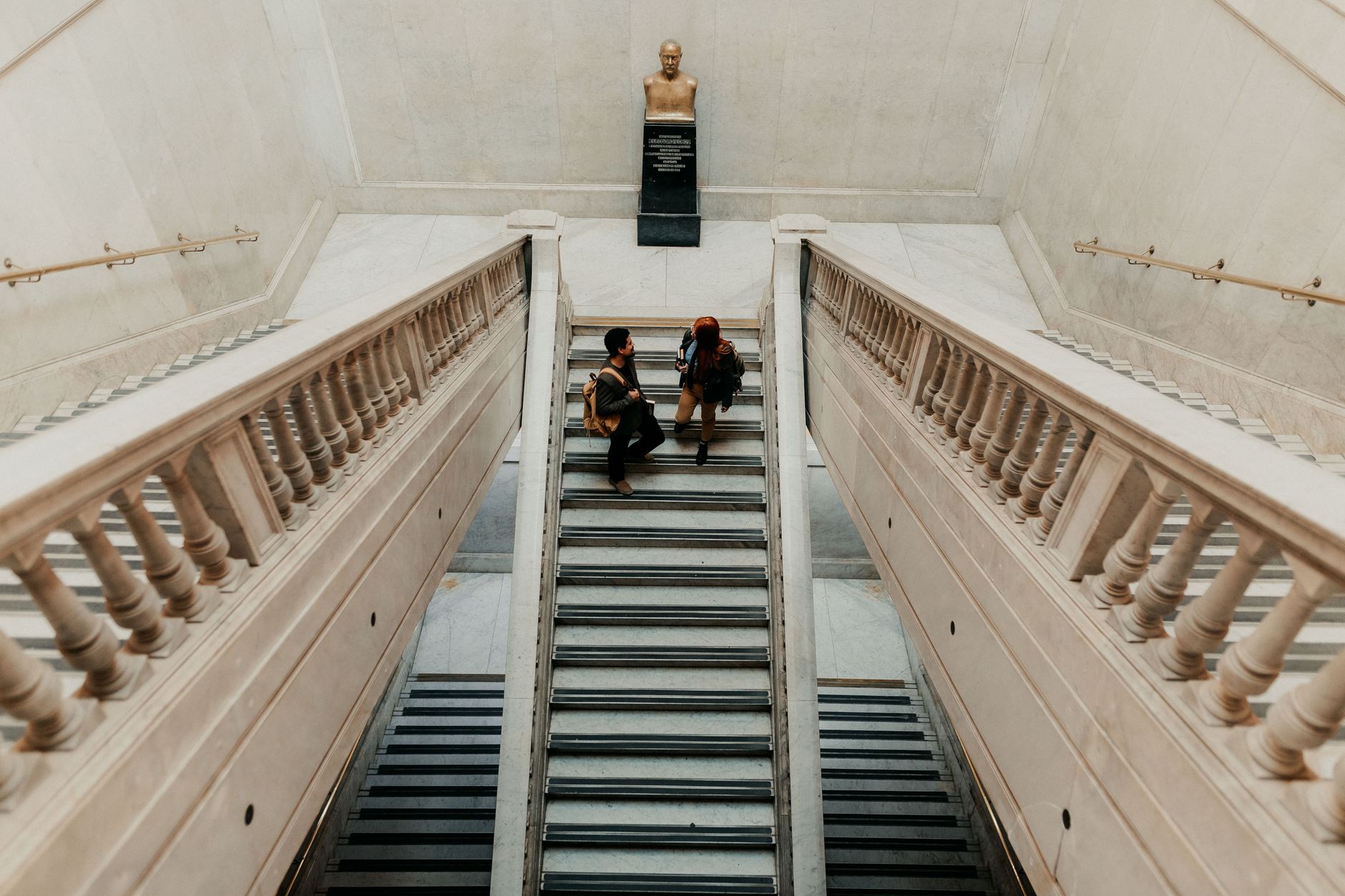

Up the two stairways from the vestibule, the madrasa changes register. Down below, the great courtyard pulls every eye toward its carved cedar and mirrored pool. Up here, the scale drops to human — to the scale of a single student, a single night. The 130 cells that ring the upper corridors are small and plain, their decoration spare compared to the spectacle below, though the secondary courtyards they open onto still carry ceramic tilework and carved plasterwork of real quality.
At its peak this place housed up to 800 students, arranged across six small interior courtyards — three in the northeast wing, three in the southwest. Walk the corridors slowly and the arithmetic of that life becomes legible: the narrow doorways, the close walls, the view down into the courtyard from above.
💛 What travellers fall for
People who've been through more than once tend to linger on the upper level longer the second time. The cells are genuinely cramped — duck your head going in — but standing in one and looking out through a mashrabiya screen toward the courtyard below reframes the whole building. You stop seeing a monument and start seeing a school.
How Student Cells (Upper Floor) came to be
The first madrasa on this site was founded under the Marinid sultan Abu al-Hasan in the fourteenth century. The current structure was commissioned by the Saadian sultan Abdallah al-Ghalib, who came to power in 1557 and completed the building in 1564–65. It became the largest madrasa in Morocco — a status the upper dormitory floor makes tangible when you try to count the cells.
The madrasa functioned as a place of religious education for centuries before closing in 1960. It was refurbished and reopened as a historical site in 1982, then closed again for restoration in November 2018, reopening in April 2022.
Who and what shaped it
People who shaped it
Landmark buildings
Plan your visit
On the map
When to go
Right now
Background & history adapted from Wikipedia (CC BY-SA) · specs from Wikidata (CC0) · weather from Open-Meteo · map data © OpenStreetMap contributors · photos from Wikimedia Commons / Unsplash with per-image credit. No third-party reviews or social posts reproduced.