
Central Courtyard
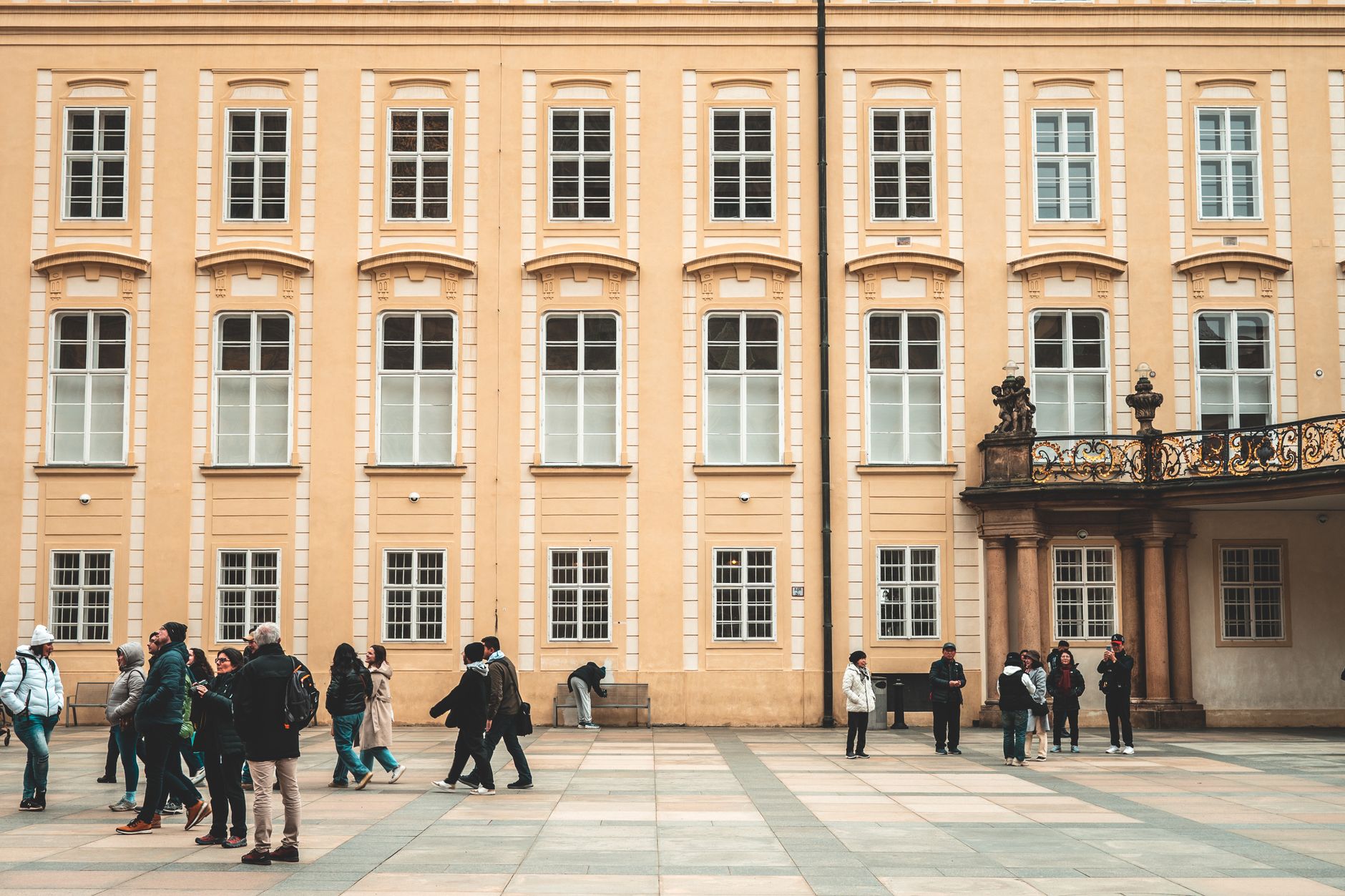
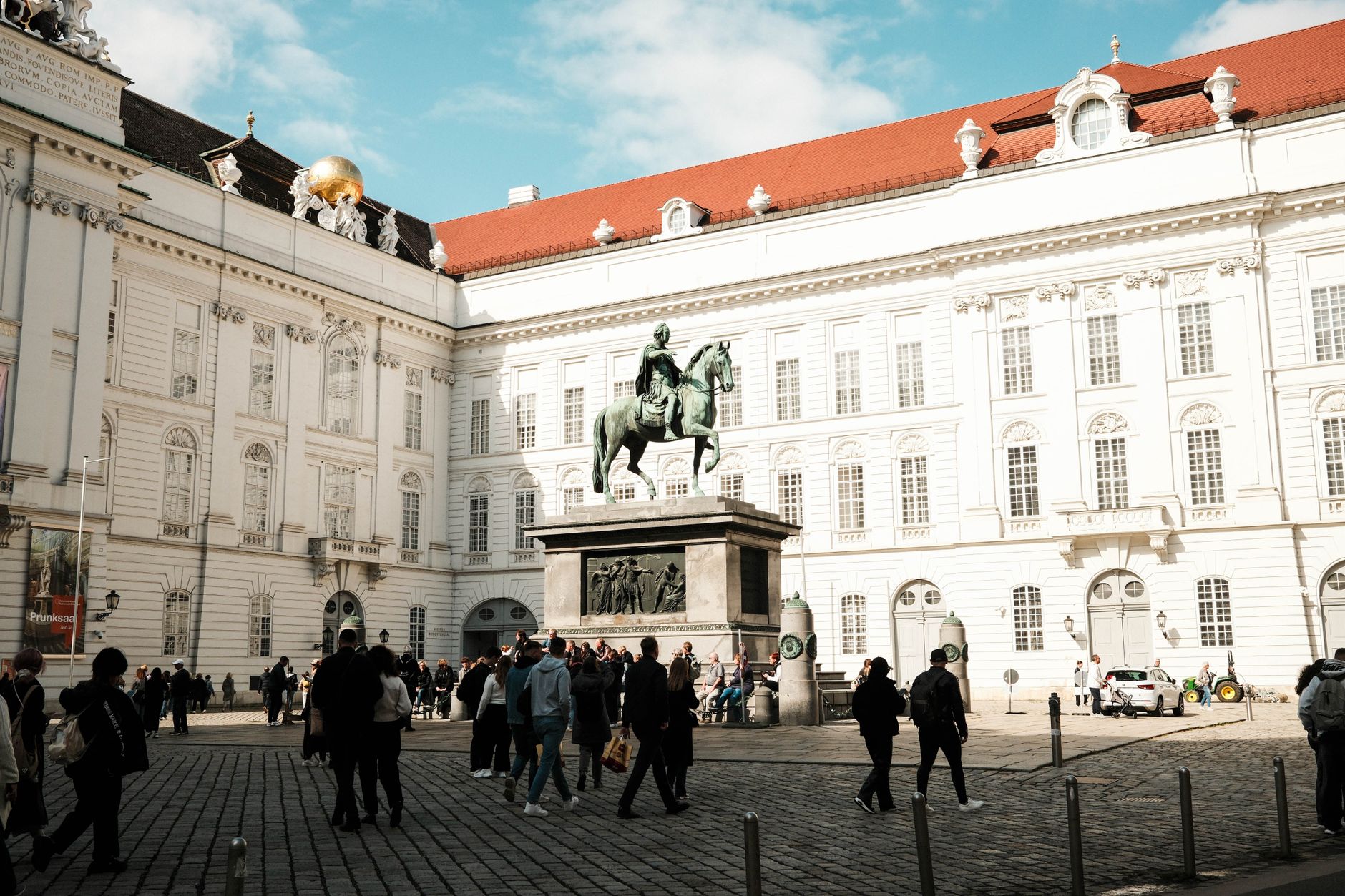
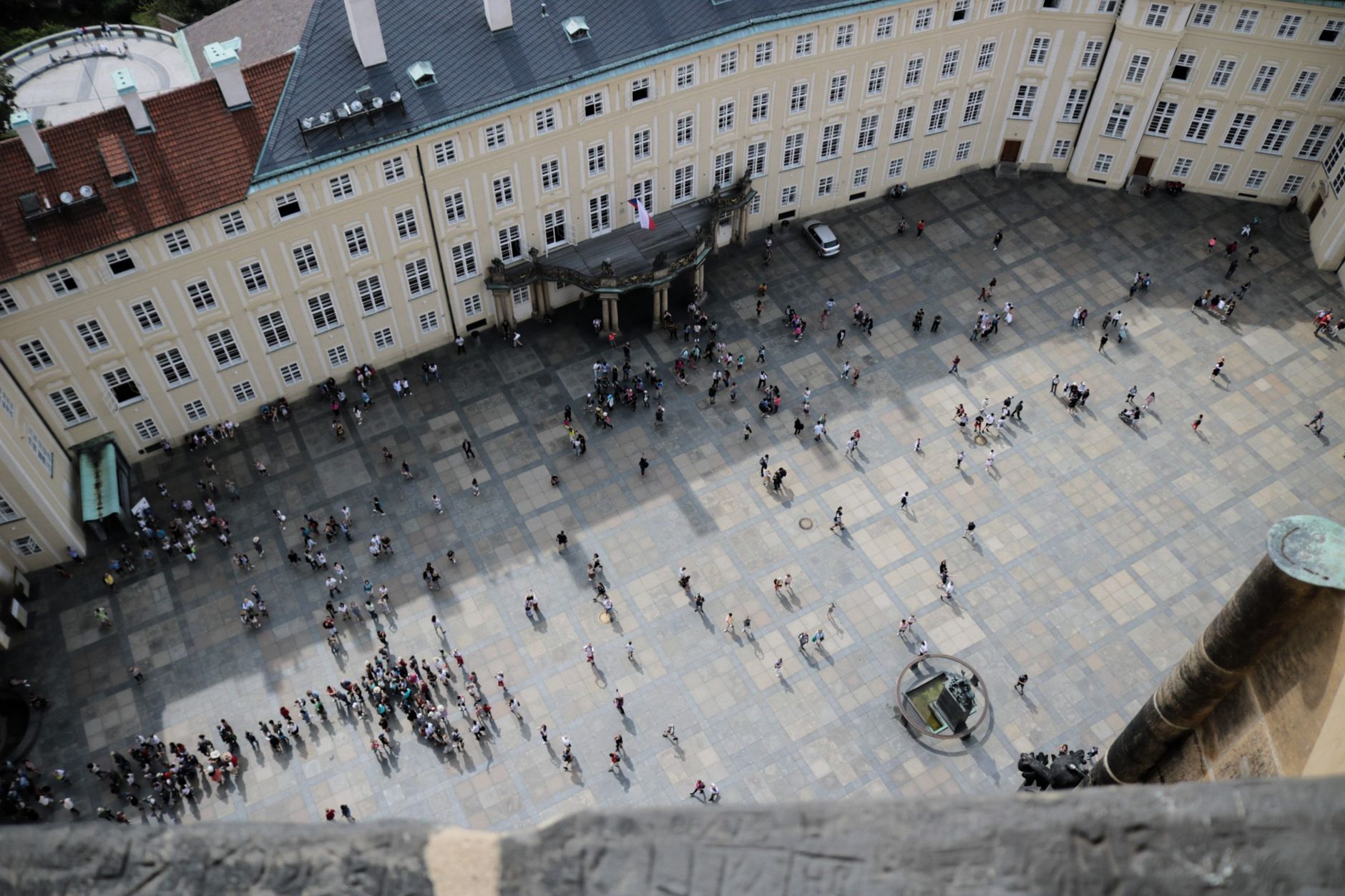
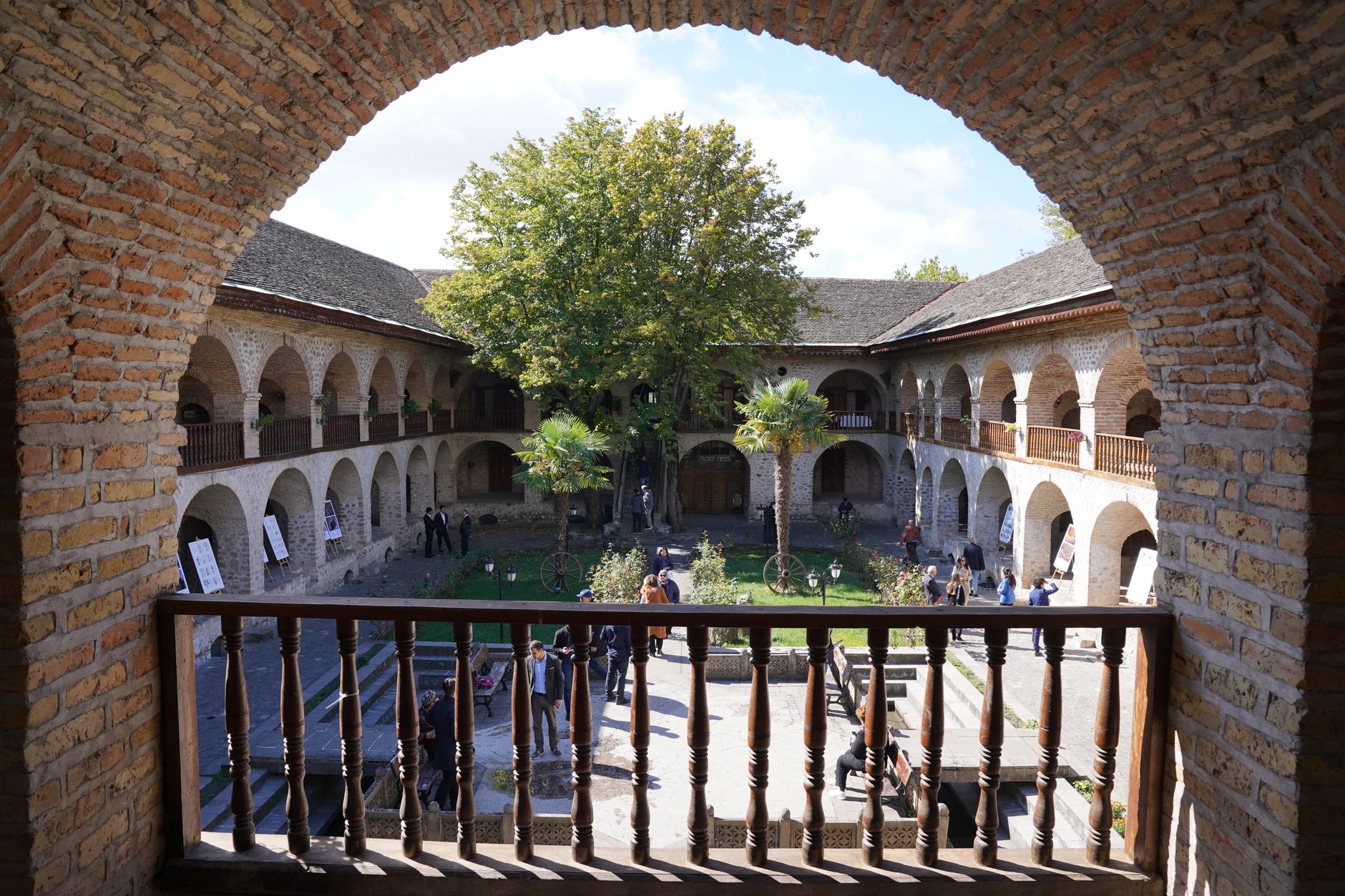
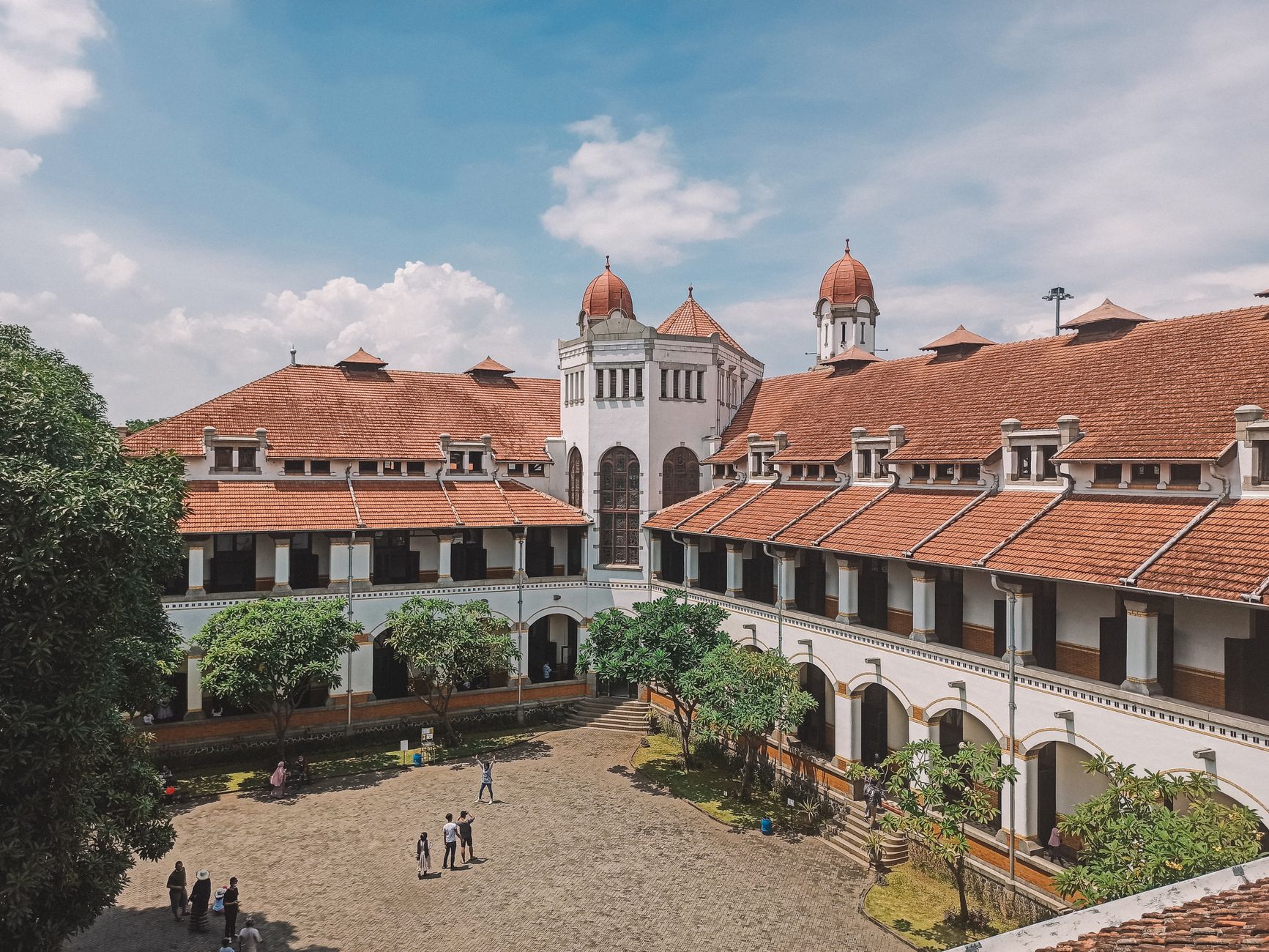
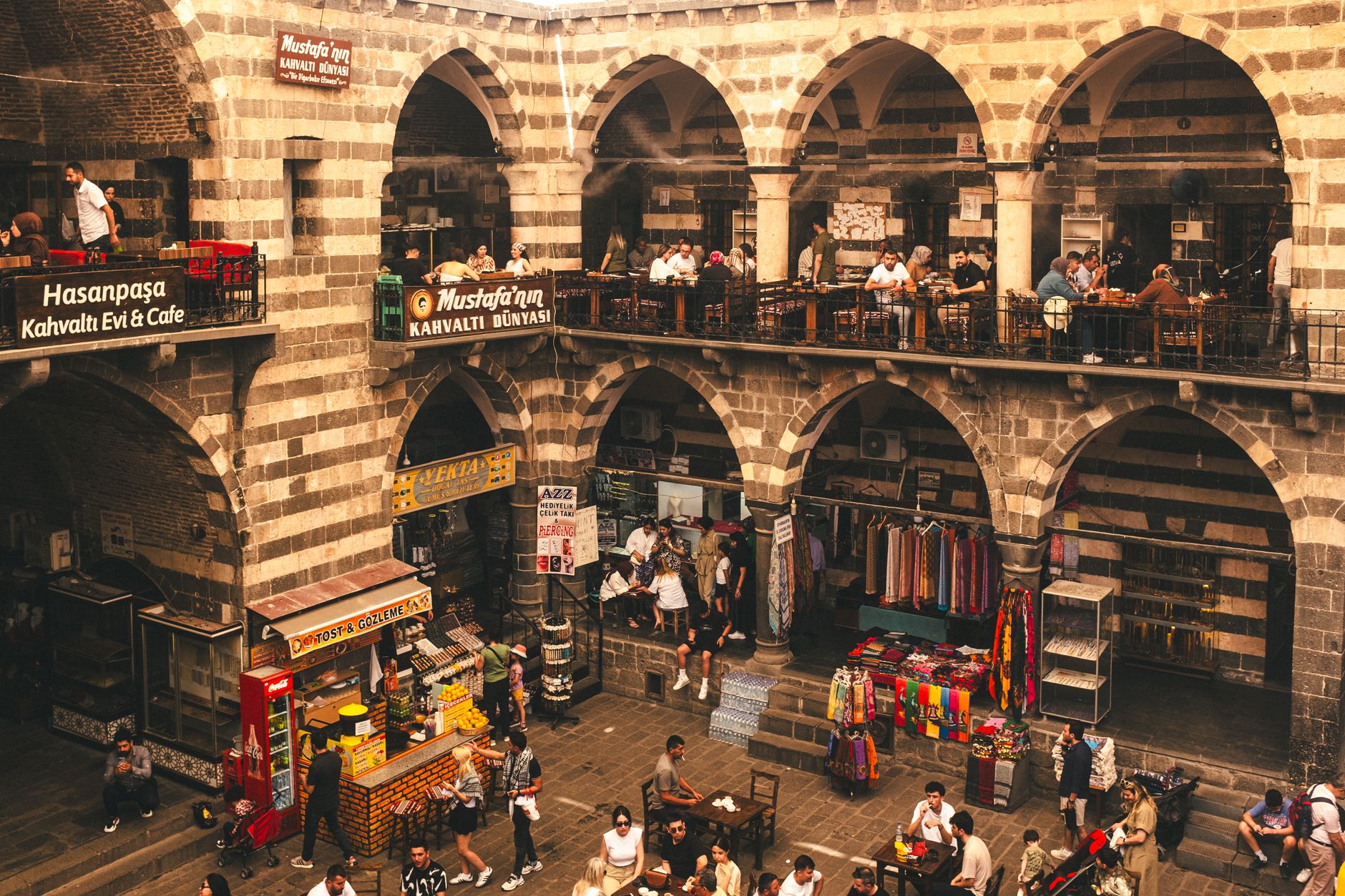
The corridor from the street is deliberately narrow and dim — a compression before release. Then the central courtyard opens: roughly 40 by 43 metres of white marble, carved cedar, and stucco so finely worked it looks more like coral than stone. A shallow rectangular pool catches the light and throws it back across the zellige walls in ripples. Around the perimeter, two storeys of student cells look down onto the space where, for centuries, young men came from across the Maghreb to memorise the Quran and study Islamic law.
The decorative language here is dense but legible once you slow down: arabesques give way to calligraphic bands, which give way to geometric tilework, each register climbing the wall in a different material and mood. Cedar ceilings carry a faint woody scent even now.
💛 What travellers fall for
People who come back tend to arrive right at 9am, before the tour groups consolidate around the pool. The northeastern corner of the gallery, where the carved stucco arcade meets the upper-cell balustrade, gets good raking morning light for photographs. Worth walking the full perimeter at ground level before heading upstairs.
How Central Courtyard came to be
The site's first madrasa was founded under the Marinid sultan Abu al-Hasan in the mid-14th century. The building that stands today was commissioned in 1564–65 by the Saadian sultan Abdallah al-Ghalib, who ruled from 1557 to 1574, and the courtyard's scale — large enough to support dormitories for upwards of 800 students — reflects the ambition of Saadian Marrakech as a centre of Islamic scholarship.
The madrasa functioned continuously until 1960, when it was closed. It was refurbished and reopened as a heritage site in 1982, then closed again for restoration in November 2018 before reopening in April 2022.
Who and what shaped it
People who shaped it
Landmark buildings
See Central Courtyard in motion
Plan your visit
On the map
When to go
Spring (March to May) and autumn (late September to mid-November) are the most comfortable seasons — warm without the punishing heat of July and August, when daytime temperatures routinely exceed 38°C. Winter days are mild and often sunny, though nights can drop below 5°C.
Right now
Background & history adapted from Wikipedia (CC BY-SA) · specs from Wikidata (CC0) · weather from Open-Meteo · map data © OpenStreetMap contributors · photos from Wikimedia Commons / Unsplash with per-image credit. No third-party reviews or social posts reproduced.