
Mihrab (Prayer Niche)
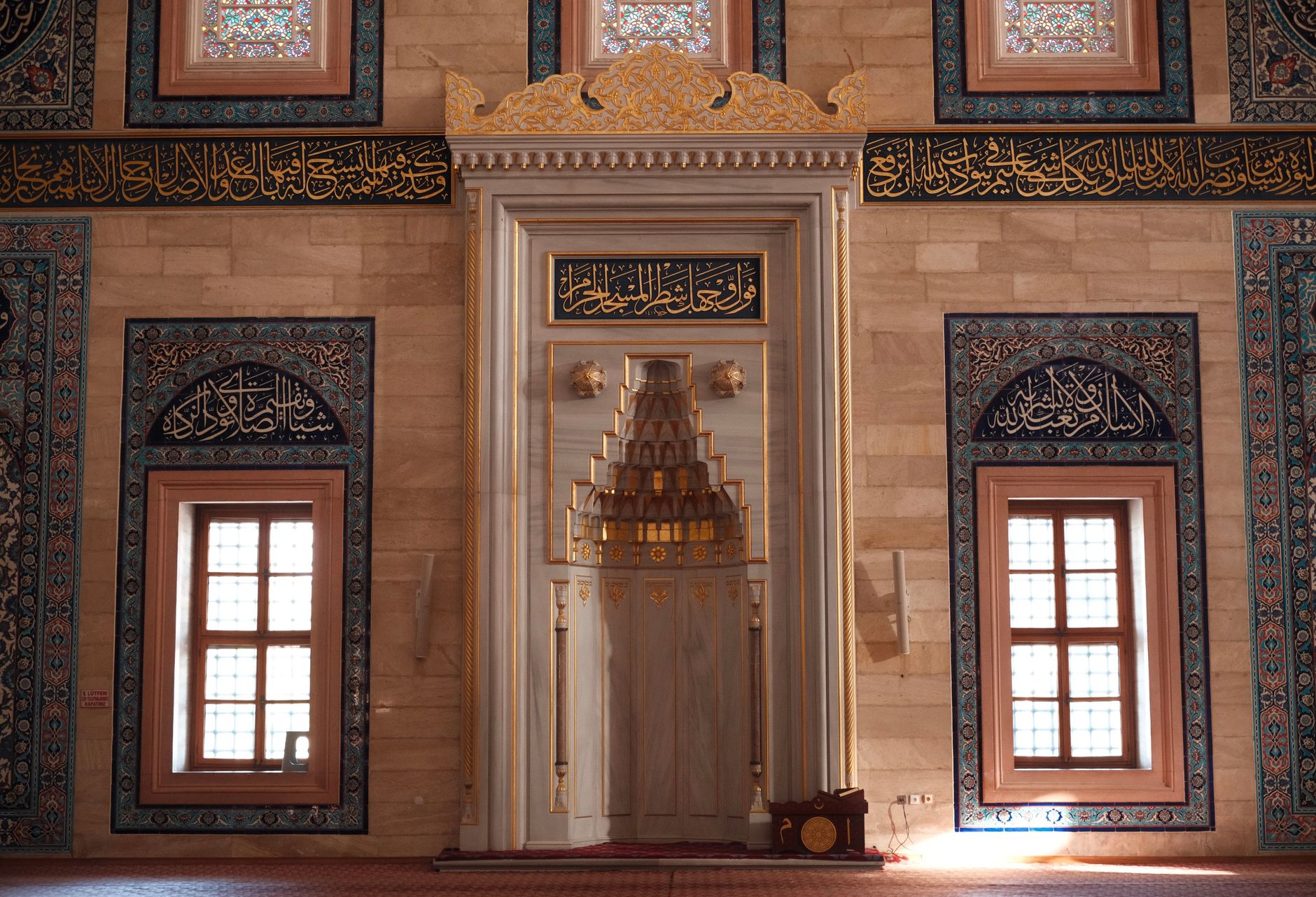
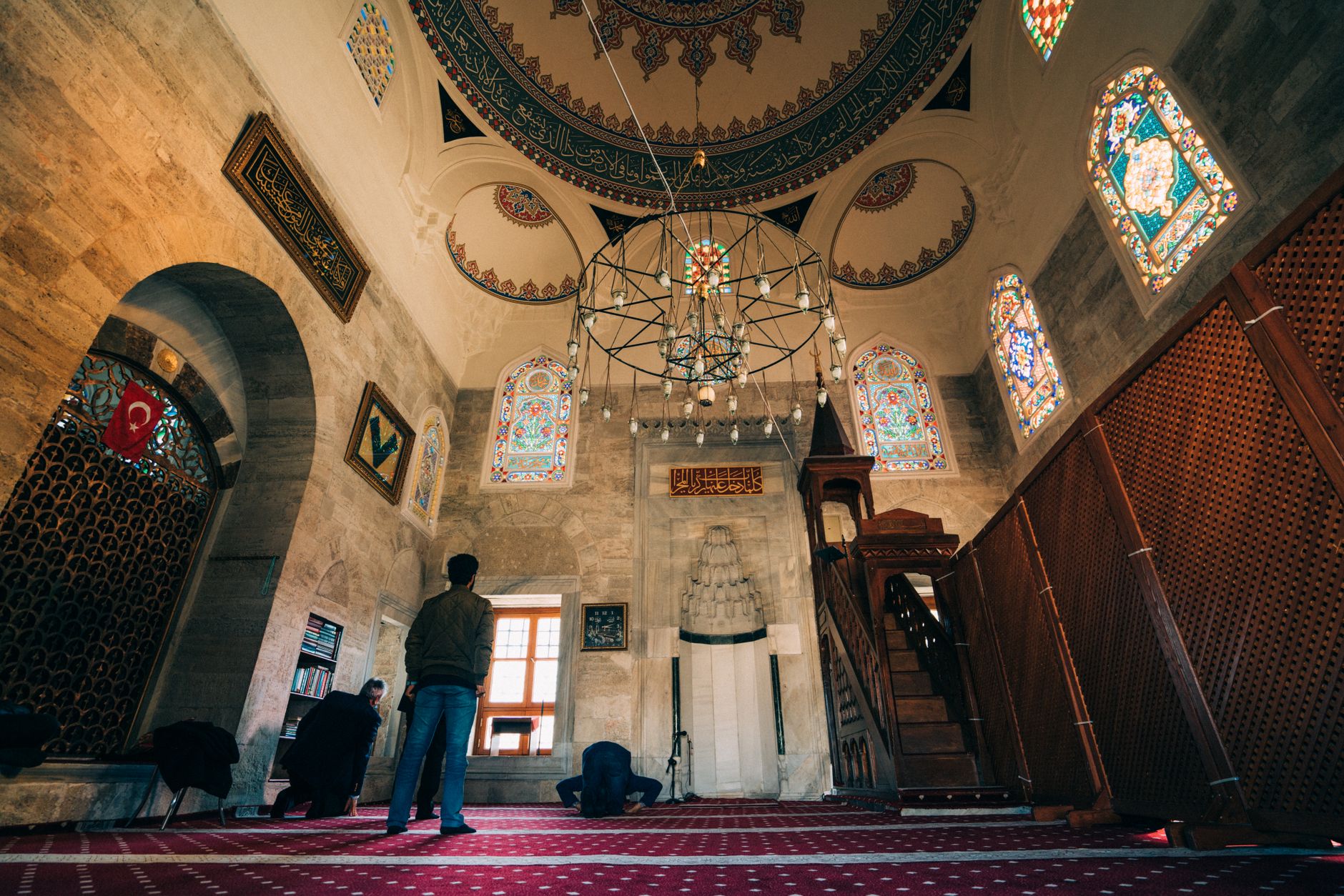
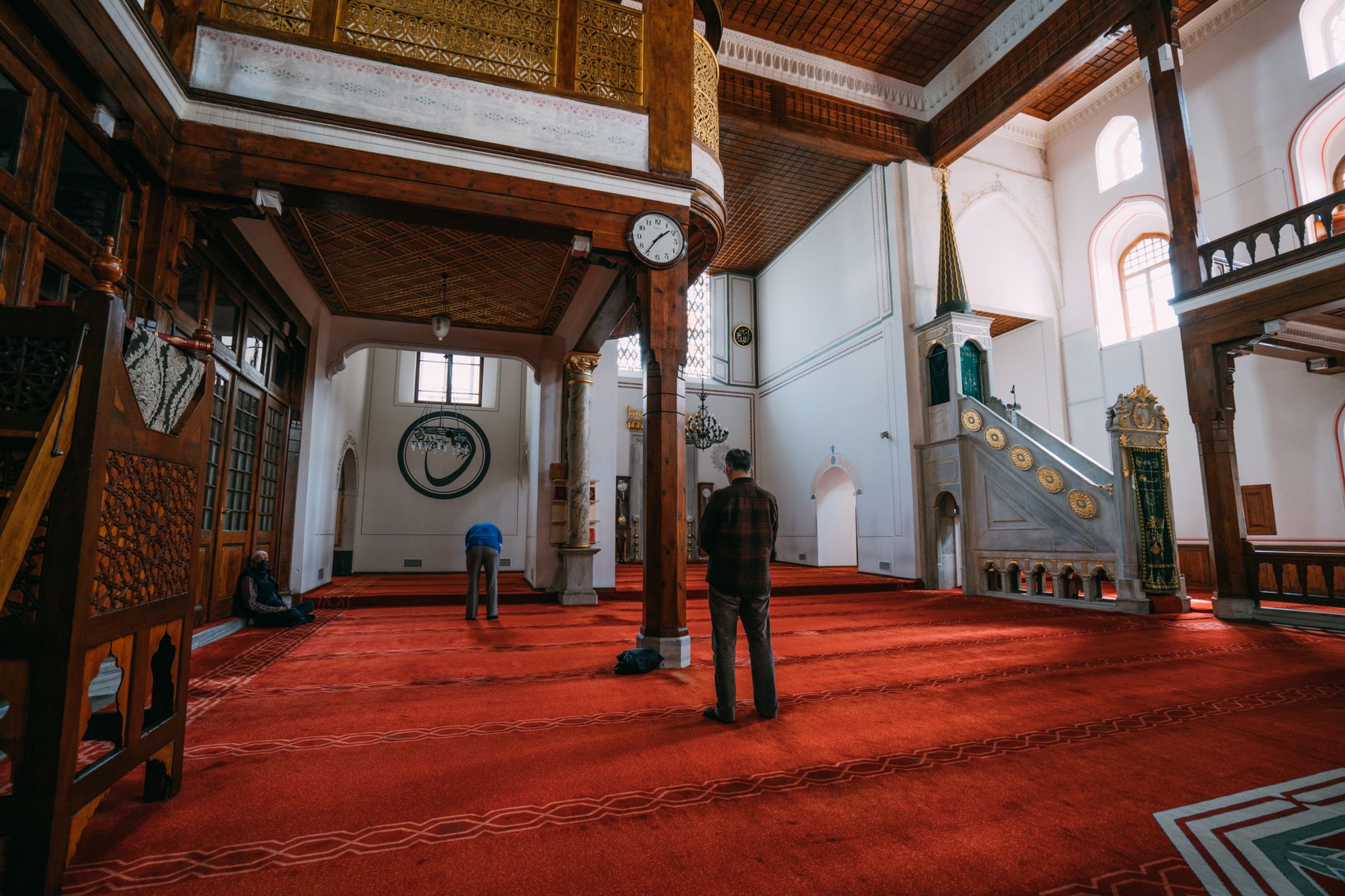
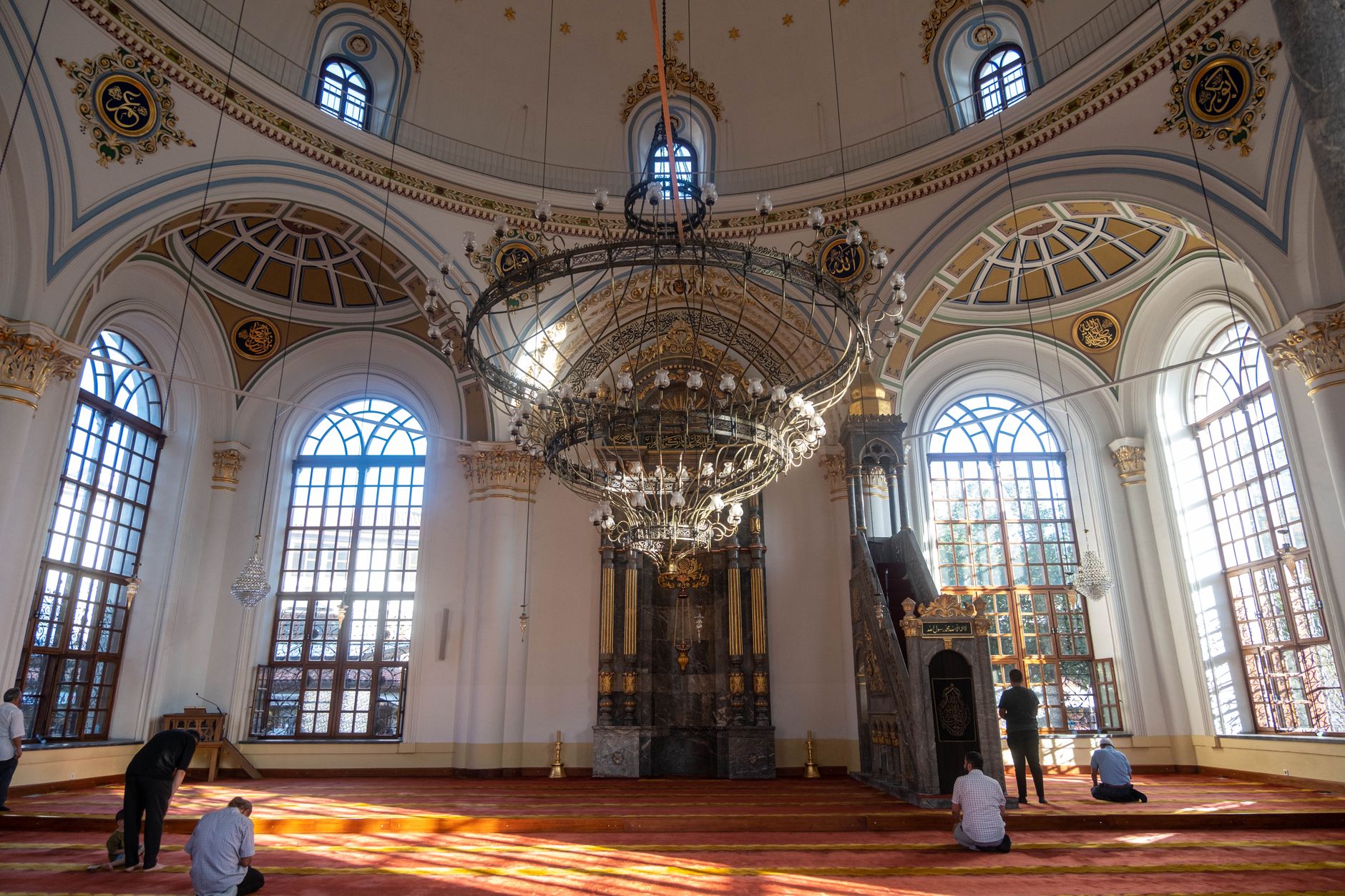
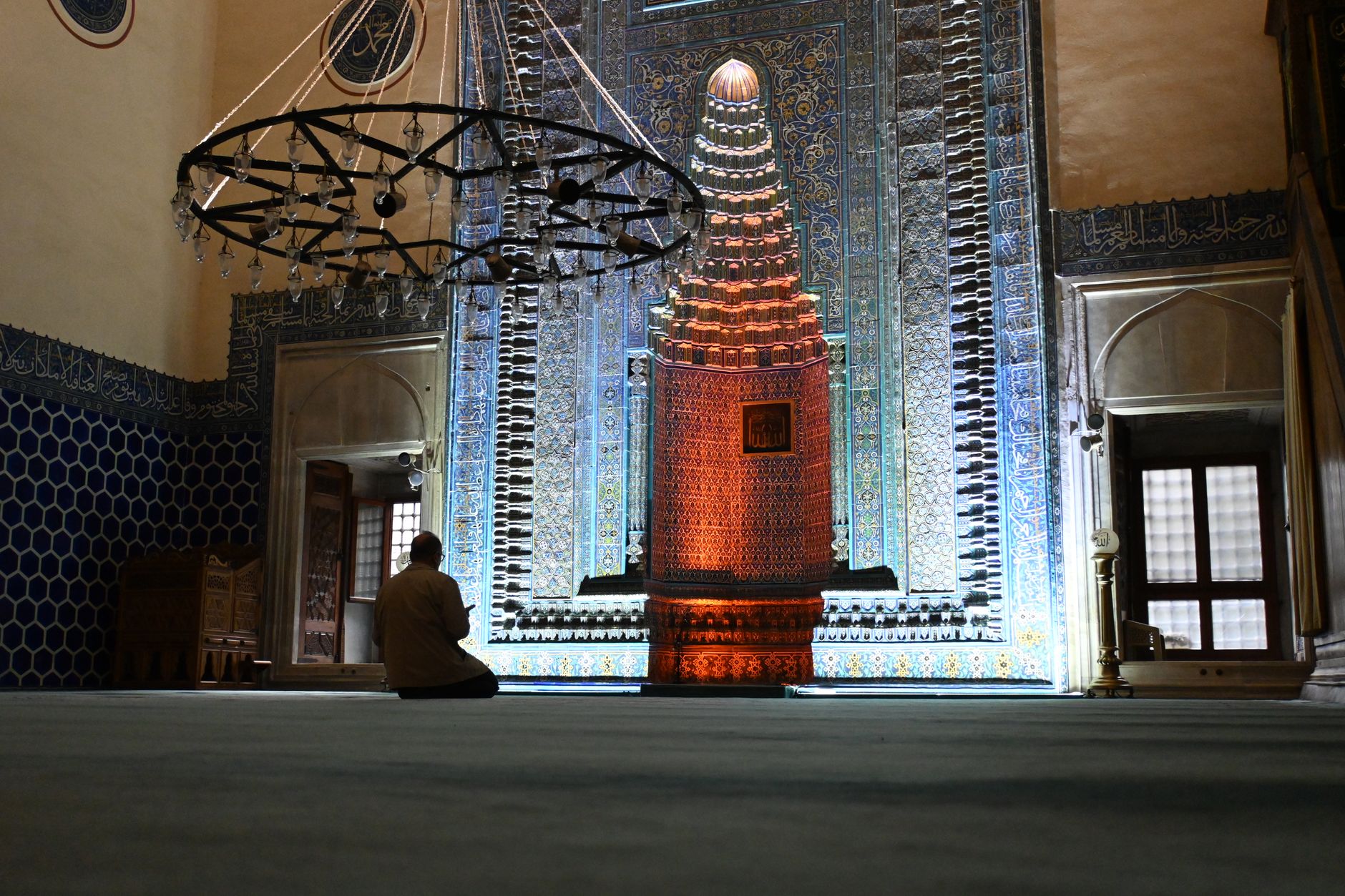
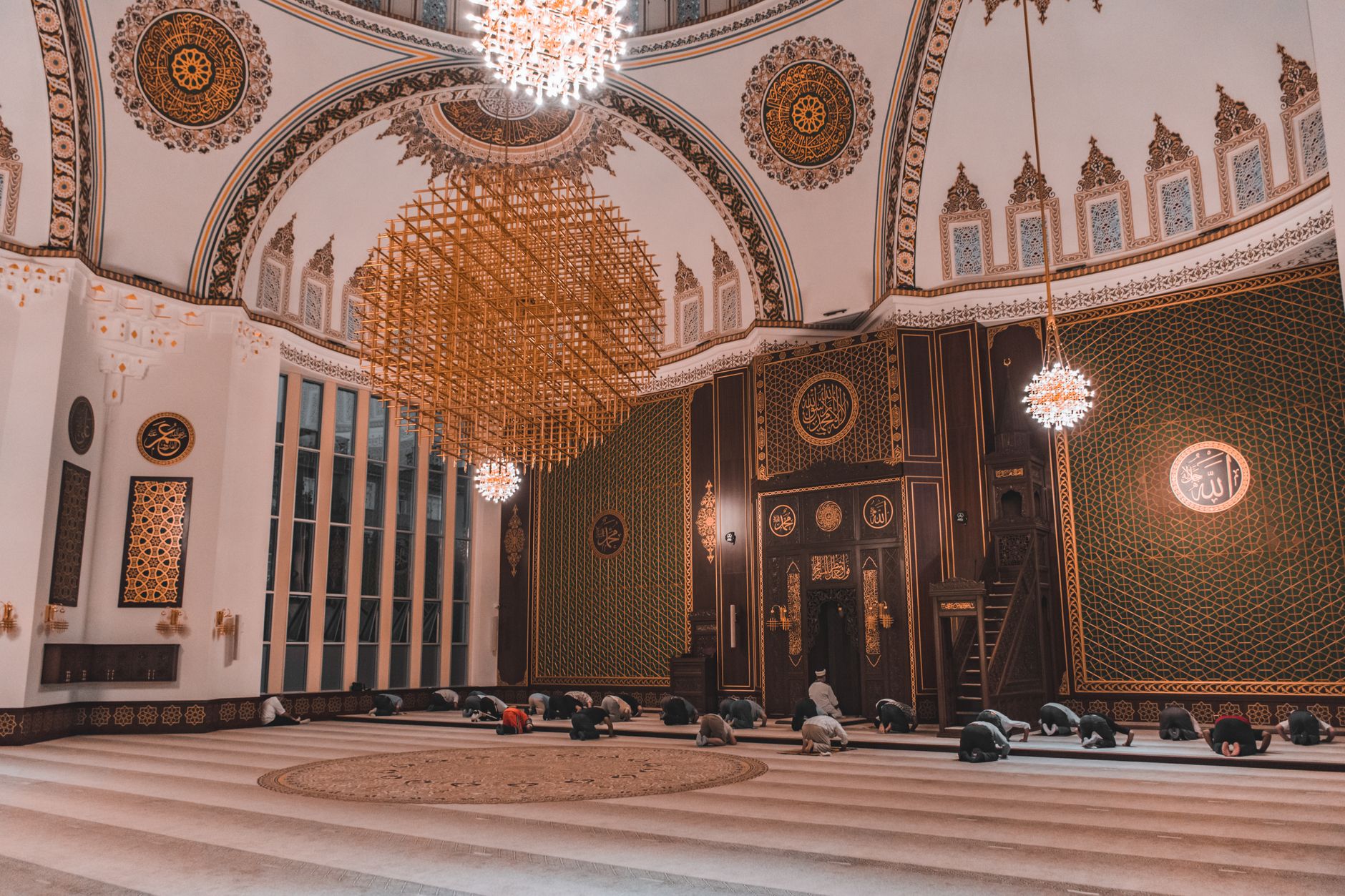
At the southeastern end of the courtyard, past the reflective pool and the tiers of carved stucco, the prayer hall opens into the mihrab — a niche oriented toward Mecca and covered in some of the most concentrated ornament in the entire madrasa. Muqarnas cells stack up inside the arch like a honeycomb in slow collapse. Around the frame, a Kufic inscription carries the basmala, the tasliyya, and verses from Surah an-Nur — words of light, literally, encircling a space designed to direct prayer.
The arabesque and pine cone motifs carved into the flanking stucco reward the kind of looking you usually reserve for paintings. Stand close enough and the geometry keeps subdividing. This is not a room you pass through — it's where the building's decorative logic reaches its conclusion.
💛 What travellers fall for
People who've been more than once tend to arrive before 9:30 AM and head straight here, before the courtyard fills. The mihrab chamber is small enough that a crowd of ten makes quiet contemplation impossible. Come early, let the light settle on the stucco, and give yourself a few unrushed minutes with the inscription.
How Mihrab (Prayer Niche) came to be
The site traces back to the Marinid dynasty, when Sultan Abu al-Hasan founded the first madrasa here in the fourteenth century. What stands today is a Saadian commission: Sultan Abdallah al-Ghalib ordered the current structure, completed in 1564–1565, as part of a broader effort to assert Saadian authority through monumental architecture. The madrasa could house upwards of 800 students across 134 rooms and 13 courtyards.
After centuries of use, it closed in 1960 and reopened as a heritage site in 1982. A second closure for restoration ran from November 2018 until April 2022, and the mihrab's stucco — including its muqarnas dome — emerged from that work in notably sharp condition.
Who and what shaped it
People who shaped it
Landmark buildings
Plan your visit
On the map
When to go
The mihrab chamber is indoors, but reaching it means crossing the open courtyard — plan for early morning in summer (July daytime highs around 36°C) and bring a layer for winter evenings, when temperatures can drop toward freezing. Spring and late autumn are the most comfortable windows.
Right now
Background & history adapted from Wikipedia (CC BY-SA) · specs from Wikidata (CC0) · weather from Open-Meteo · map data © OpenStreetMap contributors · photos from Wikimedia Commons / Unsplash with per-image credit. No third-party reviews or social posts reproduced.